For more information about senior living options: (866) 208-4318
4.1 from 81 reviews
5 stars
56
4 stars
7
3 stars
3
2 stars
2
1 stars
13
Providence Downers Grove Costs & Pricing
At Providence Downers Grove, the monthly costs for assisted living reflect a more affordable option compared to the broader financial landscape of DuPage County and the state of Illinois. For a semi-private room, residents can expect to pay $2,000, which is significantly lower than the county average of $5,848 and the state average of $5,146. Similarly, private room accommodations at Providence are offered at $3,500, again well below both DuPage County's average of $5,588 and Illinois' statewide average of $5,049. This pricing structure not only demonstrates Providence Downers Grove's commitment to providing quality care but also highlights its position as an economically viable choice for families seeking supportive living arrangements.
Floor plans
Providence Downers Grove
DuPage County
Illinois
Semi-Private
$2,000
$5,848
$5,146
Private
$3,500
$5,588
$5,049
Skilled Nursing Facilities with a similar price nearby
Several residents report long waits for help and unmet needs.
A recurring theme in the reviews is that families sometimes had to wait a long time for staff to respond to call lights, including when help was needed for toileting and transfers. Some reviewers describe nights as especially difficult to get assistance, and a few go further to say care tasks were missed or inconsistent. There are also complaints about communication and coordination around transportation and follow-up.
common22 reviews mention this
Caring staff is frequently praised
Many reviews highlight staff members who are attentive and kind.
Across the reviews, families and residents repeatedly describe staff as caring, helpful, and willing to work as a team. Several mention nurses, CNAs, and therapists as supportive and responsive to questions or day-to-day needs. Even some reviewers who had concerns elsewhere still single out at least a portion of the staff as doing a good job.
differentiator6 reviews mention this
Therapy support helps with recovery
Residents often describe strong rehab and therapy progress.
For people in the facility for rehab, multiple reviews describe the therapy department as a standout, with therapists who encourage participation and focus on getting residents back to mobility. Families mention seeing meaningful improvements over time, including progress toward walking or returning home safely. A few also connect their comfort to the way therapy and nursing staff coordinate day-to-day care.
common7 reviews mention this
Activities keep days from dragging
Many reviewers appreciate the variety of scheduled activities.
Several reviews mention daily activities and an activities department that helps keep residents engaged beyond basic routines. Families describe residents having things to do, including organized group activities and outings, and some praise the creativity of the program. Others note that activity variety can be more limited at times, but engagement still comes up as a theme in the overall experience.
caveat6 reviews mention this
Food quality varies between reviews
Dining experiences run mixed, with both praise and complaints.
Some reviewers praise meals as good and describe food being prepared to residents’ dietary needs. Others criticize meal quality and say the food felt institutional, including complaints about holiday meals or temperature in dining areas. A few reviews tie dining dissatisfaction to overall quality of daily care, while others describe meals as a positive part of the routine.
caveat1 reviews mention this
Pricing is high versus benchmarks
Costs are presented as far above both county and state benchmarks.
One concern raised by a reviewer is that the community is overcharging. Pricing information also frames the available unit ranges as substantially higher than both county and state reference points. If cost sensitivity is a priority, it’s worth comparing total out-of-pocket expenses across the unit types shown.
How we summarize
Counts show how many written reviews mention each theme; a review can touch several themes, and only frequently mentioned themes are displayed.
Features
Housing
145 resident community capacity
Types of Care
Skilled Nursing Facility
Amenities
Air-conditioning
Beauty salon
Cable or satellite TV
Computer center
Dining room
Fitness room
Fully furnished
Gaming room
Garden
Housekeeping services
Kitchenette
Move-in coordination
Outdoor space
Private bathrooms
Restaurant-style dining
Small library
Telephone
Wellness center
Wi-Fi/high-speed internet available
Transportation
Chicago O'Hare International (12 miles away)
Chicago Midway (14 miles away)
Community operated transportation
Transportation arrangement
Transportation arrangement (non-medical)
Transportation to doctors appointments
Care Services
12-16 hour nursing
24-hour call system
24-hour supervision
Activities of daily living assistance
Assistance with bathing
Assistance with dressing
Assistance with transfers
Diabetes diet
Meal preparation and service
Medication management
Mental wellness program
Special dietary restrictions
Dining
Diabetes diet
Special dietary restrictions
Activities
Community-sponsored activities
Concierge services
Fitness programs
Planned day trips
Resident-run activities
Scheduled daily activities
Videos
Nearby Places of Interest
Restaurants
Portillo's Hot Dogs (0.7 miles)
Cooper's Hawk Winery & Restaurant (0.9 miles)
Chick-Fil-A (1.4 miles)
Greek Islander Restaurant (1.6 miles)
McDonald's (2.8 miles)
Macy's Marketplace (3.7 miles)
Maggiano's (3.8 miles)
Pharmacies
Walgreens (1.1 miles)
CVS Pharmacy (1.5 miles)
Walmart Pharmacy (2.1 miles)
Walgreens (2.4 miles)
Walgreens (2.4 miles)
Walgreens (3.4 miles)
Walgreens (3.8 miles)
Theaters
AMC DINE-IN Yorktown 18 (1.3 miles)
AMC Oakbrook Center 12 (3.8 miles)
Cinemark (4.8 miles)
Physicians
Dupage Medical Group (1.8 miles)
Salt Creek Medical Imaging (3.1 miles)
Dupage Medical Group (4.6 miles)
Dupage Medical Group (5.4 miles)
Wheaton Eye Clinic (6.2 miles)
Loyola Medicine Burr Ridge (6.9 miles)
Northwestern Medicine Proton Center (7.4 miles)
Places of Worship
St Andrews Episcopal Church (1.8 miles)
College Church (5.3 miles)
Transportation
Metra - Downers Grove Main Street (2 miles)
Metra (2.3 miles)
Metra (4.3 miles)
Metra Train Station (4.4 miles)
Metra (5.3 miles)
Hospitals
DuPage Medical Center (2.4 miles)
Edward-Elmhurst Health Center (4.9 miles)
Marianjoy Rehabilitation Hospital and Clinics (6.6 miles)
Cafes
Qahwah House (2.5 miles)
Starbucks (3.1 miles)
Starbucks (4.7 miles)
Starbucks (5.8 miles)
Peet's Coffee and Tea (6.8 miles)
Starbucks (6.9 miles)
Panera Bread (7 miles)
Parks
Du Page Forest Preserve Dog Park (3.2 miles)
Newton Park (3.4 miles)
McCollum Park (4.2 miles)
Briar Knoll Park (4.5 miles)
Seven Gables Park (4.9 miles)
Illinois Prairie Path - Mile Marker Zero (5.8 miles)
At Providence Downers Grove, the monthly costs for assisted living reflect a more affordable option compared to the broader financial landscape of DuPage County and the state of Illinois. For a semi-private room, residents can expect to pay $2,000, which is significantly lower than the county average of $5,848 and the state average of $5,146. Similarly, private room accommodations at Providence are offered at $3,500, again well below both DuPage County's average of $5,588 and Illinois' statewide average of $5,049. This pricing structure not only demonstrates Providence Downers Grove's commitment to providing quality care but also highlights its position as an economically viable choice for families seeking supportive living arrangements.
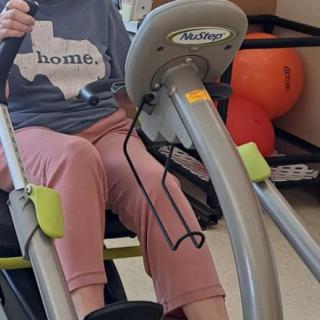
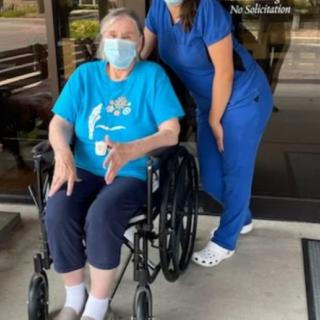
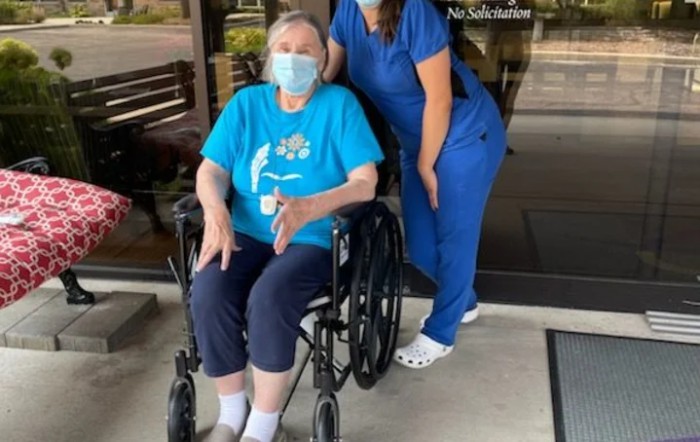
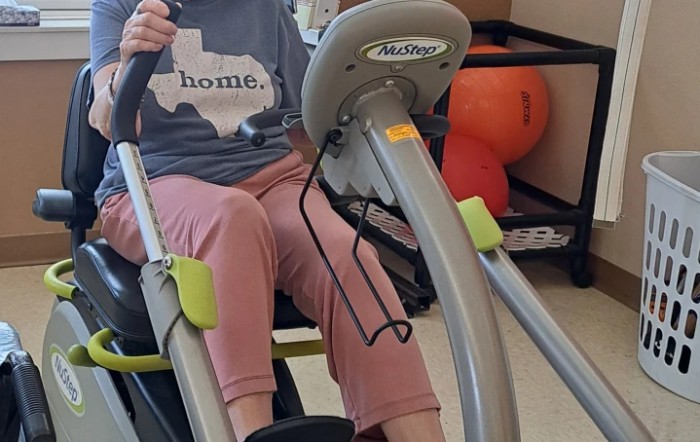
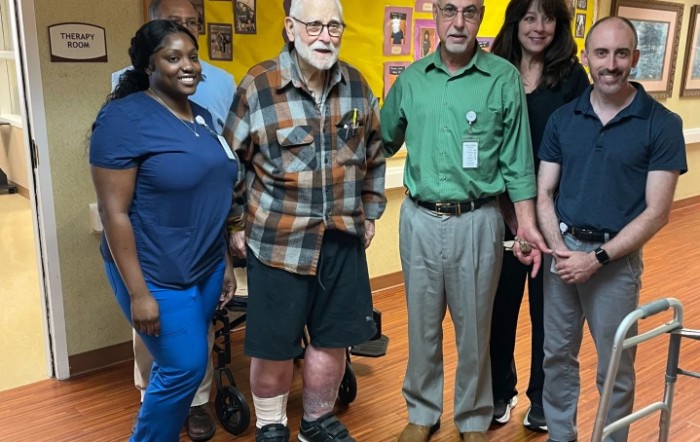
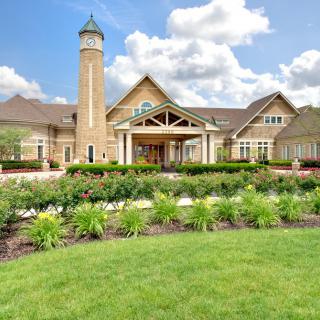
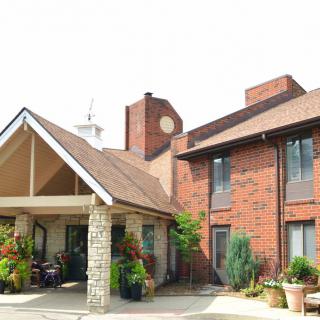
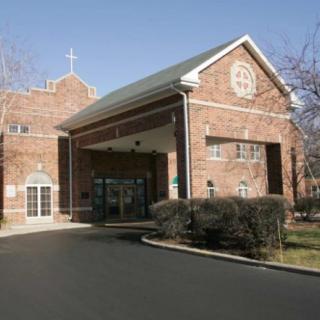
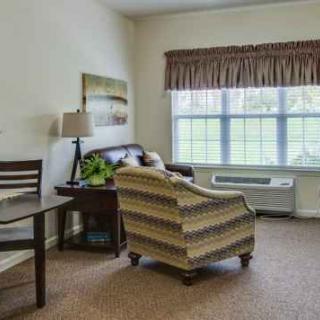
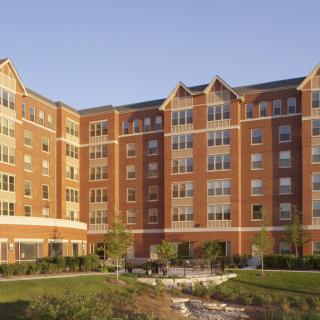
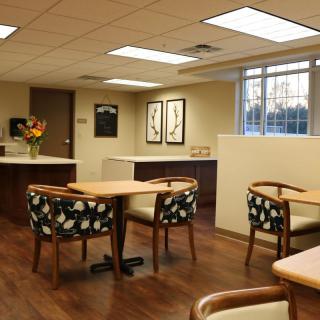
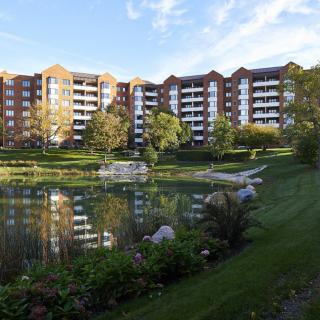
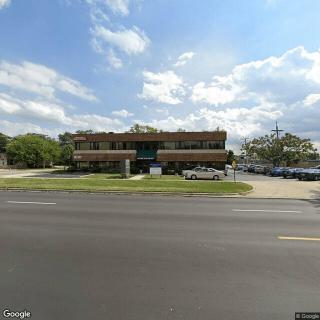
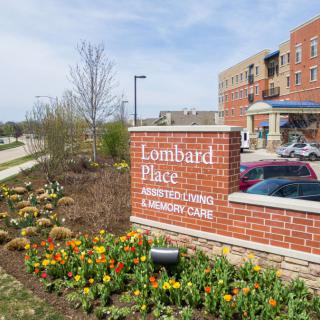
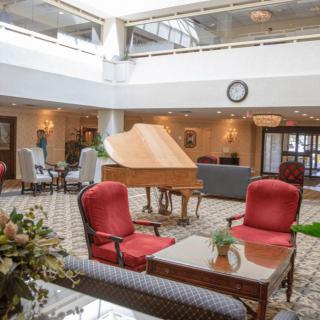
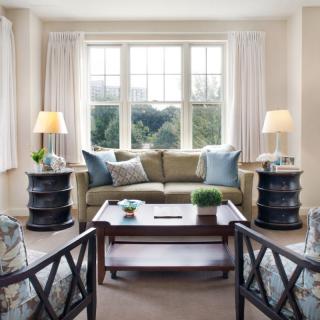
Providence Downers Grove on seniors.fyi includes 4 photos including images showing interior, rehabilitation, exercise equipment, physical therapy, wheelchair, nurse, healthcare, outdoor, and more.
Nearby Communities
Saratoga Grove
Downers Grove, IL
4 from 10 reviews
$3,995 to $6,540 / month
Friendly, knowledgeable staff and clean, well-maintained facility.
Life Care Home Health
Downers Grove, IL
4.9 from 121 reviews
Compassionate, dedicated Director focused on resident satisfaction and thorough options.
Assistance Home Care Downers Grove
Downers Grove, IL
4.7 from 15 reviews
Peaceful setting with personalized care in a convenient Downers Grove location.
Lacey Creek Supportive Living
Downers Grove, IL
4.3 from 55 reviews
$4,550 to $5,425 / month
Friendly staff and engaging activities in a clean, welcoming environment.
Beacon Hill a CCRC
Lombard, IL
4.2 from 103 reviews
$2,893 to $4,131 / month
Vibrant, resident-focused community with friendly staff, varied dining, and abundant activities.
Private Home Care Services - Downers Grove, IL
Downers Grove, IL
4.6 from 21 reviews
Compassionate caregivers backed by professional management and transparent billing.
Lombard Place Assisted Living & Memory Care
Lombard, IL
4.2 from 64 reviews
$3,840 to $6,350 / month
Beautiful, welcoming facility with friendly staff and engaging activity and dining options.
Lexington Square Lombard
Lombard, IL
4.2 from 55 reviews
$1,444 to $5,274 / month
Caring staff with engaging activities and spacious, affordable apartments.
Sunrise at Fountain Square
Lombard, IL
4.3 from 111 reviews
$3,567 to $5,940 / month
Caring, attentive staff with a vibrant social atmosphere.
Linda's caregiving journey for her elderly mother, Joan, is marked by deep love and challenges as she navigates health changes, emotional support, and practical arrangements while learning to prioritize self-care and utilize community resources. Their evolving relationship highlights resilience and the universal themes of empathy and preparedness in caregiver experiences.
The article clarifies common misconceptions about Powers of Attorney (POA), highlighting the necessity of the principal's consent, the limitations on an agent's authority, and the importance of mental capacity when signing. It also distinguishes between various types of POAs, addresses concerns about potential abuse, and emphasizes the need for legal consultation to ensure valid and up-to-date documents.
Exercise Equipment, Rehabilitation, Physical Therapy, and Exercise
Get PricingAsk A QuestionSchedule A TourContact Senior Advisor
By clicking submit, you agree to our Partner's Terms of Use. You
also consent to receive calls and texts, which may be autodialed, from our Partner. Your consent is not a condition to
using our Partner's service. Please visit our Partner's Privacy Policy for information about their privacy practices.


 145 resident community capacity
 Skilled Nursing Facility
 Air-conditioning
 Beauty salon
 Cable or satellite TV
 Computer center
 Dining room
 Fitness room
 Fully furnished
 Gaming room
 Garden
 Housekeeping services
 Kitchenette
 Move-in coordination
 Outdoor space
 Private bathrooms
 Restaurant-style dining
 Small library
 Telephone
 Wellness center
 Wi-Fi/high-speed internet available
 Chicago O'Hare International (12 miles away)
 Community operated transportation
 12-16 hour nursing
 24-hour call system
 Activities of daily living assistance
 Assistance with bathing
 Assistance with dressing
 Assistance with transfers
 Diabetes diet
 Medication management
 Mental wellness program
 Special dietary restrictions
 Concierge services
 Planned day trips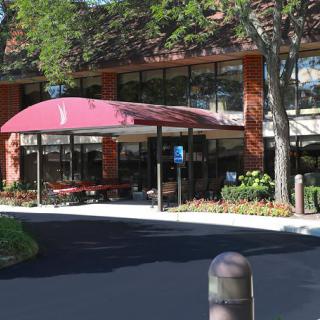
 Friendly, knowledgeable staff and clean, well-maintained facility.
 Nurturing Our Loved Ones: A Daughter's Journey in Caring for Her Mother
 Nurturing Our Elders: Linda's Journey of Supporting Her Mother
 A Comprehensive Exploration of Common Misunderstandings about Powers of Attorney