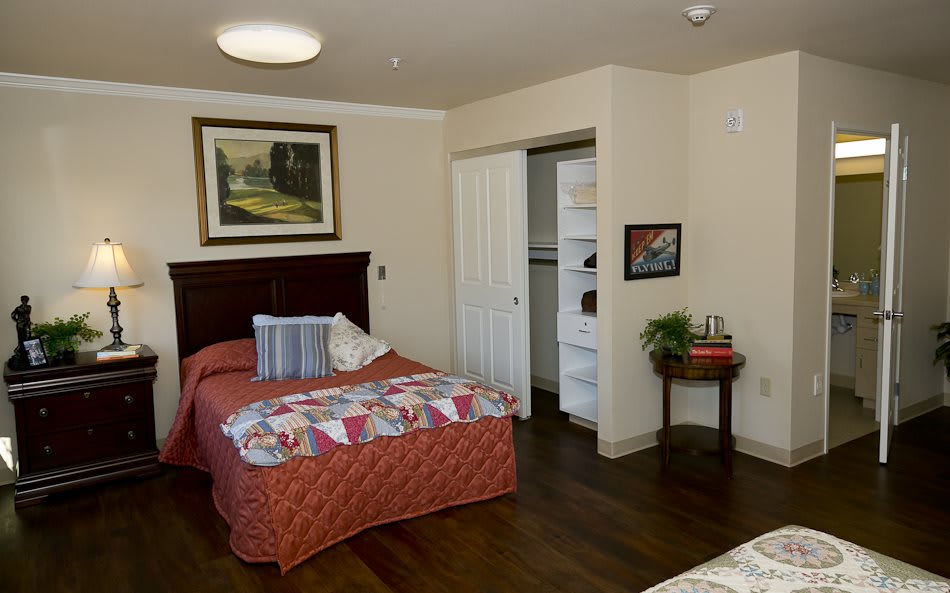
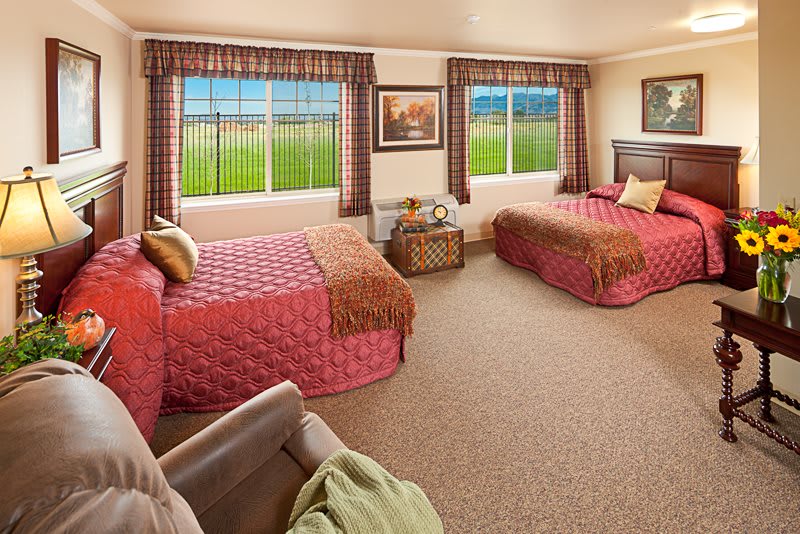
Maple Glen Memory Care offers a range of accommodations with costs that reflect the specialized care and services provided. For a semi-private room, residents can expect to pay $7,800 per month, which is notably higher than the average monthly cost in DuPage County at $5,848 and significantly above the Illinois state average of $5,146. For those opting for a studio unit, the monthly fee rises to $9,450, surpassing both county and state averages - DuPage County's average being $4,580 and Illinois' at $4,028. While these costs are elevated compared to regional standards, they are indicative of the personalized attention and quality amenities that Maple Glen Memory Care delivers to ensure the well-being of its residents.
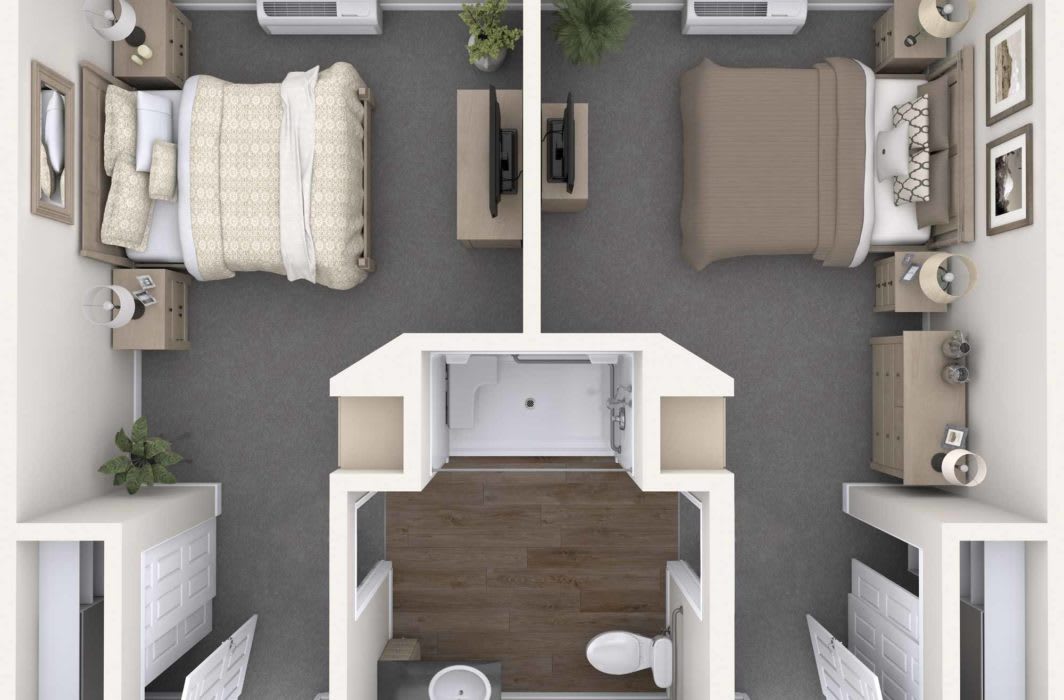
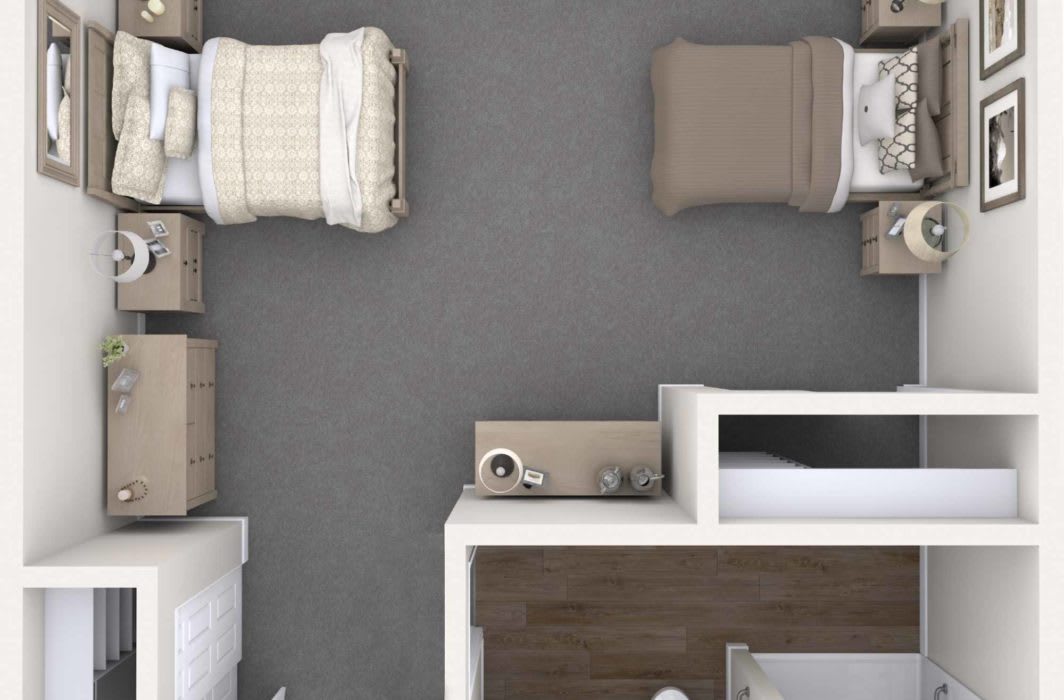
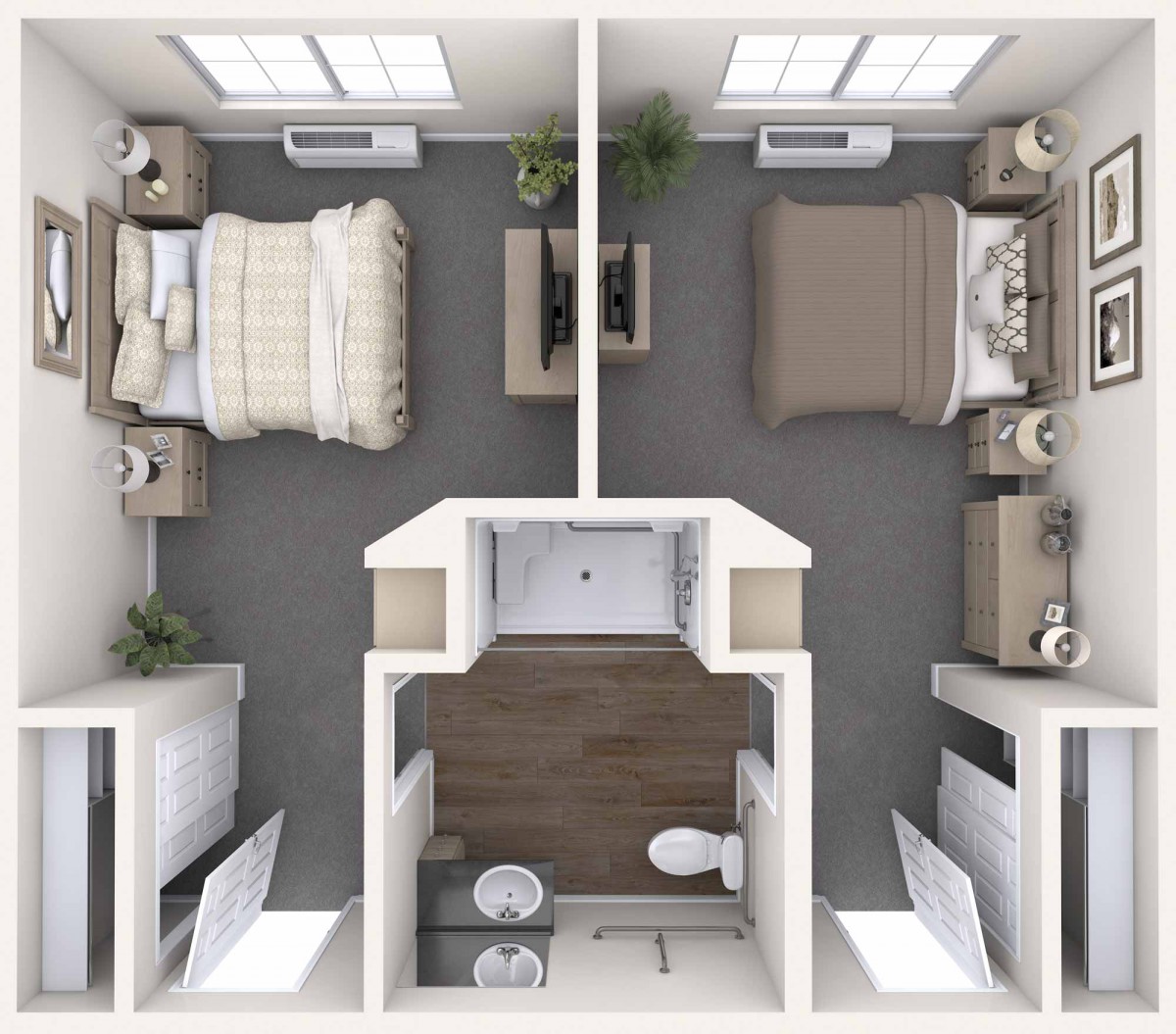
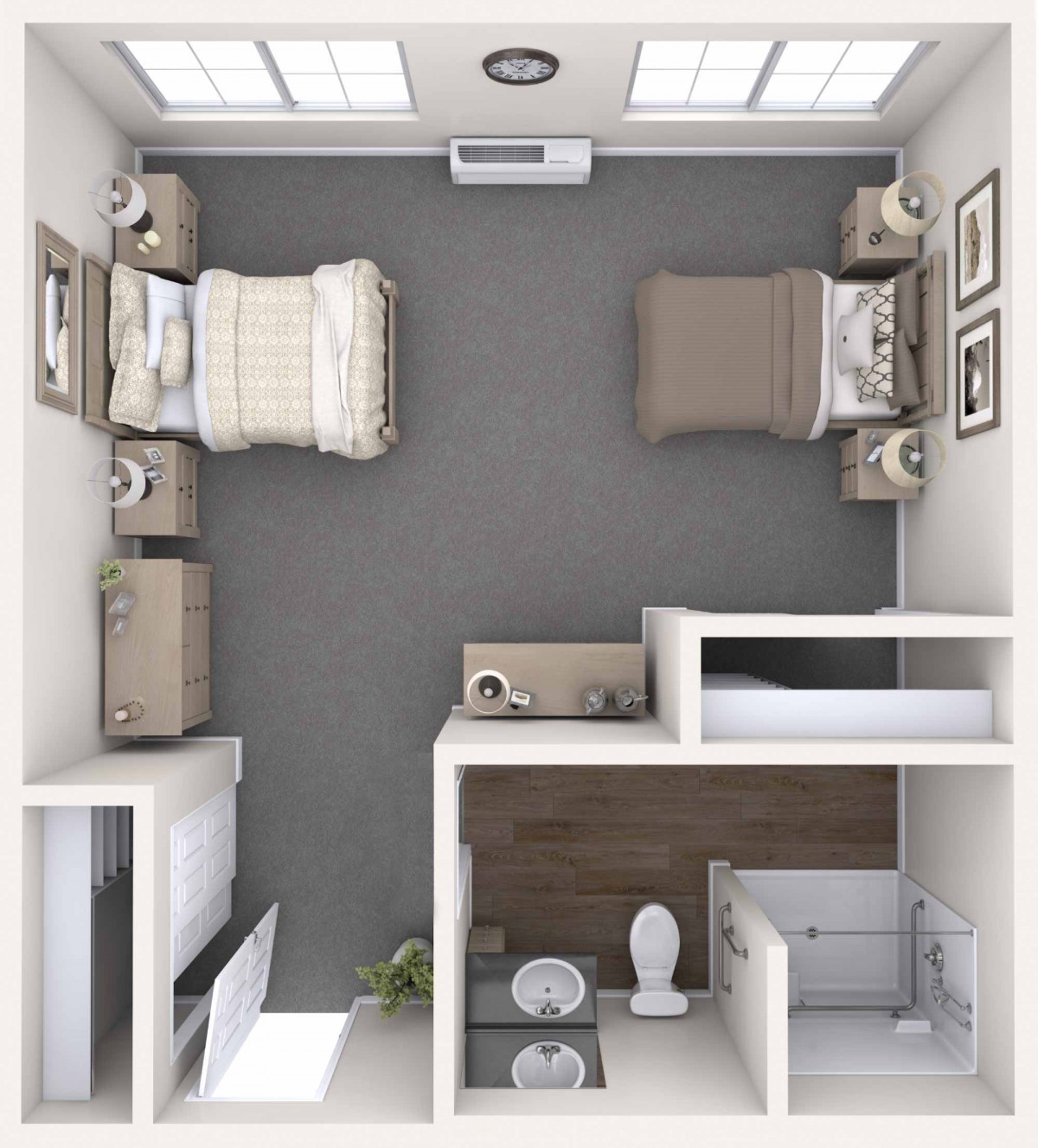
Floor plans
Maple Glen Memory Care
DuPage County
Illinois
Semi-Private
$7,800
$5,848
$5,146
Studio
$9,450
$4,580
$4,028
Memory care communities with a similar price nearby
Residents and families consistently describe attentive, kind staff who respond to needs.
Across many reviews, families say the caregivers and administrative team are patient, compassionate, and engaged with residents. Multiple reviewers mention frequent communication and that requests get followed through, including updates about well-being and activities. A few reviews also highlight specific people in leadership and nursing roles for being knowledgeable, helpful, and supportive during difficult transitions.
differentiator20 reviews mention this
Care plans feel individualized
Residents are described as cared for with respect, dignity, and individualized support for memory loss.
Several reviews emphasize that staff know residents well, treat them with dignity, and support independence where possible. Families mention proactive care—checking frequently, helping with day-to-day needs, and adjusting how care is provided as situations change. One reviewer also describes tailoring the environment to reduce issues rather than only trying to manage behavior.
common26 reviews mention this
Activities keep residents engaged
Residents are described as having plenty to do throughout the day.
Reviews frequently mention daily activities and an engaged, community-oriented routine. Families say residents enjoy scheduled events, group time, and off-site experiences such as outings. The community’s activity focus aligns with how many reviewers describe a warm, home-like feel supported by ongoing programming.
common25 reviews mention this
Clean, well-kept facility matters
Multiple reviews highlight a consistently clean, well-maintained building.
Several reviewers call out cleanliness as a standout day-to-day experience, including residents’ rooms and common areas. Families also describe the facility as beautiful and upscale, and some say it feels calm and comfortable rather than institutional. A few comments add that the staff presence helps keep the environment tidy throughout the day.
common12 reviews mention this
Dining quality is frequently praised
Food is a recurring positive, with families describing tasty meals residents enjoy.
Reviews repeatedly mention good food and meals that are enjoyable for residents. Some families describe the kitchen and dining as well-run, with food prepared in ways residents can handle. This matches the community’s focus on restaurant-style dining and meals provided, along with special diet options mentioned for residents’ needs.
caveat6 reviews mention this
Costs can run higher than expected
Pricing is described as expensive by some families considering or touring.
A few reviewers explicitly mention the community being costly compared to what they expected. At the same time, other comments mention flexibility in financial needs during the decision process, suggesting not every family experiences affordability the same way. If budget is a key factor, it’s worth confirming pricing details for the unit type you’re considering.
How we summarize
Counts show how many written reviews mention each theme; a review can touch several themes, and only frequently mentioned themes are displayed.
Features
Housing
46 resident community capacity
Types of Care
Memory Care
Pets
Cats allowed
Dogs allowed
Amenities
Activities off-site
Activities on-site
Air-conditioning
Bath tubs
Beautician on-site
Beauty salon
Cable or satellite TV
Devotional services off-site
Devotional services on-site
Dining room
Fully furnished
Garden
Garden view
Ground floor units
Guest parking
Handicap accessible
Housekeeping services
Indoor common areas
Kitchenette
Laundry
Move-in coordination
Outdoor common areas
Outdoor space
Party space
Respite or short term stays offered
TV room
Telephone
Wheelchair accessible showers
Wi-Fi/high-speed internet available
Transportation
Chicago O'Hare International (13 miles away)
Chicago Midway (17 miles away)
Transportation & parking
Care Services
24-hour call system
24-hour supervision
Activities of daily living assistance
Ambulatory care
Assistance with bathing
Assistance with dressing
Assistance with transfers
Coordination with health care providers
Dementia waiver
Diabetes diet
Diabetic care
High acuity care
Hospice waiver
Incontinence care
Meal preparation and service
Medication management
Mental wellness program
Mild cognitive impairment
Personal care assistants
Special dietary restrictions
Specialized memory care programming
Transportation arrangement (medical)
Transportation to doctors appointments
Dining
Diabetes diet
Gluten-free
Guest meals
Low / no sodium
Meals provided
No Sugar
Professional chef
Restaurant style dining
Special dietary restrictions
Special dining programs
Vegan
Vegetarian
Activities
Activities off-site
Art classes
Arts and crafts
Catholic services
Community-sponsored activities
Cooking classes
Cooking club
Day trips and outings
Devotional activities on-site
Educational speakers / life long learning
Games
Gardening club
Happy hour
Karaoke
Live musical performances
Live well programs
Other religious services
Protestant services
Religious services
Resident-run activities
Scheduled daily activities
Stories
Visiting chaplain or priest
Nearby Places of Interest
This part of Glen Ellyn, Illinois offers a variety of amenities for senior living. With multiple pharmacies such as Walmart Pharmacy and Walgreens nearby, access to medication and healthcare essentials is convenient. There are also reputable hospitals like DuPage Medical Center and Northwestern Medicine Central DuPage Hospital within a short distance for any medical needs. In terms of dining options, restaurants like Chick-Fil-A and Cooper's Hawk Winery & Restaurant offer diverse culinary experiences. Additionally, parks such as Briar Knoll Park and Newton Park provide opportunities for outdoor recreation and relaxation. Public transportation is easily accessible with Metra train stations nearby, making it easy to explore the surrounding areas. Places of worship like College Church are also available for spiritual needs. Overall, this area provides a well-rounded environment with essential services for seniors looking to settle in Glen Ellyn.
Pharmacies
Walmart Pharmacy (0.6 miles)
Walgreens (1.9 miles)
Walgreens (1.9 miles)
Walgreens (3.1 miles)
Walgreens (3.3 miles)
Walgreens (3.4 miles)
CVS Pharmacy (3.8 miles)
Restaurants
Chick-Fil-A (1.5 miles)
Cooper's Hawk Winery & Restaurant (1.9 miles)
McDonald's (1.9 miles)
Portillo's Hot Dogs (2.3 miles)
302 Wheaton (3.1 miles)
McDonald's (3.2 miles)
Greek Islander Restaurant (3.2 miles)
Hospitals
DuPage Medical Center (1.7 miles)
Marianjoy Rehabilitation Hospital and Clinics (3.9 miles)
Northwestern Medicine Central DuPage Hospital Sleep Health Center (5.4 miles)
Central Dupage Hospital - Mother & Baby Pavilion (5.4 miles)
Central Dupage Hospital (5.4 miles)
Parks
Briar Knoll Park (1.9 miles)
Newton Park (2.2 miles)
Seven Gables Park (2.2 miles)
Illinois Prairie Path - Mile Marker Zero (3.3 miles)
Northside Park (3.8 miles)
Surrey Ridge Park (4.7 miles)
East Street Park (4.8 miles)
Transportation
Metra (3 miles)
Metra Train Station (3 miles)
Metra - Downers Grove Main Street (3.9 miles)
Metra (4.5 miles)
Places of Worship
College Church (3 miles)
St Andrews Episcopal Church (3.6 miles)
Physicians
Dupage Medical Group (3.1 miles)
Dupage Medical Group (3.1 miles)
Wheaton Eye Clinic (4.1 miles)
Northwestern Medicine Proton Center (5.1 miles)
Northwestern Medicine Orthopaedics Warrenville (5.1 miles)
Maple Glen Memory Care offers a range of accommodations with costs that reflect the specialized care and services provided. For a semi-private room, residents can expect to pay $7,800 per month, which is notably higher than the average monthly cost in DuPage County at $5,848 and significantly above the Illinois state average of $5,146. For those opting for a studio unit, the monthly fee rises to $9,450, surpassing both county and state averages - DuPage County's average being $4,580 and Illinois' at $4,028. While these costs are elevated compared to regional standards, they are indicative of the personalized attention and quality amenities that Maple Glen Memory Care delivers to ensure the well-being of its residents.
The array of features offered at Maple Glen Memory Care is designed to address the unique needs of residents experiencing challenges associated with dementia or Alzheimer's disease. With 24-hour supervision, residents receive continuous care and support, ensuring safety and peace of mind for both them and their families. Assistance with activities of daily living, including bathing, dressing, and transfers, fosters a sense of dignity while aiding physical well-being. Coordination with healthcare providers alongside medication management guarantees that medical needs are met in a timely manner. The specialized memory care programming and mental wellness initiatives create an engaging environment tailored to cognitive impairment levels, promoting mental stimulation and emotional health. Furthermore, incontinence care provides comfort and respect for personal hygiene needs, while meal preparation ensures nutritional requirements are met in an enjoyable way. The arrangements for transportation to medical appointments facilitate access to essential healthcare services, further enhancing the overall quality of life for residents navigating memory-related challenges.
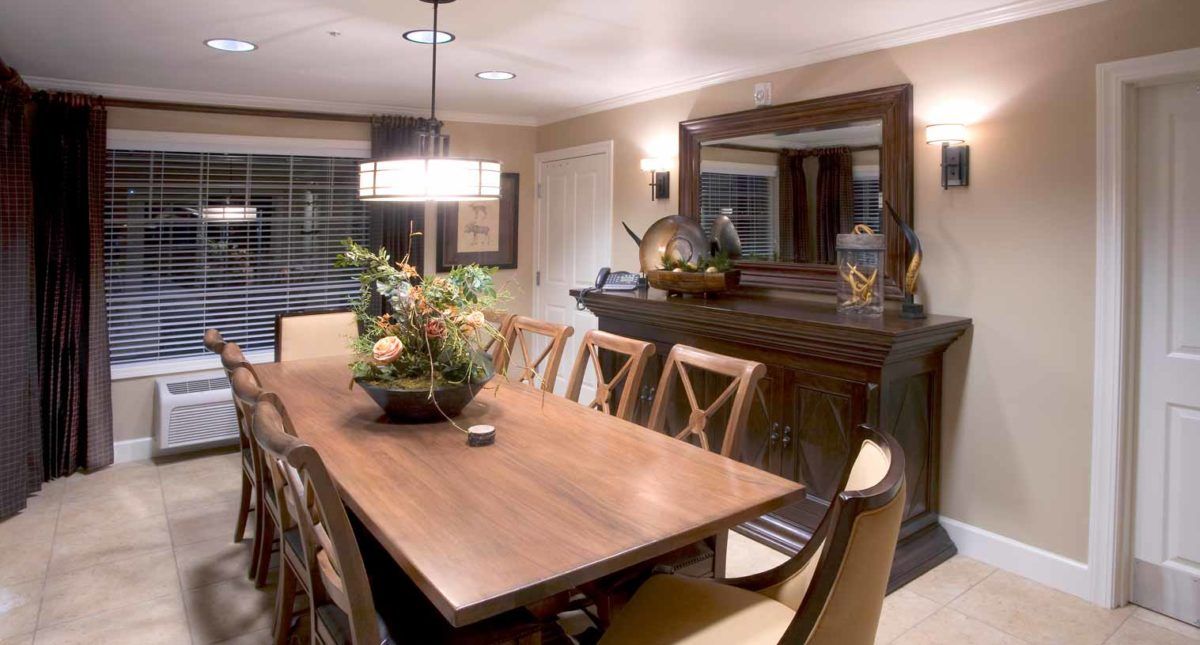
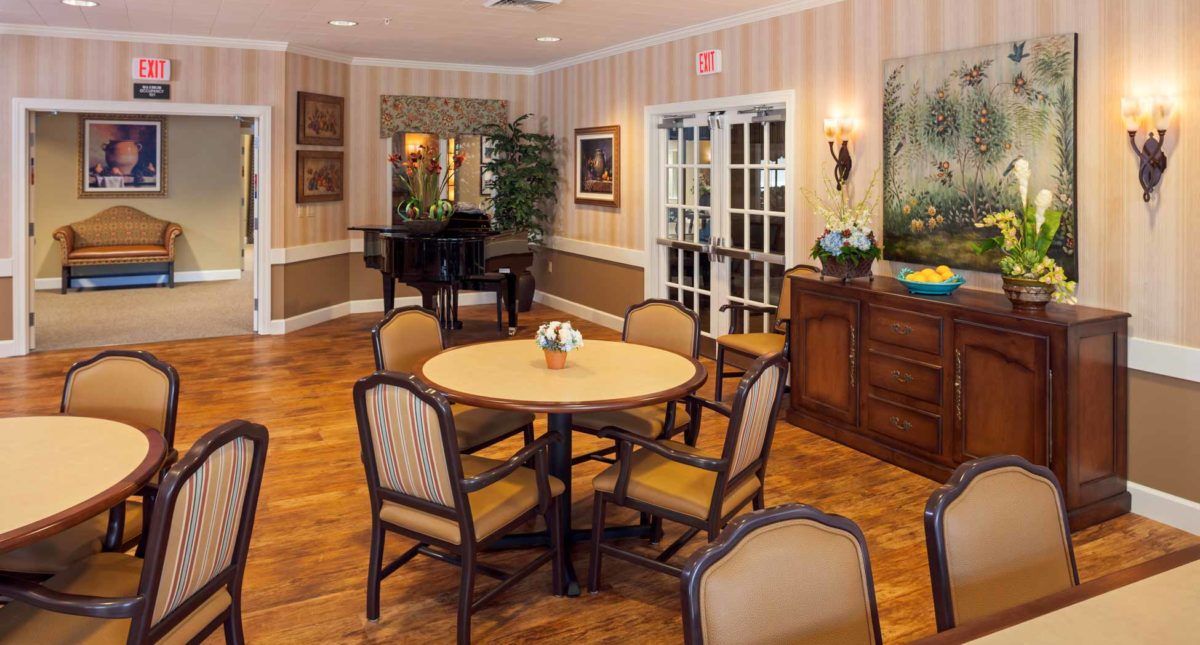
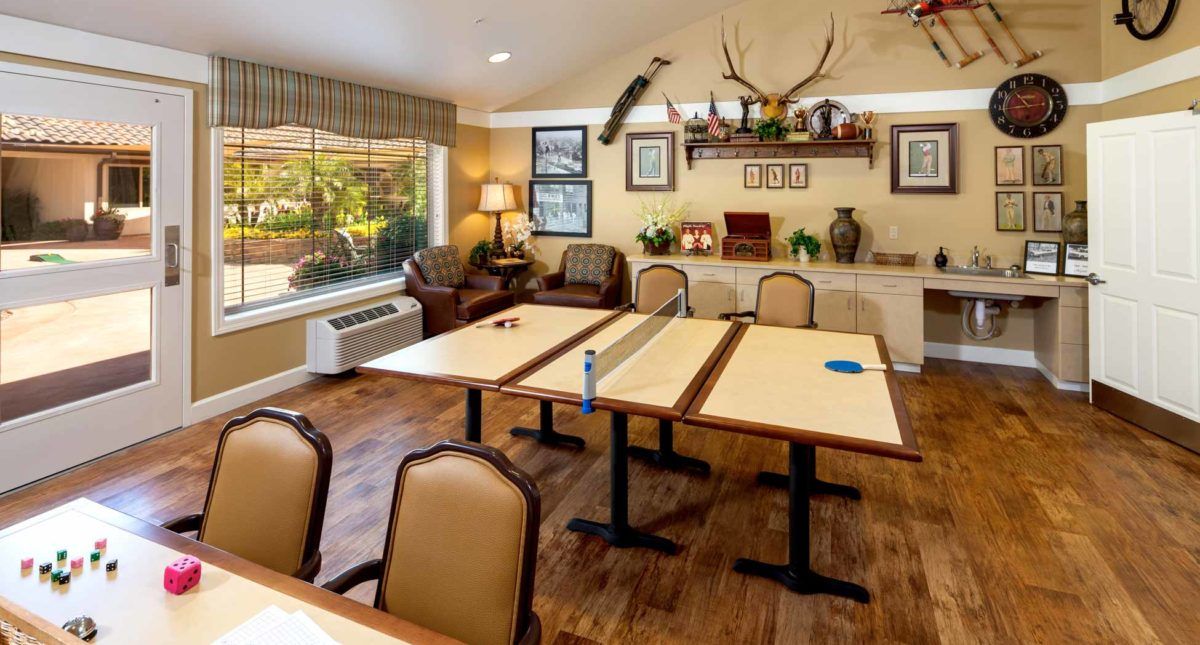
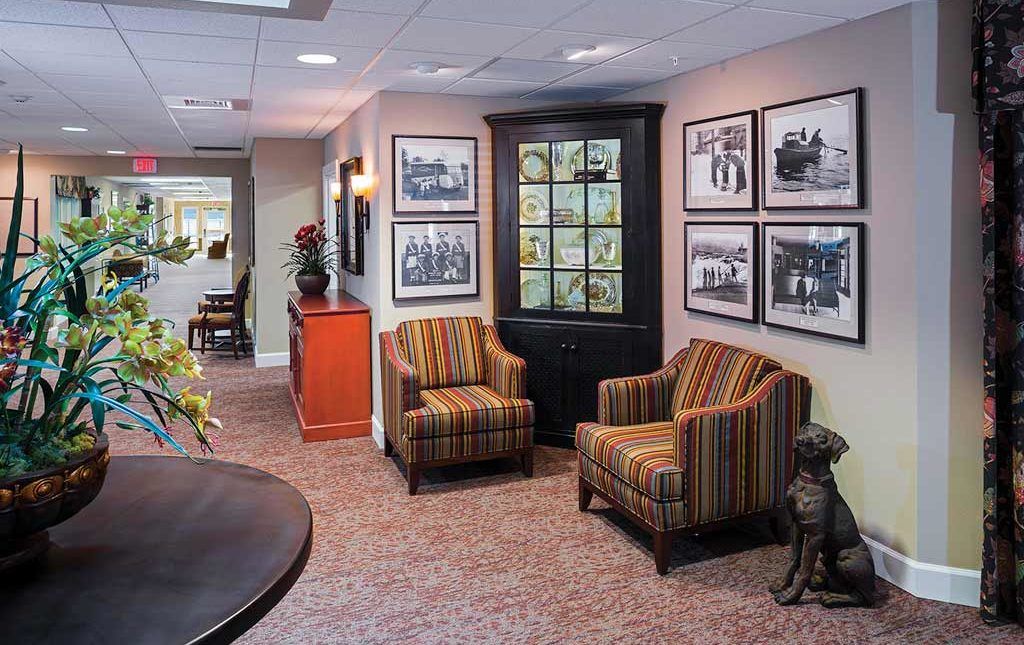
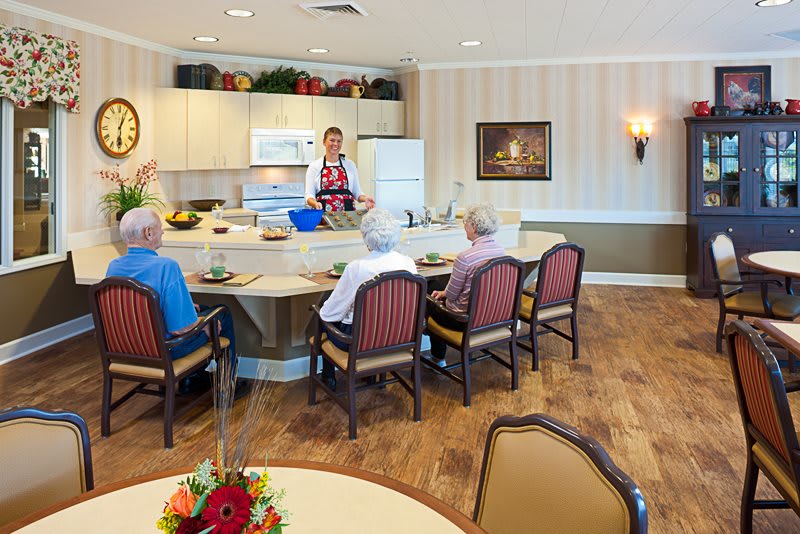
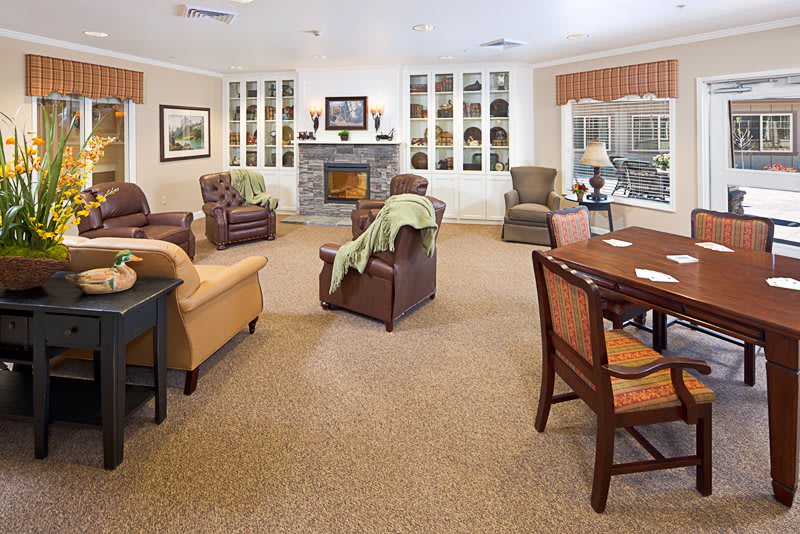
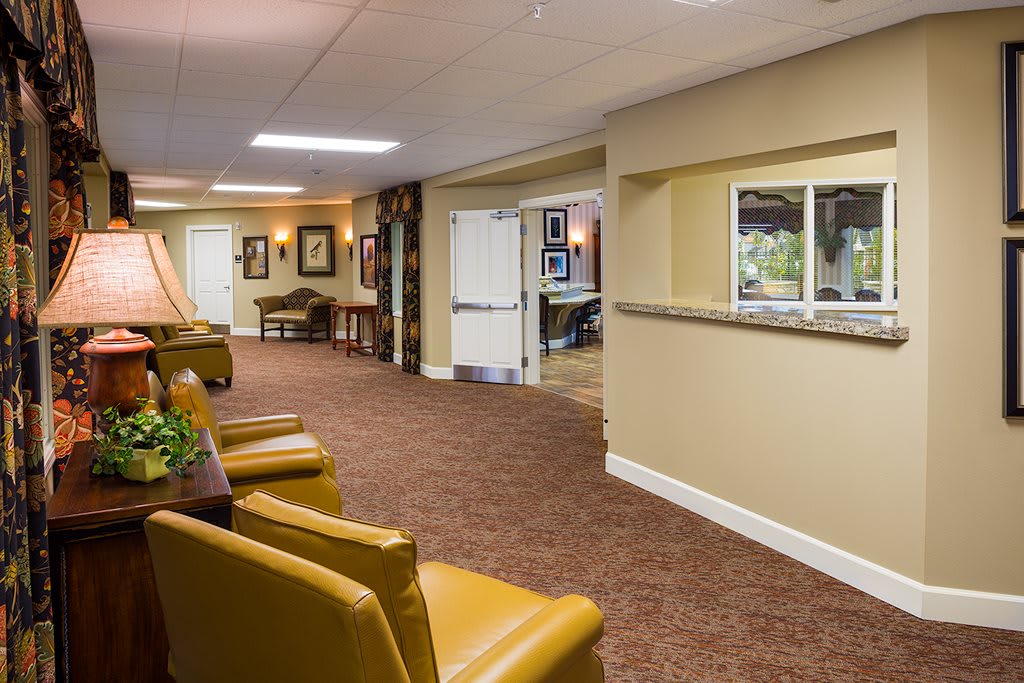
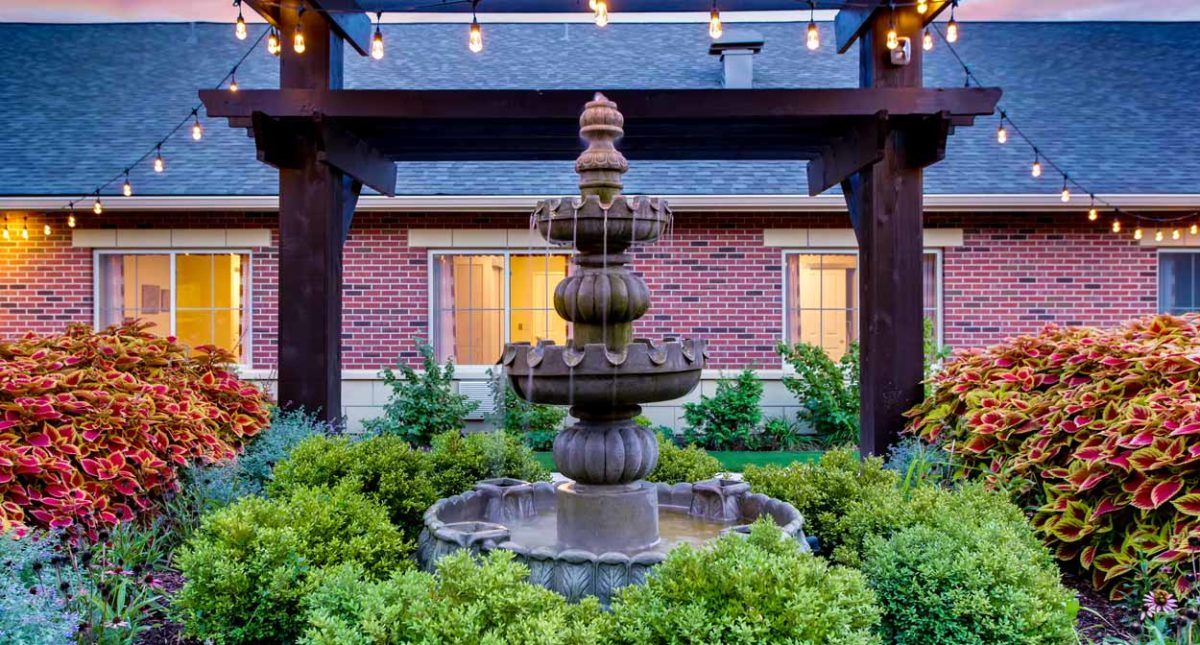
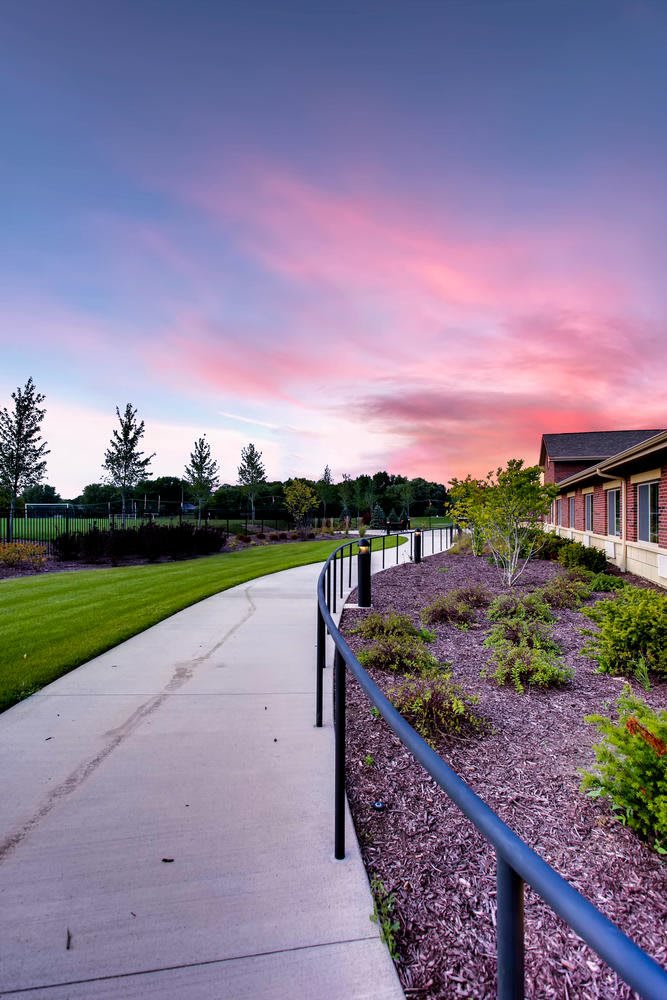
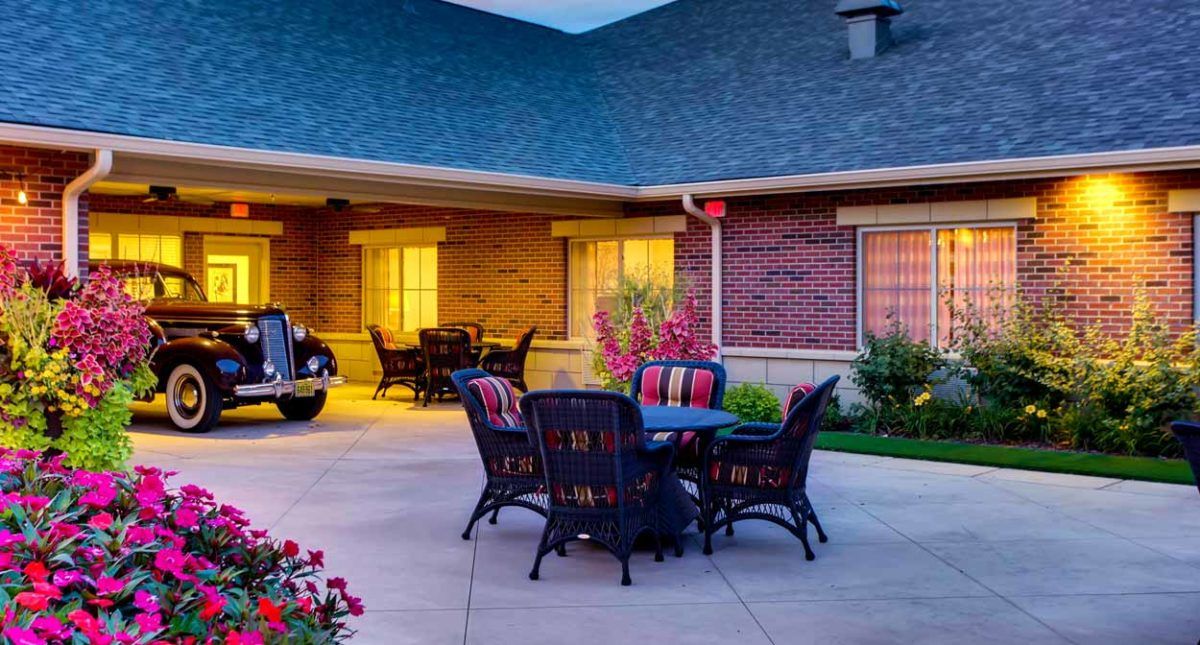
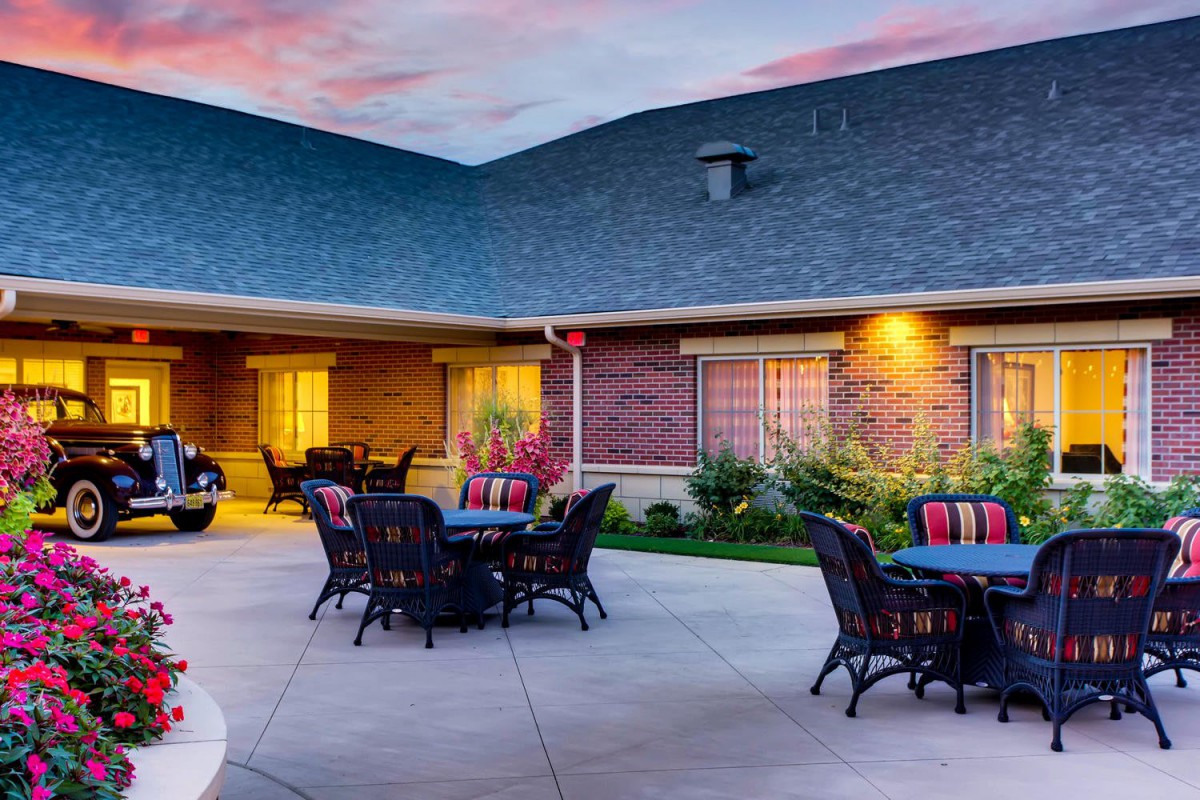
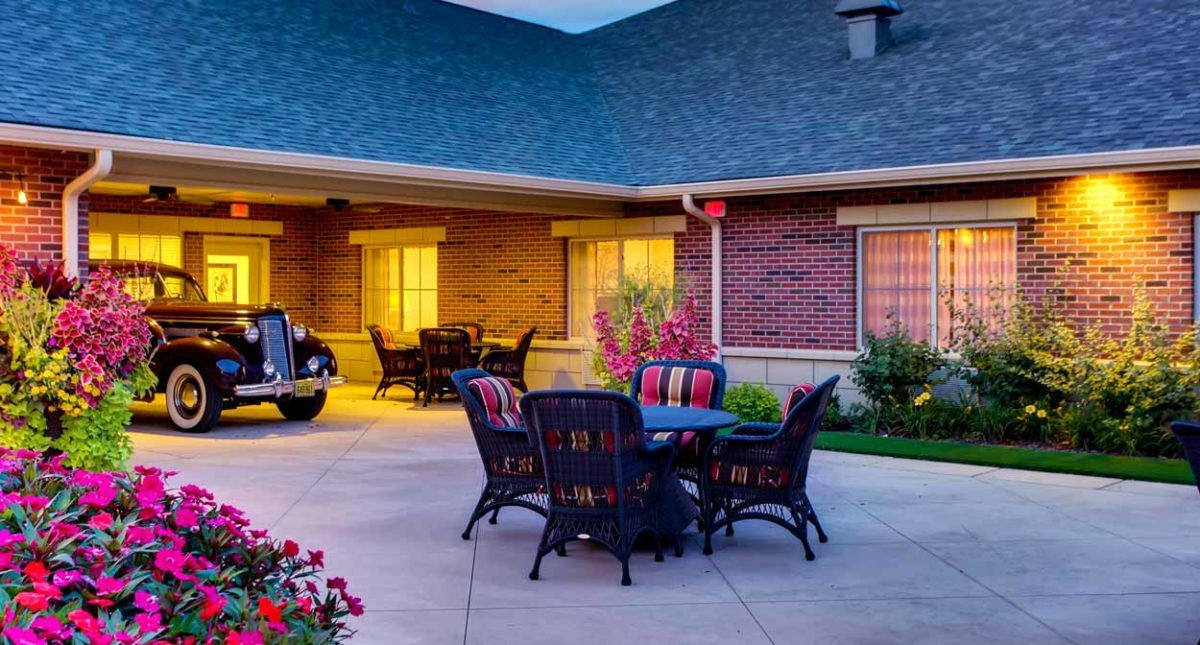
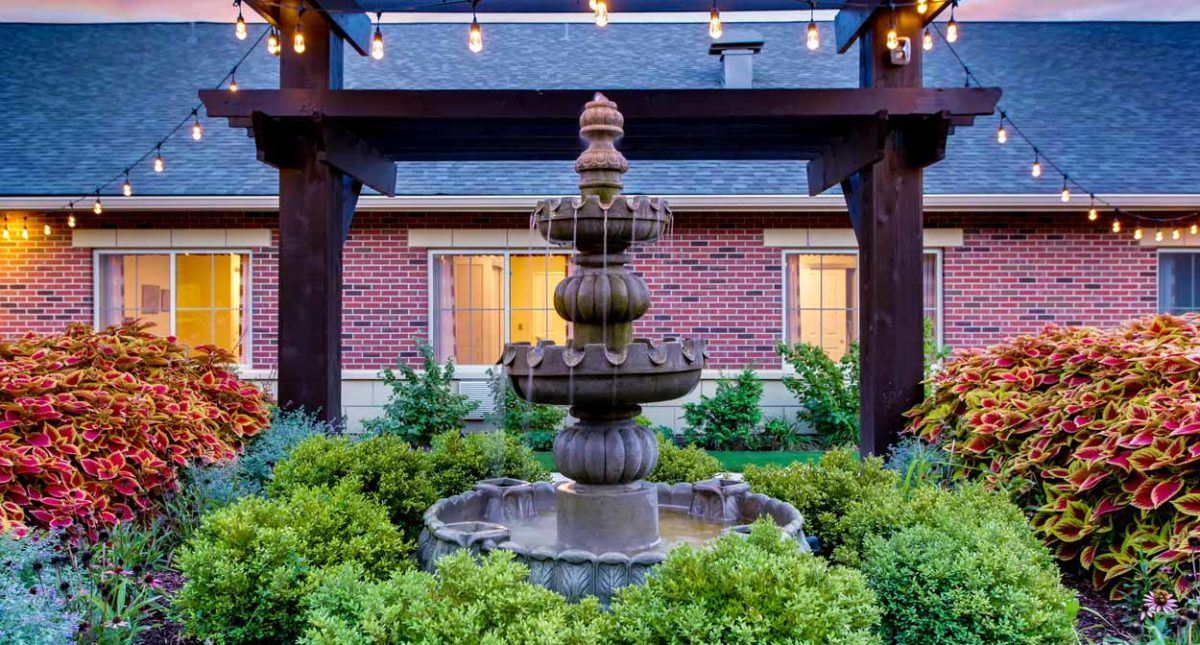
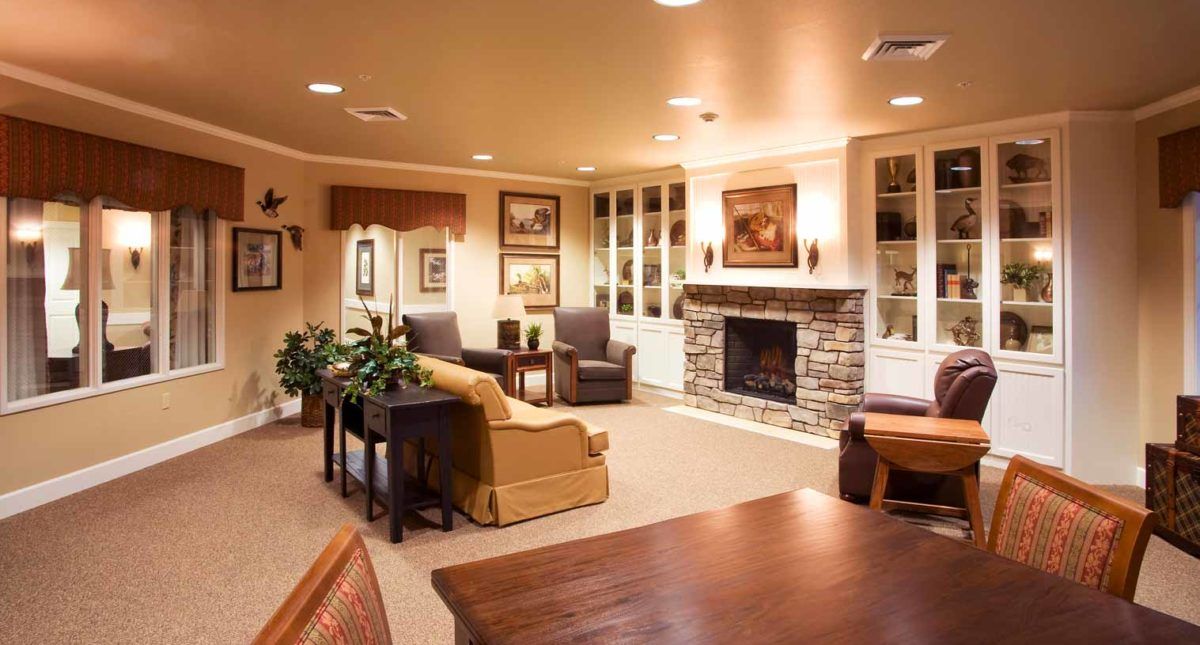
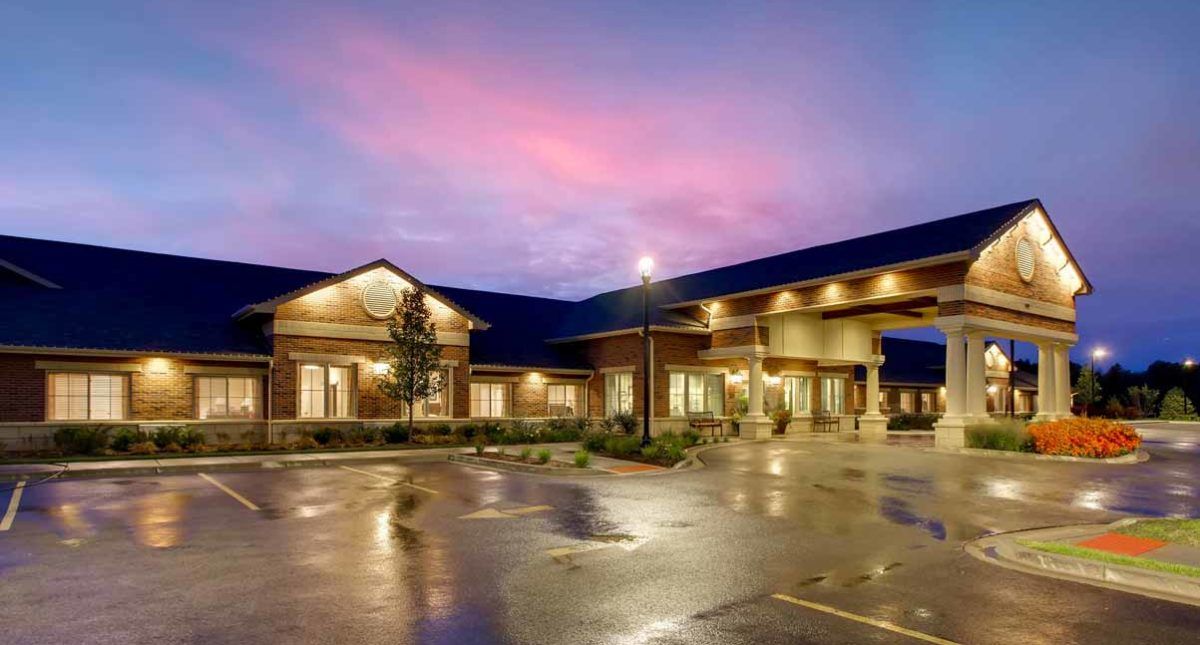
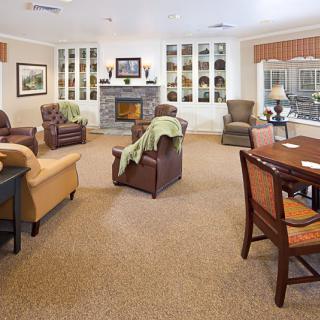
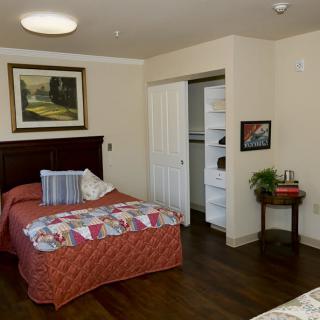
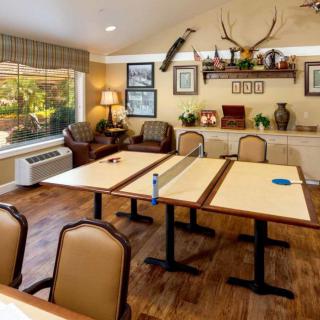
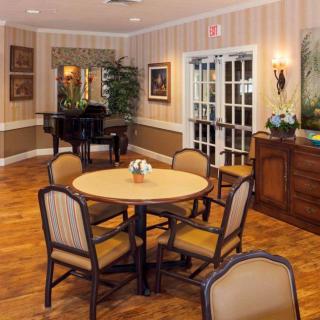
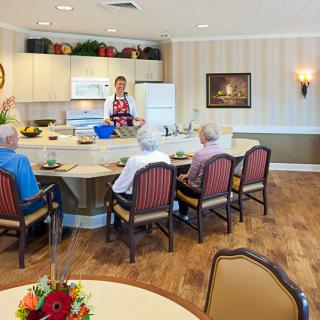
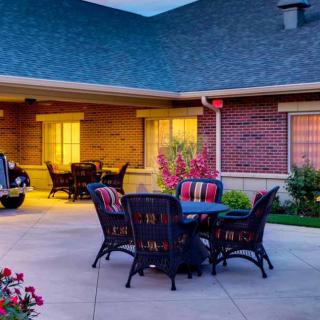
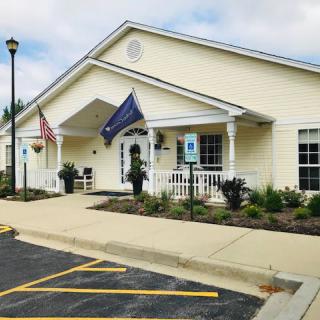
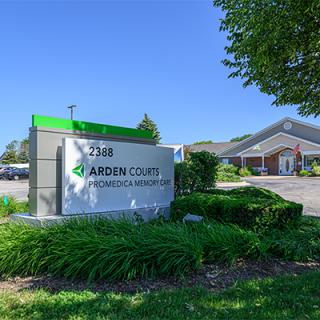
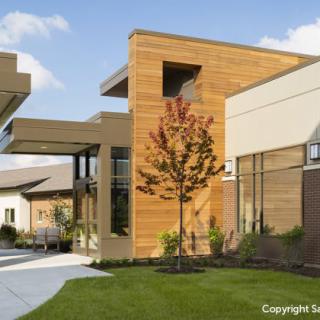
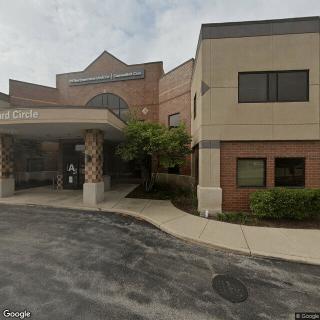
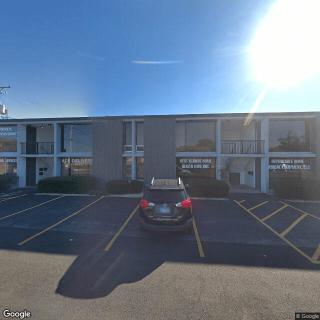
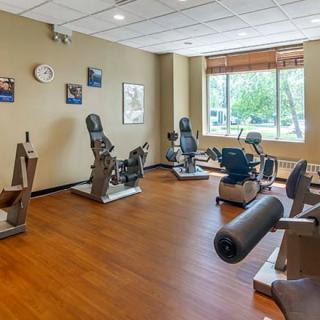
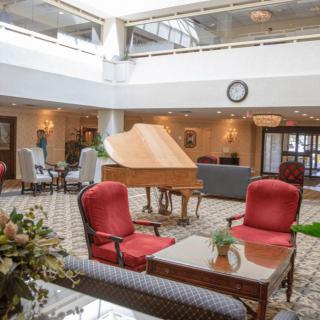
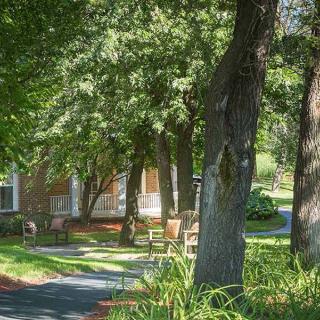
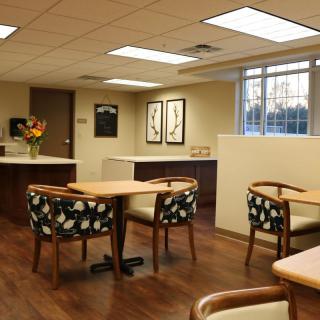
Maple Glen Memory Care on seniors.fyi includes 29 photos including images showing interior, landscaping, decor, garden, floor plan, bedroom, architecture, brick building, and more.
Nearby Communities
Lombard Place Assisted Living and Memory Care
Lombard, IL
4.3 from 49 reviews
Caring staff in a modern, clean setting with engaging activities and dining.
Brighton Gardens of Wheaton
Wheaton, IL
4.4 from 48 reviews
$2,200 to $4,920 / month
Caring, experienced staff in a clean, engaging environment.
Vintage Group
Wheaton, IL
1 from 1 review
Caring staff and welcoming environment.
Synergy Home Care of Dupage
Glen Ellyn, IL
4.6 from 16 reviews
Caring, flexible staff with professional, responsive administration.
Lilac House Senior Living
Lisle, IL
5 from 2 reviews
Small, personalized assisted living with 24-hour supervision, meals, and activities.
Brookdale Glen Ellyn
Glen Ellyn, IL
4.7 from 161 reviews
$3,030 to $6,115 / month
Caring staff and a welcoming community with strong dining and activity options.
Lexington Square Lombard
Lombard, IL
4.2 from 55 reviews
$1,444 to $5,274 / month
Caring staff with engaging activities and spacious, affordable apartments.
Atria Park Of Glen Ellyn
Glen Ellyn, IL
4.6 from 148 reviews
$2,995 to $3,795 / month
Caring staff and a busy calendar of on-site activities in a clean, well-maintained, amenity-rich community.
Lacey Creek Supportive Living
Downers Grove, IL
4.3 from 55 reviews
$4,550 to $5,425 / month
Friendly staff and engaging activities in a clean, welcoming environment.
Dementia is characterized by cognitive decline, with nutrition playing a vital role in brain health; while no specific diet can prevent or reverse it, a nutrient-dense diet rich in antioxidants and healthy fats may support cognitive function. The MIND diet, which emphasizes beneficial foods and limits processed items, along with proper hydration and individualized meal strategies, can enhance the well-being of dementia patients.
Dementia affects memory and cognitive function in older adults, presenting challenges for caregivers due to behavioral changes such as confusion and mood swings. Compassionate, person-centered care that considers individual history and preferences, along with effective communication and environmental modifications, is essential for supporting both patients and their caregivers.
Dementia leads to cognitive impairment and can cause emotional and behavioral changes, including aggression that arises from frustration, confusion, or fear. Effective coping strategies for caregivers include understanding dementia's nature, recognizing triggers, using empathetic communication, and employing non-pharmacological interventions like music and art therapy.
Get PricingAsk A QuestionSchedule A TourContact Senior Advisor
By clicking submit, you agree to our Partner's Terms of Use. You
also consent to receive calls and texts, which may be autodialed, from our Partner. Your consent is not a condition to
using our Partner's service. Please visit our Partner's Privacy Policy for information about their privacy practices.













 46 resident community capacity
 Memory Care
 Cats allowed
 Dogs allowed
 Activities off-site
 Air-conditioning
 Bath tubs
 Beautician on-site
 Cable or satellite TV
 Devotional services off-site
 Dining room
 Fully furnished
 Garden
 Ground floor units
 Guest parking
 Handicap accessible
 Housekeeping services
 Indoor common areas
 Kitchenette
 Laundry
 Move-in coordination
 Outdoor common areas
 Party space
 Respite or short term stays offered
 Telephone
 Wheelchair accessible showers
 Wi-Fi/high-speed internet available
 Chicago O'Hare International (13 miles away)
 Transportation & parking
 24-hour call system
 Ambulatory care
 Assistance with bathing
 Assistance with dressing
 Assistance with transfers
 Diabetes diet
 Diabetic care
 High acuity care
 Hospice waiver
 Incontinence care
 Meal preparation and service
 Medication management
 Mental wellness program
 Special dietary restrictions
 Transportation arrangement (medical)
 Art classes
 Catholic services
 Cooking classes
 Day trips and outings
 Educational speakers / life long learning
 Games
Games Happy hour
 Karaoke
 Live musical performances
 Live well programs
 Stories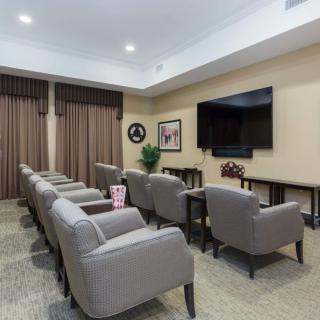
 Caring staff in a modern, clean setting with engaging activities and dining.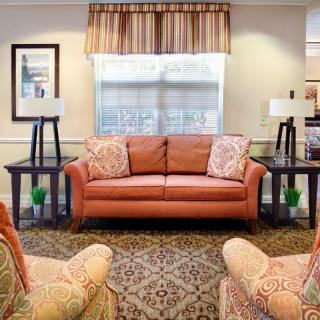

 Nourishing the Mind: Essential Dietary Approaches for Dementia
 Understanding Dementia Behaviors: Practical Insights and Strategies for Caregivers
 When Dementia Sparks Anger and Aggression: Understanding the Connection and Ways to Cope