For more information about senior living options: (866) 208-4318
4.4 from 48 reviews
5 stars
33
4 stars
10
3 stars
0
2 stars
0
1 stars
5
Brighton Gardens of Wheaton Costs & Pricing
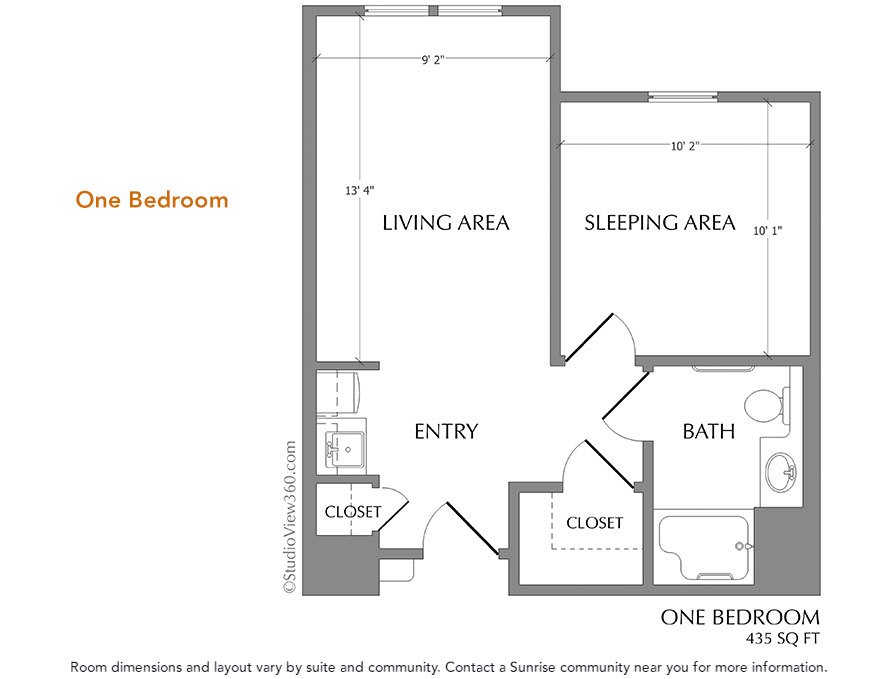
Brighton Gardens of Wheaton offers a range of accommodations at competitive prices compared to both DuPage County and the broader state of Illinois. For a studio apartment, residents can expect to pay $2,200 per month, which is significantly lower than the county average of $4,580 and the state average of $4,028. One-bedroom units are priced at $3,100, still offering a favorable option relative to DuPage County's average of $3,913 and Illinois's average of $3,527. Even for semi-private rooms, where the cost is set at $4,920, Brighton Gardens remains more affordable compared to the county's average of $5,848 and the state's rate of $5,146. Overall, Brighton Gardens presents an appealing value proposition for those seeking quality assisted living in Wheaton while ensuring meaningful savings in comparison to local and state-wide alternatives.
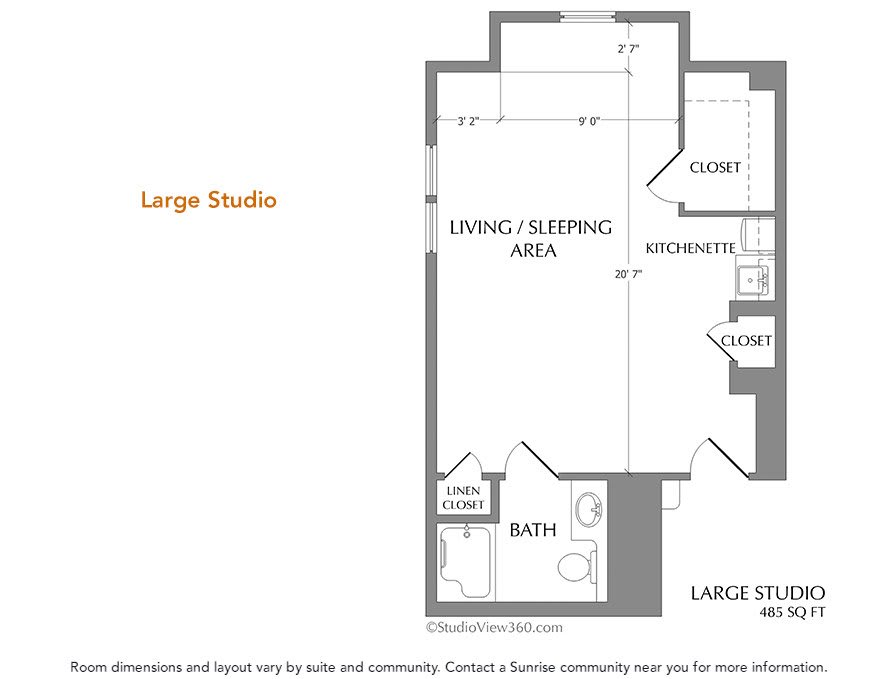
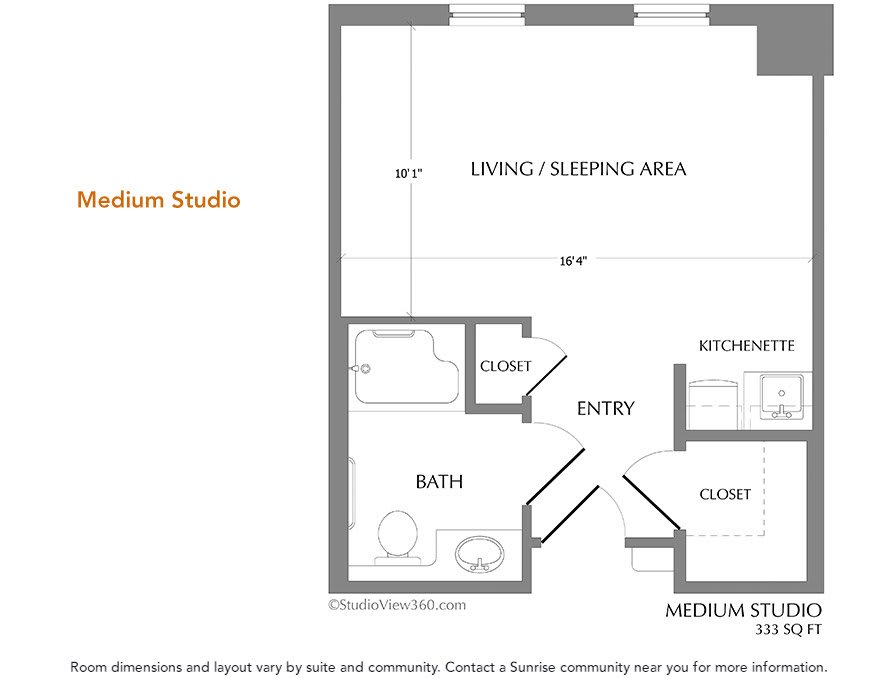
Floor plans
Brighton Gardens of Wheaton
DuPage County
Illinois
Studio
$2,200
$4,580
$4,028
1 Bedroom
$3,100
$3,913
$3,527
Semi-Private
$4,920
$5,848
$5,146
Memory care communities with a similar price nearby
Residents and families consistently describe staff as kind and responsive to questions.
A recurring theme in the reviews is that staff make families feel kept in the loop and supported. Multiple reviewers describe staff as caring, patient, and engaged with residents’ day-to-day needs, including regular updates during visits. Some residents also describe feeling safe and well cared for, with staff members known to the family over time.
differentiator10 reviews mention this
Restaurant-style dining with chef
Dining is a frequent bright spot, with families praising the food and variety.
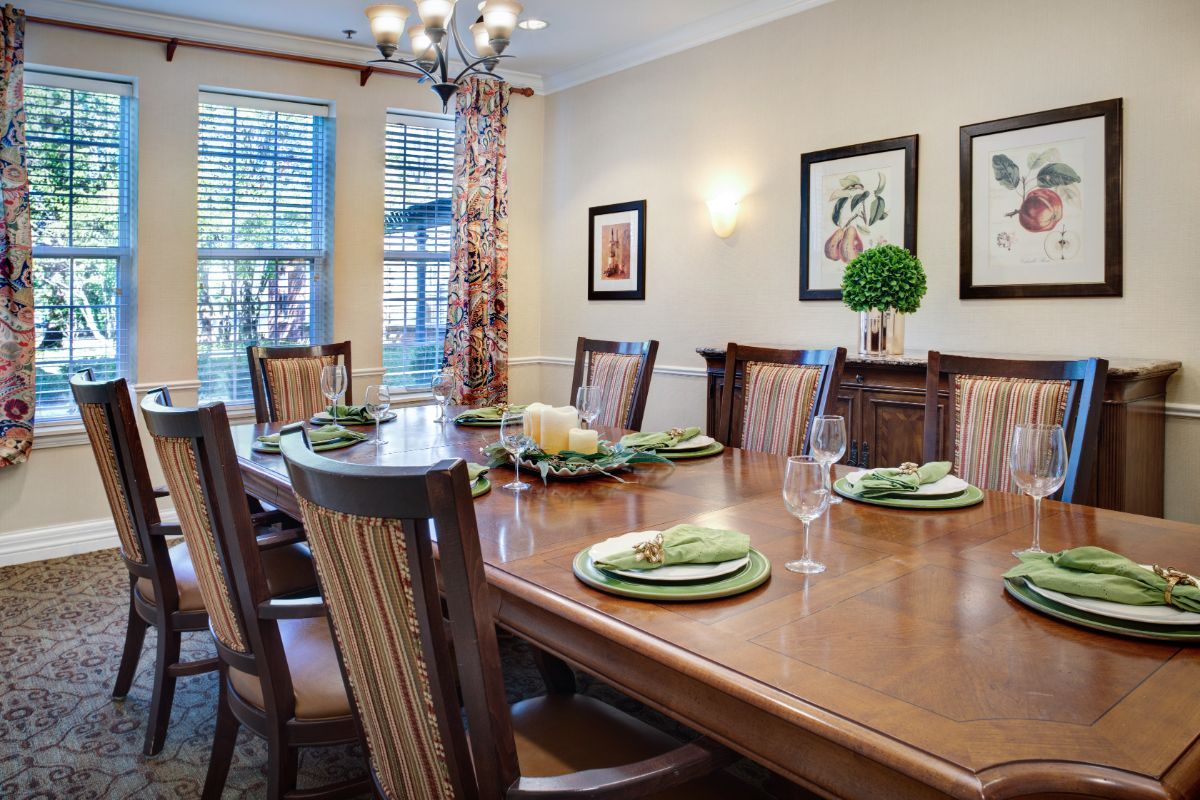
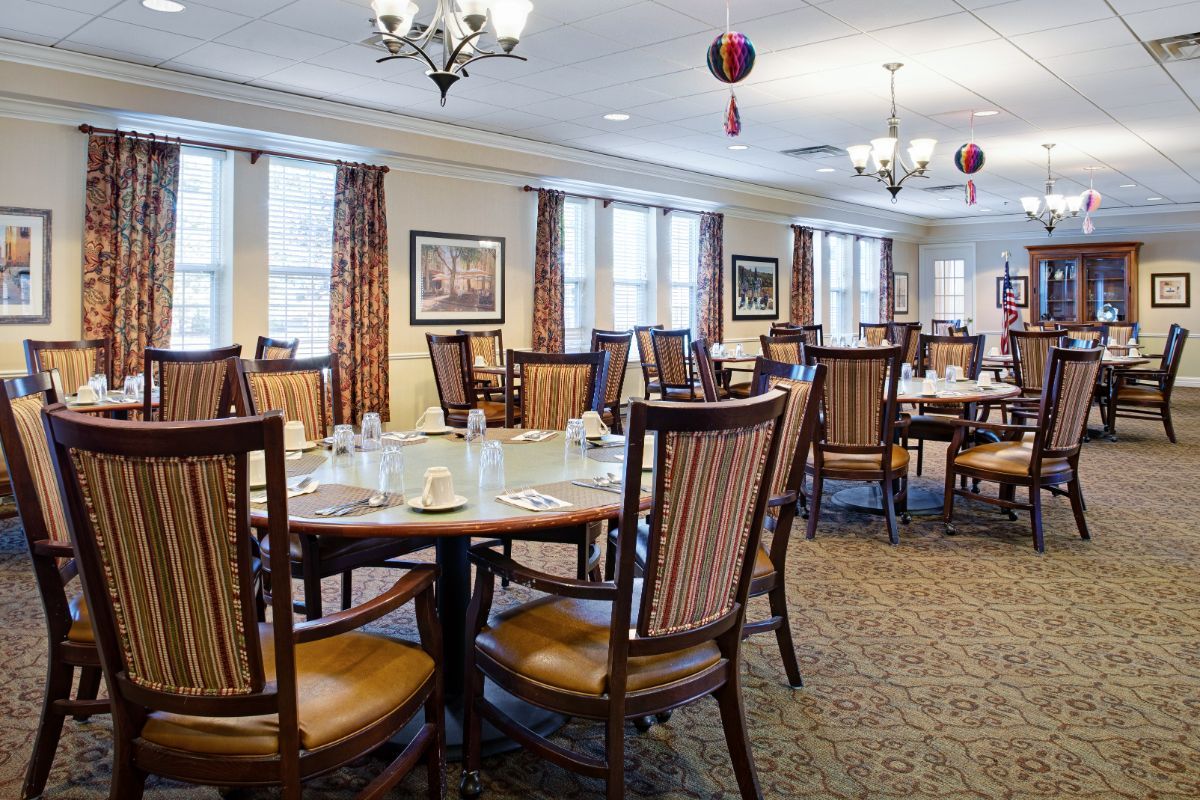
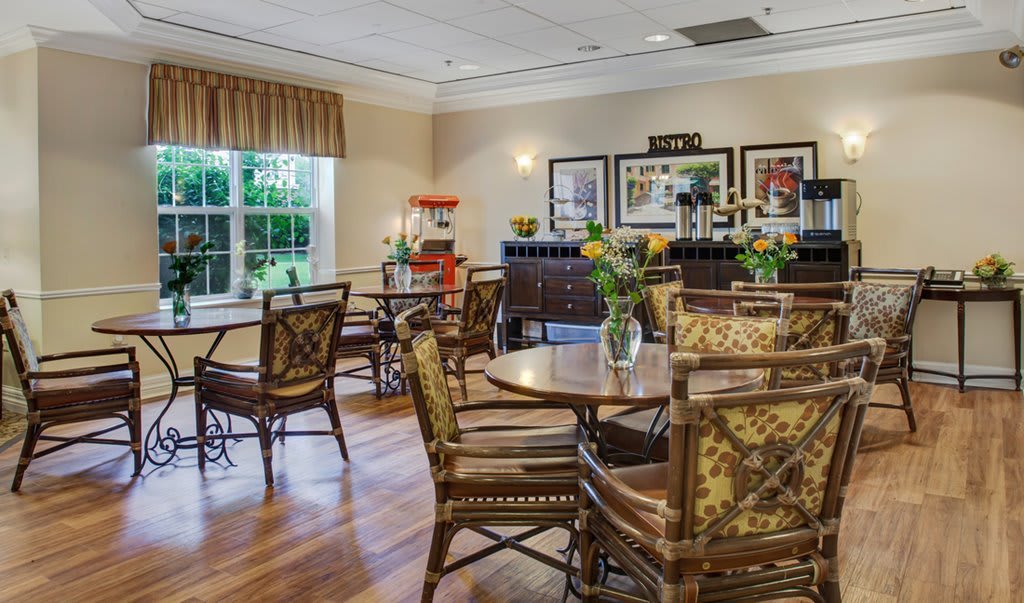
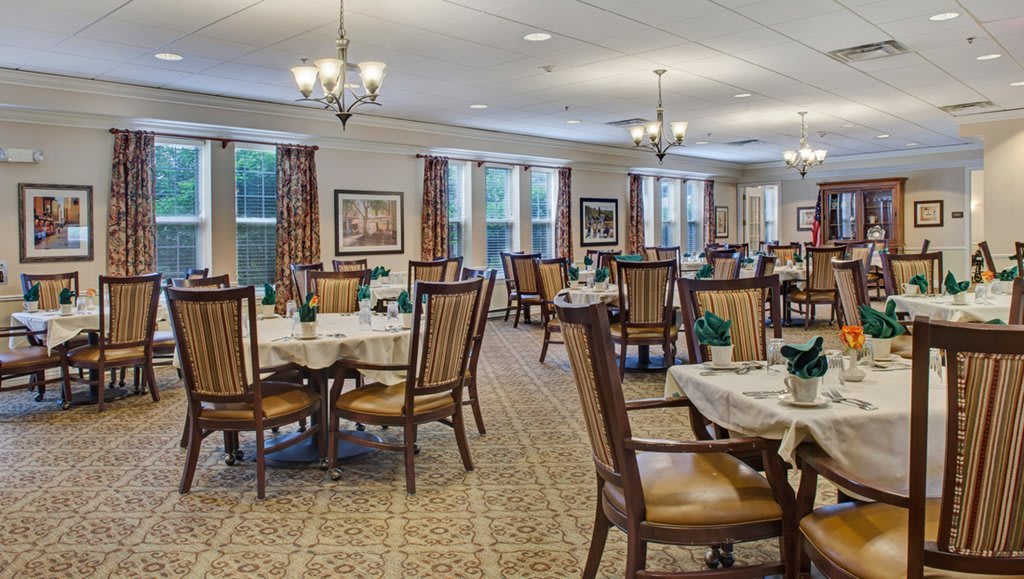
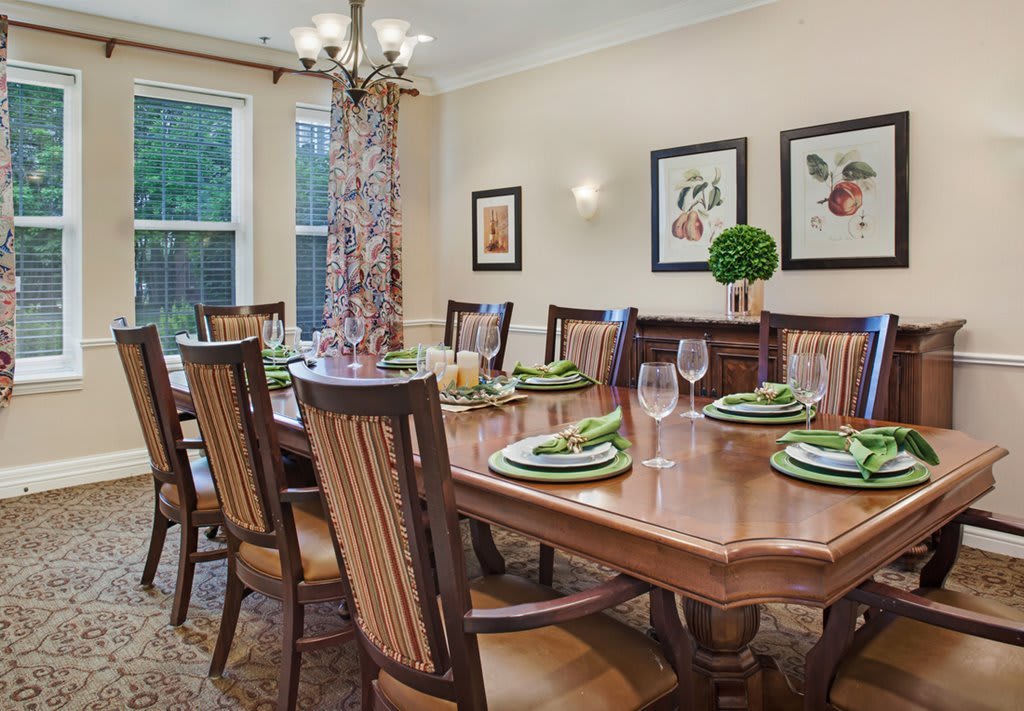
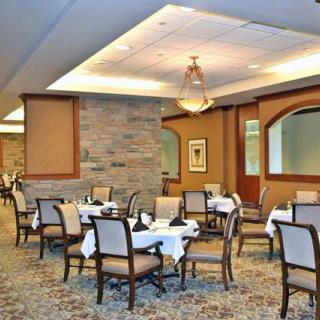
Several reviews highlight meals and dining as a positive part of life here, including praise for the chef and the experience of eating together. Residents are described as enjoying the menu variety and the dining service, and one reviewer specifically called out a seasonal holiday brunch prepared by the chef. The community also offers restaurant-style dining and meals provided with support for special dietary needs.
common12 reviews mention this
Activities keep residents involved
Daily activities and planned events are repeatedly mentioned as engaging for residents.
Reviewers often describe the activity calendar as busy and varied, with programs like exercise, meditation, and group events such as movie nights and themed gatherings. Some families mention their loved ones participating regularly, while others describe the community as feeling home-like partly because of what’s offered day to day. The community also lists on-site and off-site activities, including day trips and community-sponsored programs.
caveat7 reviews mention this
Pricing and billing concerns recur
Several reviews raise concerns about unexpected pricing changes and billing accuracy.
A number of reviewers describe problems with cost clarity, including price increases after a move-in start date and confusion about additional charges. Others mention billing issues after the fact, including alleged overcharges related to care. While the community offers pricing across multiple unit types, these reviews point to the importance of reviewing line items carefully and confirming what’s included before agreeing to changes.
caveat5 reviews mention this
Mixed experience with staffing levels
Some reviewers report staffing and responsiveness problems in specific situations.
While many reviews describe helpful, attentive care, a separate set of comments raises concerns about staffing availability and follow-through. One reviewer describes an extended delay when assistance was needed, and another mentions not enough staff to give support to each resident. There are also negative comments tied to memory care/respite planning and whether the right level of care was available when requested, which appears to have caused frustration during the intake process.
How we summarize
Counts show how many written reviews mention each theme; a review can touch several themes, and only frequently mentioned themes are displayed.
Features
Housing
117 resident community capacity
Types of Care
Assisted Living
Memory Care
Pets
Cats allowed
Dogs allowed
Amenities
Activities off-site
Activities on-site
Air-conditioning
Beautician on-site
Beauty salon
Cable or satellite TV
Computer center
Devotional services off-site
Devotional services on-site
Dining room
Fitness room
Fully furnished
Gaming room
Garden
Ground floor units
Handicap accessible
Housekeeping services
Indoor common areas
Kitchenette
Move-in coordination
Outdoor common areas
Outdoor space
Private bathrooms
Respite or short term stays offered
Restaurant-style dining
Small library
Telephone
Wellness center
Wheelchair accessible showers
Wi-Fi/high-speed internet available
Transportation
Chicago O'Hare International (14 miles away)
Chicago Midway (18 miles away)
Community operated transportation
Transportation arrangement
Transportation arrangement (non-medical)
Care Services
12-16 hour nursing
24-hour call system
24-hour supervision
Activities of daily living assistance
Ambulatory care
Assistance with bathing
Assistance with dressing
Assistance with transfers
Coordination with health care providers
Diabetes diet
Diabetic care
Incontinence care
Meal preparation and service
Medication management
Mental wellness program
Mild cognitive impairment
Special dietary restrictions
Specialized memory care programming
Transportation arrangement (medical)
Transportation to doctors appointments
Dining
Diabetes diet
Gluten-free
Guest meals
Low / no sodium
Meals provided
No Sugar
Professional chef
Restaurant style dining
Special dietary restrictions
Special dining programs
Activities
Activities off-site
Activities on-site
Art classes
BBQs or picnics
Birthday parties
Community-sponsored activities
Concierge services
Day trips and outings
Devotional activities offsite
Devotional activities on-site
Educational speakers / life long learning
Fitness programs
Happy hour
Live well programs
Other religious services
Planned day trips
Resident-run activities
Scheduled daily activities
Nearby Places of Interest
This part of Wheaton, Illinois offers a variety of amenities and services that cater to seniors looking for convenience and accessibility. There are multiple dining options nearby such as Chick-Fil-A, McDonald's, and Cooper's Hawk Winery & Restaurant. Additionally, there are several pharmacies including Walgreens and CVS for easy access to medications. The area also boasts several parks like Seven Gables Park and Northside Park for outdoor recreation. For medical needs, there are reputable hospitals like DuPage Medical Center and Northwestern Medicine Central DuPage Hospital within a short distance. Places of worship such as College Church provide spiritual support, while cafes like Starbucks offer cozy spots for socializing or enjoying a cup of coffee. Furthermore, there are physicians' offices like Dupage Medical Group and Wheaton Eye Clinic conveniently located for healthcare services. Transportation options via Metra Train Station make it easy to get around the area, and entertainment venues like Cinemark theater provide opportunities for leisure activities. Overall, this part of Wheaton provides a well-rounded living environment with all the necessary amenities for seniors looking to settle in the area.
Restaurants
Chick-Fil-A (0.2 miles)
McDonald's (0.6 miles)
302 Wheaton (2.5 miles)
Cooper's Hawk Winery & Restaurant (2.6 miles)
McDonald's (2.6 miles)
Chipotle Mexican Grill (2.6 miles)
Culver's (2.7 miles)
Pharmacies
Walgreens (0.6 miles)
Walmart Pharmacy (1.9 miles)
Walgreens (2.2 miles)
CVS Pharmacy (2.8 miles)
Walgreens (3.2 miles)
Walgreens (3.3 miles)
Walgreens (3.7 miles)
Parks
Seven Gables Park (1 miles)
Briar Knoll Park (1.2 miles)
Illinois Prairie Path - Mile Marker Zero (2.6 miles)
Newton Park (2.9 miles)
Northside Park (3.4 miles)
East Street Park (3.8 miles)
Surrey Ridge Park (4.1 miles)
Hospitals
DuPage Medical Center (2.3 miles)
Marianjoy Rehabilitation Hospital and Clinics (2.8 miles)
Northwestern Medicine Central DuPage Hospital Sleep Health Center (4.4 miles)
Central Dupage Hospital (4.5 miles)
Central Dupage Hospital - Mother & Baby Pavilion (4.5 miles)
Places of Worship
College Church (2.6 miles)
St Andrews Episcopal Church (4.6 miles)
Cafes
Starbucks (2.8 miles)
Peet's Coffee and Tea (3.8 miles)
Starbucks (4.4 miles)
Qahwah House (4.9 miles)
Starbucks (5 miles)
Starbucks (6.1 miles)
Starbucks (6.2 miles)
Physicians
Dupage Medical Group (3.4 miles)
Northwestern Medicine Orthopaedics Warrenville (3.8 miles)
Brighton Gardens of Wheaton offers a range of accommodations at competitive prices compared to both DuPage County and the broader state of Illinois. For a studio apartment, residents can expect to pay $2,200 per month, which is significantly lower than the county average of $4,580 and the state average of $4,028. One-bedroom units are priced at $3,100, still offering a favorable option relative to DuPage County's average of $3,913 and Illinois's average of $3,527. Even for semi-private rooms, where the cost is set at $4,920, Brighton Gardens remains more affordable compared to the county's average of $5,848 and the state's rate of $5,146. Overall, Brighton Gardens presents an appealing value proposition for those seeking quality assisted living in Wheaton while ensuring meaningful savings in comparison to local and state-wide alternatives.
Brighton Gardens of Wheaton offers a comprehensive suite of features designed to support residents with dementia or Alzheimer's disease, ensuring their safety and enhancing their quality of life. The 24-hour supervision provides a constant reassuring presence, while assistance with daily activities--such as bathing, dressing, and transfers--promotes dignity and independence. Coordination with healthcare providers ensures that medical needs are met promptly, complemented by medication management that reduces the risk of errors. Incontinence care and meal preparation tailored to individual dietary requirements address physical health needs directly. Moreover, specialized memory care programming and a mental wellness program foster cognitive engagement, helping residents maintain connections with their surroundings. Transportation arrangements for medical appointments further facilitate continuity of care, ultimately creating an environment where residents can thrive in both physical and emotional aspects of their lives.
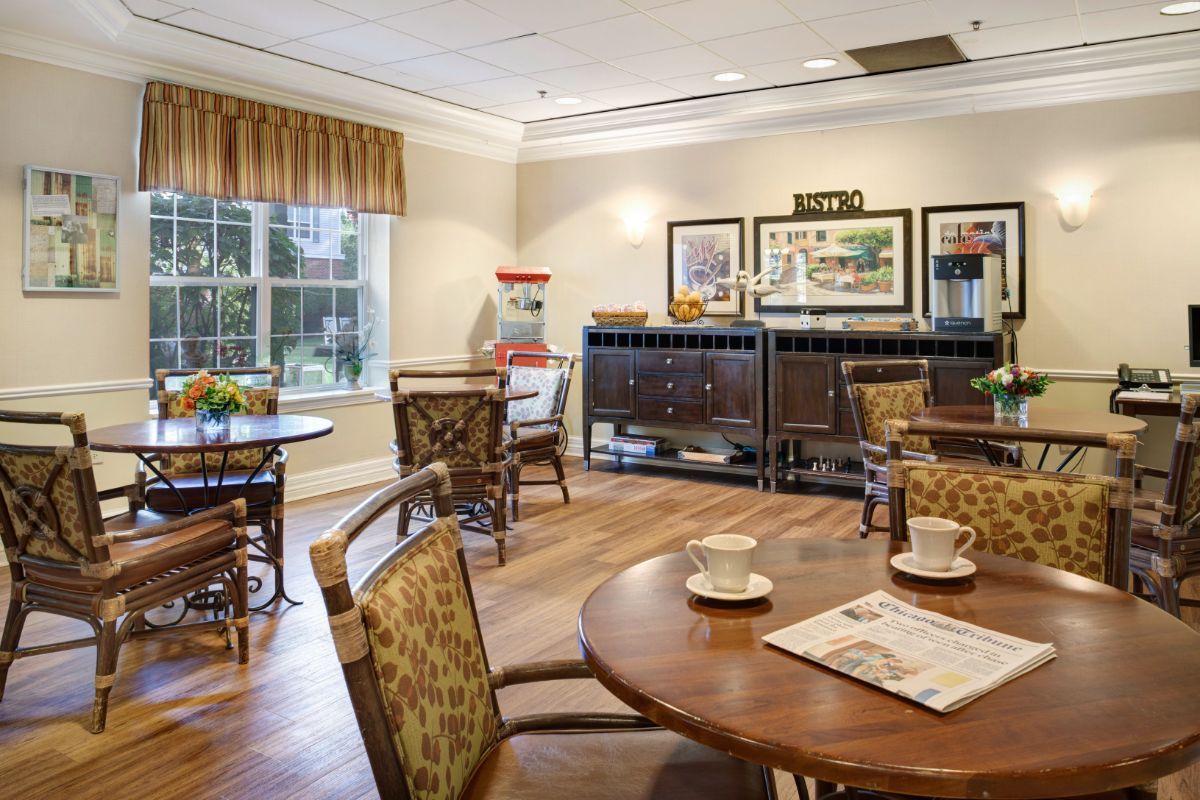
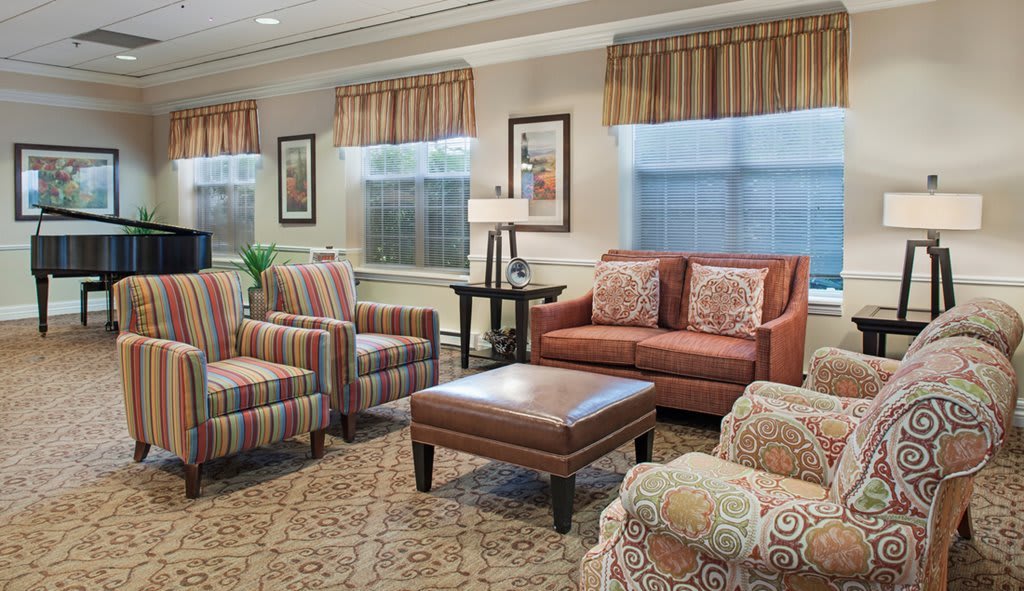
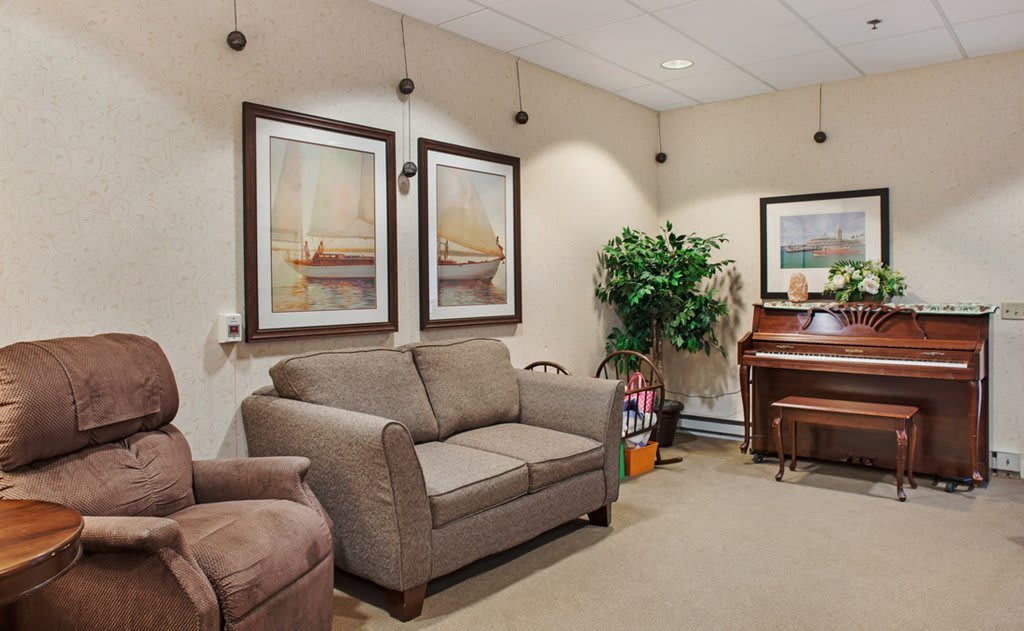
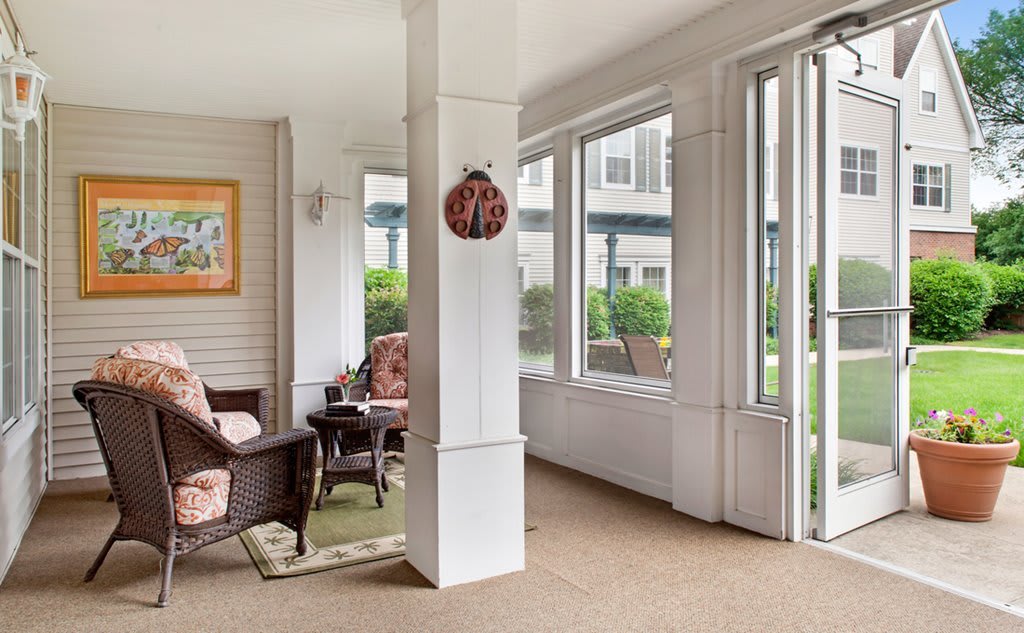
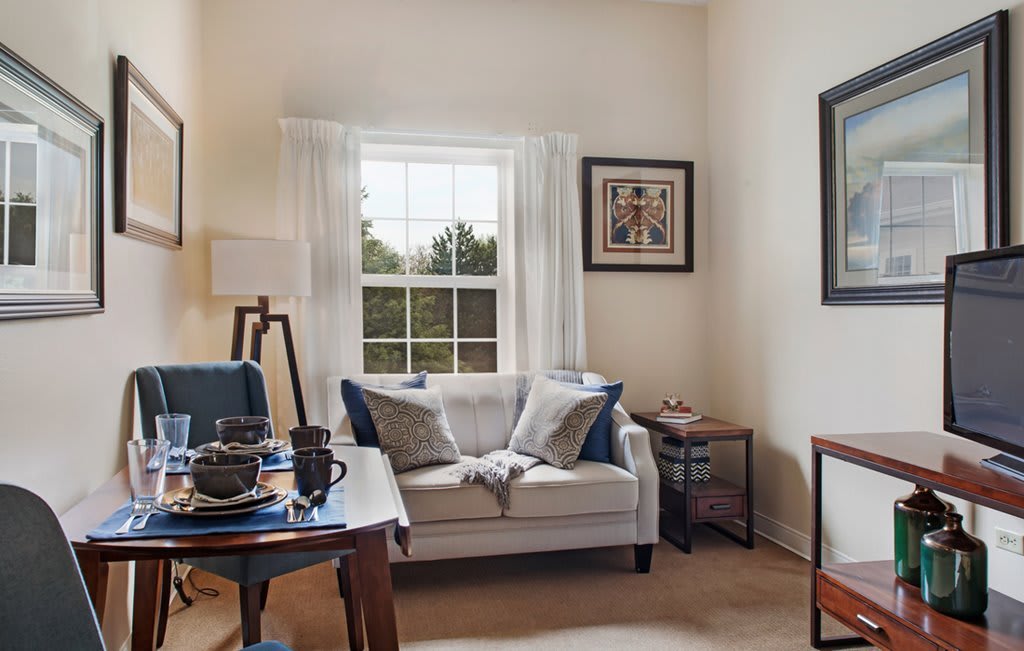
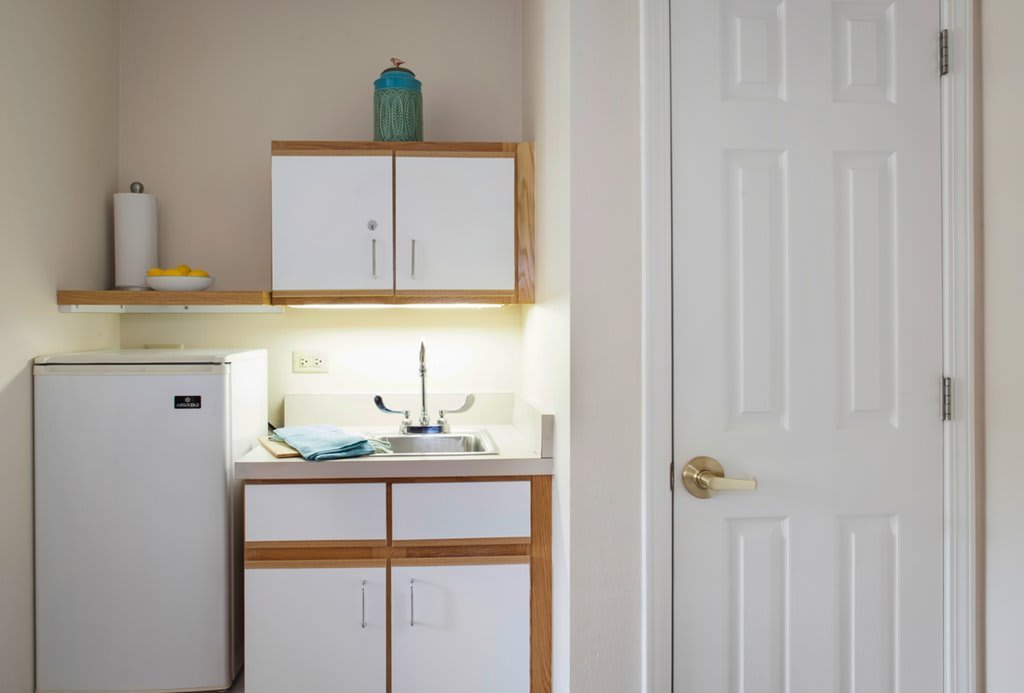
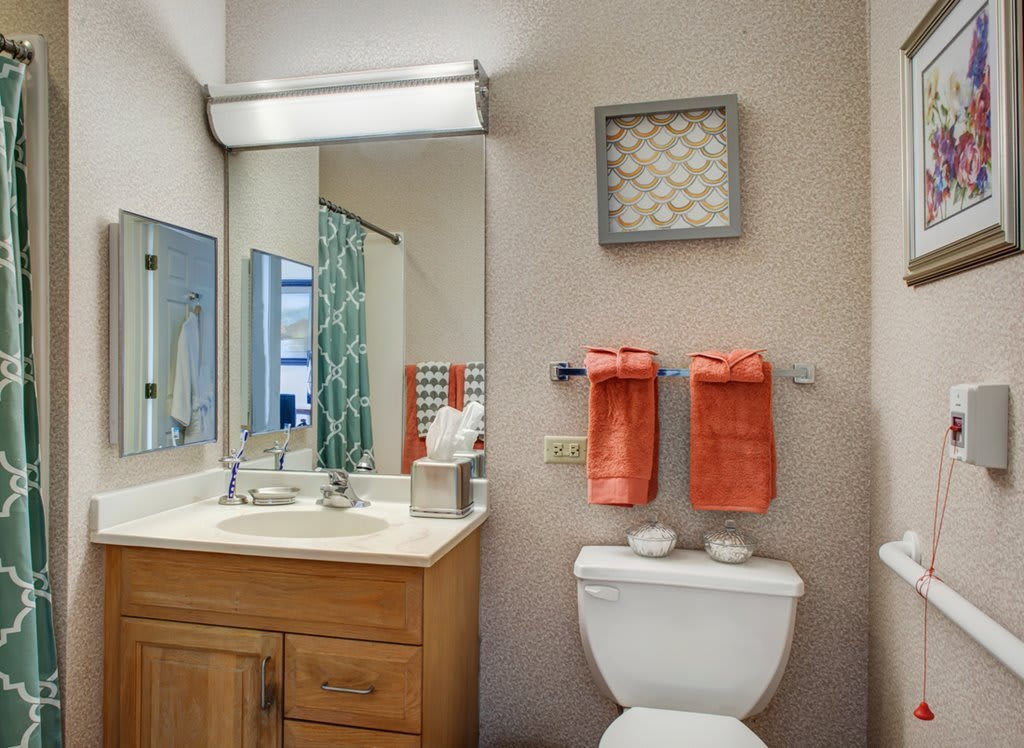
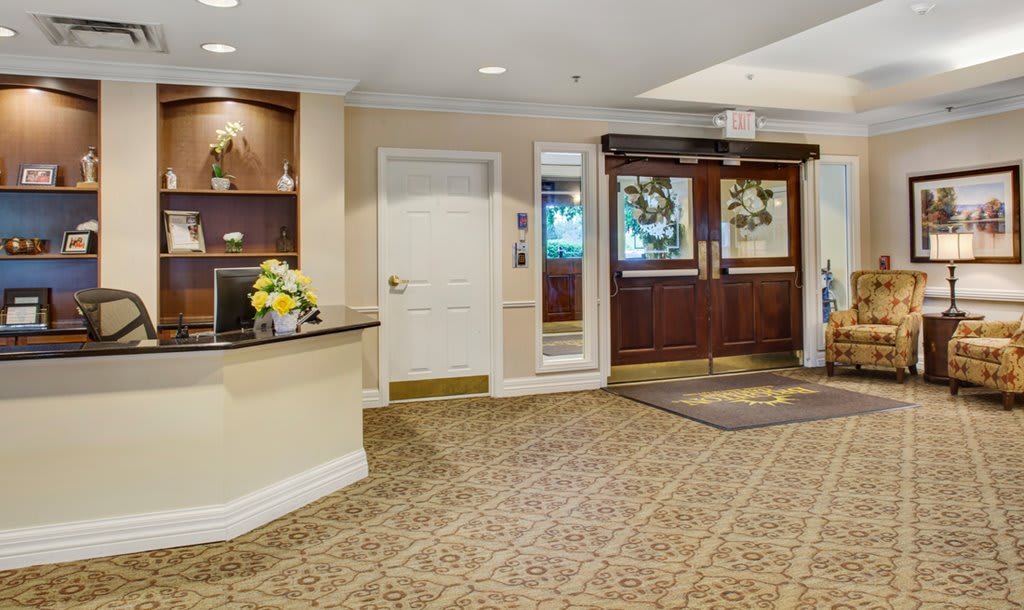
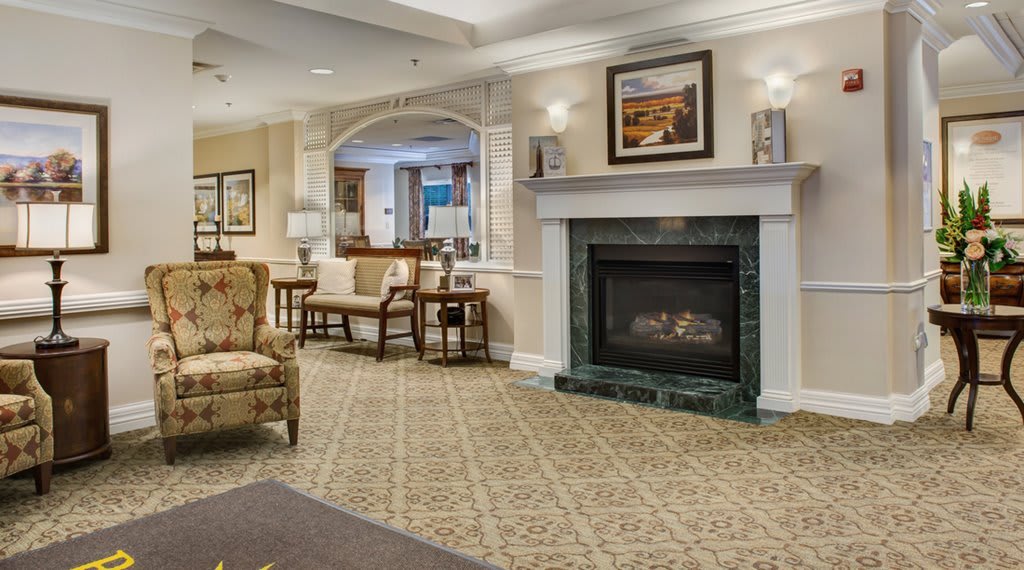
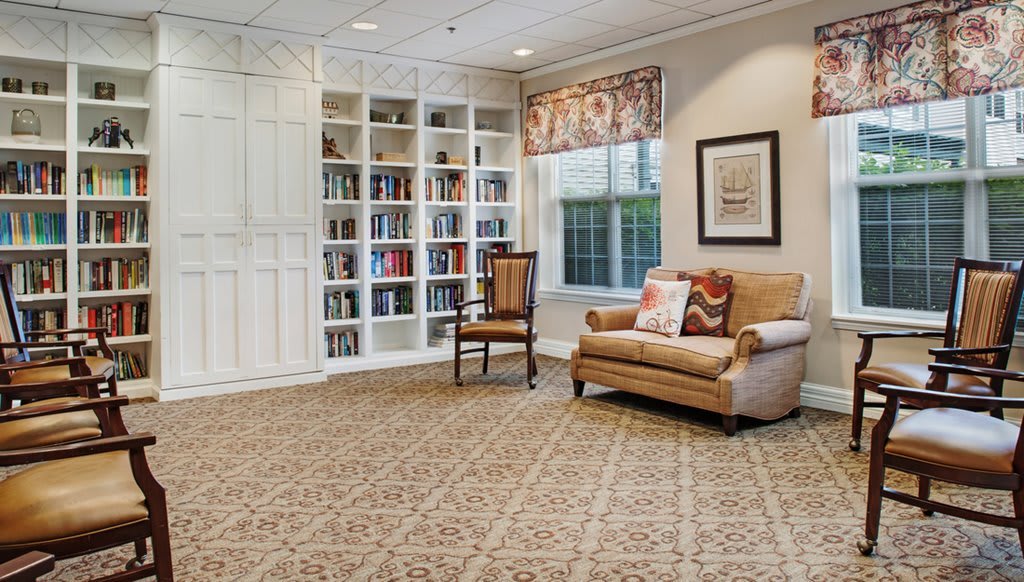
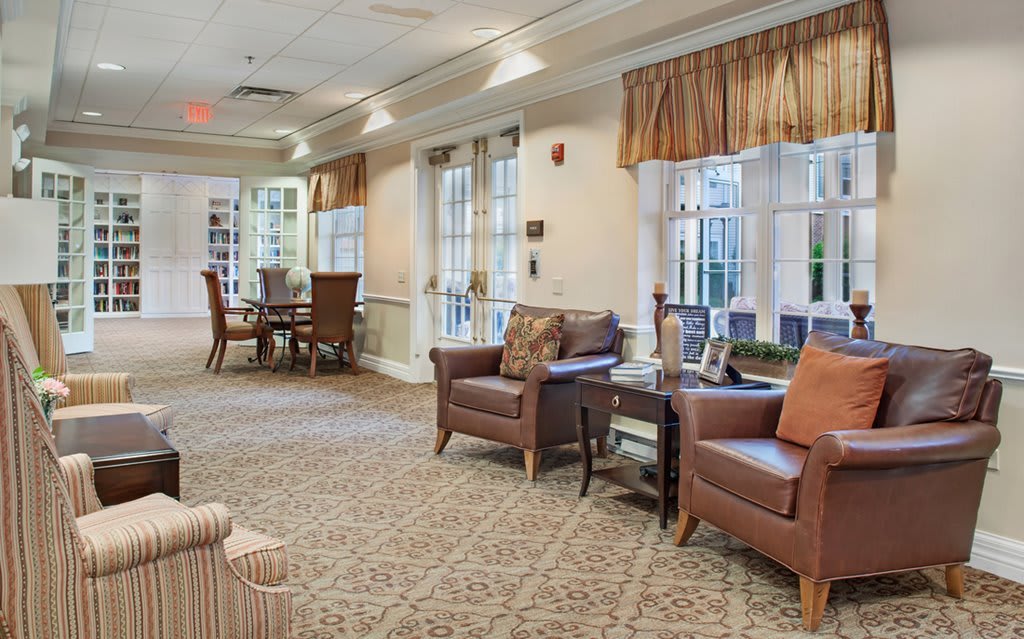
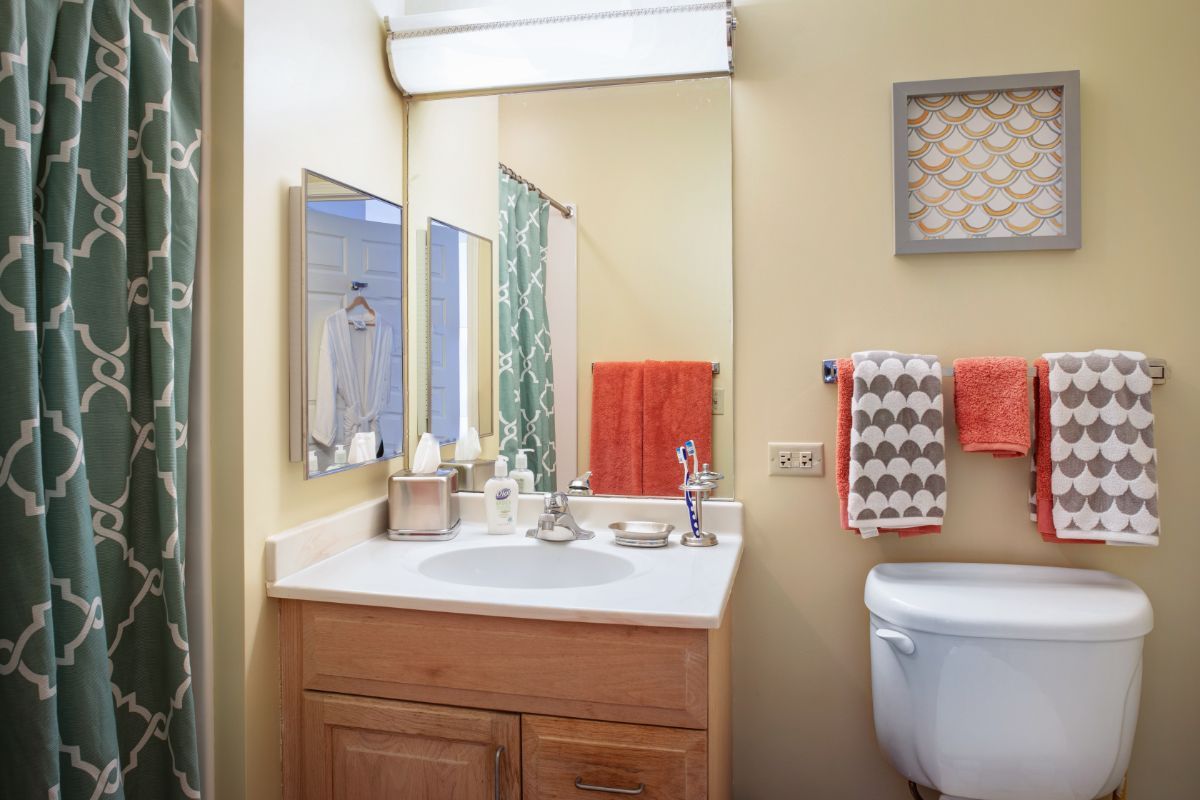
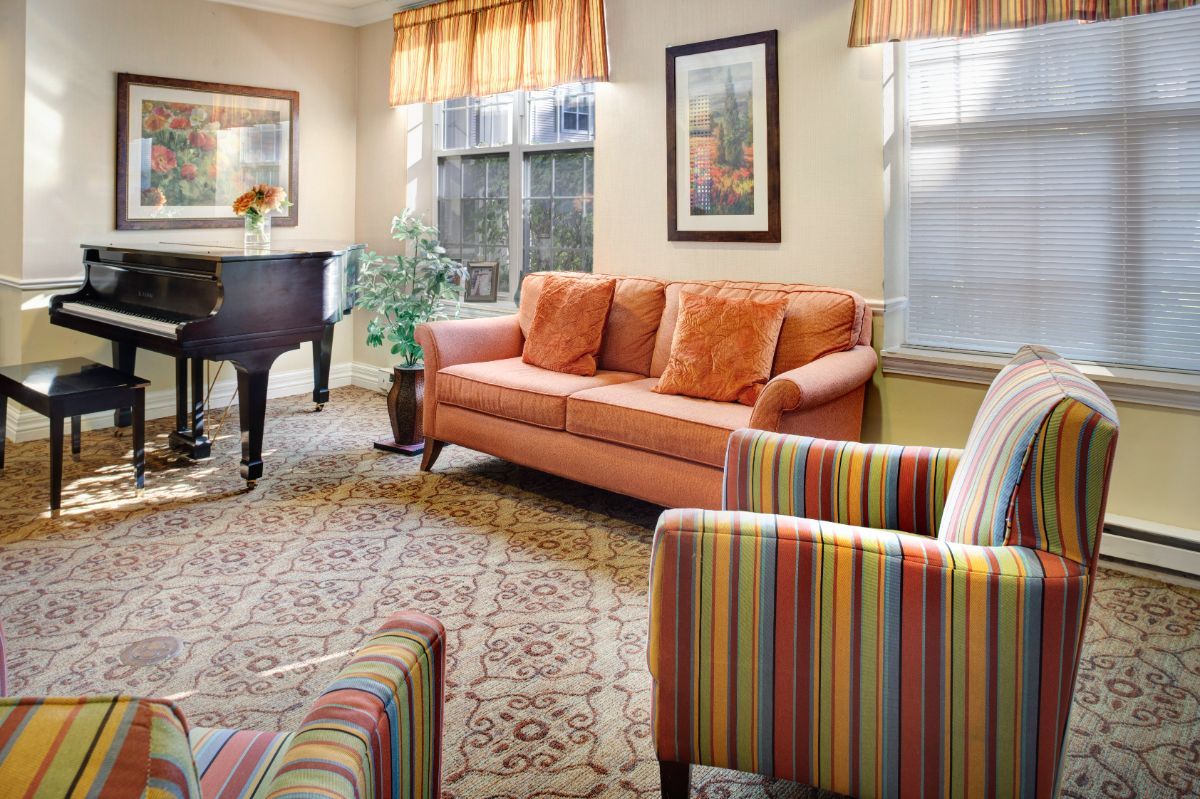
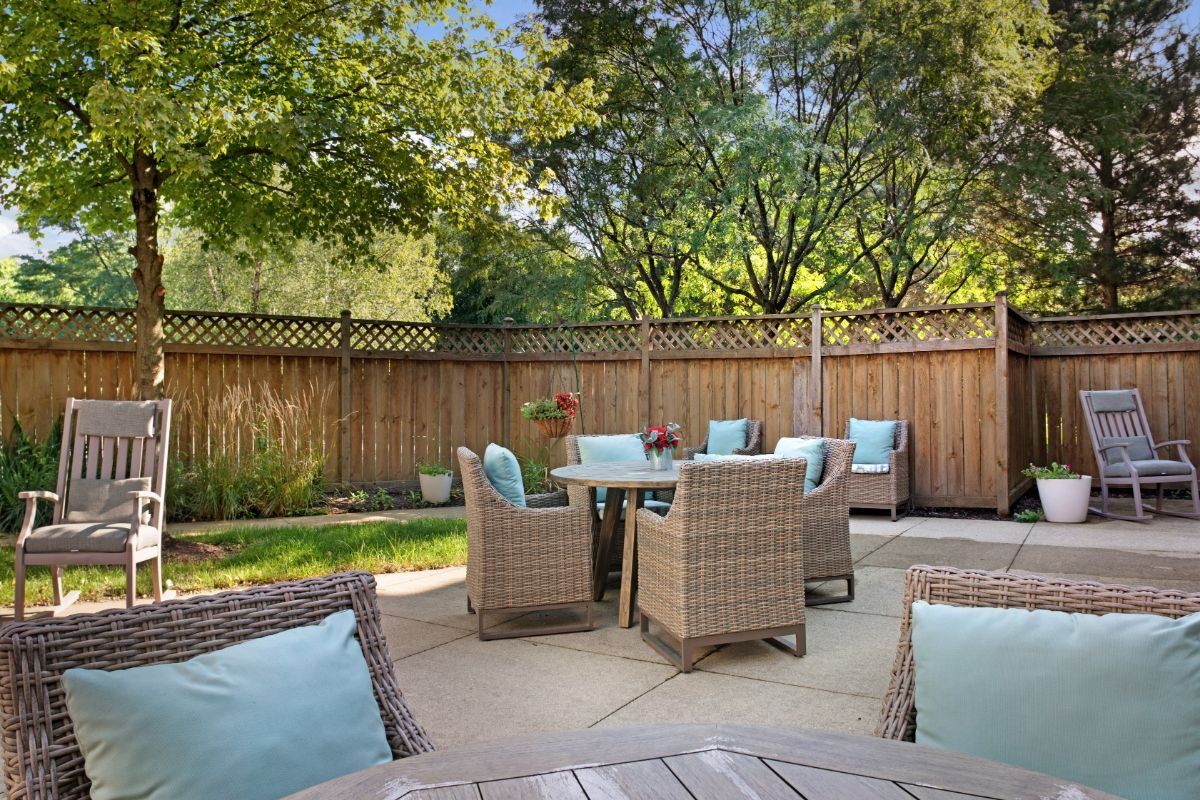
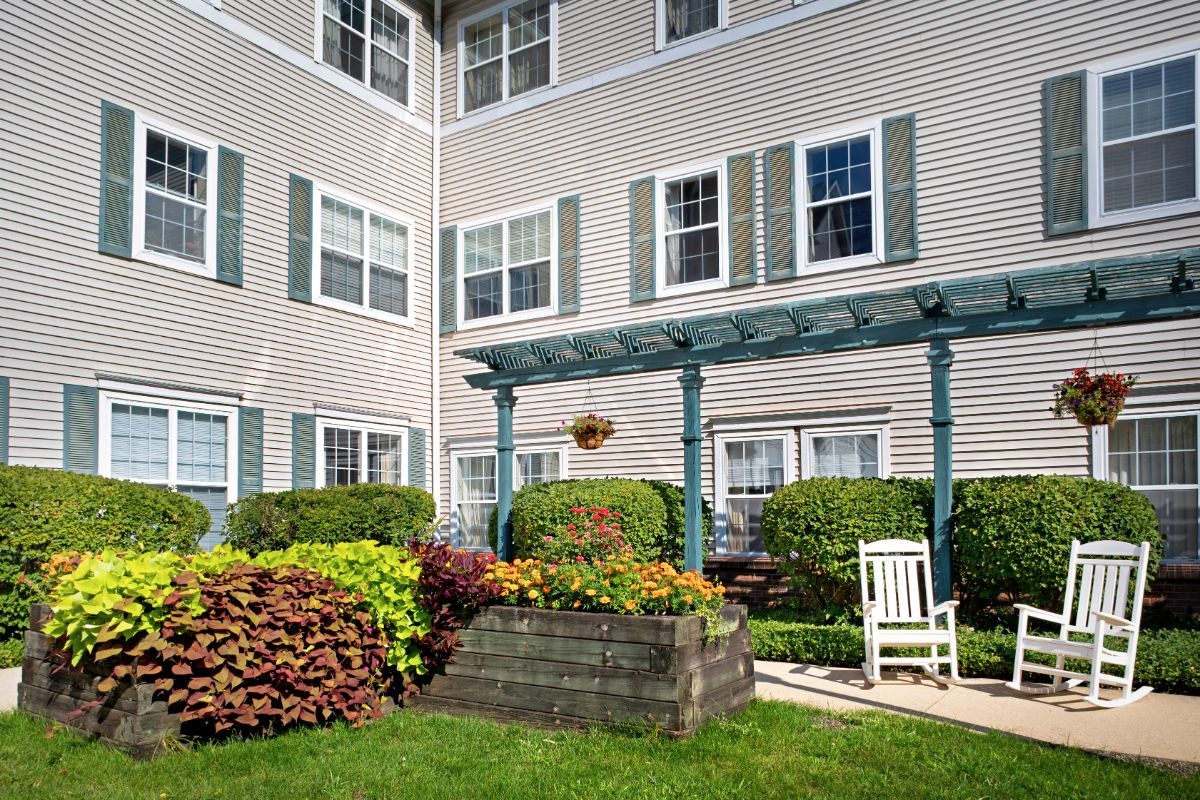
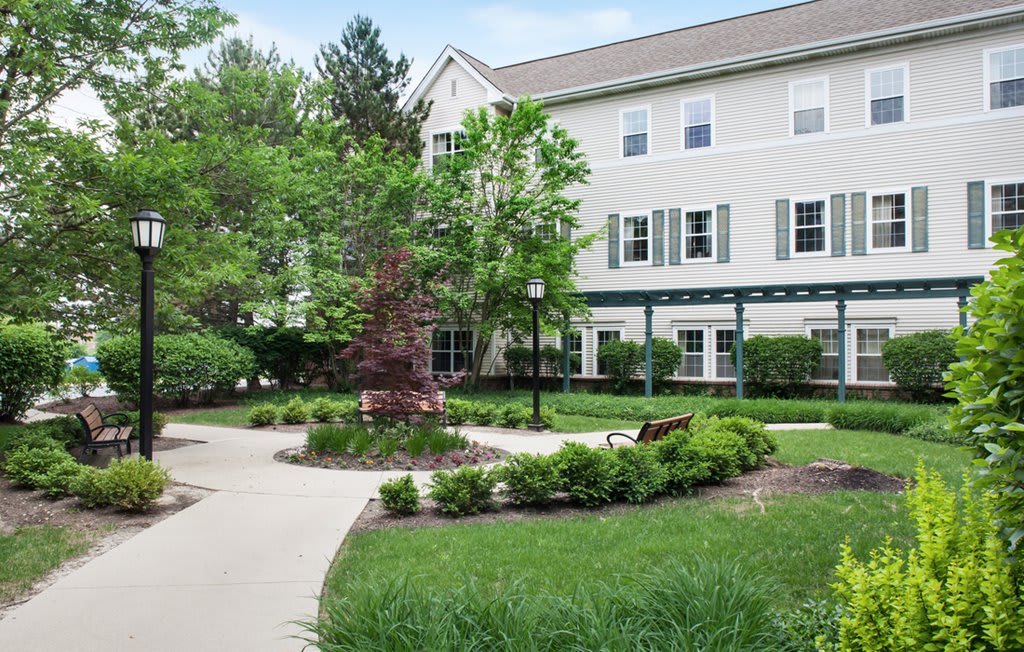
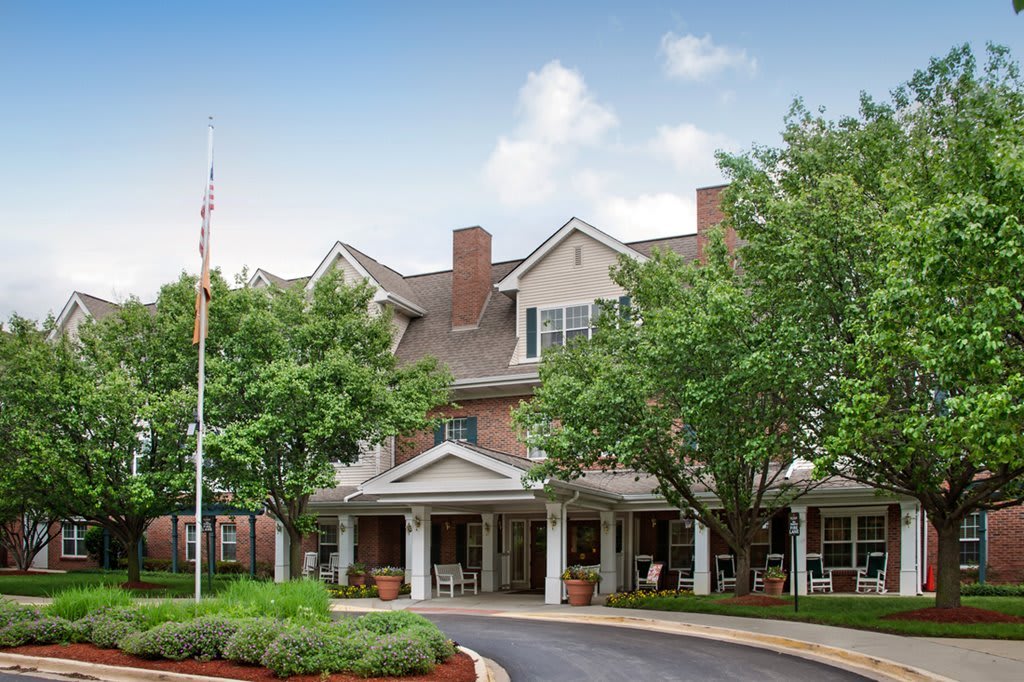
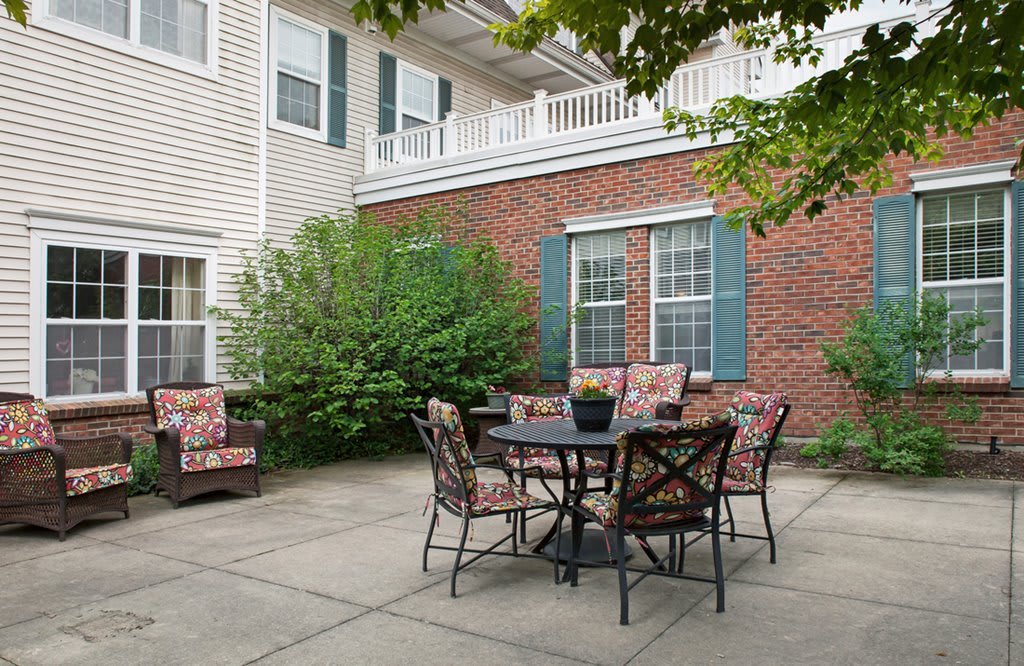
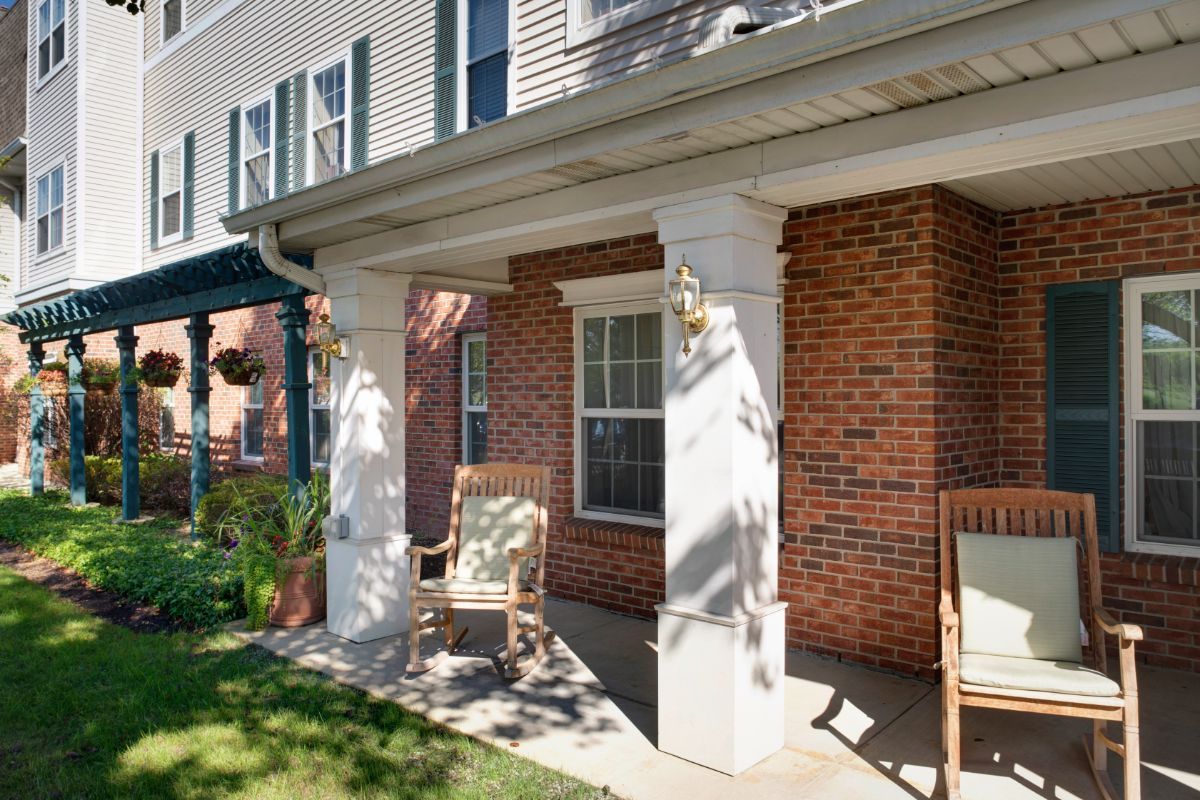
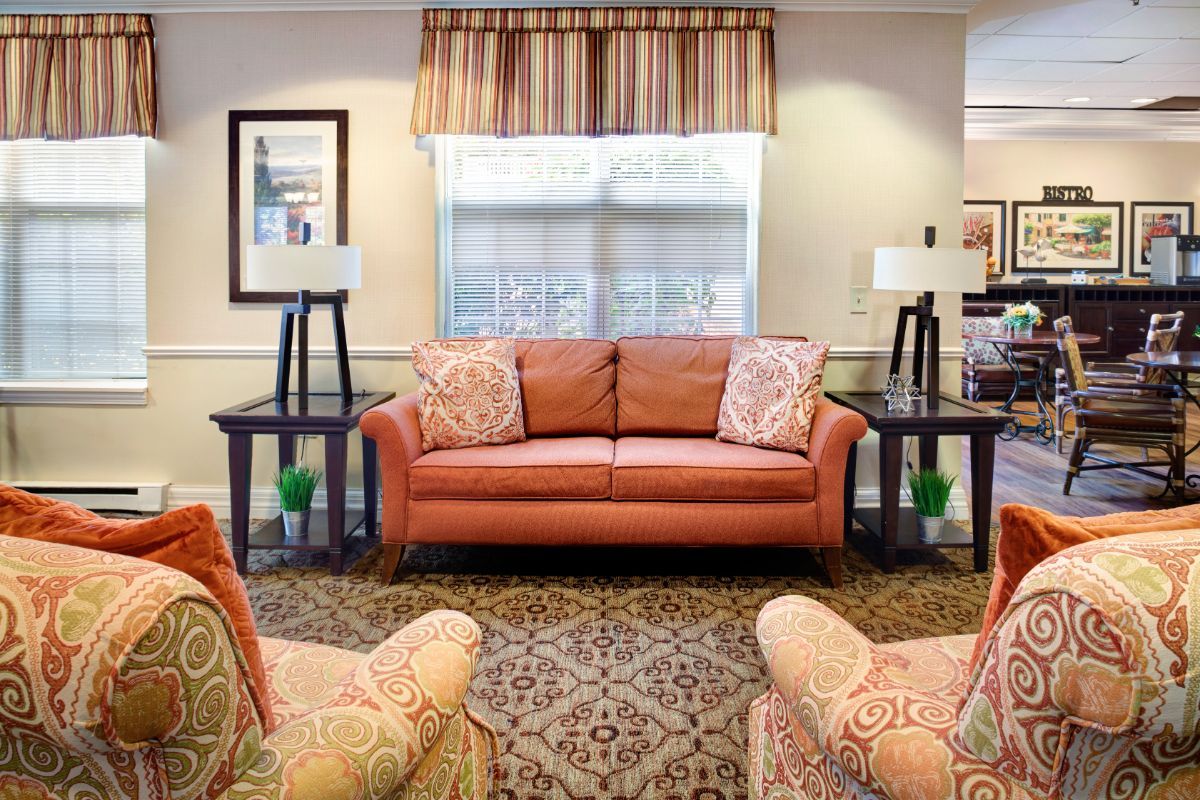
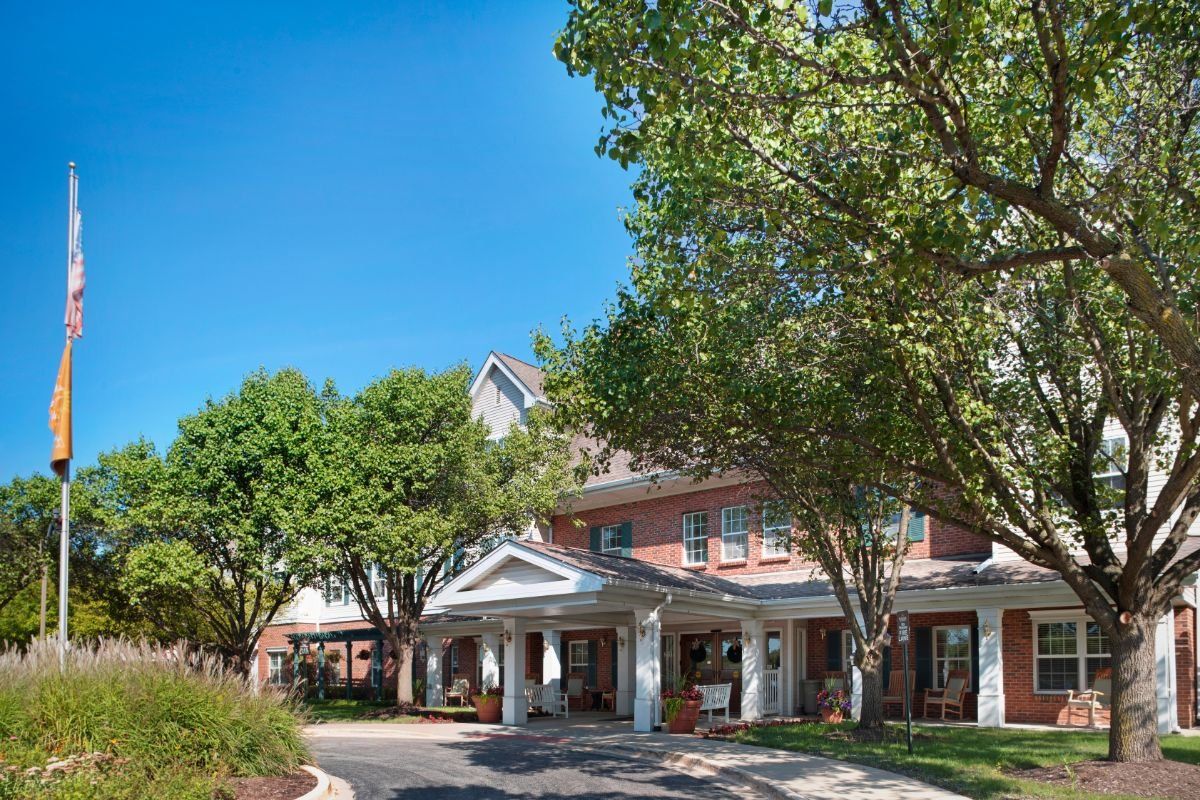
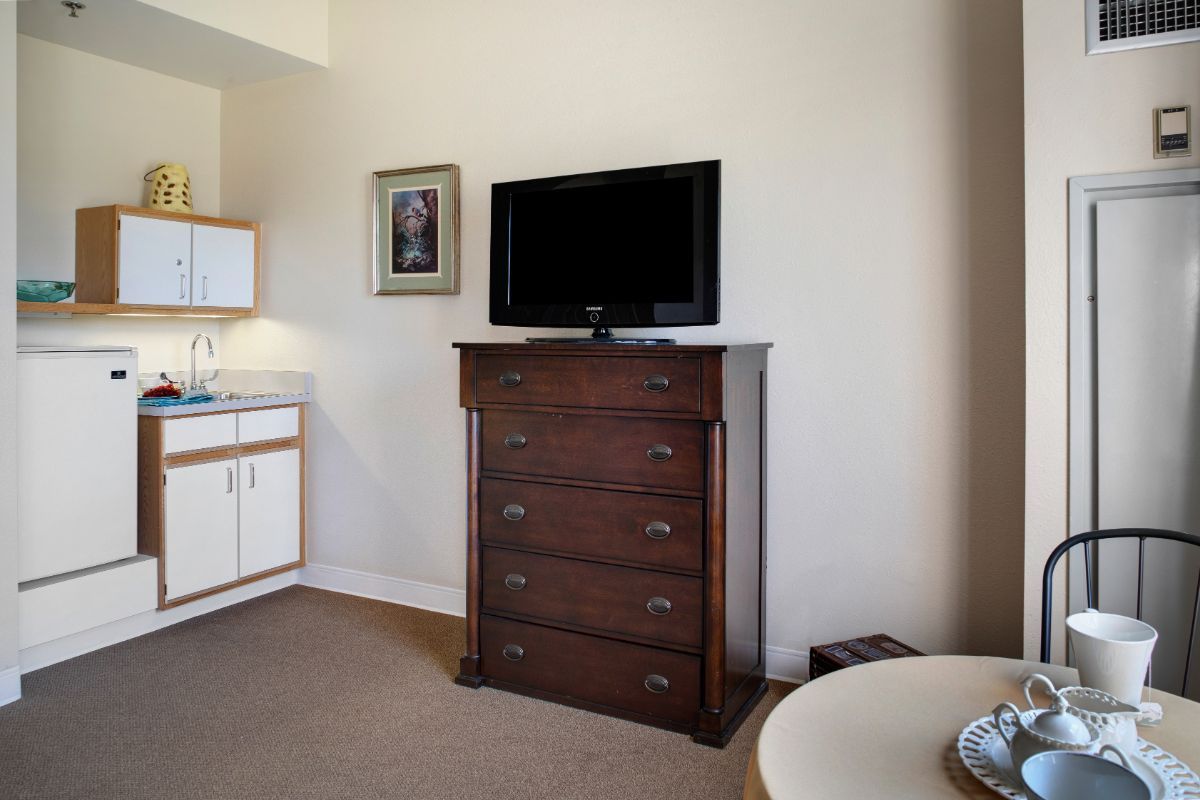
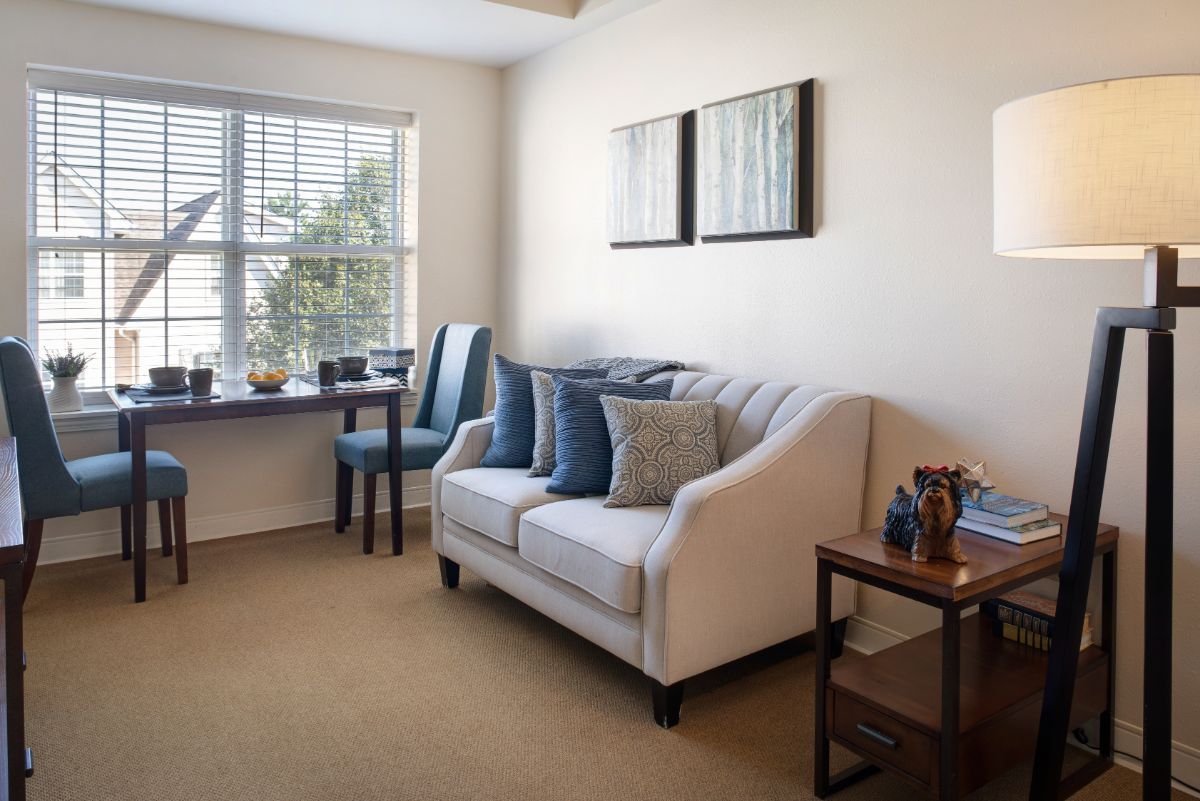
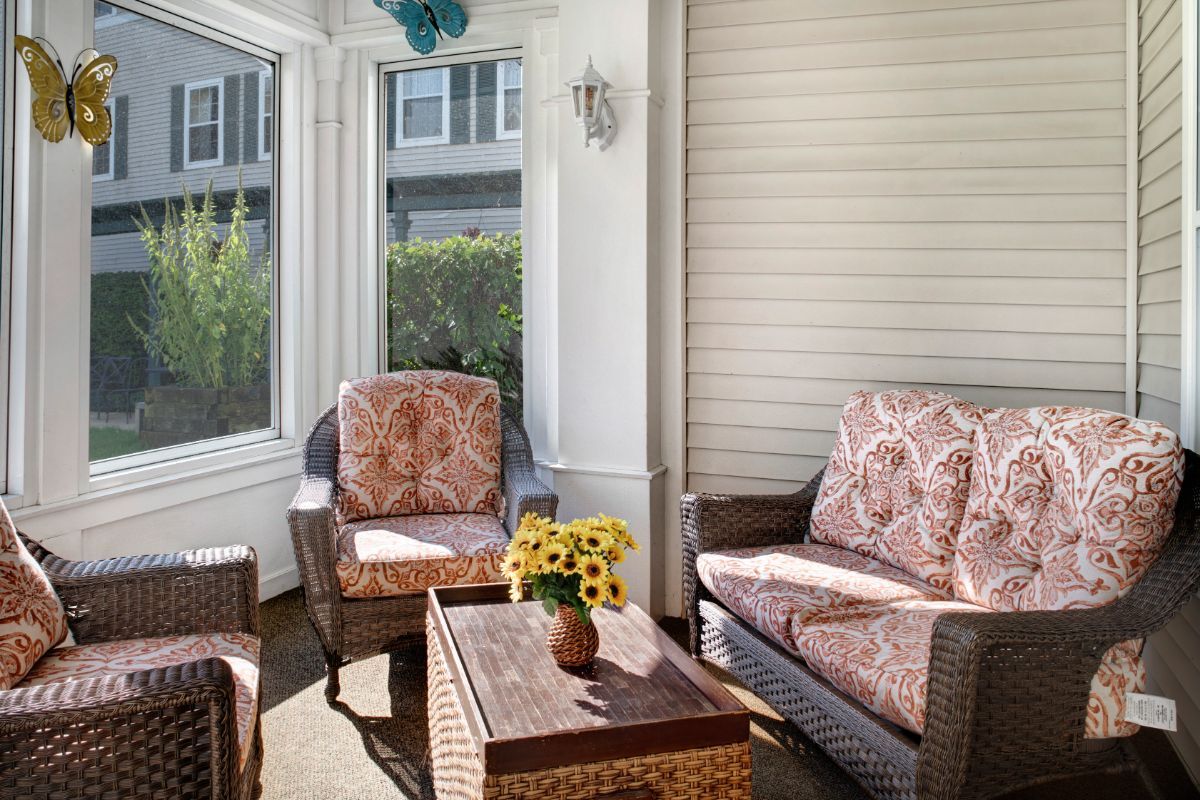
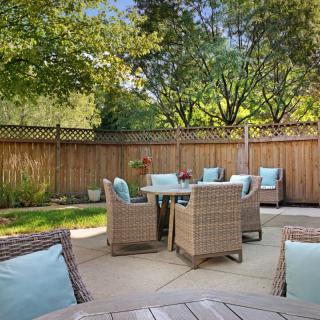
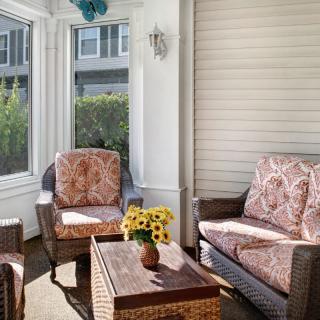
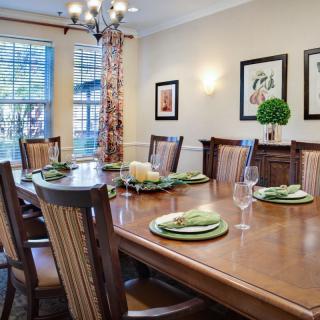
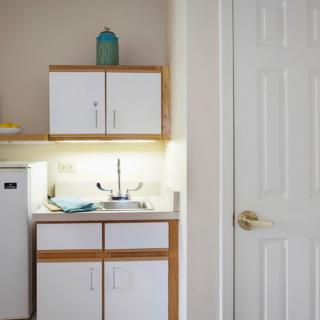
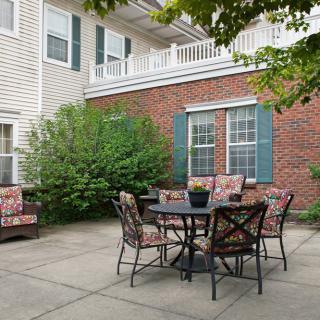
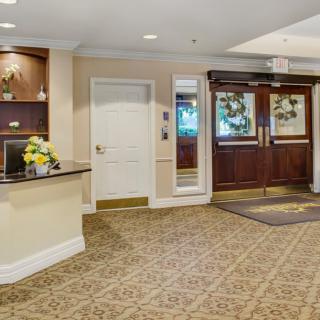
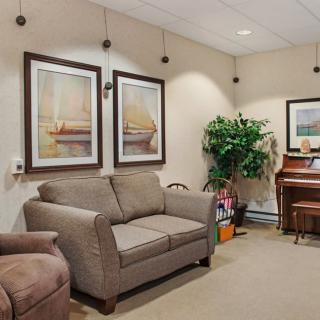
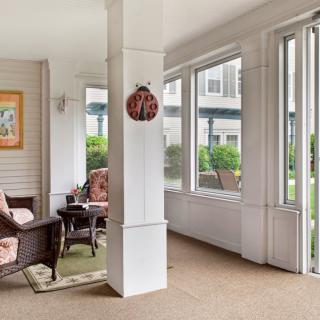
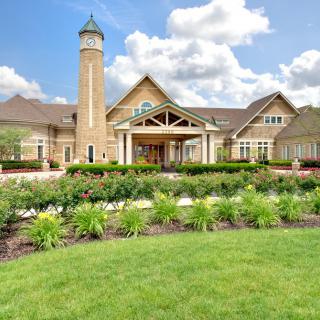
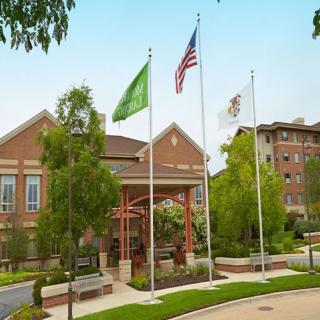
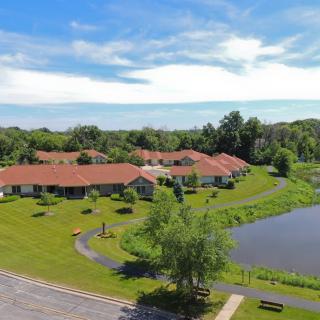
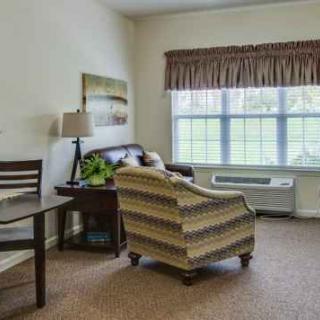
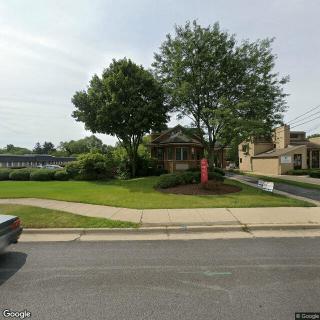
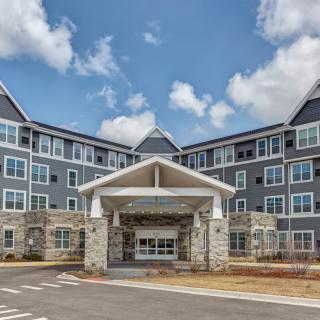
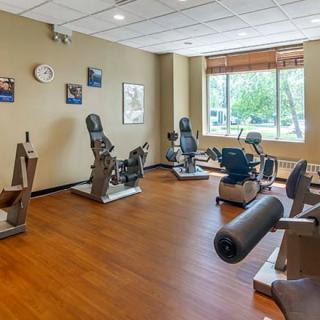
Brighton Gardens of Wheaton on seniors.fyi includes 36 photos including images showing interior, decor, windows, landscaping, floor plan, living room, dining, building, and more.
Nearby Communities
Vintage Group
Wheaton, IL
1 from 1 review
Caring staff and welcoming environment.
Maple Glen Memory Care
Glen Ellyn, IL
4.9 from 110 reviews
$7,800 to $9,450 / month
Compassionate staff with reliable family communication and engaging activities.
Lilac House Senior Living
Lisle, IL
5 from 2 reviews
Small, personalized assisted living with 24-hour supervision, meals, and activities.
Amazing Care
Lisle, IL
3.8 from 4 reviews
Reliable, dependable caregivers with responsive office staff.
Dementia encompasses a range of cognitive impairments characterized by types such as Alzheimer's and vascular dementia, and follows a seven-stage progression model known as the Global Deterioration Scale (GDS), highlighting varying symptoms and decline timelines. Early detection allows for lifestyle adjustments to potentially slow progression, while caregivers need support and resources to manage the challenges involved in caring for affected individuals.
The article presents eight strategies for preserving cognitive health and memory in older adults, emphasizing a nutrient-rich diet, regular exercise, intellectually stimulating activities, adequate sleep, social connections, stress management techniques, limiting harmful substances, and regular medical checkups to mitigate age-related memory decline.
Activities of Daily Living (ADLs) are fundamental tasks vital for an individual's independence, particularly in older adults over 85, and include functions like bathing and dressing; assessing ADLs alongside Instrumental Activities of Daily Living (IADLs) helps determine the level of required assistance due to age-related health challenges. Tailored support plans, involving family and community resources, are essential for maintaining dignity and autonomy in assisted living environments.
Get PricingAsk A QuestionSchedule A TourContact Senior Advisor
By clicking submit, you agree to our Partner's Terms of Use. You
also consent to receive calls and texts, which may be autodialed, from our Partner. Your consent is not a condition to
using our Partner's service. Please visit our Partner's Privacy Policy for information about their privacy practices.




 117 resident community capacity
 Assisted Living
 Memory Care
 Cats allowed
 Dogs allowed
 Activities off-site
 Air-conditioning
 Beautician on-site
 Cable or satellite TV
 Computer center
 Devotional services off-site
 Dining room
 Fitness room
 Fully furnished
 Gaming room
 Garden
 Ground floor units
 Handicap accessible
 Housekeeping services
 Indoor common areas
 Kitchenette
 Move-in coordination
 Outdoor common areas
 Private bathrooms
 Respite or short term stays offered
 Restaurant-style dining
 Small library
 Telephone
 Wellness center
 Wheelchair accessible showers
 Wi-Fi/high-speed internet available
 Chicago O'Hare International (14 miles away)
 Community operated transportation
 12-16 hour nursing
 24-hour call system
 Ambulatory care
 Assistance with bathing
 Assistance with dressing
 Assistance with transfers
 Diabetes diet
 Diabetic care
 Incontinence care
 Medication management
 Mental wellness program
 Special dietary restrictions
 Transportation arrangement (medical)
 Art classes
 BBQs or picnics
 Birthday parties
 Concierge services
 Day trips and outings
 Educational speakers / life long learning
 Happy hour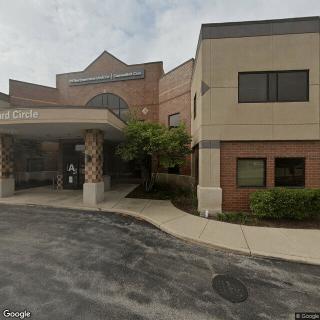
 Caring staff and welcoming environment.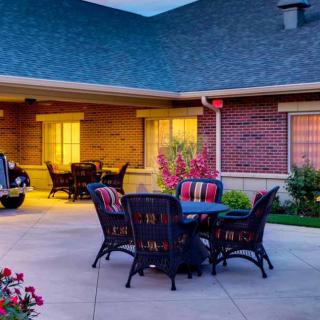


 Understanding Dementia Through Its Seven Stages: A Comprehensive Look at Progression and Expectations
 Safeguarding Your Memory Through the Golden Years: Eight Ways to Preserve Cognitive Health
 Comprehensive Insights into Activities of Daily Living (ADLs) and Their Assessment