
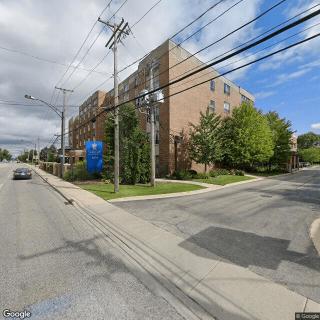
6601 West Touhy Avenue, Niles, IL 60714
For more information about senior living options: (866) 208-4318
Overall Review of Grosse Pointe Manor
Pros
 The staff are loving, highly competent, and attentive to residents’ needs.
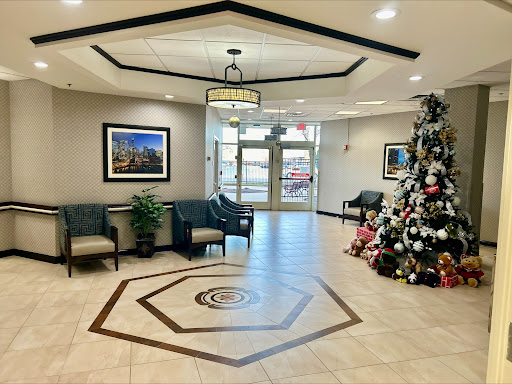
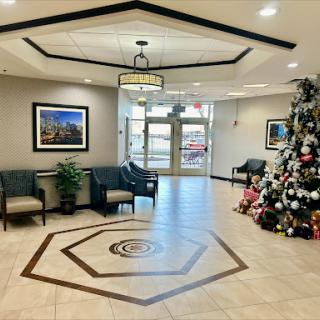
- The facility is clean, well maintained, and welcoming.
- There is evident warmth between the staff and residents.
- Residents are engaged and often seen walking, not restricted to wheelchairs.
- The care provided is compassionate, like a home away from home for families.
- The home is family-owned and operated, with open access to the owners.
- Meals are homemade and of high quality, not canned.
- The staff are described as angels with hearts of gold, treating residents with respect and dignity.
Cons
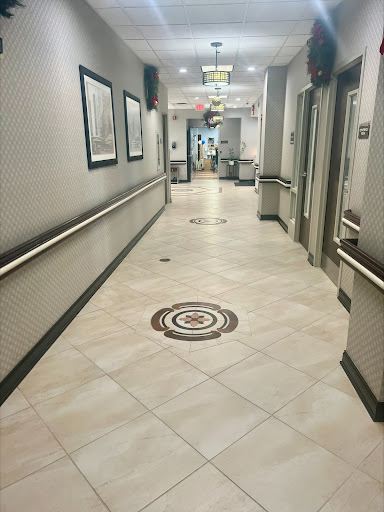
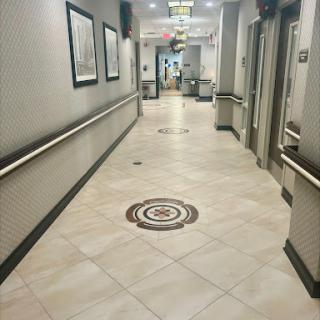
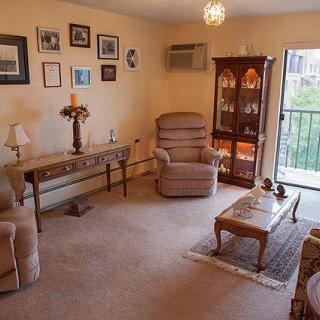
 Grosse Pointe Manor was an older facility.
- The reviewer felt it was too old and could be depressing in the long run for a loved one.
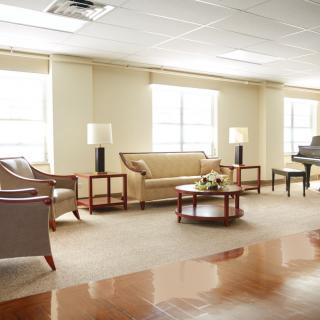
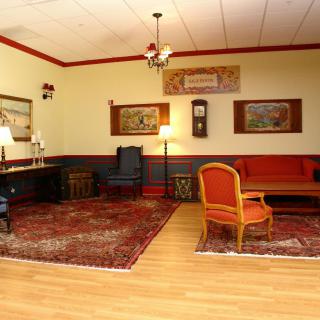
- There was nothing cheery about it; it was dark and drab.
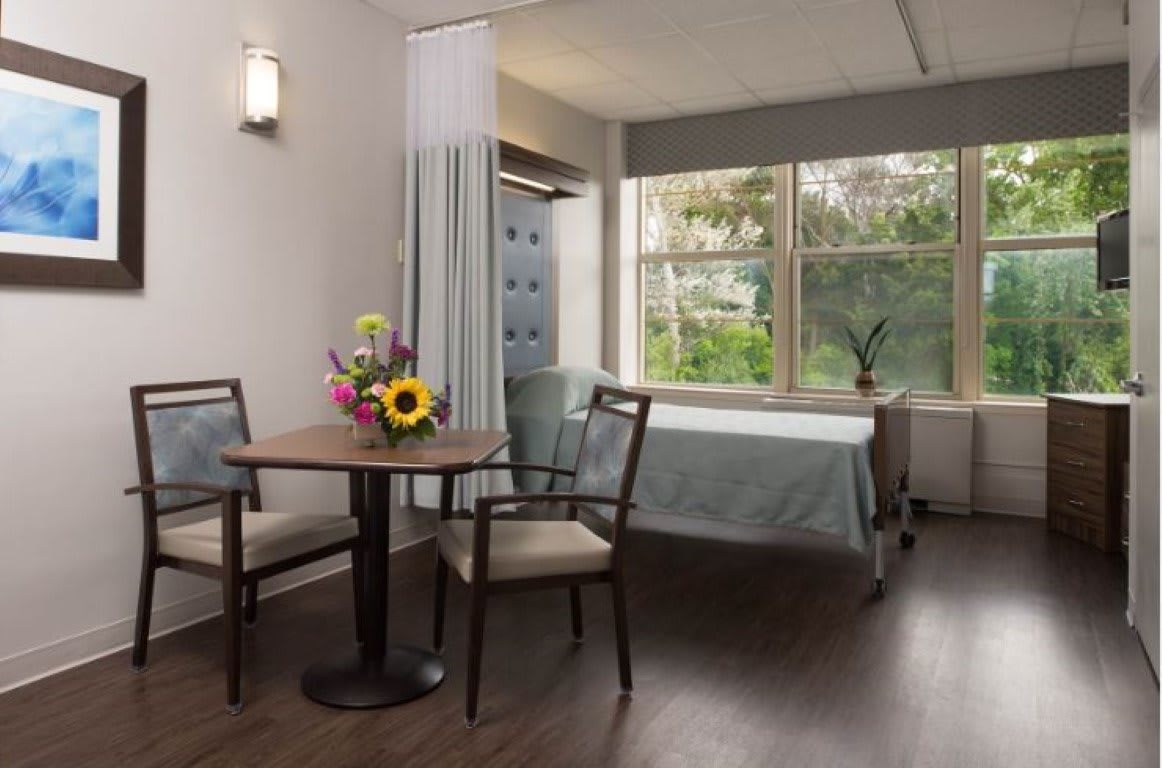
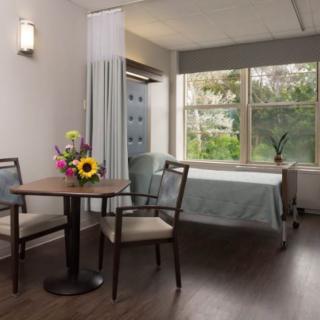
- The rooms were small, and the beds were placed in different directions depending on what the people wanted.
- It appeared cheaper, but the reviewer decided not to proceed.
Review
Grosse Pointe Manor in Niles, IL is best suited for families seeking a warm, family-owned community where caregiving is personal, consistent, and deeply attentive. This is a setting that prioritizes human connection over glossy amenities: staff members who know residents by name, respond quickly when needs arise, and create a “home away from home” atmosphere. It works especially well for seniors who require reliable daily support and for families navigating post-acute recovery, such as stroke rehab, while still valuing dignity, homemade meals, and a sense of belonging. Those who prize a modern, resort-style environment with expansive spaces may want to consider alternatives that emphasize aesthetics over intimate caregiving.
The strongest draw is the care culture itself. Families repeatedly note warm, capable staff, clean surroundings, and a responsive approach to problems. The community’s mix of private-pay and Medicaid residents is managed without segregating residents into separate floors, which reinforces a sense of fairness and inclusion. Ownership involvement adds another layer of trust, with families reporting straightforward access to decision-makers when concerns arise. The combination of compassionate nursing, daily personal routines, and a kitchen that serves homemade meals contributes to a cohesive care experience that feels steadier and more personal than many larger institutions.
Another compelling positive is how the environment supports mobility and social engagement. Observers describe residents walking and participating in activities rather than remaining parked in wheelchairs, suggesting the staff fosters independence where appropriate. The care team’s competence extends to specialized recovery needs, including equipment that assists transfers and weekly services such as baths, all delivered with sensitivity to the resident’s dignity. The staff’s attentiveness also touches the emotional side, little touches like ensuring hair and makeup are tended to each morning reinforce a sense of normalcy and self-respect, which families consistently mention as invaluable during challenging times.
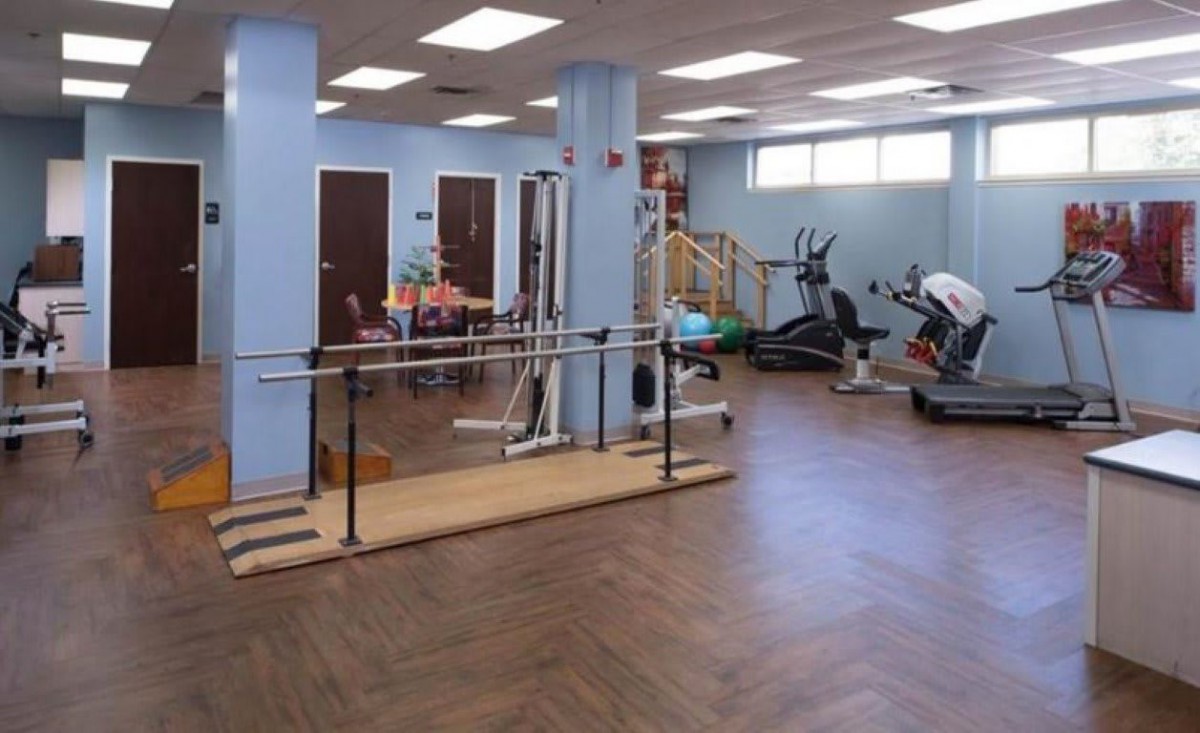
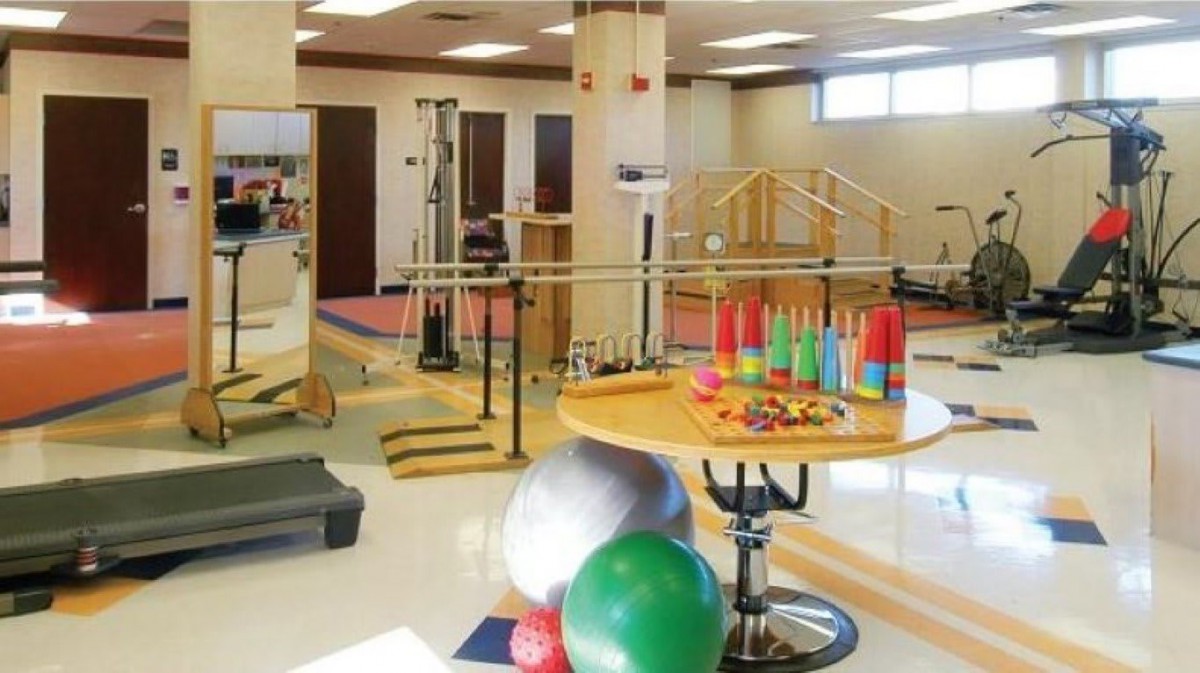
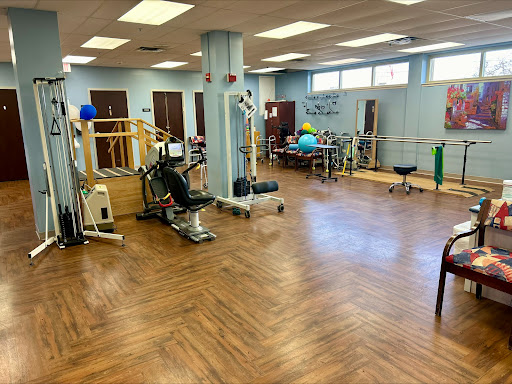
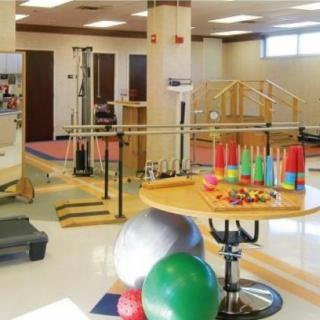
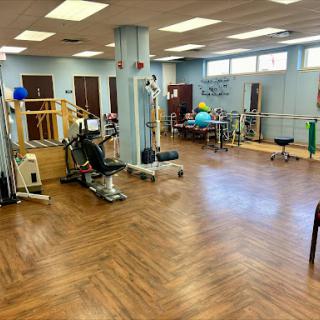
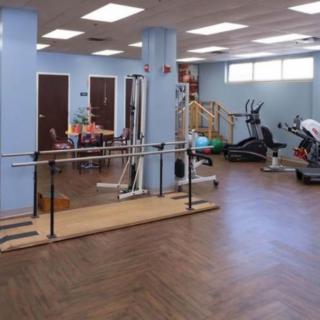
Care offerings align well with the needs of families facing complex health trajectories. The presence of on-site rehabilitative and hospice services, paired with a strong nursing and therapy cadre, creates a continuum of care that can reduce the stress of transitions. The facility’s staff are described as dedicated and capable across roles, from nurses to therapists to cooks, so care plans feel integrated rather than fragmented. The practical supports, lift devices for transfers, ready assistance for movement, and a responsive response to issues, translate into tangible peace of mind for families navigating delicate clinical decisions.
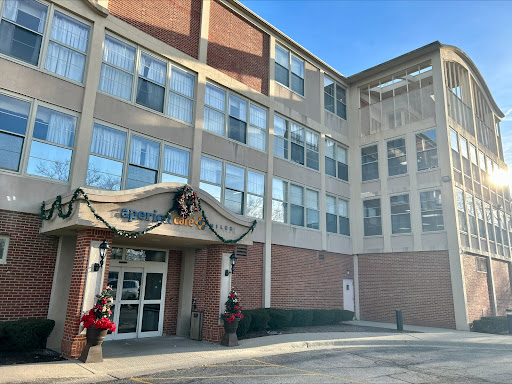
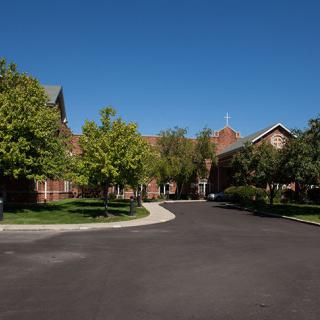
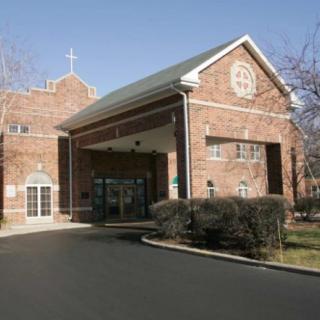
Yet it is important to acknowledge the practical trade-offs. Several reviewers note that the building is older, with some spaces feeling dark, and rooms frequently described as smaller and less commodious than newer facilities. For families prioritizing bright, airy common areas or expansive private rooms, these aesthetic factors can be meaningful. The touring experience sometimes highlights these contrasts, which can influence first impressions. However, these downsides are largely aesthetic and do not appear to undermine the core strength: consistently compassionate care delivered by a closely knit, family-oriented staff.
In weighing options, care quality and the daily lived experience should drive decisions. Grosse Pointe Manor stands out for families who want dependable, heartfelt attention, strong staff-resident relationships, and a home-like rhythm to daily life, even if the facility itself shows its age in decor. If a resident thrives on social warmth, personalized routines, and hands-on interaction with owners and direct caregivers, this community offers a compelling match. If the priority is a newer build with high-end finishes or a highly polished environment, exploring alternatives would be prudent. Prospective families should ask about staffing ratios, how quickly issues are resolved, and specifics of on-site rehab and hospice services to ensure alignment with needs and expectations.
 99 resident community capacity
 Memory Care
 Skilled Nursing Facility
 Activities on-site
 Air-conditioning
 Beautician on-site
 Cable or satellite TV
 Computer center
 Devotional services on-site
 Dining room
 Fitness room
 Fully furnished
 Gaming room
 Garden
 Housekeeping services
 Indoor common areas
 Kitchenette
 Laundry
 Move-in coordination
 Outdoor common areas
 Private bathrooms
 Restaurant-style dining
 Small library
 Telephone
 Wellness center
 Wheelchair accessible showers
 Wi-Fi/high-speed internet available
 Chicago O'Hare International (6 miles away)
 Community operated transportation
 12-16 hour nursing
 24-hour call system
 Assistance with bathing
 Assistance with dressing
 Assistance with transfers
 Diabetes diet
 High acuity care
 Hospice care
 Incontinence care
 Medication management
 Mental wellness program
 Special dietary restrictions
 Arts and crafts
 Catholic services
 Concierge services
 Games
Games Jewish services
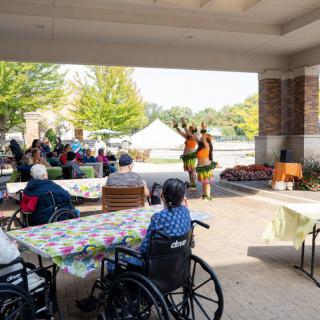
 Live musical performances
 Planned day trips
 Stories

 Comprehensive Insights on the Late Stages of Dementia: What to Expect and How to Provide Care
 Medications Associated with Dementia Risk: A Comprehensive Overview
 Guiding Your Journey: Understanding Power of Attorney for Elderly Parents