Ascension Living Resurrection Village Costs & Pricing
Ascension Living Resurrection Village offers compelling pricing for its accommodations when compared to the broader market in Cook County and the state of Illinois. The monthly cost for a studio apartment at Resurrection Village is $1,579, significantly lower than the county average of $3,762 and the state average of $4,028. Similarly, residents seeking a one-bedroom unit will find a rate of $2,058 at Resurrection Village, which is more affordable than both Cook County's average of $3,256 and Illinois' statewide average of $3,527. For those in need of more space, the two-bedroom apartments are priced at $2,360 - remarkably lower than the costs in Cook County ($4,412) and slightly higher than the state average ($4,208). These figures highlight Ascension Living Resurrection Village as an attractive option for individuals looking for quality living arrangements without compromising their financial wellbeing.
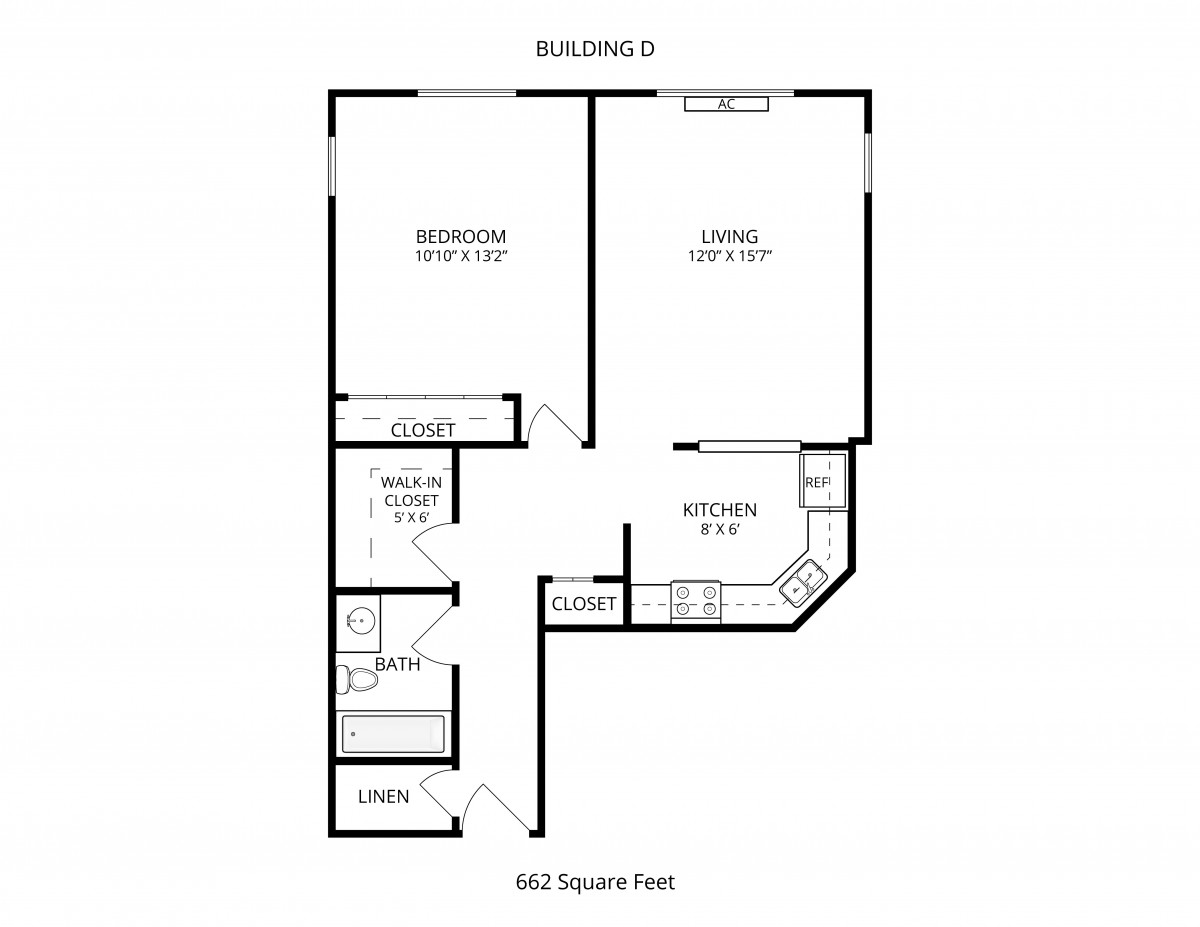
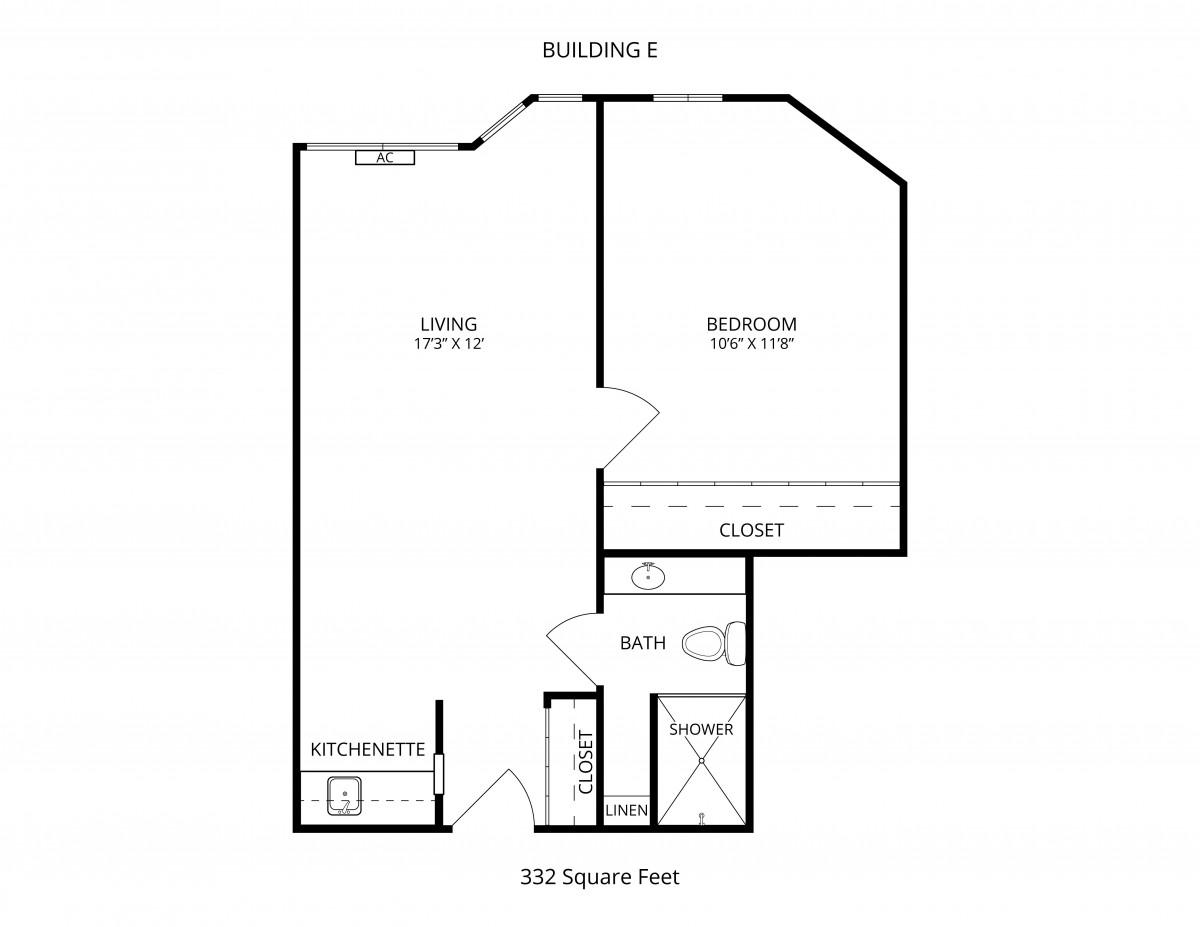
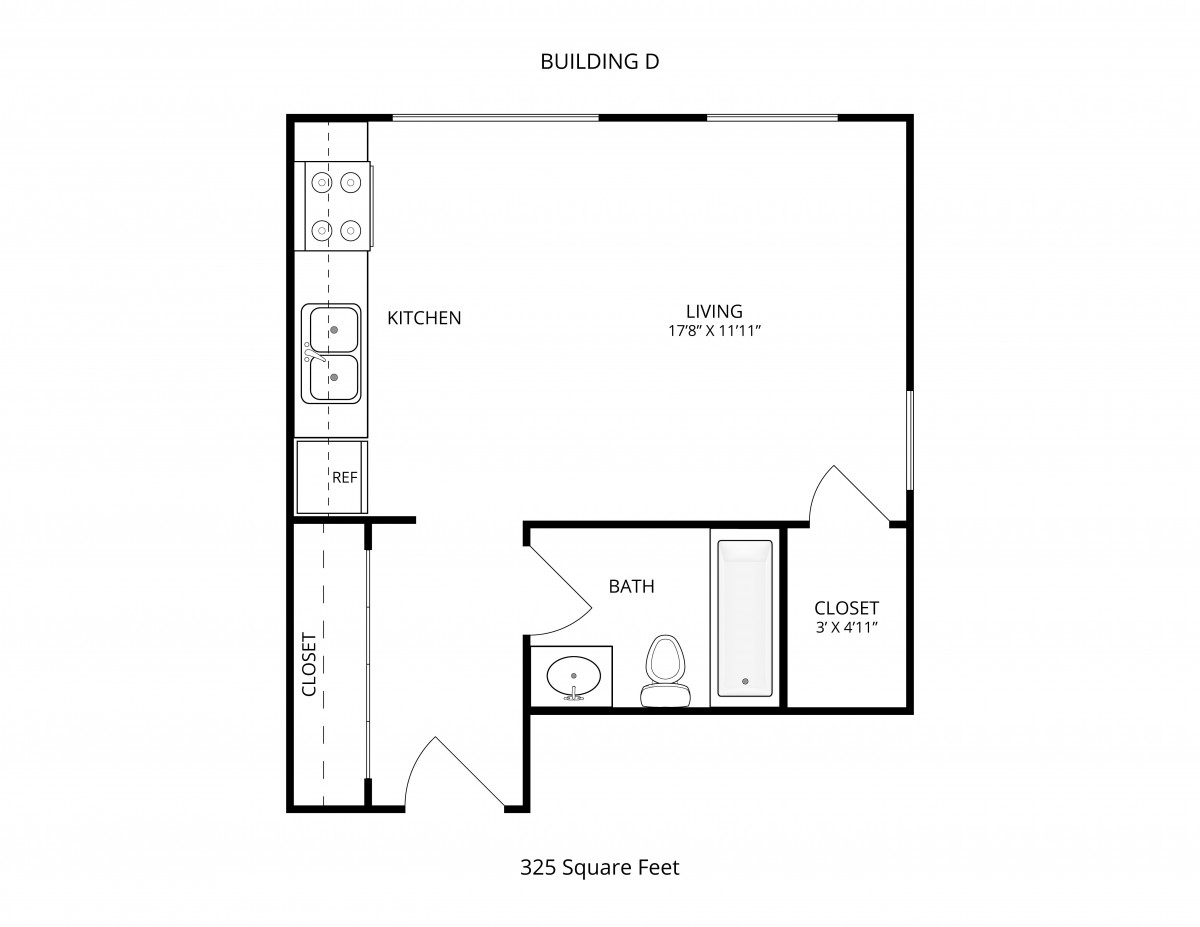
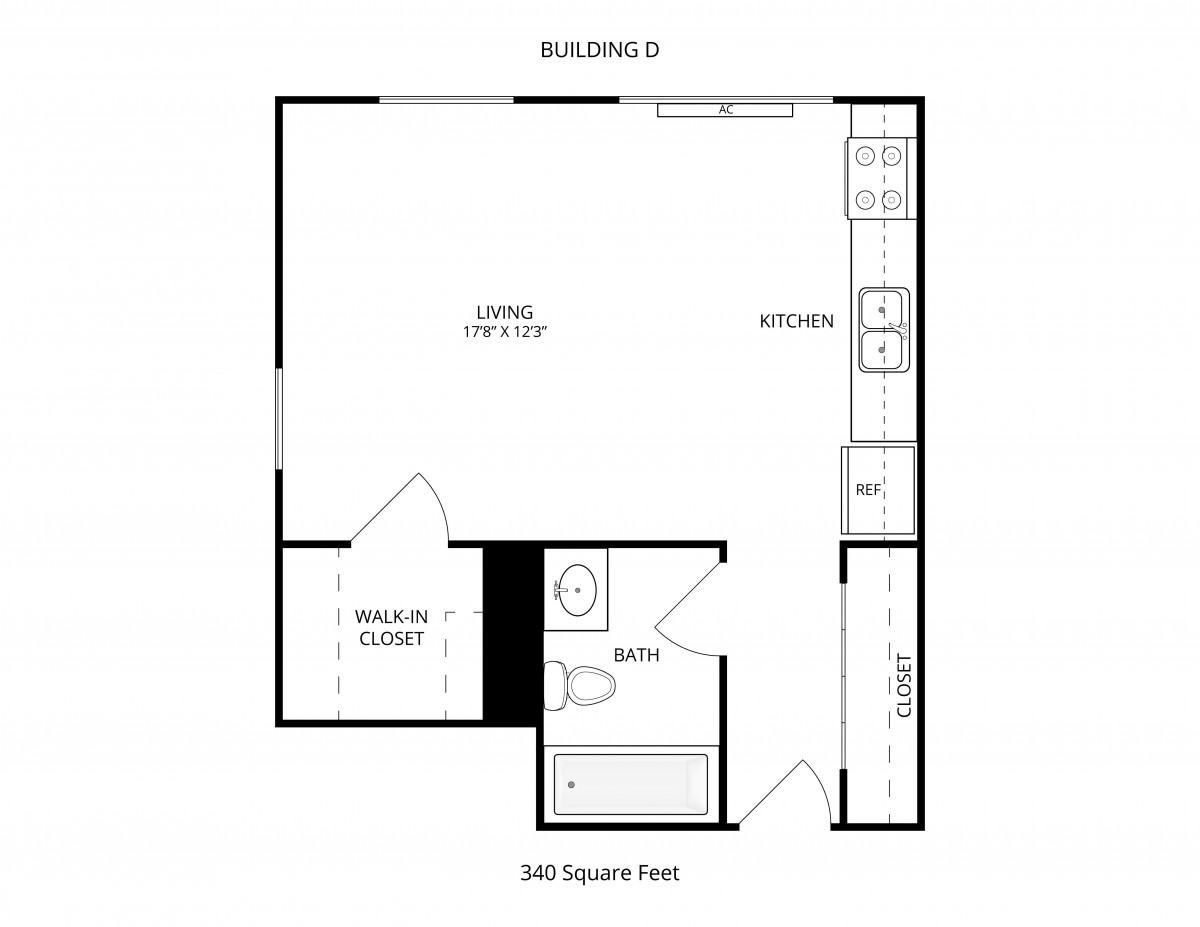
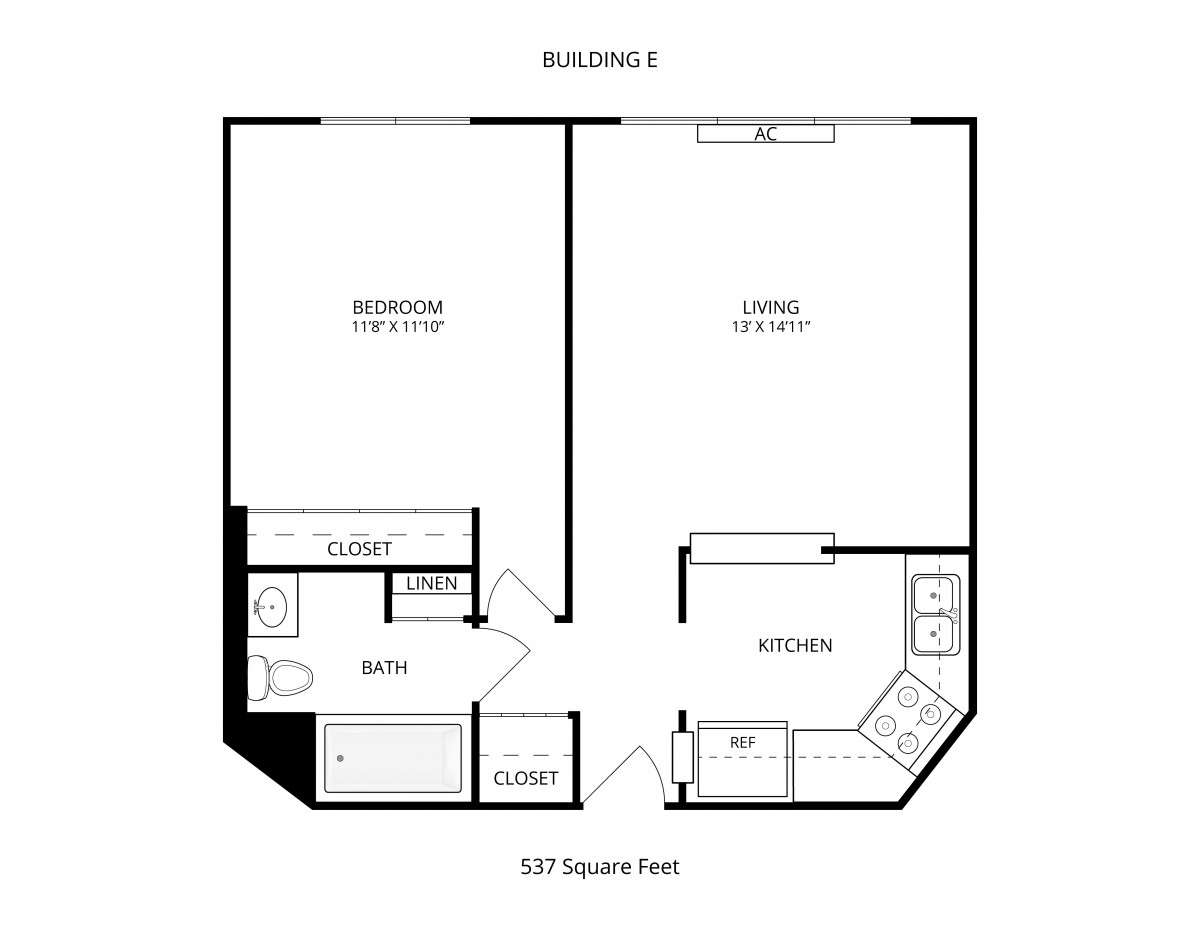
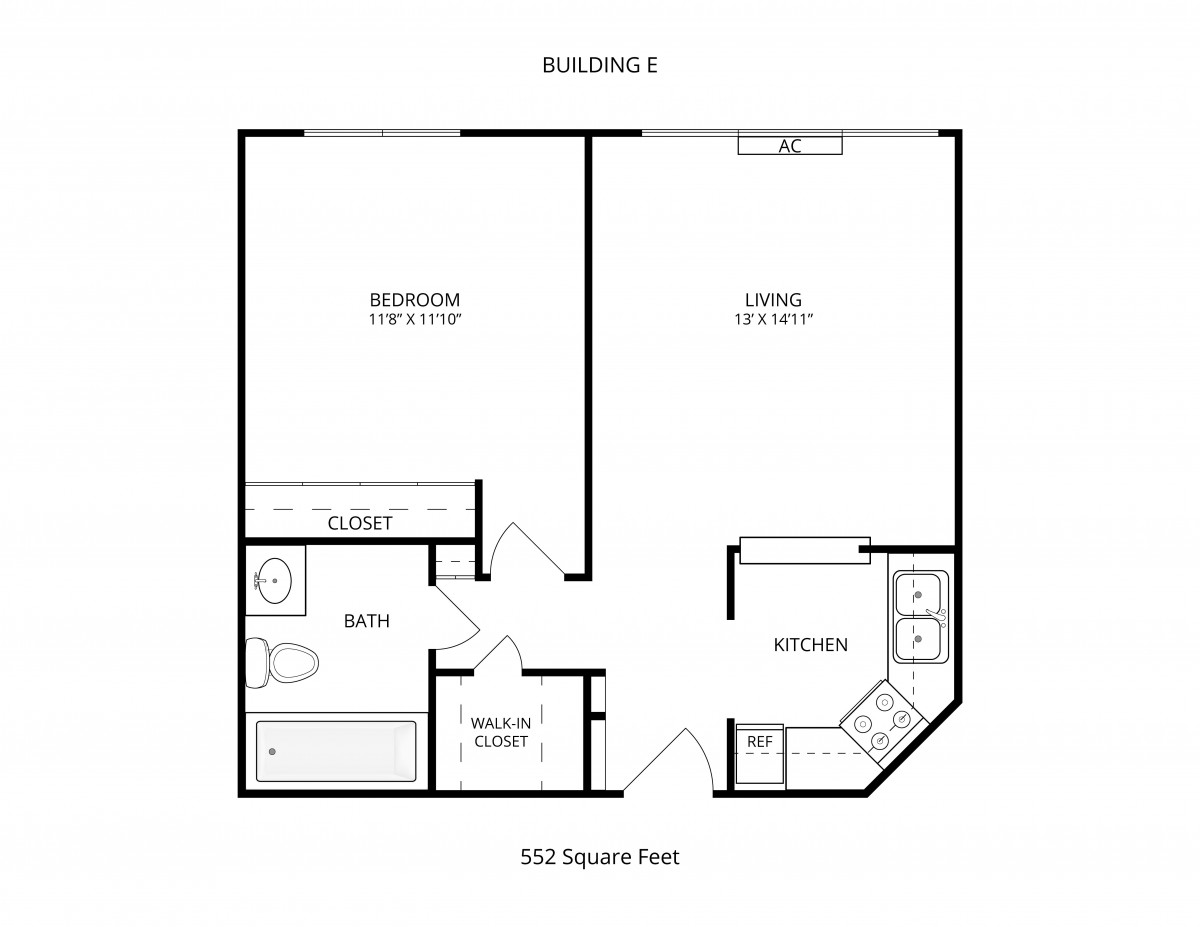
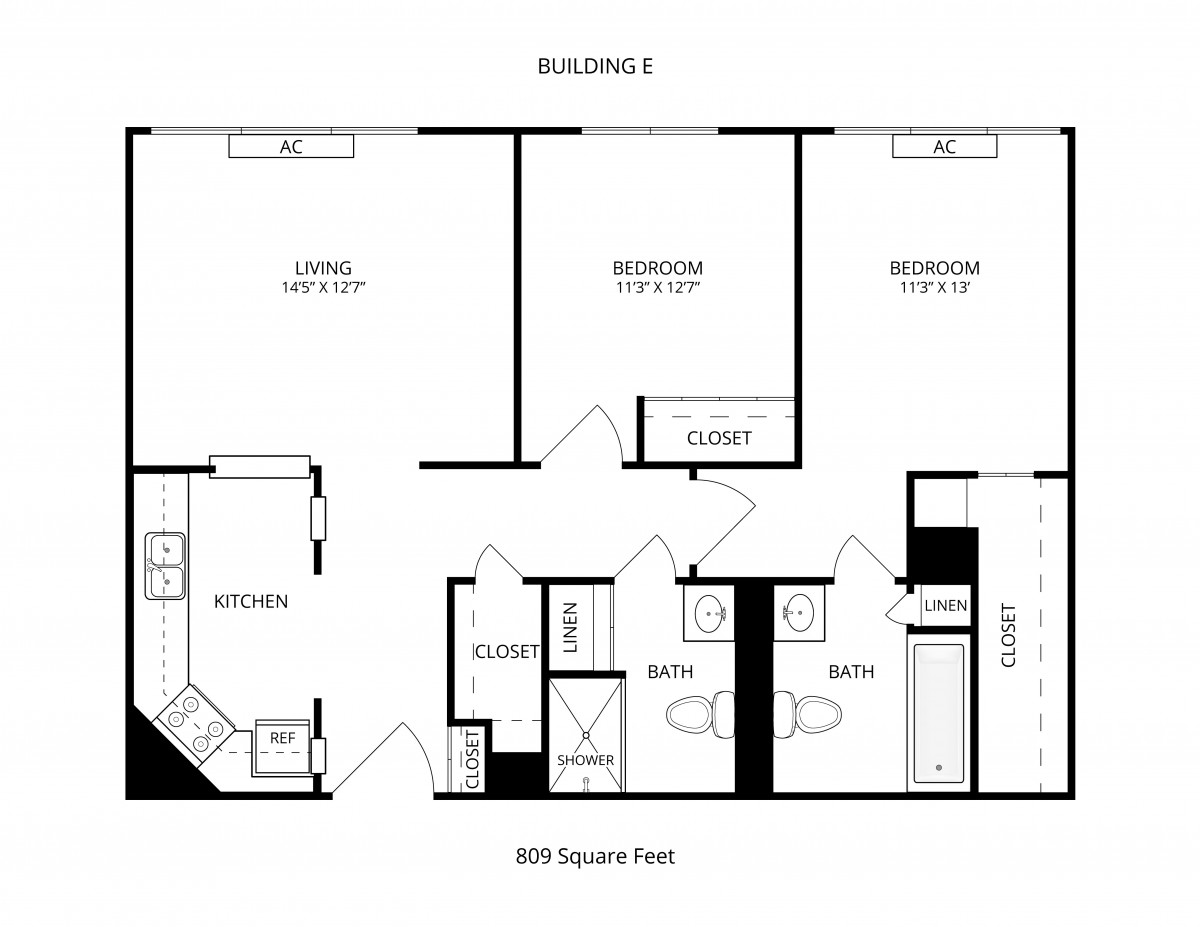
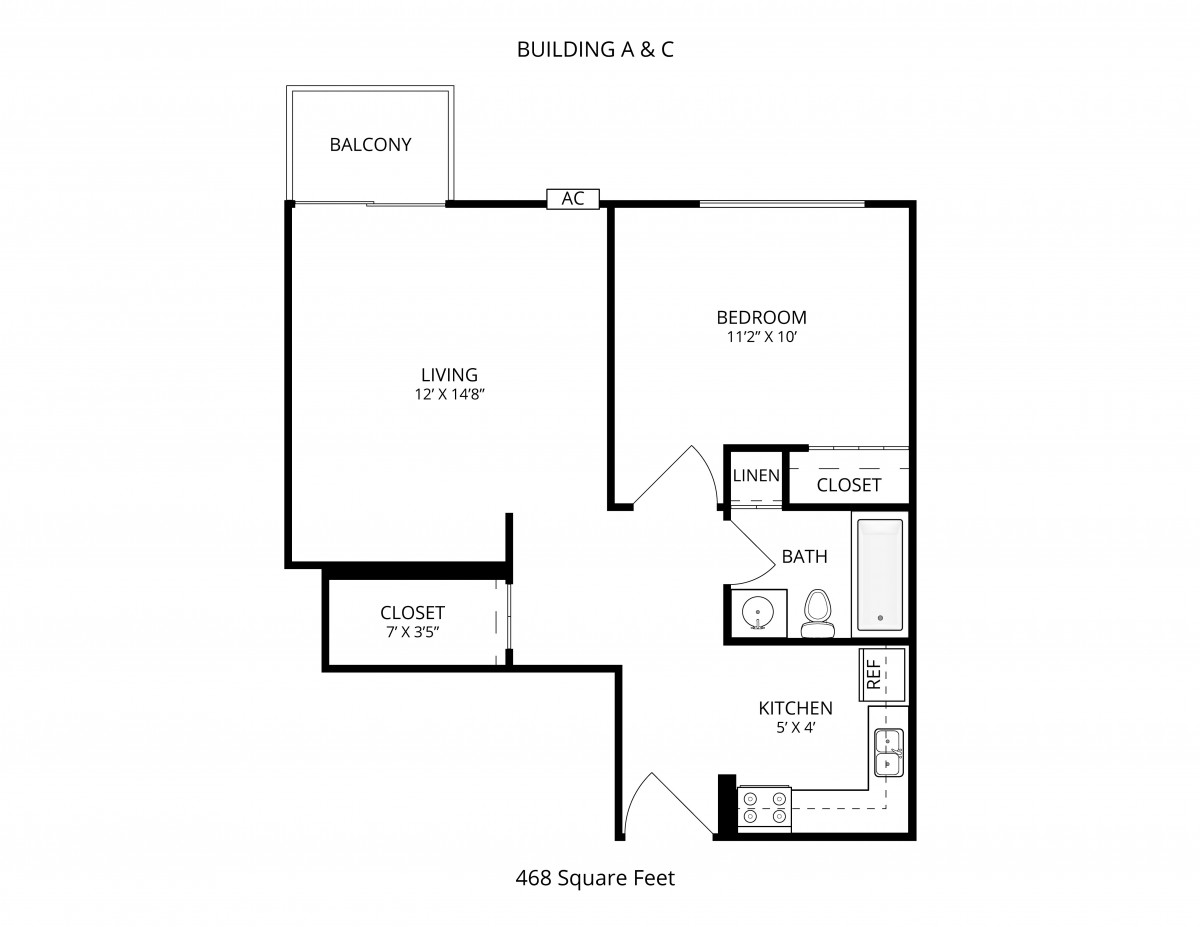
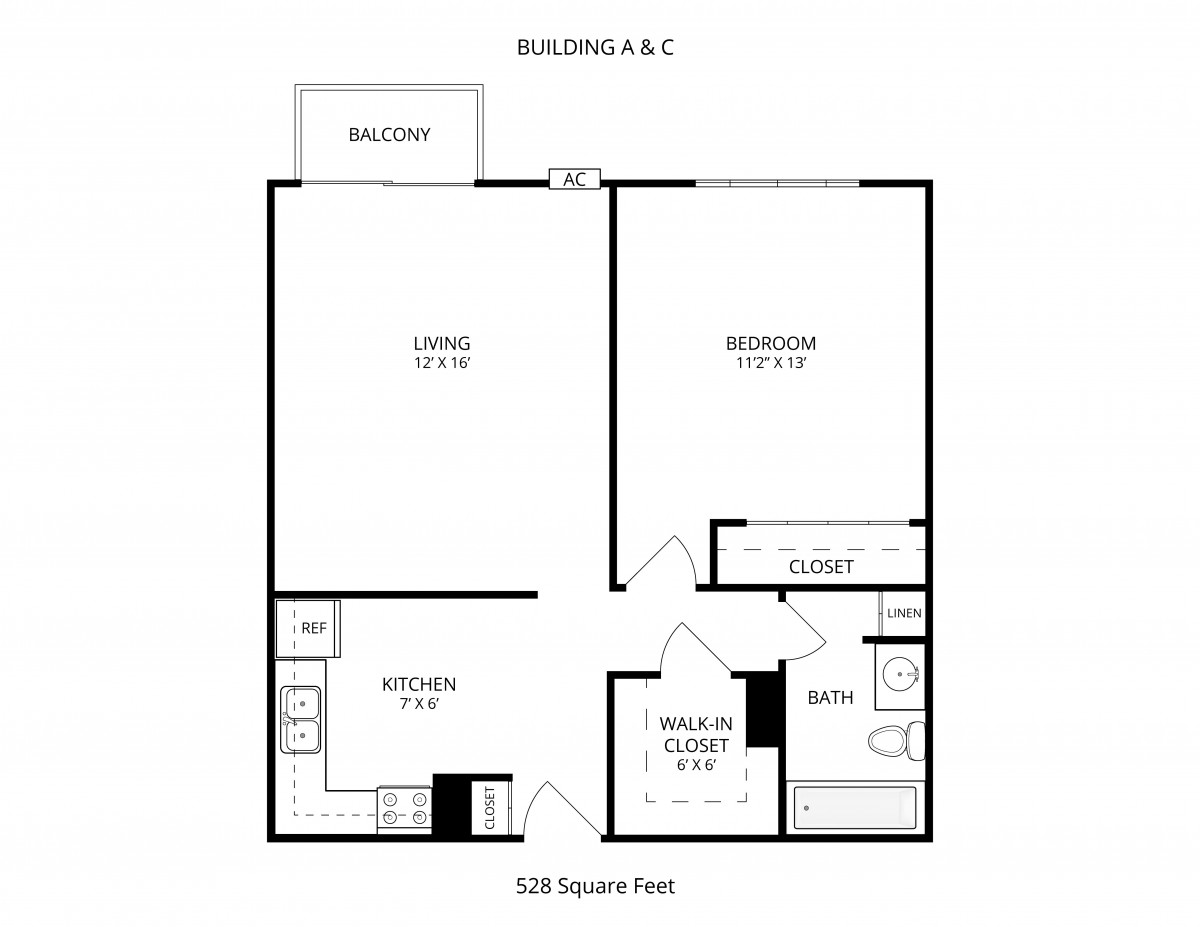
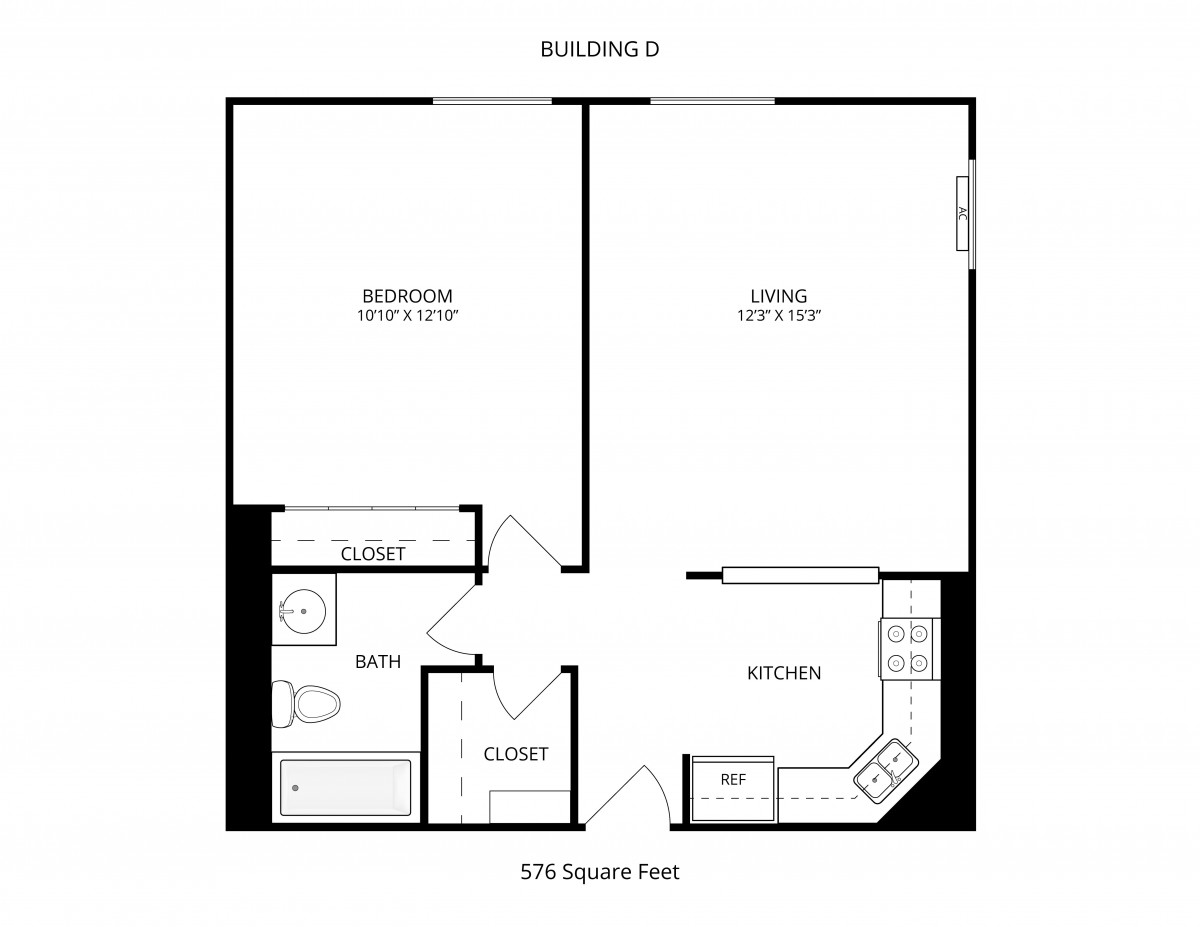
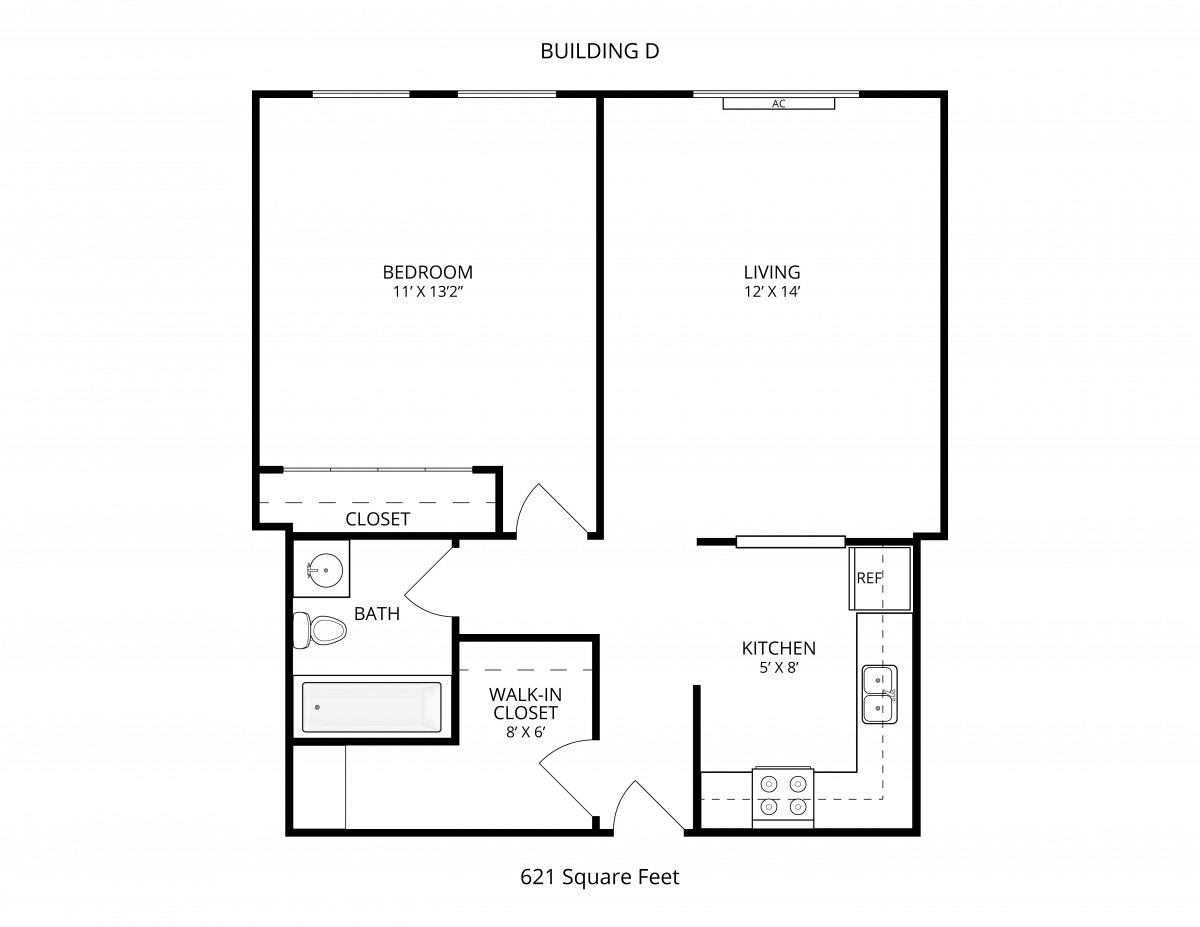
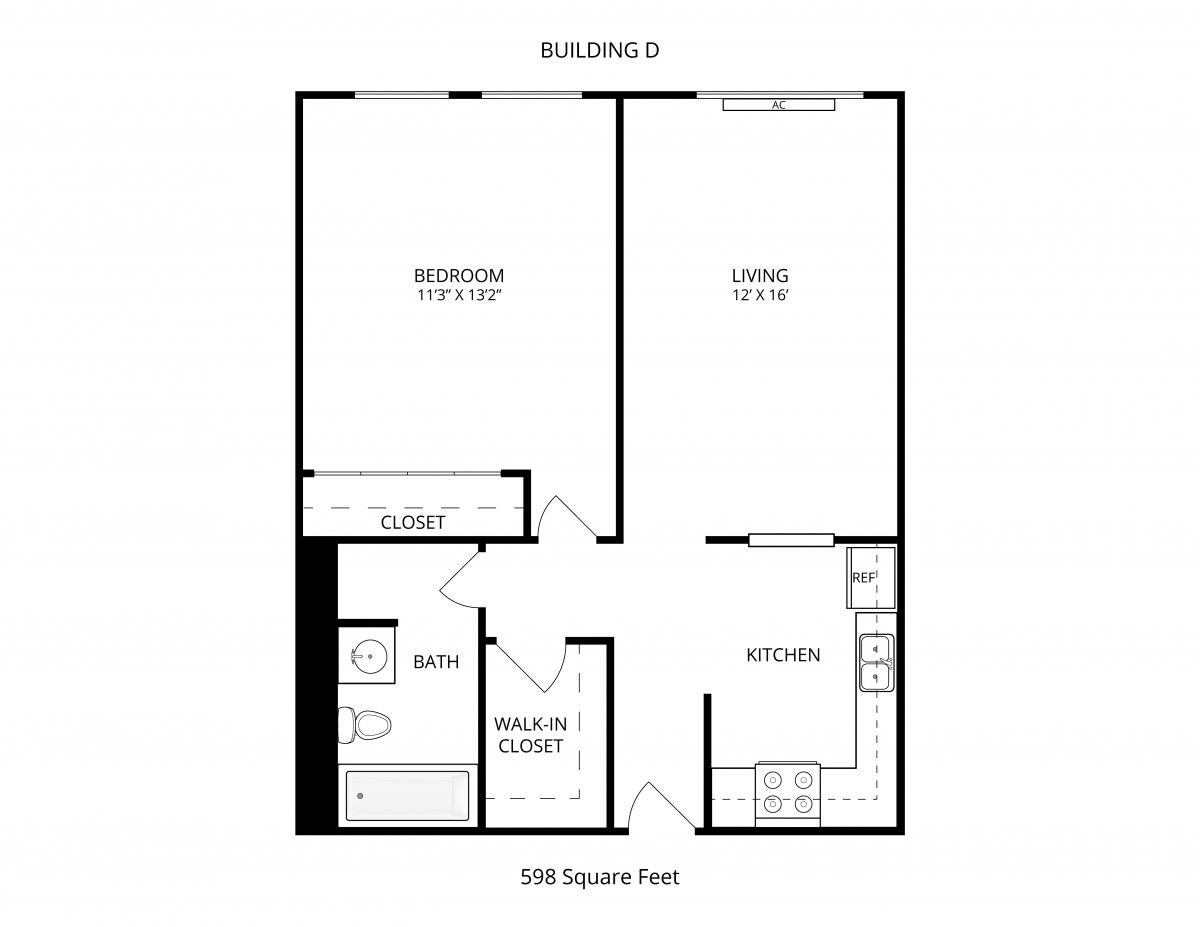
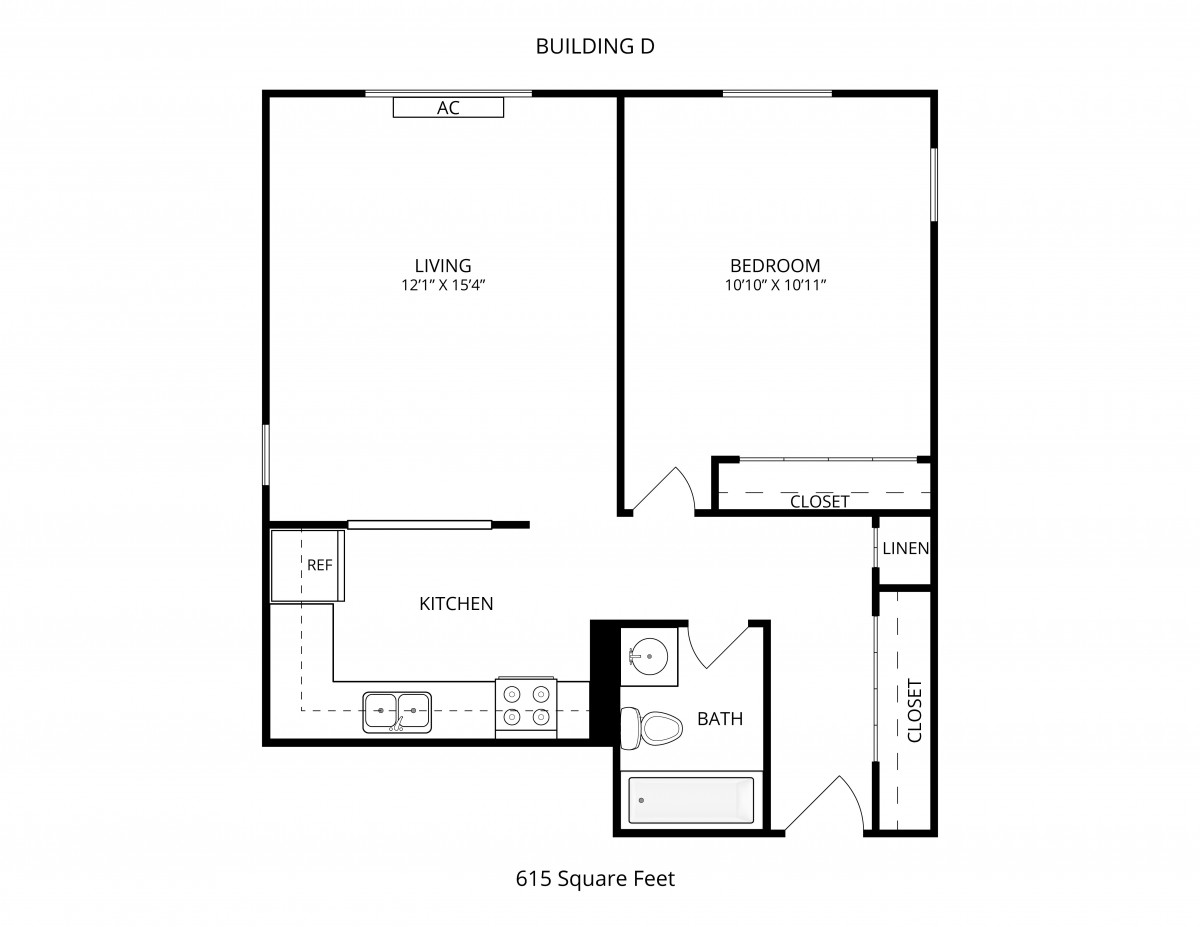
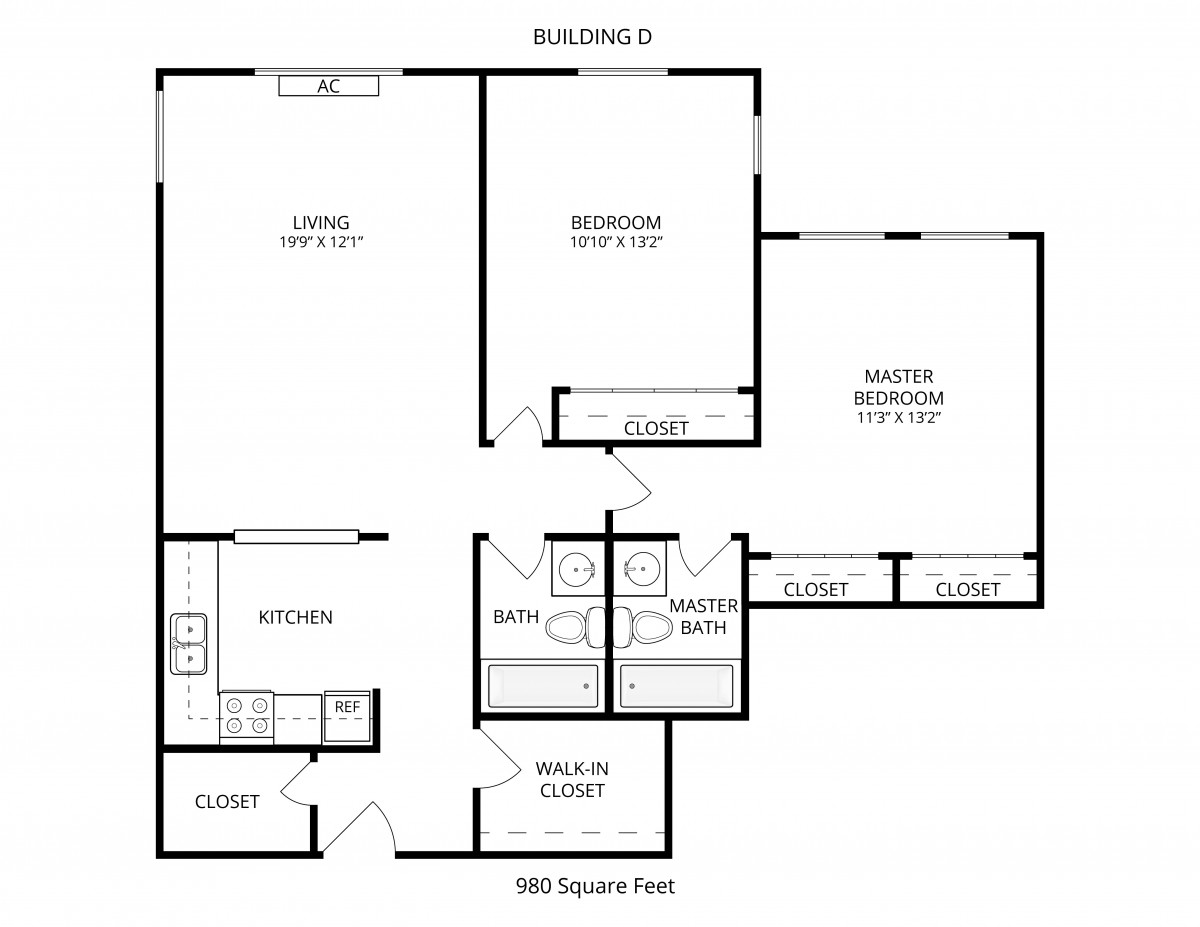
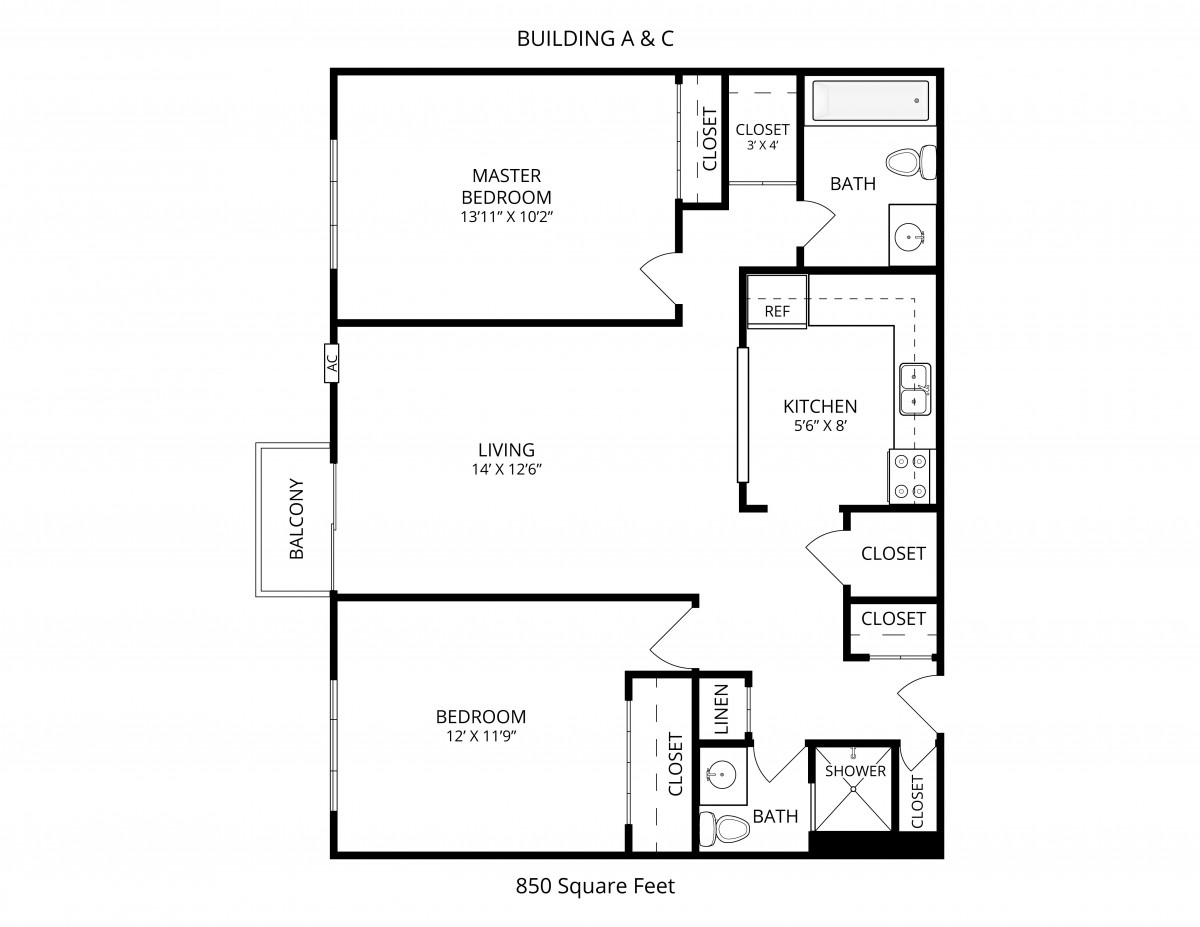
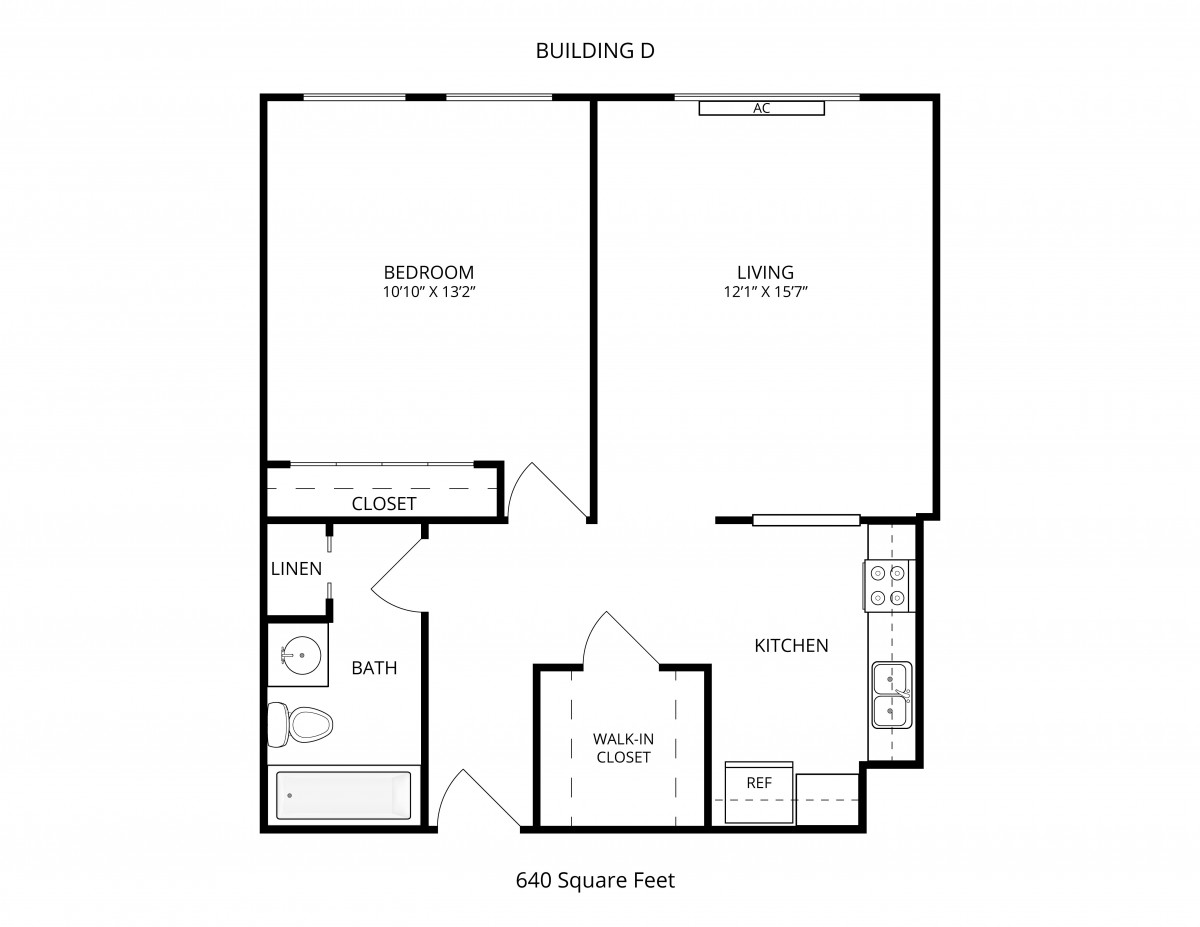
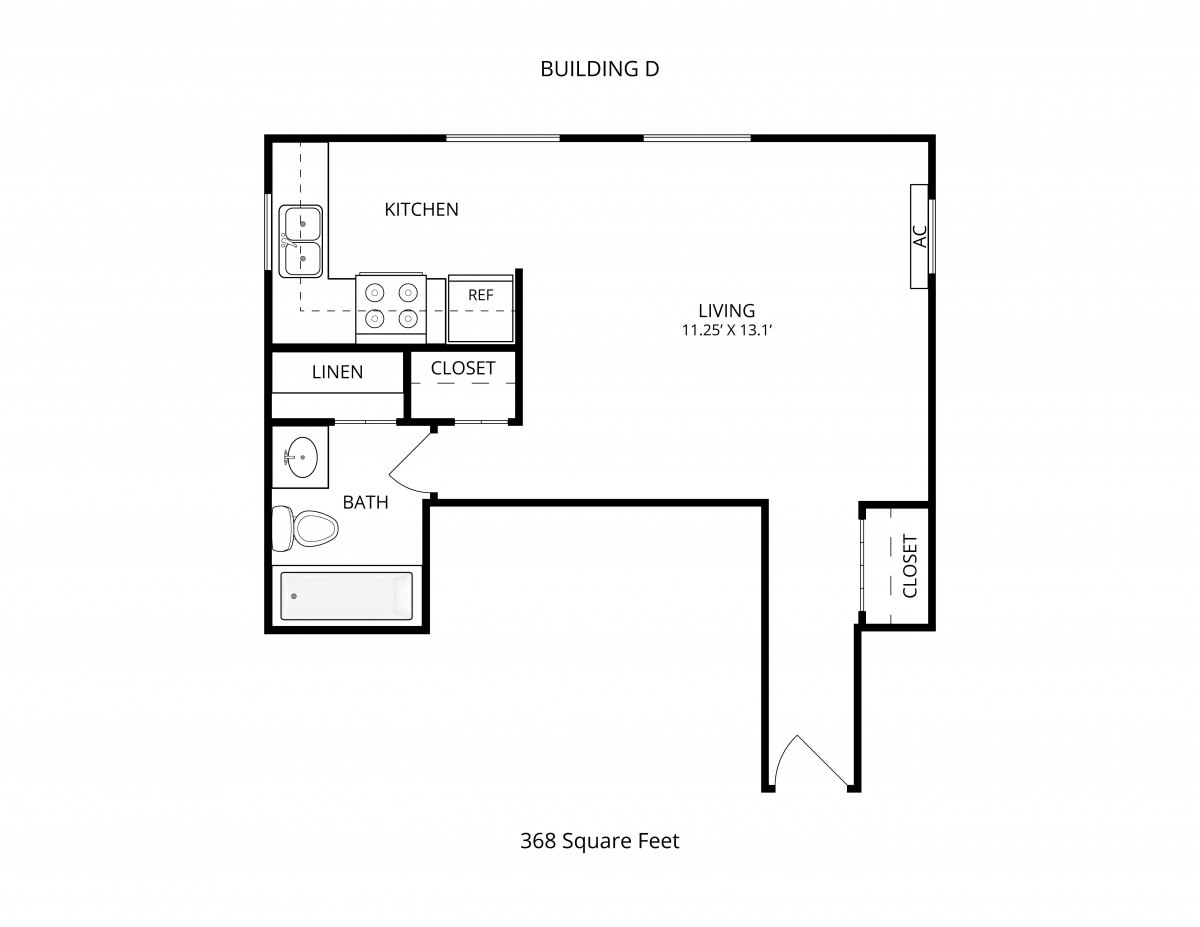
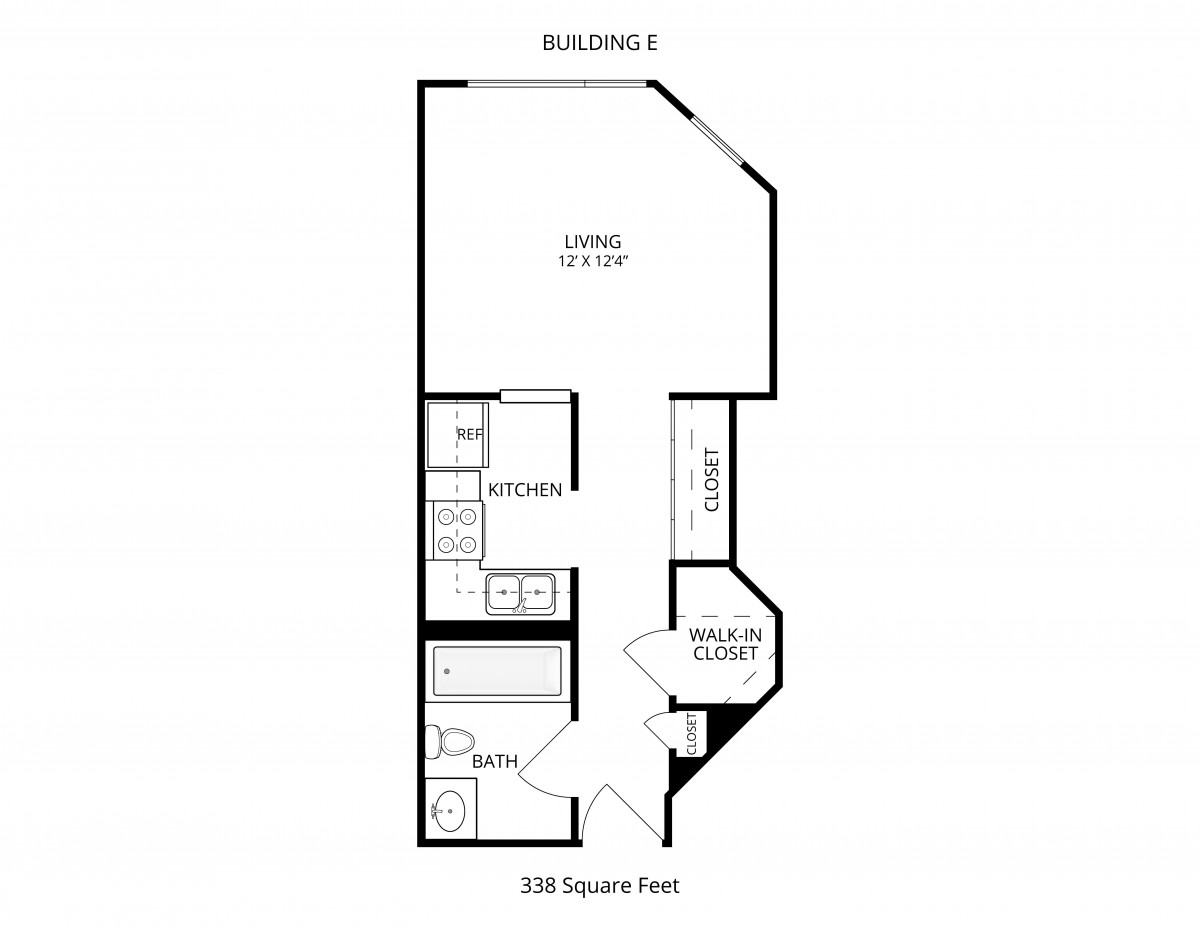
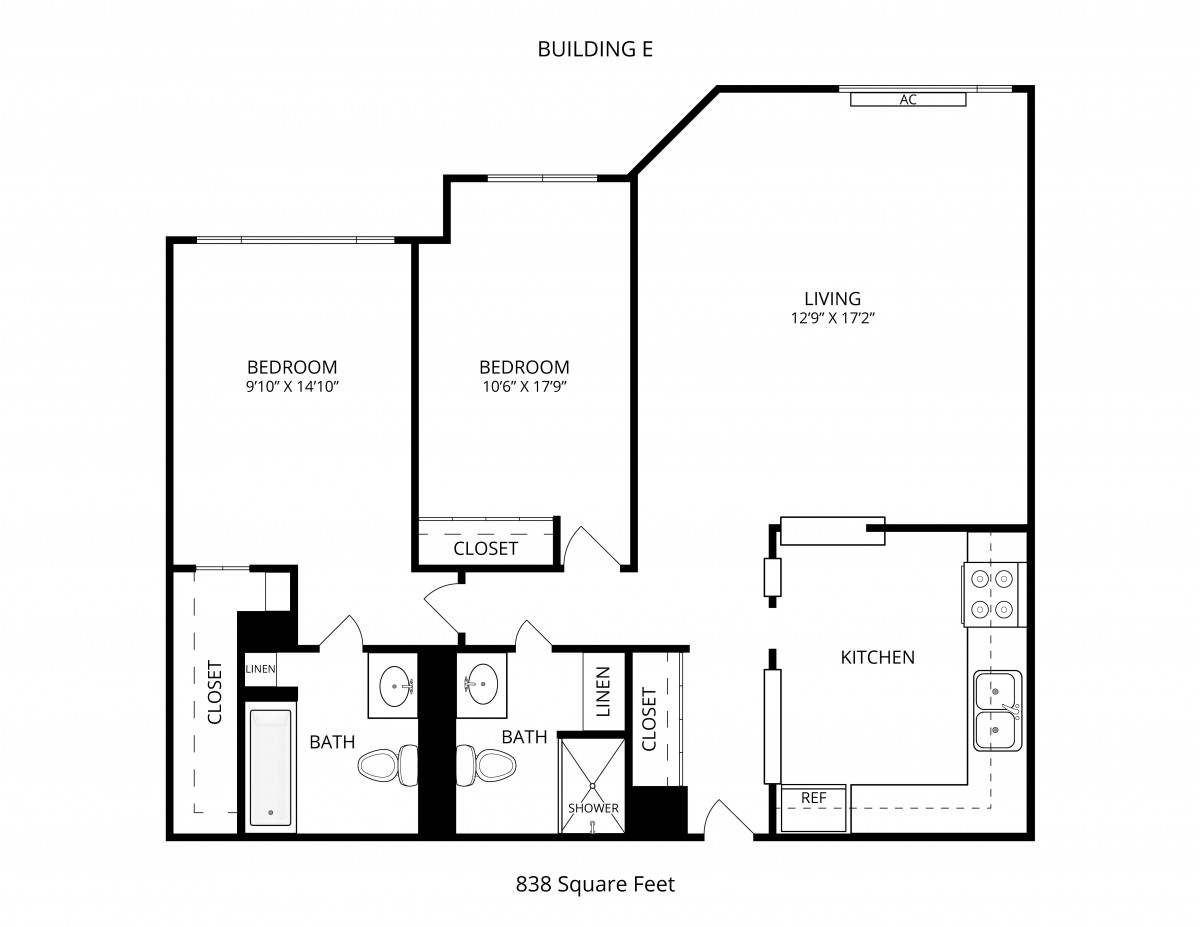
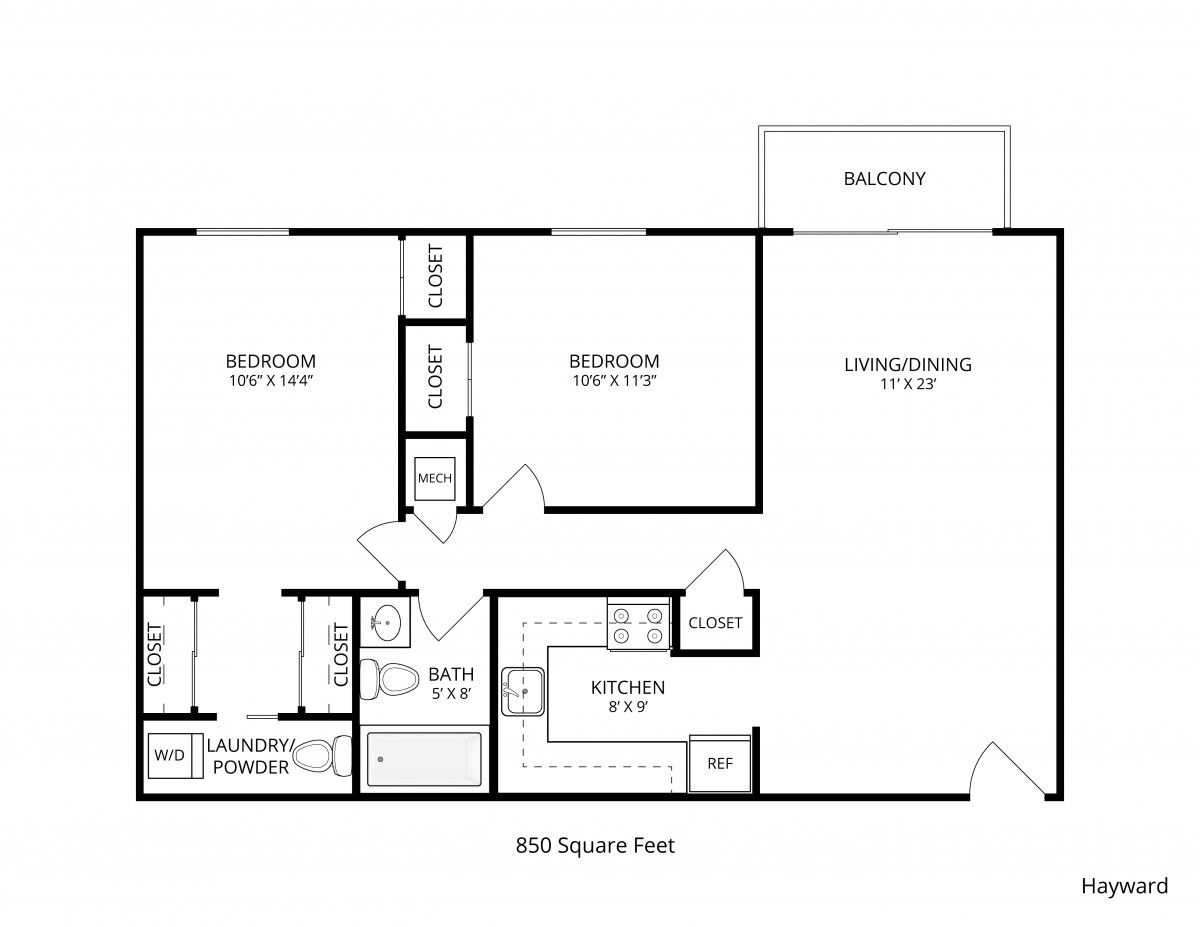
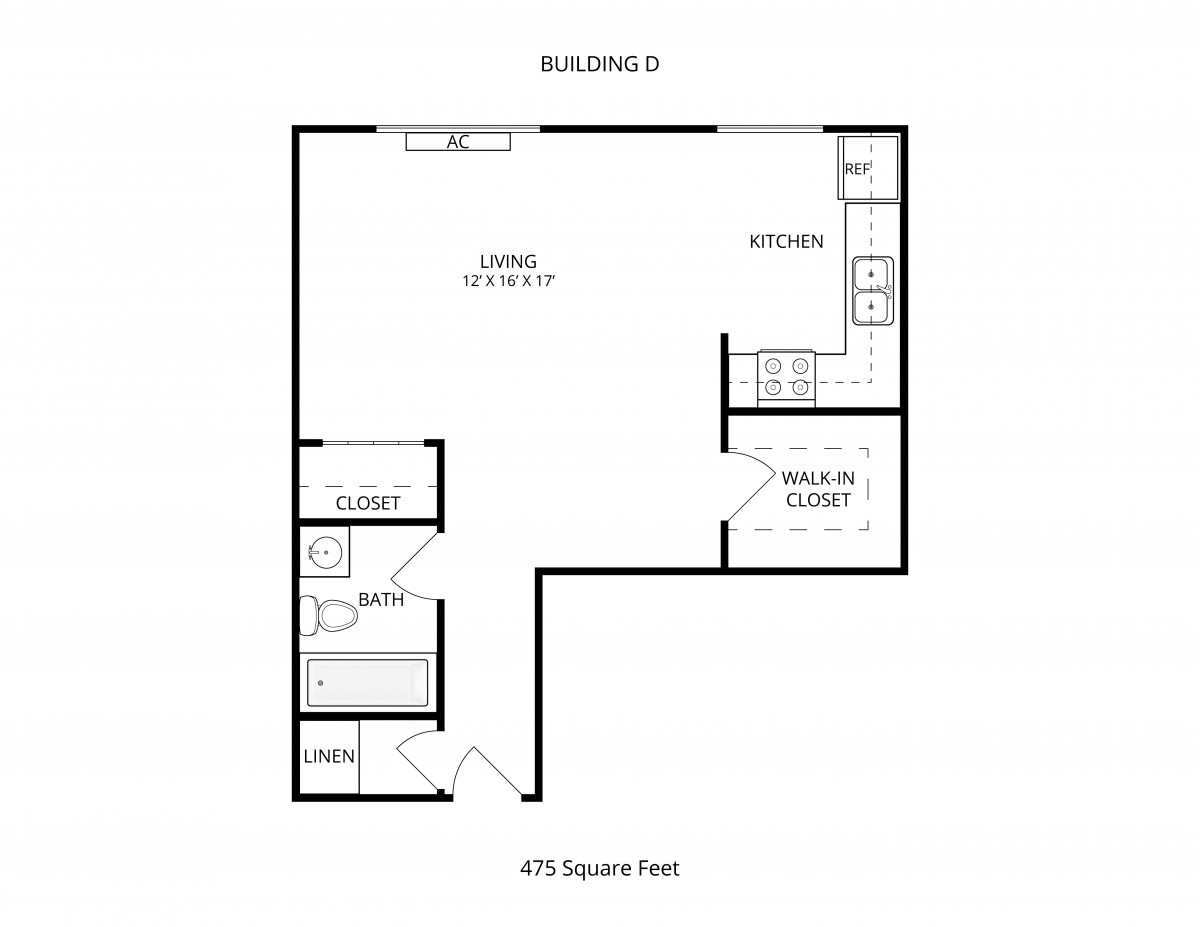
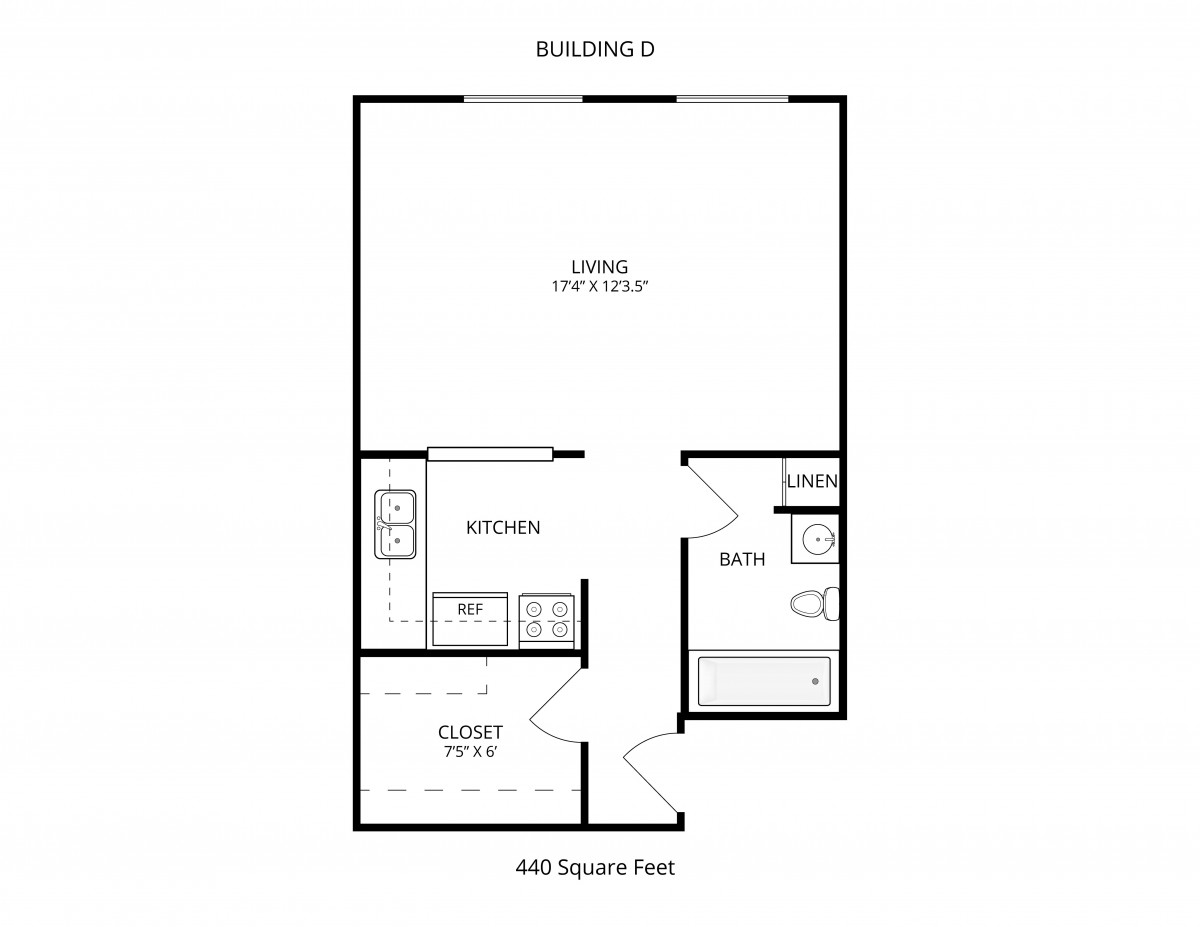
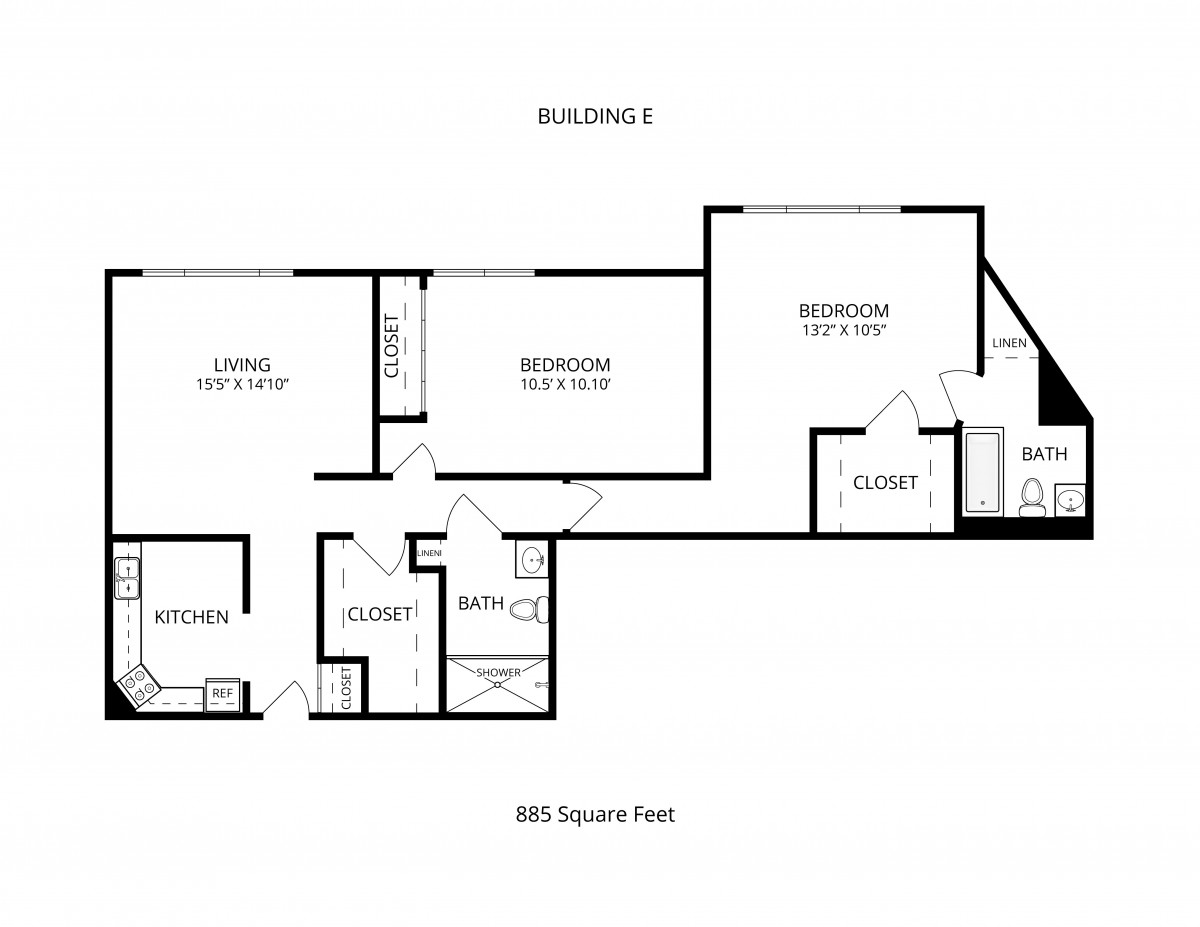
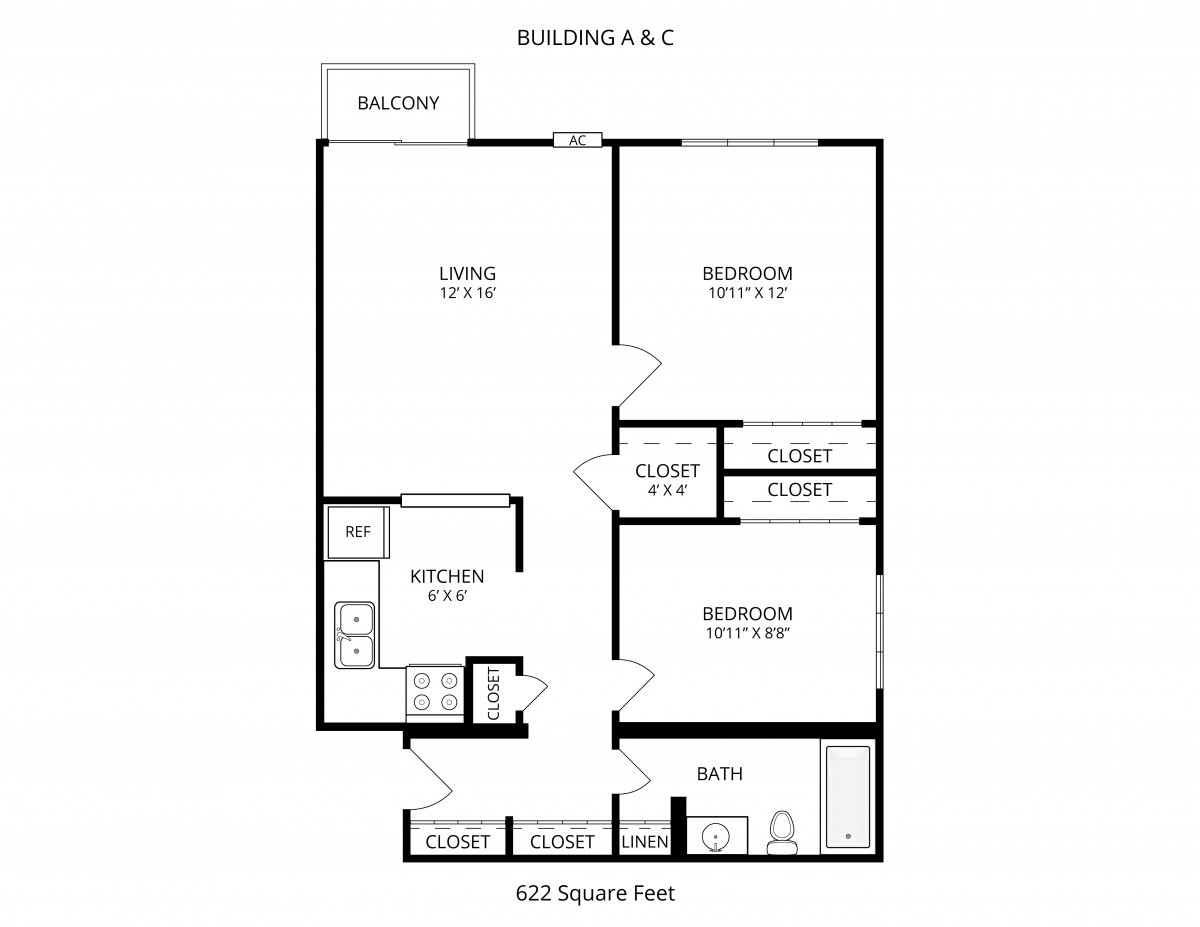
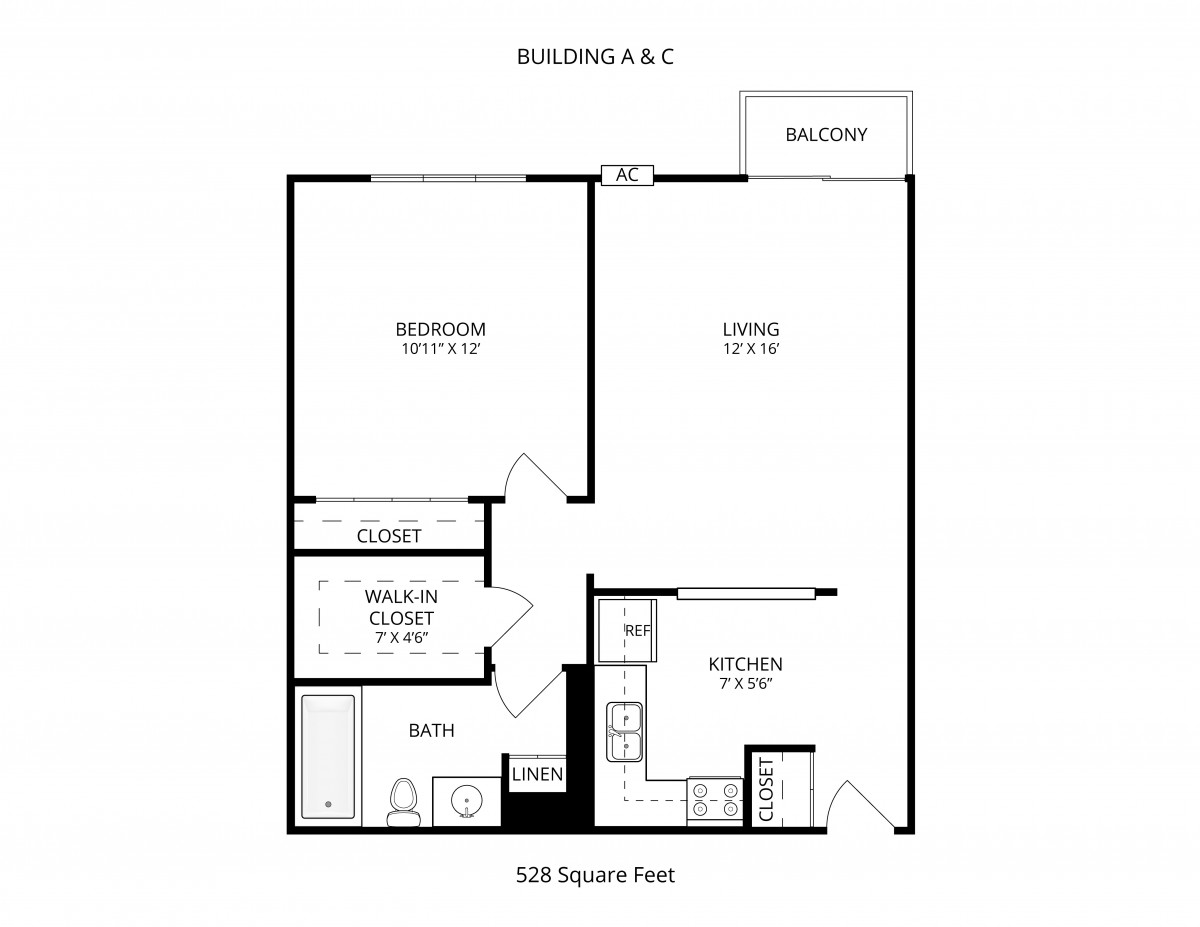
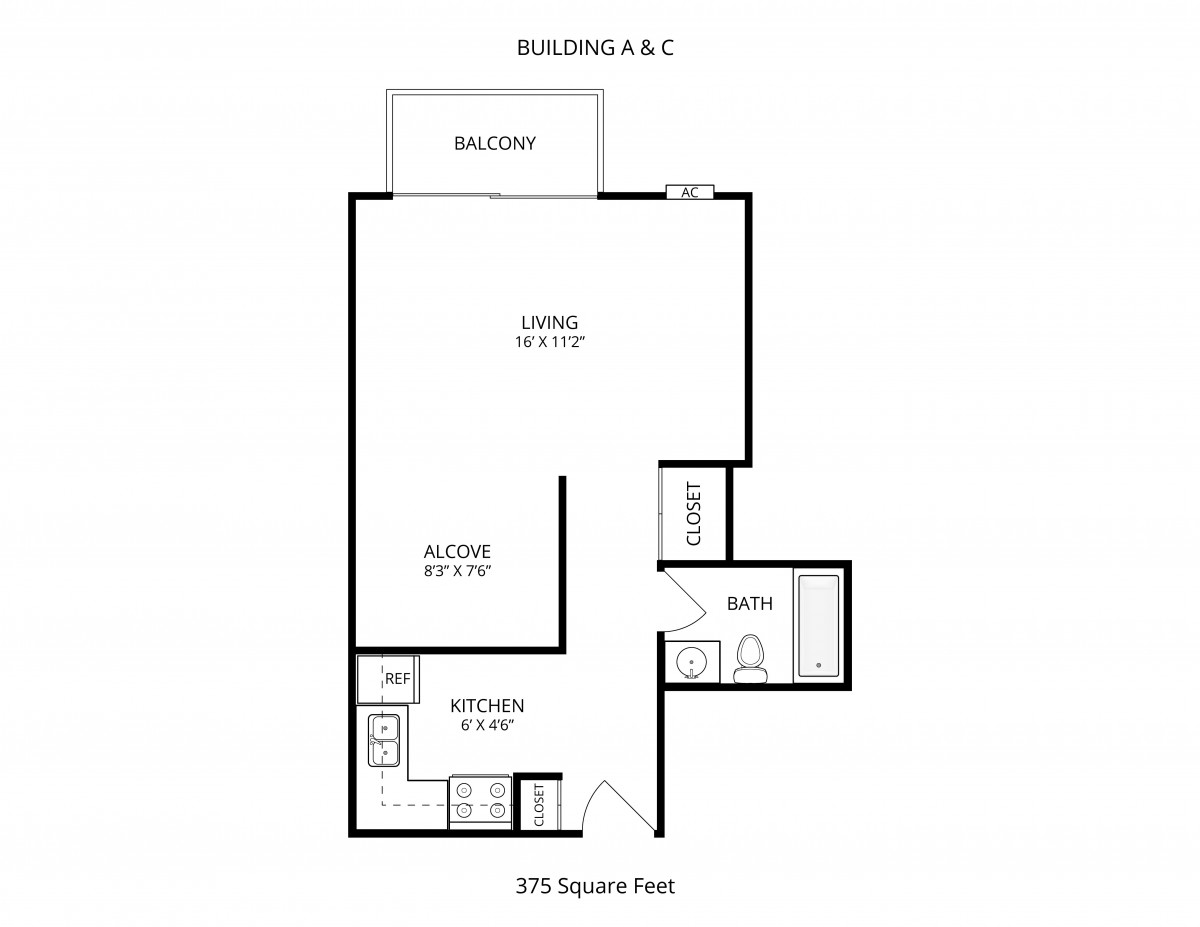
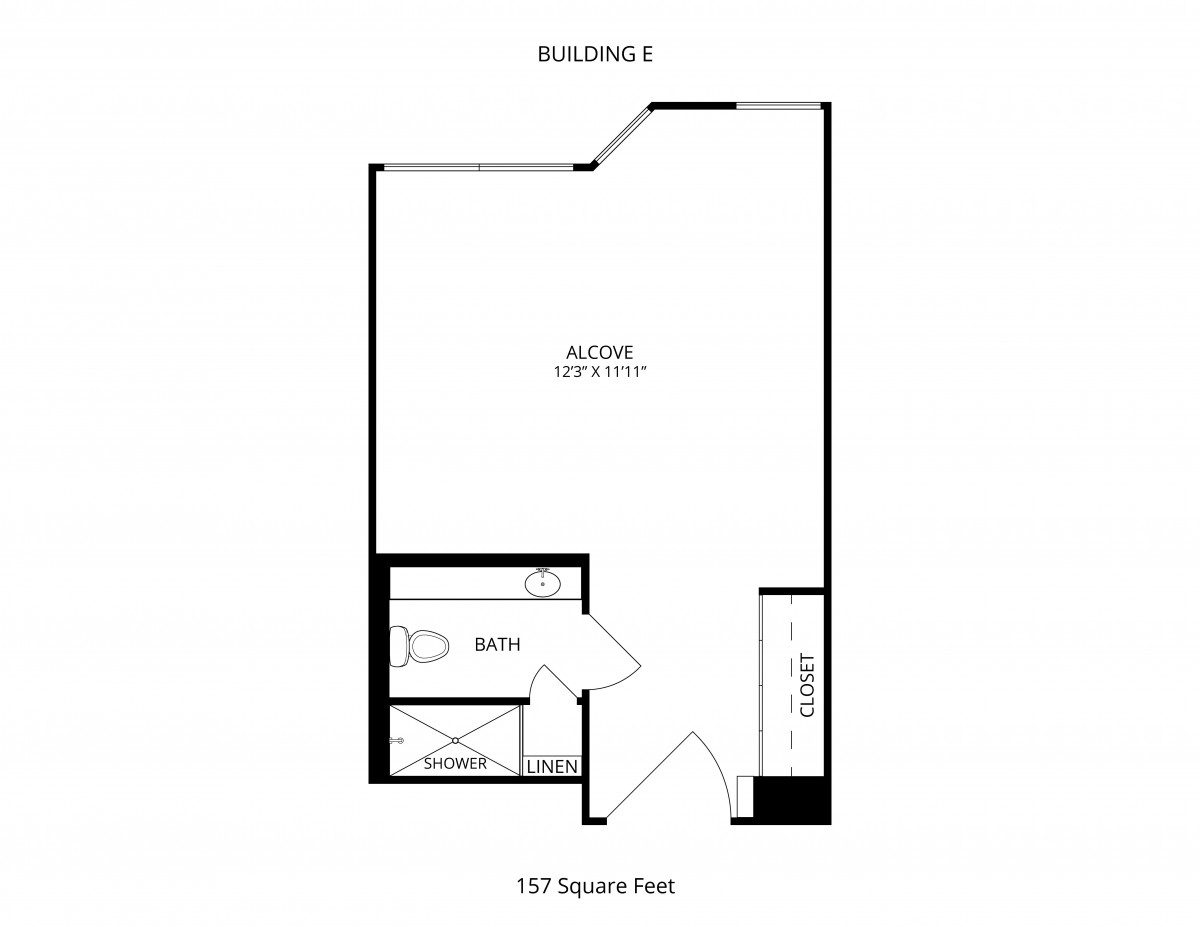
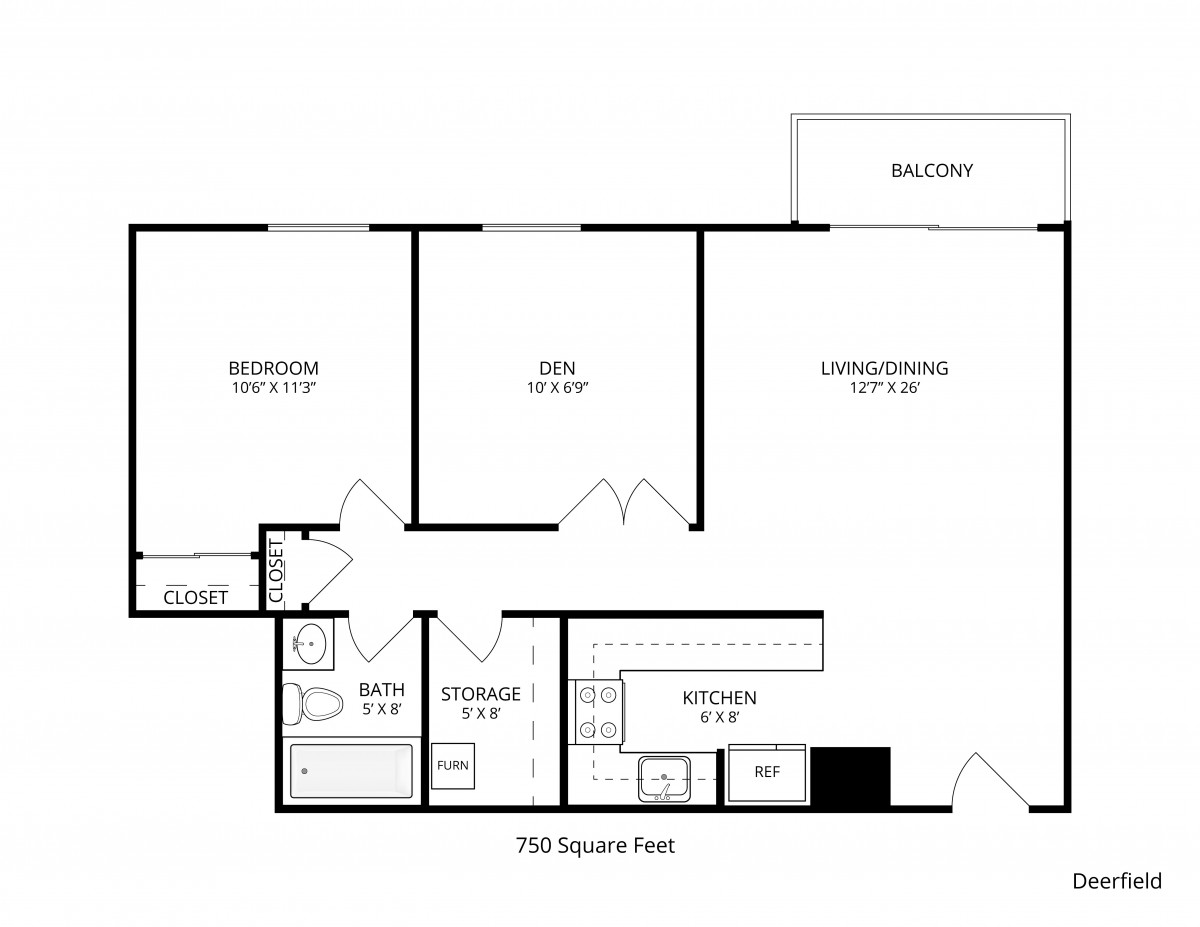
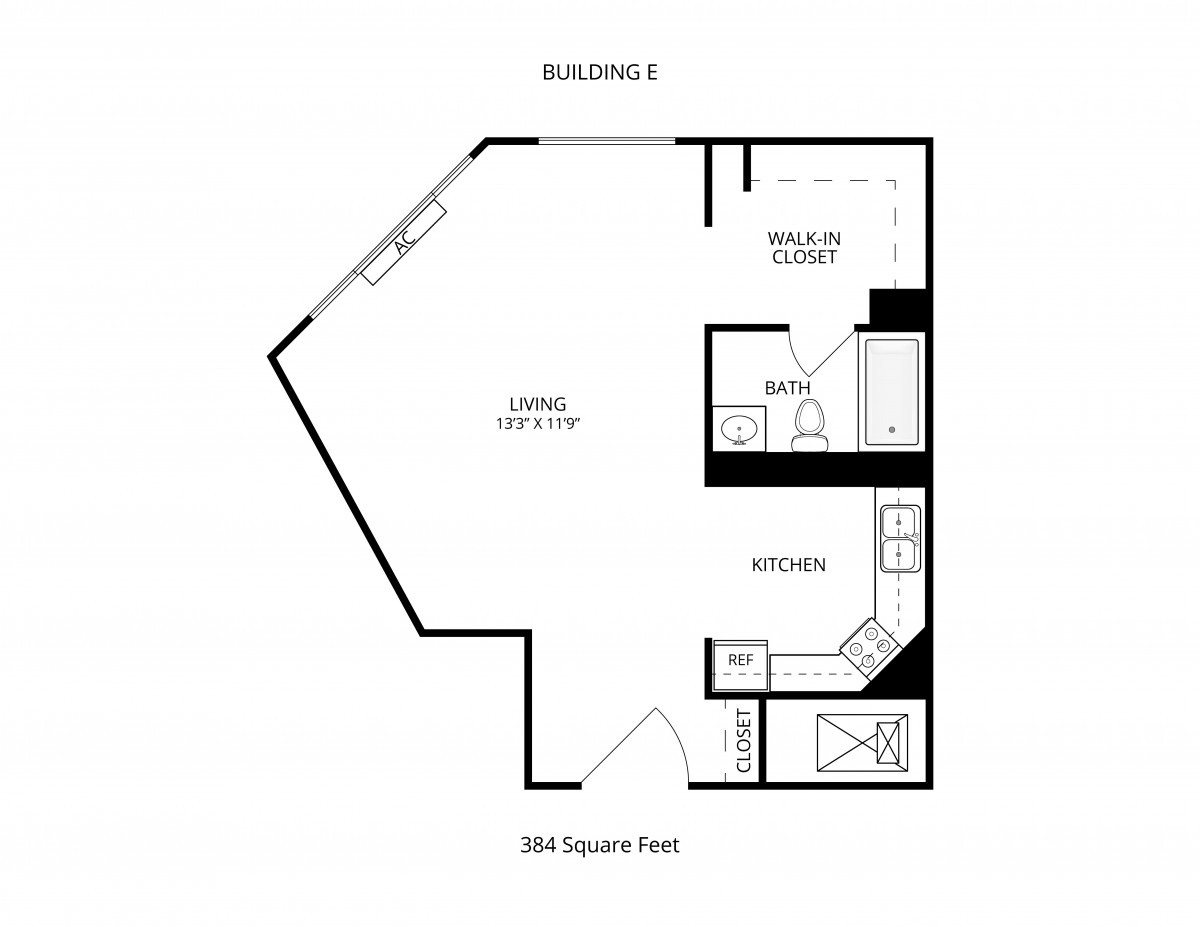
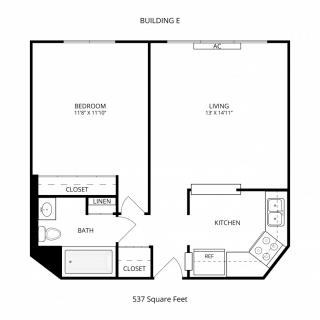
Floor plans
Ascension Living Resurrection Village
Cook County
Illinois
Studio
$1,579
$3,762
$4,028
1 Bedroom
$2,058
$3,256
$3,527
2 Bedrooms
$2,360
$4,412
$4,208
Assisted Living communities with a similar price nearby
Overall Review of Ascension Living Resurrection Village
common45 reviews mention this
Staff support feels consistent
Residents describe consistently helpful, friendly support from staff.
Across reviews, people repeatedly point to staff who are welcoming at the front door, responsive with day-to-day needs, and reassuring for families visiting or helping a loved one move in. Several mentions describe smooth logistics during move-in and follow-through on practical requests like getting TV set up. In assisted living, residents and families also single out nursing and support staff as excellent and courteous.
common18 reviews mention this
Dining is frequently praised
Dining quality and service come up often in reviews.
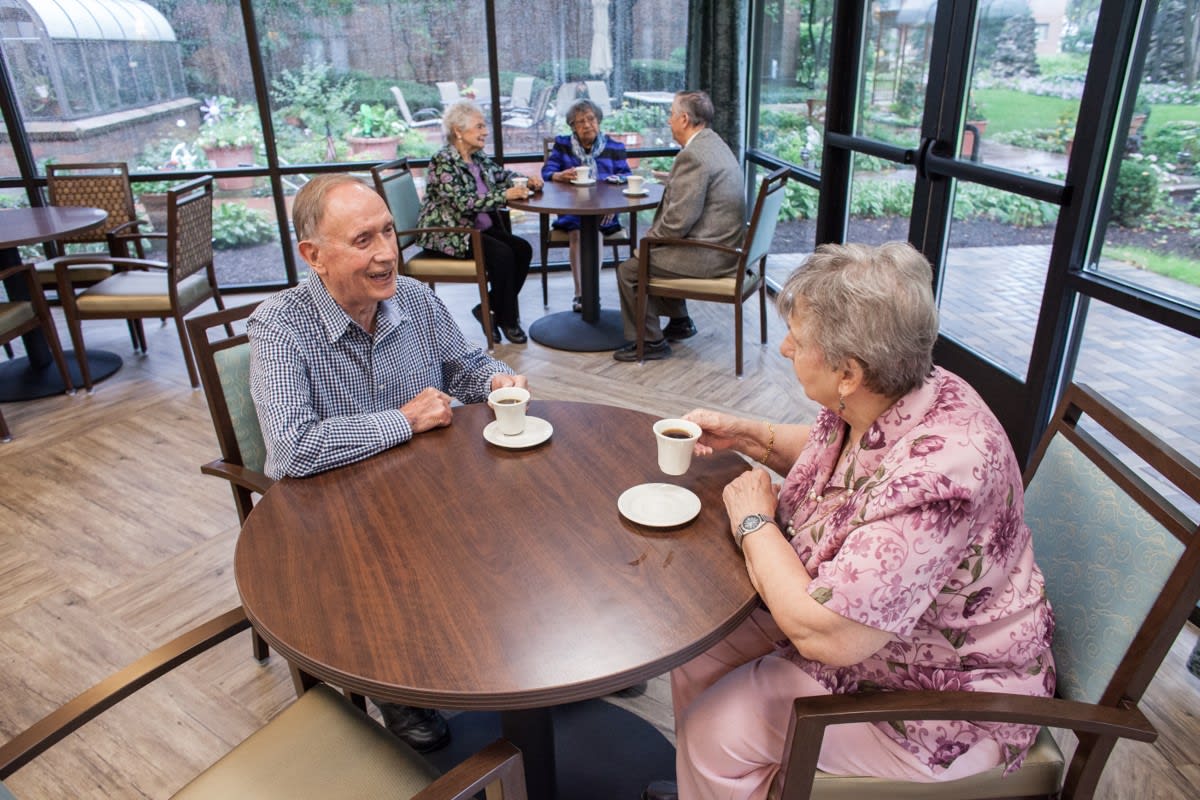
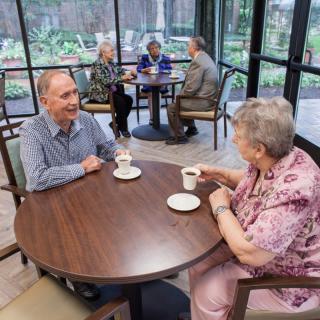
Many reviews mention good food, generous portions, and a dining room experience that feels pleasant rather than institutional. A number of residents and visitors say the meal plans and menu variety were better than expected, and one person highlights service and food as great after eating in the dining room. The community also offers restaurant-style dining and room service, plus support for special dietary needs described in reviews.
common12 reviews mention this
Care and supervision is stressed
Families describe reliable care and supervision support.
Reviews addressing assisted living and skilled care describe staff who help residents and provide ongoing support, including medication management and help with daily activities. Several family members say their loved ones are well taken care of and that staff make the experience feel safe and supportive. One review also mentions infection precautions and security as part of how residents are protected.
A few reviews highlight the community’s chapel and Catholic programming, including Mass and opportunities related to Catholic sacraments. One review specifically mentions having a Catholic priest on board, while another notes Eucharistic adoration on first Fridays. This aligns with the community offering devotional services on-site and Catholic services.
caveat2 reviews mention this
Pricing feels challenging for some
Reviews show mixed reactions to the cost.
One reviewer criticizes the pricing as out of reach and argues it excludes people who aren’t “rich,” while also bringing up concerns about pet rules. Another reviewer, by contrast, says the community is less expensive than other options they were comparing, though they also mention drawbacks like fewer programs and distance into the city.
How we summarize
Counts show how many written reviews mention each theme; a review can touch several themes, and only frequently mentioned themes are displayed.
Features
Housing
37 resident community capacity
1-bedroom apartments
2-bedroom apartments
3-bedroom apartments
Condos / townhomes
Detached homes
Studio apartments
Types of Care
Assisted Living
Independent Living
Amenities
Activities off-site
Activities on-site
Air-conditioning
Bath tubs
Beautician on-site
Beauty salon
Cable or satellite TV
Computer center
Devotional services on-site
Dining room
Financial aid
Financing advice
Full kitchen
Fully furnished
Garden
Ground floor units
Hiking trails
Home sale assistance
Housekeeping services
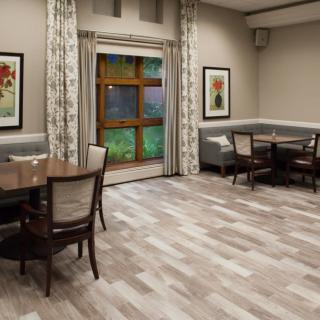
Indoor common areas
Kitchenette
Laundry
Move-in coordination
Outdoor common areas
Outdoor space
Overnight guests
Party space
Resident parking
Respite or short term stays offered
Restaurant-style dining
Small library
Swimming pool / hot tub
TV room
Telephone
VA Benefits Consultation
Wheelchair accessible showers
Wi-Fi/high-speed internet available
Transportation
Chicago O'Hare International (5 miles away)
Chicago Midway (14 miles away)
Transportation & parking
Care Services
24-hour call system
24-hour supervision
Activities of daily living assistance
Ambulatory care
Assistance with bathing
Assistance with dressing
Assistance with transfers
Diabetes diet
Hospice care
Incontinence care
Meal preparation and service
Medication management
Mental wellness program
Special dietary restrictions
Dining
Diabetes diet
Guest meals
Meals provided
Restaurant style dining
Room service
Special dietary restrictions
Activities
Activities off-site
Art classes
Arts and crafts
Catholic services
Community-sponsored activities
Day trips and outings
Devotional activities on-site
Educational speakers / life long learning
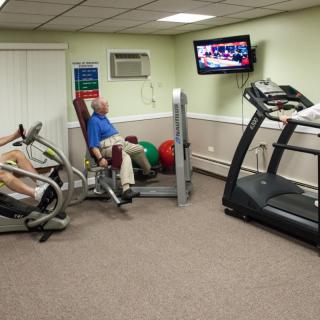
Fitness programs
Games
Gardening club
Happy hour
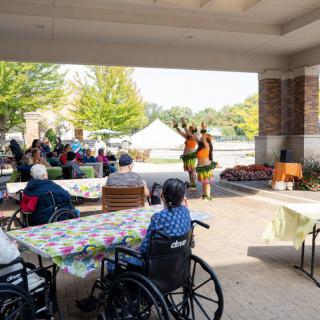
Live dance or theater performances
Live musical performances
Protestant services
Religious services
Resident-run activities
Scheduled daily activities
Tai Chi
Wii bowling
Wine tasting
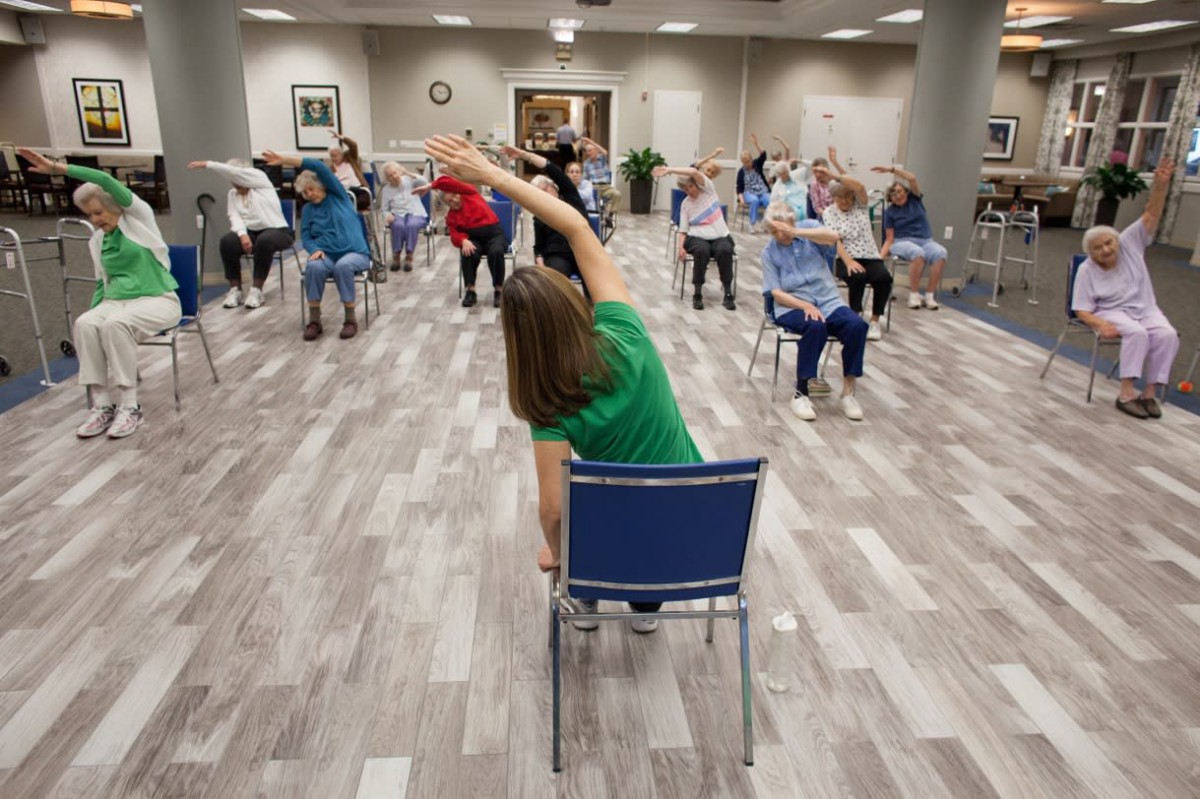
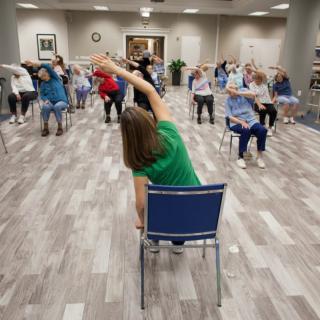
Yoga / chair yoga
Languages Spoken
English
Nearby Places of Interest
This area of Chicago, Illinois, offers a range of amenities and services that may be appealing for those considering senior living. With multiple physicians, pharmacies, and hospitals in close proximity, residents can easily access medical care when needed. Additionally, there are various dining options nearby, including fast-food restaurants and more casual eateries. For entertainment, there are theaters within a few miles where seniors can enjoy movies. Parks are also located within a short drive for those who enjoy outdoor activities or simply want to relax in nature. Public transportation options are available for easy mobility around the city. Overall, this area provides convenience and accessibility for seniors looking to settle down in a bustling urban environment with essential services nearby.
Physicians
Resurrection Medical Center Professional Building (0.3 miles)
Ascension Living Resurrection Village offers compelling pricing for its accommodations when compared to the broader market in Cook County and the state of Illinois. The monthly cost for a studio apartment at Resurrection Village is $1,579, significantly lower than the county average of $3,762 and the state average of $4,028. Similarly, residents seeking a one-bedroom unit will find a rate of $2,058 at Resurrection Village, which is more affordable than both Cook County's average of $3,256 and Illinois' statewide average of $3,527. For those in need of more space, the two-bedroom apartments are priced at $2,360 - remarkably lower than the costs in Cook County ($4,412) and slightly higher than the state average ($4,208). These figures highlight Ascension Living Resurrection Village as an attractive option for individuals looking for quality living arrangements without compromising their financial wellbeing.
Ascension Living Resurrection Village offers 1-bedroom apartments, 2-bedroom apartments, 3-bedroom apartments, Condos / townhomes, Detached homes, and Studio apartments.
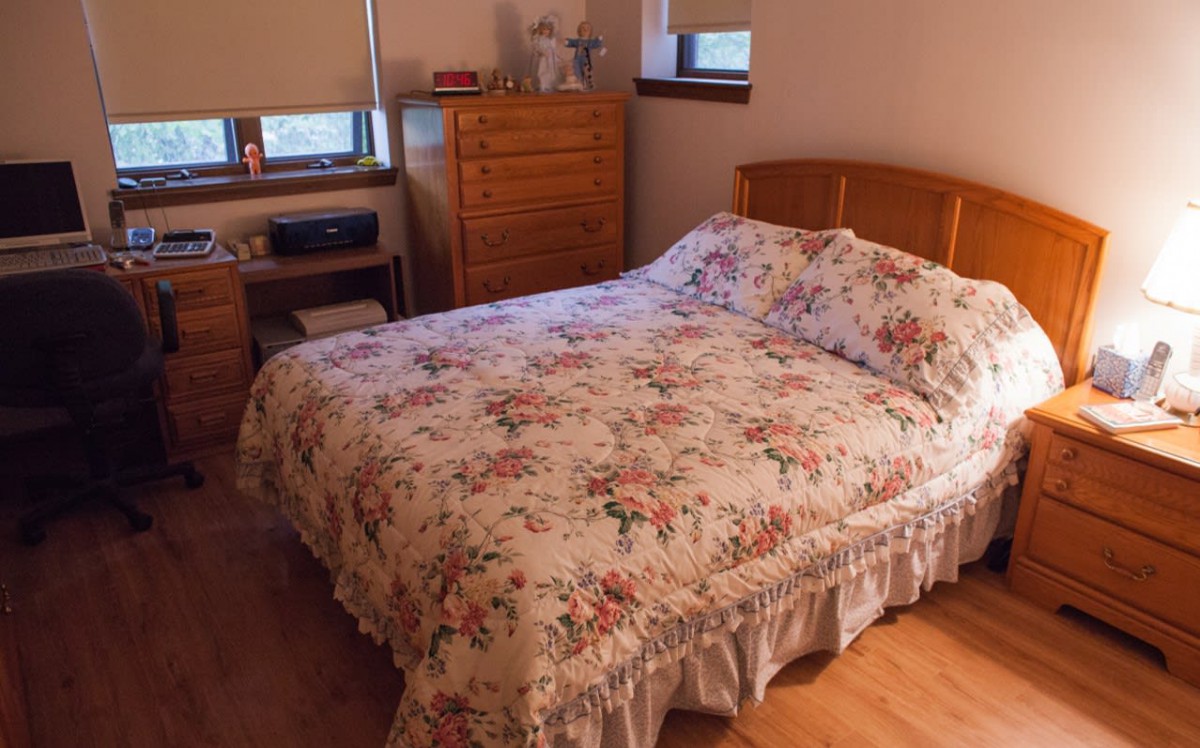
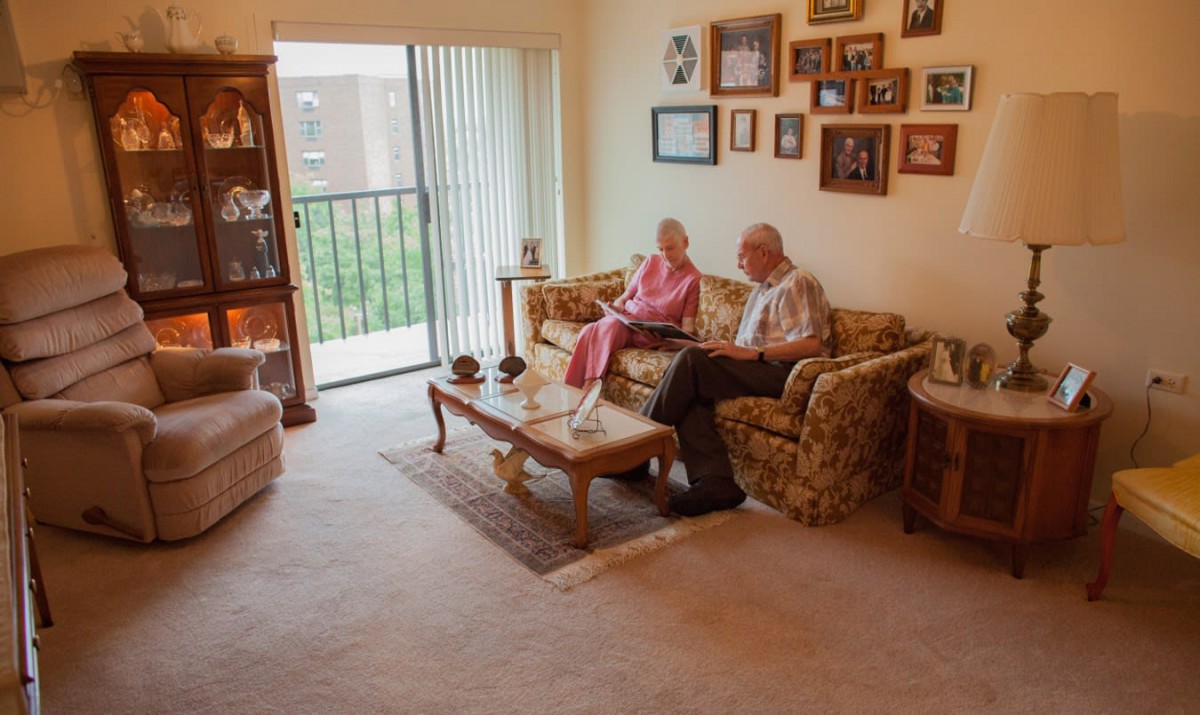
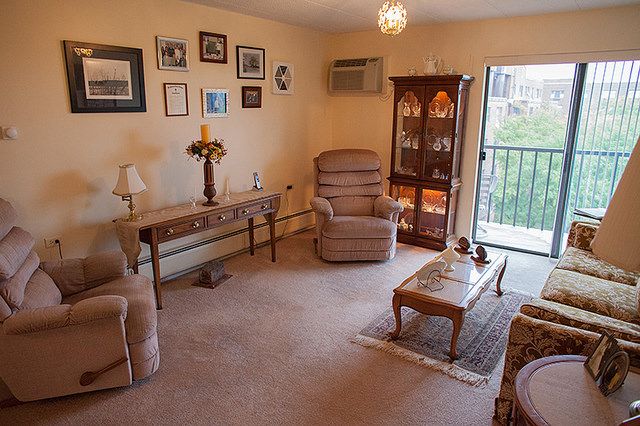
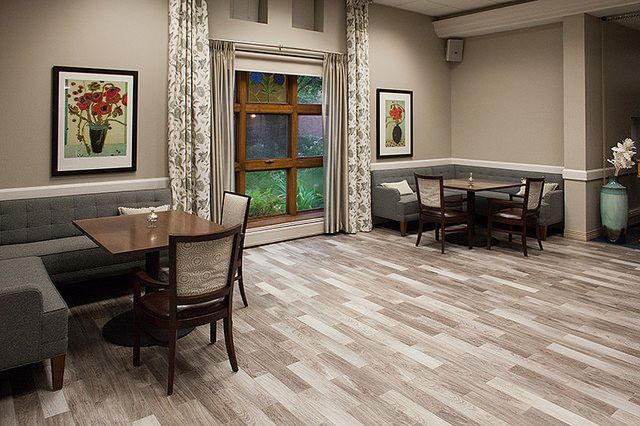
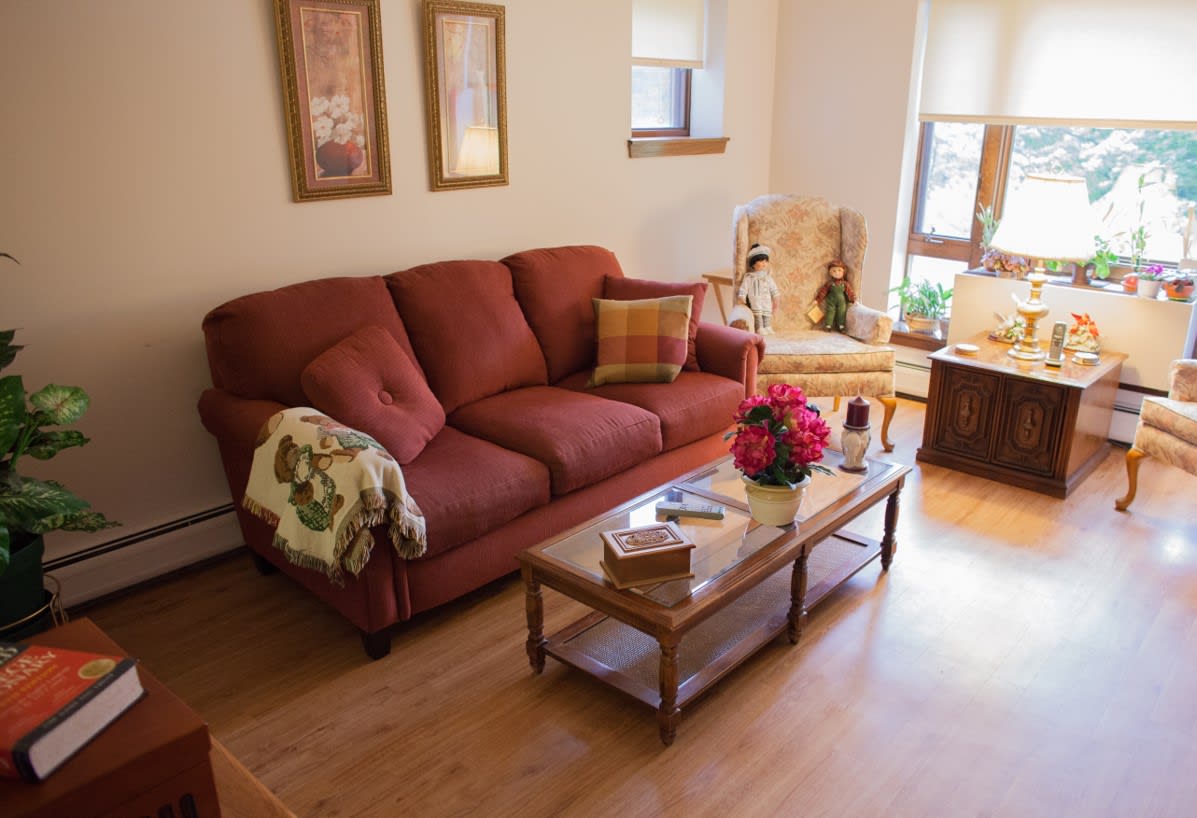
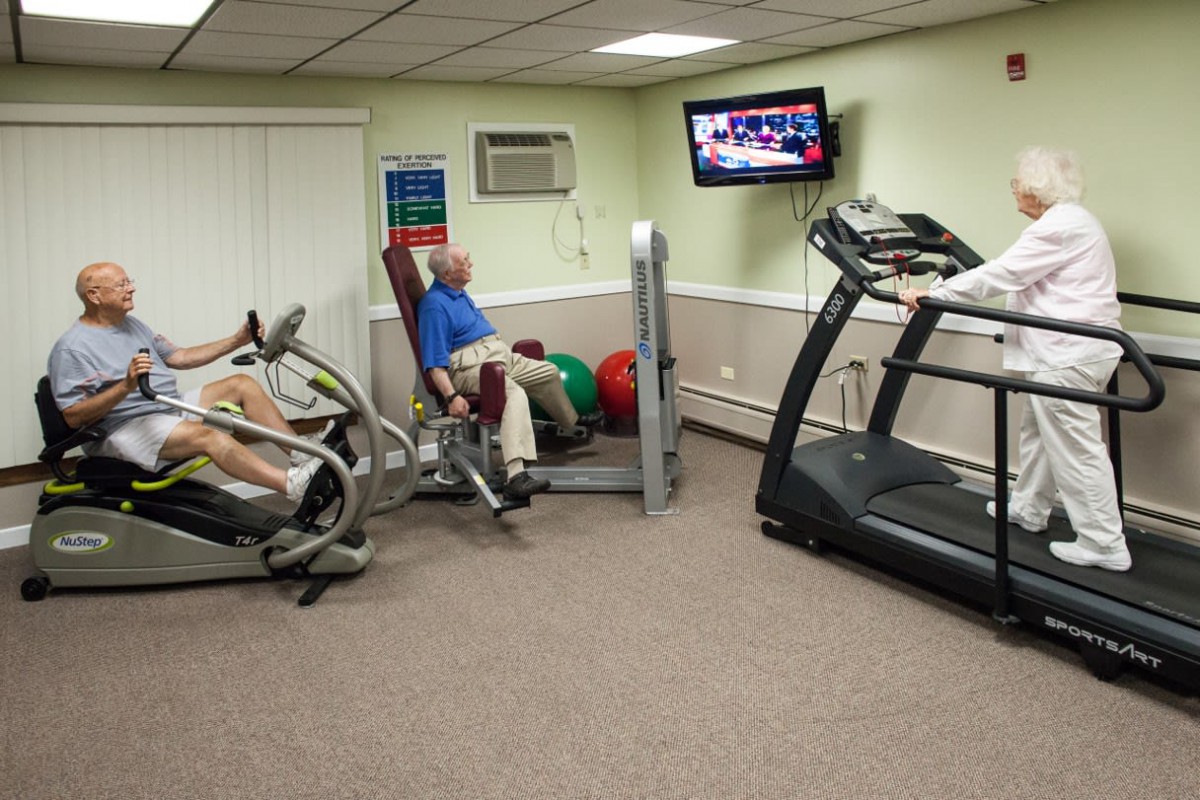
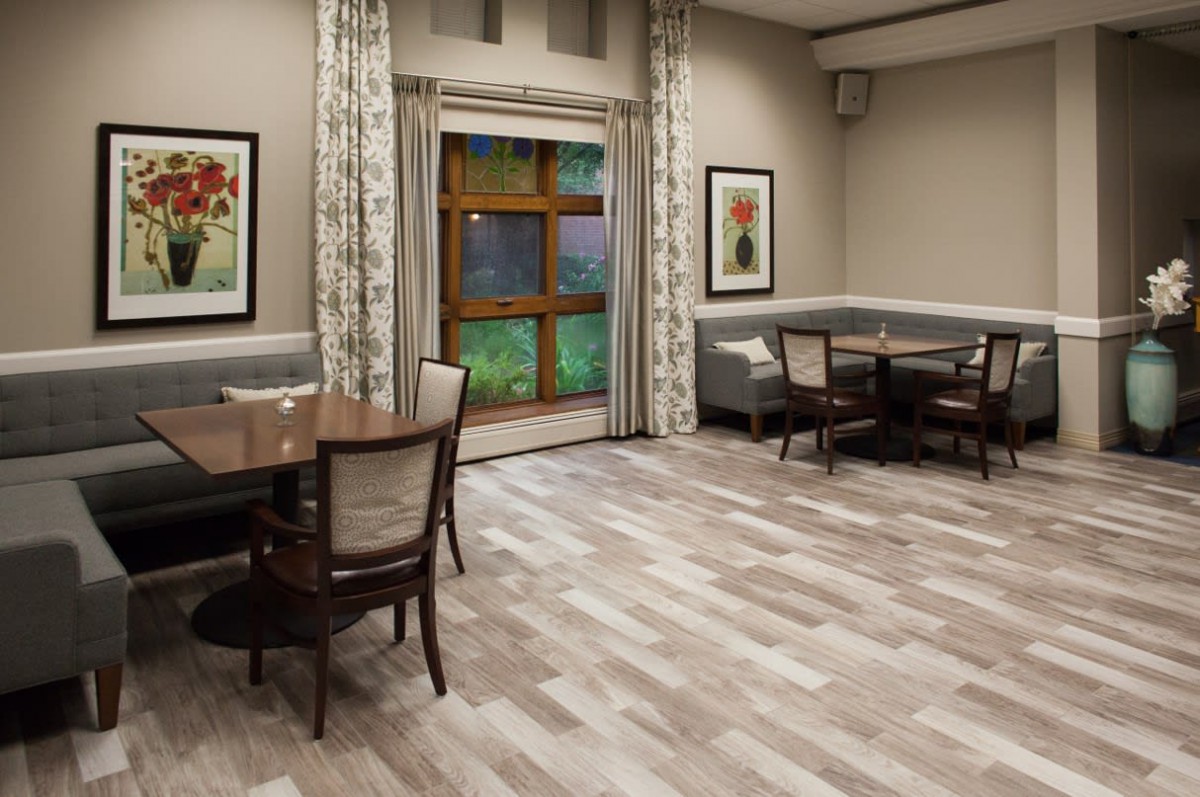
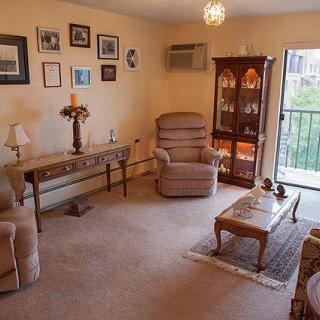
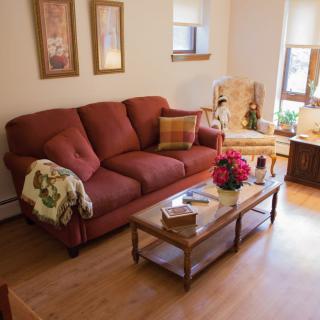
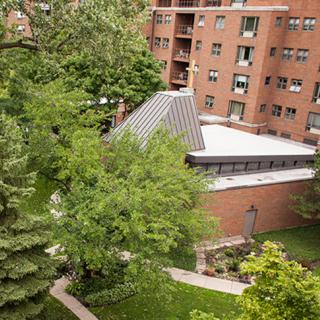
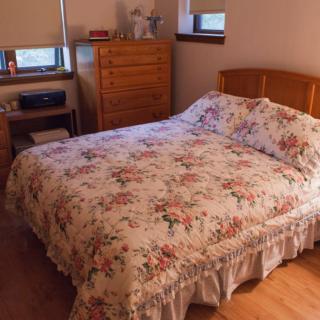
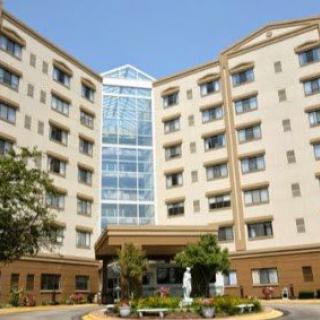
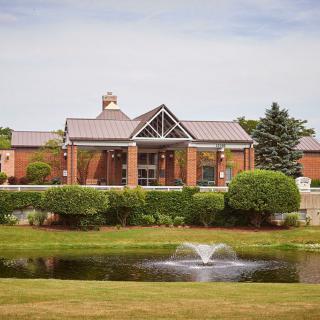
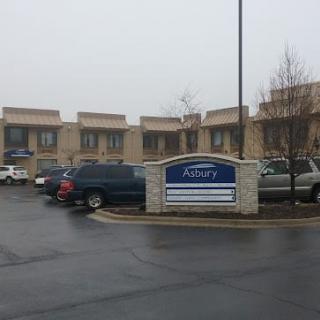
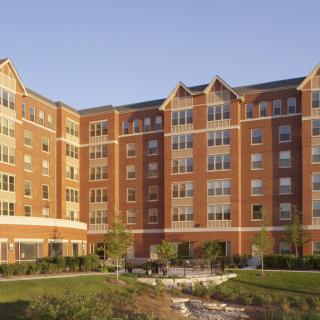
Ascension Living Resurrection Village on seniors.fyi includes 40 photos including images showing floor plan, bedroom, living room, kitchen, bathroom, interior, balcony, studio apartment, and more.
Nearby Communities
Amazing Grace Senior Living
Chicago, IL
4.8 from 20 reviews
$4,500 to $5,000 / month
Friendly, responsive staff with 24/7 care and quality meals.
Senior Suites of Norwood Park
Chicago, IL
4.5 from 50 reviews
$1,059 to $1,340 / month
Friendly staff, clean and newer apartments, and strong value for the area.
Senior Suites Chicago Norwood Park
Chicago, IL
4.3 from 19 reviews
Fully furnished suites with restaurant-style dining, a 24-hour call system, and respite care.
Norwood Crossing
Chicago, IL
3.9 from 80 reviews
$6,550 to $7,708 / month
Caring staff in a clean, active environment with personalized living spaces.
Danish Home of Chicago
Chicago, IL
4.6 from 51 reviews
Specialized memory care and skilled nursing with diabetes care.
Alden Estates Of Northmoor
Chicago, IL
3.5 from 63 reviews
Clean, newer facility with a welcoming atmosphere, attentive memory-care staff, and good dining.
Generations At Regency
Niles, IL
3.8 from 100 reviews
Extensive on-site amenities and 24/7 care support
Ascension Living Saint Benedict Village
Niles, IL
4.5 from 112 reviews
$2,910 to $5,400 / month
Clean facility with attentive staff and engaging rehab/activities.
Central Baptist Village
Harwood Heights, IL
4.4 from 96 reviews
$2,207 to $3,754 / month
Compassionate staff with engaging activities and a welcoming, family-like community.
The article discusses assisted living expenses, the importance of long-term care insurance in covering these costs, and various financing options, highlighting the need for careful policy review and early planning to address potential needs. It also clarifies common misconceptions about Medicare and private health insurance limitations regarding long-term care coverage.
Assisted living facilities offer crucial support for older adults needing help with daily activities but come with varying and significant costs, which can be financed through personal savings, government assistance programs, long-term care insurance, and home equity options. Professional guidance from experts can aid families in navigating these financial complexities to establish a sustainable budgeting approach for assisted living services.
Assisted living costs often exceed Social Security benefits, necessitating a combination of funding sources like state aid and Medicaid. Understanding the interaction between Social Security programs and available financial support is essential for affording such care.
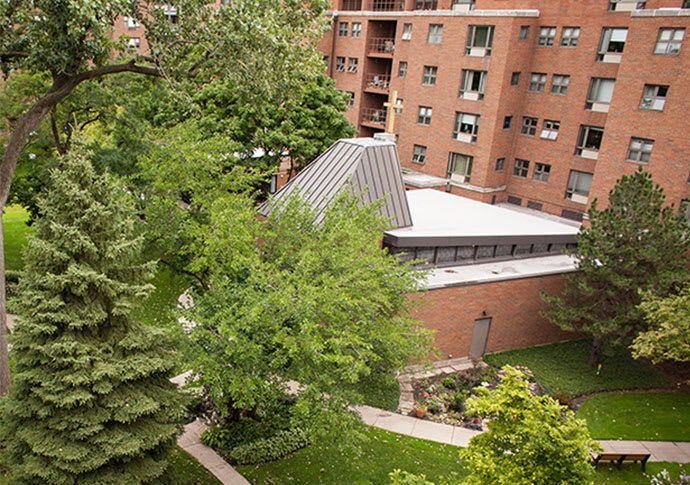
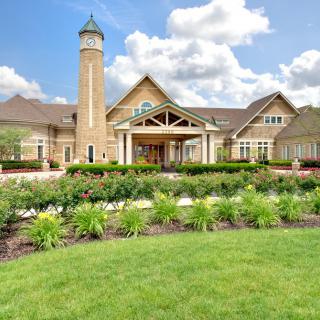
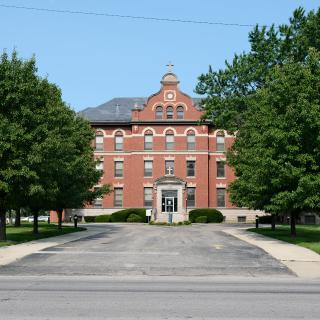
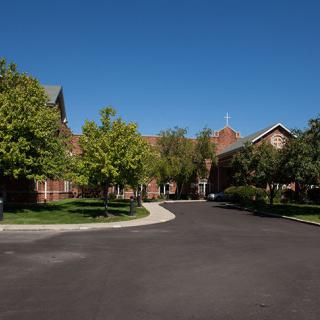
Landscaping, Building, Trees, Urban, and Brick Building
Floor Plan
Architecture
Bathroom
Kitchen
Garden
Artwork
Television, Exercise Equipment, Gym, and Treadmill
Outdoors and Nature
Studio Apartment
Balcony
Closet
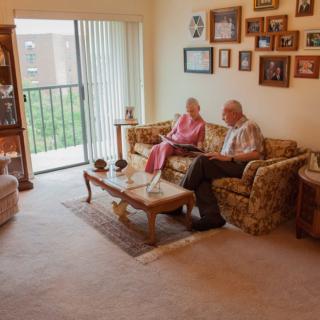
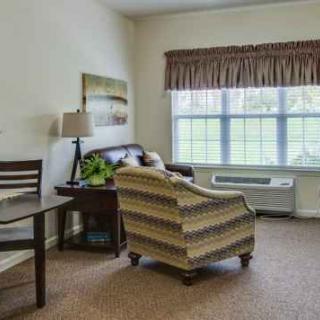
Living Area
Exercise
Living Space
Home Design
Architectural Drawing
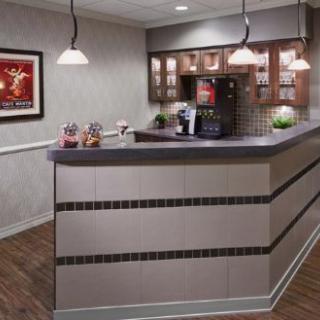
Coffee Station
Design
Home Interior
Architectural Design
Studio
Get PricingAsk A QuestionSchedule A TourContact Senior Advisor
By clicking submit, you agree to our Partner's Terms of Use. You
also consent to receive calls and texts, which may be autodialed, from our Partner. Your consent is not a condition to
using our Partner's service. Please visit our Partner's Privacy Policy for information about their privacy practices.




 37 resident community capacity
 1-bedroom apartments
 Condos / townhomes
 Detached homes
 Assisted Living
 Independent Living
 Activities off-site
 Air-conditioning
 Bath tubs
 Beautician on-site
 Cable or satellite TV
 Computer center
 Devotional services on-site
 Dining room
 Financial aid
 Full kitchen
 Fully furnished
 Garden
 Ground floor units
 Hiking trails
 Housekeeping services
 Indoor common areas
 Laundry
 Move-in coordination
 Outdoor common areas
 Overnight guests
 Party space
 Resident parking
 Respite or short term stays offered
 Restaurant-style dining
 Small library
 Swimming pool / hot tub
 Telephone
 Wheelchair accessible showers
 Wi-Fi/high-speed internet available
 Chicago O'Hare International (5 miles away)
 Transportation & parking
 24-hour call system
 Ambulatory care
 Assistance with bathing
 Assistance with dressing
 Assistance with transfers
 Diabetes diet
 Hospice care
 Incontinence care
 Medication management
 Mental wellness program
 Special dietary restrictions
 Art classes
 Catholic services
 Day trips and outings
 Educational speakers / life long learning
 Fitness programs
 Games
Games Happy hour
 Live dance or theater performances
 Live musical performances
 Tai Chi
 Wii bowling
 Wine tasting
 English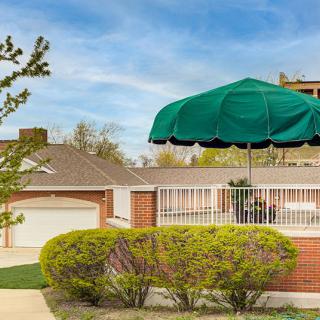
 Friendly, responsive staff with 24/7 care and quality meals.
 Assisted Living Expenses and Long-Term Care Insurance: A Comprehensive Exploration
 Securing Financial Support for Assisted Living: A Comprehensive Overview
 Social Security Benefits and Assisted Living: Navigating Options Across the U.S.