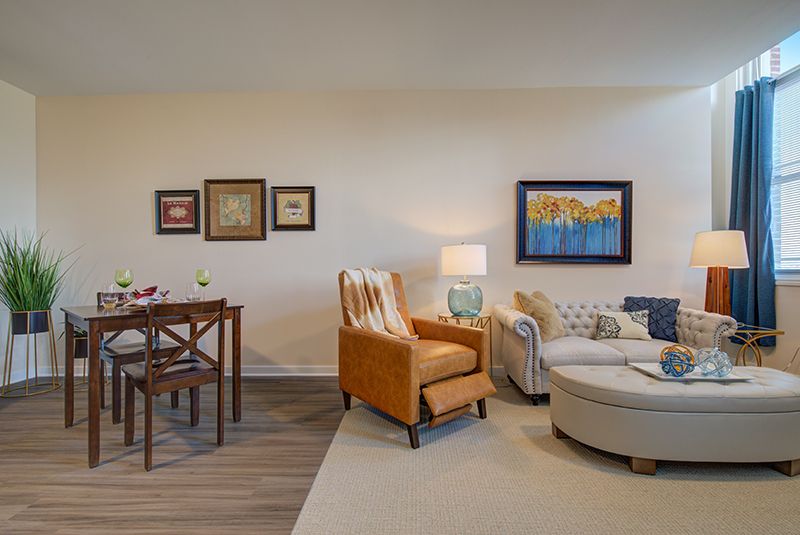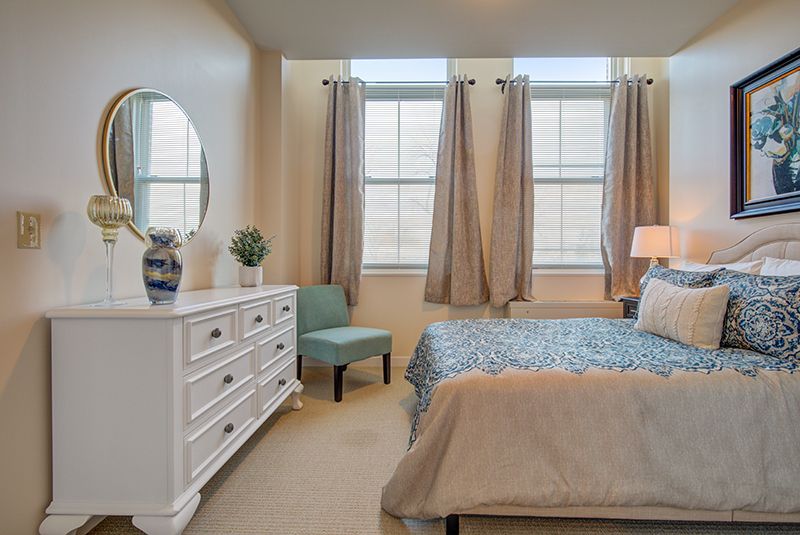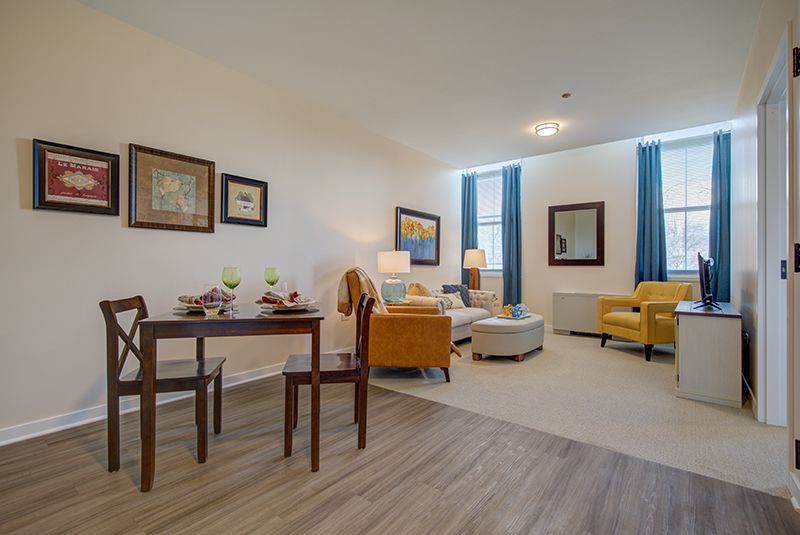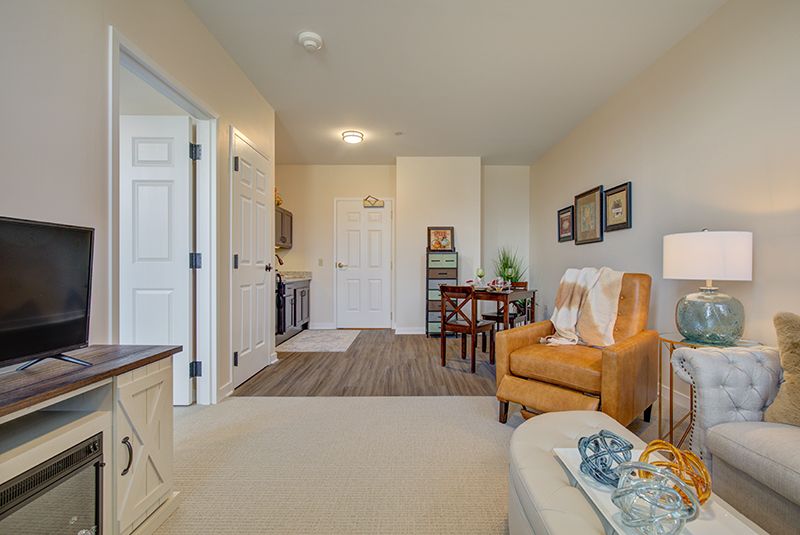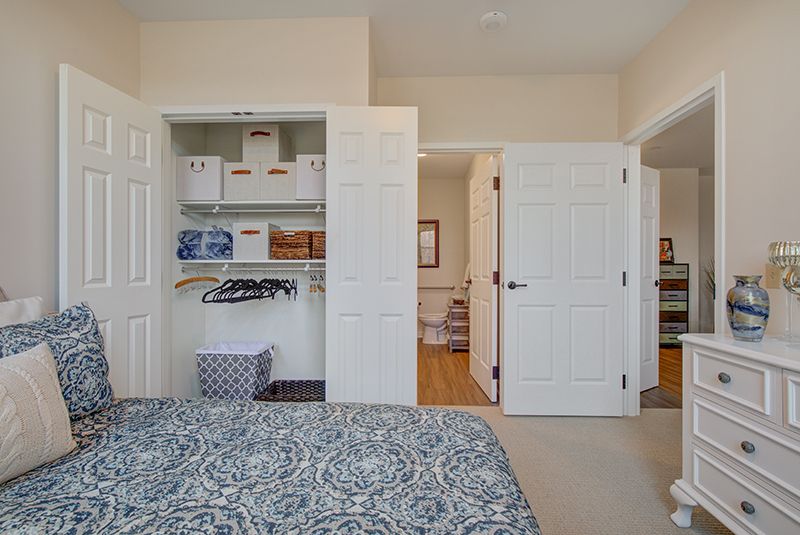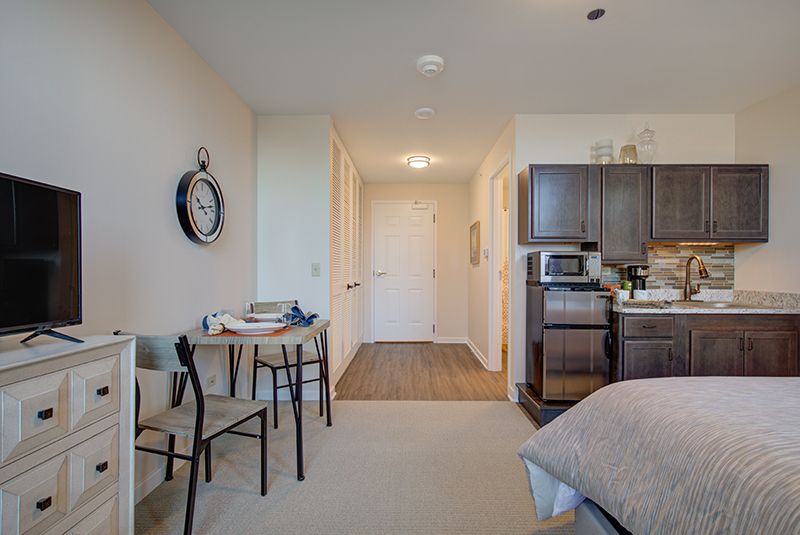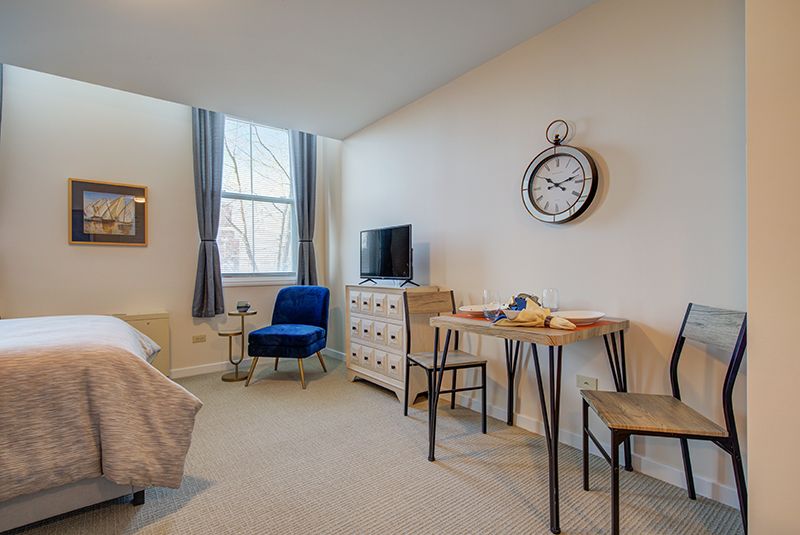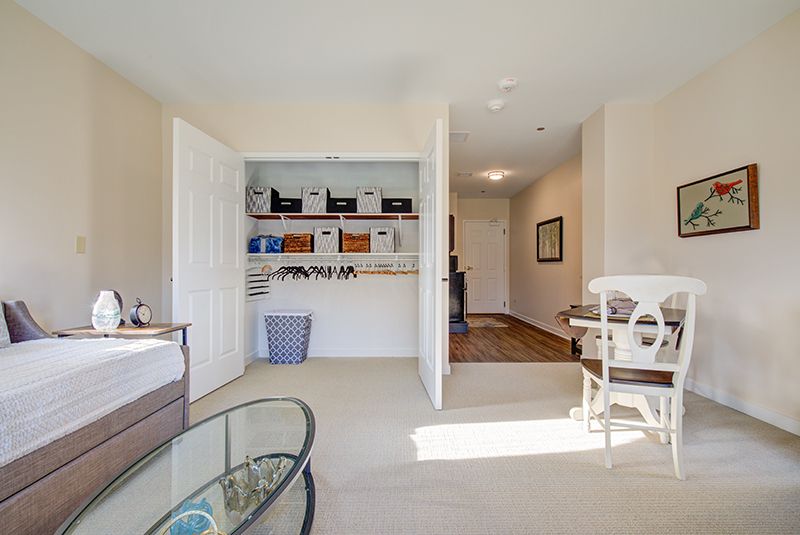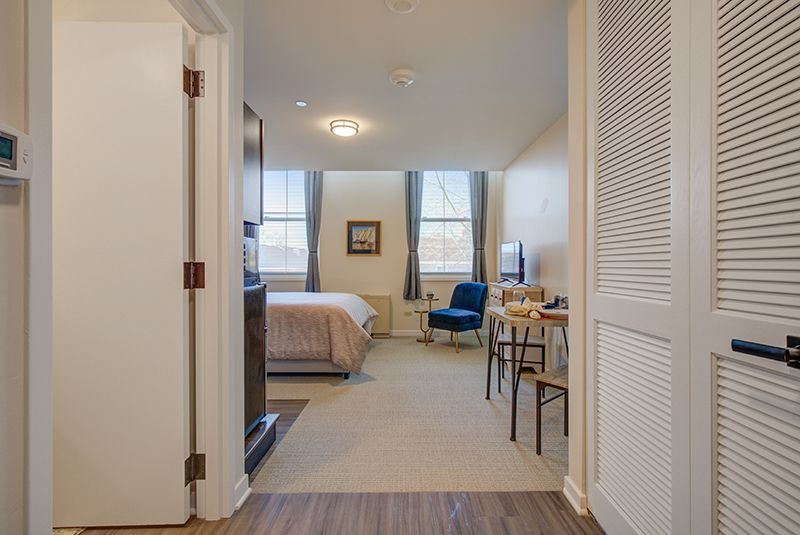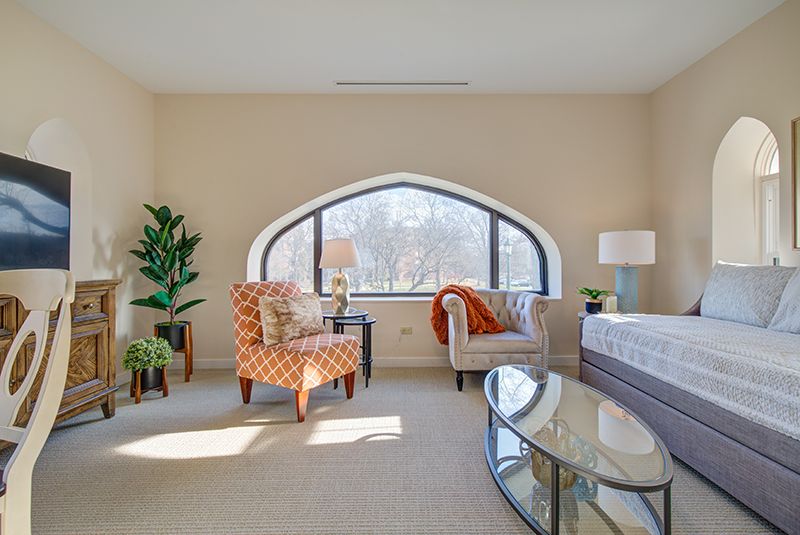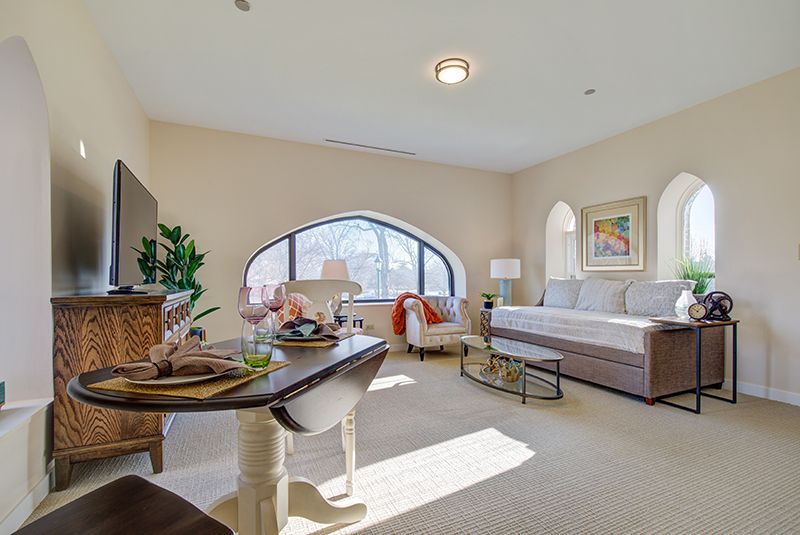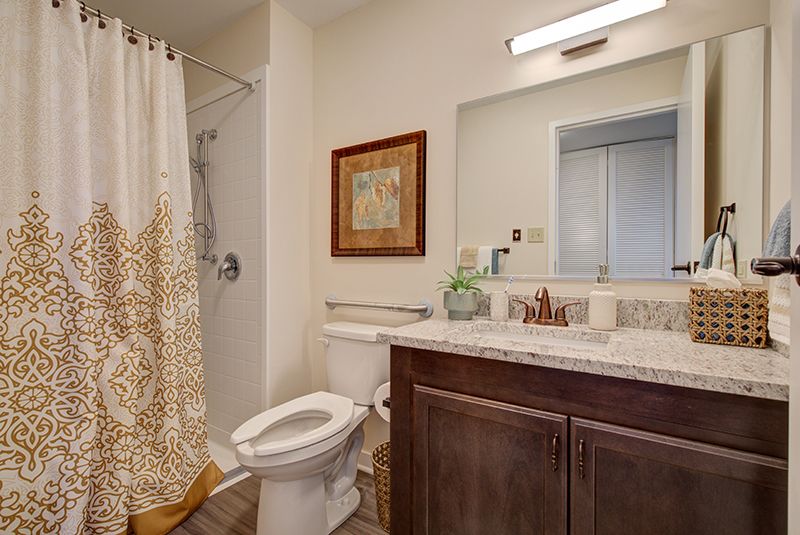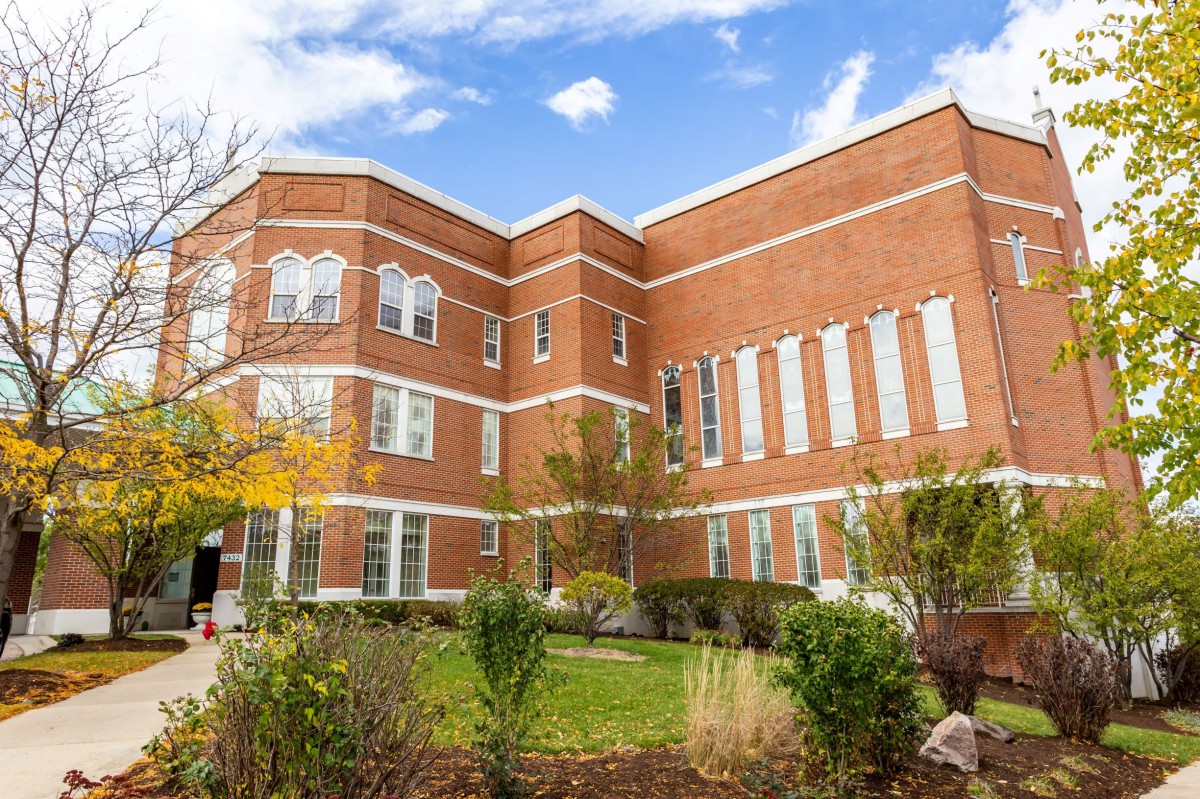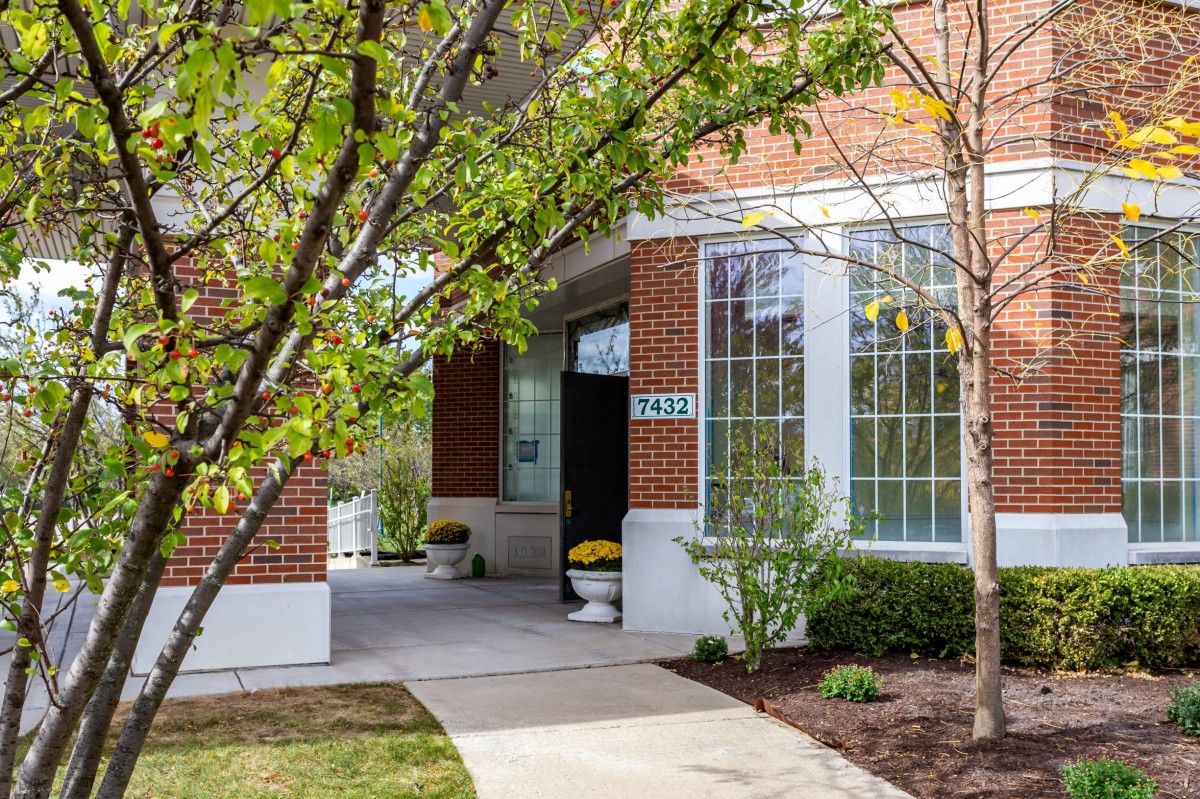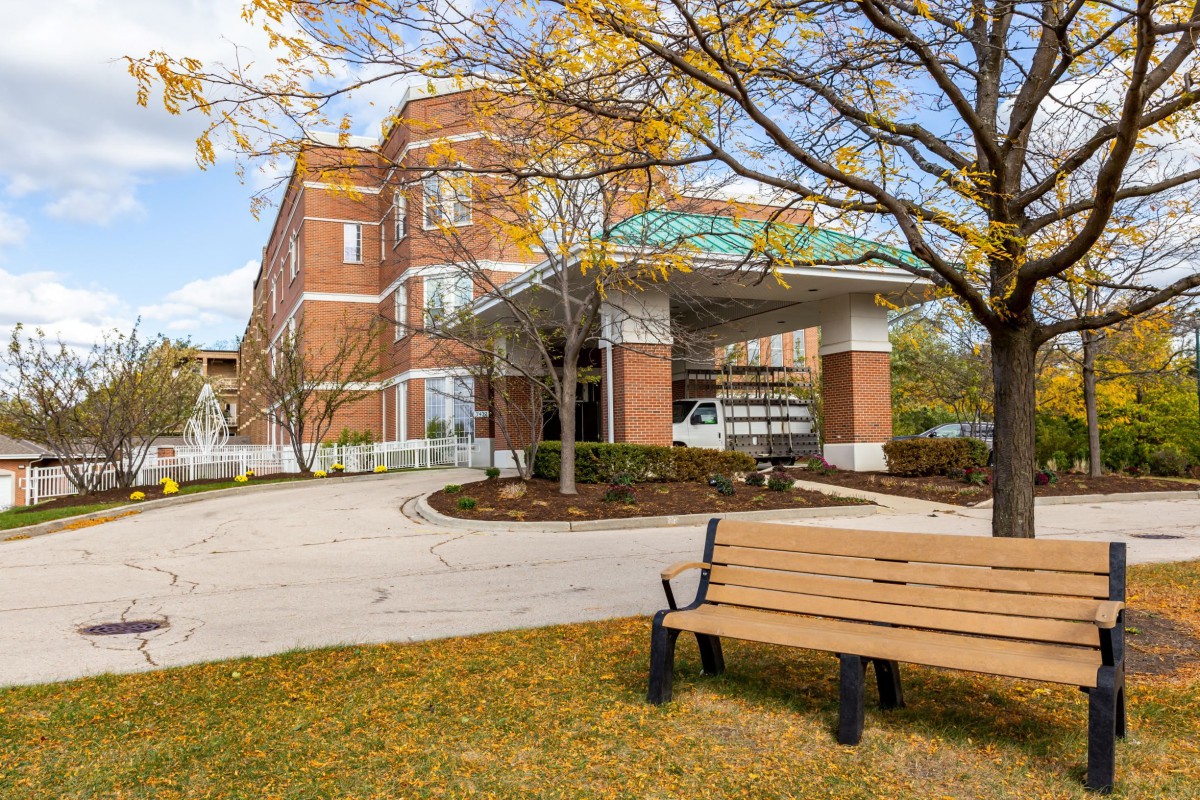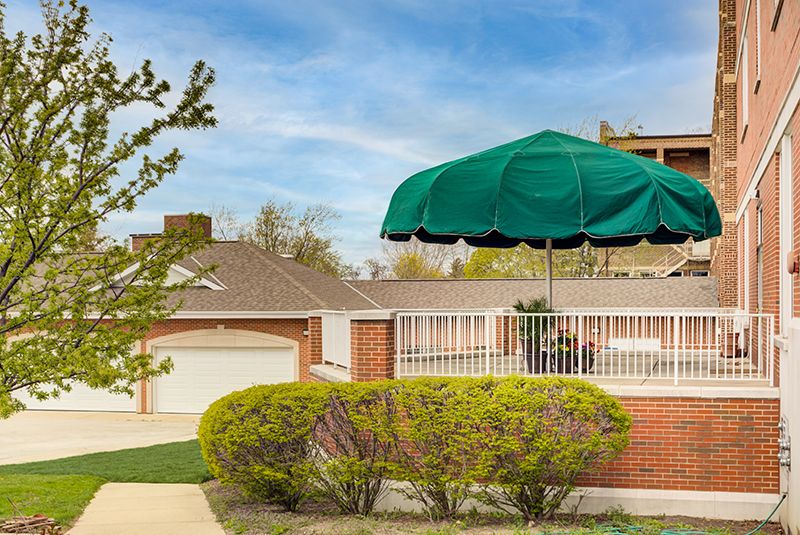



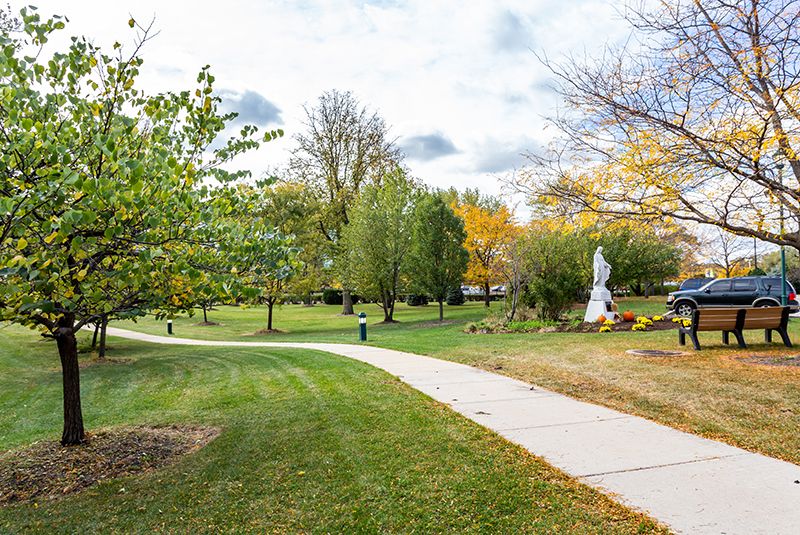





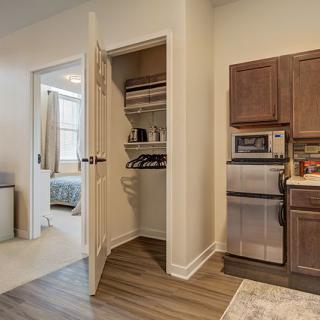

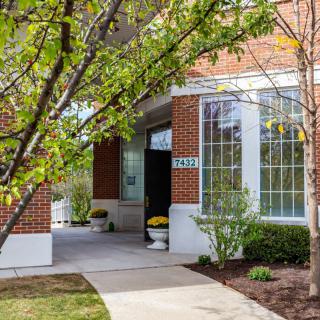
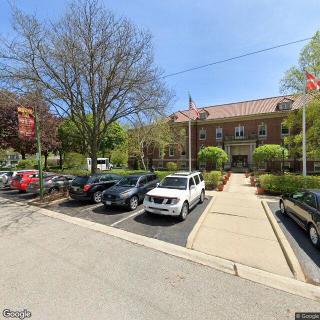
7432 West Talcott, Chicago, IL 60631
For more information about senior living options: (866) 208-4318
Amazing Grace Senior Living Costs & Pricing
Amazing Grace Senior Living offers competitive pricing for its residents, with costs that reflect the quality of care and services provided. For a studio apartment, the monthly rate is $4,500, which is notably higher than the averages in Cook County at $3,762 and across Illinois at $4,028. When it comes to one-bedroom units, Amazing Grace charges $5,000 - again above both local and state averages of $3,256 and $3,527 respectively. This pricing structure suggests that while Amazing Grace may be on the higher end compared to its peers, it likely emphasizes enhanced amenities or specialized care that appeal to those seeking a supportive senior living environment.
| Floor plans | Amazing Grace Senior Living | Cook County | Illinois |
|---|---|---|---|
| Studio | $4,500 | $3,762 | $4,028 |
| 1 Bedroom | $5,000 | $3,256 | $3,527 |
Memory care communities with a similar price nearby
-
from -$500 / mo
Colfax Manor Assisted Living
$4,000 to $6,000 / month21.2 miles away -
from -$632 / mo
The Auberge At Highland Park
$3,868 to $5,628 / month12.8 miles away -
from +$830 / mo

Hartwell Place
$5,330 / month7.2 miles away -
from +$500 / mo
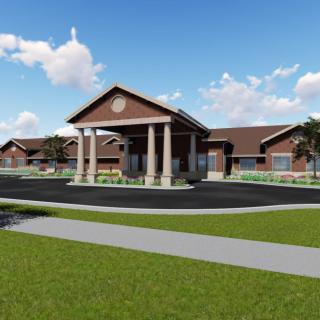
Waverly Inn Memory Care & Cottages
$5,000 to $9,800 / month12.7 miles away -
from -$616 / mo
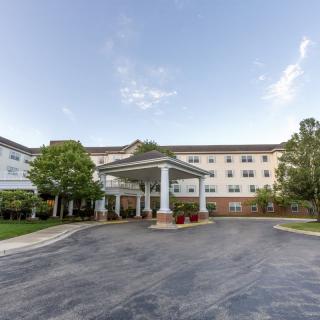
StoryPoint Naperville
$3,884 to $4,643 / month23.7 miles away
Overall Review of Amazing Grace Senior Living
Pros
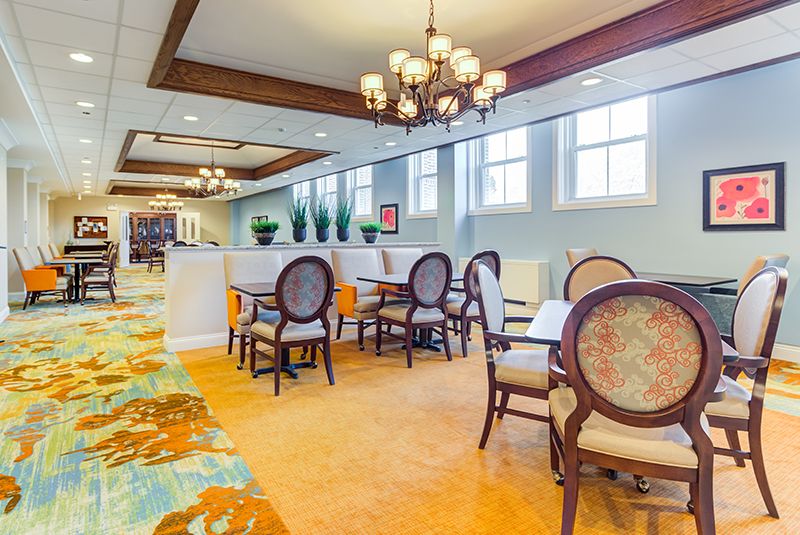
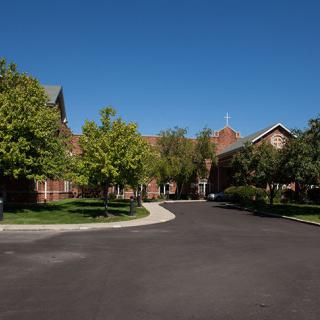
 The facility is nice and historic, with everyone there being very friendly.
- The staff are very friendly and helpful, making residents comfortable.
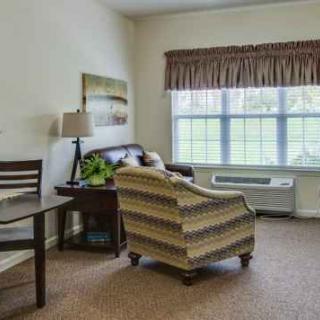
- The meals are delicious and nutritious, and the accommodations are top-notch.
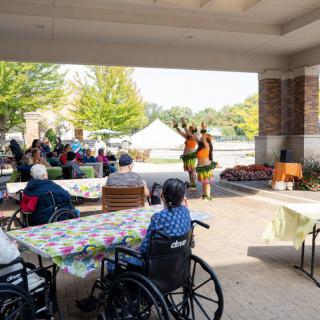
- The staff engage residents with activities and organize enjoyable events and theatre recitals.
- The experience at Amazing Grace is great, with no complaints and strong recommendations to others.
- The staff are caring, professional, and consistently put residents' needs first.
- The community is friendly, inclusive, and responsive, providing expert care around the clock.
- Music programs and recitals are hosted in the theatre with positive feedback and successful outcomes.
- The facility feels clean, homey, and conveniently located, helping families stay connected.
Cons
 The facility is a bit expensive.
- New owners reportedly let go a number of staff, signaling turnover and instability.
- Memory care residents receive no activities and are left bored, often locked upstairs with no outings.
- The reviewer perceives staff as prioritizing money over resident care and not truly caring for the residents.
Review
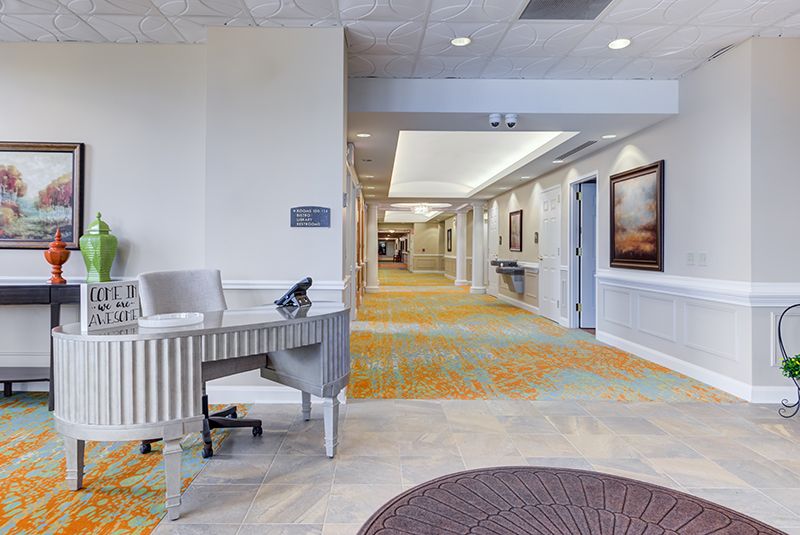
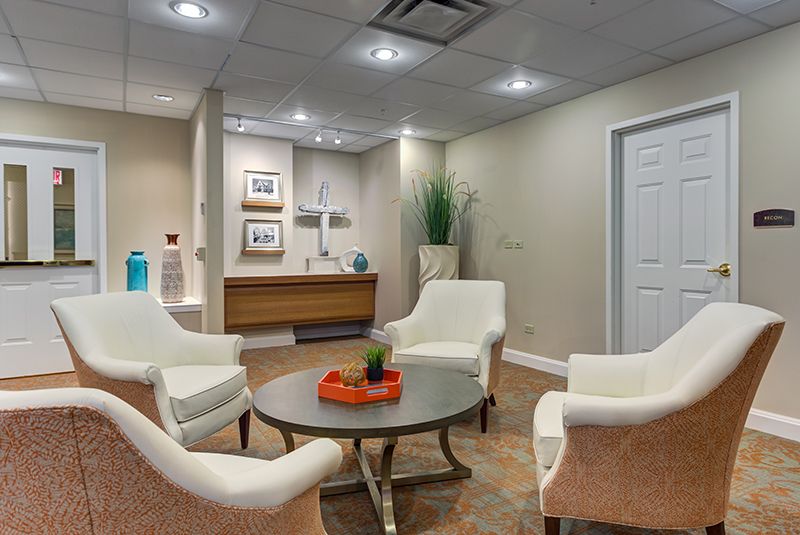
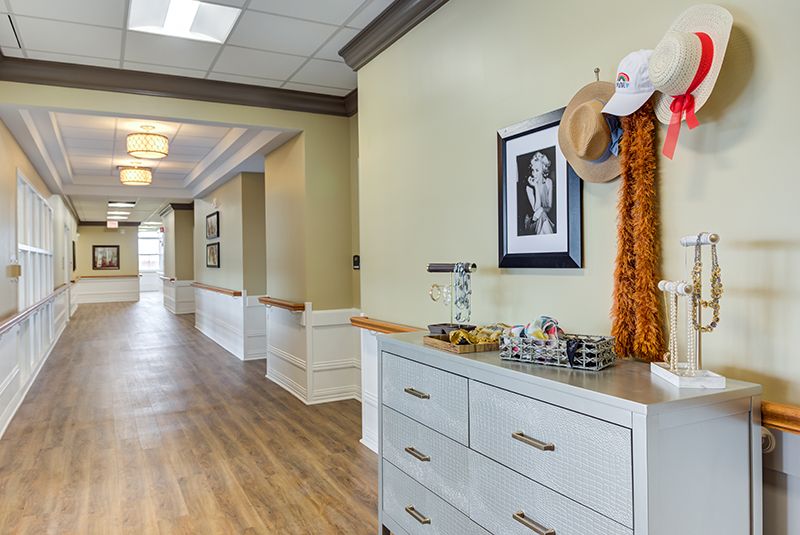
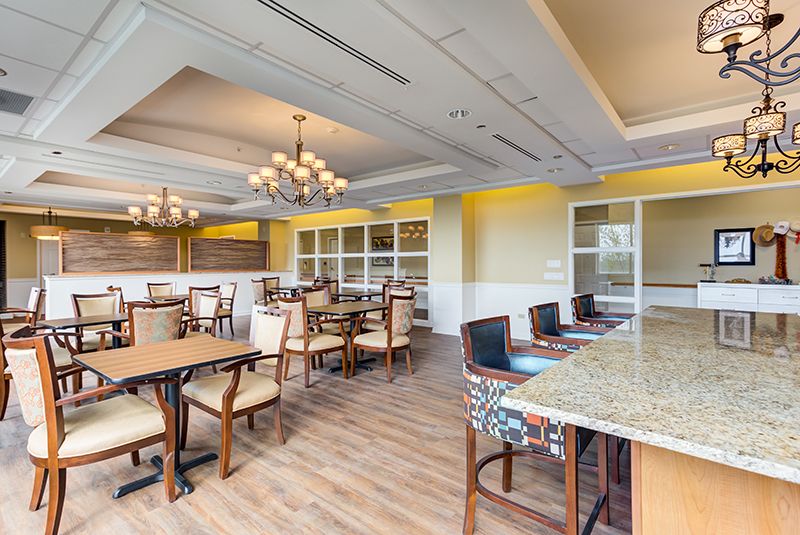
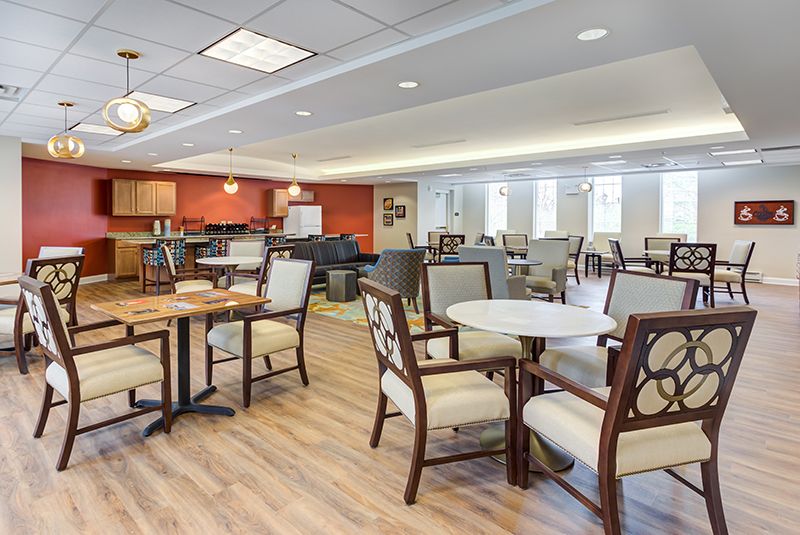
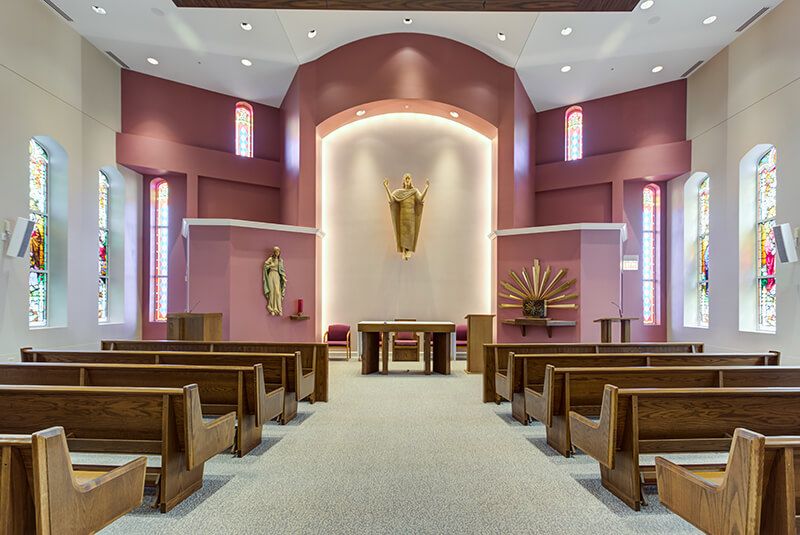
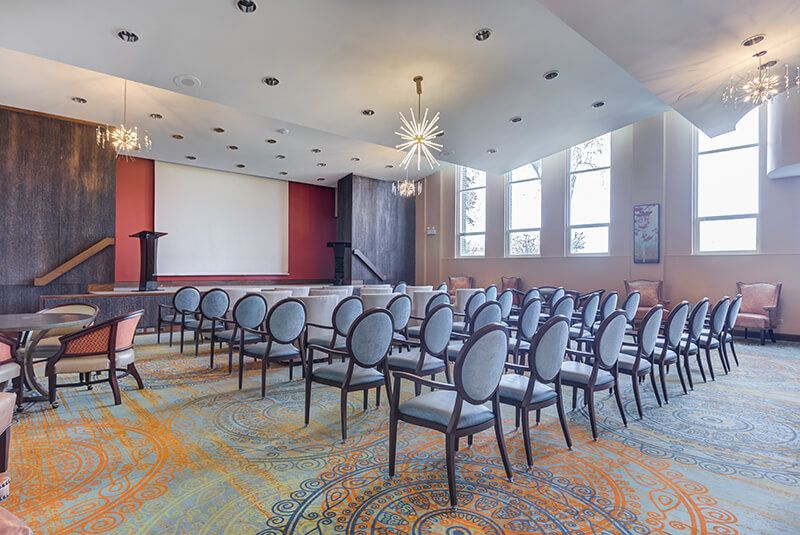
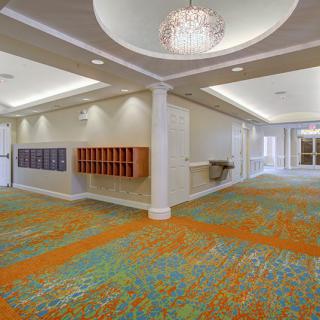
Amazing Grace Senior Living in Chicago is best suited for families seeking a service-forward, socially rich assisted living community with a strong studio-like sense of place. The residence consistently earns praise for friendly, attentive staff, comfortable accommodations, and a lively slate of activities and events. Residents can expect thoughtful dining that aims beyond typical cafeteria fare, a faith-friendly atmosphere with Mass and other services, and a campus feel that includes an on-site theatre where performances and gatherings occur regularly. The combination of location, warmth, and visible resident engagement makes this community a compelling option for families prioritizing personalized attention and a robust social calendar over a minimalist, clinical feel.
Yet there are clear caveats that families should weigh carefully. Cost is a recurring theme; several reviews acknowledge premium pricing, which raises the bar for those balancing budget against comfort and care levels. There are also signals of upheaval with new ownership and staff turnover, which can affect consistency in caregiving and familiarity for residents who value longtime relationships with caregivers. A notable warning comes from concerns about memory-care programming: critics describe limited activities or outings for memory-impaired residents, coupled with worries about engagement and attention in that floor. Prospective residents should be prepared to probe how current leadership is stabilizing the culture and whether memory-care offerings have been expanded since those earlier concerns emerged.
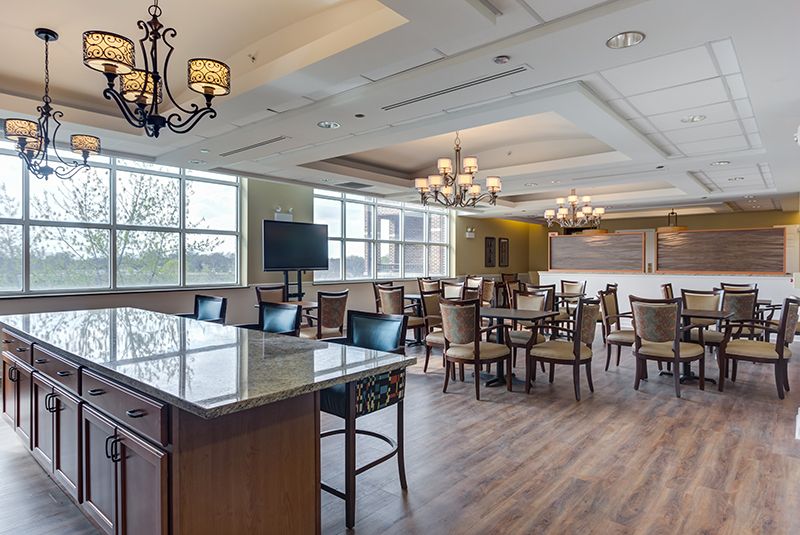
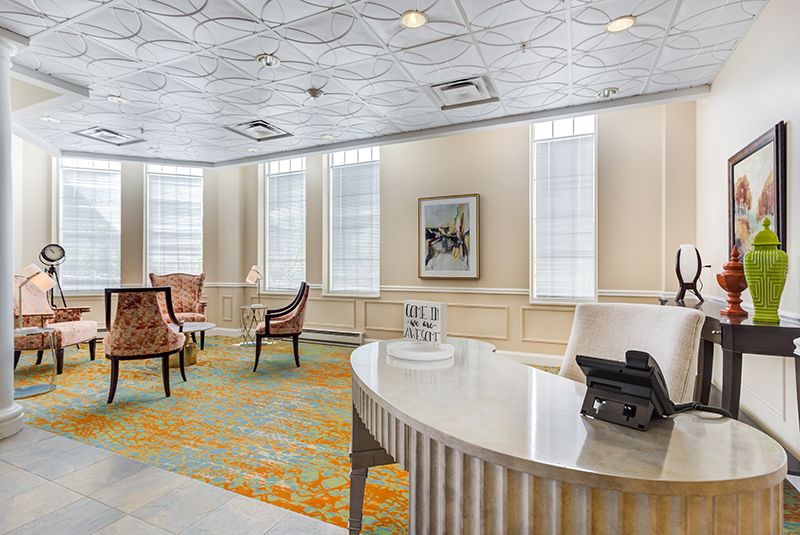
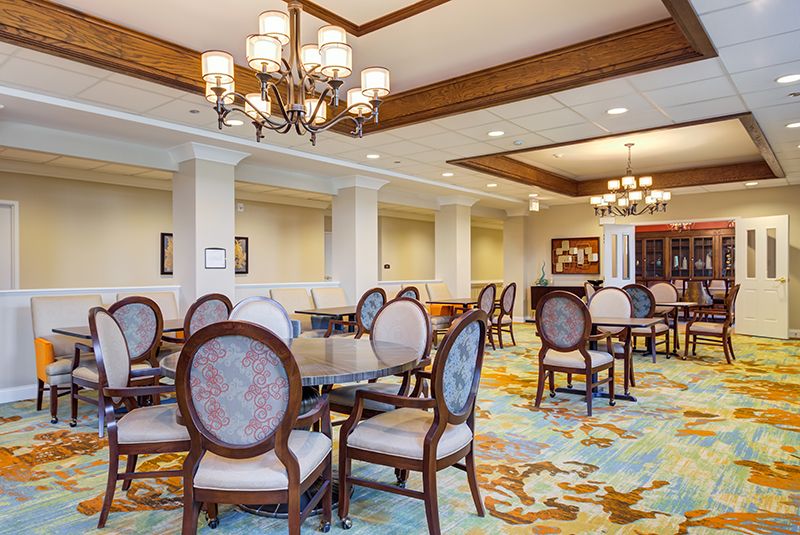
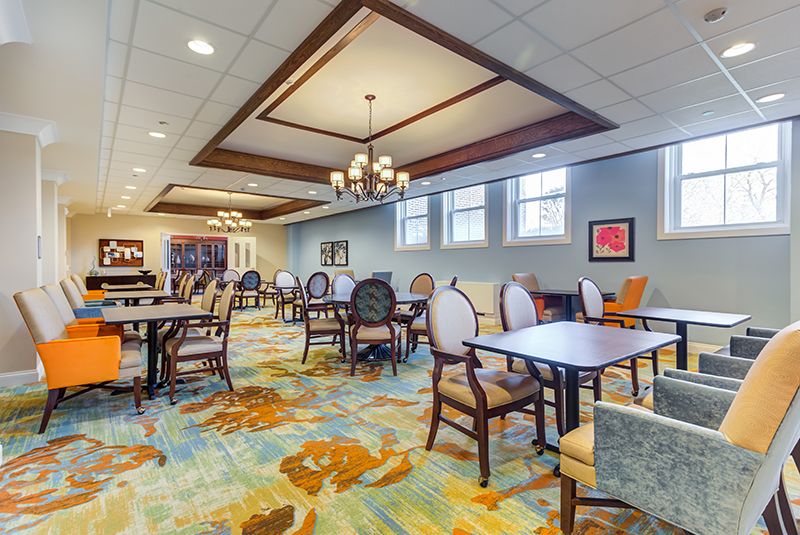
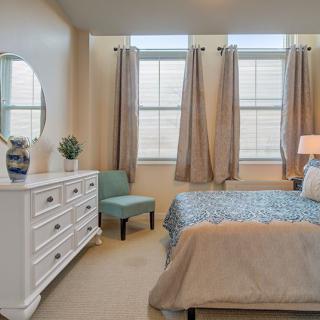
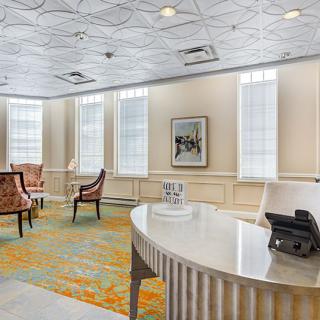
On the positive side, the staff consistently delivers on warmth, responsiveness, and resident comfort. Families describe a team that is genuinely focused on care and convenience, with staff who are quick to address questions and personalize routines. The physical environment earns high marks, top-notch facilities, non-institutional dining, and a setting that feels homey yet polished. The dining experience in particular stands out as a meaningful differentiator, with meals described as delicious and nutritious rather than bland or utilitarian. When combined with strong social programming and accessible religious services, these elements create a daily life that feels integrated and uplifting, which can significantly ease the transition for new residents and their families.
The most consequential trade-off concerns the balance between cost and perceived value, especially when compared with the quality of care and the breadth of programming. For families who can absorb the expense, the advantages, consistent, courteous staff; proactive engagement; a thriving cultural life; and a community that feels welcoming and inclusive, often offset the price tag. The facility’s memory-care praise from some quarters also suggests that, while criticism exists, meaningful experiences and individualized attention still occur for residents who require more specialized support. The presence of a theatre, regular music and arts activities, and a calendar of events helps mitigate the risk of boredom for many residents, even if memory-floor critiques warrant careful scrutiny during an in-person evaluation.
Ultimately, the decision should align with the resident’s needs and the family’s priorities. This community excels for those who value a warm, responsive staff, high-quality meals, engaging programming, and a religiously friendly environment in a convenient urban setting. Families should consider alternatives if budget constraints are non-negotiable, if memory-care demands are high and require a more structured, activity-rich framework, or if stability of caregiving teams post-transition is a top criterion. Before making a commitment, it is prudent to verify the current ownership and staffing climate, request a transparent outline of memory-care offerings and activity schedules, and arrange a firsthand tour focused on day-to-day routines, the cadence of caregiver shifts, and the exact scope of what “around-the-clock expert care” looks like in practice.
In practical terms, families evaluating this community should walk through the memory-care floor, ask to see actual activity calendars, and discuss how staff turnover is being addressed by leadership. Inquire about recent changes since new ownership, what initiatives have been implemented to preserve culture and consistency? Review the dining program with the culinary team to confirm menu variety, nutritional balance, and the flexibility to accommodate evolving resident needs. Finally, map out a decision timeline: confirm the total monthly cost, what is included, and what may incur additional charges, then compare against a few carefully selected alternatives that specifically target memory-care depth, budget predictability, and a more intimate setting. This disciplined approach ensures the strongest possible match between resident needs and the community’s distinctive strengths.
 69 resident community capacity
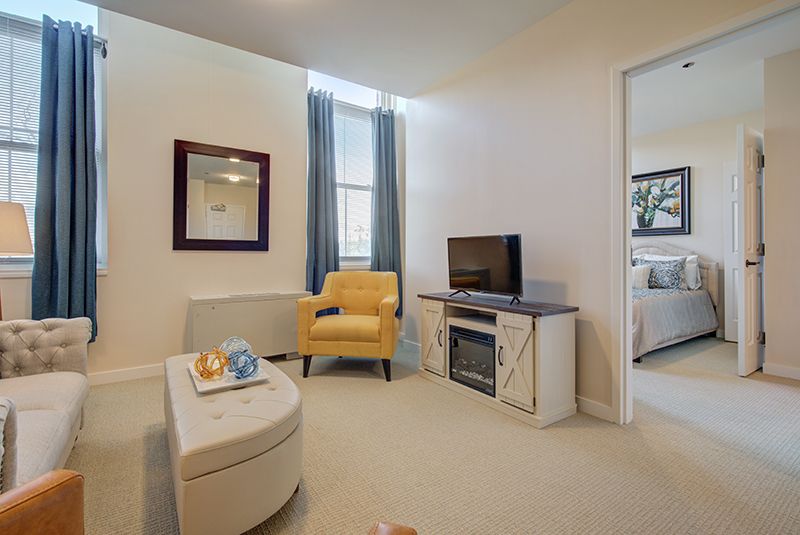
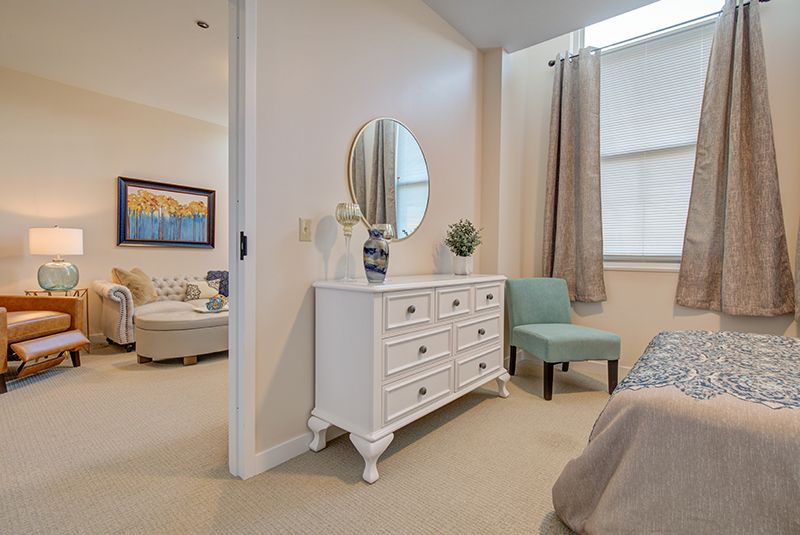
 1-bedroom apartments
 Assisted Living
 Memory Care
 Cats allowed
 Dogs allowed
 Activities off-site
 Air-conditioning
 Beautician on-site
 Cable or satellite TV
 Computer center
 Devotional services on-site
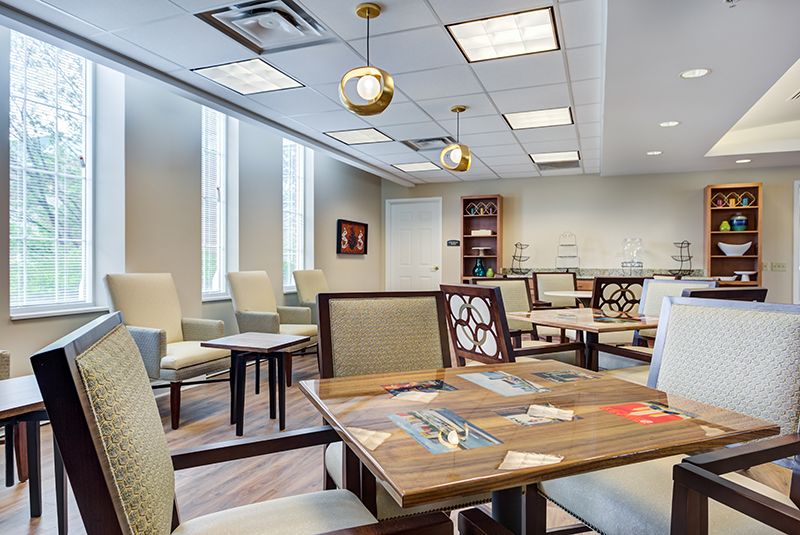
 Dining room
 Fitness room
 Fully furnished
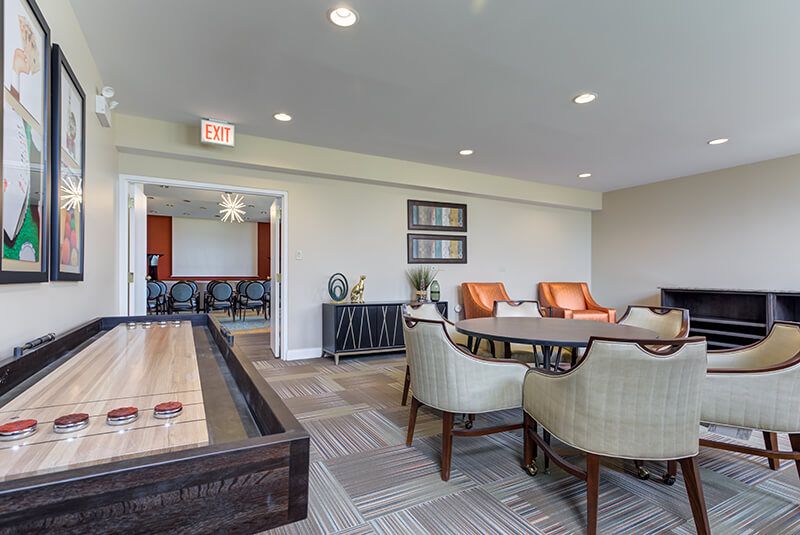
 Gaming room
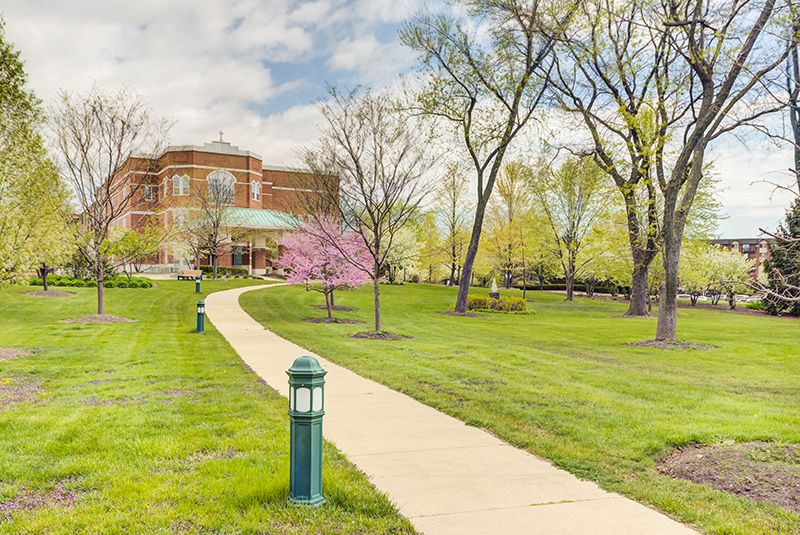
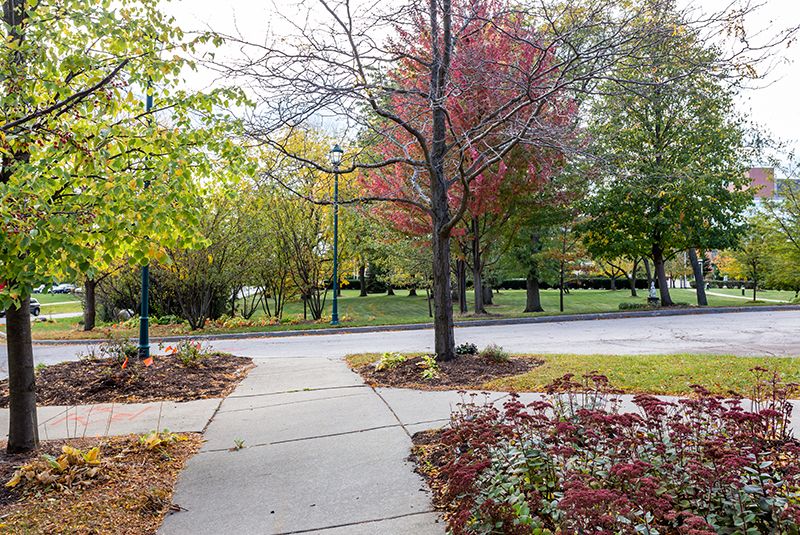
 Garden
 Guest parking
 Housekeeping services
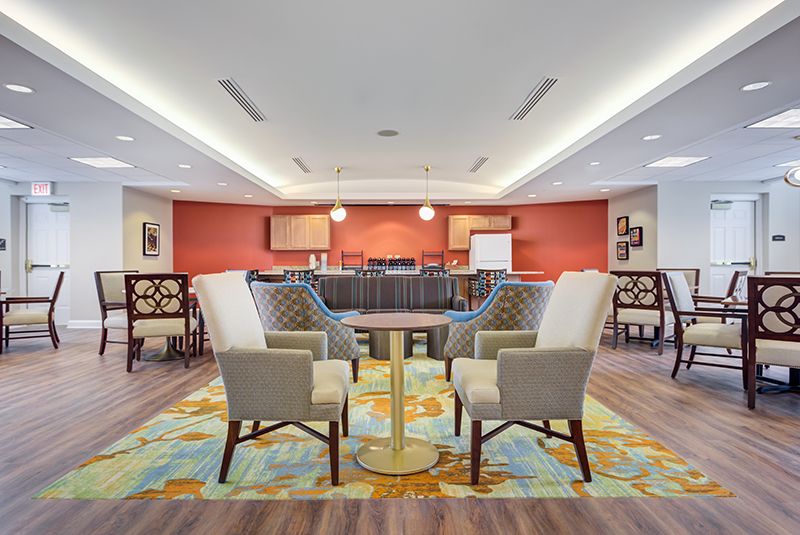
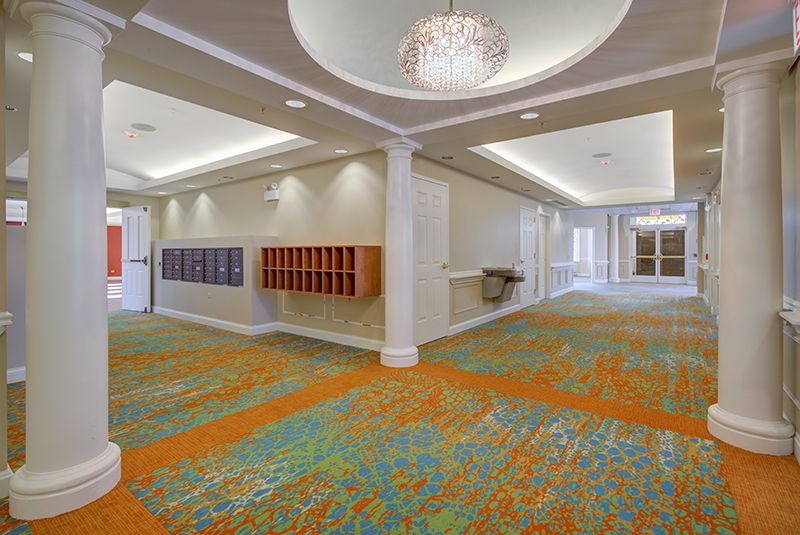
 Indoor common areas
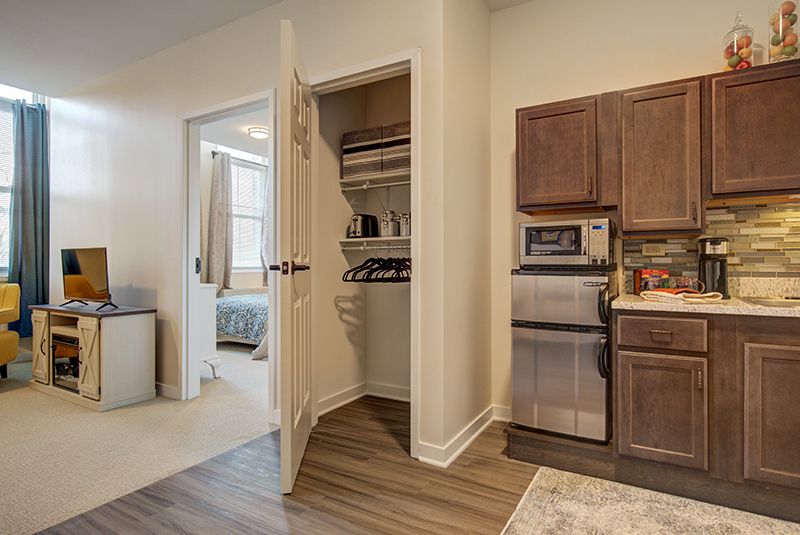
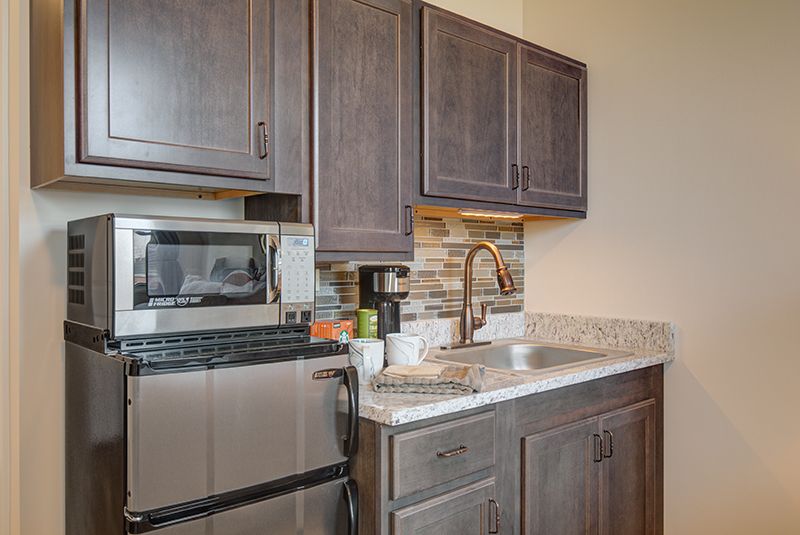
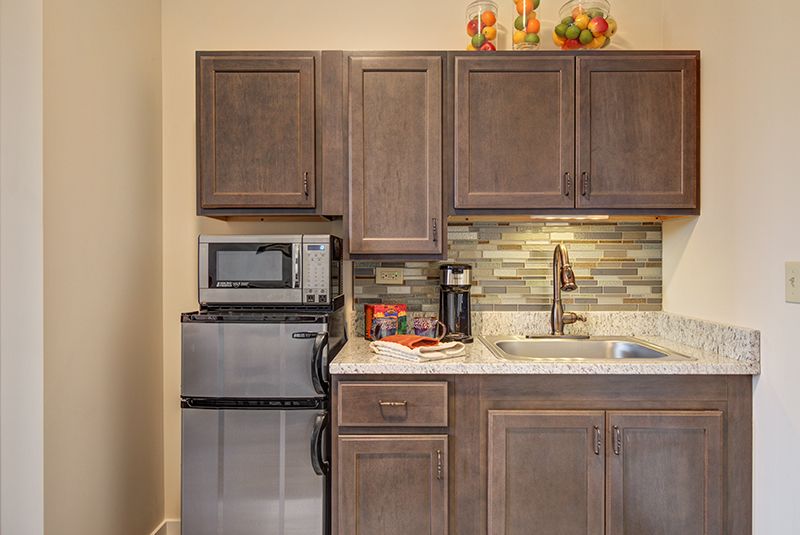
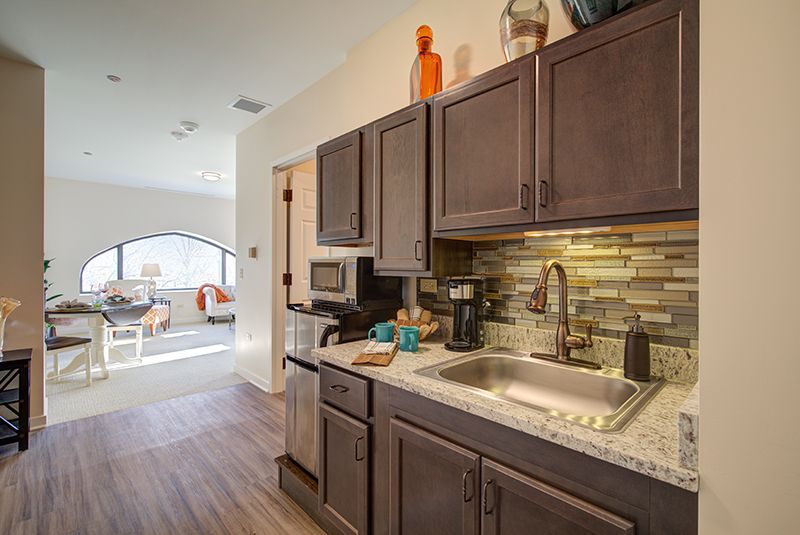
 Kitchenette
 Laundry
 Move-in coordination
 Outdoor common areas
 Party space
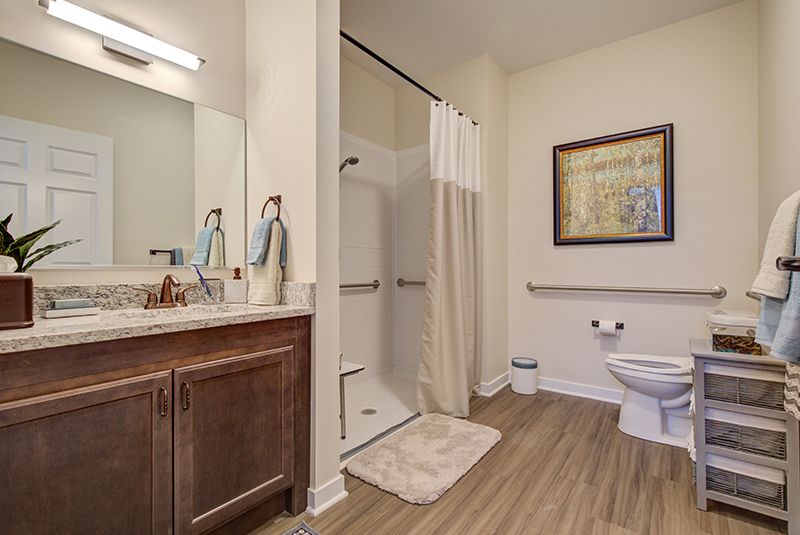
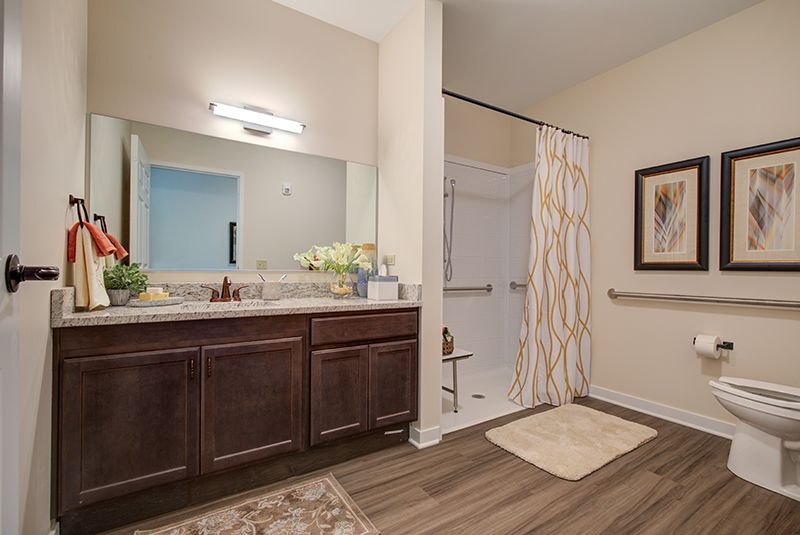
 Private bathrooms
 Respite or short term stays offered
 Restaurant-style dining
 Small library
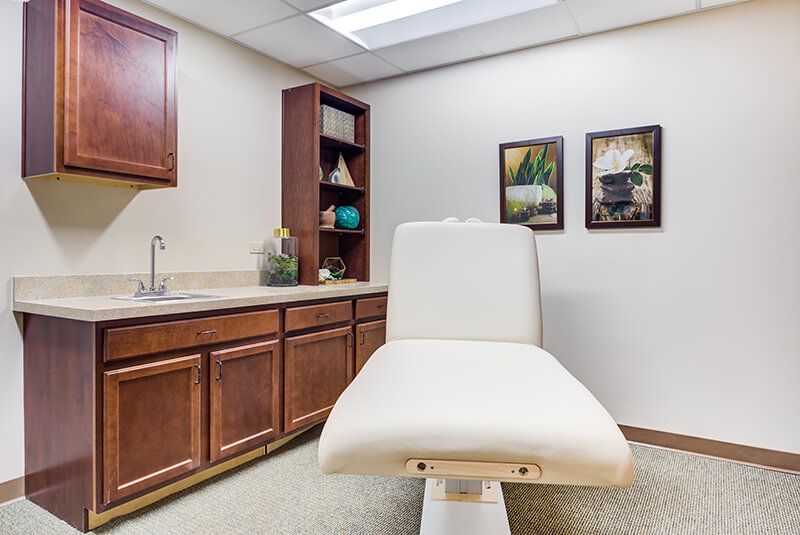
 Spa
Spa Telephone
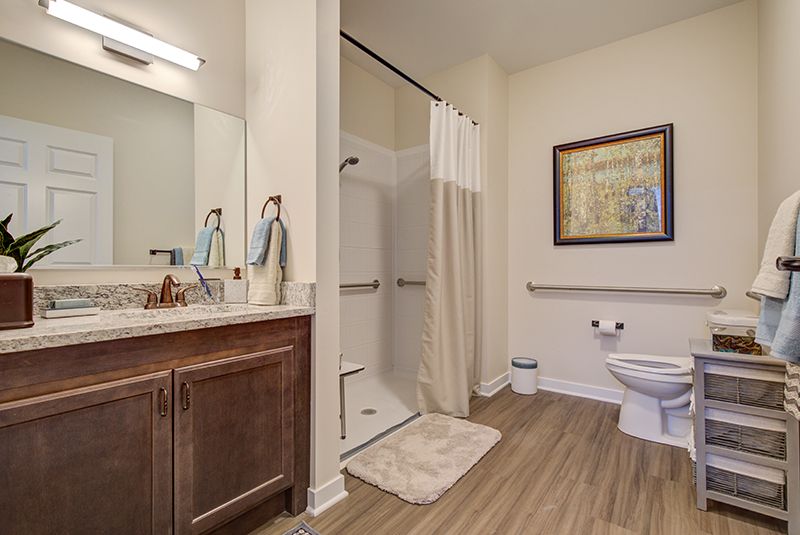
 Wheelchair accessible showers
 Wi-Fi/high-speed internet available
 Chicago O'Hare International (5 miles away)
 Community operated transportation
 12-16 hour nursing
 24-hour call system
 Ambulatory care
 Assistance with bathing
 Assistance with dressing
 Assistance with transfers
 Companion care
 Diabetes diet
 Diabetic care
 Hospice waiver
 Incontinence care
 Medication management
 Mental wellness program
 Special dietary restrictions
 Transportation arrangement (medical)
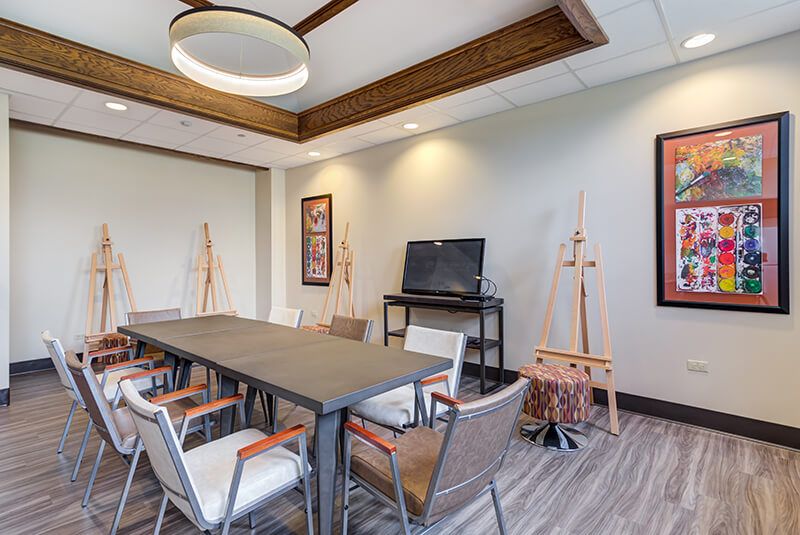
 Arts and crafts
 Concierge services
 Games
Games Live musical performances
 Planned day trips
 Sensory-based programs



 Guiding Your Journey: Understanding Power of Attorney for Elderly Parents
 22 Remarkable Caregiver Support Groups Available Online and In-Person
 Understanding Medicaid Coverage for Assisted Living: A Comprehensive Guide