For more information about senior living options: (866) 208-4318
4.6 from 51 reviews
5 stars
38
4 stars
8
3 stars
2
2 stars
3
1 stars
0
Overall Review of Danish Home of Chicago
differentiator15 reviews mention this
Care team support feels personal
Residents describe a highly attentive care team with consistent nurse and CNA support.
Across many reviews, residents and family members point to nurses and caretakers who provide day-to-day attention and respond to needs. Multiple reviewers also emphasize that the nursing leadership and long-term staff make a noticeable difference in how their loved one is doing. The community also offers ambulatory care and diabetic care as part of its care services.
common5 reviews mention this
Food gets repeated praise
Residents and families repeatedly praise the community’s food and kitchen.
Several reviews mention excellent food, including pastries and other items served during community events. Others call out the kitchen specifically, and one reviewer highlights the chef and says their loved one doesn’t have to worry about cleaning or laundry. Overall, the dining experience comes up as a recurring positive.
common4 reviews mention this
Activities and events matter
Residents have plenty to do, with events that bring people together.
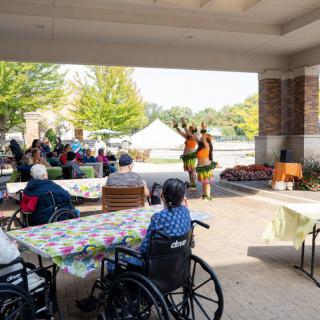
Reviewers describe on-site activities and also mention off-site devotional activities. Community events like a Danish festival and summer fest come up more than once, and at least one review talks about family-friendly events such as picnics and dinners. For residents, reviews also describe days spent enjoying the company of other seniors and the activities offered.
common4 reviews mention this
Clean, quiet setting stands out
The community’s clean, quiet atmosphere and pleasant spaces are frequently noted.
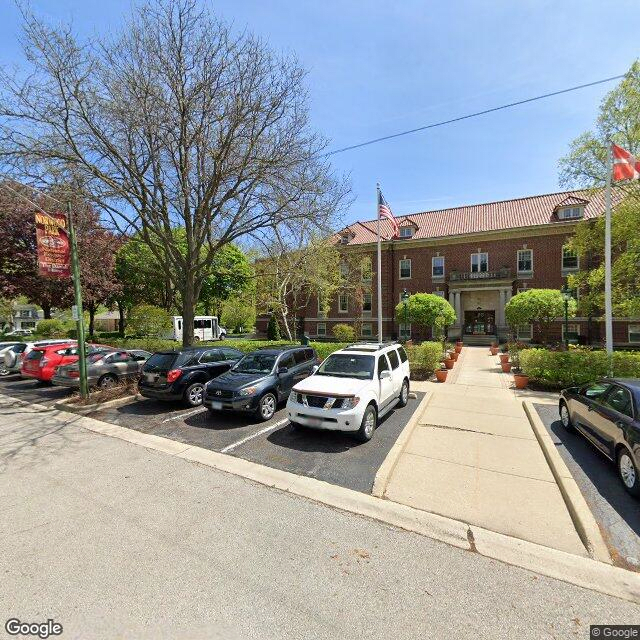
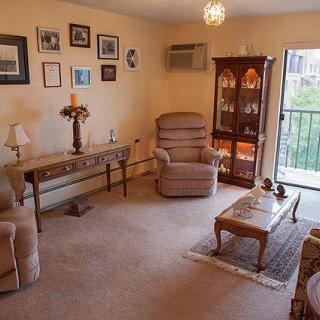
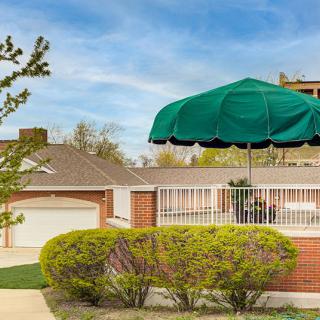
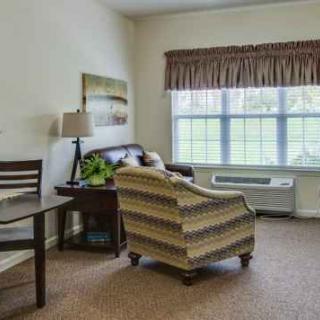
A few reviews highlight cleanliness, describing the environment as clean and well-kept. Others mention a quiet feel and a nice setting, including outdoor gardens or lawns and visitor parking. A reviewer also describes a suite with lots of windows and the comfort of spending time with other seniors.
How we summarize
Counts show how many written reviews mention each theme; a review can touch several themes, and only frequently mentioned themes are displayed.
Features
Types of Care
Assisted Living
Memory Care
Skilled Nursing Facility
Amenities
Activities on-site
Devotional services off-site
Indoor common areas
Transportation
Chicago O'Hare International (5 miles away)
Chicago Midway (14 miles away)
Care Services
Ambulatory care
Diabetic care
Dining
Meals provided
Activities
Activities on-site
Devotional activities offsite
Nearby Places of Interest
This area of Chicago, Illinois, offers a convenient location with easy access to pharmacies such as CVS and Walgreens, as well as medical facilities like Resurrection Medical Center Professional Building and North Shore Physicians Group. There are plenty of dining options nearby including Superdawg Drive-In, Chick-Fil-A, Culver's, and more. Transportation is readily available with the Jefferson Park Bus Terminal and CTA stations close by. For entertainment, there are theaters like AMC Village Crossing Theatre and parks such as Portage Park and Independence Park within a short distance. Additionally, hospitals like Swedish Covenant Hospital Cancer Care and Saint Francis Hospital provide accessible healthcare services. Overall, this neighborhood provides a mix of amenities that could make it a comfortable and convenient choice for senior living.
Pharmacies
CVS Pharmacy (0.8 miles)
Walgreens (0.9 miles)
CVS Pharmacy (1.8 miles)
CVS Pharmacy (2 miles)
Walgreens (2 miles)
Walgreens (2.1 miles)
Walgreens (2.3 miles)
Physicians
Resurrection Medical Center Professional Building (0.9 miles)
The article highlights eight indicators that a loved one with dementia may require specialized memory care, emphasizing the emotional and logistical challenges families encounter in this decision. It discusses signs such as difficulties with daily tasks, safety concerns, and caregiver burnout, suggesting that memory care facilities can provide the necessary support and structured environments for those experiencing cognitive decline.
Dementia, primarily caused by Alzheimer's disease but also linked to other conditions, leads to cognitive decline impacting memory and daily functioning, with individuals experiencing varied awareness of their impairments. Despite memory loss, emotional connections persist, enabling responses to familiar stimuli, highlighting the need for caregivers to provide compassionate support that recognizes both limitations and retained emotional depth.
The article presents five subtle indicators of dementia, such as memory lapses and mood swings, to help families assess cognitive decline in loved ones. It emphasizes early detection, open communication, and seeking professional help while providing practical support steps.
Get PricingAsk A QuestionSchedule A TourContact Senior Advisor
By clicking submit, you agree to our Partner's Terms of Use. You
also consent to receive calls and texts, which may be autodialed, from our Partner. Your consent is not a condition to
using our Partner's service. Please visit our Partner's Privacy Policy for information about their privacy practices.

 Assisted Living
 Memory Care
 Skilled Nursing Facility
 Activities on-site
 Devotional services off-site
 Indoor common areas
 Chicago O'Hare International (5 miles away)
 Ambulatory care
 Diabetic care
 Meals provided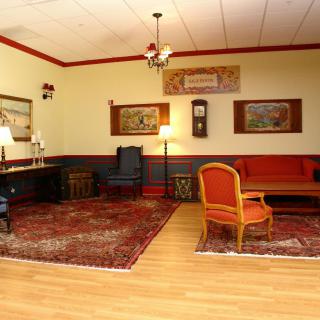
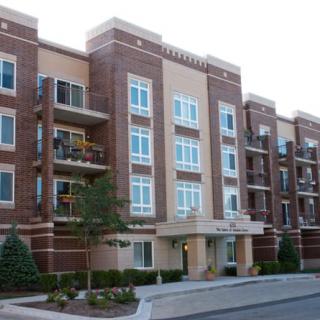
 Caring staff in a clean, active environment with personalized living spaces.

 8 Important Indicators That Memory Care May Be Necessary
 Delving into the Inner World of Dementia: Insights into Thoughts and Awareness
 Five Subtle Dementia Indicators to Observe: An In-Depth Guide to Understanding “Does My Mom Have Dementia?”