Central Baptist Village offers competitive pricing for its various room types, making it an attractive option for those looking for affordable senior living. For a studio apartment, residents can expect to pay $2,207 per month, significantly less than the average costs of $3,762 in Cook County and $4,028 across Illinois. The one-bedroom units are similarly priced at $2,974, which is quite reasonable compared to the county's average of $3,256 and the state's average of $3,527. Even for two-bedroom accommodations, Central Baptist Village remains competitive at $3,754 compared to $4,412 in Cook County and $4,208 statewide. Overall, the cost structure at Central Baptist Village presents a financially appealing alternative while maintaining quality senior care within its community.
Floor plans
Central Baptist Village
Cook County
Illinois
Studio
$2,207
$3,762
$4,028
1 Bedroom
$2,974
$3,256
$3,527
2 Bedrooms
$3,754
$4,412
$4,208
Assisted Living communities with a similar price nearby
from +$289 / mo
Sedgebrook
4.8 from 177 reviews
$2,496 to $7,925 / month
15.8 miles away
from -$368 / mo
Vi At The Glen
4.8 from 86 reviews
$1,839 to $4,329 / month
7.9 miles away
from +$193 / mo
Presence Bethlehem Woods Retirement Community La Grange
Residents and families frequently describe attentive, caring staff who stay engaged.
Across many reviews, people praise the staff for being kind, professional, and responsive, including nurses, therapy staff, CNAs, and social work. Several reviewers highlight communication and updates, describing frequent reassurance during day-to-day care and during family check-ins. A few reviewers specifically mention staff knowing residents and even families by name, which they say helps create comfort and continuity.
common21 reviews mention this
Facility is consistently described clean
Multiple reviews highlight cleanliness and a well-kept environment inside and out.
Many reviewers describe the community as clean, bright, and well maintained, from common areas to rooms. Several mention the building being spotless or immaculate, and some describe outdoor spaces and walking areas as part of the appeal. A few also reference smooth day-to-day comfort, such as regular room upkeep and responsive attention to personal needs.
common18 reviews mention this
Activities help residents stay involved
Residents are described as having plenty to do, from weekly activities to trips.
Reviews frequently mention regular activities that keep residents engaged, including group activities and opportunities to socialize. Some reviewers call out field trips, day programs, and resident participation, including in memory care. Several also describe outings and entertainment as meaningful parts of life at the community.
common16 reviews mention this
Food receives steady praise
Food quality and dining experiences are often described positively by families.
A recurring theme in reviews is that meals are good and enjoyable, with multiple families saying their loved ones eat well. Some reviewers mention variety through menu options and staff help around dining routines. Others describe the dining setup as welcoming and well cared for, reinforcing the overall daily comfort residents report.
common12 reviews mention this
COVID response and family updates
Many families praise pandemic precautions and thorough communication.
Several reviews describe strong COVID-era safety practices and efforts to protect residents and staff. Many reviewers also mention communication, including keeping families informed with updates during restricted visiting periods. Others describe alternative ways to stay connected, such as video or phone check-ins and planned safe visits.
caveat2 reviews mention this
Communication can break down during issues
A small number of reviews describe difficulty getting clear answers during care problems.
While most reviews are positive, a couple of reviewers describe situations where they struggled to reach staff or did not feel they received timely, clear communication. One review details frustration after a denial related to re-admission and says it was hard to obtain clinical information. Another review recounts challenges communicating during an unresolved equipment issue, describing it as impossible to get updates.
differentiator1 reviews mention this
Pricing appears well below benchmarks
Listed rates are substantially below county and state benchmarks across unit types.
On the pricing side, the listed ranges for studio, one-bedroom, and two-bedroom units are all shown as well below county and state benchmarks. That said, there is also at least one negative review that frames cost and finances as a concern. So pricing may be a strong point for many households, but experiences can vary depending on the specific situation.
How we summarize
Counts show how many written reviews mention each theme; a review can touch several themes, and only frequently mentioned themes are displayed.
Features
Housing
96 resident community capacity
Types of Care
Assisted Living
Continuing Care Retirement Community (CCRC)
Independent Living
Memory Care
Respite Care
Skilled Nursing Facility
Amenities
Activities off-site
Activities on-site
Air-conditioning
Bath tubs
Beautician on-site
Beauty salon
Cable or satellite TV
Computer center
Devotional services off-site
Devotional services on-site
Dining room
Fitness room
Fully furnished
Gaming room
Garden
Ground floor units
Handicap accessible
Housekeeping services
Indoor common areas
Kitchenette
Move-in coordination
Outdoor common areas
Outdoor space
Private bathrooms
Respite or short term stays offered
Restaurant-style dining
Small library
Telephone
Wellness center
Wheelchair accessible showers
Wi-Fi/high-speed internet available
Transportation
Chicago O'Hare International (4 miles away)
Chicago Midway (13 miles away)
Community operated transportation
Transportation arrangement
Transportation arrangement (non-medical)
Transportation to doctors appointments
Care Services
12-16 hour nursing
24-hour call system
24-hour supervision
Activities of daily living assistance
Assistance with bathing
Assistance with dressing
Assistance with transfers
Diabetes diet
Diabetic care
High acuity care
Incontinence care
Meal preparation and service
Medication management
Mental wellness program
Special dietary restrictions
Dining
Diabetes diet
Gluten-free
Guest meals
International cuisine
Low / no sodium
Meals provided
No Sugar
Professional chef
Restaurant style dining
Room service
Special dietary restrictions
Special dining programs
Vegan
Vegetarian
Activities
Art classes
Bible study group
Catholic services
Community-sponsored activities
Concierge services
Cooking classes
Devotional activities offsite
Devotional activities on-site
Educational speakers / life long learning
Fitness programs
Other religious services
Planned day trips
Protestant services
Resident-run activities
Scheduled daily activities
Visiting chaplain or priest
Nearby Places of Interest
Harwood Heights, Illinois is a vibrant community with convenient access to various amenities and services essential for senior living. The area boasts several pharmacies within a short distance, making it easy for residents to obtain their medications. Additionally, there are reputable physicians' offices nearby for any medical needs. Transportation options are also readily available, including bus terminals and airport facilities. For entertainment, there are theaters and a variety of restaurants serving different cuisines. Parks offer opportunities for outdoor activities and relaxation. Hospitals in the vicinity ensure access to quality healthcare services when needed. Overall, Harwood Heights provides a well-rounded environment for seniors looking for a comfortable and convenient place to reside.
Pharmacies
Walgreens (1.2 miles)
CVS Pharmacy (2 miles)
Walgreens (2.2 miles)
Walgreens (2.4 miles)
Walgreens (2.5 miles)
Walgreens (2.9 miles)
CVS Pharmacy (3 miles)
Physicians
Resurrection Medical Center Professional Building (1.6 miles)
Physicians Cosmetic Institute (3.9 miles)
North Shore Physicians Group (5.4 miles)
Transportation
Cta (2.1 miles)
Jefferson Park Bus Terminal (3.3 miles)
SAS Business Lounge (3.3 miles)
Cta (3.3 miles)
Terminal 5 (3.4 miles)
O'Hare Multi-Modal Facility (3.4 miles)
American Airlines Flagship Lounge, Chicago O'Hare (3.8 miles)
Central Baptist Village offers competitive pricing for its various room types, making it an attractive option for those looking for affordable senior living. For a studio apartment, residents can expect to pay $2,207 per month, significantly less than the average costs of $3,762 in Cook County and $4,028 across Illinois. The one-bedroom units are similarly priced at $2,974, which is quite reasonable compared to the county's average of $3,256 and the state's average of $3,527. Even for two-bedroom accommodations, Central Baptist Village remains competitive at $3,754 compared to $4,412 in Cook County and $4,208 statewide. Overall, the cost structure at Central Baptist Village presents a financially appealing alternative while maintaining quality senior care within its community.
Central Baptist Village incorporates several essential features that significantly enhance the quality of memory care for residents facing dementia or Alzheimer's disease. The 24-hour supervision ensures a safe environment, allowing staff to address any immediate needs or emergencies promptly. Assistance with activities of daily living, such as bathing and dressing, not only promotes personal hygiene but also fosters dignity and independence, which can be particularly important for those experiencing cognitive decline. Help with transfers and incontinence care further supports physical comfort and mobility, helping residents feel more secure in their surroundings. Meal preparation and service are tailored to meet nutritional needs while accommodating the preferences of residents, thereby promoting healthy eating habits crucial for overall well-being. Medication management ensures adherence to prescribed treatments without confusion, contributing to better health outcomes. Finally, a mental wellness program focuses on cognitive stimulation and social interaction, which are vital for maintaining mental engagement and emotional health among individuals with memory impairments. Together, these features create a supportive structure that addresses both the physical and emotional needs of residents dealing with memory loss.
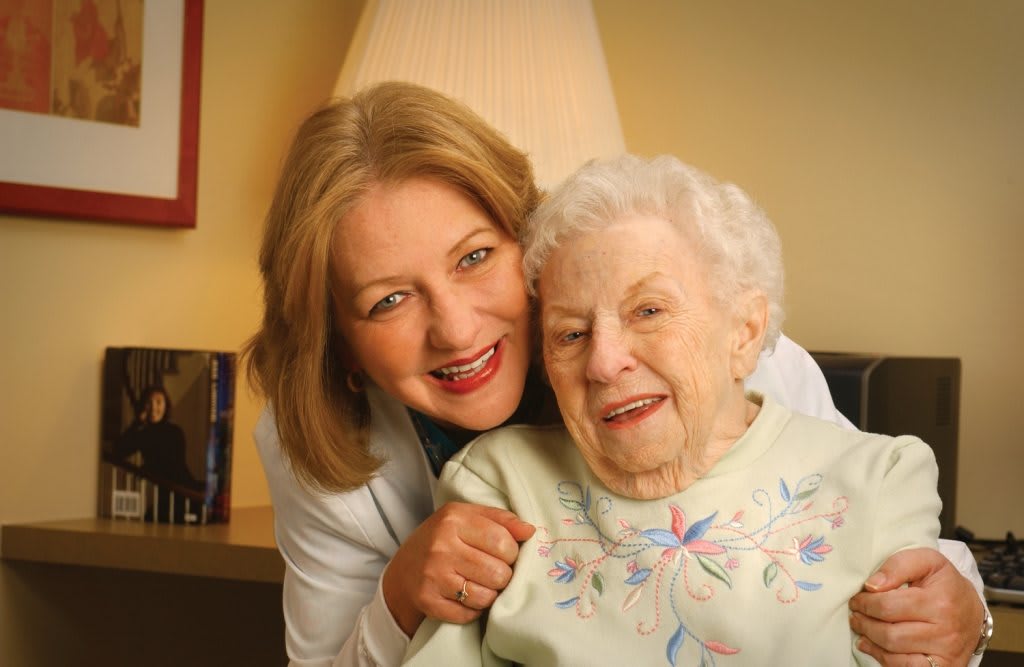
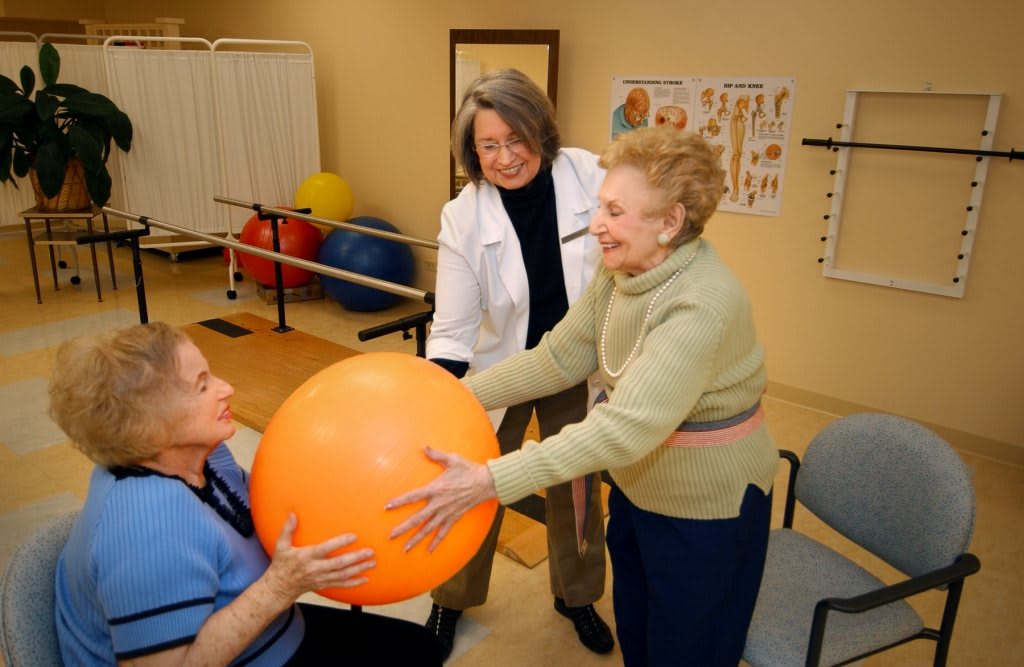
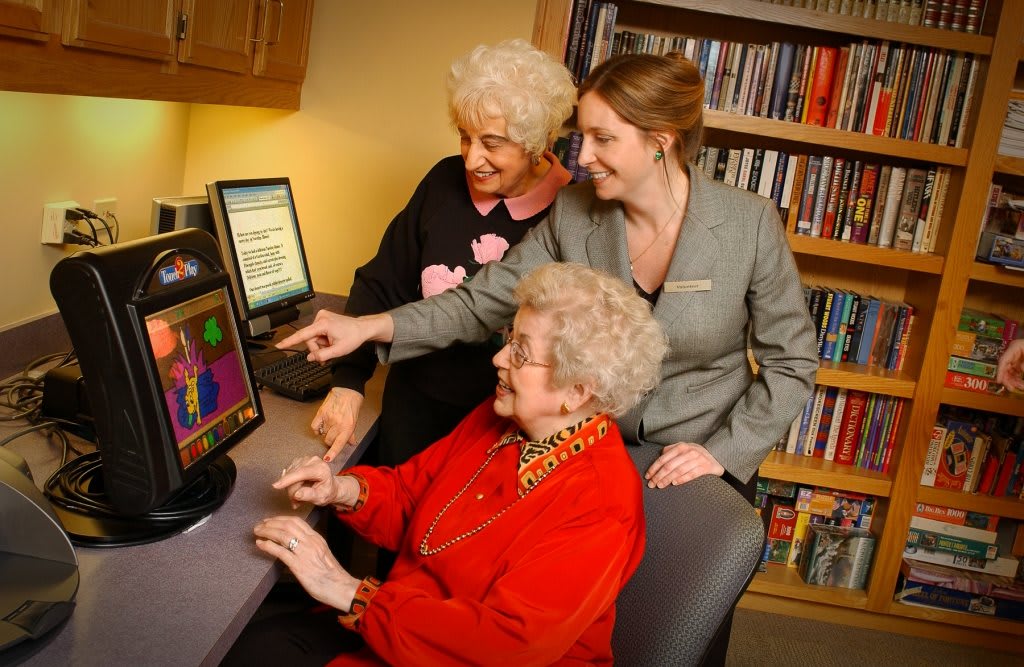
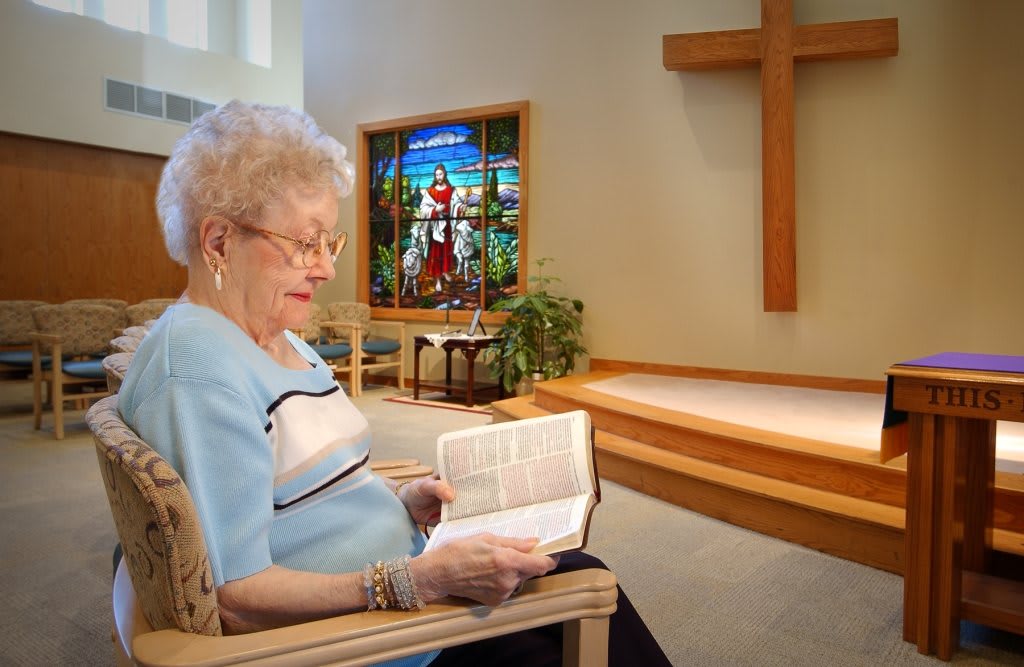
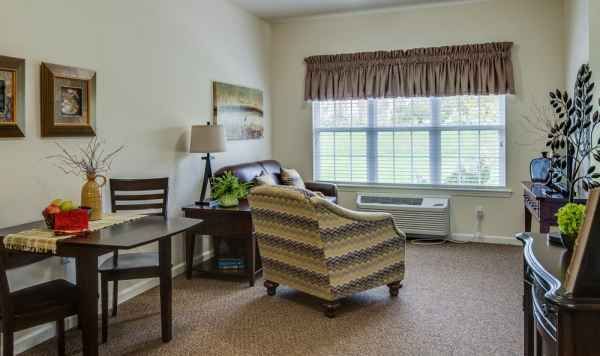
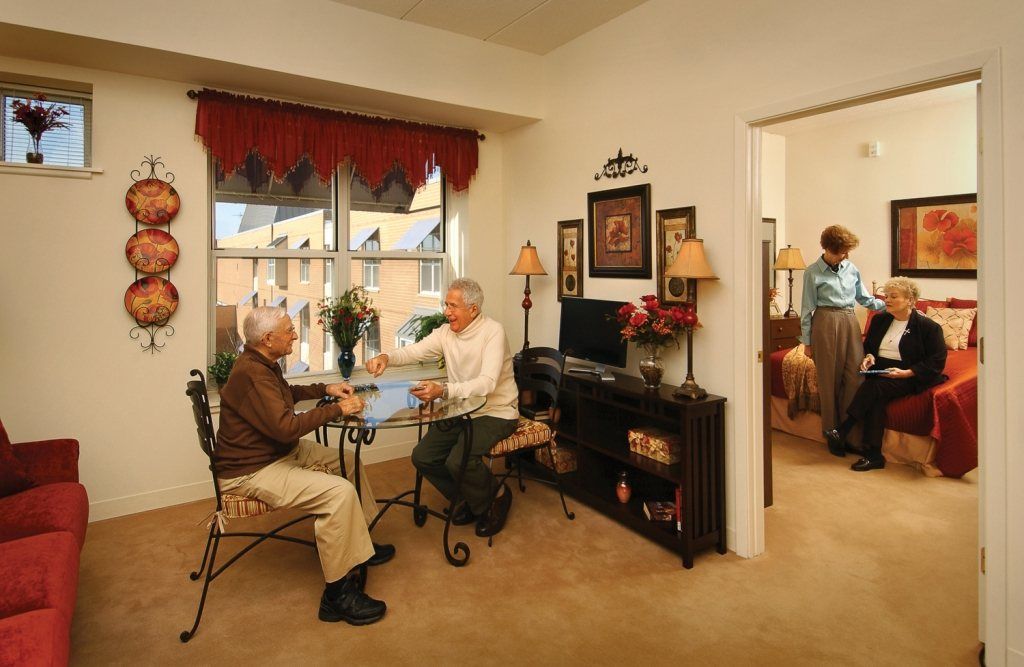
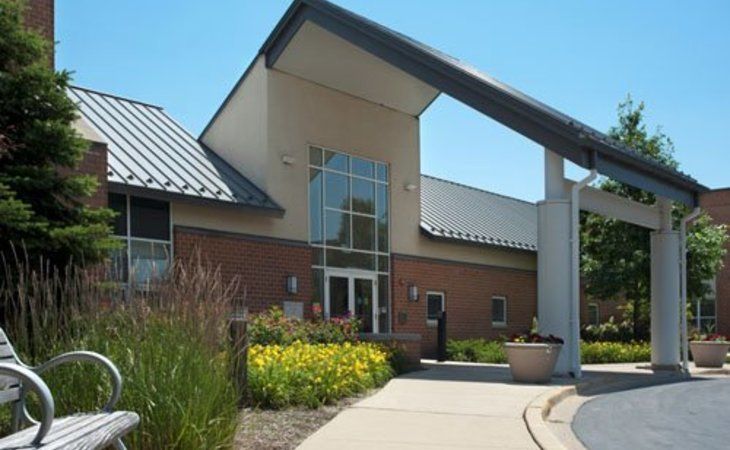
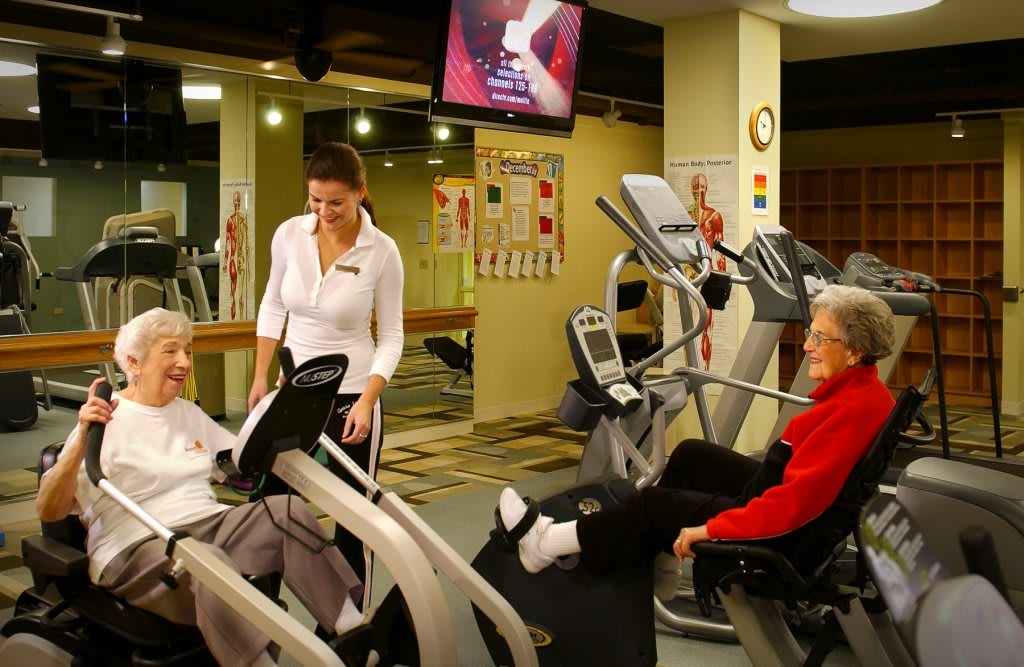
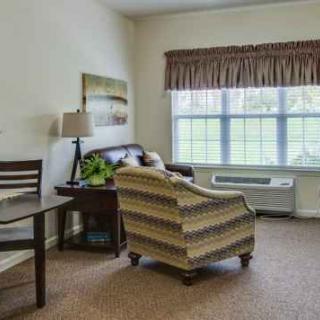
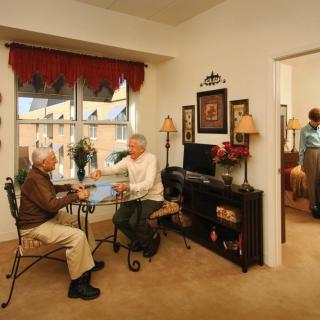
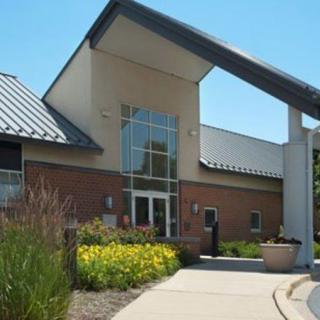
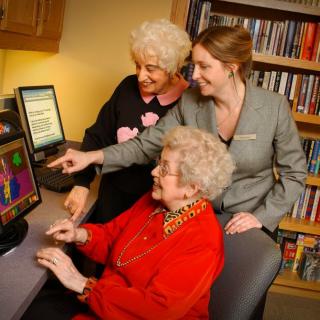
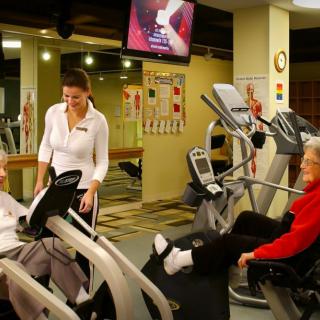
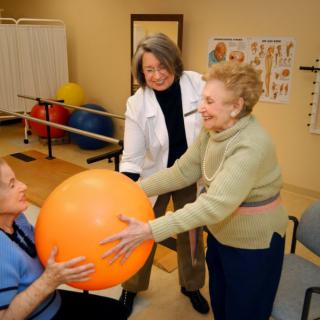
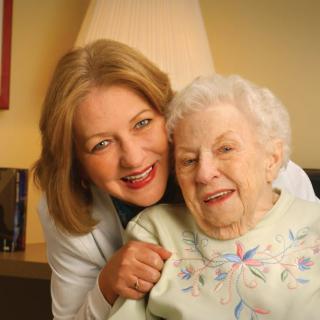
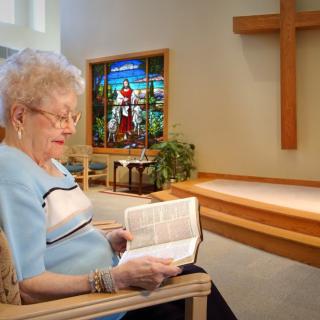
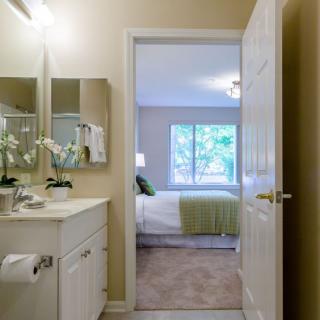
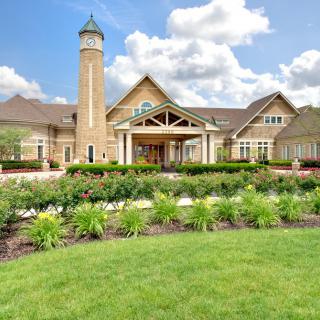
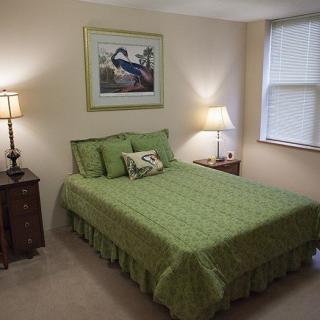
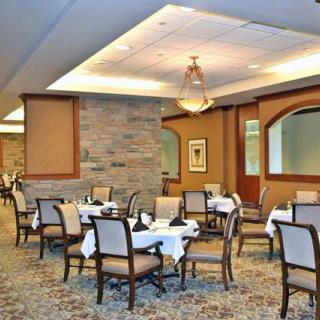
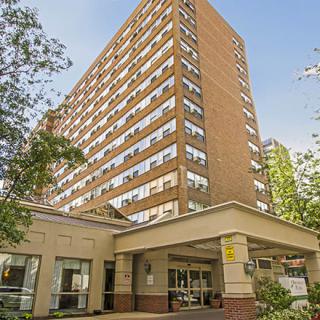
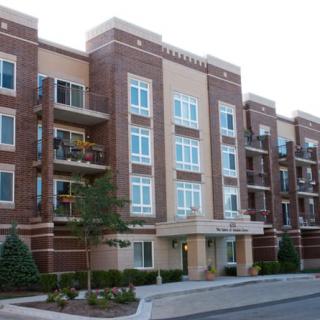
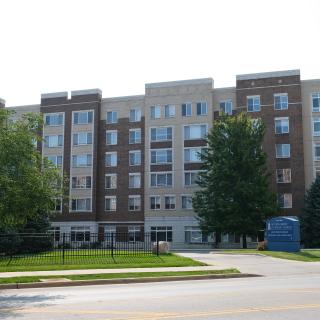
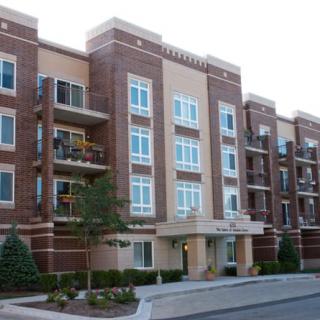
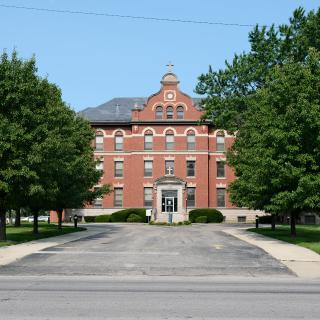
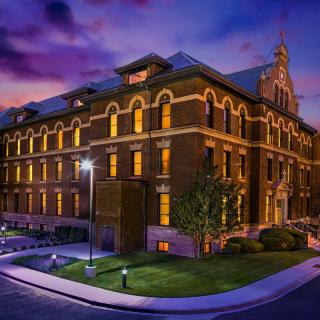
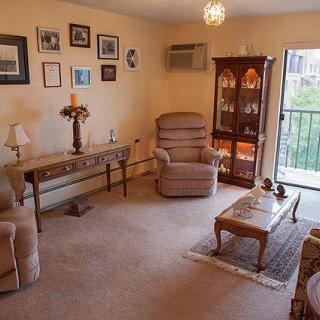
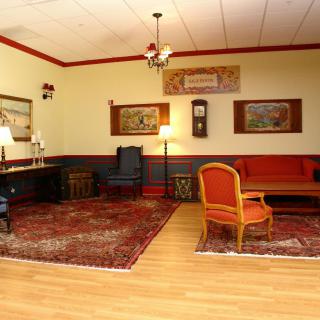
Central Baptist Village on seniors.fyi includes 11 photos including images showing interior, living room, windows, exercise, physical therapy, rehabilitation, healthcare, church, and more.
Nearby Communities
Apex Home Healthcare Inc
Harwood Heights, IL
5 from 4 reviews
Excellent access to nearby healthcare and amenities (pharmacies, physicians, hospitals, dining, transit).
Norridge Gardens
Norridge, IL
3.3 from 110 reviews
Extensive amenities and 24/7 care.
The Suites of Autumn Green at Wright Campus
Chicago, IL
4.3 from 12 reviews
$1,161 to $1,340 / month
Outstanding staff, immaculate facilities, and a convenient, tranquil location with nearby dining and shopping.
Senior Suites Wright Campus
Chicago, IL
4.3 from 8 reviews
$6,750 / month
Premium amenities and comprehensive care (fully furnished suites, restaurant-style dining, 24-hour assistance, mental wellness program).
Autumn Green at Wright Campus
Chicago, IL
4.3 from 156 reviews
$2,950 to $3,700 / month
Excellent staff with spotless, hotel-like facilities and good value.
Senior Suites Chicago Norwood Park
Chicago, IL
4.3 from 19 reviews
Fully furnished suites with restaurant-style dining, a 24-hour call system, and respite care.
Senior Suites of Norwood Park
Chicago, IL
4.5 from 50 reviews
$1,059 to $1,340 / month
Friendly staff, clean and newer apartments, and strong value for the area.
Ascension Living Resurrection Village
Chicago, IL
4.9 from 148 reviews
$1,579 to $2,360 / month
Vibrant, well-maintained community with on-site care options and engaging activities.
Norwood Crossing
Chicago, IL
3.9 from 80 reviews
$6,550 to $7,708 / month
Caring staff in a clean, active environment with personalized living spaces.
At-home dementia care expenses vary widely based on care levels, location, and caregiver expertise, with monthly costs for home health aides exceeding $4,500 and specialized care potentially surpassing $100,000 annually. While families favor in-home care for its comfort and personalized attention, they must consider financial planning and the challenges of caregiver fatigue.
The article discusses the late stages of dementia, detailing the progression from mild to severe impairment and highlighting key characteristics such as profound cognitive decline and dependency in daily activities. It emphasizes care strategies focused on comfort and dignity, the importance of advance directives, and the emotional support needed for family caregivers facing this challenging journey.
The article examines the link between certain medications and increased dementia risk, particularly in older adults, emphasizing that long-term or high-dose use of anticholinergics, benzodiazepines, and other drug classes can exacerbate cognitive impairment. It calls for careful medication evaluation and shared decision-making to mitigate these risks while managing treatment efficacy.
Get PricingAsk A QuestionSchedule A TourContact Senior Advisor
By clicking submit, you agree to our Partner's Terms of Use. You
also consent to receive calls and texts, which may be autodialed, from our Partner. Your consent is not a condition to
using our Partner's service. Please visit our Partner's Privacy Policy for information about their privacy practices.



 96 resident community capacity
 Assisted Living
 Continuing Care Retirement Community (CCRC)
 Independent Living
 Memory Care
 Respite Care
 Skilled Nursing Facility
 Activities off-site
 Air-conditioning
 Bath tubs
 Beautician on-site
 Cable or satellite TV
 Computer center
 Devotional services off-site
 Dining room
 Fitness room
 Fully furnished
 Gaming room
 Garden
 Ground floor units
 Handicap accessible
 Housekeeping services
 Indoor common areas
 Kitchenette
 Move-in coordination
 Outdoor common areas
 Private bathrooms
 Restaurant-style dining
 Small library
 Telephone
 Wellness center
 Wheelchair accessible showers
 Wi-Fi/high-speed internet available
 Chicago O'Hare International (4 miles away)
 Community operated transportation
 12-16 hour nursing
 24-hour call system
 Assistance with bathing
 Assistance with dressing
 Assistance with transfers
 Diabetes diet
 Diabetic care
 High acuity care
 Incontinence care
 Medication management
 Mental wellness program
 Special dietary restrictions
 Art classes
 Bible study group
 Concierge services
 Cooking classes
 Educational speakers / life long learning
 Planned day trips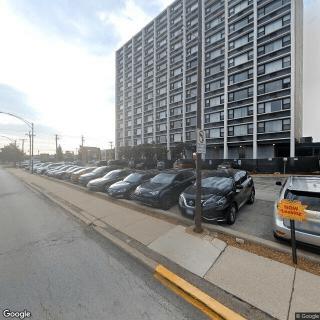
 Excellent access to nearby healthcare and amenities (pharmacies, physicians, hospitals, dining, transit).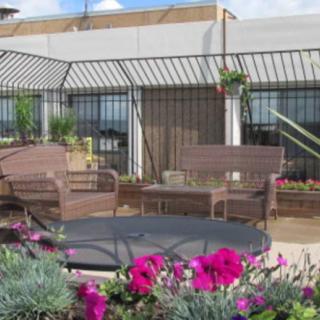
 Estimating the Expenses of At-Home Dementia Care: A Detailed Exploration
 Comprehensive Insights on the Late Stages of Dementia: What to Expect and How to Provide Care
 Medications Associated with Dementia Risk: A Comprehensive Overview