Norridge Gardens

Save

Norridge Gardens

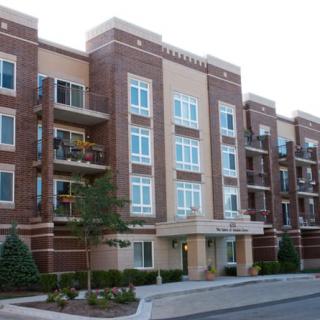
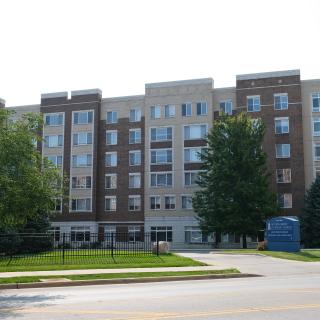
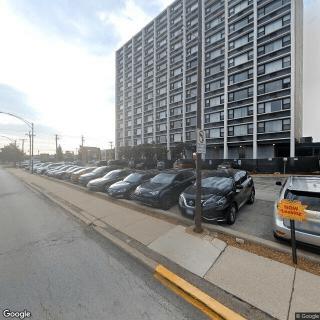
7001 West Cullom, Norridge, IL 60634

For more information about senior living options: (844) 490-3973

3.2 from 94 reviews
5 stars
46
4 stars
5
3 stars
2
2 stars
3
1 stars
38

Skilled Nursing Facility

Overall Review of Norridge Gardens

Pros

  • pro Excellent treatment from staff.
  • pro The nurses have the best interest of the residents' health.
  • pro They have worked with Kim from the beginning and are tuned in to her needs.
  • pro They were congenial and seemed to really know who Kim was.
  • pro Norridge Gardens is not a fancy facility, but the people who work there are compassionate and knowledgeable.
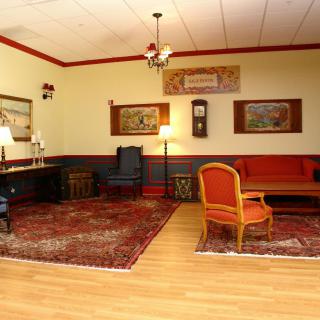
  • pro The day room in memory care is lively with many residents participating in group activities.
  • pro The place is very clean; you could eat off the floors.
  • pro G was a fantastic social worker, making the discharge go smoothly and bringing warmth.

Cons

  • pro A reviewer gave zero stars and did not recommend Norridge Gardens.
  • pro They described the facility as the saddest place in Norridge and advised others not to take their loved ones there.
  • pro They stated the place smelled like urine and that the nurses never answered the phone.
  • pro They reported their mother-in-law was found unresponsive with an oxygen saturation of 30, and no one could explain for how long or what caused it.
  • pro They called the place a dump and said calling for help often resulted in hours before anyone responded.
  • pro They alleged major violations, unethical staff, and insufficient staffing creating hazardous conditions.
  • pro They claimed there was no proper intake or set health guidelines, and that quarantine measures were not in place for contagious diseases.
  • pro They asserted there were multiple deaths recently due to improper care.

Review

Norridge Gardens Nursing Home elicits a broad spectrum of impressions from families and visitors, moving from high praise to sharp criticism. Across the many voices, a common thread is the undeniable care and dedication of individual staff members who connect with residents on a personal level. Several families describe a compassionate, attentive environment where nurses, aides, therapists, and social workers genuinely strive to see their loved ones as people with histories, preferences, and changing needs. In these accounts, the staff's warmth and willingness to listen often stand out even when other aspects of facility life are less than perfect.

A particularly recurring theme centers on memory care and the way the team responds to cognitive decline. One family writes fondly of how Kim, their relative who is 57 and living with severe dementia, was met from day one by Kim's caregivers. They highlight Kim From and a team that stays tuned in to Kim's individuality, noting that a meeting with Sandra the social worker, Trisha the restorative nurse, and the dietitian produced open, honest conversations about her evolving needs. They describe the day room as lively, with many residents participating in group activities, and commend the staff for staying connected to Kim's developing illness while remaining true to who she is. This sense of personalized attention - along with staff who come across as congenial and genuinely invested in Kim's welfare - appears to be a strong point for those with loved ones in memory care.

Other families echo similar appreciation for the care teams. In another robust account, a relative who spent three weeks with her elderly mother recovering from a neck injury praises the high level of care delivered by attendants, nurses, therapists, and administration. They single out individuals by name - Janet, Ruth, and the broader nursing and support staff - as making a meaningful difference. The sense conveyed is one of competence and kindness, with the facility portrayed as clean and orderly, and with a structure that supports recovery through coordinated nursing, therapy, and administrative support. The overall tone is one of gratitude for the people who stay vigilant and attentive through a challenging period.

There are also positive tales from families dealing with end-of-life or long-term care. A 99-year-old aunt's story stands out for its praise of the admission process, the social worker, physical and speech therapy, and the ongoing communication with her caregiver. The family emphasizes that, while the building may not boast extensive cosmetic updates, it is very clean, with staff who treat their aunt with respect and dignity. They describe a culture of open dialogue and ongoing updates from the nursing and therapy teams, underscored by a sense of shared purpose among Rebecca in admissions, Janet in social work, Allen in physical therapy, and the therapy and social work teams overall. For this family, the care experience is framed as a lifeline that allowed them to feel hopeful and supported during a difficult transition.

However, the collective picture cannot ignore the darker, more troubling notes that appear in several reviews. One reviewer offers a scathing evaluation, labeling the facility as something far from acceptable. They raise concerns about ethics, staffing levels, and maintenance, and even describe the facility as hazardous with an atmosphere of neglect. They claim repeated issues with inconsistent policies across floors, frequent calls for more staff that go unanswered, and grave concerns about infection control and patient safety. The language is stark and alarming, with assertions of multiple deaths tied to improper care and a warning that the operation may be improperly managed. While these statements are part of a single review, they provide a counterpoint to the many positive testimonials and highlight how varied experiences can be within the same building.

Among the negative notes are specific complaints about odor, responsiveness, and overall environment. One reviewer characterizes the place as the saddest in Norridge, citing a persistent urine smell, unreturned phone calls, delayed responses to call lights, and a perception of inadequate monitoring that left a family member in a fragile state. They describe conditions that feel chaotic and unregulated, with a sense that care was insufficient and inconsistent across shifts. Separate comments call for updating the physical space - paint touch-ups, room improvements, and more attractive outdoor spaces - while also noting that cleanliness is not the issue; rather, the rhythm of care and the availability of attentive staff are the central question.

Amid the mixed reviews, a hopeful thread persists: several specific staff members are repeatedly recognized as outstanding. G, described as a fantastic social worker who helped a grandmother's discharge go smoothly, is praised for humor, warmth, and reassurance. Ruby, a second-floor nurse, is repeatedly singled out for competence and kindness, with several families thanking her and the broader nursing team for their attentiveness. The physical, occupational, and speech therapy teams receive consistent commendations for their clients' progress, and Gyasi in social work is noted for contributing to a holistic approach to patient care. These positive distinctions underscore the reality that the quality of care can vary by individual interactions and that dedicated staff can make a meaningful difference in residents' lives.

Looking across the mosaic of experiences, the overarching message is nuanced: Norridge Gardens appears to be a place where some families find extraordinary human connection, meticulous communication, and professional, compassionate care that supports recovery, dignity, and a sense of safety. For others, the same facility raises serious concerns about safety, responsiveness, and the sufficiency of staffing and facilities. Potential families considering Norridge Gardens would do well to weigh these diverse perspectives, visit personally, speak with frontline staff and the social workers, and ask pointed questions about staffing levels, infection control practices, communication protocols, and how care plans are developed and updated as residents' conditions change. The real takeaway is that while many residents experience warmth, respect, and effective therapy, there are equally loud reminders from other reviews that vigilance, inquiry, and direct observation are essential when evaluating any long-term care option.

Features

Housing

  • 292 resident community capacity 292 resident community capacity

Types of Care

  • Skilled Nursing Facility Skilled Nursing FacilitySkilled Nursing Facilities are crucial for seniors as they provide round-the-clock medical care, rehabilitation services, and assistance with daily activities. These facilities ensure that seniors receive the specialized care they need to maintain their health and well-being as they age.

Amenities

  • Air-conditioning Air-conditioningAir conditioning is important for seniors as they are more vulnerable to heat-related illnesses and may have underlying health conditions that make it difficult for them to regulate their body temperature. It helps to keep them comfortable, safe, and healthy in hot weather.
  • Beauty salon Beauty salonBeauty salons are important for seniors because they provide a space for them to feel pampered, socialize, and maintain their personal grooming and hygiene. Regular visits to a beauty salon can help boost seniors' self-esteem and overall well-being.
  • Cable or satellite TV Cable or satellite TVCable or satellite TV is important for seniors because it provides entertainment, news, and companionship, helping to combat loneliness and boredom. It also offers a wide range of programming options tailored to different interests and preferences.
  • Computer center Computer centerA computer center is essential for seniors as it provides access to technology, communication tools, and resources that can enhance their daily lives. It allows them to stay connected with loved ones, engage in online activities, and learn new skills, ultimately promoting socialization and mental stimulation.
  • Dining room Dining roomDining rooms are important for seniors as they provide a space for socialization, connection, and nutritious meals. They offer opportunities for residents to bond over shared meals, foster a sense of community, and promote healthy eating habits. Dining rooms also ensure that seniors have access to well-balanced meals tailored to their dietary needs and preferences.
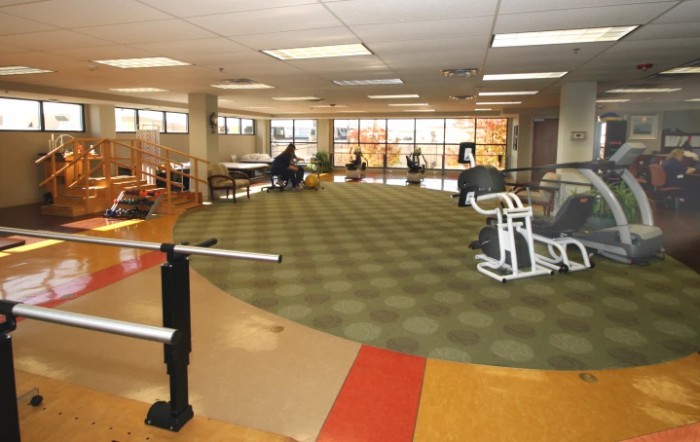
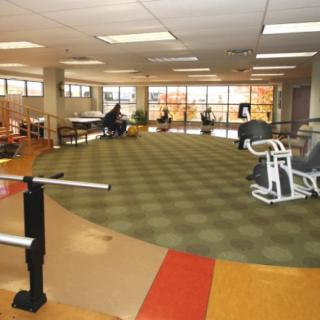
  • Fitness room Fitness roomHaving a fitness room in a senior living community is essential for seniors to stay active, maintain their physical health, and improve their overall well-being. Regular exercise can help prevent falls, reduce the risk of chronic diseases, and promote mental sharpness. It also provides social opportunities for residents to connect with others and enjoy a sense of community.
  • Fully furnished Fully furnishedFully furnished senior living communities are important for seniors because they provide convenience, comfort, and a hassle-free moving experience. Seniors can easily settle into their new living space without the stress of having to buy and move furniture. This allows them to focus on enjoying their new home and community.
  • Gaming room Gaming roomGaming rooms are important for seniors as they provide a fun and engaging environment for socializing, cognitive stimulation, and physical activity. Games can improve memory, problem-solving skills, and overall mental well-being while fostering friendships and reducing feelings of isolation.
  • Garden GardenGardens are important for seniors as they provide a peaceful and therapeutic environment for relaxation, physical activity, and socialization. Being in nature has been shown to reduce stress, improve mood, and promote overall well-being. Gardens also offer opportunities for seniors to engage in gardening activities, which can improve mobility, flexibility, and cognitive function. Additionally, gardens create a sense of community and connection with others who share a passion for plants and outdoor spaces.
  • Housekeeping services Housekeeping servicesHousekeeping services are important for seniors because they help maintain a clean and safe living environment, promote independence, and reduce the risk of accidents or illnesses. Additionally, having assistance with household chores can alleviate physical strain and allow seniors to focus on other aspects of their well-being.
  • Kitchenette KitchenetteKitchenettes are important for seniors living in senior living communities because they provide the convenience and independence of being able to prepare simple meals and snacks in the comfort of their own living space. This can help promote a sense of autonomy and well-being for seniors, allowing them to maintain some level of control over their dietary choices and daily routines.
  • Move-in coordination Move-in coordinationMove-in coordination is important for seniors because it helps ease the transition into their new living environment. It ensures that all logistics, such as packing, organizing movers, and setting up utilities are taken care of, allowing seniors to focus on settling in and adjusting to their new home. Having a smooth move-in process can alleviate stress and anxiety, making the transition smoother and more enjoyable for seniors.
  • Outdoor space Outdoor spaceOutdoor spaces are important for seniors as they provide opportunities for physical activity, social interaction, exposure to natural light and fresh air, and a sense of connection to nature. Having access to outdoor spaces can improve overall well-being and quality of life for older adults living in senior communities.
  • Private bathrooms Private bathroomsPrivate bathrooms are important for seniors in senior living communities because they provide independence, dignity, and comfort. Having a private bathroom allows seniors to maintain their personal hygiene routines without the need for assistance, promoting a sense of autonomy and privacy. Additionally, private bathrooms help prevent the spread of infections and provide a safe and clean environment for seniors to navigate safely.
  • Restaurant-style dining Restaurant-style diningRestaurant-style dining is important for seniors because it allows them to enjoy delicious, nutritious meals in a social and upscale setting. This enhances their dining experience, promotes healthy eating habits, and fosters socialization with fellow residents, ultimately contributing to their overall well-being and quality of life.
  • Small library Small librarySmall libraries are important for seniors as they provide access to a variety of reading materials, including books, newspapers, and magazines. This can help stimulate their minds, keep them engaged, and provide a sense of community through book clubs and other social activities. Additionally, reading has been shown to improve cognitive function and overall mental well-being in older adults.
  • Telephone TelephoneTelephones are important for seniors as they provide a lifeline for communication with loved ones, emergency services, and healthcare providers. They offer a sense of security and independence, enabling seniors to stay connected and access assistance when needed.
  • Wellness center Wellness centerWellness centers are important for seniors because they offer a variety of programs and services that promote physical, mental, and emotional well-being. These centers provide opportunities for exercise, socialization, education, and relaxation, helping seniors maintain their overall health and quality of life.
  • Wi-Fi/high-speed internet available Wi-Fi/high-speed internet availableWi-Fi/high-speed internet is important for seniors to stay connected with loved ones, access online resources, and participate in virtual activities to combat feelings of loneliness and isolation. It also allows them to easily manage healthcare needs, access entertainment, and engage in lifelong learning opportunities.

Transportation

  • Chicago O'Hare International (5 miles away) Chicago O'Hare International (5 miles away)
  • Chicago Midway (12 miles away) Chicago Midway (12 miles away)
  • Community operated transportation Community operated transportationCommunity operated transportation is crucial for seniors as it provides them with the means to access essential services, social activities, and medical appointments. It allows seniors to maintain their independence and quality of life by ensuring they can participate in activities outside of their homes. Additionally, community-operated transportation services offer a safe and reliable way for seniors to travel without having to rely on family or friends for assistance.
  • Transportation arrangement Transportation arrangementTransportation arrangements are crucial for seniors as they may face challenges with driving, mobility, or access to public transportation. Having reliable transportation services ensures that seniors can easily attend appointments, social activities, and maintain their independence and quality of life.
  • Transportation arrangement (non-medical) Transportation arrangement (non-medical)Transportation arrangements are essential for seniors as they provide access to essential services, activities, and social interactions outside the home. This service helps maintain independence, mobility, and overall well-being for seniors who may have limited transportation options.
  • Transportation to doctors appointments Transportation to doctors appointmentsTransportation to doctors appointments is crucial for seniors as it ensures they have access to necessary medical care and support, promoting their health and well-being. It allows them to receive timely treatment, monitor existing conditions, and address any new health concerns efficiently. Additionally, transportation services can help seniors maintain their independence and quality of life by enabling them to stay connected with their healthcare providers.

Care Services

  • 12-16 hour nursing 12-16 hour nursing12-16 hour nursing care is crucial for seniors in order to ensure around-the-clock monitoring, timely medication administration, and prompt response to any health concerns or emergencies. This level of care helps to promote the overall well-being and safety of seniors living in senior living communities.
  • 24-hour call system 24-hour call system24-hour call systems are important for seniors because they provide peace of mind and immediate assistance in case of emergencies. This technology ensures that help is always available, promoting safety and security for elderly individuals living alone or in assisted living facilities.
  • 24-hour supervision 24-hour supervision24-hour supervision is important for seniors to ensure their safety, well-being, and access to immediate assistance in case of emergencies or health issues. This constant support provides peace of mind for both seniors and their loved ones, allowing them to age in place with dignity and security.
  • Activities of daily living assistance Activities of daily living assistanceActivities of daily living assistance are important for seniors because they provide essential support with tasks such as eating, bathing, dressing, and mobility. This assistance helps seniors maintain their independence, dignity, and overall quality of life as they age.
  • Assistance with bathing Assistance with bathingAssistance with bathing is crucial for seniors as it helps maintain personal hygiene, prevents infections, and ensures their overall well-being and comfort. It also provides a sense of dignity and independence for seniors who may struggle with this task on their own.
  • Assistance with dressing Assistance with dressingAssistance with dressing is important for seniors because it helps maintain their independence, promotes personal hygiene, prevents accidents and injuries, and improves overall quality of life. This service ensures that seniors can continue to dress comfortably and confidently, despite any physical limitations they may have.
  • Assistance with transfers Assistance with transfersAssistance with transfers is crucial for seniors as it helps prevent falls and injuries, maintains their independence, and ensures they can safely navigate their living environment. It also provides peace of mind for both seniors and their loved ones.
  • Diabetes diet Diabetes dietA diabetes diet is crucial for seniors as it helps manage blood sugar levels, reduce risks of complications, and improve overall health and well-being. By following a balanced and nutritious diet tailored to their specific needs, seniors can better control their diabetes and enhance their quality of life.
  • Meal preparation and service Meal preparation and serviceMeal preparation and service are crucial for seniors as they may have limited mobility or energy to cook nutritious meals. Having access to healthy and convenient food options can ensure they are getting the proper nutrition needed to maintain their overall health and well-being.
  • Medication management Medication managementMedication management is crucial for seniors to ensure they are taking the right medications at the correct dosages and times. This helps prevent adverse drug interactions, reduces the risk of medication errors, and promotes overall health and well-being. Proactive management also allows for adjustments as needed based on changing health conditions or new prescriptions.
  • Mental wellness program Mental wellness programMental wellness programs are essential for seniors as they promote cognitive stimulation, emotional support, and social engagement. These programs help prevent isolation, depression, and cognitive decline, ultimately enhancing the overall quality of life for older adults.
  • Special dietary restrictions Special dietary restrictionsSpecial dietary restrictions are important for seniors because age-related changes in metabolism and health conditions can make it difficult for their bodies to process certain foods. By following a diet tailored to their specific needs, seniors can maintain their overall health and well-being, manage chronic conditions, and reduce the risk of complications such as malnutrition or food interactions with medications.

Dining

  • Diabetes diet Diabetes dietA diabetes diet is crucial for seniors as it helps manage blood sugar levels, reduce risks of complications, and improve overall health and well-being. By following a balanced and nutritious diet tailored to their specific needs, seniors can better control their diabetes and enhance their quality of life.
  • Special dietary restrictions Special dietary restrictionsSpecial dietary restrictions are important for seniors because age-related changes in metabolism and health conditions can make it difficult for their bodies to process certain foods. By following a diet tailored to their specific needs, seniors can maintain their overall health and well-being, manage chronic conditions, and reduce the risk of complications such as malnutrition or food interactions with medications.

Activities

  • Community-sponsored activities Community-sponsored activitiesCommunity-sponsored activities are important for seniors as they provide opportunities for social interaction, mental stimulation, and physical activity. These activities can help improve overall well-being, combat loneliness and isolation, and promote a sense of belonging and purpose among older adults.
  • Concierge services Concierge servicesConcierge services are essential for seniors as they provide assistance with daily tasks and errands, enhance their quality of life by offering convenience and personalized care, and promote a sense of safety and security.
  • Fitness programs Fitness programsFitness programs are crucial for seniors as they help improve strength, flexibility, balance, and overall well-being. Staying active can reduce the risk of chronic diseases, improve mental health, and enhance quality of life in older adults.
  • Planned day trips Planned day tripsPlanned day trips are important for seniors because they offer opportunities for socialization, mental stimulation, and physical activity. They provide a change of scenery and help seniors stay engaged and connected to their community, promoting overall well-being and quality of life.
  • Resident-run activities Resident-run activitiesResident-run activities are important for seniors as they encourage social interaction, creativity, and a sense of autonomy. These activities empower seniors to stay engaged and active in their community while fostering meaningful connections with their peers.
  • Scheduled daily activities Scheduled daily activitiesScheduled daily activities are important for seniors because they provide structure, socialization, mental stimulation, and physical activity. Engaging in regular activities can improve overall well-being and quality of life for seniors living in a community setting.

Description

Norridge Gardens in Norridge, IL is an assisted living community that offers a wide range of amenities and care services to ensure the comfort and well-being of its residents. The community features a beauty salon, where residents can pamper themselves and maintain their personal grooming. Residents can enjoy their favorite shows and movies with cable or satellite TV in their fully furnished apartments.

Norridge Gardens provides convenient transportation options for its residents, including community-operated transportation for various needs and transportation arrangements for non-medical purposes. The community also offers a computer center with Wi-Fi/high-speed internet access, allowing residents to stay connected with friends and family online.

Meals are served in a spacious dining room with restaurant-style dining, where residents can enjoy delicious and nutritious meals prepared by professional staff. Special dietary restrictions are accommodated to ensure each resident's specific needs are met.

For entertainment and socialization, Norridge Gardens offers a range of activities for its residents. These include fitness programs to promote physical health, planned day trips to explore the surrounding area, resident-run activities where individuals can take part in organizing events of interest, as well as scheduled daily activities for everyone's enjoyment.

The community is located conveniently close to parks, pharmacies, physicians' offices, restaurants, theaters, and hospitals. This ensures that residents have easy access to recreational facilities, medical services, dining options, entertainment venues, and healthcare facilities.

In terms of care services provided at Norridge Gardens, the community has a 24-hour call system and supervision to ensure the safety and security of all residents. Trained staff members offer assistance with activities of daily living such as bathing and dressing. Assistance with transfers is also available as needed. Medication management is provided to ensure that residents receive their prescribed medications on time.

Special attention is given to mental wellness through a dedicated program designed to support emotional well-being. The community also offers assistance with diabetes diets and can accommodate special dietary restrictions based on individual needs.

Overall, Norridge Gardens in Norridge, IL is a vibrant assisted living community that provides a comfortable and supportive environment for its residents. With its rich array of amenities, care services, dining options, activities, and convenient location, it strives to enhance the quality of life for all who call it home.

Nearby Places of Interest

Pharmacies

  • Walgreens (0.3 miles)
  • CVS Pharmacy (1.5 miles)
  • Walgreens (1.8 miles)
  • Walgreens (1.9 miles)
  • CVS Pharmacy (2 miles)
  • Walgreens (2.8 miles)
  • Walgreens (2.9 miles)

Parks

  • Portage Park (2.1 miles)
  • Independence Park (4 miles)
  • Unity Playlot Park (5.1 miles)
  • The 606 — Western Terminus (5.2 miles)
  • Logan Boulevard (5.3 miles)
  • Horner Park (5.4 miles)
  • Palmer Square Park (5.7 miles)

Physicians

  • Resurrection Medical Center Professional Building (2.2 miles)
  • North Shore Physicians Group (5 miles)
  • Physicians Cosmetic Institute (5.2 miles)

Transportation

  • Jefferson Park Bus Terminal (2.3 miles)
  • Cta (2.3 miles)
  • Cta (3.4 miles)
  • SAS Business Lounge (4.6 miles)
  • Terminal 5 (4.6 miles)
  • O'Hare Multi-Modal Facility (4.7 miles)
  • American Airlines Flagship Lounge, Chicago O'Hare (5 miles)

Restaurants

  • Culver's (2.7 miles)
  • Superdawg Drive-In (2.8 miles)
  • Chick-Fil-A (4.2 miles)
  • Tortas Frontera by Rick Bayless (4.6 miles)
  • McDonald's (5 miles)
  • Longman & Eagle (5.3 miles)
  • Berghoff Cafe (5.7 miles)

Theaters

  • AMC Rosemont 18 (3.7 miles)
  • AMC Village Crossing Theatre (4.1 miles)

Hospitals

  • Gottlieb Memorial Hospital (3.8 miles)
  • Loyola Medicine Transport (4 miles)
  • Swedish Covenant Hospital Cancer Care (5.5 miles)

Cafes

  • Starbucks (5.9 miles)
  • Starbucks (6.4 miles)
  • Starbucks (6.5 miles)

Frequently Asked Questions

Where is Norridge Gardens?
What photos are available for Norridge Gardens in Norridge, Illinois?

Nearby Communities

Related Resources

  • weight training for seniorsWeight Training for Seniors: Building Strength and Vitality

    Weight training is vital for seniors to maintain muscle mass, bone density, and overall health, combating age-related declines through customized resistance exercises that enhance balance and well-being. Safe routines should start with realistic goals and proper form, while emphasizing gradual progress and consultations with healthcare providers to ensure safety and effectiveness.

  • what does the sandwich generation meanUnderstanding the Sandwich Generation: Stress and Responsibilities for Multigenerational Caregivers

    The Sandwich Generation comprises adults managing the dual responsibilities of caring for aging parents and raising children, leading to significant emotional, logistical, and financial challenges. This situation is exacerbated by longer life expectancies and cultural expectations, necessitating effective coping strategies and support resources to alleviate caregiver stress and burnout.

  • assistive devices for elderly8 Essential Assistive Devices for Older Adults


    The article highlights eight essential assistive devices that improve the independence and safety of older adults, addressing issues related to mobility, balance, vision, hearing, and dexterity. It emphasizes the importance of proper selection guided by healthcare professionals to enhance seniors' quality of life while allowing them to age in place.