At Bridges by EPOCH at Trumbull, the monthly costs reflect a premium level of care and amenities, with both studio and semi-private rooms priced at $9,920. This rate positions the facility above the average costs for Fairfield County, where similar studio accommodations are priced around $6,159 and semi-private rooms at approximately $6,677. Additionally, when considering the broader state context of Connecticut, where studio rates average $5,919 and semi-private options are slightly lower at about $5,829, it's clear that Bridges by EPOCH offers a distinctive environment designed to meet specialized needs. While these prices are higher than local and statewide averages, they underscore a commitment to quality service and exceptional support tailored for residents and their families.
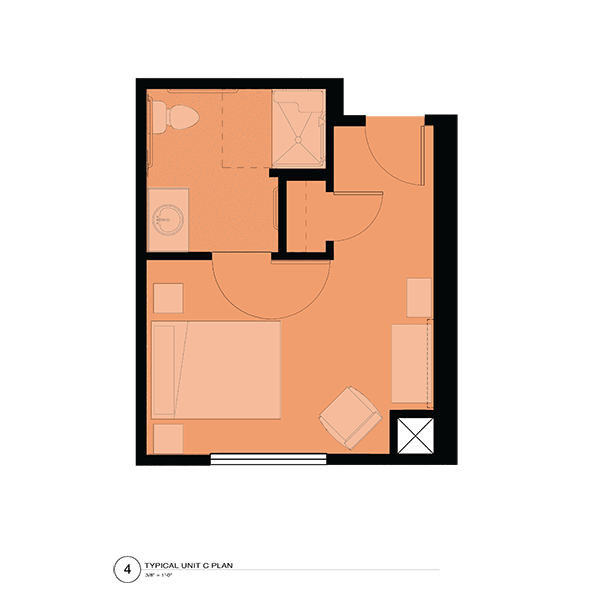
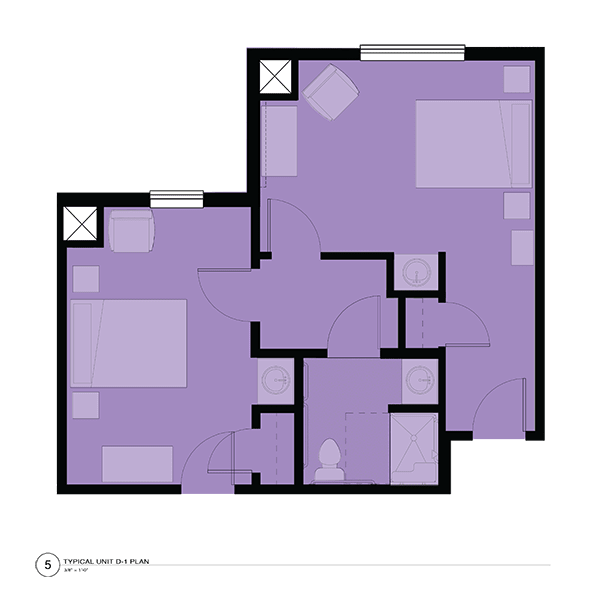
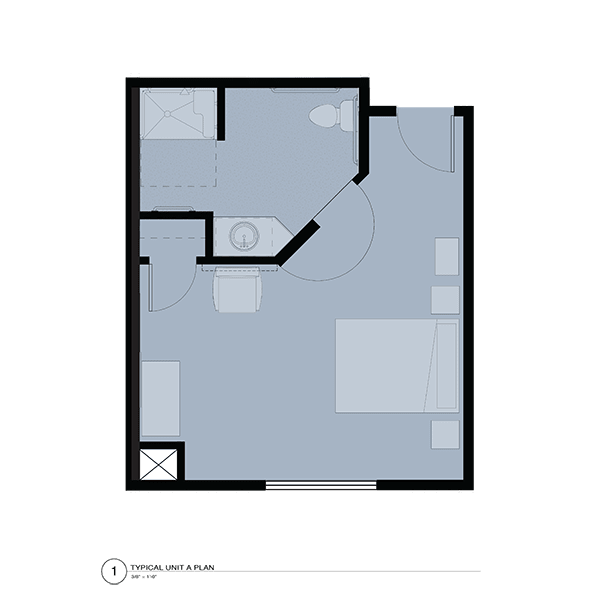
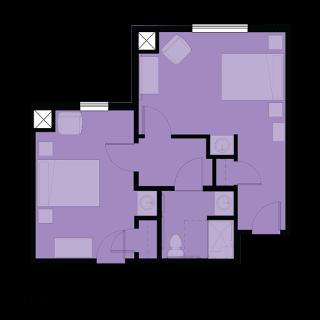
Floor plans
Bridges by EPOCH at Trumbull
Fairfield County
Connecticut
Semi-Private
$9,920
$6,677
$5,829
Studio
$9,920
$6,159
$5,919
Memory care communities with a similar price nearby
Residents and families consistently describe attentive, compassionate staff.
Across many reviews, families highlight how caring and calming the staff is, including help during stressful transitions and ongoing support after move-in. Multiple reviews mention that the staff treats residents with dignity and patience, and that the team knows residents well. Care experiences are also described through day-to-day moments like engaging residents, coordinating with families, and being welcoming when visitors arrive.
differentiator35 reviews mention this
Activities are tailored for memory
Activities are a frequent part of life, designed around memory care needs.
Residents are described as staying more active because there are activities throughout the day, and families specifically talk about programming that fits memory challenges. Reviews mention things like crafts, games, exercise programs, music and performances, and regular opportunities for residents to participate. Several families also point to the memory-focused neighborhood setup and the way the community supports engagement rather than leaving people isolated.
common22 reviews mention this
Dining experience is consistently praised
Food quality and accommodating dining show up often in reviews.
Many reviews describe the food as good or excellent, with staff checking that meals are going well and chefs visiting at times. Families also comment on variety and that options are presented to residents, including reviews that mention snack availability. The community offers anytime dining and multiple dietary options, including gluten-free, low/no sodium, kosher, vegan, and vegetarian meals, which aligns with the emphasis on meeting different resident needs.
caveat12 reviews mention this
Pricing feels high for some families
Multiple families say pricing is a concern.
Some reviews describe the monthly cost as high, with a few comparing it to other options or saying the value did not match expectations. While others mention feeling reassured by predictable, all-inclusive pricing, concerns still come up around what families receive day to day for the price paid. The listing pricing is positioned above county and state benchmarks across unit types, which helps explain why cost is a recurring point.
caveat5 reviews mention this
Staffing and cleanliness vary by experience
Some reviewers report issues with staffing, communication, or cleanliness.
A smaller set of reviews describe problems such as short staffing, inconsistent communication, or cleanliness concerns in rooms and common areas. These reviews include examples like families feeling they have to follow up repeatedly and notes about odors and upkeep not meeting expectations. Taken alongside the more positive reviews, it suggests experiences can differ from one family to the next, particularly around staffing levels and how proactive the team is.
common8 reviews mention this
Memory-care neighborhood layout and gardens
The memory-care neighborhood setup is repeatedly described as safe and home-like.
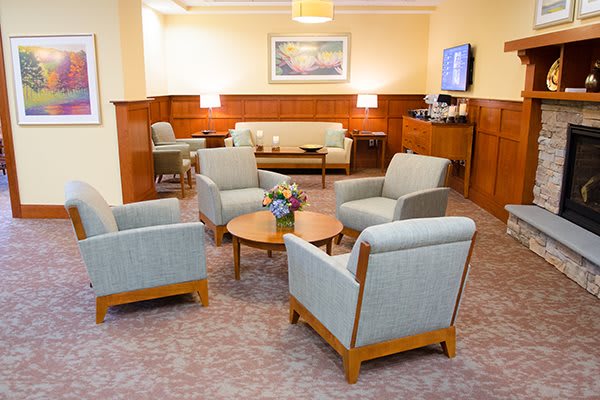
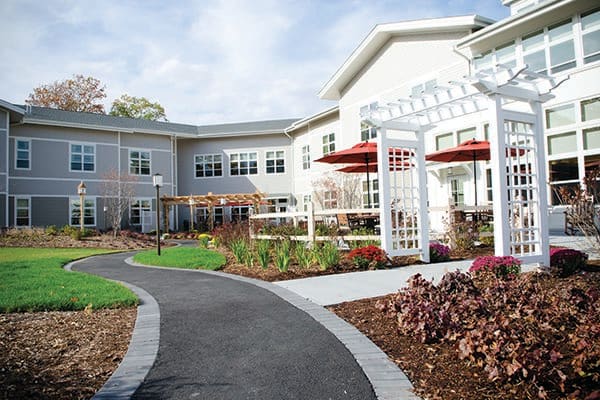
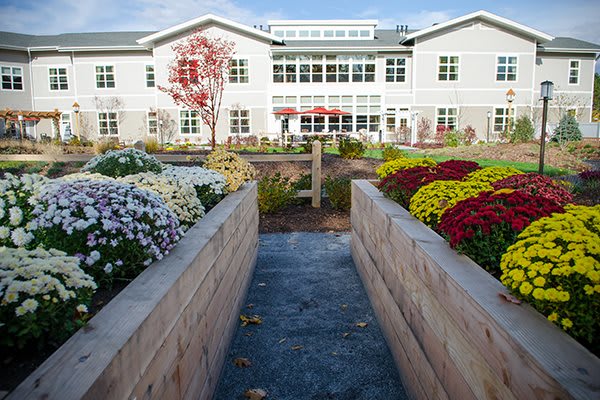
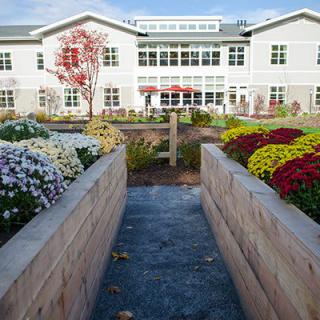
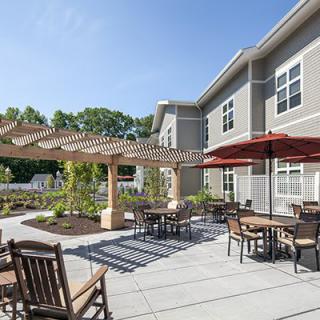
Several reviews mention the community’s home-like layout, including multiple household areas and an enclosed outdoor space that residents can access. Families also describe ground-floor or easier access to outdoor areas and gardens, and they link the design to safety and comfort for memory challenges. Others mention private-bathroom options and that rooms are organized to support residents’ day-to-day needs.
How we summarize
Counts show how many written reviews mention each theme; a review can touch several themes, and only frequently mentioned themes are displayed.
Features
Types of Care
Memory Care
Amenities
Activities off-site
Activities on-site
Beautician on-site
Devotional services off-site
Devotional services on-site
Ground floor units
Indoor common areas
Outdoor common areas
Respite or short term stays offered
Wheelchair accessible showers
Wi-Fi/high-speed internet available
Care Services
Ambulatory care
Diabetic care
High acuity care
Incontinence care
Medication management
Dining
Anytime dining
Gluten-free
Guest meals
Kosher
Low / no sodium
Meals provided
No Sugar
Special dining programs
Vegan
Vegetarian
Activities
Art classes
Catholic services
Cooking classes
Devotional activities offsite
Devotional activities on-site
Educational speakers / life long learning
Jewish services
Other religious services
Protestant services
Visiting Rabbi
Visiting chaplain or priest
Nearby Places of Interest
This part of Trumbull, Connecticut offers a diverse range of amenities and services that cater to senior living. With several parks nearby such as Twin Brooks Park and Lake Mohegan, residents have access to beautiful outdoor spaces for recreational activities and relaxation. The area also boasts a variety of cafes like Starbucks and Panera Bread, ensuring plenty of options for dining out or meeting friends for coffee. In terms of healthcare, there are multiple physicians' offices and pharmacies within a short distance, providing convenient access to medical care. Additionally, the proximity to hospitals such as St Vincent's Medical Center and Bridgeport Hospital offers peace of mind in case of emergencies. Public transportation options like the Greater Bridgeport Transit Authority and Metro-North stations make it easy for seniors to get around without relying on a car. Overall, this part of Trumbull provides a well-rounded community with a mix of amenities that cater to senior living needs.
Parks
Twin Brooks Park (0.7 miles)
Lake Mohegan (3.7 miles)
Boothe Memorial Park Hawkwatch (4.4 miles)
Gould Manor Park (5.5 miles)
Silver Sands State Park (6.8 miles)
Veterans Park (7.5 miles)
Cafes
Starbucks (0.9 miles)
Doughnut Inn (4.3 miles)
Panera Bread (4.6 miles)
Starbucks (4.9 miles)
Aunties Cafe (5.1 miles)
Shearwater Coffee Bar (6.9 miles)
Starbucks (7.2 miles)
Physicians
Bridgeport Family Health (0.9 miles)
Edward Michael Lane (1.4 miles)
Pediatric Healthcare Associates (1.4 miles)
Patrignelli Robert J MD PC (2.1 miles)
Yale New Haven Health Park Avenue Medical Center (2.5 miles)
At Bridges by EPOCH at Trumbull, the monthly costs reflect a premium level of care and amenities, with both studio and semi-private rooms priced at $9,920. This rate positions the facility above the average costs for Fairfield County, where similar studio accommodations are priced around $6,159 and semi-private rooms at approximately $6,677. Additionally, when considering the broader state context of Connecticut, where studio rates average $5,919 and semi-private options are slightly lower at about $5,829, it's clear that Bridges by EPOCH offers a distinctive environment designed to meet specialized needs. While these prices are higher than local and statewide averages, they underscore a commitment to quality service and exceptional support tailored for residents and their families.
Bridges by EPOCH at Trumbull prioritizes the well-being of residents with dementia or Alzheimer's disease through effective medication management and incontinence care. The medication management system ensures that individuals receive their prescribed medications on time and in the correct dosages, which is crucial for maintaining their overall health and minimizing the risk of confusion or adverse effects associated with missed doses. Additionally, personalized incontinence care enhances both physical comfort and dignity, reducing anxiety for residents while allowing them to engage more fully in daily activities. Together, these features create a supportive environment that addresses the unique challenges faced by those living with cognitive impairments, ultimately promoting a higher quality of life.
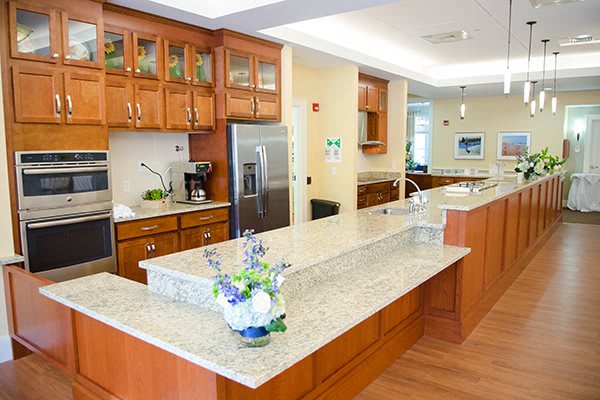
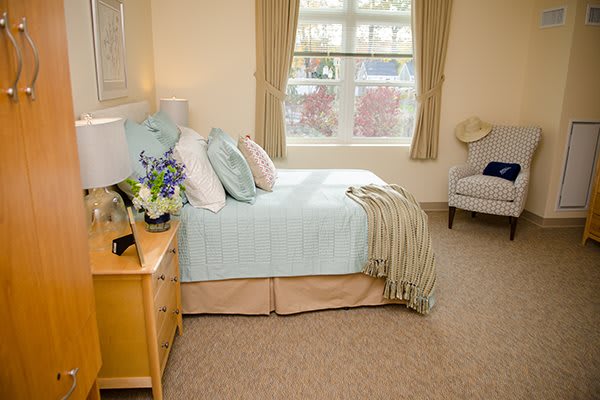
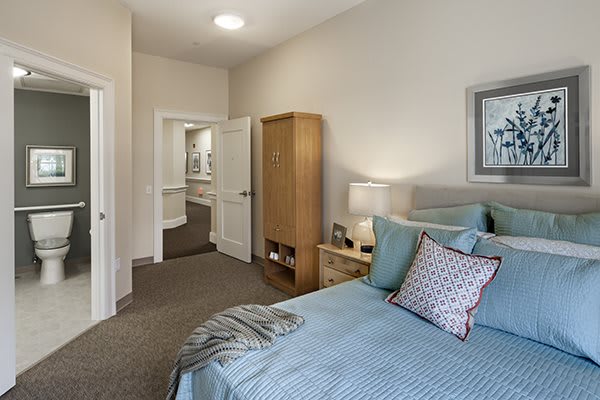
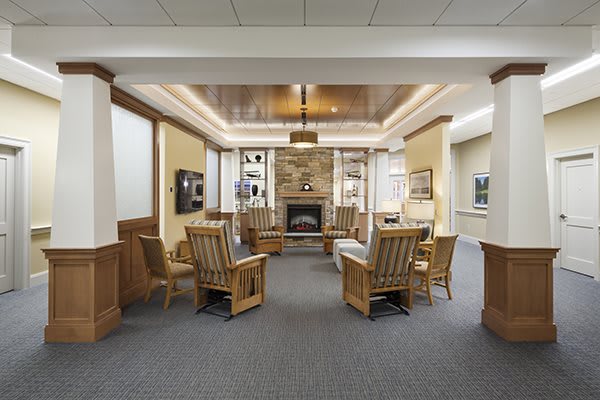
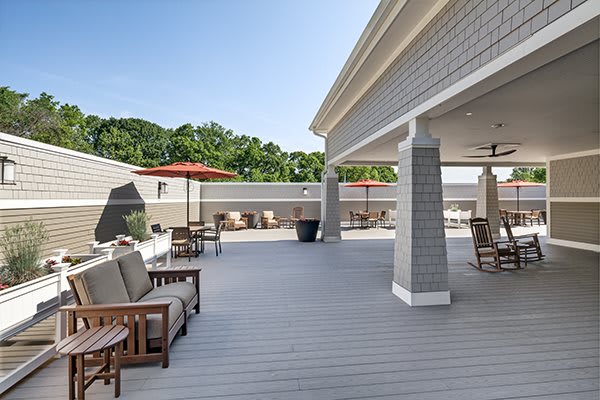
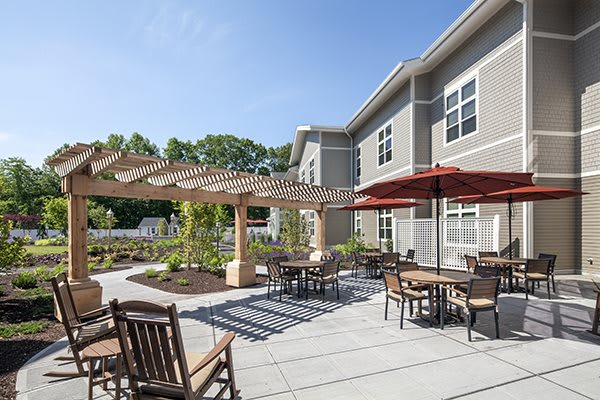
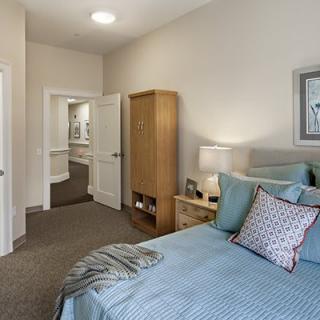
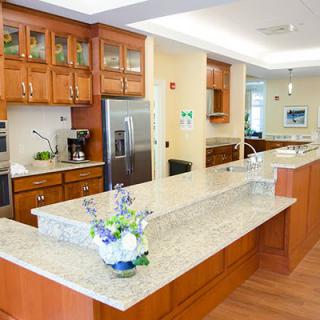
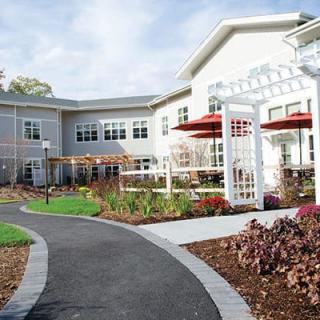
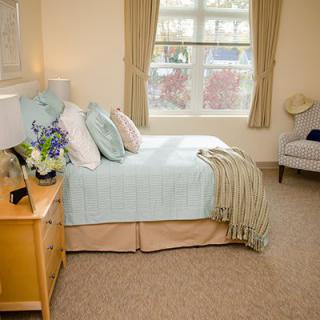
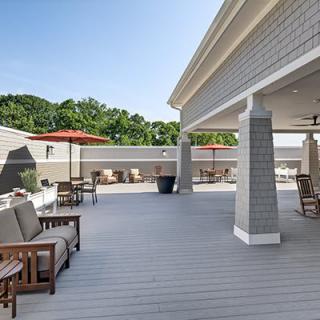
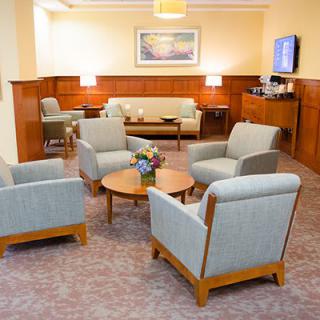
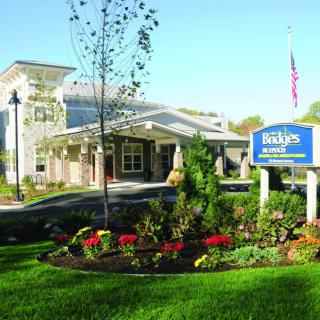
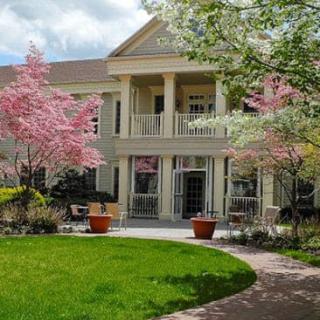
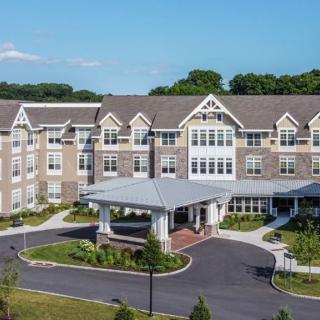
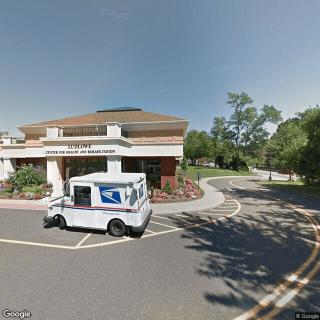
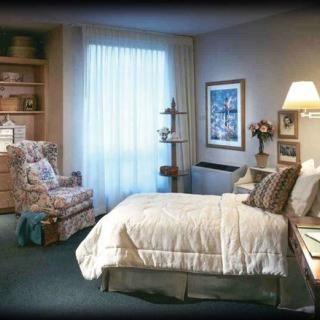
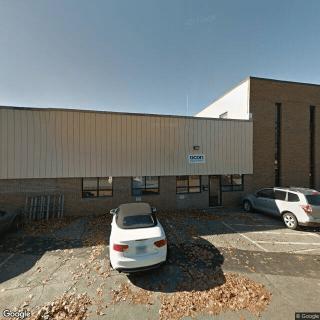
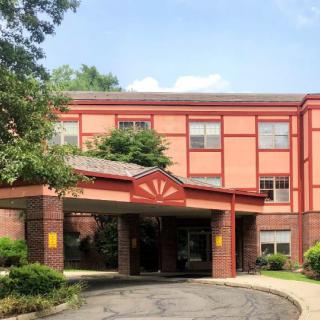
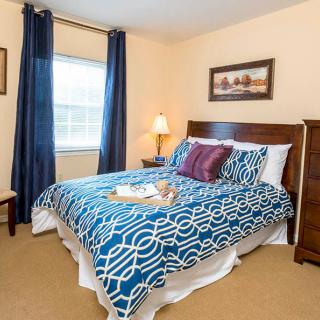
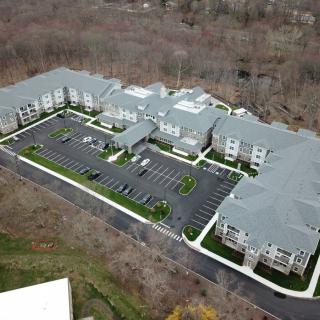
Bridges by EPOCH at Trumbull on seniors.fyi includes 14 photos including images showing floor plan, interior, architecture, bedroom, landscaping, decor, building, garden, and more.
Nearby Communities
Bridges® By Epoch At Trumbull
Trumbull, CT
4.5 from 46 reviews
Clean, well-maintained facility with attentive staff, engaging memory-care programs, and high-quality dining.
Connecticut In-Home Assistance
Trumbull, CT
5 from 7 reviews
Compassionate, attentive caregivers that provide families with peace of mind.
United Visiting Nurse
Trumbull, CT
4 from 4 reviews
Convenient location near dining, parks, healthcare, and transportation.
Maefair Health Care Center
Trumbull, CT
4 from 77 reviews
Extensive amenities and 24/7 care with dining, activities, and transportation.
MiddleBrook Farms at Trumbull
Trumbull, CT
4.4 from 122 reviews
$3,800 to $5,450 / month
Kind, engaged staff in a clean, well-maintained community with robust activities and appealing dining.
Home Instead - Trumbull, CT
Trumbull, CT
5 from 5 reviews
Close to parks, cafes, pharmacies, healthcare, and dining
River Valley Retirement Community
Trumbull, CT
4.8 from 39 reviews
$2,850 to $6,219 / month
Warm, family-like community with attentive staff and engaging activities.
Long Hill Village
Trumbull, CT
Comprehensive care services (meal prep, medication management) with strong connectivity (Wi-Fi) and proximity to cafes, parks, pharmacies, doctors, and hospitals.
Transitioning from assisted living to memory care is driven by an individual's cognitive decline and specific needs, requiring careful evaluation of indicators like increased confusion and wandering. The process involves consulting medical professionals, researching suitable communities, considering financial and legal aspects, and ensuring effective communication for personalized care plans.
The article differentiates between assisted living and memory care, explaining that assisted living supports seniors with daily activities while promoting independence, whereas memory care provides specialized services for individuals with dementia, focusing on secure environments and cognitive support. It also addresses staff training, safety considerations, costs, family involvement, and transition strategies for families navigating these care options.
The article outlines effective communication strategies for interacting with loved ones with dementia, highlighting the need for empathy, patience, and understanding while emphasizing supportive approaches like using simple language, minimizing distractions, and focusing on feelings over facts to maintain dignity and foster connection. It also suggests seeking professional guidance when needed as communication challenges evolve.
Get PricingAsk A QuestionSchedule A TourContact Senior Advisor
By clicking submit, you agree to our Partner's Terms of Use. You
also consent to receive calls and texts, which may be autodialed, from our Partner. Your consent is not a condition to
using our Partner's service. Please visit our Partner's Privacy Policy for information about their privacy practices.

 Memory Care
 Activities off-site
 Beautician on-site
 Devotional services off-site
 Ground floor units
 Indoor common areas
 Outdoor common areas
 Respite or short term stays offered
 Wheelchair accessible showers
 Wi-Fi/high-speed internet available
 Ambulatory care
 Diabetic care
 High acuity care
 Incontinence care
 Medication management
 Anytime dining
 Art classes
 Catholic services
 Cooking classes
 Educational speakers / life long learning
 Jewish services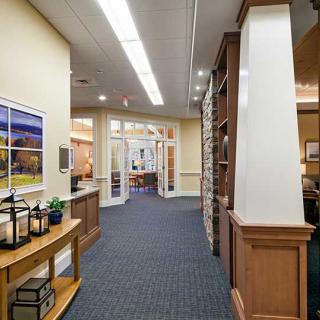
 Clean, well-maintained facility with attentive staff, engaging memory-care programs, and high-quality dining.
 When to Transition from Assisted Living to Memory Care: Key Indicators, Steps, and Finding the Right Community
 Understanding the Distinctions: Assisted Living and Memory Care Explained
 How to Communicate with a Loved One Living with Dementia: 10 Supportive Strategies