
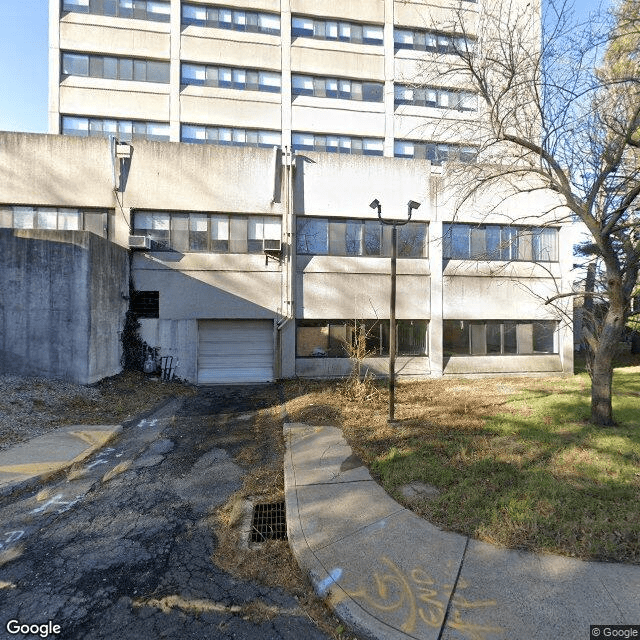
600 Bond Street, Bridgeport, CT 06610
To contact a resident: (203) 384-6400
For more information about senior living options: (866) 208-4318
Overall Review of Bridgeport Health Care Center
Pros
 The nurses are hardworking and interact well with residents.
- Housekeeping, laundry, and kitchen staff work hard, always smile, and are willing to help.
- Upper management is respectful and knows how to talk to individuals.
- The facility has ample supplies and no major supply shortages.
- The staff overall is genuinely helpful, kind, and caring.
- Some CNAs work very hard as caregivers.
- With the right buyer/investor, the facility can do extremely well.
Cons
 The director of nursing sits in her office and does nothing.
- The owner filed for bankruptcy and it shows on all corners that are cut in patient care.
- The facility has a very hostile atmosphere.
- Many of the workers have an unprofessional attitude.
- The water is contaminated, and staff are told not to drink it while patients are given water.
- The facility is in the process of shutting down unless there is a buyer.
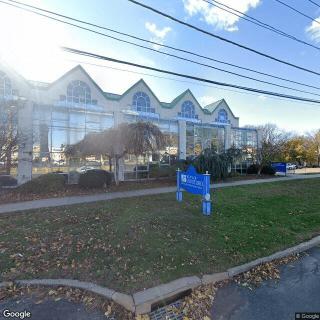
- The building looks gloomy, run down and old, like a funeral parlor.
- There are lazy workers who take shortcuts and leave others to pick up the slack.
- Some long-tenured CNAs refuse to help and use shortcuts, and they have hiding spots, while mistreating residents.
- CNAs wear unprofessional attire, with hair uncombed and body odor; hygiene and dress code are not taken seriously.
- The computers are not computerized; the nursing station is cluttered and paperwork is sloppy.
- The new management wants to remove the long-standing cat colony and blocks rescue groups, risking rodent problems.
Review
Bridgeport Health Care Center in Bridgeport, CT is best suited for families that must balance affordability with a willingness to stay highly engaged as advocates for their loved one. It can work for those who understand that leadership turnover and staffing inconsistencies are real risks, yet are prepared to push for rapid improvement and close oversight. The facility may also appeal to families who view the current state of the building and operations as a work in progress, with the expectation that a capable new owner could reset culture and care. Those requiring consistently pristine environments or rock-solid clinical oversight should look at alternatives.
The most troubling dynamics span governance, safety, and daily care. Several reviews describe a director of nursing who appears detached, an ownership history marked by bankruptcy, and a state takeover that underscores instability. The atmosphere is described as hostile at times, with staff attitudes ranging from genuinely dedicated to unprofessional. Water quality concerns surface in multiple accounts, including warnings not to drink the faucet water and notes that residents are still given water from the same source. The building itself comes across as aged and gloomy, with claims that corners are cut in patient care and that some areas feel run down. These factors create an environment where safety and trust can be compromised if not actively addressed.
Yet not all front-line staff are painted with the same brush. Several reviewers credit hard-working nurses who engage well with residents, and praise housekeeping, laundry, and kitchen teams for their effort and willingness to help. The nursing unit layout is noted as spacious, and there is consensus that supplies, at least on the supply side, are adequate. A handful of staff are described as compassionate and responsive, and there is a sense that, with the right leadership and investment, residents can receive decent everyday care. There is also a clear recognition that the facility could be transformed by strong ownership, someone willing to recruit, train, and retain top-tier personnel, and to implement a more reliable, patient-centered culture.
What those positives hinge on is steady, strategic leadership and real capital for modernization. The most concrete turnaround concept comes from a caretakerā€™s suggestion to convert the second floor into a ventilator-focused unit, paired with a reimagined staffing model (for example, three 12-hour shifts for the ventilator floor) and targeted staff training. In theory, such a move could stabilize care for the residents most at risk and create a revenue stream that underpins broader improvements. Without that kind of decisive shift, the existing mix of goodwill and gaps is unlikely to produce durable change, given the current governance and staffing volatility.
Alternatives become more compelling for families whose priority is predictable quality, clean environments, and reliably quick clinical response. The reports raise red flags about patient safety, emergency responsiveness, and even respect and inclusivity on some floors. The combination of a hostile atmosphere, inconsistent caregiver performance, and environmental concerns, along with claims about roaches, bed bugs, and racial tensions, suggests that this facility may not be suitable for loved ones who require steady, high-trust caregiving or who cannot tolerate ongoing advocacy and escalation. Families with higher expectations for cleanliness, consistent staffing, and robust odorless programming will likely want to explore other options first.
For families who proceed with Bridgeport Health Care Center, a practical, no-nonsense approach is essential. Schedule extended, candid discussions with administration, insist on current ownership clarity, and request up-to-date inspection and licensing records. Bring questions about the cat colony situation, infection control practices, and the plan to ensure consistent staffing across shifts. Ask to speak with front-line caregivers on multiple shifts, and demand transparent staffing schedules and turnover data. If movement in, insist on a defined remediation plan with timelines and measurable milestones, and seek language in the agreement about performance-based consequences if care quality declines. A defined trial period with clear exit criteria can help families assess whether the promised turnaround is material or still aspirational.
 240 resident community capacity
 Skilled Nursing Facility
 Air-conditioning
 Beauty salon
 Cable or satellite TV
 Computer center
 Dining room
 Fitness room
 Fully furnished
 Gaming room
 Garden
 Housekeeping services
 Kitchenette
 Move-in coordination
 Outdoor space
 Private bathrooms
 Restaurant-style dining
 Small library
 Telephone
 Wellness center
 Wi-Fi/high-speed internet available
 Community operated transportation
 12-16 hour nursing
 24-hour call system
 Activities of daily living assistance
 Assistance with bathing
 Assistance with dressing
 Assistance with transfers
 Diabetes diet
 Medication management
 Mental wellness program
 Special dietary restrictions
 Concierge services
 Planned day trips



 Exploring Nonmedical Home Care: Understanding Services, Costs, and Financial Approaches
 Engaging Brain Games and Innovative Apps to Keep Senior Minds Active
 Effective Strategies for Keeping Seniors' Minds Active: A Deep Dive into Brain Games and Apps