

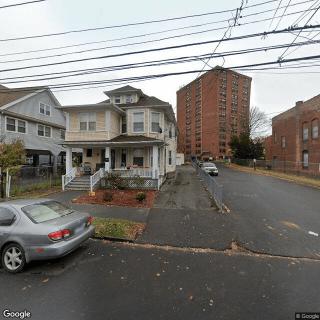
2839 Main St, Bridgeport, CT 06606
To contact a resident: (203) 335-8859
For more information about senior living options: (866) 208-4318
Overall Review of Almost Family
Cons
 The hiring lady is extremely rude.
- She treats people like slaves.
- She has no patience for anything.
- It’s easy to get hired because the place is described as ghetto, but then people get fired over anything.
- There is no communication at all.
- There isn’t much; it’s just an office.
Review
Almost Family in Bridgeport, CT is best suited for families seeking a straightforward, light-touch in-home care option rather than a tightly managed, clinical-level program. This agency tends to fit those who need basic companionship or non-medical assistance and are comfortable taking an active role in coordinating schedules and screening caregivers themselves. In practical terms, it serves households that do not demand frequent, highly structured oversight, robust care plans, or immediate escalation protocols, but are prepared to manage the gaps that come with a smaller operation.
The most troubling feedback centers on the staff and communication culture. A reviewer described the person who handles hires as extremely rude and uncaring, with little patience for clients or families. That impression signals a low-threshold for staff turnover and a complaint-driven environment where clear, proactive communication is inconsistent at best. When a care provider’s scheduling and caregiver assignment feel unreliable, trust and dependability quickly erode, and families are left coordinating visits without a reliable point of contact. For anyone who must depend on predictable visits and timely information, that is a fundamental flaw.
Another identifying thread is the impression of a minimal administrative footprint. The comment that “there isn’t much, it’s just an office” paints a picture of limited on-site resources, scarce administrative support, and a lean infrastructure. In practical terms, that translates into slower problem resolution, fewer trained supervisors to back up caregivers, and less formal process around caregiver onboarding and quality checks. For families navigating medical appointments, medication reminders, or complex daily routines, such limits can translate into real scheduling fragility.
Yet there is a sliver of variability in the ratings that cannot be ignored. The mix of a 5-star, a 4-star, and a 3-star among otherwise poor reviews suggests that, under the right conditions, some clients do experience acceptable service. When a compatible caregiver is matched and communication happens smoothly, outcomes can be satisfactory. However, that favorable alignment appears episodic rather than reliable, making the positive experiences highly contingent on the specific assignment and the family’s own active involvement in coordination.
Who should consider alternatives becomes the central decision point. If dependable care is non-negotiable, clear, consistent caregiver assignments, timely updates, and proactive problem resolution, shopping elsewhere is prudent. Clients needing more than light companionship, such as medication reminders performed by trained personnel, formal care plans, or a named care manager who oversees multiple visitors, will likely find this agency lacking. Larger, more established providers with transparent staffing policies and dedicated care coordinators can offer the continuity and accountability that essential caregiving demands.
The practical decision framework is simple: verify the presence of a stable supervisor who can be contacted directly, demand a clear caregiver rotation policy, and obtain client references for current clients. Request a defined trial period to test reliability, confirm response times for urgent questions, and establish preferred communication channels. Probe their weekend and holiday coverage, caregiver substitutions, and how emergencies are handled. Compare this option against alternative agencies with stronger oversight, more robust scheduling systems, and a proven track record of consistent staffing. If affordability is the primary driver and active supervision is feasible, Almost Family may suffice; if consistency and proactive care management are the priority, pursue other providers with a sturdier infrastructure and proven reliability.

 Clean facility with good food and professional staff.






 A Comprehensive Exploration of Common Misunderstandings about Powers of Attorney
 Senior Move Management: Understanding the Role, Value, and Associated Costs
 Weight Training for Seniors: Building Strength and Vitality