
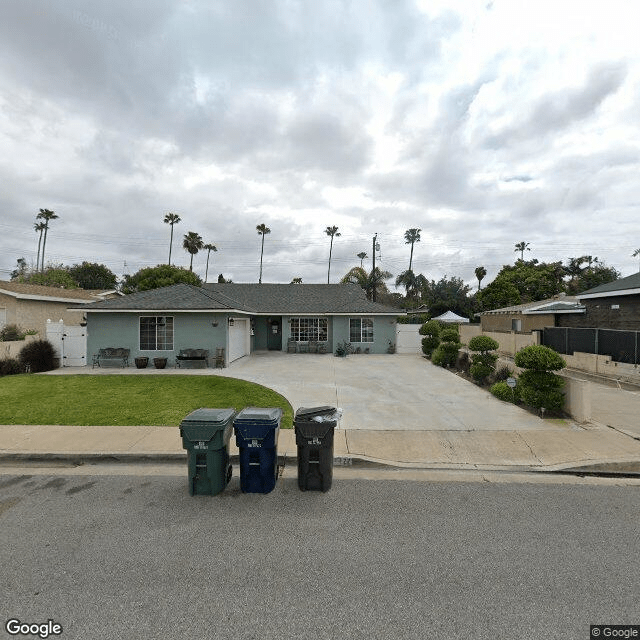
18422 Manitoba, Huntington Beach, CA 92648
To contact a resident: (714) 932-2788
For more information about senior living options: (866) 208-4318
Alternative Senior Care /Manitoba Costs & Pricing
Alternative Senior Care in Manitoba offers competitive pricing compared to both Orange County and the broader state of California, making it an attractive option for families seeking quality care for their loved ones. With semi-private rooms priced at $2,650 per month, costs are significantly lower than the $3,431 average in Orange County and $3,333 statewide. Private accommodations at Alternative Senior Care are available for $3,250, contrasting sharply with the higher rates of $4,104 in Orange County and $3,939 throughout California. Additionally, one-bedroom units also reflect this cost effectiveness at $3,250 versus $4,380 in Orange County and $4,340 across the state. This pricing structure underscores Manitoba's commitment to providing affordable alternatives while maintaining a high standard of care in a welcoming environment.
| Floor plans | Alternative Senior Care /Manitoba | Orange County | California |
|---|---|---|---|
| Semi-Private | $2,650 | $3,431 | $3,333 |
| 1 Bedroom | $3,250 | $4,380 | $4,340 |
| Private | $3,250 | $4,104 | $3,939 |
Memory care communities with a similar price nearby
-
from +$150 / mo
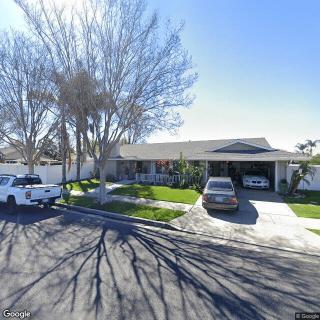
Candlewood Care Home III
$2,800 to $3,400 / month11.3 miles away -
from -$250 / mo
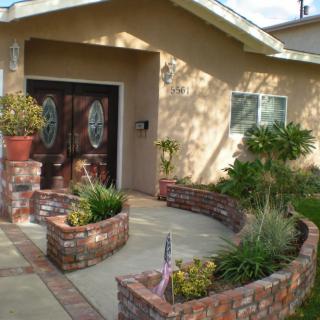
Living Well Care Home
$2,400 to $3,200 / month10.5 miles away -
from +$150 / mo
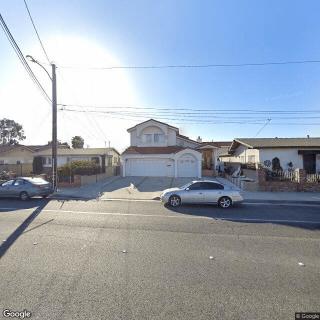
Leah Loving Elderly Care
$2,800 to $3,000 / month2.9 miles away -
About the same
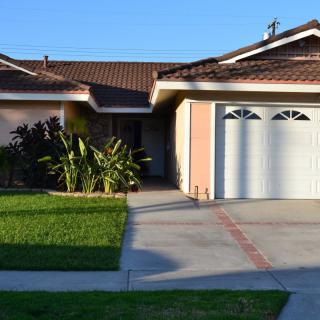
Loving Care Senior Home
$2,700 to $3,500 / month1.7 miles away -
from -$350 / mo
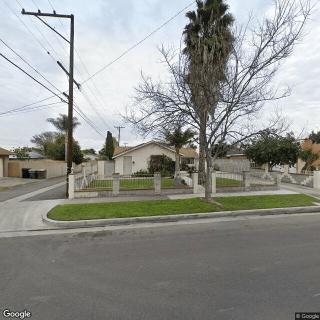
Bronwyn Residential Care
$2,300 to $3,500 / month8.9 miles away
Overall Review of Alternative Senior Care /Manitoba
Pros
 The facilities were very nice.
- Sugar was the better bet with a larger room and private bath.
Cons
 The reviewer felt the two homes were not quite right for Mom.
- The option did not fit Mom's needs.
Review
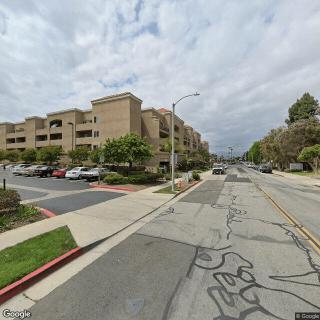
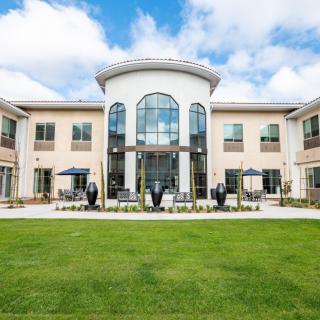
This community in Huntington Beach is best suited for seniors who prize a clean, well-maintained campus with comfortable, private accommodations and who are weighing private-room comfort and space as a priority while still keeping doors open to gradual care needs that may evolve. The facilities themselves read as inviting and well-kept, which matters for residents who want a welcoming, low-stress environment. In practice, the Sugar Street location stood out as the stronger option within this group, mainly because it offered a larger room and a private bath, features that can translate into real day-to-day comfort and privacy.
Those who may want to consider alternatives are the families facing immediate, robust care requirements. If Mom’s needs require consistent hands-on assistance, closer supervision, or more intensive daily support right now, other communities with stronger on-site care options may deliver a better fit. The reviews imply a fit that is not fully aligned with Mom’s current level of independence or need for intensive help, which means the decision cannot rely on appearance and campus charm alone. For families prioritizing rapid access to higher levels of care, keeping options open elsewhere is a prudent move.
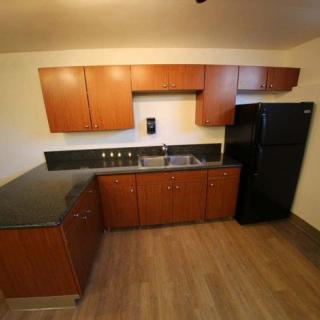
The strongest pro here, at least in the Sugar St unit, is the larger room and private bath, paired with an overall sense of quality facilities. These features can significantly ease daily living, support a more comfortable personal routine, and reduce friction over bathroom access and privacy. When weighed against the main con suggested by the reviewer, fit for Mom not yet, these tangible advantages allow the decision-maker to reframe the potential value: if privacy, space, and a calm, pleasant environment become the defining priorities, a future transition to this community could become the right choice as needs evolve. In other words, the pros don’t erase the misalignment entirely, but they create a credible pathway for reconsideration.
From a practical standpoint, the evaluation should focus on how care levels align with anticipated needs. The facilities’ appearance and the appeal of private accommodations matter, but the availability of scalable services, staff responsiveness, and the clarity of care plans are the critical variables. Prospective residents should compare room sizes, what a private bath entails in each home, and how common areas promote safety, independence, and social engagement. It is essential to ask what happens if daily assistance becomes more necessary, how memory care or physiotherapy services are integrated, and whether the contract accommodates changing care needs without coercive terms.
Another important factor is the resident mix and daily routines. While the two homes in Sugar St and Taylor Dr present themselves as well-run, the impression of fit hinges on day-to-day life: meal options, activities, and the perceived attentiveness of staff. For families weighing options, it helps to speak with current residents or families about responsiveness, consistency of care, and how private spaces are balanced with opportunities for social connection. Those questions will reveal whether the current structure can adapt as Mom’s needs shift, or if a different community would deliver more predictably aligned support.
In the end, this set of Huntington Beach options is a solid, credible choice for families prioritizing a polished environment and private living space, with Sugar St emerging as the more compelling option today due to room size and a private bath. The primary caveat remains: the fit for Mom’s present needs isn’t perfect, suggesting caution for those seeking immediate, higher-level daily support. Weigh the value of comfort and privacy against the likelihood of care escalation, and schedule a targeted revisit that probes care capabilities, escalation plans, and concrete terms. If needs remain moderate and privacy plus personal space are non-negotiables, this group deserves serious consideration; if not, broader exploration is warranted now.
 Board and Care Home
 Memory Care
 Private
 Private bathrooms
 Respite or short term stays offered
 John Wayne Orange Co (7 miles away)
 High acuity care



 An In-Depth Look at Reminiscence Therapy in Dementia Care
 Dementia-Related Hallucinations: Causes, Experiences, and Practical Approaches
 Illuminating Insights About Alzheimer's Disease: Ten Crucial Realities