
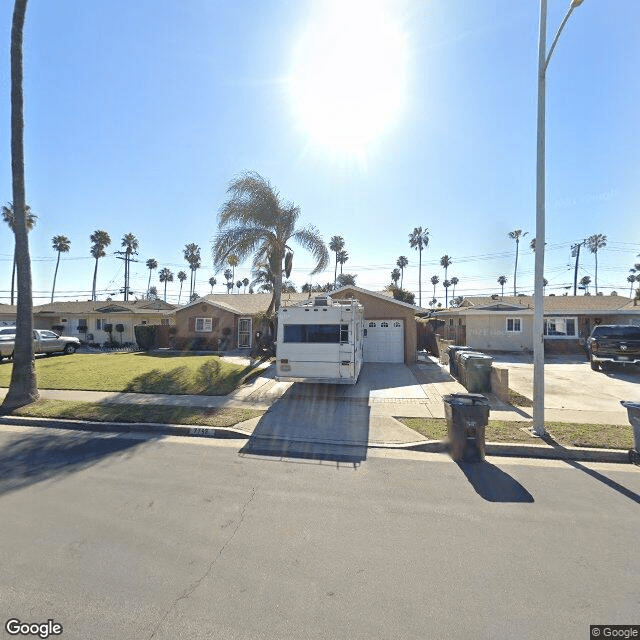
7752 Taylor Dr, Huntington Beach, CA 92648
To contact a resident: (614) 746-5824
For more information about senior living options: (866) 208-4318
Ur Home Costs & Pricing
At Ur Home, our monthly costs for room accommodations are designed to offer competitive pricing while ensuring a high standard of care and comfort. For a semi-private room, the rate is $3,300, which is slightly below the average cost of $3,431 in Orange County and aligns well with the state average of $3,333. When it comes to private rooms, Ur Home offers these at $4,200 - this is above Orange County's average of $4,104 but surpasses the overall California state average of $3,939. Our pricing reflects our commitment to providing exceptional services and personalized care that make Ur Home a desirable choice for residents seeking quality living arrangements.
| Floor plans | Ur Home | Orange County | California |
|---|---|---|---|
| Semi-Private | $3,300 | $3,431 | $3,333 |
| Private | $4,200 | $4,104 | $3,939 |
Senior living communities with a similar price nearby
-
from +$200 / mo
Kind Heart Home Care VI
$3,500 to $5,000 / month20.1 miles away -
from +$200 / mo
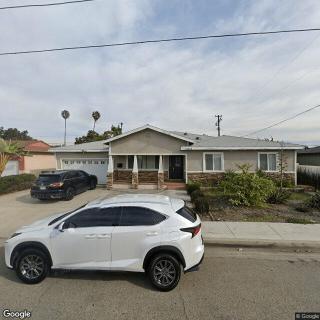
Loving Home Care
$3,500 to $4,500 / month4.9 miles away -
About the same

Bella Manor II
$3,300 to $4,290 / month10.0 miles away -
from -$500 / mo
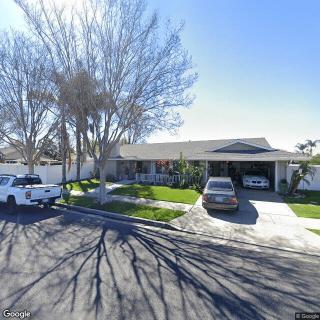
Candlewood Care Home III
$2,800 to $3,400 / month11.3 miles away -
from -$500 / mo
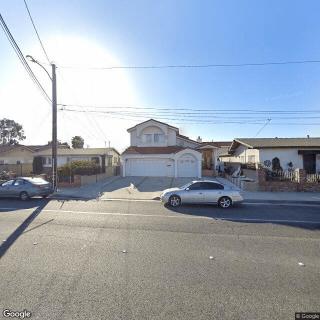
Leah Loving Elderly Care
$2,800 to $3,000 / month2.9 miles away
Overall Review of Ur Home
Pros
 Alternative Senior Care was pretty responsive to the needs and concerns for their loved one.
- Alternative Senior Care listened to what families were looking for and met their needs.
- The loved one is doing really well.
- The reviewers would recommend Alternative Senior Care to others.
Review
Ur Home in Huntington Beach is best for families seeking a small, highly responsive care option rather than a large, impersonal campus. The feedback available stresses quick responsiveness to needs, careful listening, and care plans that align with what families are seeking. When a loved one began receiving attention there, the outcome described is that they are doing well and that the family would recommend the arrangement. That suggests strong alignment between caregivers and family goals, and a care approach built around flexible support rather than rigid programming. For households prioritizing ongoing communication, transparency, and the ability to adjust plans on short notice, this setting delivers tangible value.
Those who should consider alternatives include families needing intense medical oversight or specialized services, such as memory care with trained staff around the clock. If the priority is a wide array of amenities, structured daily activities, or a campus that can absorb rapid changes in health status without requiring frequent plan revisions, a bigger operation could be a better fit. Also, with only one positive encounter on record, prospective residents should seek additional references and corroborating experiences before committing. Location factors, cost structures, and licensing credentials are equally critical to verify.
From the documented strengths, the core pro is clear: responsiveness that translates into care plans meeting the family’s stated concerns. This strength helps offset the common anxieties families carry, concerns about being listened to, about changes being implemented, and about communication gaps. In a smaller operation, personal attention often means faster adjustments and clearer accountability. The absence of reported drawbacks in the available feedback strengthens confidence, but the lack of breadth in reviews invites caution: a single storyline cannot guarantee consistency across all shifts, care levels, or weekends. Still, the demonstrated alignment between needs and care delivery is a meaningful counterweight to typical scale-related tradeoffs.
Practical due diligence should center on on-site impressions and documentation. Prospective families should request a sample care plan and a day-in-the-life schedule to assess how routines align with the loved one’s preferences. Verify staffing patterns and on-call availability, and ask about nurse or clinician coverage during evenings and weekends. Inquire about communication protocols, how often updates are sent, and through which channels. Observe interactions between staff and residents, and note how meals, safety checks, and mobility assistance are handled. A candid tour will reveal whether the environment supports independent living uplift or if it tilts toward heavy assistance in a way that may or may not suit the resident’s independence goals.
Cost transparency and eligibility are non-negotiables. Families should confirm what is included in monthly rates and what incurs extra charges, from care coordination to medication administration. Licensing status and safety records must be reviewed, as should the facility’s emergency procedures and disaster preparedness. Location considerations, proximity to hospitals, family members, and familiar surroundings, play a practical role in ongoing care. Consider the resident’s medical trajectory: if hospitalizations or rehab needs arise, is the community equipped to coordinate with external providers? These questions sharpen the decision and prevent sticker shock after moving in.
In sum, Ur Home presents a practical, responsive option for families prioritizing quick alignment with their care expectations and ongoing communication. For those who require intensive clinical oversight, medical complexity, or a broader set of on-site amenities, alternatives deserve serious comparison. The single-positive review available signals meaningful potential, but due diligence remains essential: schedule a tour, request references, and probe every facet of care, safety, and cost. With careful vetting, families can determine whether this smaller, responsive model fits the loved one’s personality, health needs, and long-term goals.
 Board and Care Home
 Activities off-site
 Indoor common areas
 Outdoor common areas
 Private
 Private bathrooms
 Respite or short term stays offered
 Wheelchair accessible showers
 John Wayne Orange Co (7 miles away)
 Ambulatory care
 Diabetic care
 High acuity care
 Meals provided


 Exploring Palliative Care in the Home: A Comprehensive Overview
 Comprehensive Insights into Palliative Home Care: What It Is and What to Expect
 Skilled Nursing Facilities vs. Nursing Homes: Making Sense of the Differences