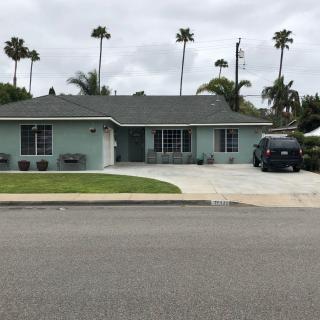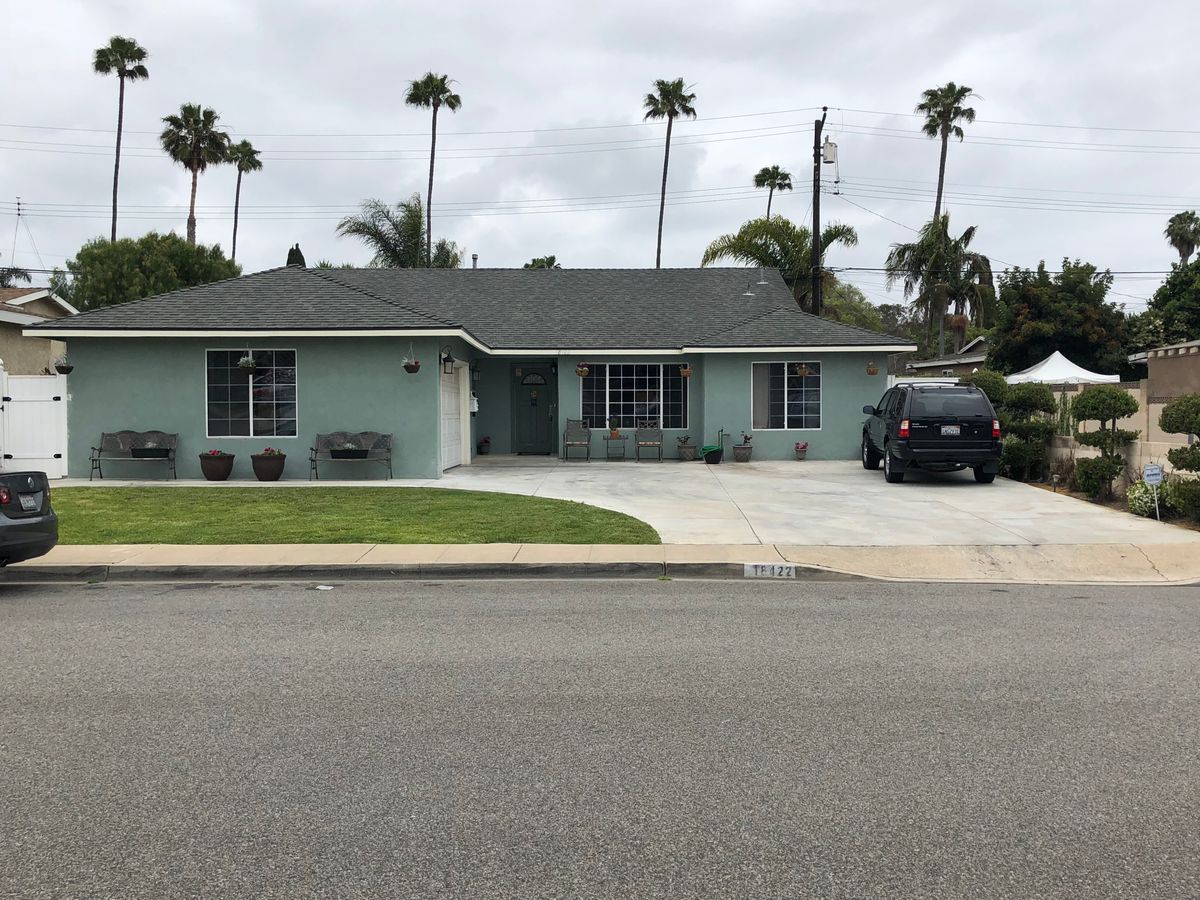
18422 Manitoba Lane, Huntington Beach, CA 92648
For more information about senior living options: (866) 208-4318
Overall Review of Doctors TLC Assisted Living 2
Pros
 The rehabilitation center is fantastic with lots of activities.
- It is a nice, clean place with attentive staff.
- The staff help people.
- Sea Cliff Assisted Living is attached to a skilled nursing facility, offering reassurance from capable hands nearby and maintaining cleanliness and a great place to live and thrive.
- The staff go above and beyond, and Sea Cliff is highly recommended for loved ones.
Cons
 They allege false imprisonment, with residents not allowed to leave or have visitors.
- They claim the facility never lets residents leave and forbids visitors.
- They cite code violations, including discharging residents without advance notice.
- They state residents’ rights to move freely and to make treatment decisions are being violated.
Review
Doctors TLC Assisted Living 2 in Huntington Beach is best suited for seniors who want a robust rehabilitation orientation, a lively calendar of activities, and the reassurance of a nearby skilled nursing presence. The strongest draw is the rehab capability paired with attentive, clean surroundings and a staff culture that consistently aims to support both daily living and recovery-oriented routines. For families prioritizing structured programming, visible energy in the community, and a facility that feels well managed day to day, this is a solid match.
Where this community may prompt closer scrutiny are expectations around autonomy and visitation. Several reviewers raise red flags about restrictions on leaving or having visitors, painting a picture of a environment where resident movement and individual choice are not fully prioritized. Those concerns can loom large for families whose philosophy centers on preserving independence, mobility, and unrestricted family access. In such cases, alternatives that explicitly emphasize resident rights and more permissive visitation policies deserve careful consideration, even if the rehab and daily activity offerings appear strong on paper.
On balance, the proactive rehab emphasis and the consistent impression of cleanliness and attentiveness do substantial work to offset notable drawbacks. A hospital-to-home transition mindset, lots of activities, purposeful engagement, and a staff that seems to go “above and beyond” at times, represents real value for seniors ready to lean into structured programming and monitored independence. The proximity to skilled nursing services is not merely a comfort; it translates into quicker access to higher-level care if needed, which can reduce stress for families during post-acute recovery or illness episodes. When the goal is to maintain function and stay engaged, these core strengths are meaningful and tangible.
That said, the potential for restraint, real or perceived, is a meaningful lever in decision-making. If autonomy and the right to move freely are non-negotiable, this community may demand more questions and clearer assurances than some families are comfortable with. Prospective residents should demand explicit, written policies on leave, visits, and consent, and request transparency about how resident rights are protected in practice. The existence of strong rehab and a positive staff tone does not automatically resolve questions about personal freedom; those rights must be visibly protected through process and culture.
Comparisons drawn by reviewers point to Sea Cliff Assisted Living as a notable alternative in the same region: it is described as an affordable option with clean facilities and a positive environment, and it benefits from being attached to a skilled nursing facility. For families who are budget-conscious or who want a facility that they perceive as less restrictive while still offering competent care, Sea Cliff can be an attractive counterpoint. The cost differential and the availability of nearby nursing support are meaningful factors when evaluating long-term plans, especially for those balancing monthly budgets with ongoing care needs.
In the end, the recommendation hinges on priorities. If rehabilitation, social engagement, and dependable hands-on care near a capable hospital-type footprint drive the decision, Doctors TLC Assisted Living 2 stands up well and deserves a serious tour. If personal freedom, ease of visiting, and cost sensitivity drive the choice, families should explore alternatives with explicit policies that safeguard resident autonomy and allow flexible movement. A disciplined due-diligence process, speaking directly with staff, inspecting actual common areas and rooms, and probing policy specifics, will reveal whether this community’s strengths align with the family’s nonnegotiables.
 6 resident community capacity
 Assisted Living
 Board and Care Home
 Respite Care
 Cable or satellite TV
 Dining room
 Fully furnished
 Garden
 Housekeeping services
 Move-in coordination
 Outdoor space
 Small library
 Telephone
 John Wayne Orange Co (7 miles away)
 24-hour supervision
 Activities of daily living assistance
 Assistance with bathing
 Assistance with dressing
 Assistance with transfers
 Diabetes diet
 Meal preparation and service
 Medication management
 Special dietary restrictions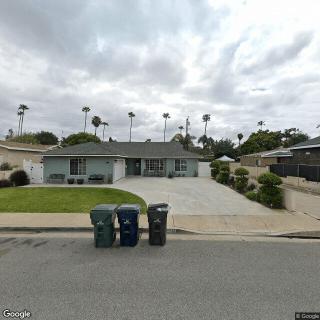





 Vibrant Senior Living: A Comprehensive Guide for Active Older Adults
 When to Transition from Assisted Living to Memory Care: Key Indicators, Steps, and Finding the Right Community
 Assisted Living and Memory Care: Understanding Their Core Differences