Merrill Gardens At Huntington Beach Costs & Pricing
Merrill Gardens at Huntington Beach offers a competitive pricing structure for its residents when compared to both Orange County and the broader state of California. For studio apartments, Merrill Gardens' cost of $3,700 per month is notably lower than the county average of $4,313 and the state average of $4,145, making it an appealing choice for those seeking affordable yet quality living arrangements. The one-bedroom unit is also attractively priced at $4,500, slightly exceeding the county rate but remaining lower than the overall state benchmark. However, it's in the two-bedroom category where Merrill Gardens truly stands out; while their rate of $6,400 is higher than both local ($5,390) and state averages ($5,270), it reflects the premium services and vibrant community lifestyle that residents enjoy. Overall, Merrill Gardens at Huntington Beach balances value with comfort in a desirable location.
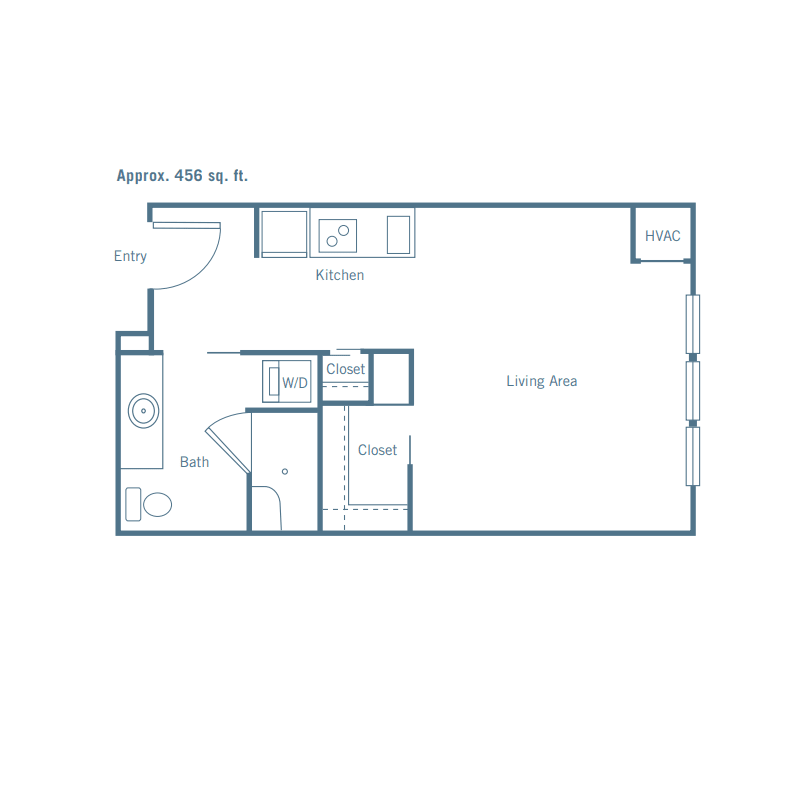
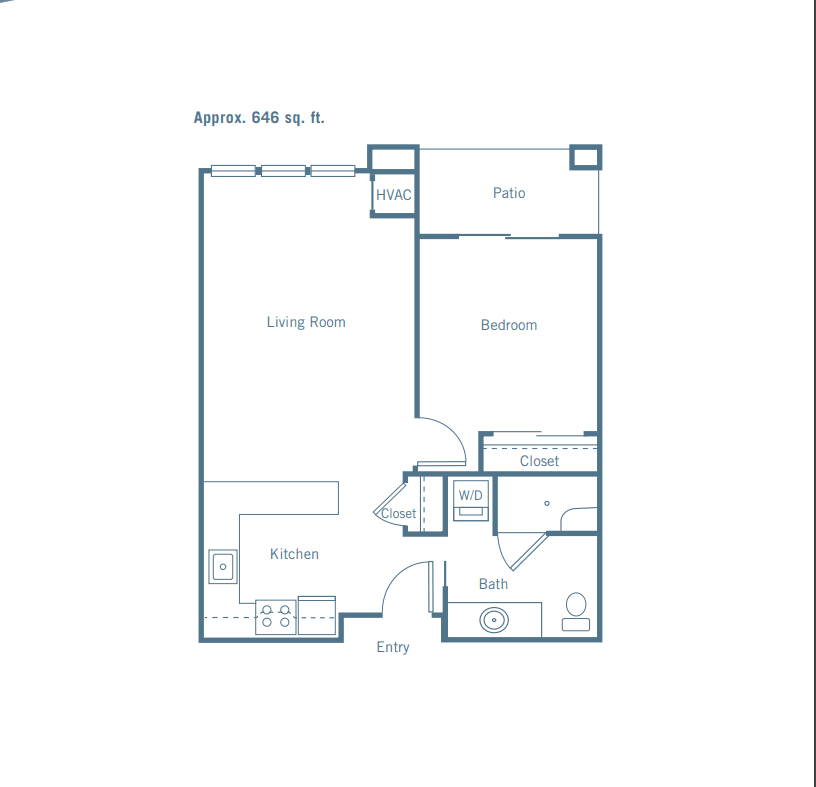
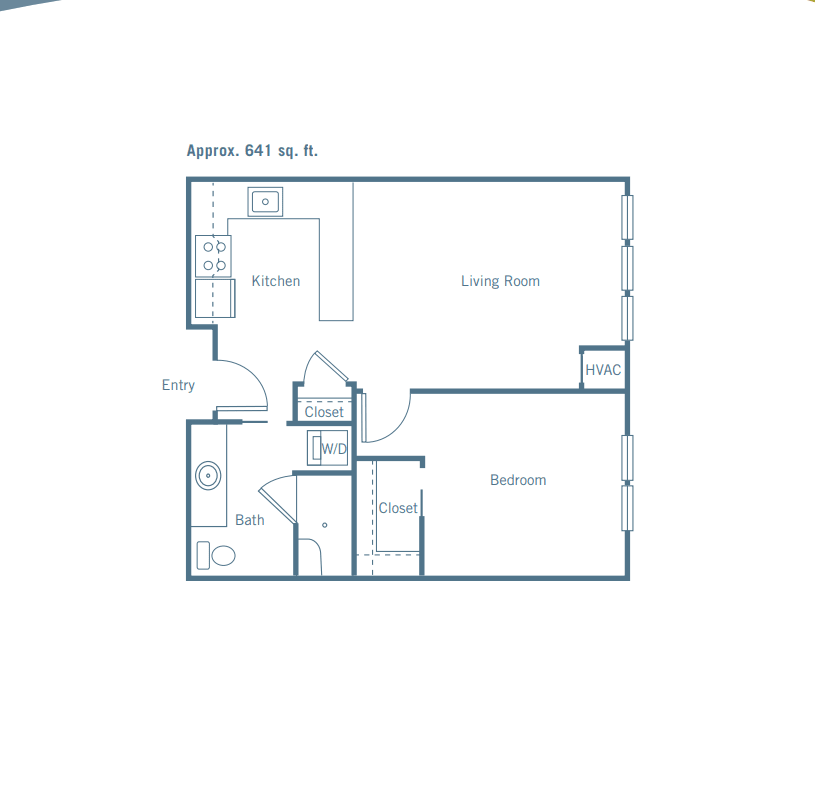
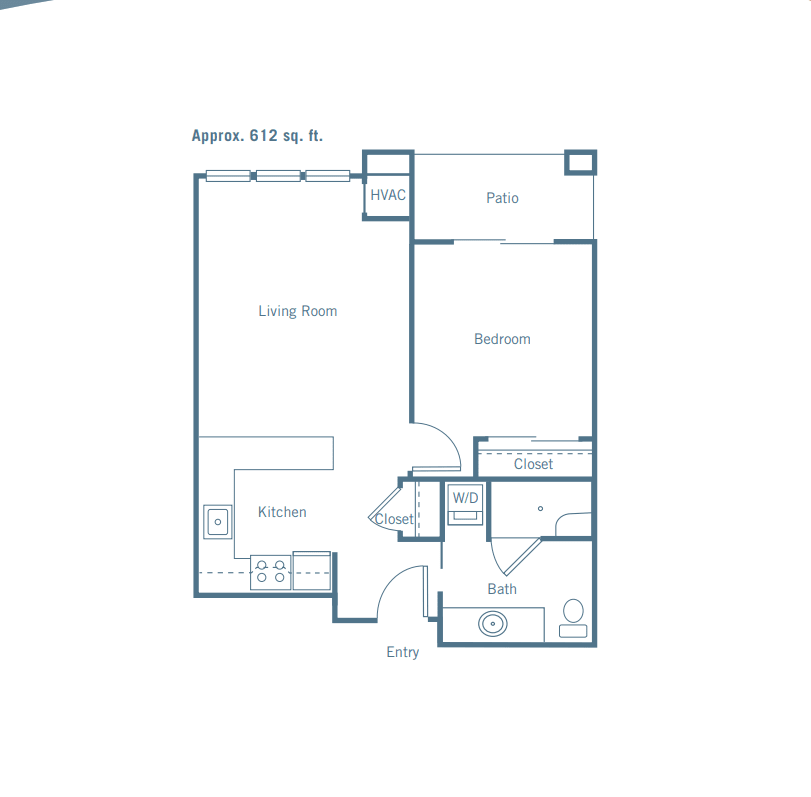
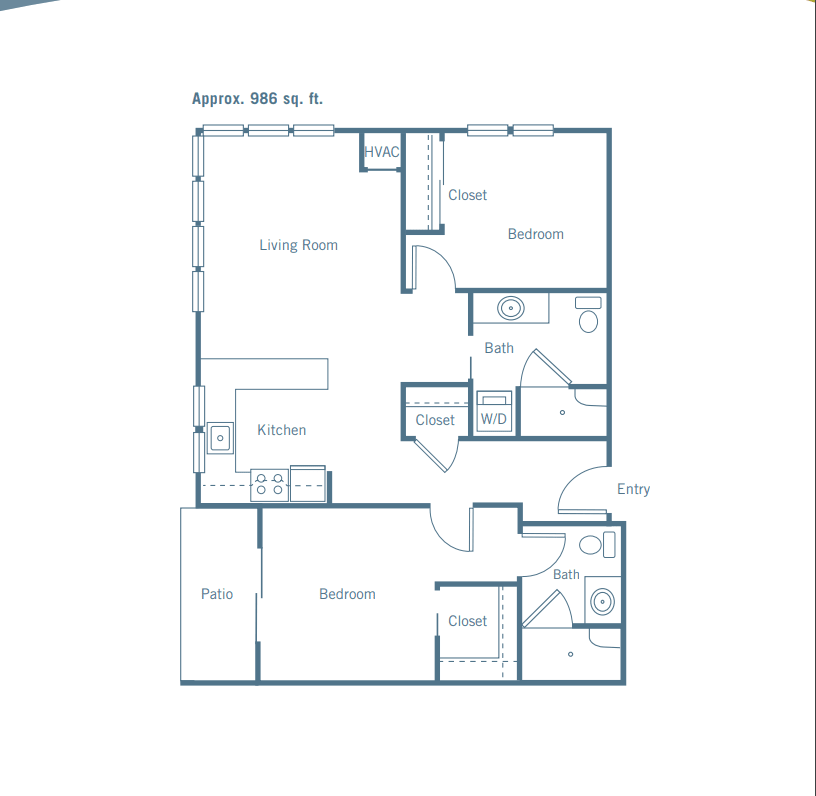
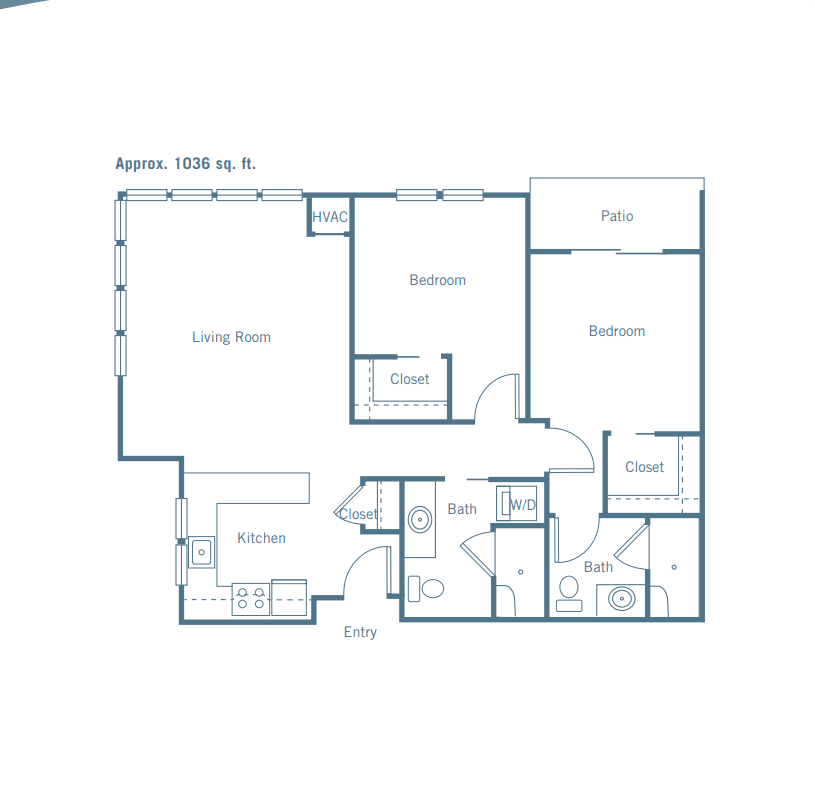
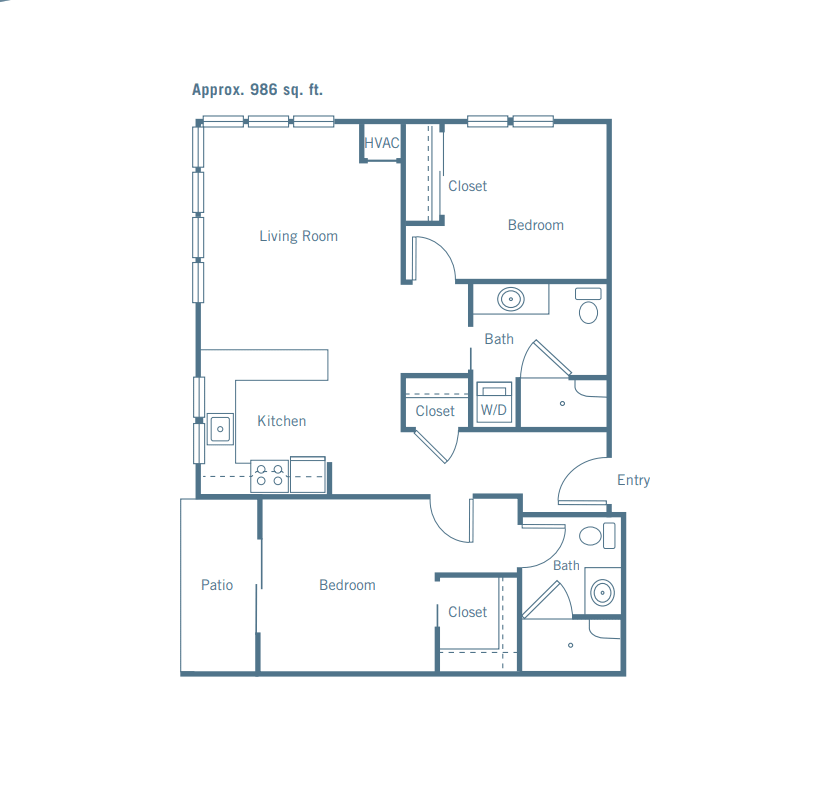
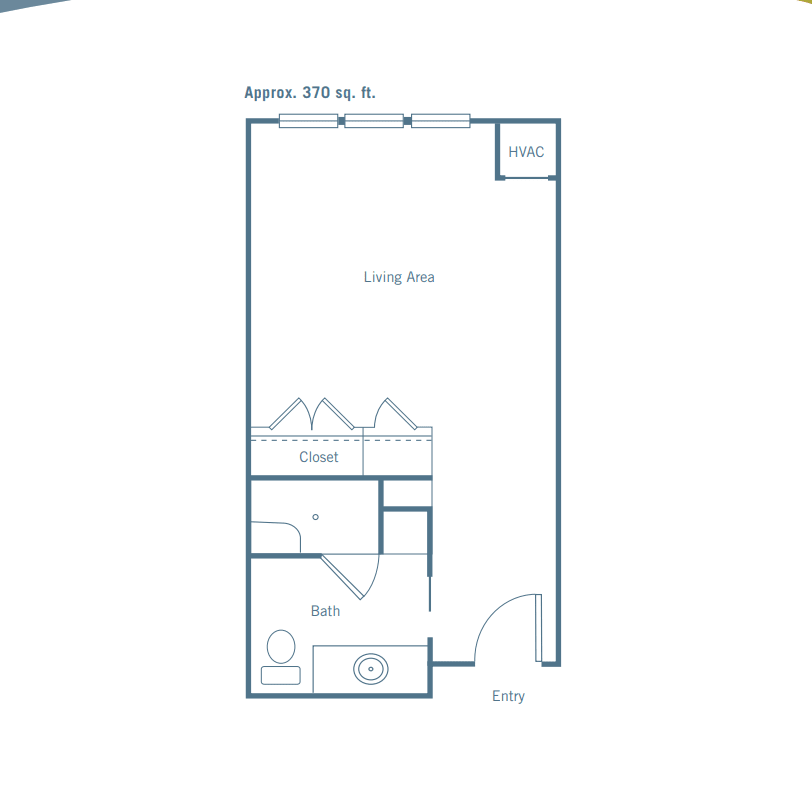
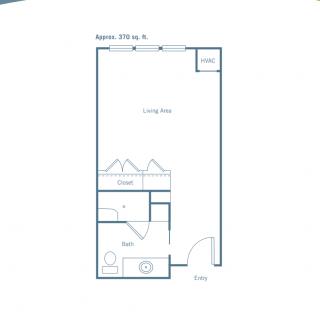
Floor plans
Merrill Gardens At Huntington Beach
Orange County
California
Studio
$3,700
$4,313
$4,145
1 Bedroom
$4,500
$4,380
$4,340
2 Bedrooms
$6,400
$5,390
$5,270
Memory care communities with a similar price nearby
Overall Review of Merrill Gardens At Huntington Beach
common26 reviews mention this
Staff care and responsiveness stand out
Residents and families repeatedly describe staff as attentive and responsive to needs.
Many reviewers say the staff treats residents with kindness and respect and makes them feel safe. Several mention staff being easy to reach, communicating with families, and following through when help is needed. A few reviews are more critical, describing leadership or caregivers as less helpful at times, including problems around medication management or follow-up. Overall, the care experience comes through as relationship-driven, with responsiveness highlighted again and again.
differentiator14 reviews mention this
Restaurant-style dining and flexible times
Dining is consistently described as restaurant-style with flexible meal timing.
Multiple residents and families like that meals feel less regimented, with dining available across a broad daytime window and “anytime” options. Reviewers also describe choosing from menu-style meals and getting help with dietary needs. While most comments are positive, at least a couple mention the food wasn’t as strong as expected or varied from meal to meal. Even those criticisms often read as a taste issue rather than a lack of service.
common12 reviews mention this
Activities keep residents engaged
Community-sponsored activities are a frequent reason residents say they feel connected.
Reviews describe a steady schedule of activities on and off campus, including games, classes, performances, and social events. Several mention specific events like happy hours and themed gatherings, and others say they see residents participating throughout the day. A few reviewers note limits on participation or that the activity mix wasn’t a fit for their loved one. The overall theme is that activities are offered broadly, with engagement depending on the individual resident.
caveat11 reviews mention this
Pricing feels high for some
Pricing is described as expensive, with added care support often increasing costs.
Several reviews call out cost as a concern, saying the community can be “very expensive” or that pricing rises when additional needs come up. Some reviewers also mention feeling boxed into care add-ons or a point-based system for assistance. Others say the overall value is good, including comments that the community was the best value after shopping around. The split suggests cost is a frequent negotiation point, especially for families needing more care than independent living.
caveat5 reviews mention this
Mixed experiences with memory care
Memory care reviews are mixed, with some families reporting serious breakdowns.
Some reviews raise concerns about the memory care experience, including staffing turmoil and problems with medication handling during dementia-related situations. There are also comments suggesting the memory care setup may not offer enough outdoor space or may not fit every level of dementia need. On the other hand, at least one review highlights an Alzheimer/dementia-focused education and support during the decision process, and another describes nursing attention during medical emergencies as reassuring. Taken together, memory care is described as higher-stakes and less consistently satisfying than general community living.
common2 reviews mention this
Convenient Huntington Beach location
Reviewers mention the location as a practical benefit for daily outings.
One reviewer specifically calls out nearby access, including a park and local amenities within short walking distance. Nearby listings also include Huntington Central Park and multiple pharmacies nearby. Some reviewers still raise concerns about walkability or assistance getting residents to stores, so convenience appears dependent on the resident’s needs.
How we summarize
Counts show how many written reviews mention each theme; a review can touch several themes, and only frequently mentioned themes are displayed.
Features
Housing
150 resident community capacity
Studio apartments
Types of Care
Assisted Living
Independent Living
Memory Care
Pets
Cats allowed
Dogs allowed
Amenities
Activities off-site
Activities on-site
Air-conditioning
Beautician on-site
Beauty salon
Cable or satellite TV
Computer center
Devotional services off-site
Devotional services on-site
Dining room
Fitness room
Full kitchen
Fully furnished
Gaming room
Garden
Ground floor units
Handicap accessible
Housekeeping services
Indoor common areas
Kitchenette
Move-in coordination
Outdoor common areas
Outdoor space
Private bathrooms
Respite or short term stays offered
Restaurant-style dining
Small library
Telephone
Wellness center
Wheelchair accessible showers
Wi-Fi/high-speed internet available
Transportation
John Wayne Orange Co (8 miles away)
Long Beach (Daugherty) (11 miles away)
Community operated transportation
Transportation arrangement
Transportation arrangement (non-medical)
Transportation to doctors appointments
Care Services
12-16 hour nursing
24-hour call system
24-hour supervision
Activities of daily living assistance
Ambulatory care
Assistance with bathing
Assistance with dressing
Assistance with transfers
Coordination with health care providers
Dementia waiver
Diabetes diet
Hospice waiver
Incontinence care
Meal preparation and service
Medication management
Mental wellness program
Mild cognitive impairment
Special dietary restrictions
Specialized memory care programming
Transportation arrangement (medical)
Transportation to doctors appointments
Dining
Anytime dining
Diabetes diet
Gluten-free
Guest meals
Low / no sodium
Meals provided
No Sugar
Professional chef
Restaurant style dining
Room service
Special dietary restrictions
Special dining programs
Vegan
Vegetarian
Activities
Activities off-site
Art classes
Catholic services
Community-sponsored activities
Concierge services
Cooking classes
Day trips and outings
Devotional activities offsite
Devotional activities on-site
Fitness programs
Happy hour
Karaoke
Live dance or theater performances
Live musical performances
Live well programs
Other religious services
Planned day trips
Resident-run activities
Scheduled daily activities
Languages Spoken
English
Nearby Places of Interest
This area of Huntington Beach, California, offers a variety of amenities and services that cater to the needs of older individuals looking for a comfortable and convenient place to live. With multiple parks nearby such as Huntington Central Park and Faylane Park, residents have access to recreational activities and outdoor spaces for relaxation. Additionally, there are several pharmacies in close proximity including CVS Pharmacy and Walgreens, ensuring easy access to medical supplies. For entertainment, there are theaters like Century Huntington Beach And XD within a short distance. Several cafes like Starbucks offer a nice spot for socializing or enjoying a cup of coffee. Restaurants such as Brodard Restaurant and In-N-Out Burger provide options for dining out. Nearby hospitals like Kindred Hospital Westminster and Hoag Hospital Newport Beach offer quality healthcare services, while physicians' offices such as Los Alamitos Cardiovascular provide medical care when needed. Places of worship like Saint Hedwig Catholic Church and Cottonwood Church cater to spiritual needs. Transportation options include Disneyland Monorail - Downtown Disney District Station for easy access to nearby attractions. Overall, this area provides a well-rounded living environment for seniors seeking convenience and comfort in Huntington Beach.
Parks
Huntington Central Park (0.8 miles)
Mile Square Regional Park (4 miles)
Huntington Central Park (4.7 miles)
Seeley Park (5.4 miles)
Huntington State Beach (5.5 miles)
Faylane Park (6.3 miles)
Rossmoor Park (7.2 miles)
Pharmacies
CVS Pharmacy (1 miles)
Walgreens (1.1 miles)
Rite Aid (1.1 miles)
CVS Pharmacy (1.6 miles)
CVS Pharmacy (1.6 miles)
CVS Pharmacy (2 miles)
CVS Pharmacy (2 miles)
Theaters
Century Huntington Beach And Xd (1.6 miles)
AMC Movie Theater (8.1 miles)
Cafes
Starbucks (1.8 miles)
Starbucks (4.2 miles)
Starbucks (5.3 miles)
Starbucks (5.4 miles)
Northside Cafe (5.5 miles)
MoonGoat Coffee Roasters (6.3 miles)
Nespresso Boutique at Bloomingdale's (7 miles)
Restaurants
Brodard Restaurant (3.1 miles)
In-N-Out Burger (3.2 miles)
In-N-Out Burger (4.3 miles)
Lee's Sandwiches (4.7 miles)
In-N-Out Burger (5.3 miles)
Raising Cane's Chicken Fingers (5.4 miles)
Chick-Fil-A (6.4 miles)
Hospitals
Kindred Hospital Westminster (3.5 miles)
Hoag Hospital Newport Beach (7.5 miles)
VA Long Beach Healthcare System (7.8 miles)
Physicians
Dostzada, Ghulam Dr - Los Alamitos Cardiovascular (6.5 miles)
Newport Heart North (7.5 miles)
The 200 Building (8.3 miles)
Places of Worship
Saint Hedwig Catholic Church (6.8 miles)
Cottonwood Church (6.9 miles)
Transportation
Disneyland Monorail - Downtown Disney District Station (8.1 miles)
Merrill Gardens at Huntington Beach offers a competitive pricing structure for its residents when compared to both Orange County and the broader state of California. For studio apartments, Merrill Gardens' cost of $3,700 per month is notably lower than the county average of $4,313 and the state average of $4,145, making it an appealing choice for those seeking affordable yet quality living arrangements. The one-bedroom unit is also attractively priced at $4,500, slightly exceeding the county rate but remaining lower than the overall state benchmark. However, it's in the two-bedroom category where Merrill Gardens truly stands out; while their rate of $6,400 is higher than both local ($5,390) and state averages ($5,270), it reflects the premium services and vibrant community lifestyle that residents enjoy. Overall, Merrill Gardens at Huntington Beach balances value with comfort in a desirable location.
The features offered by Merrill Gardens At Huntington Beach are integral to providing comprehensive memory care for residents with dementia or Alzheimer's disease. With 24-hour supervision, residents benefit from constant support and safety, reducing anxiety and the risk of wandering. Assistance with activities of daily living, including bathing and dressing, ensures that personal hygiene and dignity are maintained while promoting independence as much as possible. Coordination with healthcare providers enhances the overall well-being of residents by ensuring continuity of care and timely interventions. The specialized memory care programming caters to the unique challenges posed by cognitive impairments, while features like meal preparation ensure that nutritional needs are met in a familiar environment. Medication management minimizes confusion and promotes adherence to treatment plans, which is crucial for overall health stability. Additional services such as incontinence care and transportation arrangements further address specific needs, helping to create a nurturing atmosphere that fosters mental wellness through structured activities tailored to stimulate cognitive function. Together, these elements form a holistic approach that not only supports physical health but also enriches the quality of life for residents experiencing varying stages of dementia.
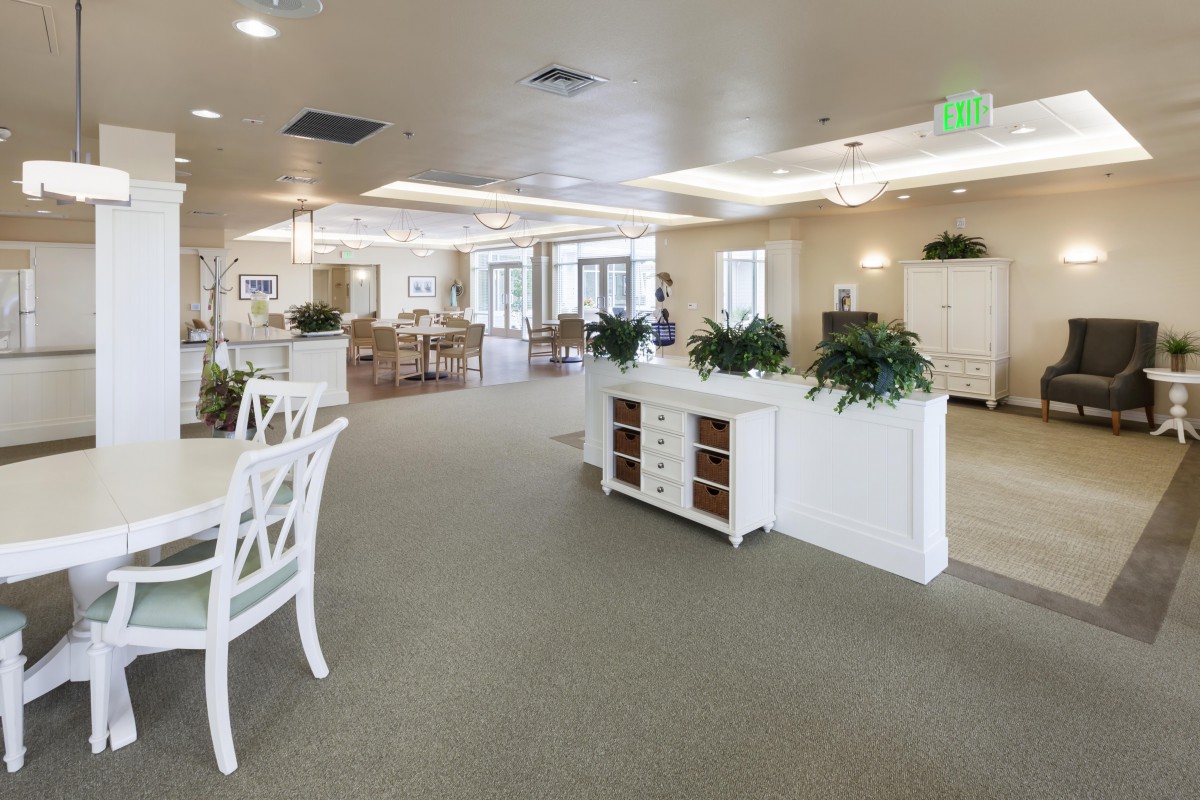
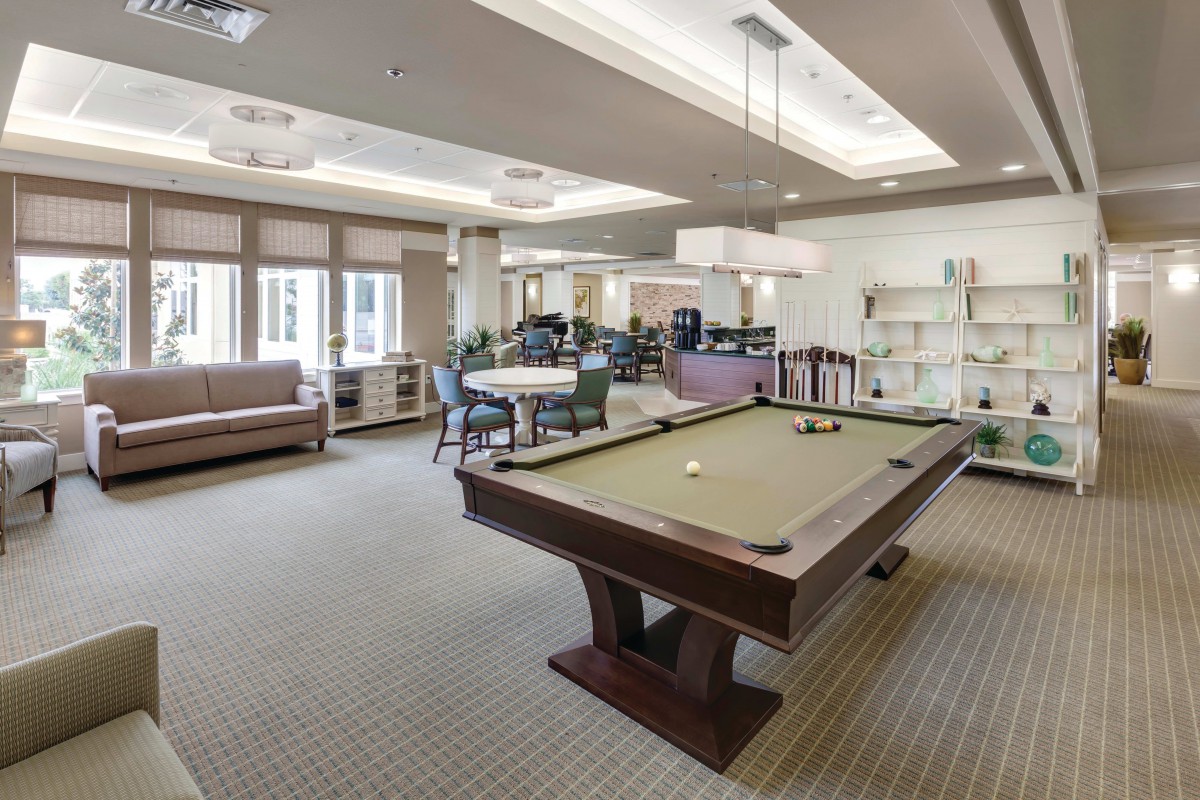
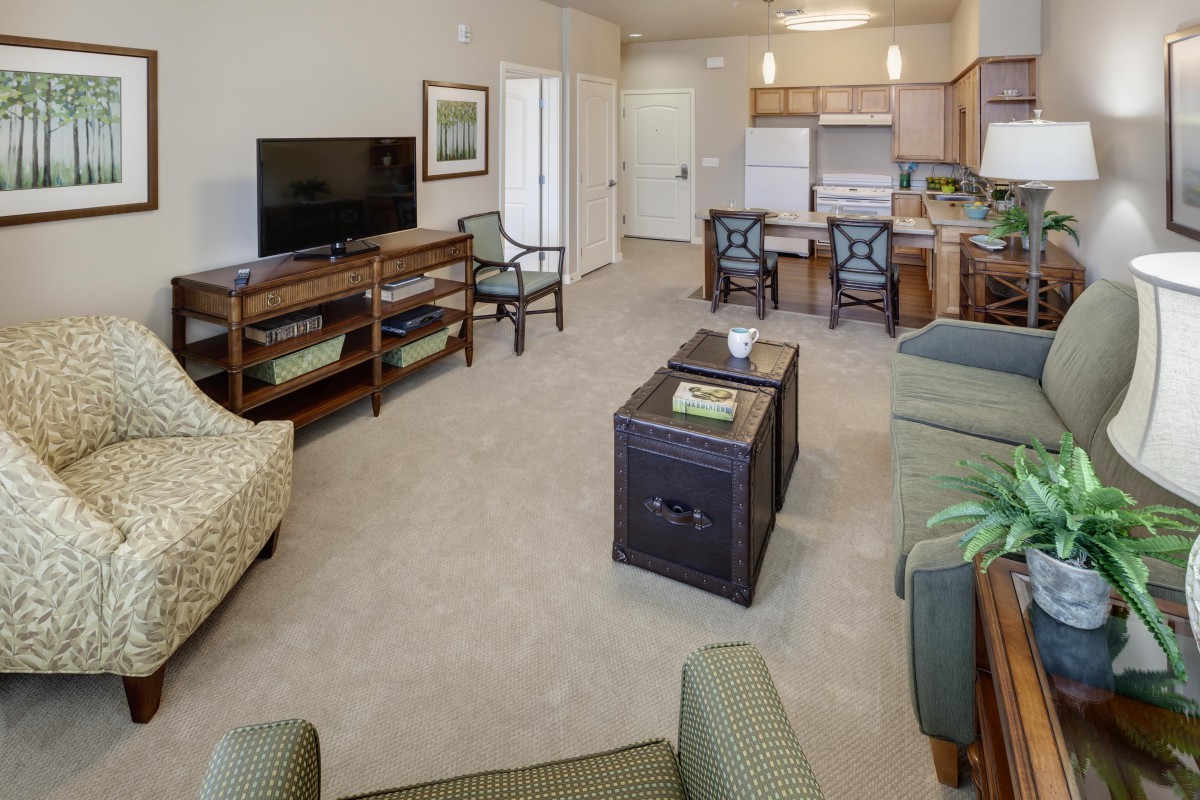
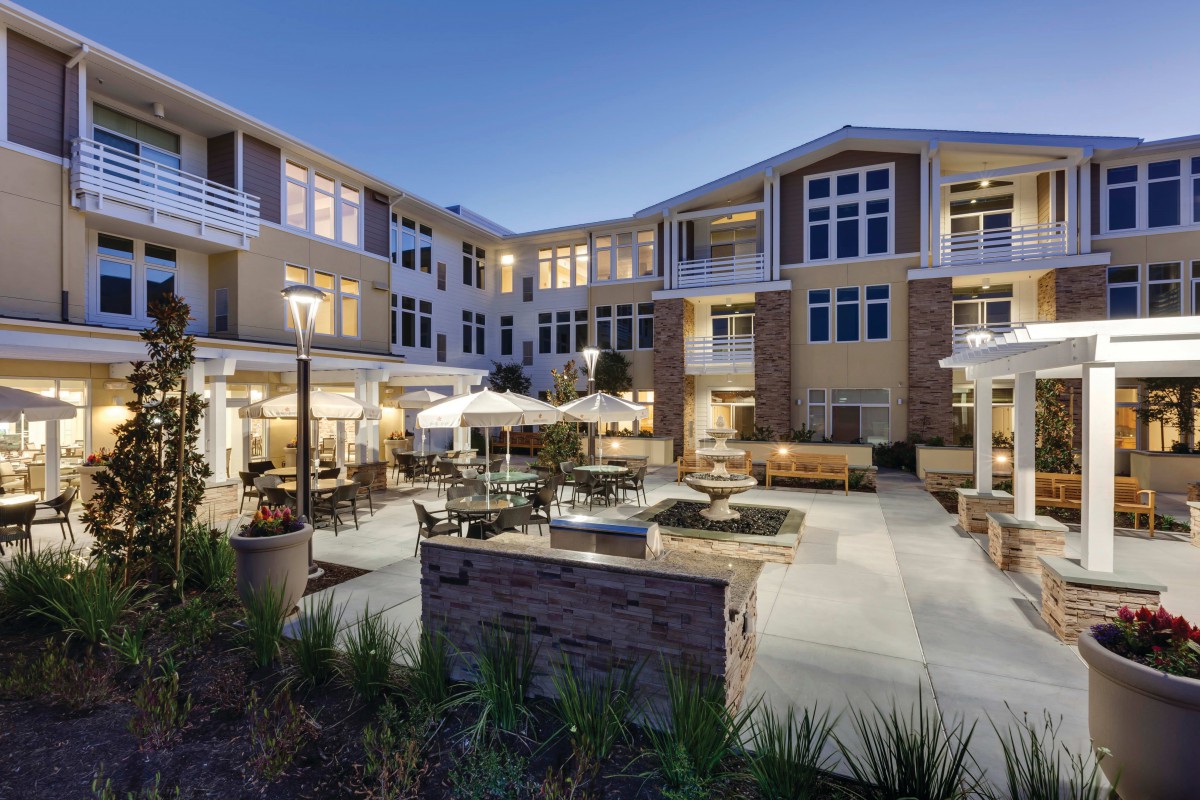
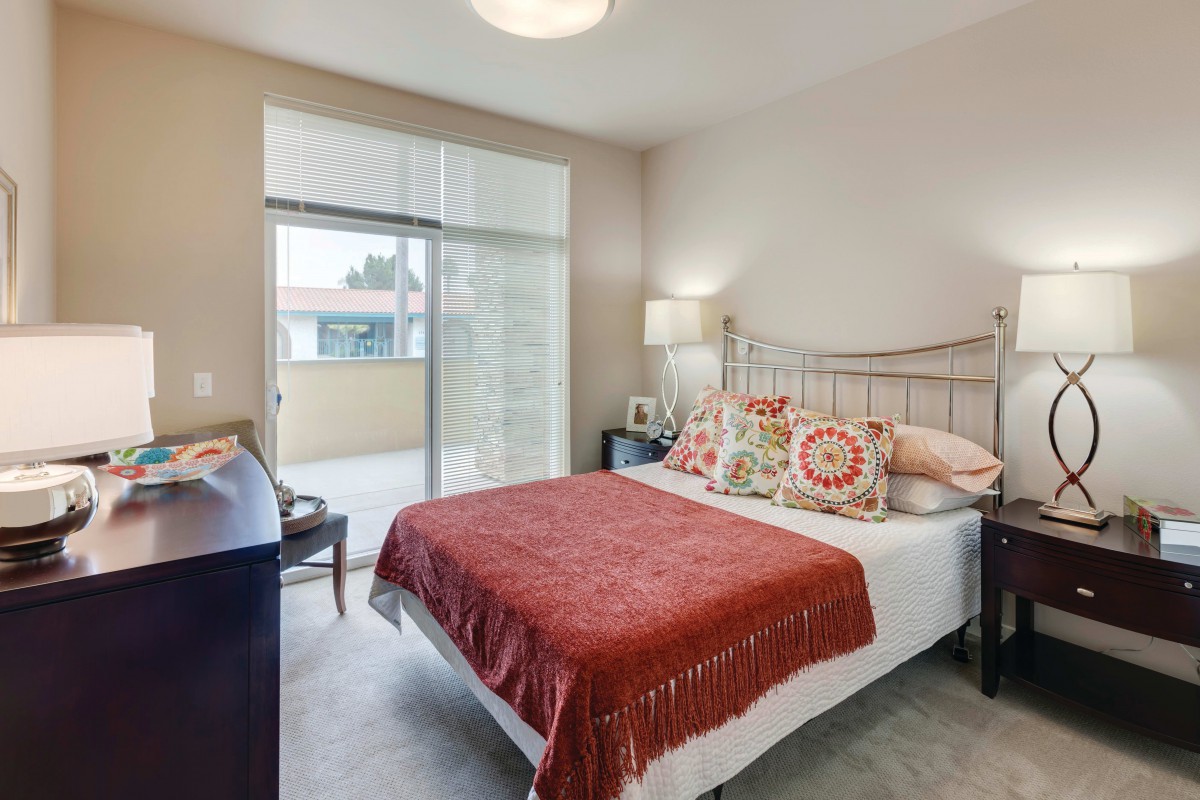
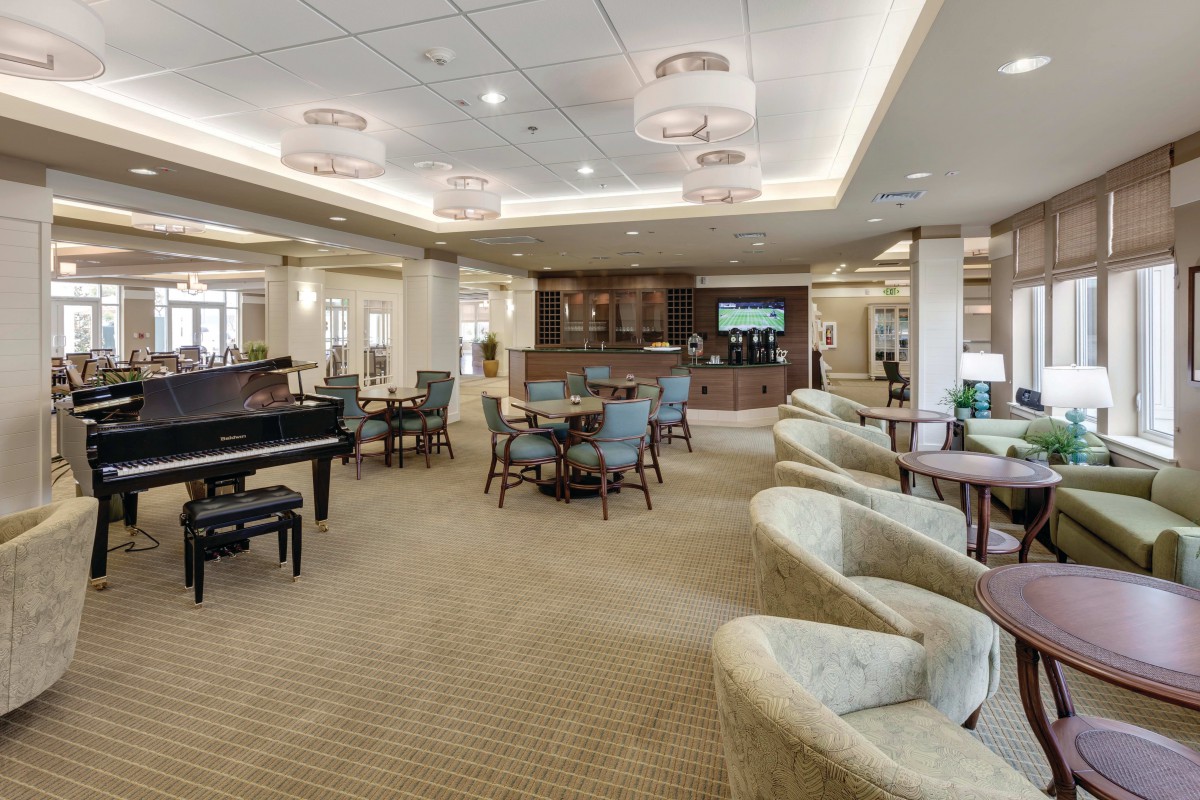
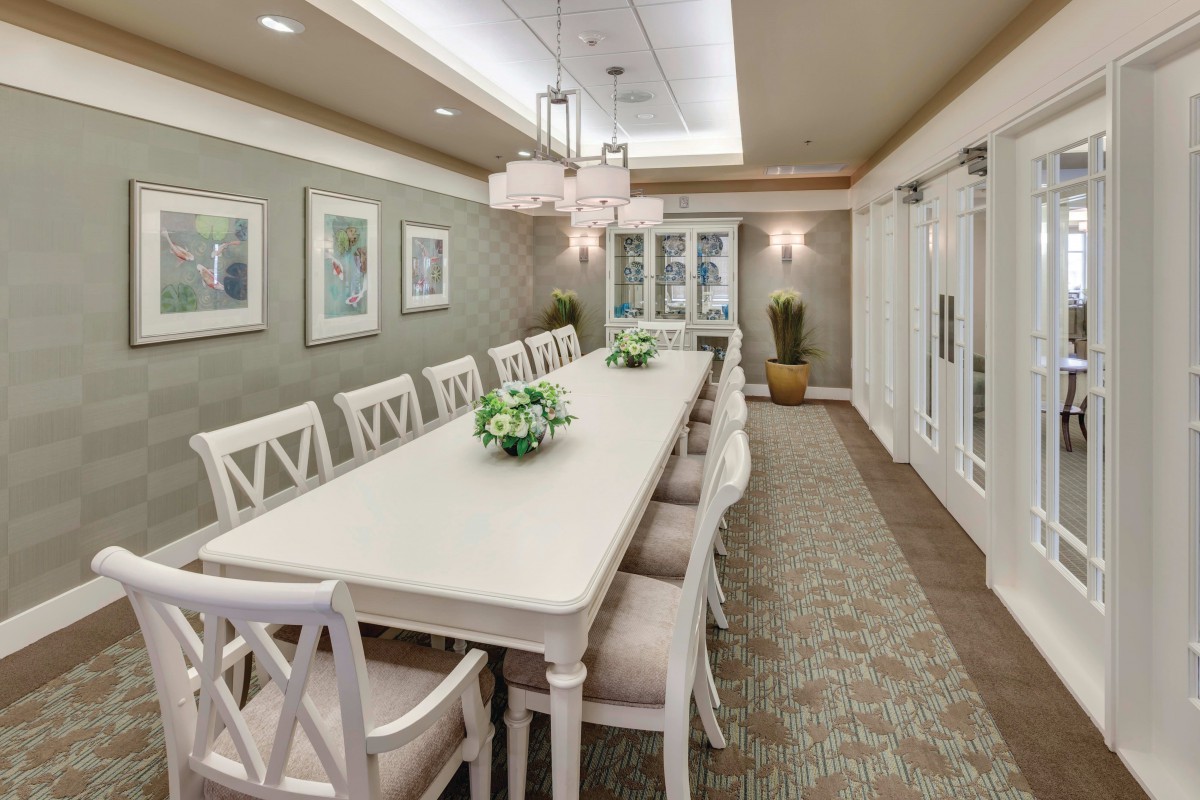
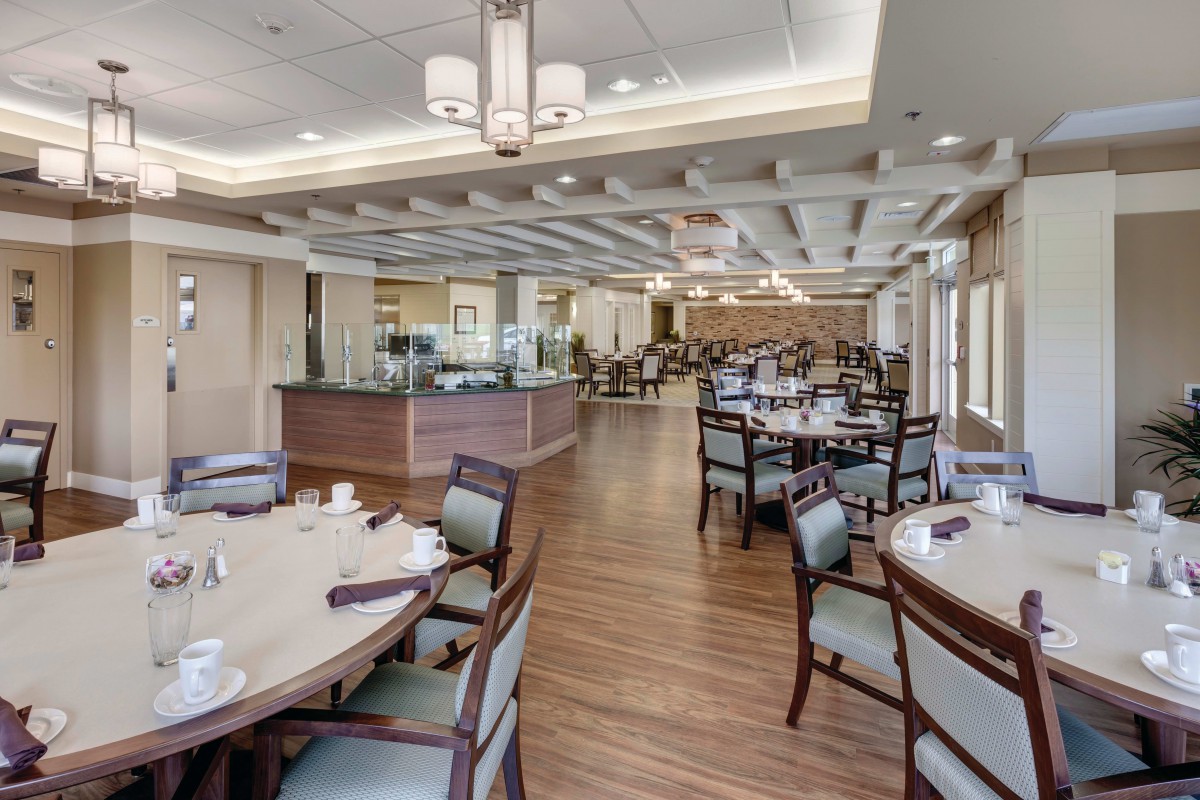
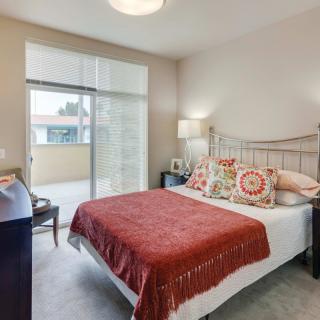
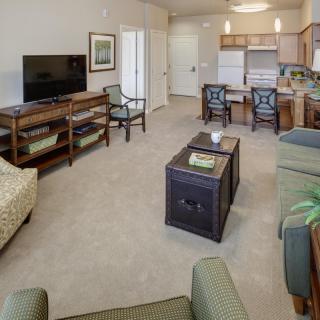
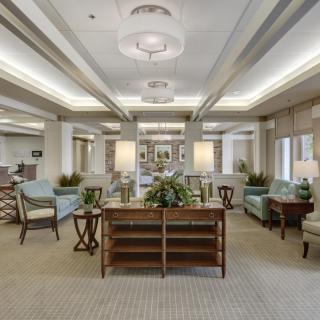
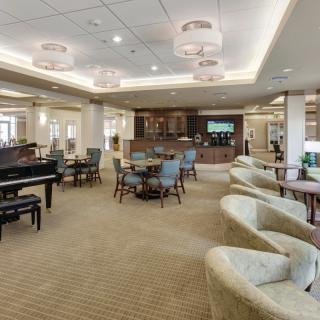
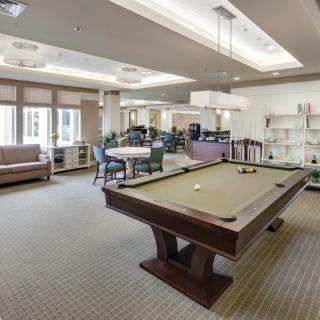
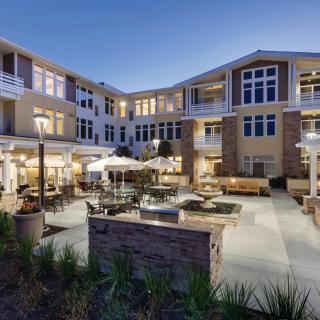
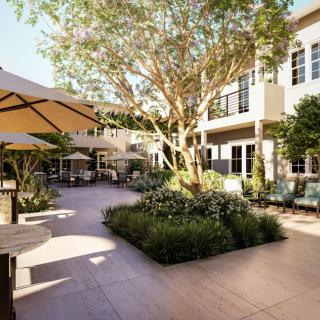
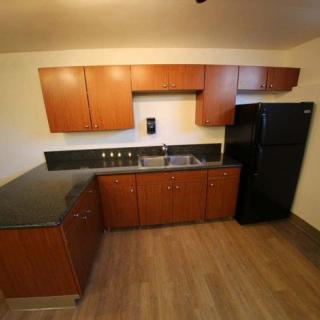
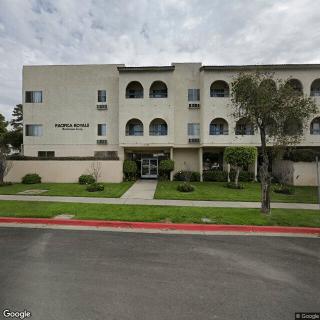
Merrill Gardens At Huntington Beach on seniors.fyi includes 20 photos including images showing floor plan, interior, bedroom, living room, kitchen, architecture, bathroom, dining, and more.
Nearby Communities
Affinity Home Care
Huntington Beach, CA
Residential-style setting with personalized assistance and nutritious meals.
AJ Huntington Home #5
Huntington Beach, CA
5 from 1 review
$3,200 / month
Private rooms priced below OC and statewide averages.
Luxury Living Senior Care Huntington Beach
Huntington Beach, CA
4.5 from 4 reviews
$4,000 to $5,000 / month
Luxurious, modern setting with an appealing location and engaged residents.
European Loving Care I
Huntington Beach, CA
4.7 from 13 reviews
$4,500 / month
Warm, attentive staff in a clean, home-like setting.
Meadowlark Gardens II
Huntington Beach, CA
5 from 3 reviews
$3,850 to $4,650 / month
Engaged, friendly staff in a clean, well-maintained memory-care community with on-site activities and convenient access to healthcare services.
Dementia, primarily caused by Alzheimer's disease but also linked to other conditions, leads to cognitive decline impacting memory and daily functioning, with individuals experiencing varied awareness of their impairments. Despite memory loss, emotional connections persist, enabling responses to familiar stimuli, highlighting the need for caregivers to provide compassionate support that recognizes both limitations and retained emotional depth.
The article presents five subtle indicators of dementia, such as memory lapses and mood swings, to help families assess cognitive decline in loved ones. It emphasizes early detection, open communication, and seeking professional help while providing practical support steps.
Dementia encompasses progressive neurological disorders that impair cognitive functions and can lead to paranoia due to cognitive decline and emotional changes. The article discusses the triggers of paranoia in dementia, caregiver strategies for managing it, and the importance of distinguishing between dementia-related paranoia and other psychiatric conditions.
Get PricingAsk A QuestionSchedule A TourContact Senior Advisor
By clicking submit, you agree to our Partner's Terms of Use. You
also consent to receive calls and texts, which may be autodialed, from our Partner. Your consent is not a condition to
using our Partner's service. Please visit our Partner's Privacy Policy for information about their privacy practices.






 150 resident community capacity
 Studio apartments
 Assisted Living
 Independent Living
 Memory Care
 Cats allowed
 Dogs allowed
 Activities off-site
 Air-conditioning
 Beautician on-site
 Cable or satellite TV
 Computer center
 Devotional services off-site
 Dining room
 Fitness room
 Full kitchen
 Fully furnished
 Gaming room
 Garden
 Ground floor units
 Handicap accessible
 Housekeeping services
 Indoor common areas
 Move-in coordination
 Outdoor common areas
 Private bathrooms
 Respite or short term stays offered
 Restaurant-style dining
 Small library
 Telephone
 Wellness center
 Wheelchair accessible showers
 Wi-Fi/high-speed internet available
 John Wayne Orange Co (8 miles away)
 Community operated transportation
 12-16 hour nursing
 24-hour call system
 Ambulatory care
 Assistance with bathing
 Assistance with dressing
 Assistance with transfers
 Diabetes diet
 Hospice waiver
 Incontinence care
 Medication management
 Mental wellness program
 Special dietary restrictions
 Transportation arrangement (medical)
 Art classes
 Catholic services
 Concierge services
 Cooking classes
 Day trips and outings
 Happy hour
 Karaoke
 Live dance or theater performances
 Live musical performances
 English
 Residential-style setting with personalized assistance and nutritious meals.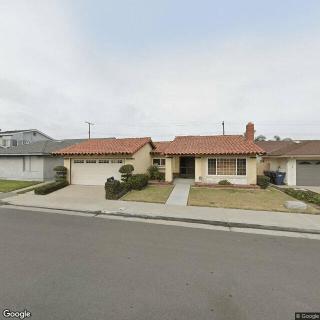

 Delving into the Inner World of Dementia: Insights into Thoughts and Awareness
 Five Subtle Dementia Indicators to Observe: An In-Depth Guide to Understanding “Does My Mom Have Dementia?”
 Dementia, Paranoia, and Caregiver Guidance: Understanding the Connection