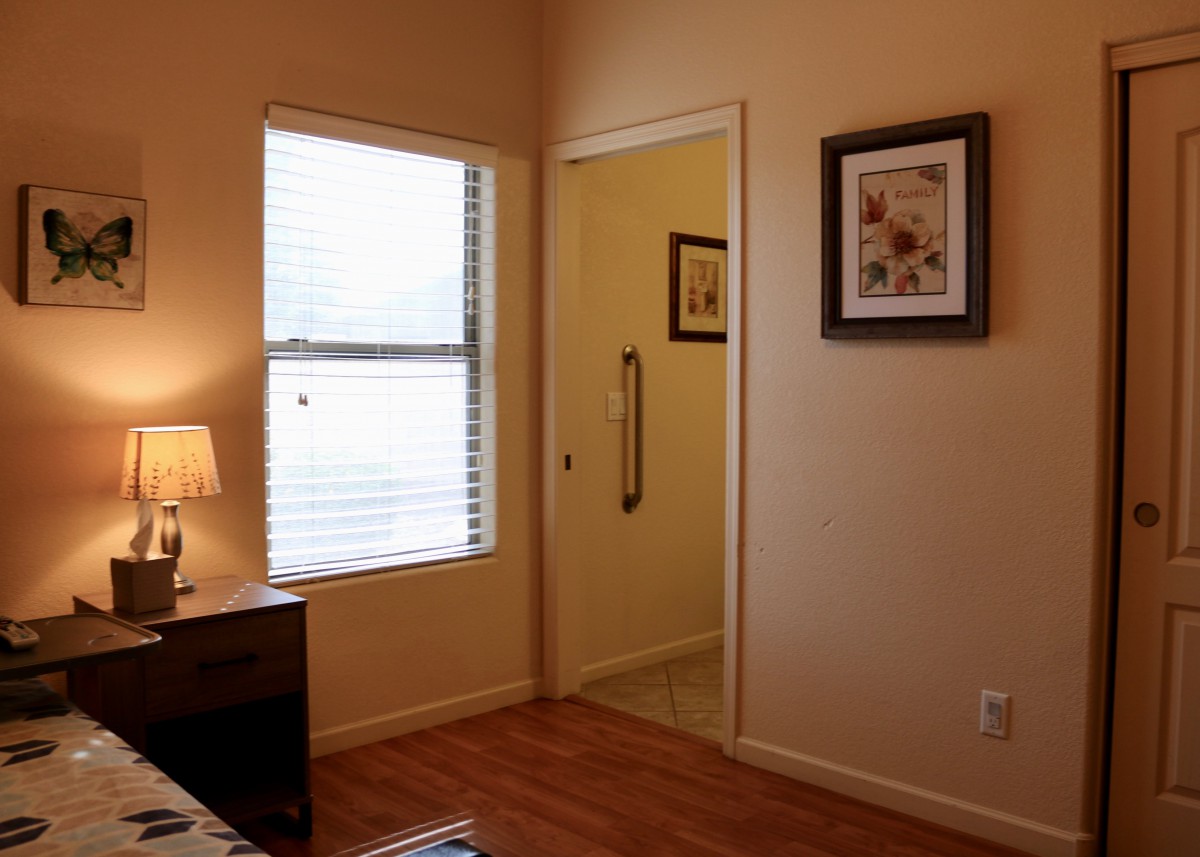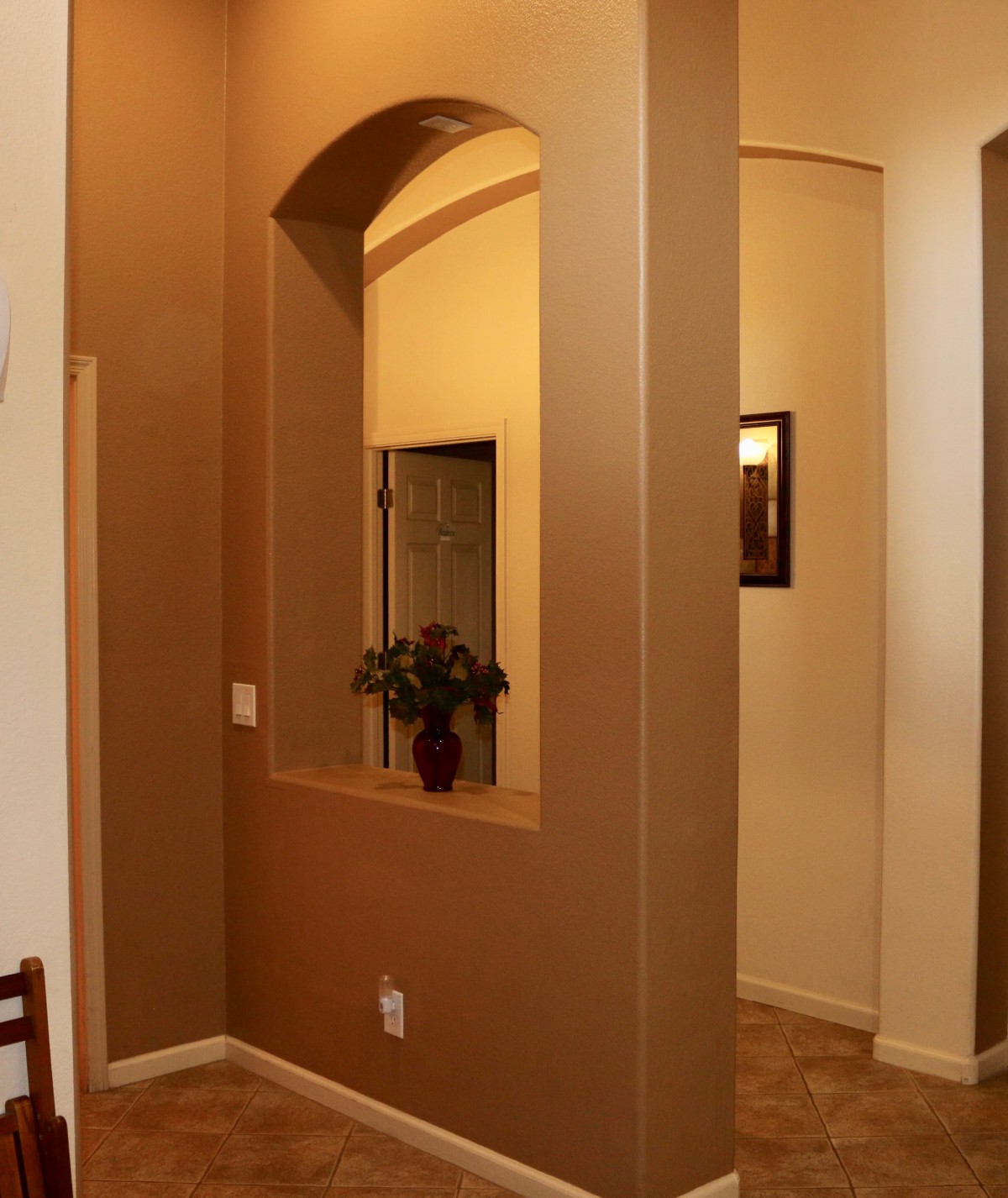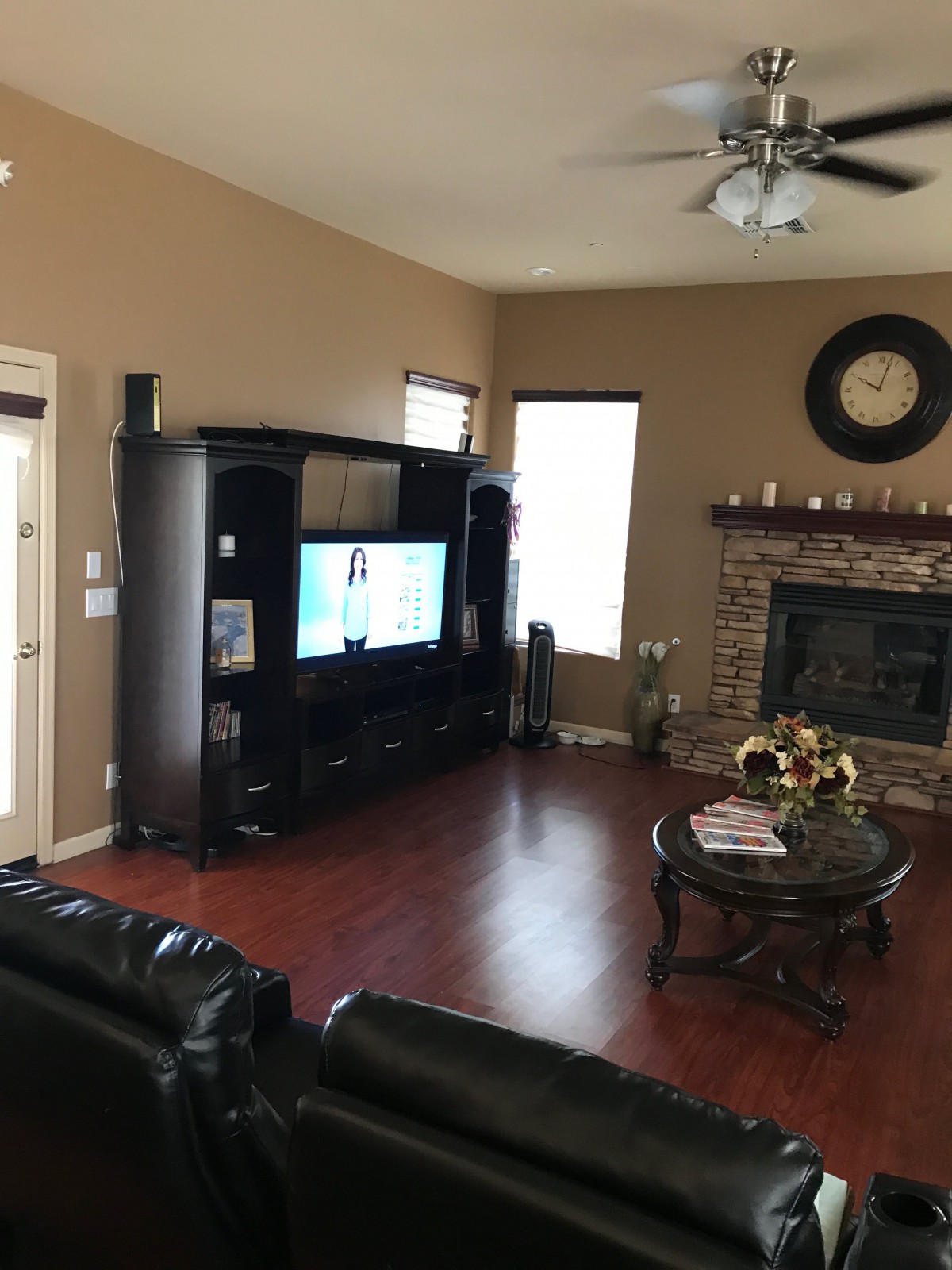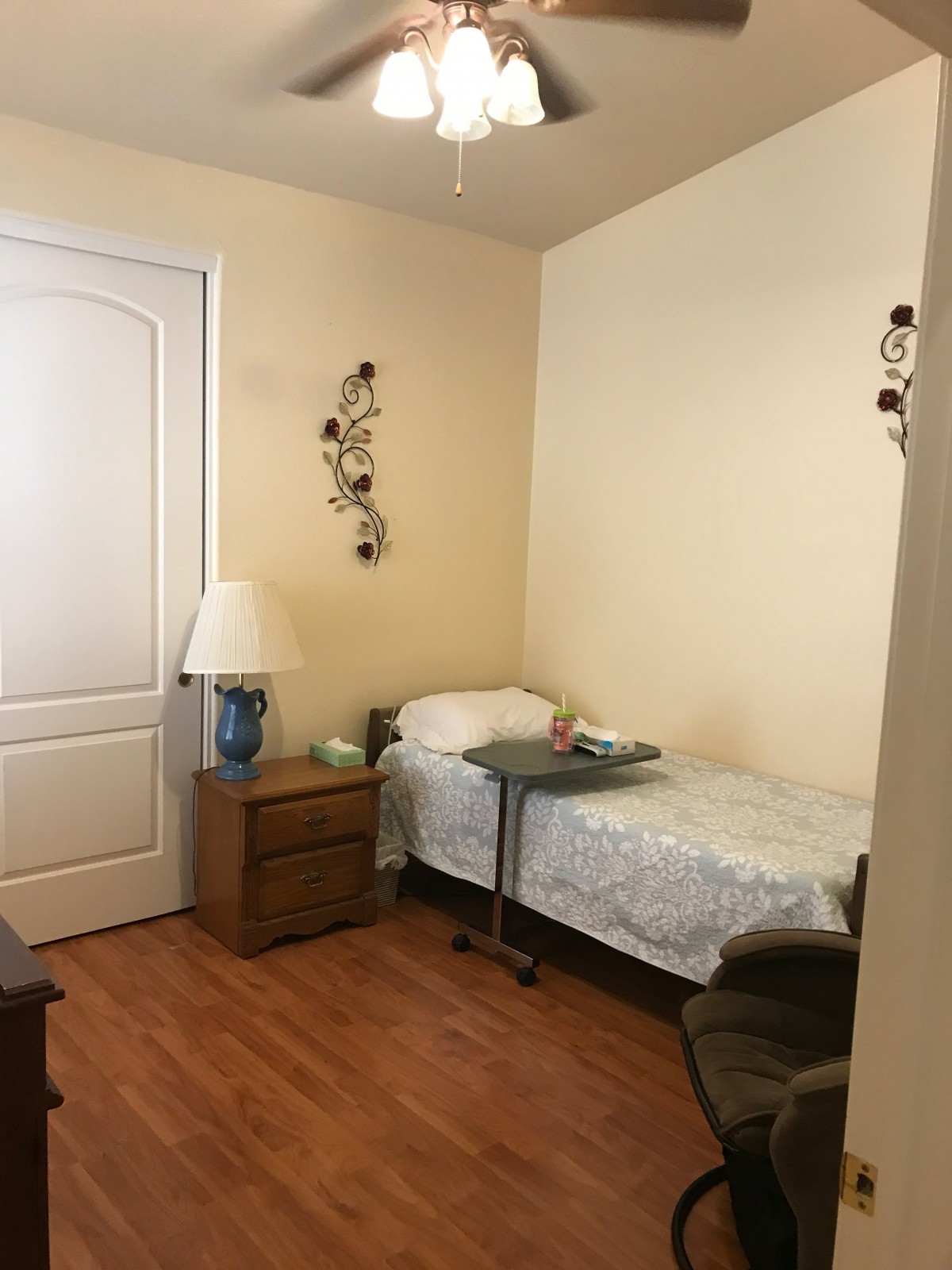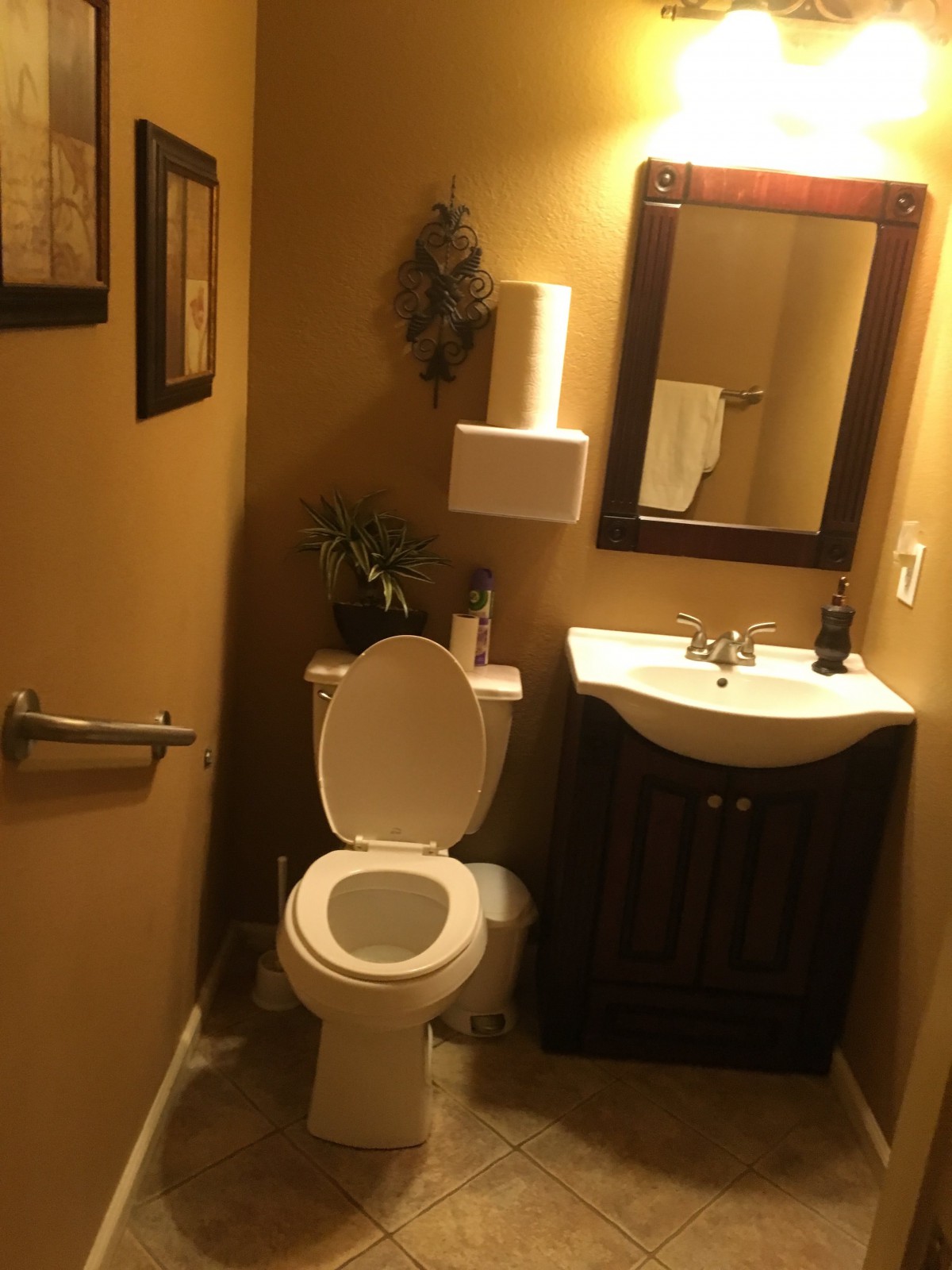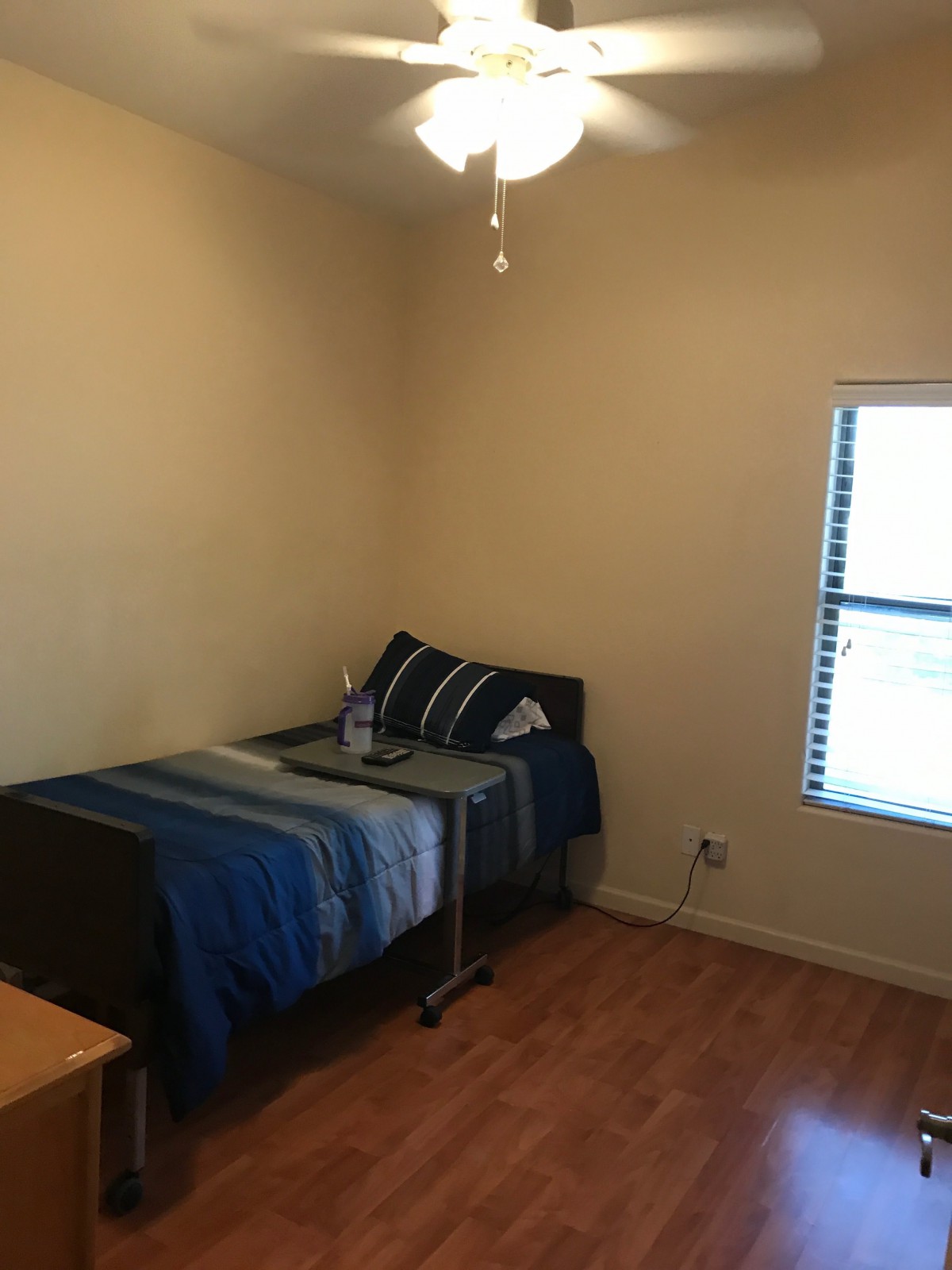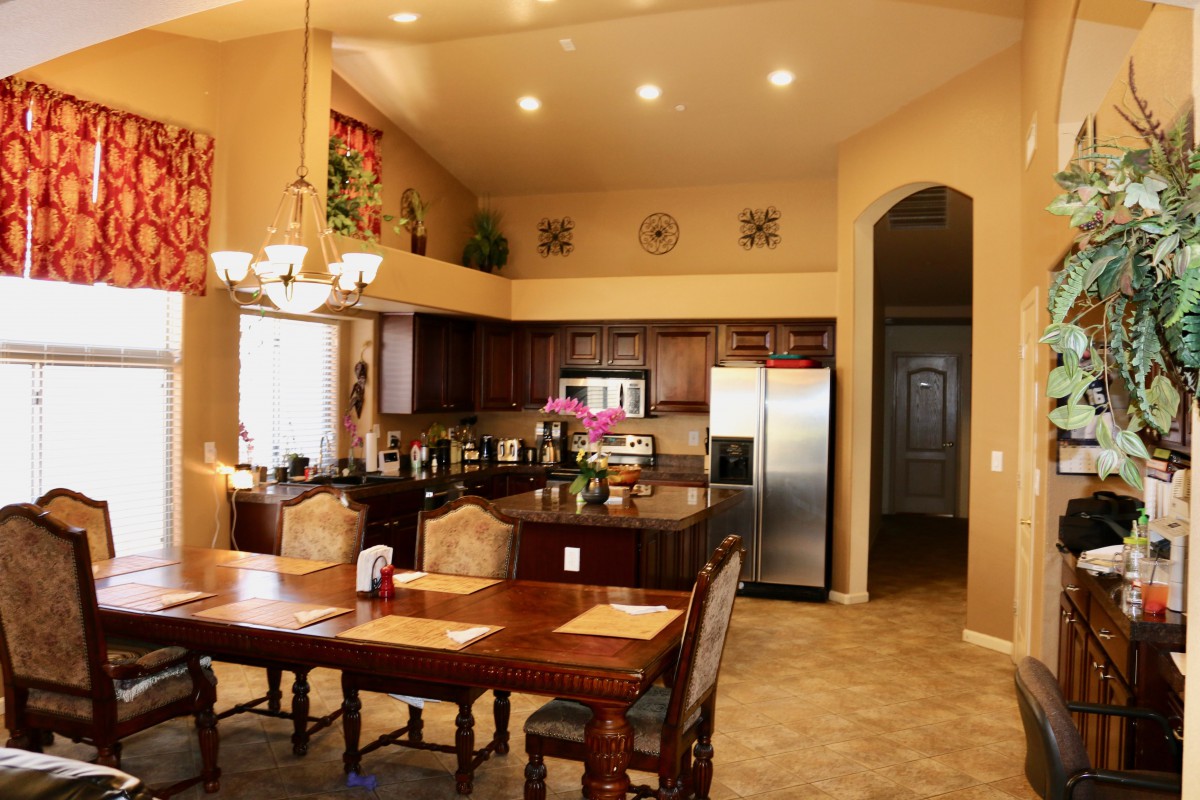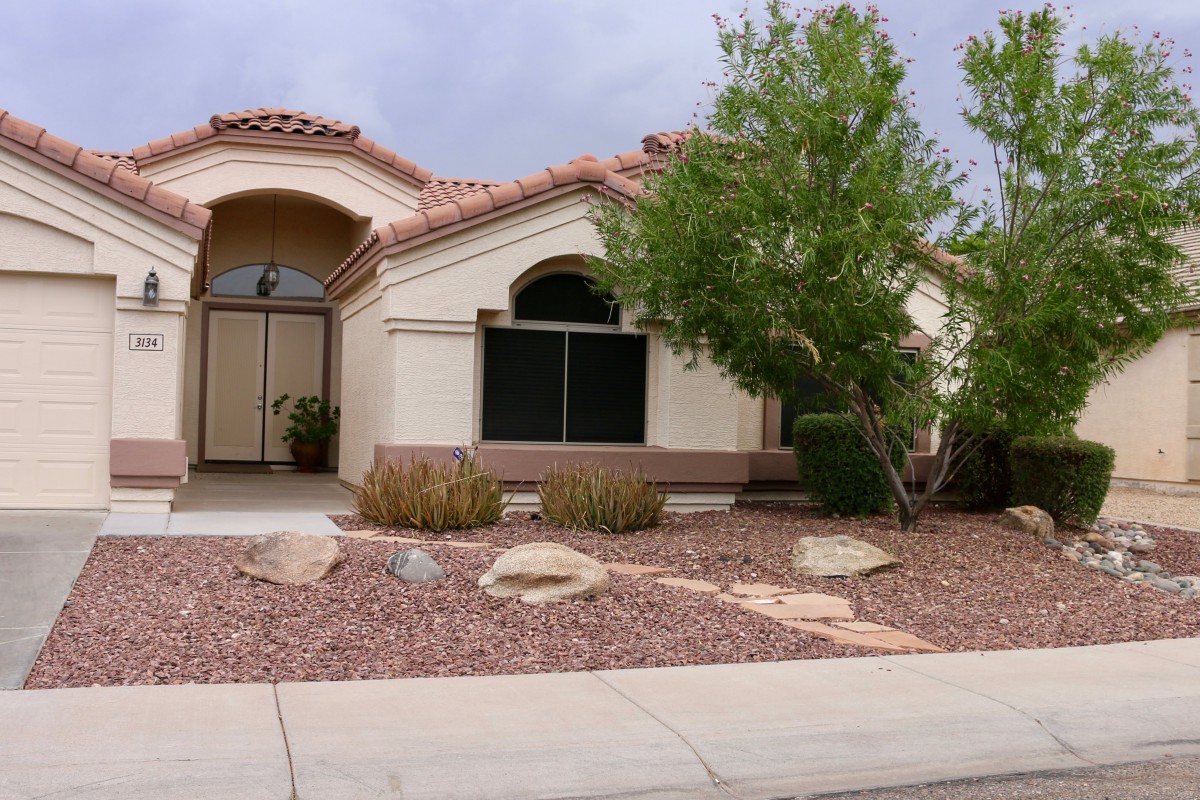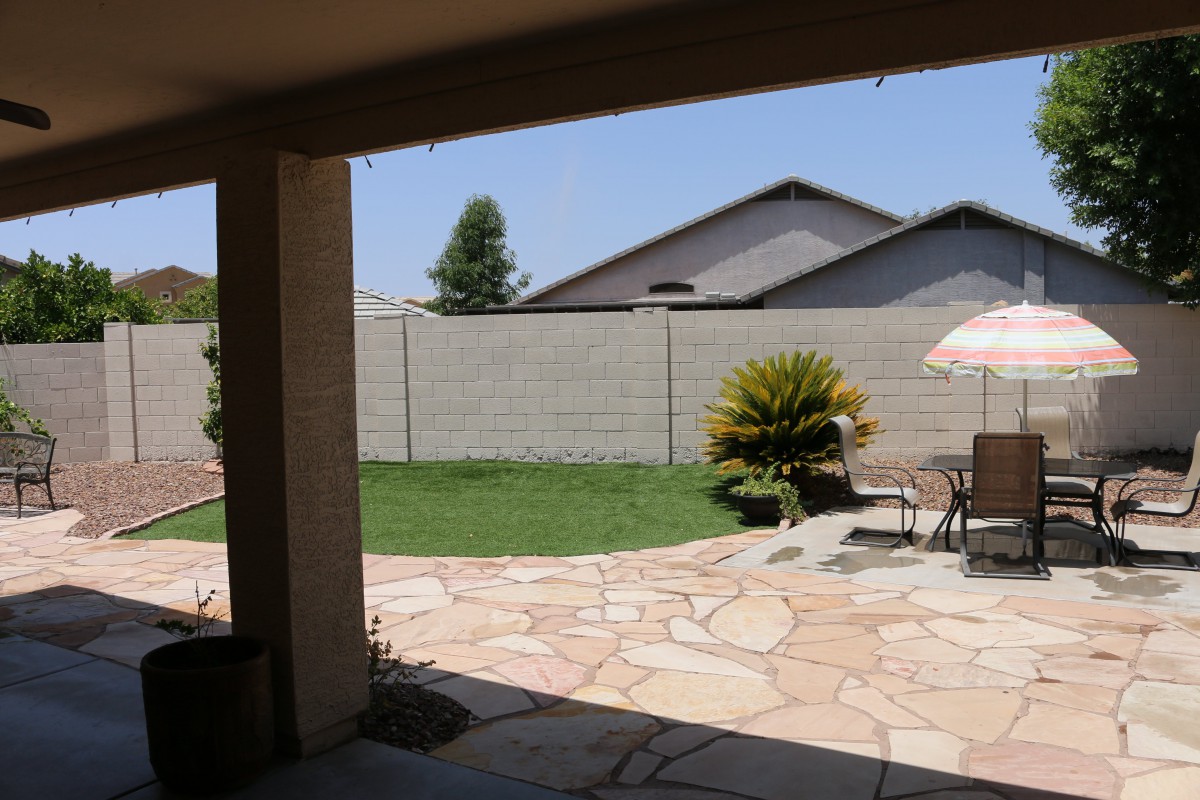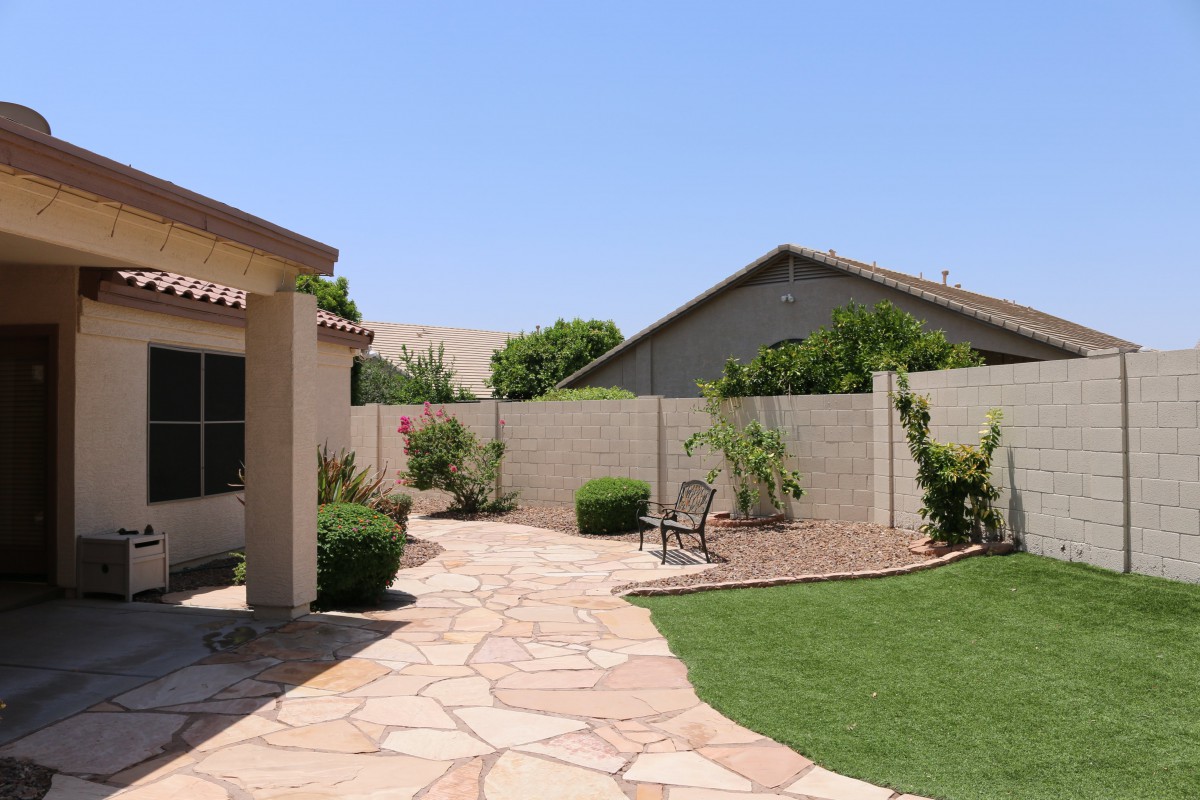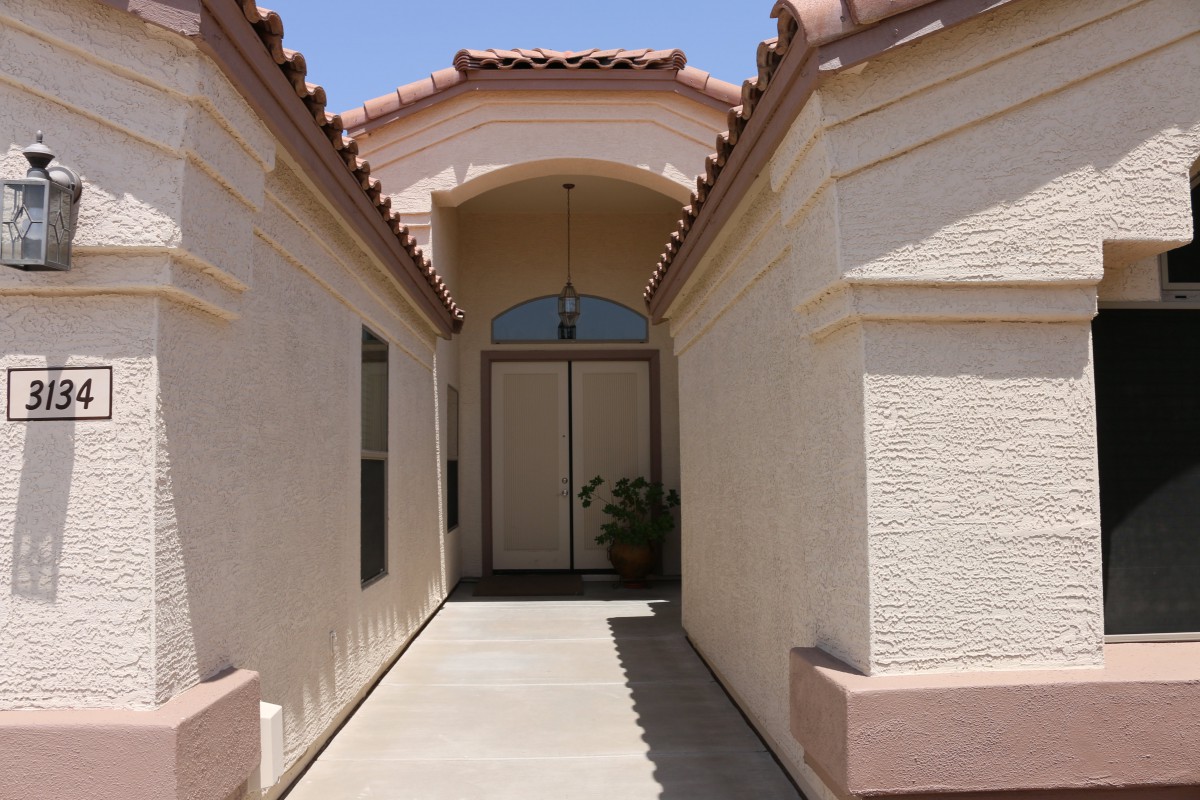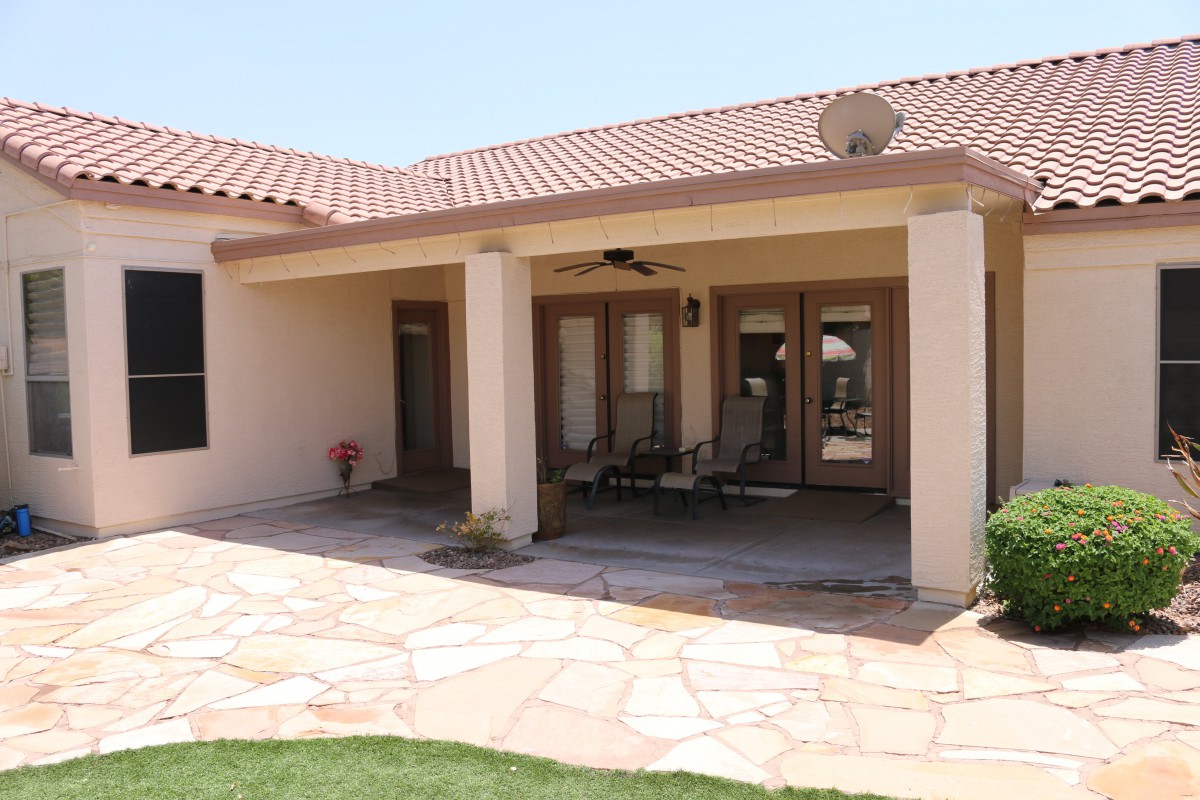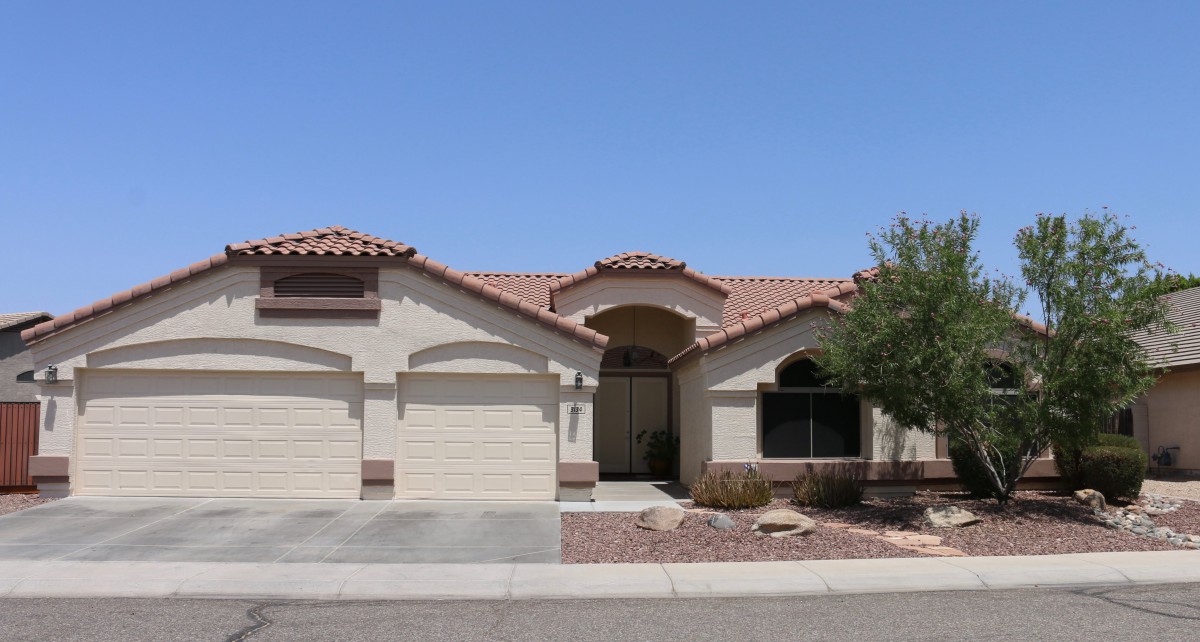
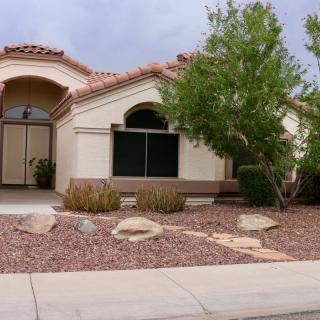
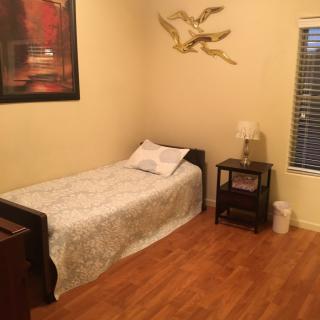
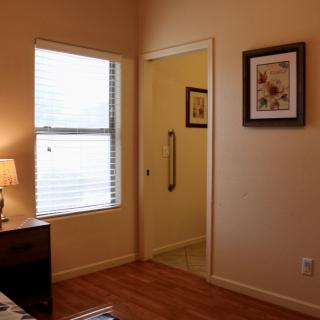
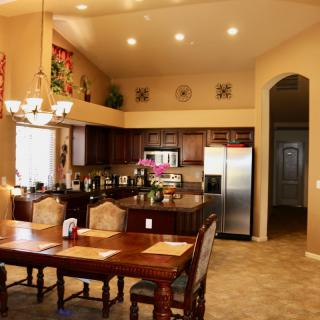
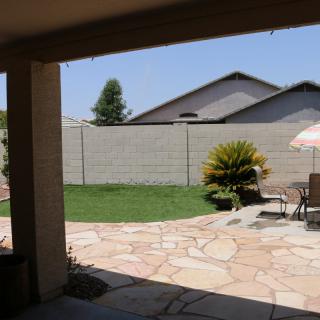
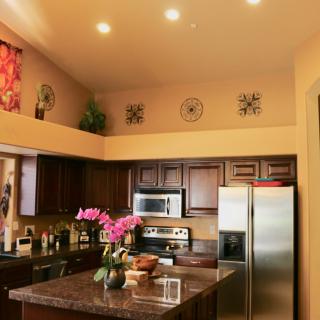
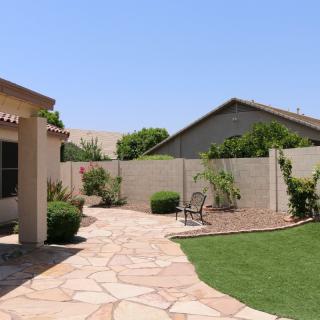
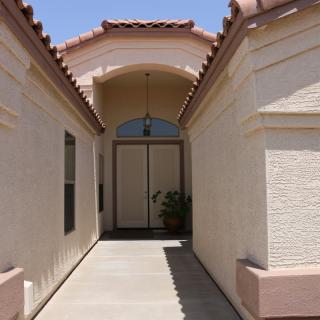
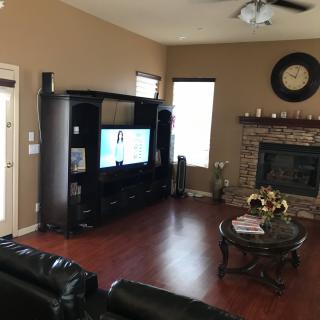
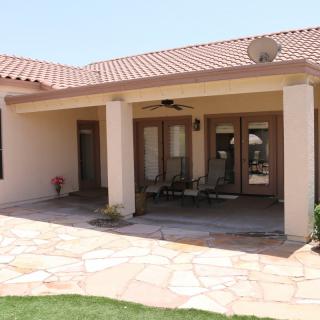
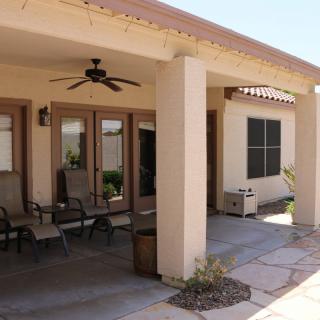
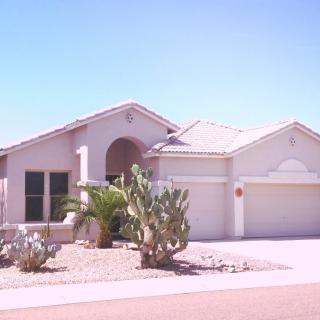
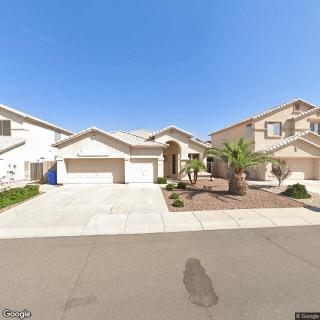
3134 W Adobe Dam Road, Phoenix, AZ 85027
To contact a resident: (602) 999-7576
For more information about senior living options: (866) 208-4318
Paseo Highlands ALH Costs & Pricing
Paseo Highlands Assisted Living Home (ALH) offers competitive pricing for its residents compared to the broader landscape of Maricopa County and the state of Arizona. For those seeking a semi-private room, Paseo Highlands charges $2,200 per month, which is notably lower than the county average of $2,801 and the state average of $2,820. This cost advantage provides an appealing option for individuals looking for quality care without compromising on affordability. Similarly, for private accommodations, Paseo Highlands' rate of $3,500 remains cost-effective against the Maricopa County average of $3,318 and Arizona's overall rate of $3,345. Overall, Paseo Highlands ALH strikes a balance between quality service and reasonable pricing in a competitive market.
| Floor plans | Paseo Highlands ALH | Maricopa County | Arizona |
|---|---|---|---|
| Semi-Private | $2,200 | $2,801 | $2,820 |
| Private | $3,500 | $3,318 | $3,345 |
Memory care communities with a similar price nearby
-
from +$300 / mo
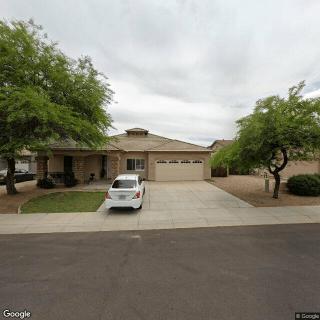
Anc Assisted Living Homes I
$2,500 to $3,500 / month19.5 miles away -
from +$300 / mo
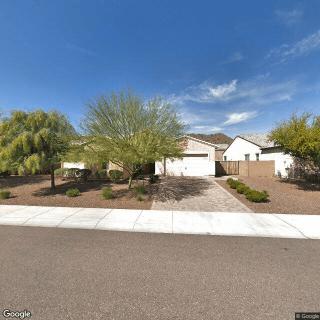
Northlands Assisted Living Home
$2,500 / month8.9 miles away -
from -$200 / mo
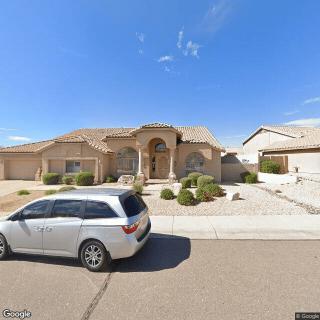
Tatum Ranch Assisted Living
$2,000 to $3,000 / month10.0 miles away -
About the same

Windsor Luxury Assisted Living, LLC
$2,255 to $5,950 / month14.8 miles away -
About the same
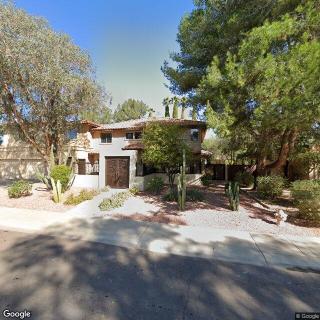
Harts Home - Exceptional Elder Care
$2,225 to $5,500 / month15.4 miles away
Overall Review of Paseo Highlands ALH
Pros
 The staff at Highland Paseo is friendly, efficient, and caring.
- The setting feels like home, with owners and staff fully committed to providing the best care.
- It is described as the best home in the east valley, with phenomenal staff led by Ryan.
- The facility provides high-quality, personalized care in a home-like atmosphere with engaging activities.
- Residents are treated with dignity and respect; the facility is clean, orderly, and communicates well with families.
- The meals are homemade with restaurant-style service, offering residents choices.
Cons
 There is no availability right now.
- Mom did not move in after all.
- They don’t have activities, and they don’t really have anyone who can participate in the activities.
Review
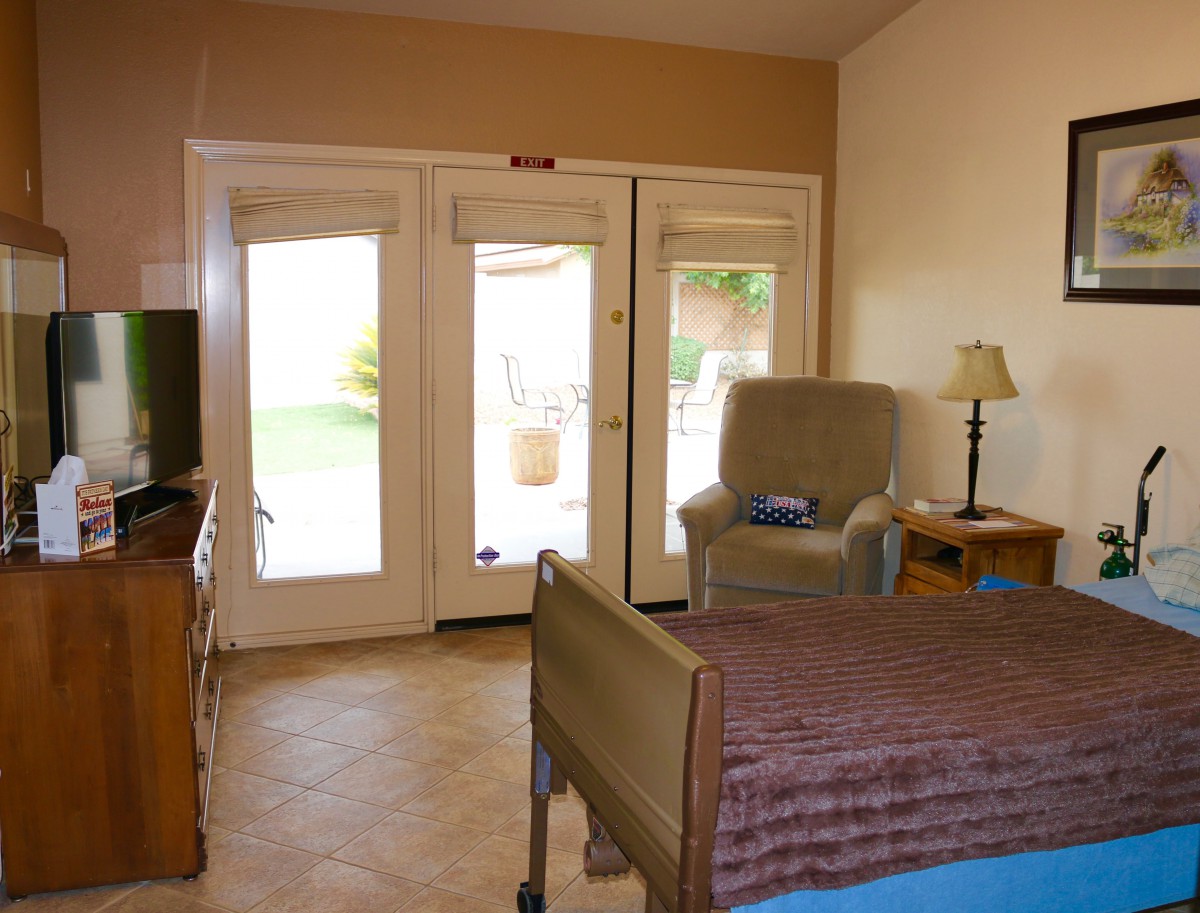
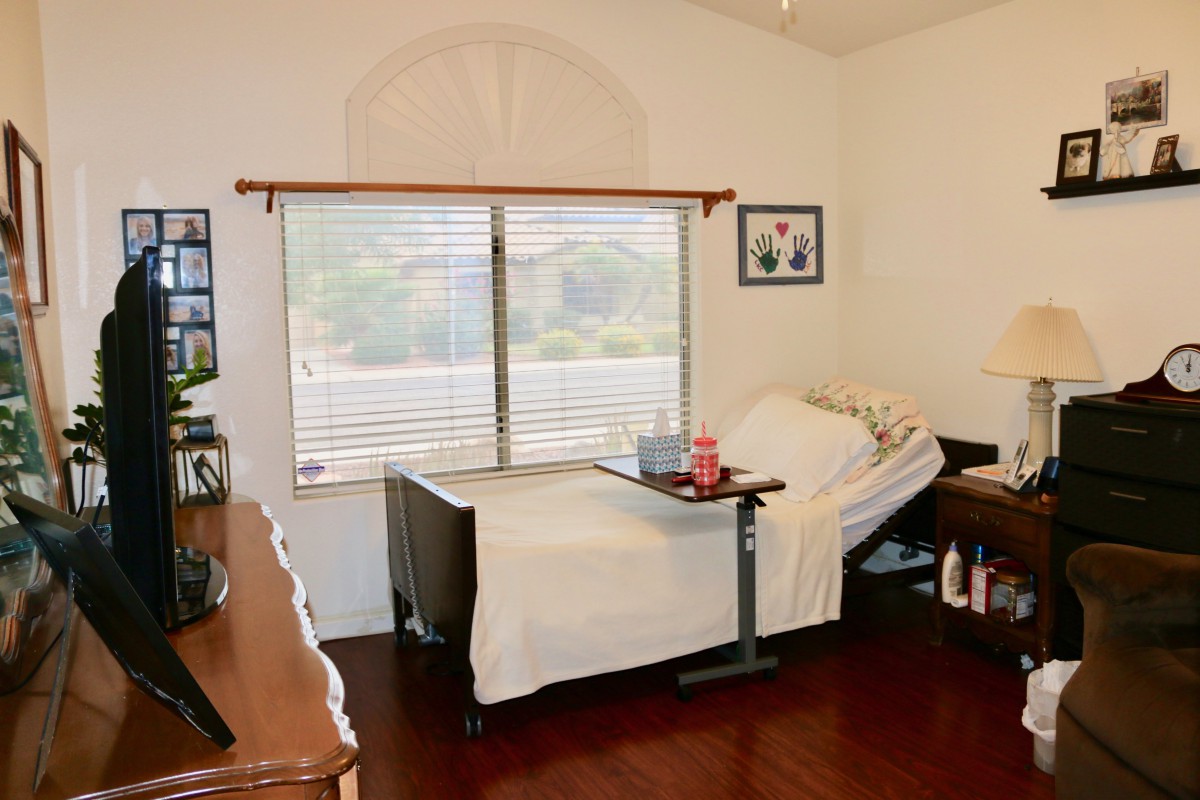
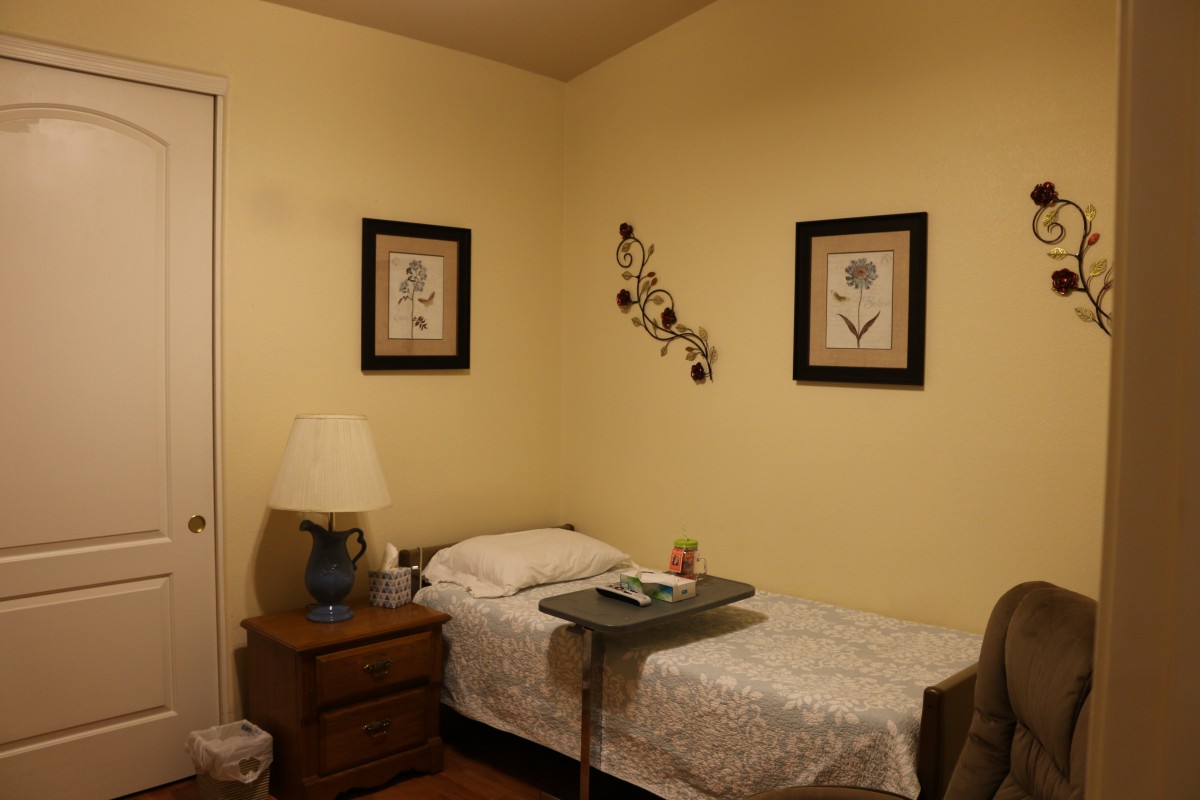
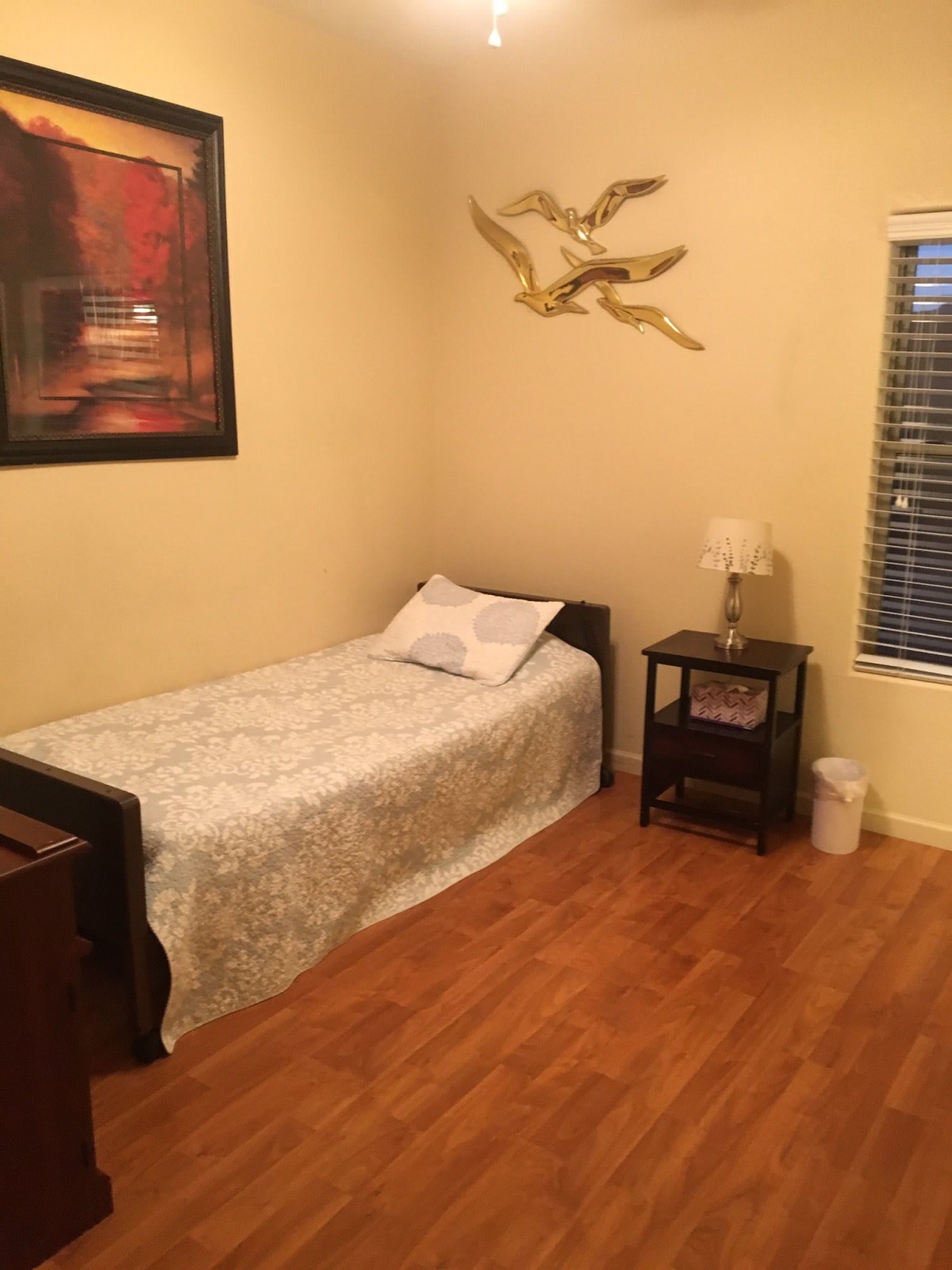
Paseo Highlands ALH is best suited for families seeking a warm, home-like environment where personal attention and everyday comfort take center stage. This small, owner-operated residence in Phoenix delivers a true “family member care” vibe, withTabitha and a devoted caregiving team who treat residents as if they were their own relatives. It excels for seniors who prefer a quiet, intimate setting over a larger campus, where homemade meals, familiar faces, and straightforward routines create a sense of belonging. For families prioritizing easy access to in-house services, clean spaces, and clear, regular communication, Paseo Highlands checks the practical boxes without sacrificing dignity or respect.
Those who may want to consider alternatives include families seeking a more formal medical model or a program with a bustling activity calendar and dementia-focused programming. A larger facility with wider nursing coverage and around-the-clock medical staffing can be a better fit for residents with complex health needs or those who insist on highly structured daily schedules. If memory-care specialization, exhaustive daily programming, or robust on-site therapy teams are non-negotiable, a bigger community could deliver more of what some families expect. Also, while Paseo Highlands handles Alzheimer’s care, the smaller footprint means fewer on-site program options may be available for residents who want constant, diverse engagement.
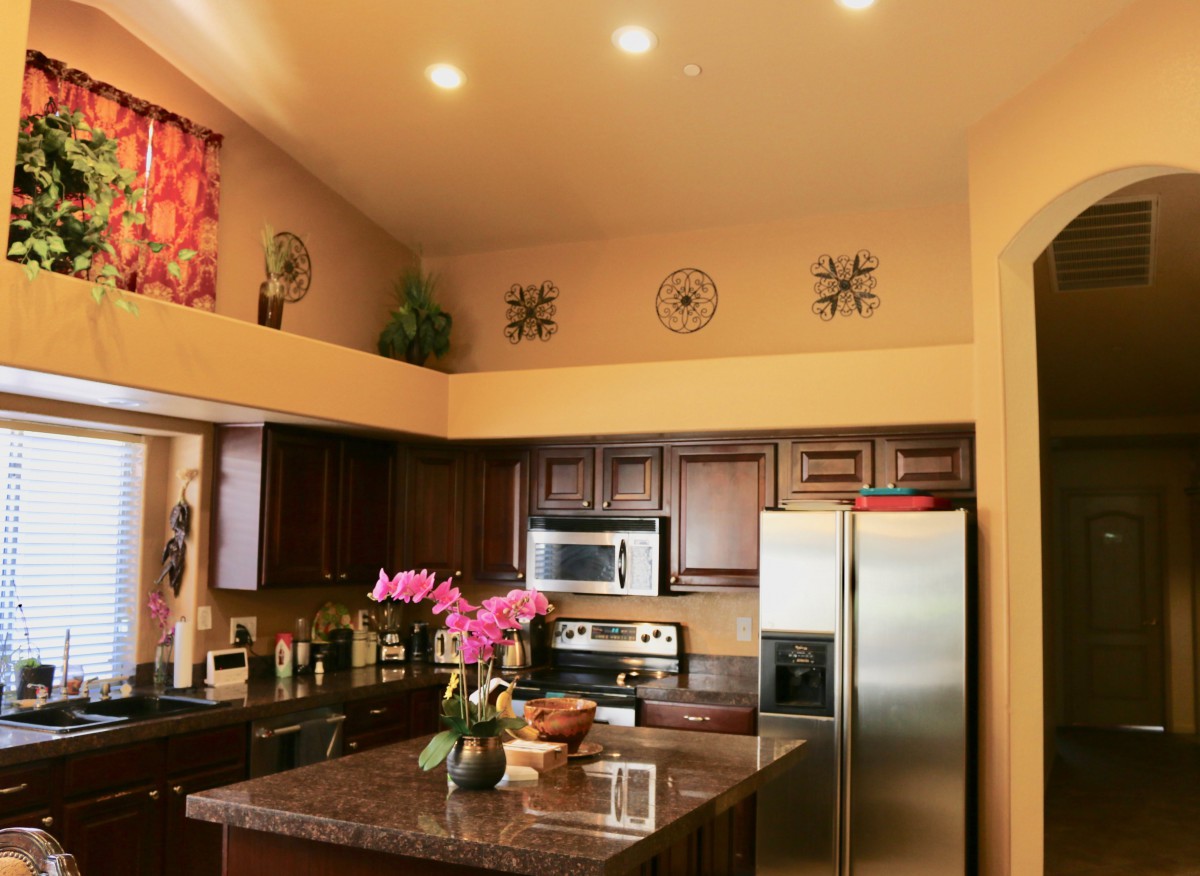
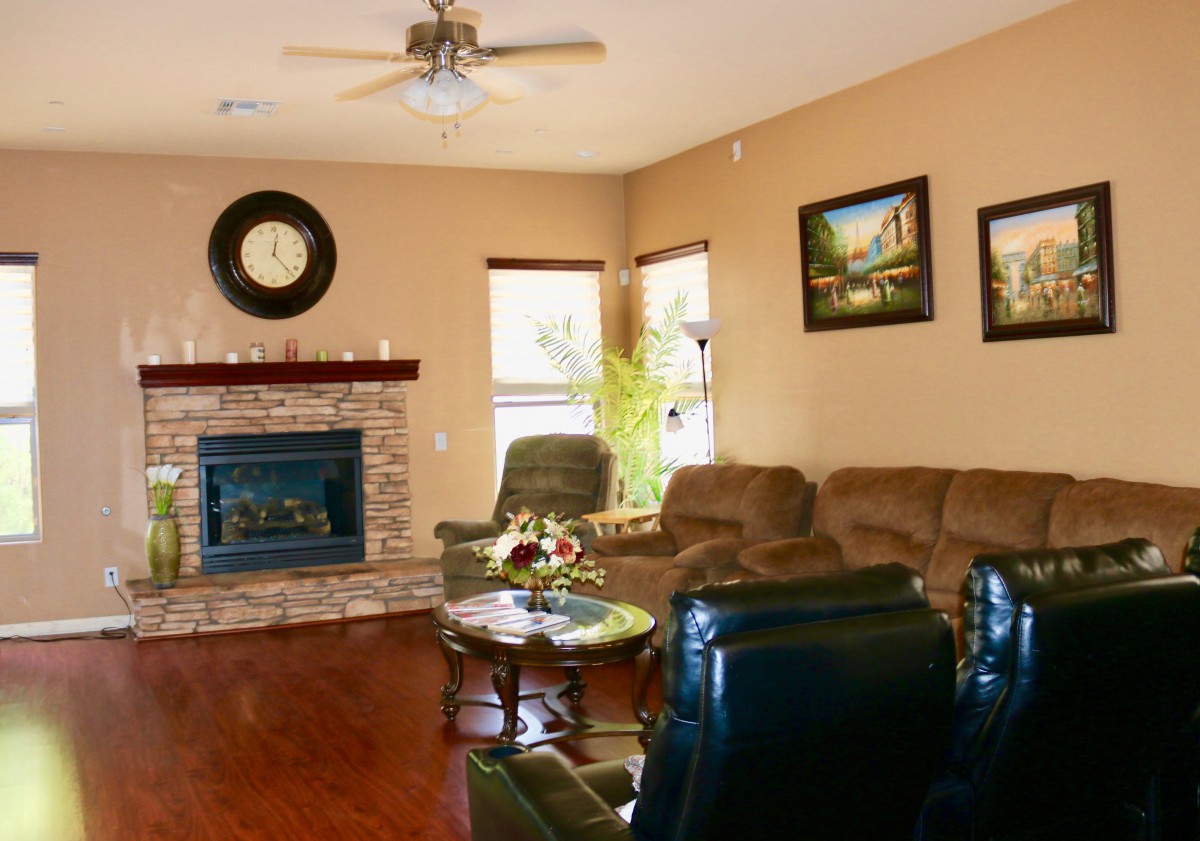
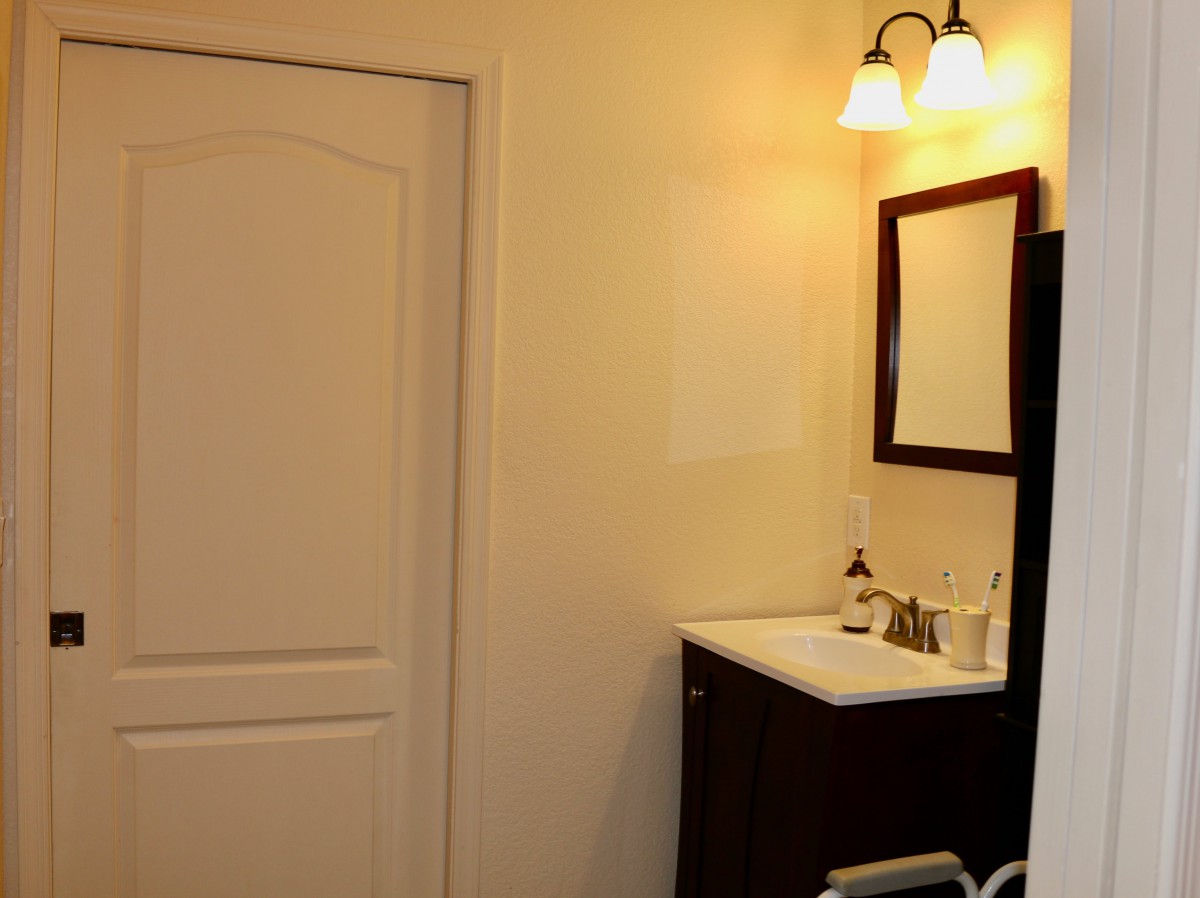
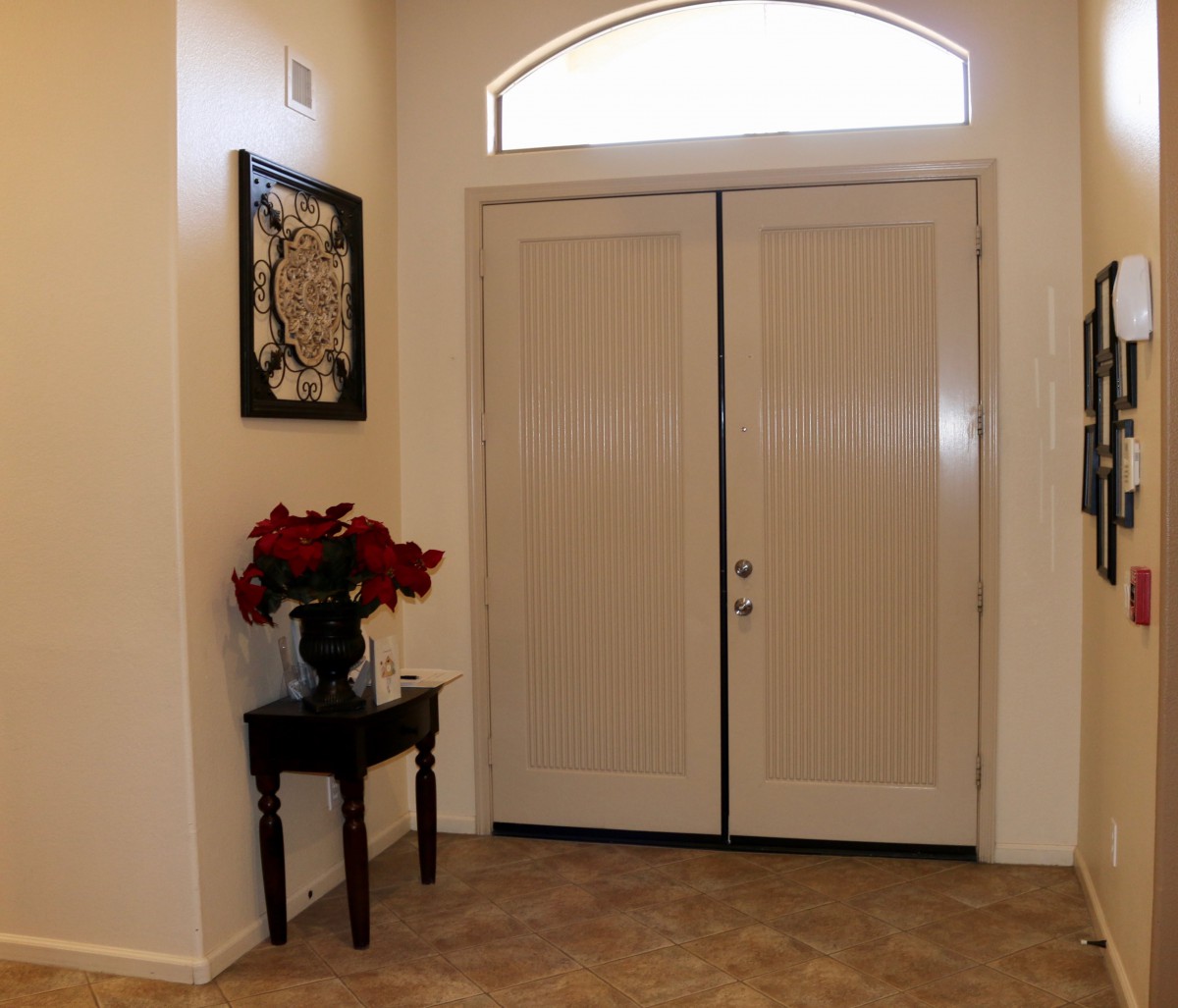
The strongest pros revolve around the home atmosphere and the people delivering care. Families consistently praise the staff for dignity, respect, and genuine warmth, with comments highlighting a culture of kindness and personalized attention. Owners and caregivers are described as exceptionally dedicated, hands-on, and approachable, creating a sense of trust that is hard to match in larger spaces. Residents benefit from a clean, odor-free environment with well-maintained spaces, plus restaurant-style dining where options feel thoughtful and meals are homemade. The community also stands out for practical convenience: coordination of doctor visits, on-site or nearby labs and pharmacies, and transportation arrangements that connect residents to activities and appointments without hassle. A state survey from 2018 showing zero deficiencies reinforces a record of solid care standards in a setting that feels intimate rather than clinical.
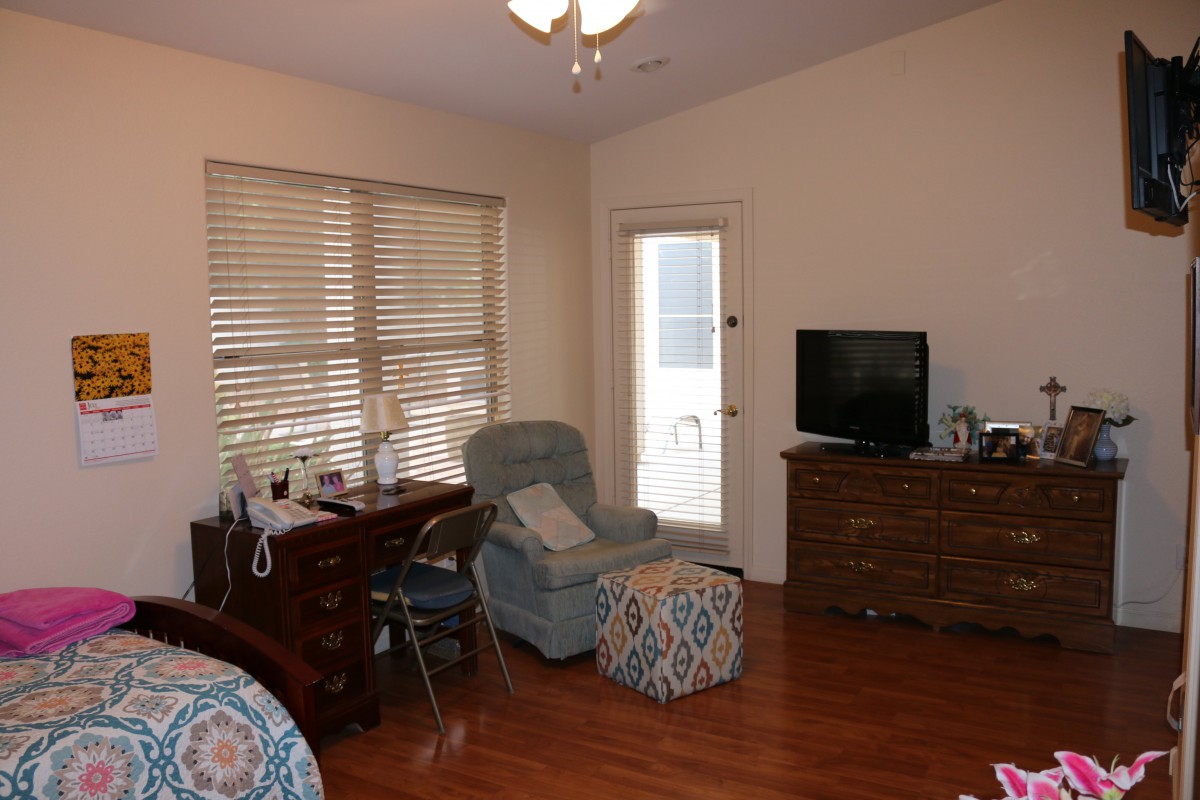
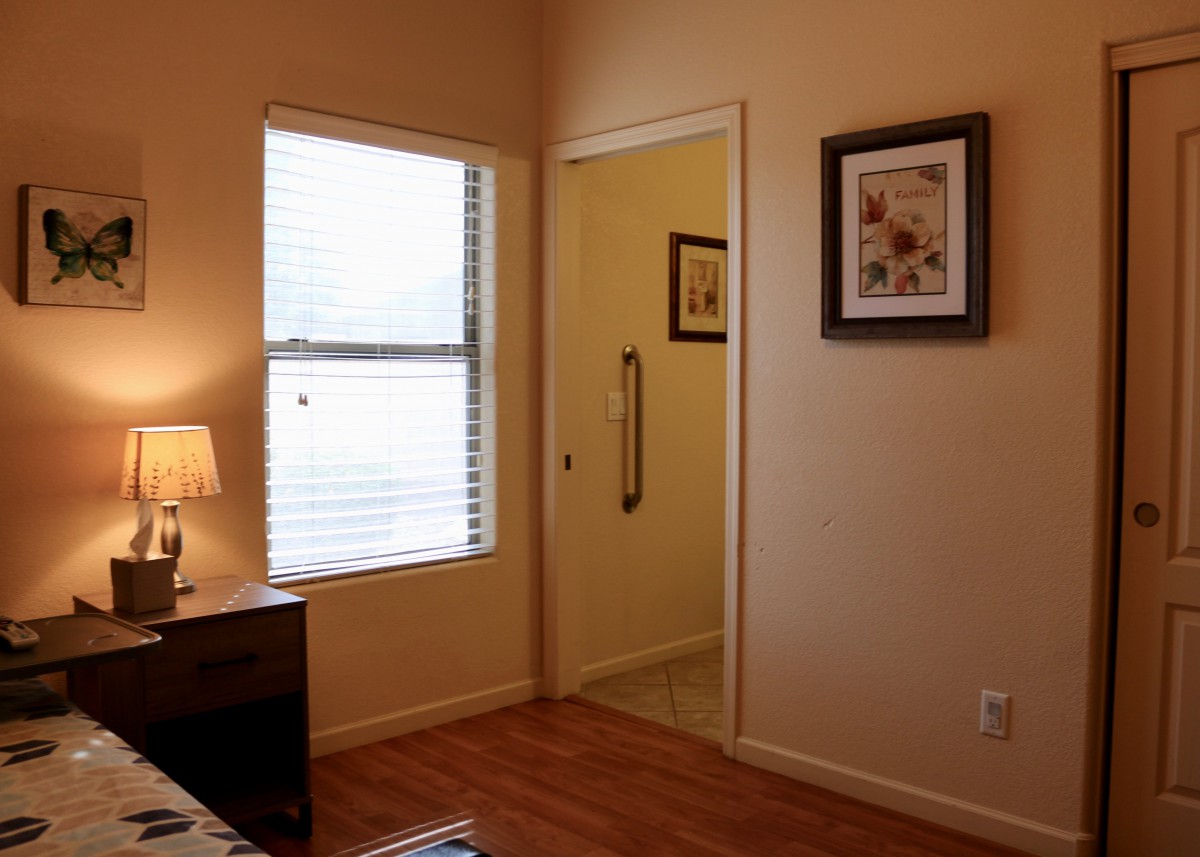
However, there are trade-offs to weigh. The small home format means medical staffing is not presented as a hospital-like, 24/7 model, and the activity slate can be uneven, one review notes that activities aren’t always available or suitable for every resident. Caregiver teams can shift, and although long-tenured staff are highlighted, families should verify current switches and understand how changes are managed day to day. Space is limited by design, so some residents may prefer larger rooms or more private amenity options. The overall programming leans toward social and life enrichment rather than a rigorous, calendar-dense activity plan, which may leave more active residents seeking additional outlets for stimulation.
All told, the strong personal touch, consistent cleanliness, and practical conveniences at Paseo Highlands offset the potential downsides for many families. The home’s intimate scale preserves meaningful connections between residents and caregivers, while open communication keeps families informed and involved. The homemade dining experience and the ability to arrange in-house medical coordination are meaningful advantages when balancing independence with safety. For families valuing a neighborhood feel, regular family involvement, and a caregiving team that treats residents like family, the positives far outweigh the limitations.
Bottom line: Paseo Highlands ALH is a compelling choice for seniors who want a heartfelt, home-centered living arrangement and whose medical needs can be met within a small-team model. It is well-suited for families who prize warmth, personalized attention, clean surroundings, and easy access to basic medical coordination, with strong evidence of quality care from both staff and leadership. For those who require intense medical oversight, broader activity programs, or dementia-focused structures, exploring larger communities or specialized memory-care options is advisable. When visiting, ask to meet the current caregiving team, confirm the level of medical coverage available on site, review the activity calendar and participation options, and discuss room configurations and current costs to ensure alignment with expectations.
 Board and Care Home
 Memory Care
 Cats allowed
 Dogs allowed
 Activities off-site
 Air-conditioning
 Cable or satellite TV
 Devotional services off-site
 Ground floor units
 Handicap accessible
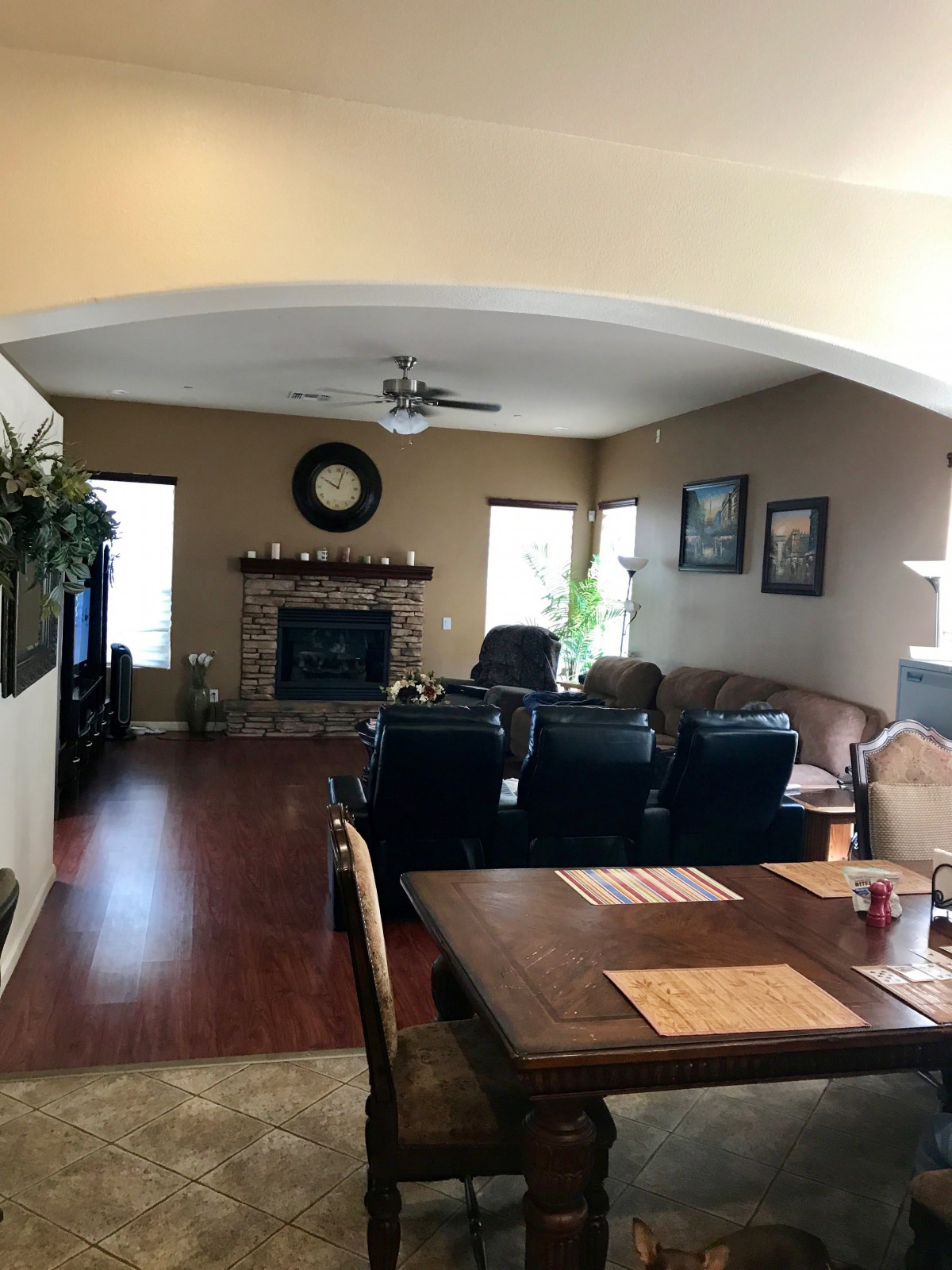
 Indoor common areas
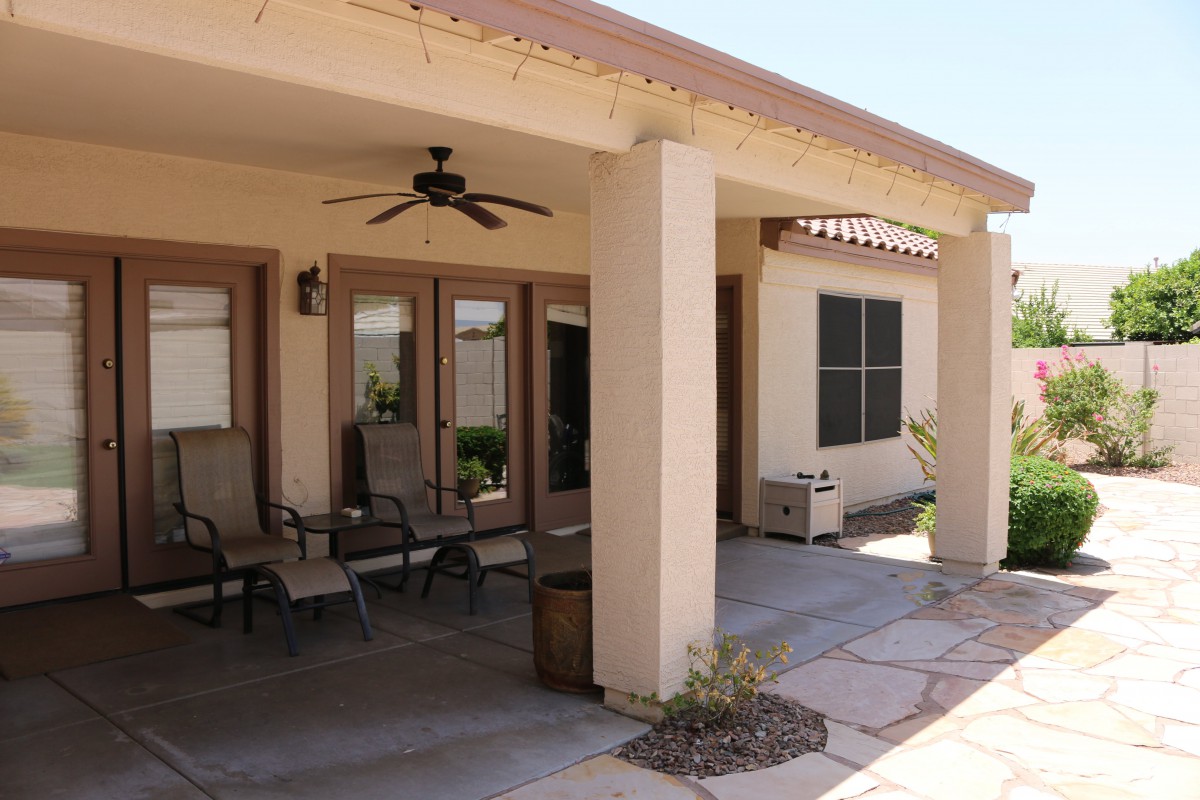
 Outdoor common areas
 Private
 Private bathrooms
 Respite or short term stays offered
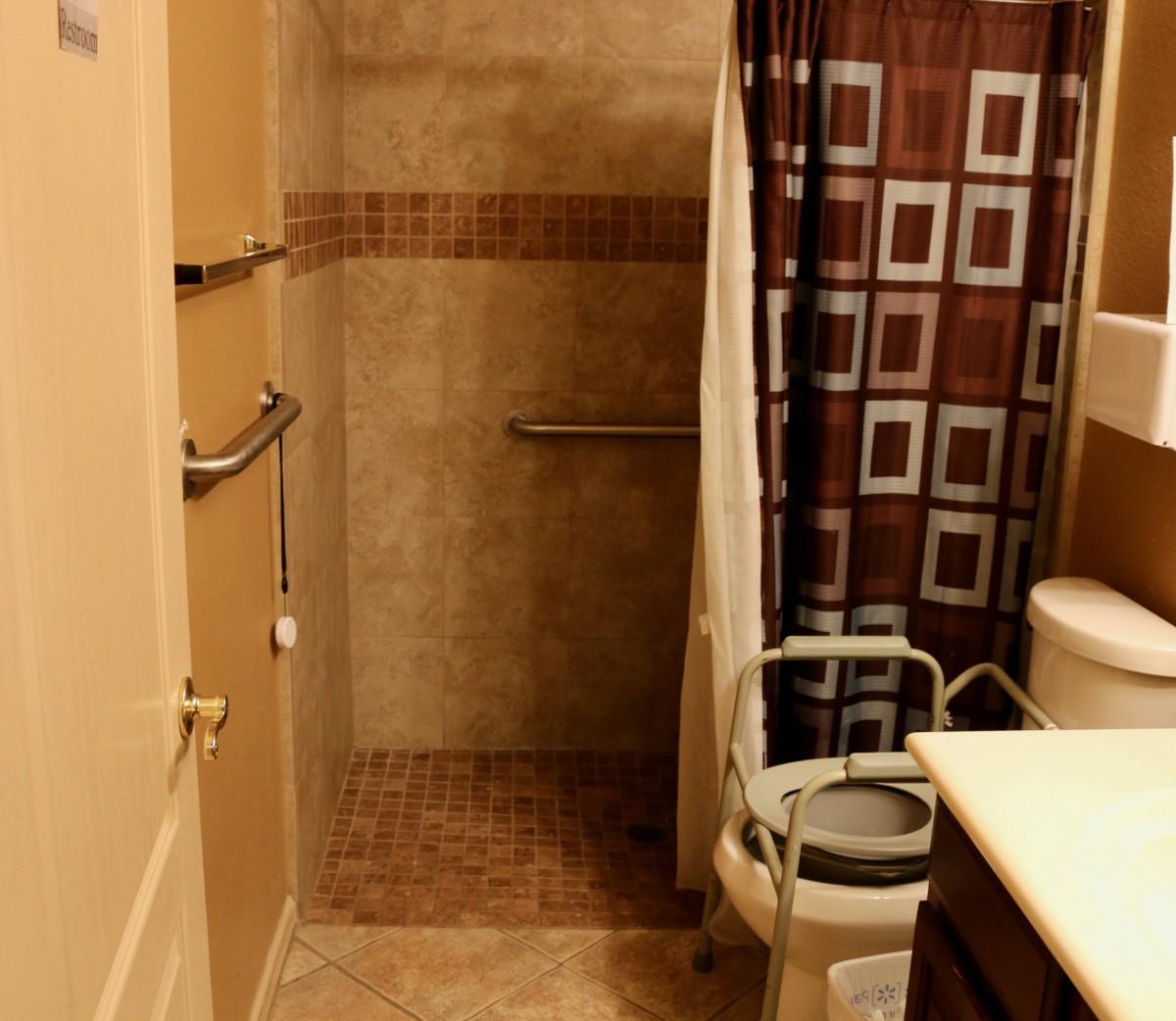
 Wheelchair accessible showers
 Wi-Fi/high-speed internet available
 Phoenix Sky Harbor International (19 miles away)
 Diabetic care
 High acuity care
 Incontinence care
 Medication management
 Guest meals
 BBQs or picnics
 Birthday parties
 Light therapy programs
 Live musical performances
 Visiting chaplain or priest

 Understanding Dementia Through Its Seven Stages: A Comprehensive Look at Progression and Expectations
 A Holistic Dementia Care Guide: Effective Strategies for Memory Support
 Comprehensive Insights into Activities of Daily Living (ADLs) and Their Assessment