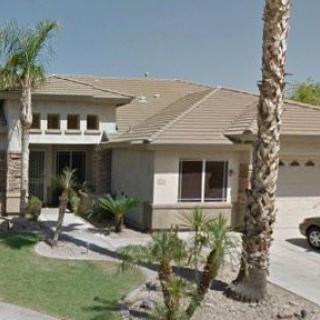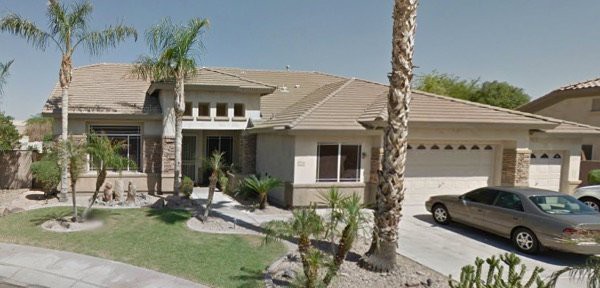
22131 North 79Th Avenue, Peoria, AZ 85383
For more information about senior living options: (866) 208-4318
Overall Review of Fletcher Heights Assisted Living
Pros
 The staff delivered outstanding care for the resident in his final months of life with Alzheimer’s.
- Ray and Arnell are wonderful, caring individuals.
- The owners were kind and refunded some rent, which significantly helped the family.
- Fletcher Heights' second home is nicer and smaller, very clean and neat, and has a nurse or licensed caregiver on site.
- The kitchen staff are skilled, meals are home-cooked from scratch, and the food is very good.
- The facility is well organized and run, with a medical director and a nurse on call.
- The staff are friendly and caring, and they keep families updated with photos.
- The homes offer a range of activities and amenities, including a patio and comfortable rooms.
Cons
 They did not like the first Fletcher Heights home because the residents appeared comatose and were wrapped in blankets and coats while watching TV.
 - They did not like the owner of Fletcher Heights.
- There were no bathrooms in the memory care rooms, which was criticized as unsafe.
Review
Fletcher Heights Assisted Living in Peoria is best suited for families seeking a memory-care–focused, home-like setting where end-of-life and Alzheimer's care are delivered with steady warmth. The community operates as two intimate houses, offering private or semi-private rooms and a residential atmosphere that prioritizes personal attention over campus-scale programming. Caregivers are supported by a long-tenured cook and an on-site medical presence, creating a reliable rhythm of meals, routines, and oversight. For residents in the later stages of memory impairment or those needing compassionate end-of-life support, this model translates into meaningful daily touchpoints and a caregiving presence that families can trust during difficult transitions.
Some families will want alternatives to this model. The two-house setup means experience can vary by building, and that variability can matter if a uniform culture or consistent programming across a campus is essential. One house can feel quiet and TV-centric, while the other tends toward more engagement and an on-site nurse or licensed caregiver leading activities. In memory care, not all rooms in the first home include in-room bathrooms, which can be a drawback for residents who prioritize private facilities. For families seeking a larger community with broader social calendars or a single, uniform environment, other options may align better with those priorities.
The strongest positives here are tangible and practical. The care team appears steady and genuinely attentive, with owners who demonstrate accessibility and, in moments of financial strain, a willingness to adjust, refunding rent when possible. The two-home approach lets families choose a vibe: the smaller, more intimate setting versus the more structured environment where activity is routine and caregiving is consistently visible. The culinary program stands out, home-style cooking from scratch and a cook who has been with the operation for many years. A dedicated medical presence, including a nurse on call and a house doctor, helps coordinate care and keeps appointments on track. The facility’s modest size, private/semi-private rooms, a handicapped-accessible van, and a clear, organized operations model all contribute to predictable, manageable days for memory-care residents.
However, the format does carry trade-offs. The most obvious is the potential for uneven experiences between the two homes, which can complicate decision-making for families as they weigh where a loved one will live. Ownership dynamics, perceived by some as distant or idiosyncratic, can color impressions of the entire operation. The small scale (licensed for about 10 residents) is excellent for individualized attention but may limit social variety and spontaneous programming for residents who crave broader interactions. Prospective residents should walk away with a clear plan for which home fits their loved one, and a direct line to leadership to assess alignment on care philosophy.
For families evaluating Fletcher Heights, practical due diligence matters as much as sentiment. Visit both homes, if possible, and observe caregiver interactions during mealtime and activities; meet the cook to gauge meal quality and consistency; review how memory-care cues and safety features are implemented; and confirm staffing levels during peak hours. Clarify the specifics of room configurations, especially regarding bathrooms, and inspect the transport options and scheduling. Ask about end-of-life procedures and how care plans are updated across the two homes. Finally, obtain a transparent picture of costs and what is included, noting that the current rent-refund example signals some flexibility without guaranteeing it in every situation.
Ultimately, Fletcher Heights delivers a compelling value for families prioritizing intimate, attentive memory care with a strong human touch. It excels for residents who thrive on predictable routines, home-cooked meals, and direct access to staff and leadership, within a small, residential framework. Those who require a broad, campus‑style social calendar, uniform programming across a single site, or in-room bathrooms across every memory-care room may find the fit less ideal and should consider alternatives. The best path is a diligent tour that confirms which home matches the loved one’s temperament, medical needs, and family expectations, with clear terms and a candid sense of how care will evolve over time.
 10 resident community capacity
 Assisted Living
 Board and Care Home
 Respite Care
 Cable or satellite TV
 Dining room
 Fully furnished
 Garden
 Housekeeping services
 Move-in coordination
 Outdoor space
 Telephone
 Wi-Fi/high-speed internet available
 Phoenix Sky Harbor International (21 miles away)
 24-hour supervision
 Activities of daily living assistance
 Assistance with bathing
 Assistance with dressing
 Assistance with transfers
 Diabetes diet
 Meal preparation and service
 Medication management
 Special dietary restrictions
 Transportation arrangement (medical)
 Transportation to doctors appointments




 Exploring the Path to Senior Living: A Comprehensive Look at Independent Living and Assisted Living
 Is Assisted Living Deductible on Your Taxes? Understanding the Complexities of Assisted Living Expenses and Deductions
 Assisted Living Support for Veterans: A Complete and Detailed Overview