
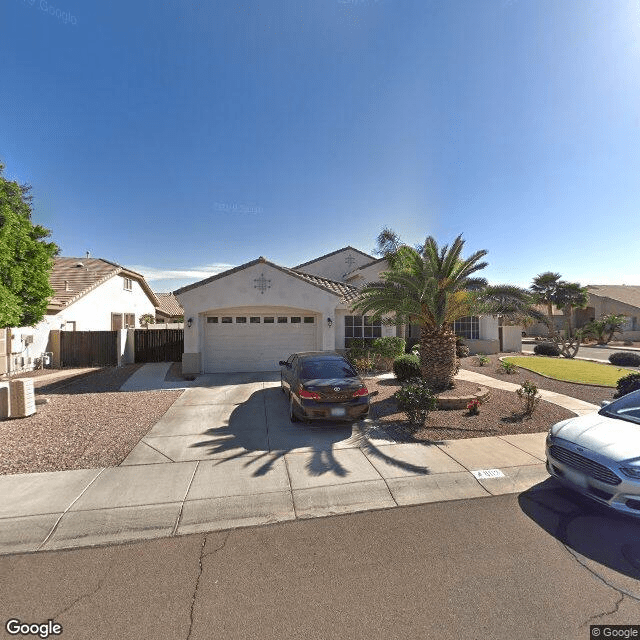
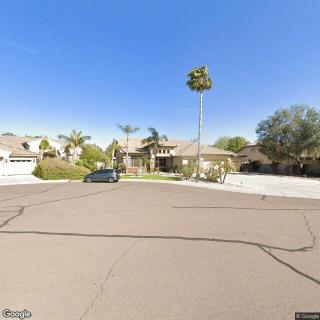
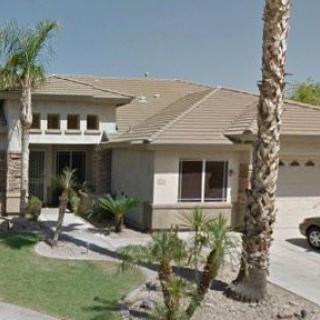
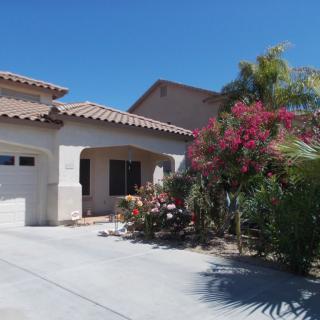
8113 W Louise Dr., Peoria, AZ 85383
To contact a resident: (623) 376-6525
For more information about senior living options: (866) 208-4318
Arizona's Best Assisted Adult Care Home Costs & Pricing
Arizona's Best Assisted Adult Care Home offers competitive pricing for its residents, particularly in Maricopa County and across the state of Arizona. For a semi-private room, the monthly cost at this facility is $2,800, which is slightly below the county average of $2,801 and the state average of $2,820. When it comes to private accommodations, Arizona's Best charges $3,500 per month - more than the local average of $3,318 but still within a reasonable range compared to the state average of $3,345. This positioning reflects a commitment to providing quality care while remaining mindful of affordability in an increasingly important sector for many families and individuals seeking supportive living options.
| Floor plans | Arizona's Best Assisted Adult Care Home | Maricopa County | Arizona |
|---|---|---|---|
| Semi-Private | $2,800 | $2,801 | $2,820 |
| Private | $3,500 | $3,318 | $3,345 |
Senior living communities with a similar price nearby
-
About the same

Pinnacle Peak Assisted Living
$2,800 to $3,100 / month18.7 miles away -
from +$150 / mo
Endeavor AL I
$2,950 to $4,200 / month15.0 miles away -
from +$100 / mo
Royal Paradise Care
$2,900 to $3,800 / month7.9 miles away -
About the same
Home of Helping Hands Assisted Living, LLC
$2,800 to $3,500 / month15.7 miles away -
from +$200 / mo

Bella Amore Assisted Living
$3,000 / month7.9 miles away
Overall Review of Arizona's Best Assisted Adult Care Home
Pros
 The facility and clients are clean.
- The workers are friendly and provide high-quality care.
- The administration is efficient and easy to work with.
- The food is delicious.
- The staff make every day the best it can be.
- Caretakers are experienced, the food is good, and the staff are professional and welcoming.
- Loved ones can live their best life here.
- The tour was conducted by a professional and knowledgeable representative.
Cons
 The tour did not meet their needs.
- The arrangement is only semiprivate.
Review
Arizona's Best Assisted Adult Care Home in Peoria is best suited for seniors who prize a clean, well-run environment, reliable daily care, and a social, engaging atmosphere, and who are comfortable sharing a living space. The facility earns strong marks for cleanliness and a friendly, high-quality caregiving team, backed by an administration that moves smoothly and communicates clearly. Families will notice that meals are well-regarded and routines are designed to keep each day purposeful. For many, the combination of a respectful staff and an organized operation translates into less friction when navigating care logistics. This is a community where day-to-day livability tends to be consistently solid.
The standout positives extend beyond surface impressions. Reviewers consistently describe experienced caretakers who are professional and welcoming, creating a trustworthy environment in which a loved one can thrive. The care team’s demeanor, calm, capable, and approachable, runs through daily interactions, contributing to a sense of safety and stability. A knowledgeable and confident admissions or tour process adds to the sense that staff know what they are doing and how to tailor a welcome for new residents. The overall tone in these assessments is that daily life here is supported with intention, dignity, and practical attention to routine.
However, one material constraint appears in the room configuration: semiprivate accommodations are the standard. That matters for couples or anyone who places a premium on private space, because it limits privacy, personalization, and private time. For households where a private bedroom and bathroom are non-negotiable, this is a real trade-off to consider. The semiprivate model can also influence noise levels and the ease with which personal belongings are arranged, potentially affecting comfort for residents who value quiet or distinctive home-like pacing. In short, the physical footprint of the living arrangements is the main logistical drawback to weigh.
Another signal from the reviews is that a positive tour or initial impression does not automatically guarantee long-term fit. One family noted a fine, professional tour but ultimately found that the community did not align with their needs. That caveat matters: the strength of care, staff, and atmosphere must match the individual resident’s medical requirements, mobility needs, or memory-care needs as well as the preference for private versus shared space. Prospective families should scrutinize whether the facility’s care offerings and day-to-day rhythm will support their loved one’s specific health plan and personal preferences rather than assuming good operations equal perfect compatibility.
When weighing the pros against the cons, the key advantages carry substantial weight. Clean facilities, experienced and courteous caregivers, a professional and welcoming atmosphere, and dependable administration collectively create a dependable daily experience that often transcends the limitations of shared rooms. Good, consistent meals and a community culture that treats residents with respect further bolster wellbeing and satisfaction. For families prioritizing reliable, high-quality care and a positive social environment, these strengths can clearly offset the absence of private accommodations, especially for residents who do not demand exclusive living space or who value an active, communal lifestyle.
The bottom-line decision comes down to room preferences and individual care needs. This community is a strong match for seniors who value top-tier day-to-day care, reliable administration, and a warm, engaging environment and who are comfortable sharing a room. For those who insist on private accommodations or require specialized care beyond the standard assisted-living scope, alternatives should be explored. Practical next steps include confirming current room options and any private-room waitlists, clarifying care services available if memory support or higher-medical needs arise, and assessing how the daily routine aligns with the loved one’s preferences. Proximity to family, budget considerations, and the importance placed on privacy should drive the final choice with confidence.
 Board and Care Home
 Private
 Respite or short term stays offered
 Phoenix Sky Harbor International (22 miles away)
 Diabetic care
 Incontinence care



 In-Home Care Costs in 2025: A Detailed State-by-State Exploration
 Understanding Home Health Care: A Comprehensive Guide
 Home Health Care Demystified: A Comprehensive Guide for Families and Caregivers