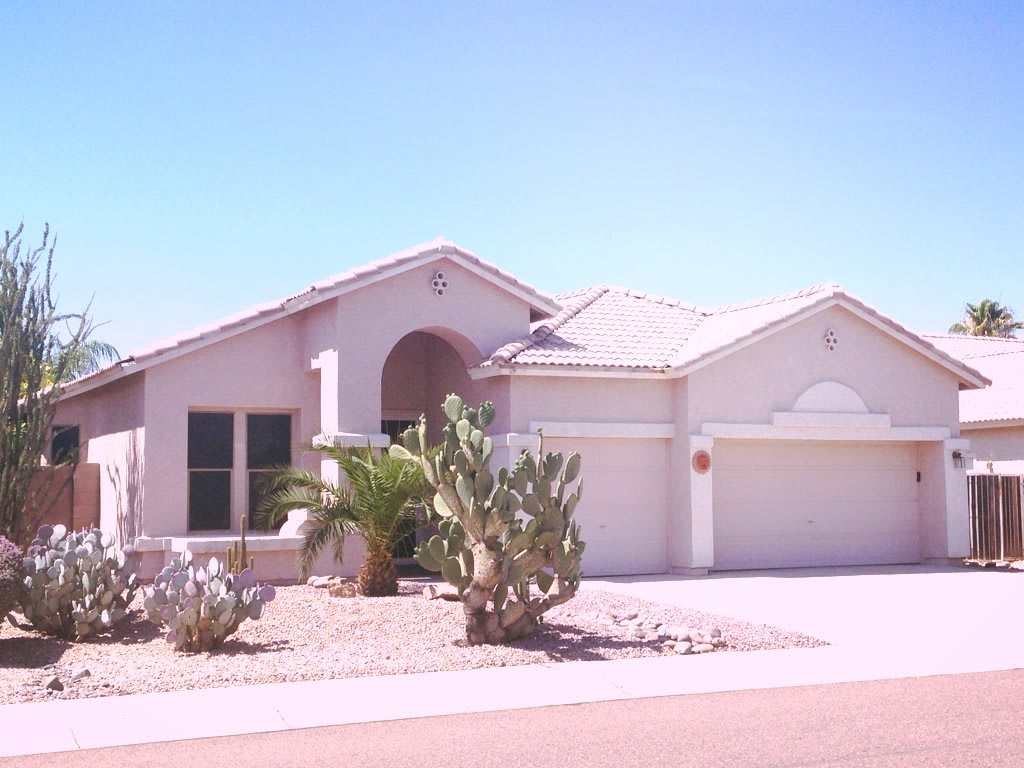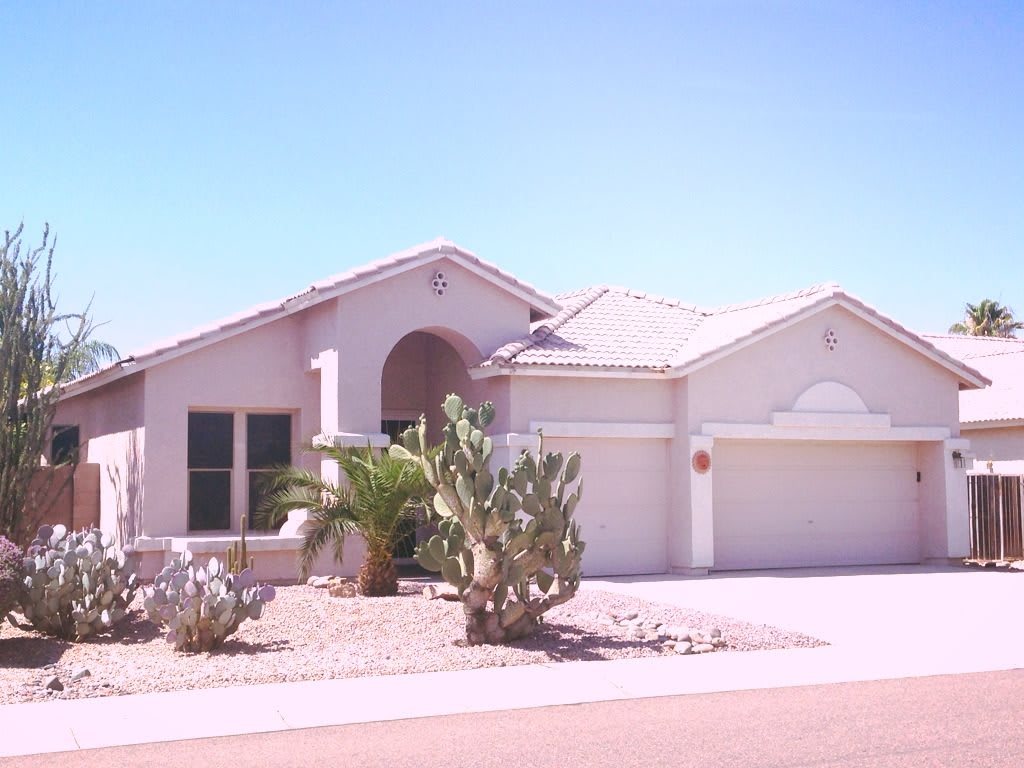
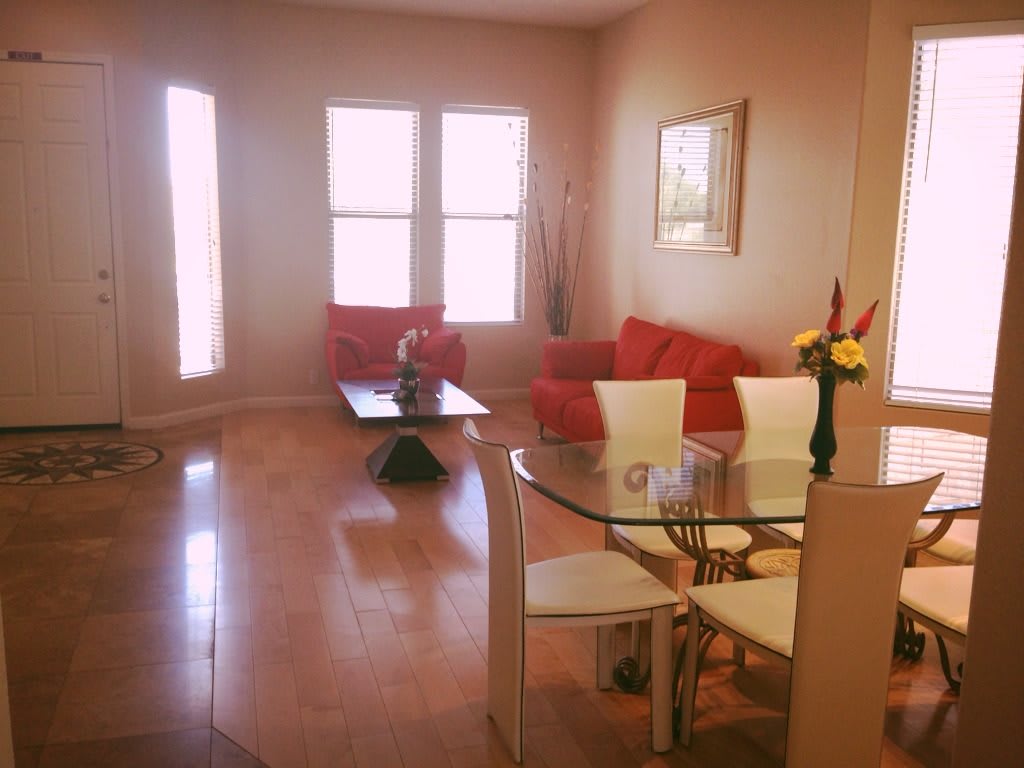
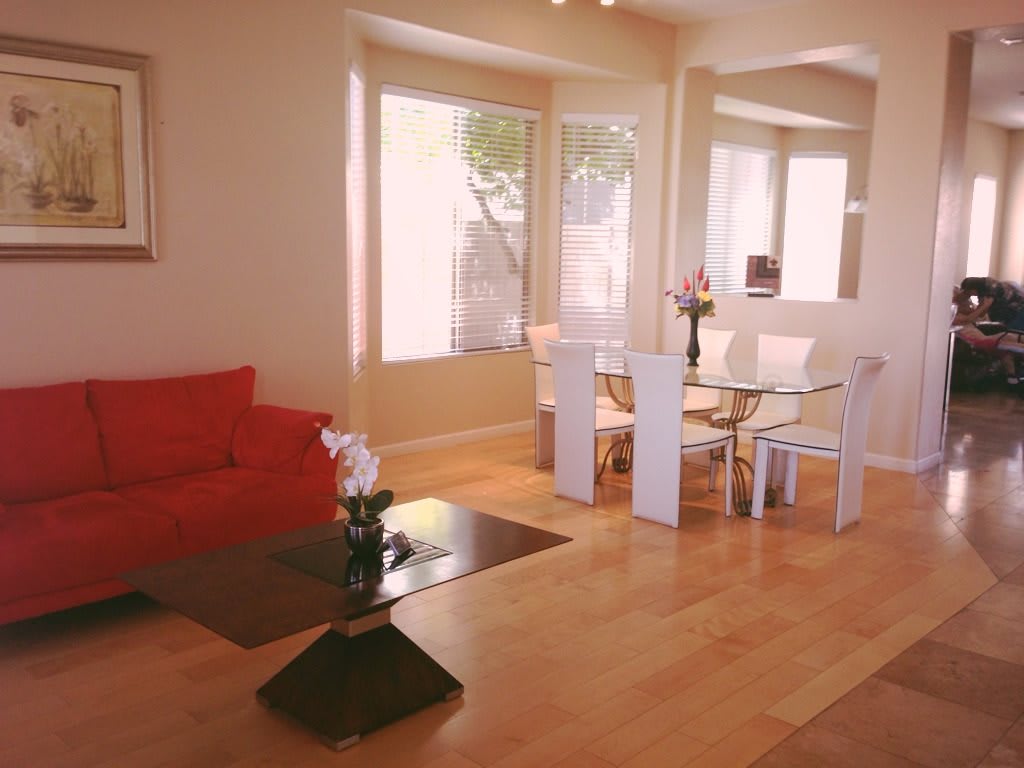
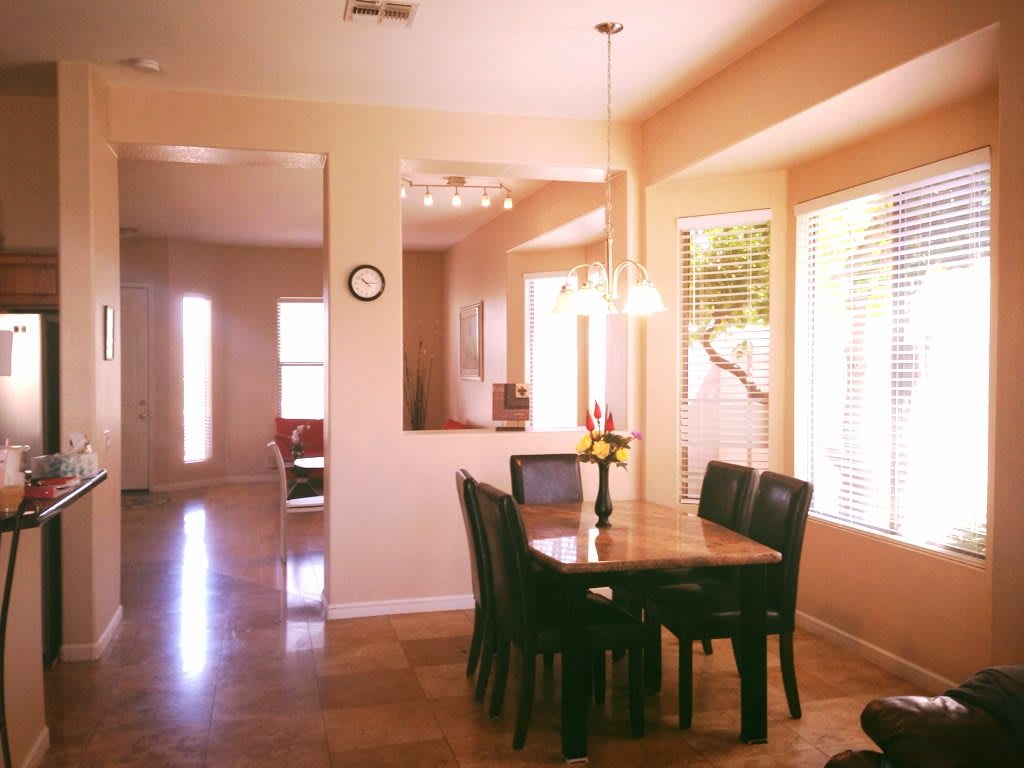
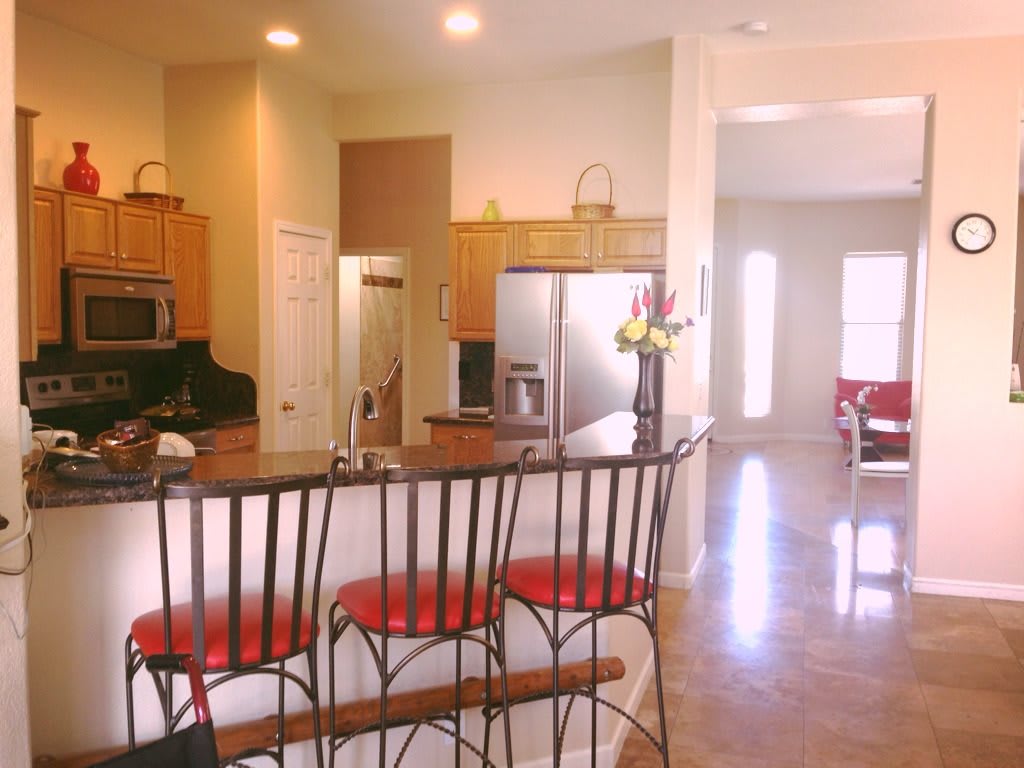
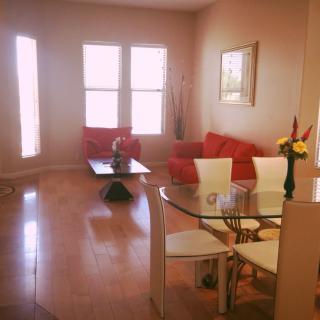
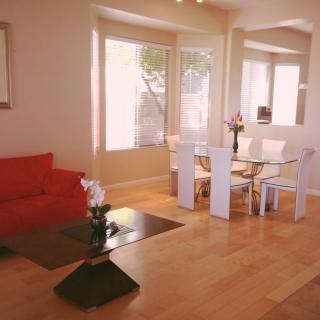

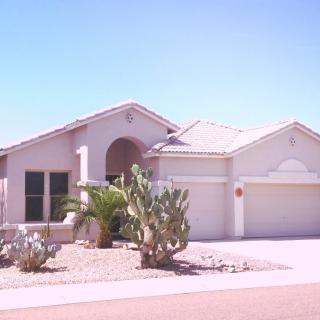
3415 West Crest Lane, Phoenix, AZ 85027
For more information about senior living options: (866) 208-4318
Deer Valley Care Home Costs & Pricing
At Deer Valley Care Home, the monthly costs for accommodation present a competitive option within the broader market of Maricopa County and the state of Arizona. For semi-private rooms, residents can expect to pay $2,500 per month, which is notably lower than the county average of $2,801 and the state average of $2,820. Similarly, private room rates at Deer Valley are set at $3,000, offering significant savings compared to the county's average of $3,318 and the state's average of $3,345. This pricing strategy underscores Deer Valley Care Home's commitment to providing quality care while ensuring affordability for its residents.
| Floor plans | Deer Valley Care Home | Maricopa County | Arizona |
|---|---|---|---|
| Semi-Private | $2,500 | $2,801 | $2,820 |
| Private | $3,000 | $3,318 | $3,345 |
Assisted Living communities with a similar price nearby
-
from +$300 / mo
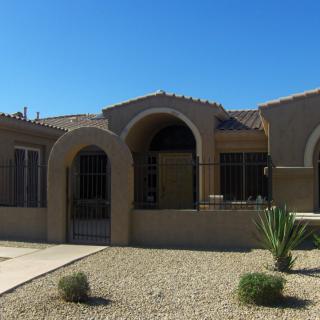
Pinnacle Peak Assisted Living
$2,800 to $3,100 / month12.7 miles away -
from +$400 / mo
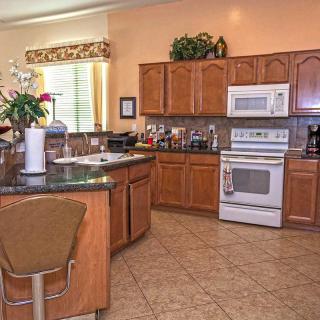
Royal Paradise Care
$2,900 to $3,800 / month13.4 miles away -
from +$350 / mo

Covenant Care Assisted Living Home
$2,850 to $3,705 / month17.3 miles away -
About the same
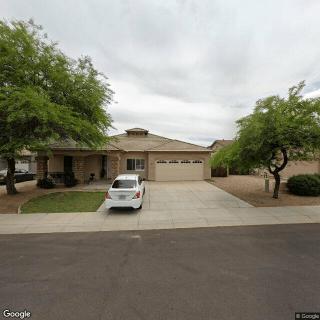
Anc Assisted Living Homes I
$2,500 to $3,500 / month19.2 miles away -
from -$100 / mo
Arabian Views Assisted Living One
$2,400 to $3,200 / month10.3 miles away
Overall Review of Deer Valley Care Home
Pros
 They took excellent care of her for over two years.
- They always had her best interests in mind.
- They kept her family informed about what was happening with her.
- The reviewers would highly recommend placing a loved one there for care.
Review
Deer Valley Care Home in Phoenix is best suited for families seeking an intimate, high-touch care experience where a resident’s daily well-being is managed with vigilance and the family remains consistently informed. The two five-star reviews describe a setting in which staff truly put the resident’s best interests first and where families feel kept in the loop about what is happening with their loved one. This is not a fortress-like campus with impersonal metrics; it is a small, caregiver-led environment in which attention to individual needs and open communication are the norm. For families who want to participate actively in daily routines, medical decisions, and day-to-day care planning, this community presents a compelling match.
Those who should consider alternatives are families whose requirements extend beyond personalized, hands-on care. If a resident needs a broad spectrum of medical services, specialized memory care, or a large, highly programmed activity calendar, larger facilities with more on-site specialists may offer more comprehensive options. The reviews highlight exceptional personal care and transparency, but they do not provide detail about extensive medical coordination, on-site licensed clinical staff, or a wide range of therapeutic programming. In situations where frequent physician involvement, advanced wound care, hospice coordination, or intensive social programming is essential, it pays to compare Deer Valley with communities explicitly advertising those capabilities.
The primary pros, attentive, resident-centered care and transparent family communication, more than offset typical drawbacks associated with smaller settings. A small home-like environment often carries concerns about limited staff coverage or slower response times; here, the emphasis on “best interest” and being “aware of what was happening” directly counters those worries. Families can trust that caregivers are watching for changes, coordinating updates, and involving loved ones in decisions. The absence of reported downsides in the reviews heightens the sense that the strong, tangible benefits of personalized care and open dialogue are delivering real peace of mind, especially for relatives who want to stay closely connected to daily care decisions.
From a family’s perspective, the day-to-day reality described in the testimonials centers on reliability, empathy, and consistent communication. The idea that updates are frequent and that the care team understands the resident’s routines translates into less angst when medical or functional changes arise. This is a practical advantage for caregivers who must balance work, travel, and caregiving duties with the need to stay informed. The trust built through clear, ongoing updates reduces decision-time friction and fosters a collaborative relationship between staff and families. For families seeking to remain actively involved without feeling sidelined, this is a meaningful, differentiating strength.
In evaluating Deer Valley, practical due diligence should focus on what is not visible in a review string but critical to ongoing care. Prospective families should inquire about the exact level of clinical oversight, how care plans are updated, and what happens when care needs escalate. Ask for staffing ratios, emergency protocols, and access to on-site licensed professionals for routine medical needs. A trial visit to observe daily interactions, a meet-and-greet with the caregiving team, and a review of a current care plan and billing structure will confirm whether the “best interest” approach remains consistent across all shifts and evolving needs. Ensure the setting can scale with the resident’s trajectory.
Bottom line: Deer Valley Care Home is a strong, pragmatic choice for families prioritizing personalized, attentive care delivered with transparency. The positive experiences emphasize peace of mind, trust, and meaningful family involvement, assets that are hard to match in more impersonal settings. Those whose loved ones require broader medical services, specialized memory support, or an expansive slate of activities may find more suitable options elsewhere. The decisive factor is alignment: care philosophy, level of family participation, and daily routines must mirror the resident’s current needs and anticipated changes. When they do, Deer Valley stands as a credible, dependable home where quality of life is upheld through diligent hands and open communication.
 8 resident community capacity
 Assisted Living
 Board and Care Home
 Respite Care
 Activities on-site
 Air-conditioning
 Cable or satellite TV
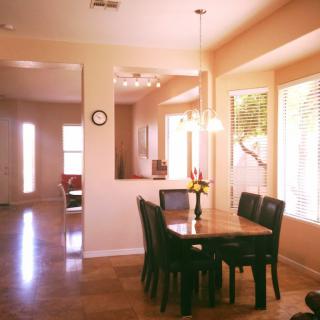
 Dining room
 Fully furnished
 Garden
 Handicap accessible
 Housekeeping services
 Indoor common areas
 Move-in coordination
 Outdoor common areas
 Private
 Telephone
 Wi-Fi/high-speed internet available
 Phoenix Sky Harbor International (19 miles away)
 24-hour supervision
 Assistance with bathing
 Assistance with dressing
 Assistance with transfers
 Diabetes diet
 Diabetic care
 High acuity care
 Incontinence care
 Meal preparation and service
 Medication management
 Special dietary restrictions
 Transportation arrangement (medical)
 Transportation to doctors appointments
 Birthday parties
 Live dance or theater performances
 Live musical performances

 Assisted Living Expenses and Long-Term Care Insurance: A Comprehensive Exploration
 Securing Financial Support for Assisted Living: A Comprehensive Overview
 Social Security Benefits and Assisted Living: Navigating Options Across the U.S.