For more information about senior living options: (866) 208-4318
4.5 from 46 reviews
5 stars
40
4 stars
0
3 stars
1
2 stars
0
1 stars
5
The Retreat at Alameda Costs & Pricing
The Retreat at Alameda offers competitive pricing for its accommodations, albeit higher than both Maricopa County and the broader state of Arizona. For instance, a studio at The Retreat is priced at $4,195, which exceeds the county average of $3,960 and the state average of $3,829. Similarly, one-bedroom units are available for $4,895 - substantially higher than Maricopa County's rate of $3,473 and just above the state's $3,532. The semi-private rooms stand out with a cost of $5,200 compared to more budget-friendly options in both contexts, reflecting a significant difference from county rates of $2,801 and state averages of $2,820. Lastly, two-bedroom units come in at $5,495 while still remaining above the county's figure of $4,112 and matching closely with Arizona's rate of $4,106. While The Retreat at Alameda does present a premium experience that may justify its costs through quality care and amenities offered, it positions itself decidedly above local market rates.
Floor plans
The Retreat at Alameda
Maricopa County
Arizona
Studio
$4,195
$3,960
$3,829
1 Bedroom
$4,895
$3,473
$3,532
Semi-Private
$5,200
$2,801
$2,820
2 Bedrooms
$5,495
$4,112
$4,106
Memory care communities with a similar price nearby
Residents and families repeatedly describe a care team that is compassionate, attentive, and responsive.
Many reviews highlight compassionate, resident-centered care and say staff communicate clearly with families. Several people mention quick help with day-to-day needs and support during sensitive moments, including memory care transitions. A few reviews raise serious concerns about understaffing and neglect, but the majority of feedback is that staff are warm, professional, and follow through.
common12 reviews mention this
Food and dining stand out
Dining quality is a frequent bright spot, with multiple reviewers describing flavorful, fresh meals.
Multiple reviews praise the chef-led dining experience, describing the food as delicious, fresh, and enjoyable, including desserts and special holiday-style offerings. Some reviewers also describe residents being taken to the dining room at meal times. A separate set of feedback focuses on memory care meals falling short, including comments that food was subpar at times.
common10 reviews mention this
Activities keep residents engaged
Residents benefit from frequent activities that focus on social connection and mental engagement.
Reviews often mention scheduled daily activities and resident engagement, including classes and group events designed to keep people active and social. Families also describe being informed about upcoming events and invited to participate. On the memory care side, at least one review says engagement doesn’t match what’s promised for higher-function residents, with some time spent sitting and watching TV.
caveat7 reviews mention this
Memory care receives mixed feedback
Memory care reviews are split between strong support and concerns about daily life.
Some families describe memory care staff as patient and attentive, including help with transition, socialization, and consistent care throughout the day. Others report serious concerns, such as limited staffing for certain residents, hygiene and dignity issues, and a dining experience they felt was not adequate. One reviewer also felt the memory care environment looked too dark and depressing during a tour and chose an alternative.
caveat3 reviews mention this
Cost feels high for value
Some reviewers question whether the monthly cost matches the care and services they expected.
One review specifically calls out the memory care monthly cost as egregious relative to day-to-day quality, and it also raises concerns about pet policies. Other critical feedback compares charged rates with the level of care residents received, suggesting a gap between price and follow-through. Despite that, many other reviews do describe strong care, support, and facility upkeep, so expectations may vary by unit and stage of need.
How we summarize
Counts show how many written reviews mention each theme; a review can touch several themes, and only frequently mentioned themes are displayed.
Features
Housing
104 resident community capacity
Types of Care
Assisted Living
Independent Living
Memory Care
Pets
Cats allowed
Dogs allowed
Amenities
Activities off-site
Activities on-site
Air-conditioning
Beautician on-site
Beauty salon
Cable or satellite TV
Computer center
Devotional services off-site
Devotional services on-site
Dining room
Fitness room
Fully furnished
Gaming room
Garden
Ground floor units
Handicap accessible
Housekeeping services
Indoor common areas
Kitchenette
Move-in coordination
Outdoor common areas
Outdoor space
Private bathrooms
Restaurant-style dining
Small library
Telephone
Wellness center
Wheelchair accessible showers
Wi-Fi/high-speed internet available
Transportation
Phoenix Sky Harbor International (20 miles away)
Community operated transportation
Transportation arrangement
Transportation arrangement (non-medical)
Care Services
12-16 hour nursing
24-hour call system
24-hour supervision
Activities of daily living assistance
Ambulatory care
Assistance with bathing
Assistance with dressing
Assistance with transfers
Coordination with health care providers
Diabetes diet
Diabetic care
Incontinence care
Meal preparation and service
Medication management
Mental wellness program
Mild cognitive impairment
Special dietary restrictions
Specialized memory care programming
Transportation arrangement (medical)
Transportation to doctors appointments
Dining
Anytime dining
Diabetes diet
Gluten-free
Guest meals
International cuisine
Kosher
Low / no sodium
Meals provided
No Sugar
Organic
Professional chef
Restaurant style dining
Room service
Special dietary restrictions
Vegan
Vegetarian
Activities
Art classes
Community-sponsored activities
Concierge services
Cooking classes
Day trips and outings
Devotional activities offsite
Devotional activities on-site
Fitness programs
Forever fit
Happy hour
Karaoke
Live dance or theater performances
Live musical performances
Live well programs
Planned day trips
Resident-run activities
Scheduled daily activities
Tai Chi
Trivia games
Yoga / chair yoga
Videos
Nearby Places of Interest
This part of Phoenix, Arizona, offers a variety of amenities within a short distance, making it convenient for seniors living in the area. There are several healthcare options nearby, including physicians, pediatricians, and pharmacies. Additionally, there are plenty of dining options ranging from Mexican cuisine to fast food chains. For those looking for leisure activities, there are parks for outdoor recreation as well as a nearby movie theater. Places of worship are also easily accessible for those seeking spiritual fulfillment. Overall, this neighborhood provides a good balance of essential services and recreational opportunities for seniors considering living in the area.
Physicians
Ewell, Allen B, DDS (0.5 miles)
Quail Run (2.1 miles)
Agave Pediatrics (2.5 miles)
Acacia Internal Medicine (2.6 miles)
Pulmonary Associates P (2.8 miles)
The CORE Institute - North Phoenix (3.7 miles)
ABC Children's Eye Specialists (3.9 miles)
Restaurants
Carlos O'Brien's Mexican Restaurant & Pub (0.8 miles)
The Retreat at Alameda offers competitive pricing for its accommodations, albeit higher than both Maricopa County and the broader state of Arizona. For instance, a studio at The Retreat is priced at $4,195, which exceeds the county average of $3,960 and the state average of $3,829. Similarly, one-bedroom units are available for $4,895 - substantially higher than Maricopa County's rate of $3,473 and just above the state's $3,532. The semi-private rooms stand out with a cost of $5,200 compared to more budget-friendly options in both contexts, reflecting a significant difference from county rates of $2,801 and state averages of $2,820. Lastly, two-bedroom units come in at $5,495 while still remaining above the county's figure of $4,112 and matching closely with Arizona's rate of $4,106. While The Retreat at Alameda does present a premium experience that may justify its costs through quality care and amenities offered, it positions itself decidedly above local market rates.
The Retreat at Alameda offers 24-hour supervision to ensure residents' safety and security, which is crucial for those with memory impairments. Assistance with daily living activities, such as bathing and dressing, allows residents to maintain personal hygiene and dignity while receiving the support they need. Help with transfers minimizes the risk of falls and injuries, promoting mobility and independence. Coordinating with healthcare providers ensures that residents receive appropriate medical attention tailored to their specific needs, while incontinence care addresses a common concern among individuals with dementia compassionately. The meal preparation and service not only provide nutritious options but also contribute to routine stability, which can be comforting for individuals experiencing cognitive decline. Medication management is vital in preventing errors that could have significant health implications. Engaging residents through a mental wellness program fosters cognitive stimulation important for maintaining mental acuity, while specialized memory care programming is designed specifically for those suffering from Alzheimer's or other forms of dementia. Additionally, arranging transportation for medical appointments alleviates logistical challenges that families might face, ensuring residents continue to receive essential care without undue stress on their loved ones.
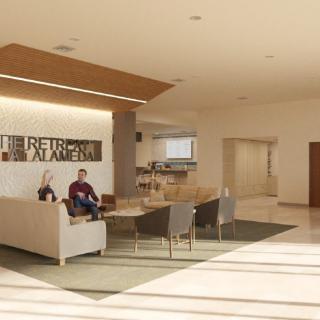
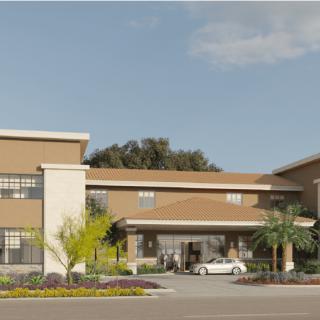
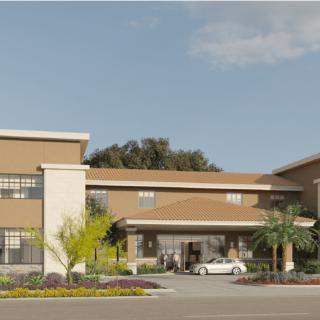
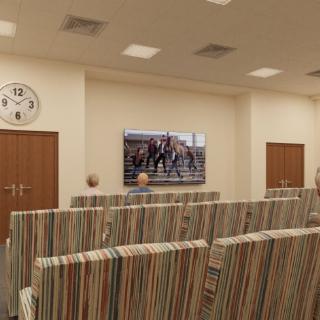
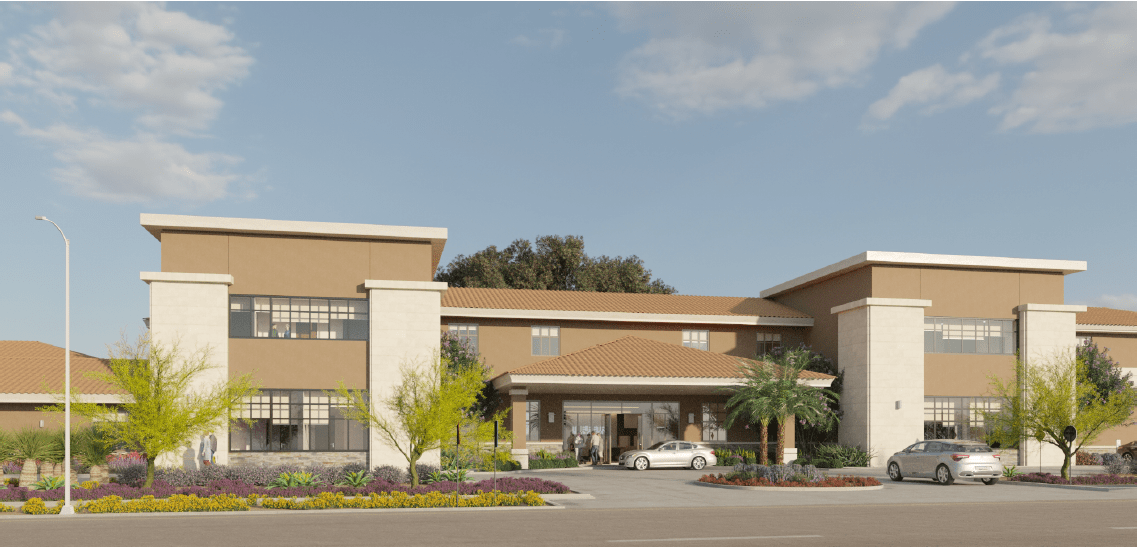
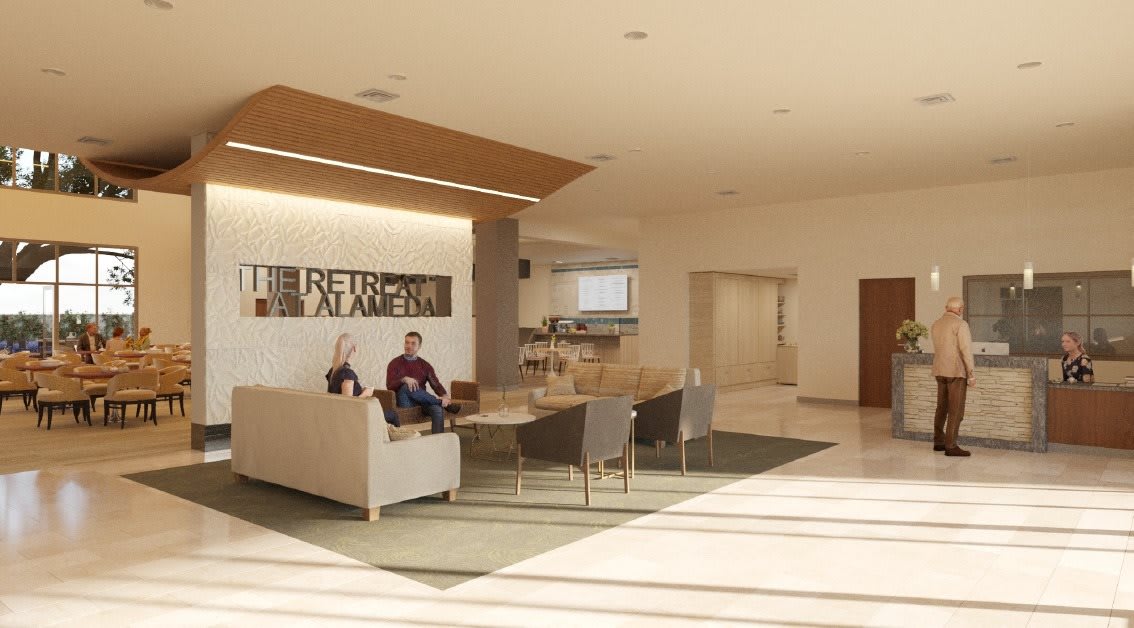
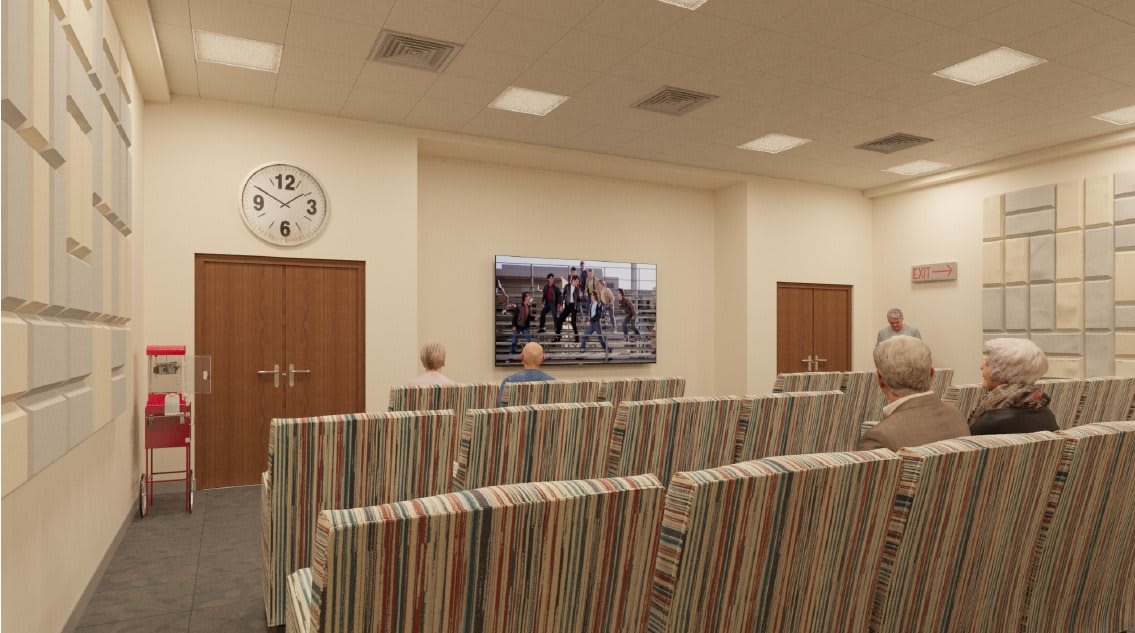
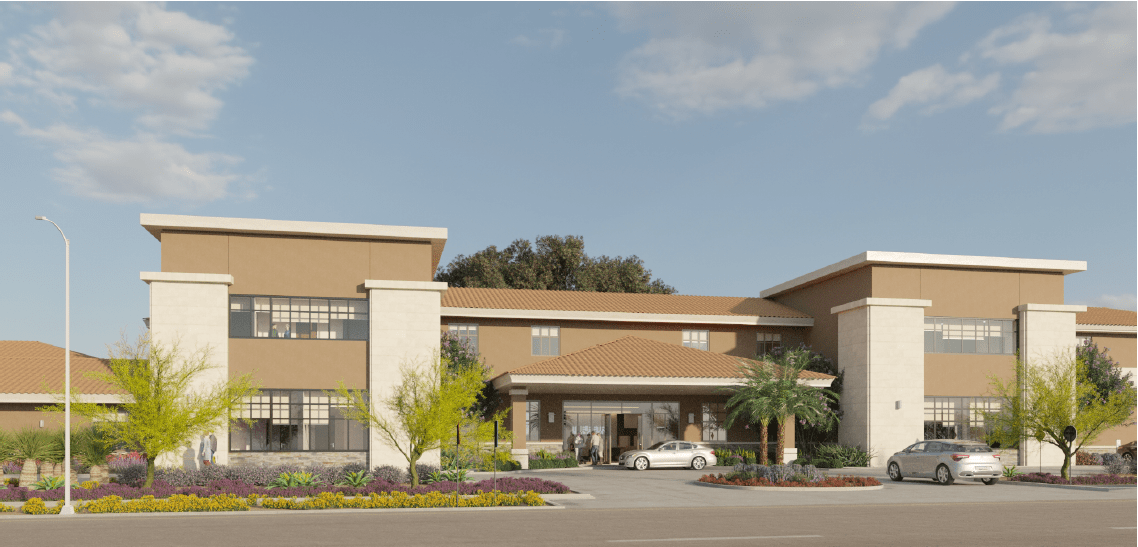
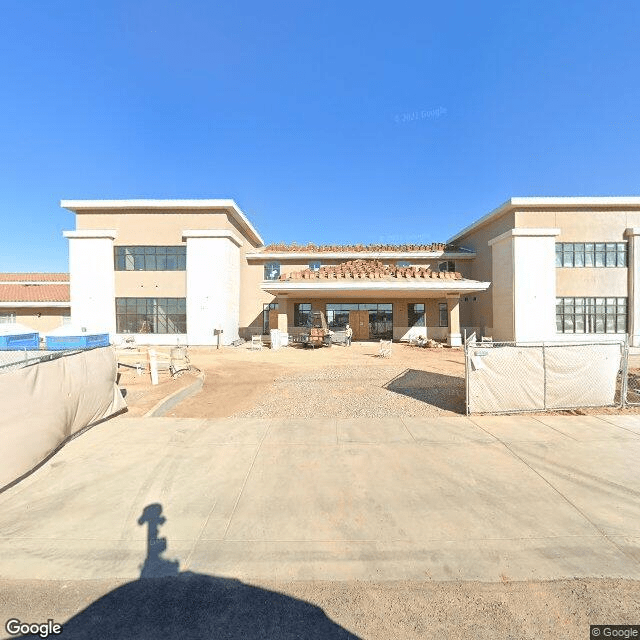
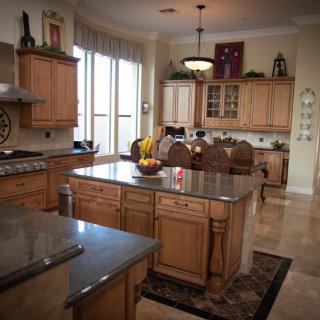
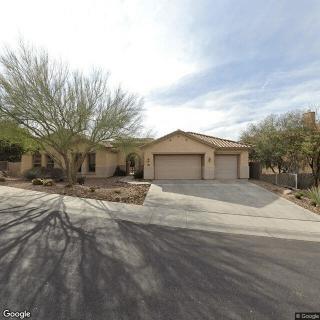
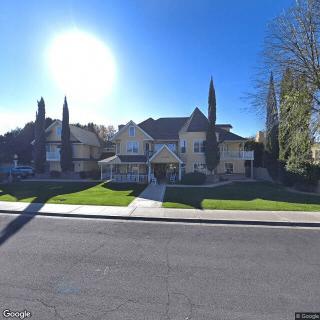
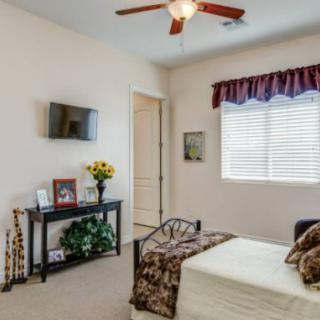
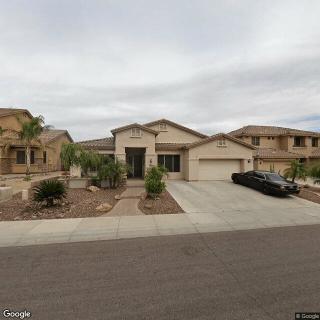
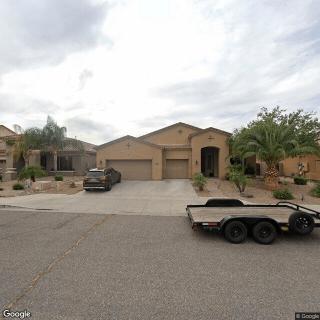
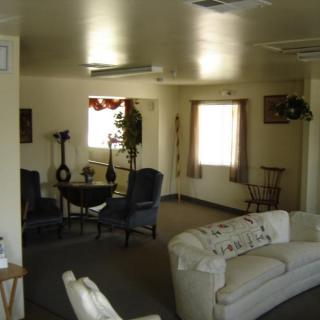
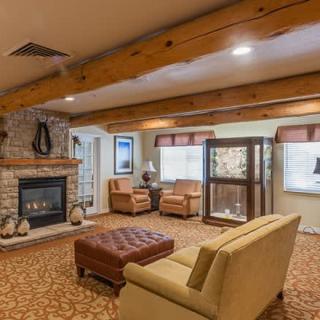
The Retreat at Alameda on seniors.fyi includes 5 photos including images showing landscaping, interior, seating area, building, modern architecture, exterior, palm trees, lobby, and more.
Nearby Communities
Oasis Group Home
Phoenix, AZ
Intimate 5-resident setting with 24/7 supervision, ADL support, and diabetes-friendly dining.
Valley Vista Care Home
Phoenix, AZ
$1,900 to $2,300 / month
Affordable high-acuity care with private and semi-private rooms.
Gold Star Care Home
Phoenix, AZ
5 from 8 reviews
Intimate 10-bed setting with 24-hour supervision and comprehensive daily living support.
North Star Care Home
Phoenix, AZ
5 from 4 reviews
$3,000 to $3,900 / month
24/7 supervision with daily activities and care coordination.
Lory's Care Home
Phoenix, AZ
5 from 12 reviews
$1,800 to $2,500 / month
Competitive pricing with comprehensive amenities and high-acuity care.
Elite Senior Living
Phoenix, AZ
5 from 19 reviews
$3,840 to $4,992 / month
Fully furnished units with comprehensive care, housekeeping, meals, and activities.
Park Terrace Senior Living
Phoenix, AZ
4.5 from 165 reviews
$1,895 to $3,595 / month
Warm, friendly atmosphere with attentive staff, well-maintained facilities, and affordable all-inclusive pricing.
Arizona Desert Falls
Phoenix, AZ
4.5 from 24 reviews
$2,500 to $4,500 / month
Compassionate, personalized care in a clean, family-like setting with engaging activities.
Brookdale Desert Ridge
Phoenix, AZ
4 from 91 reviews
$3,000 to $6,195 / month
Friendly staff, clean facility, and engaging activities.
"Memory Care Pathways: A Holistic Guide to Dementia Support" outlines the complexities of dementia and its various types, emphasizing early detection, patient-centered care strategies, caregiver support, and long-term care options while addressing legal and financial considerations to enhance the quality of life for individuals with dementia and their families.
Sundown syndrome, or sundowning, is a phenomenon in dementia patients characterized by increased confusion and agitation during late afternoon and evening, influenced by factors like disrupted circadian rhythms and fatigue. Effective caregiver strategies include establishing routines and managing environmental light while addressing caregiver stress through support services.
Delirium is a rapidly onset, reversible cognitive disturbance often caused by acute medical issues, while dementia is a gradual and irreversible decline due to chronic neurodegenerative diseases. Accurate differentiation between the two is essential for appropriate treatment and management in older adults.
Get PricingAsk A QuestionSchedule A TourContact Senior Advisor
By clicking submit, you agree to our Partner's Terms of Use. You
also consent to receive calls and texts, which may be autodialed, from our Partner. Your consent is not a condition to
using our Partner's service. Please visit our Partner's Privacy Policy for information about their privacy practices.

 104 resident community capacity
 Assisted Living
 Independent Living
 Memory Care
 Cats allowed
 Dogs allowed
 Activities off-site
 Air-conditioning
 Beautician on-site
 Cable or satellite TV
 Computer center
 Devotional services off-site
 Dining room
 Fitness room
 Fully furnished
 Gaming room
 Garden
 Ground floor units
 Handicap accessible
 Housekeeping services
 Indoor common areas
 Kitchenette
 Move-in coordination
 Outdoor common areas
 Private bathrooms
 Restaurant-style dining
 Small library
 Telephone
 Wellness center
 Wheelchair accessible showers
 Wi-Fi/high-speed internet available
 Phoenix Sky Harbor International (20 miles away)
 Community operated transportation
 12-16 hour nursing
 24-hour call system
 Ambulatory care
 Assistance with bathing
 Assistance with dressing
 Assistance with transfers
 Diabetes diet
 Diabetic care
 Incontinence care
 Medication management
 Mental wellness program
 Special dietary restrictions
 Transportation arrangement (medical)
 Art classes
 Concierge services
 Cooking classes
 Day trips and outings
 Happy hour
 Karaoke
 Live dance or theater performances
 Live musical performances
 Trivia games
 Intimate 5-resident setting with 24/7 supervision, ADL support, and diabetes-friendly dining.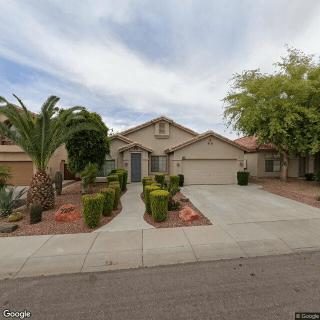

 Memory Care Pathways: A Holistic Guide to Dementia Support
 Comprehending Evening Confusion in Dementia: Causes, Manifestations, and Support
 Delirium and Dementia: Unraveling the Key Differences