
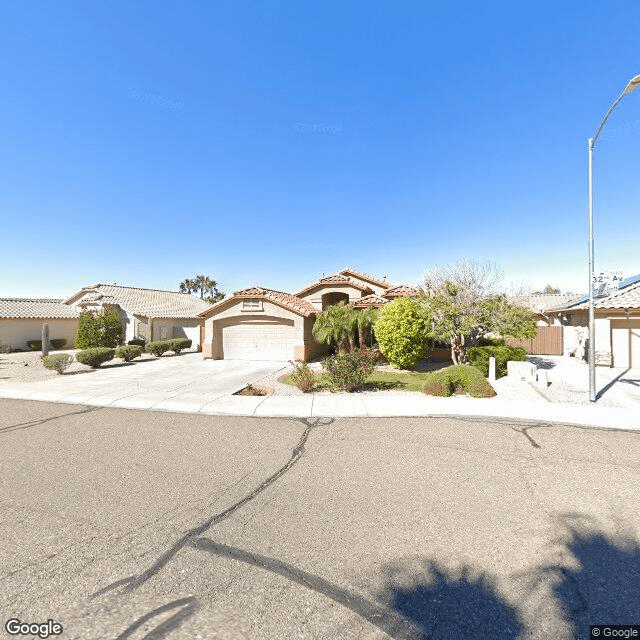
23211 N. 32nd Avenue, Phoenix, AZ 85027
To contact a resident: (623) 516-9923
For more information about senior living options: (866) 208-4318
Adobe Highland Assisted Living Costs & Pricing
Adobe Highland Assisted Living offers a competitive pricing structure for its residents, particularly when compared to the broader costs in Maricopa County and across Arizona. For semi-private rooms, the monthly cost at Adobe Highland is $1,600, significantly lower than the county average of $2,801 and the state average of $2,820. Similarly, the private room rate of $2,000 is also quite attractive, especially when placed alongside Maricopa's average of $3,318 and Arizona's overall average of $3,345. This makes Adobe Highland an appealing option for those seeking quality assisted living while keeping expenses manageable.
| Floor plans | Adobe Highland Assisted Living | Maricopa County | Arizona |
|---|---|---|---|
| Semi-Private | $1,600 | $2,801 | $2,820 |
| Private | $2,000 | $3,318 | $3,345 |
Senior living communities with a similar price nearby
-
from +$200 / mo
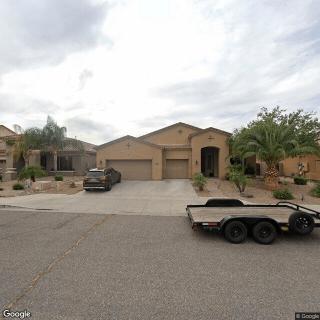
Lory's Care Home
$1,800 to $2,500 / month2.2 miles away -
from +$300 / mo
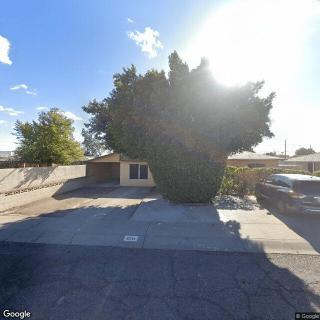
Young Life Assisted Living I
$1,900 to $2,500 / month12.1 miles away -
from +$275 / mo
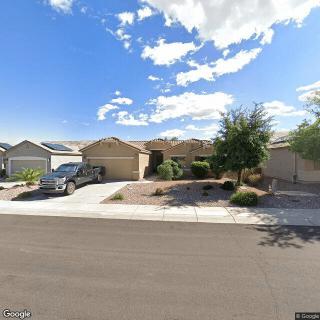
Marybela's Loyal Care
$1,875 to $3,010 / month18.6 miles away -
from +$300 / mo
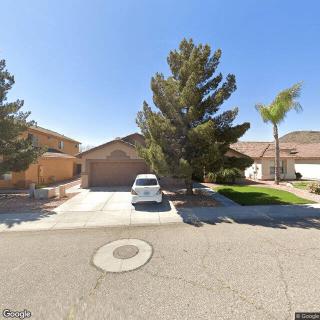
Suntown Assisted Living Home
$1,900 to $2,400 / month2.3 miles away -
About the same
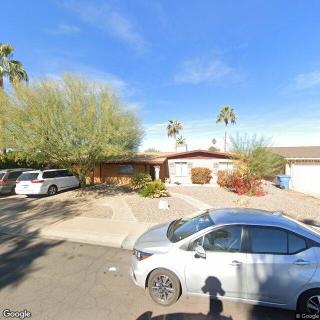
Maria's Garden Of Eden
$1,600 to $1,800 / month8.9 miles away
Overall Review of Adobe Highland Assisted Living
Pros
 The home in the east valley is described as the best, with the staff and Ryan absolutely phenomenal.
- The home is wonderful and not a facility, with owners and caregivers going above and beyond for each resident through personalized care and genuine compassion.
- The owner and staff provide high-quality, personalized care to meet every resident’s needs, and the home-like atmosphere encourages socializing in a comfortable setting.
- Weekly activities are offered for residents’ enjoyment, and Paseo Highlands Assisted Living is recognized as a leader in its field, evidenced by a zero-deficiency state survey.
- Ryan and his staff show commitment, dedication, and care; they are kind, considerate caregivers who accompany residents to appointments and treatments.
- Residents love the food, and the dining service provides a restaurant-style experience with options, delivered by a friendly and cheerful staff.
Review
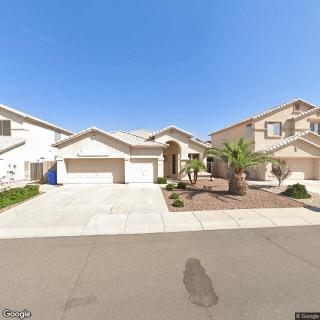
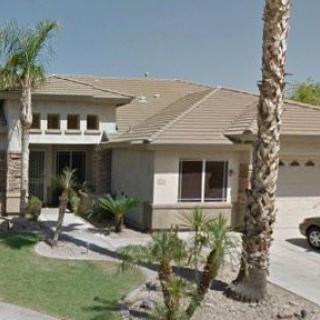
Adobe Highland Assisted Living in Phoenix is best suited for seniors who want a warm, home-like environment where care feels deeply personal and relationships with staff are central. The community earns its reputation as one of the East Valley’s standout homes by delivering attentive, compassionate service rather than a clinical corridor of routines. Families note that staff, led by a hands-on owner, treat residents as individuals, tailor daily life to personal tastes, favorite meals, walks, and meaningful activities, and cultivate a sense of belonging. For those who value meaningful social connection alongside practical support, this setting becomes more than care; it becomes a household where dignity and comfort matter every day. It shines especially for residents and families embracing end-of-life or long-running supportive care within a tight-knit, domestic atmosphere.
Yet the model is not for every situation. The strongest fit is not a medical campus; it is a small, home-like residence that relies on a close-knit staff and community. Families facing high-acuity medical needs, complex nursing requirements, or the need for expansive memory-care programming may want alternatives with more on-site clinical resources, larger activity teams, or formalized dementia units. Likewise, those seeking hospital-like oversight or a broad roster of specialized therapies may prefer a larger campus. In short, Adobe Highland excels in personalized attention; those requiring heavier medical intervention should evaluate other options that offer greater clinical depth and steadier access to specialized care.
From the available feedback, the positives are cohesive and mutually reinforcing. Personal attention, genuine care, and staff availability form the backbone of the experience. The dining program stands out, featuring restaurant-style service with resident choice, along with a calendar of weekly activities that supports both socialization and purposeful engagement. Mobility is not a barrier; staff arrange walks and outings for residents regardless of whether they use a walker or wheelchair. The consistent emphasis on treating residents like family translates into emotional safety, daily encouragement, and dependable support during medical appointments, including trips for chemo-related needs. These strengths create a trusted, low-stress environment where families feel their loved ones are truly known and valued.
Families evaluating the community should test several practical dimensions during a visit. Observe how staff interact with residents, not just perform tasks, and whether caregivers remember individual preferences. Assess dining details: are there real options, flexibility for dietary restrictions, and staff who engage residents about their meals? Look for evidence of proactive medical coordination, how often staff accompany residents to appointments and how health updates are communicated. The overarching question is whether the home-like vibe and personalized care can be sustained as needs evolve. The reviews suggest a strong alignment between resident happiness and staff dedication, a combination that often signals enduring quality and stability for families seeking ongoing, intimate support.
Another practical angle concerns continuity of support as health circumstances shift. The stories imply reliable transportation assistance and a willingness to coordinate medical visits, which is a meaningful asset for families juggling schedules. The end-of-life and long-term care contexts described point to a culture of tenderness, respect, and patience. The downside to note is inherent in any small home: if the needs grow beyond what a small team can safely manage, or if rapid escalation to clinical oversight becomes essential, the option to transition to a larger facility should be anticipated. In such cases, a well-structured plan for escalation is essential, and tours should include frank conversations about step-up care trajectories.
Overall, Adobe Highland Assisted Living stands out for those prioritizing warmth, strong personal bonds, and a home atmosphere that honors daily living as much as medical care. It is a practical, well-suited choice for seniors who value independence within a supported, affectionate circle and for families who want direct involvement with caregivers. For residents needing heavier clinical resources, memory-care specialization, or a broader cadence of programming, alternatives with more robust medical infrastructures should be explored. A careful, candid visit, meeting the caregiving team, and observing daily routines will confirm whether this intimate setting is the right long-term home.
 Board and Care Home
 Cats allowed
 Dogs allowed
 Private
 Phoenix Sky Harbor International (19 miles away)
 Diabetic care
 High acuity care
 Christian services

 Effective Strategies for Keeping Seniors' Minds Active: A Deep Dive into Brain Games and Apps
 In-Depth Look at the VA Aid and Attendance Program
 Nurturing Our Loved Ones: A Daughter's Journey in Caring for Her Mother