
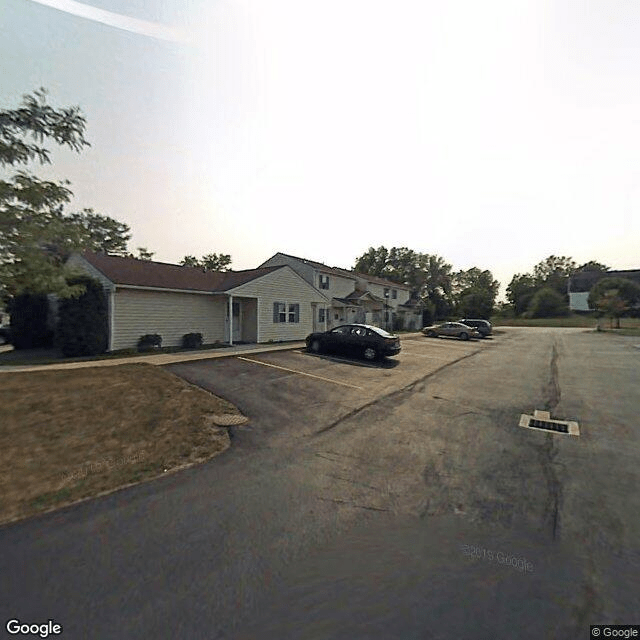
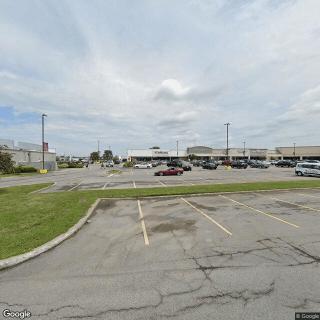
125 Scottsville W Henriett Rd, West Henrietta, NY 14586
To contact a resident: (585) 359-3320
For more information about senior living options: (866) 208-4318
Overall Review of Springside Meadows Apartments
Pros
 The apartments are nice.
Cons
 The reviewer describes the treatment of others here as simply horrible.
- They note a community filled with drinking, child behavior, and bullying.
- They visited and said they won't come back.
Review
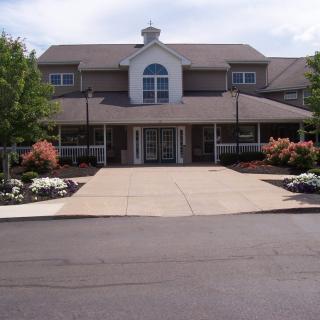
Springside Meadows Apartments in West Henrietta is best suited for independent adults who prize well-maintained, attractive living spaces and can tolerate a lively, occasionally unruly social environment. The apartments themselves are the clear strength, offering quality finishes and a comfortable layout that appeals to residents who place priority on unit-level comfort and curb appeal. For families weighing options, this community can feel like a reasonable fit if the focus is on obtaining a solid, modern apartment with the expectation of managing or ignoring some background activity in the building’s social fabric.
Those who should consider alternatives will include seniors who need quiet, predictability, or strong on-site supervision. Individuals or families seeking a calm, safe atmosphere with minimal risk of disruptive behavior will want to look elsewhere. Similarly, anyone planning for assisted living in the near term should evaluate communities with structured resident management and more explicit safety protocols. If a care-forward environment, supportive services, or a consistently respectful community culture is nonnegotiable, Springside Meadows may not meet those needs.
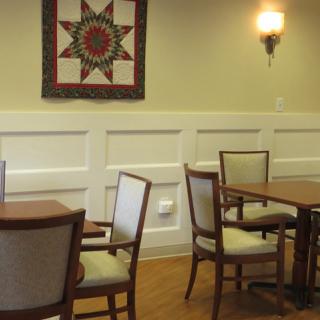
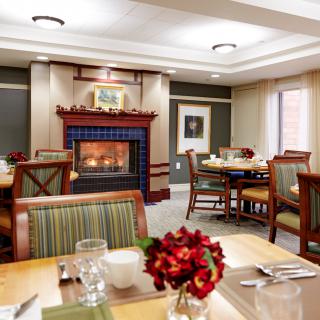
On the upside, the standout asset is the living space itself. The units are described as nice, implying thoughtful design, quality finishes, and practical layouts that support comfortable independent living. For residents who can capitalize on a solid apartment foundation, good storage, responsive maintenance, and a pleasing aesthetic, the space can offer real daily value. This strength makes it plausible for someone to choose Springside Meadows if the priority is a quality home base while pursuing activities outside the building or maintaining a high degree of personal independence.
The decisive drawback emerges from the social environment. A troubling report emphasizes how residents are treated within the community, describing a culture affected by drinking, child behavior, and bullying. Such dynamics raise concerns about safety, respect, and the overall living experience, especially for seniors or vulnerable residents who rely on stable, kind surroundings. When the social tone inside an apartment complex undermines comfort or safety, the appeal of excellent units loses its bite. In short, the conditions described threaten the core value proposition for many families evaluating housing that may eventually sit at the center of care decisions.
How the positives weigh against the negatives depends on priorities and risk tolerance. If independence and a high-quality living space are nonnegotiable and the resident can navigate or avoid problematic social interactions, perhaps by spending substantial time away from the building and leveraging external networks, the apartments may still serve as a workable home base. Conversely, for families prioritizing safety, quiet, and a strong, well-managed community culture, the cons substantially outweigh the pros. In that case, it is prudent to pursue alternatives with more oversight, clearer behavioral expectations, and staff-driven programming designed to maintain a respectful resident community.
In closing, Springside Meadows presents a practical, well-appointed option for those who can tolerate a mixed social milieu and want solid apartment living as a foundation for independent life. However, the frank reality of reported resident dynamics makes it a poor fit for seniors or anyone who needs a tranquil, closely supervised setting. Prospective renters should enter with a clear plan: tour at different times, interview current residents about daily life, query management about safety and enforcement, and assess whether the social climate aligns with family goals. If those checks reveal a mismatch, prioritizing alternatives with stronger community culture and supportive services will save time, cost, and future heartache.
 Independent Living
 Greater Rochester International (6 miles away)

 Fecal Incontinence in Older Adults: A Comprehensive Guide
 Recognizing the Journey: Understanding and Navigating Anticipatory Grief
 Encouraging Participation in Adult Day Care: A Guide to Supporting a Hesitant Parent