Victorian Gardens offers competitive pricing compared to both St. Louis County and the broader state of Missouri, making it an attractive option for potential residents. For instance, a studio at Victorian Gardens is priced at $2,200 per month, significantly lower than the county average of $4,203 and the state average of $3,418. Similarly, one-bedroom units are available for $3,000, which again undercuts both the county's average of $4,226 and the state's $3,349. Even in the two-bedroom category, where Victorian Gardens charges $4,100 monthly, this rate remains more economical than St. Louis County's average of $4,658 while still being slightly above the state's average of $3,675. Overall, these figures highlight how Victorian Gardens not only provides quality living spaces but also does so at a more accessible financial commitment when compared with local and statewide rates.
Floor plans
Victorian Gardens
St. Louis County
Missouri
Studio
$2,200
$4,203
$3,418
1 Bedroom
$3,000
$4,226
$3,349
2 Bedrooms
$4,100
$4,658
$3,675
Independent Living communities with a similar price nearby
Residents and families consistently describe staff who feel genuinely attentive and supportive.
Many reviews focus on the way staff show up for residents and families, including help during serious health changes. Several visitors describe staff as compassionate, responsive, and willing to go out of their way. Reviews also highlight continuity, with some families noting that key nursing staff have remained in place while others cycle through.
common18 reviews mention this
Activities keep residents engaged
Frequent activities and outings are a major reason families say residents stay engaged.
Residents and families describe plenty to do, with daily in-house activities and planned outings. Reviews mention events like dances, bingo, scenic rides, and trips that include hands-on experiences. Some residents also appear to enjoy social spaces and group participation, though one review says activity involvement could be better.
common12 reviews mention this
Dining earns strong praise
Meal quality and dining spaces are repeatedly called out as strengths.
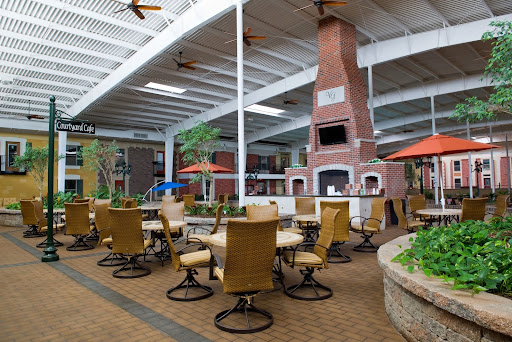
Multiple reviews say the food is good, with some calling out favorites like soup and discussing meal variety. Several also describe dining spaces that feel more like a restaurant than a typical senior-living cafeteria. One review stands apart by criticizing the meal offering, specifically saying dinner is not offered.
differentiator15 reviews mention this
On-site amenities feel complete
Families describe a wide set of on-site amenities, from pool and theater spaces to multiple common areas.
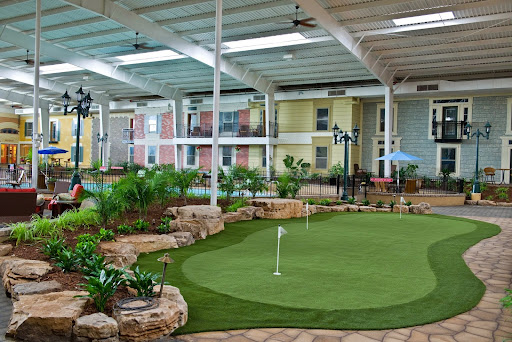
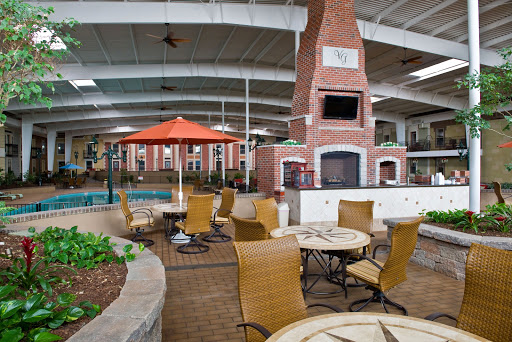
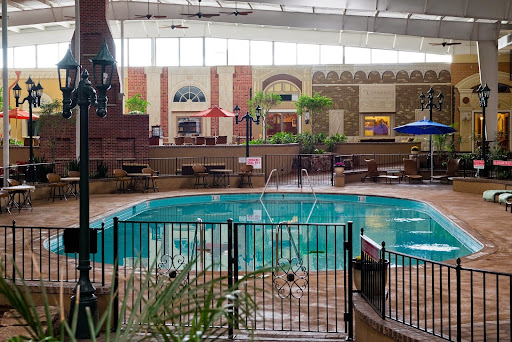
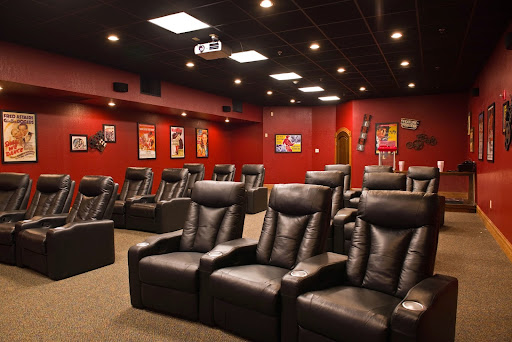
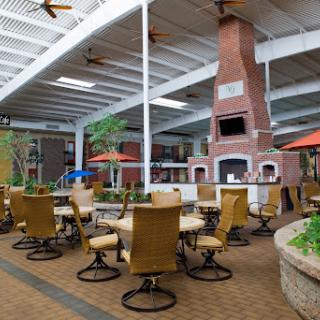
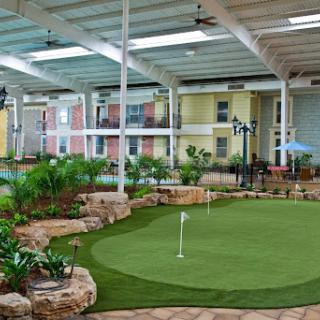
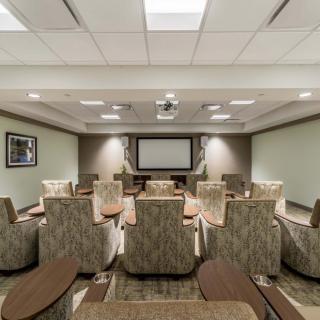
Reviews repeatedly describe the building as clean, comfortable, and easy to picture as a community rather than a typical facility. People mention amenities like a pool, movie theater, and lounge-style gathering spaces, along with features that make it feel like the “outdoor world” is brought inside safely. The amenity list also includes indoor and outdoor common areas, a swimming pool or hot tub, a full kitchen, and devotional services on-site.
caveat3 reviews mention this
Pricing is described as mixed
Reviews frame value and pricing in different ways, including complaints about studio size and dinner options.
Some families describe the community as a strong value compared with other places, while another review says it is expensive but still good for the money. A separate review complains that studios are small for the price and also raises a concern about not offering dinner. Overall, pricing feedback is not one-sided, even though amenities and care quality often get praise alongside it.
How we summarize
Counts show how many written reviews mention each theme; a review can touch several themes, and only frequently mentioned themes are displayed.
Features
Types of Care
Independent Living
Pets
Cats allowed
Dogs allowed
Amenities
Activities off-site
Activities on-site
Beautician on-site
Cable or satellite TV
Devotional services on-site
Full kitchen
Indoor common areas
Outdoor common areas
Respite or short term stays offered
Swimming pool / hot tub
Wheelchair accessible showers
Transportation
Lambert-St Louis International (22 miles away)
Care Services
Medication management
Dining
Meals provided
Activities
Activities off-site
Activities on-site
Devotional activities on-site
Nearby Places of Interest
This part of Eureka, Missouri offers a convenient and diverse range of amenities that would be ideal for senior living. There are various dining options nearby such as White Castle, McDonald's, and Wildwood Pub And Grill, ensuring easy access to different types of cuisine. Additionally, there are several healthcare facilities in close proximity including Eureka Pediatrics and Town Center Dermatology. Pharmacies like Walgreens and Walmart Pharmacy are also conveniently located for any medication needs. For leisure activities, there are parks like Byrnes Mill Park and Vlasis Park nearby, as well as the World Bird Sanctuary for nature enthusiasts. Overall, this area provides a balanced mix of services and recreational opportunities for seniors looking to settle in Eureka.
Victorian Gardens offers competitive pricing compared to both St. Louis County and the broader state of Missouri, making it an attractive option for potential residents. For instance, a studio at Victorian Gardens is priced at $2,200 per month, significantly lower than the county average of $4,203 and the state average of $3,418. Similarly, one-bedroom units are available for $3,000, which again undercuts both the county's average of $4,226 and the state's $3,349. Even in the two-bedroom category, where Victorian Gardens charges $4,100 monthly, this rate remains more economical than St. Louis County's average of $4,658 while still being slightly above the state's average of $3,675. Overall, these figures highlight how Victorian Gardens not only provides quality living spaces but also does so at a more accessible financial commitment when compared with local and statewide rates.
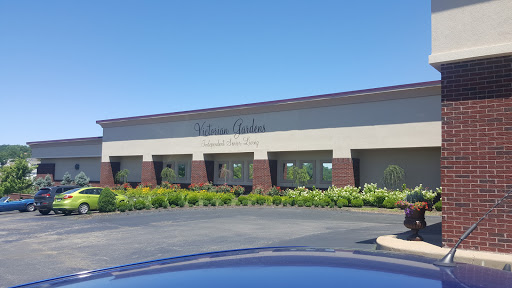
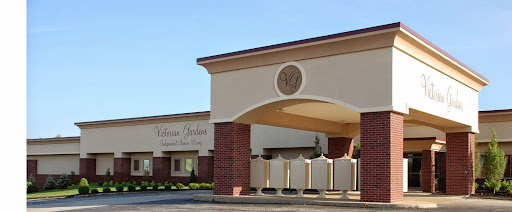
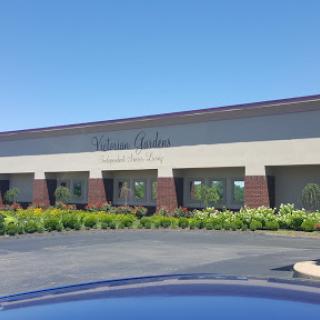
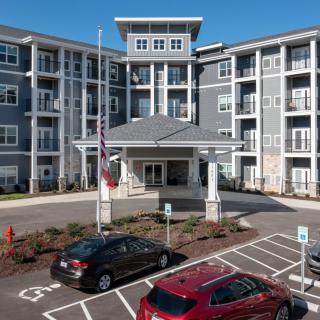
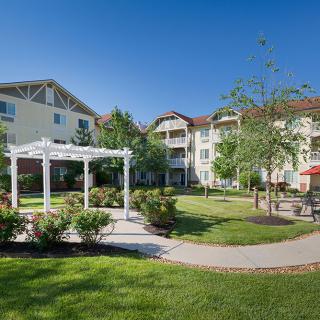
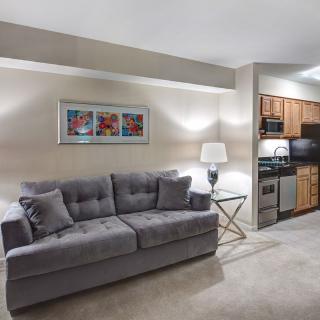
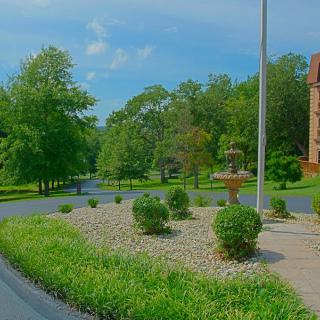
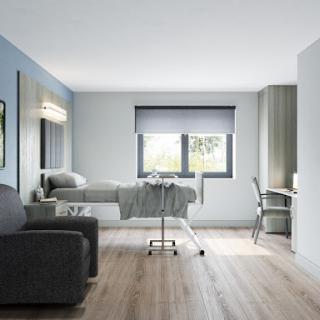
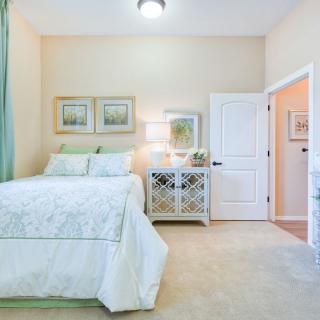
Victorian Gardens on seniors.fyi includes 11 photos including images showing dining, interior, architecture, theater, building, exterior, indoor pool, lounge area, and more.
Nearby Communities
Summerville of St Andrew’s
Eureka, MO
4.2 from 12 reviews
$3,750 to $3,900 / month
Competitive pricing for 1-2 bedroom units in St. Louis County.
St. Andrews at Francis Place
Eureka, MO
3.6 from 32 reviews
Caring, attentive staff with a smooth onboarding process and strong safety measures.
Marymount Manor
Eureka, MO
2.6 from 38 reviews
Caring, attentive staff; quick to respond; clean facility with good dining and engaging activities.
Terraces at Marymount Manor
Eureka, MO
4.3 from 7 reviews
$2,415 to $2,540 / month
Affordable option with good amenities and friendly staff.
Whispering Oaks Health Care
Ballwin, MO
3.5 from 58 reviews
Diabetic care specialization with inviting indoor common areas and close proximity to dining and health services.
Ballwin Ridge Health & Rehabilitation
Wildwood, MO
Extensive on-site amenities and round-the-clock care.
Gambrill Gardens
Ellisville, MO
4.4 from 144 reviews
$3,141 to $3,415 / month
Beautiful, well-maintained facility with friendly staff and a vibrant activities program.
Westview at Ellisville Assisted Living & Memory Care
Ellisville, MO
4.1 from 94 reviews
$2,800 to $6,195 / month
Caring staff, engaging activities, and bright, spacious apartments.
Bristol Manor - Pacific
Pacific, MO
3 from 22 reviews
Fully furnished apartments with restaurant-style dining and 24/7 supervision.
Palliative care enhances the quality of life for seriously ill patients by providing comprehensive support at home through a multidisciplinary team, addressing various needs and prioritizing comfort over curative treatments. While it offers personalized care and involves family in decision-making, challenges like caregiver stress and logistical issues persist, with growing demand prompting advancements in technology and healthcare policies to improve access.
Palliative home care focuses on improving the quality of life for individuals with serious illnesses by providing comfort, symptom management, and emotional support in their own homes. This approach includes personalized care plans, regular assessments, and resources for family caregivers, all while prioritizing person-centered treatment that aligns with patients' goals.
Skilled nursing facilities (SNFs) provide high-level medical care and rehabilitation for short-term recovery, typically covered by Medicare after hospitalization, while nursing homes focus on ongoing custodial care for chronic conditions, mainly funded by Medicaid or private payments. The staffing and regulatory structures differ significantly between the two, necessitating clarity for families in choosing appropriate long-term care options.
Get PricingAsk A QuestionSchedule A TourContact Senior Advisor
By clicking submit, you agree to our Partner's Terms of Use. You
also consent to receive calls and texts, which may be autodialed, from our Partner. Your consent is not a condition to
using our Partner's service. Please visit our Partner's Privacy Policy for information about their privacy practices.













 Independent Living
 Cats allowed
 Dogs allowed
 Activities off-site
 Beautician on-site
 Cable or satellite TV
 Devotional services on-site
 Full kitchen
 Indoor common areas
 Outdoor common areas
 Respite or short term stays offered
 Swimming pool / hot tub
 Wheelchair accessible showers
 Lambert-St Louis International (22 miles away)
 Medication management
 Meals provided
 Competitive pricing for 1-2 bedroom units in St. Louis County.



 Exploring Palliative Care in the Home: A Comprehensive Overview
 Comprehensive Insights into Palliative Home Care: What It Is and What to Expect
 Skilled Nursing Facilities vs. Nursing Homes: Making Sense of the Differences