For more information about senior living options: (866) 208-4318
2.6 from 38 reviews
5 stars
11
4 stars
2
3 stars
5
2 stars
2
1 stars
18
Overall Review of Marymount Manor
caveat8 reviews mention this
Cleanliness and odors draw concern
Many reviews describe dirty rooms and strong urine odors.
Several residents and family members describe rooms and common areas as unclean, with urine odors coming up repeatedly. Others also mention issues like soiled surfaces, grunge dust, and unswept floors. A few reviews do call out improved cleanliness and no odors, but the negative cleanliness comments are consistent.
caveat6 reviews mention this
Falls and supervision feel inconsistent
Reviews describe falls and accidents that families found hard to prevent.
Some families report that loved ones fell multiple times or were left in ways that led to injuries or hospital visits. Others describe accidents such as being on the floor for extended periods, followed by delayed cleanup. A couple of reviews also frame the community as safer due to assistance with constant falling, showing a mixed experience across reviewers.
common20 reviews mention this
Staff quality is mixed but prominent
Staff responsiveness and kindness are frequently mentioned, for good and bad reasons.
Many reviews highlight friendly, welcoming staff who respond quickly to questions and care needs. Other reviewers are strongly negative, describing rudeness, lack of help when requested, and rooms or residents left in poor condition. Even within supportive reviews, one theme is that care can vary, with some noting short staffing or getting less follow-through than expected.
common6 reviews mention this
Dining stands out in reviews
Dining is a frequent point of discussion, including both improvements and complaints.
Several families say the food has improved and that residents look forward to meals, with at least a couple describing dishes daily. Others describe the dining experience less positively, including concerns about limited options and dietary support for specific health needs. Alongside that, the community is described as offering regular three-meal service with choices.
common2 reviews mention this
Medication handling is mentioned positively
Some families specifically praise medication management and administration.
A couple of reviews mention peace of mind that medications are being taken as directed. These comments show up alongside broader positive experiences with care and staff support. Other reviews focus more on cleanliness, supervision, or communication rather than medication details.
How we summarize
Counts show how many written reviews mention each theme; a review can touch several themes, and only frequently mentioned themes are displayed.
The various features at Marymount Manor are specifically designed to enhance the quality of life for residents with dementia or Alzheimer's disease by promoting their independence while ensuring their safety and well-being. Assistance with dressing and bathing helps maintain personal hygiene and dignity, while support with transfers ensures safe mobility, reducing the risk of falls. Medication management is critical in maintaining health and addressing the complexities of medication regimens that often accompany cognitive decline. Meal preparation and service cater not only to nutritional needs but also consider preferences, enhancing the dining experience. Activities of daily living assistance offers a structured routine that fosters familiarity and comfort, which can be grounding for those experiencing memory loss. With 24-hour supervision, residents benefit from constant care, offering peace of mind to both them and their families. Complementing these services, a mental wellness program is crucial for encouraging engagement and social interaction, which can significantly improve emotional well-being and cognitive function among residents.
Nearby Communities
Terraces at Marymount Manor
Eureka, MO
4.3 from 7 reviews
$2,415 to $2,540 / month
Affordable option with good amenities and friendly staff.
Victorian Gardens
Eureka, MO
4.8 from 56 reviews
$2,200 to $4,100 / month
Dedicated staff in a warm, home-like community with engaging activities.
St. Andrews at Francis Place
Eureka, MO
3.6 from 32 reviews
Caring, attentive staff with a smooth onboarding process and strong safety measures.
Summerville of St Andrew’s
Eureka, MO
4.2 from 12 reviews
$3,750 to $3,900 / month
Competitive pricing for 1-2 bedroom units in St. Louis County.
Pleasant Valley Cottage
High Ridge, MO
$1,600 / month
Low-cost private room with pet-friendly policy and nearby amenities.
Whispering Oaks Health Care
Ballwin, MO
3.5 from 58 reviews
Diabetic care specialization with inviting indoor common areas and close proximity to dining and health services.
Gambrill Gardens
Ellisville, MO
4.4 from 144 reviews
$3,141 to $3,415 / month
Beautiful, well-maintained facility with friendly staff and a vibrant activities program.
Westview at Ellisville Assisted Living & Memory Care
Ellisville, MO
4.1 from 94 reviews
$2,800 to $6,195 / month
Caring staff, engaging activities, and bright, spacious apartments.
Bristol Manor - Pacific
Pacific, MO
3 from 22 reviews
Fully furnished apartments with restaurant-style dining and 24/7 supervision.
Delirium is a rapidly onset, reversible cognitive disturbance often caused by acute medical issues, while dementia is a gradual and irreversible decline due to chronic neurodegenerative diseases. Accurate differentiation between the two is essential for appropriate treatment and management in older adults.
Dementia, including Alzheimer’s disease, is often mischaracterized in terms of lethality as it leads to complications that can be fatal rather than being a direct cause of death; it causes a progressive decline in cognitive and physical health, making patients vulnerable to infections and other health crises. Effective management of nutrition, hydration, and communication is crucial in patient care, with palliative care becoming vital in advanced stages to enhance comfort and quality of life while caregivers play a key role amidst the challenges posed by the disease.
Reminiscence therapy helps individuals with dementia recall past memories through structured discussions and meaningful objects, enhancing mood, relationships, and sense of identity while celebrating their lives. It can be practiced in formal settings or at home, requiring sensitivity to personal histories and cultural backgrounds.
Get PricingAsk A QuestionSchedule A TourContact Senior Advisor
By clicking submit, you agree to our Partner's Terms of Use. You
also consent to receive calls and texts, which may be autodialed, from our Partner. Your consent is not a condition to
using our Partner's service. Please visit our Partner's Privacy Policy for information about their privacy practices.

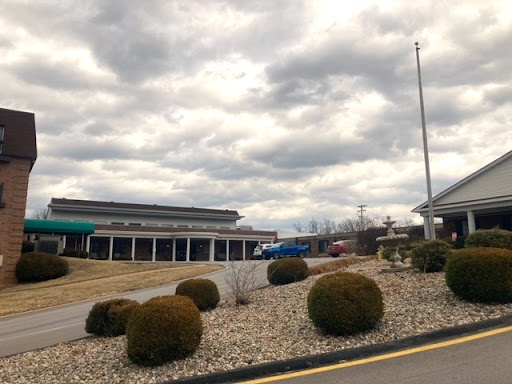
 100 resident community capacity
 Assisted Living
 Memory Care
 Skilled Nursing Facility
 Air-conditioning
 Beauty salon
 Cable or satellite TV
 Computer center
 Dining room
 Fitness room
 Fully furnished
 Gaming room
 Garden
 Housekeeping services
 Kitchenette
 Move-in coordination
 Outdoor space
 Private bathrooms
 Restaurant-style dining
 Small library
 Telephone
 Wellness center
 Wi-Fi/high-speed internet available
 Lambert-St Louis International (23 miles away)
 Community operated transportation
 12-16 hour nursing
 24-hour call system
 Activities of daily living assistance
 Assistance with bathing
 Assistance with dressing
 Assistance with transfers
 Diabetes diet
 Medication management
 Mental wellness program
 Special dietary restrictions
 Concierge services
 Planned day trips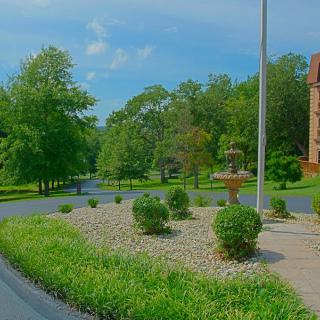
 Affordable option with good amenities and friendly staff.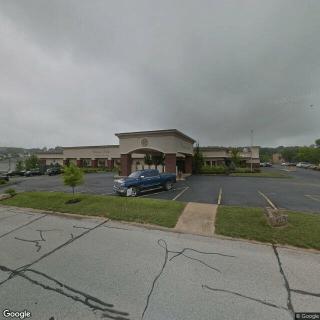



 Delirium and Dementia: Unraveling the Key Differences
 Are Dementia and Alzheimer's Disease Lethal? A Comprehensive Exploration
 Exploring the Power of Reminiscence Therapy for Individuals With Dementia