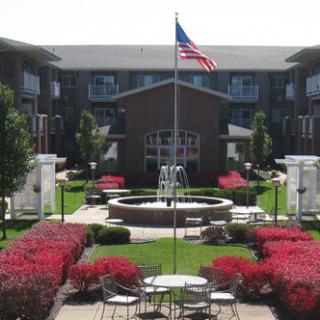
St. Andrews at Francis Place in Eureka, MO

Save
St. Andrews at Francis Place St. Andrews at Francis Place

St. Andrews at Francis Place in Eureka, MO

Information last verified:

300 Forby Road, Eureka, MO 63025

For more information about senior living options: (844) 490-3973

3.7 from 29 reviews
5 stars
14
4 stars
5
3 stars
2
2 stars
3
1 stars
5

Overall Review of St. Andrews at Francis Place

Pros

  • pro The staff are described as extremely helpful and caring, treating residents and families with kindness and compassion.
  • pro The facility feels like family, making families feel safe and supported.
  • pro PT and OT are great, and the rehabilitation area is excellent.
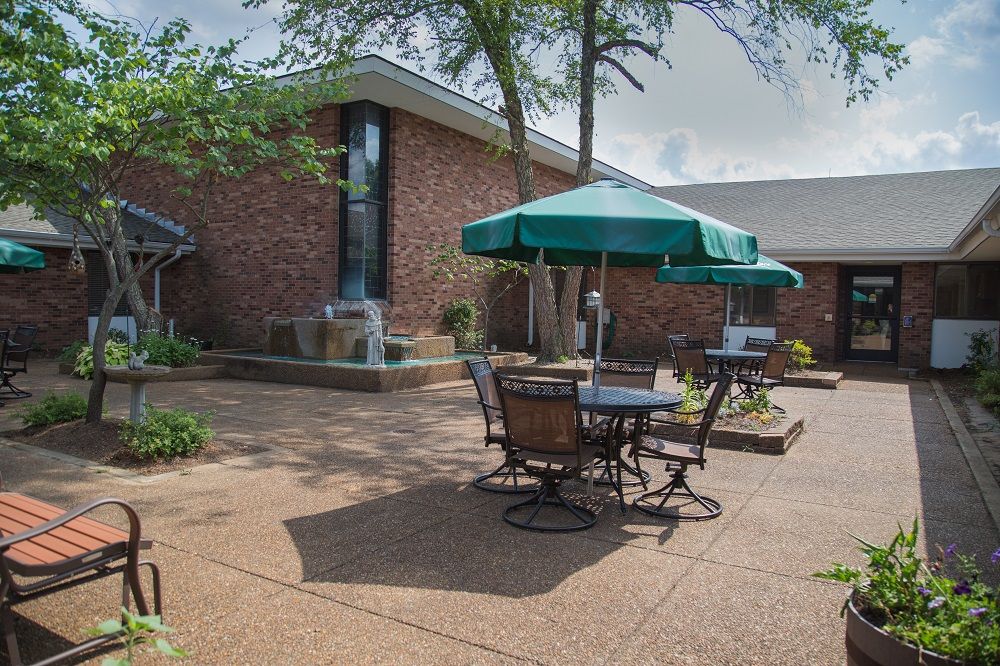
  • pro The setting offers beautiful views and a homelike atmosphere that aids healing.
  • pro Meals are good and dining services have returned to normal with quality meals.
  • pro Admissions staff, like Vikki, are attentive and help residents settle in smoothly.
  • pro Many reviewers would highly recommend St. Andrew's/Francis Place for skilled nursing care due to the compassionate staff and overall quality of care.

Cons

  • pro They wouldn’t send their dog here.
  • pro They would not recommend this facility.
  • pro They claim the staff were chronically understaffed and residents were left sitting in feces for hours.
  • pro They state stool softeners were routinely ignored, worsening constipation on strong pain meds.
  • pro They describe nurses and assistants hiding from paramedics, delaying urgent medical help.
  • pro They characterize the facility as dirty and unkempt, with rough cleansing causing sores and exposure to fecal matter.
  • pro They say doctors did not check the patient’s ankles or incisions and failed to act promptly.
  • pro They accuse the facility of cherry-picking patients and turning away higher-need care.
  • pro They report a lack of empathy after a relative's death, with no condolences or follow-up.

Review

St. Andrews at Francis Place is best suited for families seeking a rehabilitation-focused skilled-nursing environment that feels like a comforting, homelike community. The strongest fit is for residents who need physical or occupational therapy to regain function after hospitalization, appreciate a stable schedule of rehab services, and value a caregiver team that emphasizes warmth, accessibility, and family involvement. It works well for seniors who can engage socially, benefit from structured activities, and want reliable access to rehabilitation teams that can tailor plans to individual goals. Those who prize scenic surroundings and a climate of respectful, person-centered care will find this community compelling, especially when transitions in care are a priority.

Conversely, some families may want to consider alternatives if higher-acuity medical needs or persistent, highly complex nursing oversight are a daily requirement. A number of reviewers voiced concerns about staffing consistency and responsiveness, pointing to agency-colored turnover and gaps in on-site nursing coverage. Several families questioned whether urgent medical issues were handled promptly, especially during off hours. In a few stories, families perceived that the facility favors lower-care residents at times, or that drain-by-committee communication hindered rapid problem-solving. For those whose loved ones require steady, highly vigilant medical management, other communities with deeper in-house medical staffing might be a safer option.

The core value proposition, excellent rehabilitation services paired with a homey atmosphere, often offset the stated drawbacks when the focus is on functional recovery and daily morale. PT and OT are repeatedly praised as robust, with residents and families highlighting meaningful progress and a rehab atmosphere that feels professional yet encouraging. The setting, clear views of Eureka, light-filled common spaces, and a dining and activity plan that emphasizes engagement, supports both physical and emotional well-being. When staff members consistently connect with families, coordinate care, and maintain approachable communication, the rehab program can deliver tangible gains that may lessen anxieties about the facility’s reliability in other areas.

Staffing dynamics color every family’s experience here. On the upside, admissions personnel and social workers are frequently cited as the connective tissue that sets a constructive tone for a resident’s transition. The best testimonials point to dedicated team members who go the extra mile to organize tours, clarify options, and stay involved through discharge planning. Therapists are described as capable and affable, with aides and nurses earning praise for genuine care when present and engaged. The strongest critiques trace to experiences where staffing was inconsistent, agency aides stepping in, rotation of caregivers, and perceived gaps in the day-to-day attentiveness. In those cases, families felt the quality of care dipped, even as the facility tried to maintain a compassionate front.

Environment and everyday life occupy a large portion of the satisfaction equation. Several families adore the facility’s renovation trajectory, noting that a refreshed building, clean smells, well-kept common areas, and aesthetically pleasing views contribute to a sense of well-being. The dining experience, often highlighted as flavorful and timely when well staffed, reinforces a perception of quality that extends beyond medical care. Residents frequently report meaningful activities and social opportunities that help them feel connected and valued. Yet different voices remind that the building’s age, occasional spills, and the reality of operating a senior care setting mean that cleanliness and maintenance can fluctuate. Families observing stability in this arena tend to rate the community more positively, while those facing lapses express frustration.

Practical considerations for families evaluating St. Andrews at Francis Place should be concrete and probing. Tour well beyond the lobby: observe nurse and aide coverage on each shift, ask about how many direct-care staff are on the floor at peak hours, and request examples of problem resolution when concerns arise. Inquire about the admissions process and the ongoing role of the social worker in coordinating transitions, as this is a recurring touchpoint that correlates with smoother experiences. Clarify how medical concerns are escalated at night or on weekends, and ask for recent staff turnover data and the facility’s plan to stabilize caregiver continuity. Finally, discuss goal-oriented rehab timelines, the possibility of private-room arrangements, and the availability of meaningful activities that align with the resident’s interests, because the strongest outcomes hinge on consistent staffing, clear communication, and a rehab-forward culture that treats recovery as a collaborative mission.

Features

Housing

  • 106 resident community capacity 106 resident community capacity

Types of Care

  • Assisted Living Assisted LivingAssisted living facilities provide crucial support and care for seniors who may need help with daily tasks such as medication management, bathing, and meal preparation. These communities offer a safe and comfortable environment where seniors can maintain their independence while receiving the assistance they need to thrive in their golden years.
  • Respite Care Respite CareRespite care provides temporary relief for caregivers, allowing them to recharge and attend to their own needs. It also gives seniors the opportunity to socialize, receive professional care, and experience a change of scenery, promoting overall well-being and reducing feelings of isolation.
  • Skilled Nursing Facility Skilled Nursing FacilitySkilled Nursing Facilities are crucial for seniors as they provide round-the-clock medical care, rehabilitation services, and assistance with daily activities. These facilities ensure that seniors receive the specialized care they need to maintain their health and well-being as they age.

Amenities

  • Air-conditioning Air-conditioningAir conditioning is important for seniors as they are more vulnerable to heat-related illnesses and may have underlying health conditions that make it difficult for them to regulate their body temperature. It helps to keep them comfortable, safe, and healthy in hot weather.
  • Beauty salon Beauty salonBeauty salons are important for seniors because they provide a space for them to feel pampered, socialize, and maintain their personal grooming and hygiene. Regular visits to a beauty salon can help boost seniors' self-esteem and overall well-being.
  • Cable or satellite TV Cable or satellite TVCable or satellite TV is important for seniors because it provides entertainment, news, and companionship, helping to combat loneliness and boredom. It also offers a wide range of programming options tailored to different interests and preferences.
  • Computer center Computer centerA computer center is essential for seniors as it provides access to technology, communication tools, and resources that can enhance their daily lives. It allows them to stay connected with loved ones, engage in online activities, and learn new skills, ultimately promoting socialization and mental stimulation.
  • Dining room Dining roomDining rooms are important for seniors as they provide a space for socialization, connection, and nutritious meals. They offer opportunities for residents to bond over shared meals, foster a sense of community, and promote healthy eating habits. Dining rooms also ensure that seniors have access to well-balanced meals tailored to their dietary needs and preferences.
  • Fitness room Fitness roomHaving a fitness room in a senior living community is essential for seniors to stay active, maintain their physical health, and improve their overall well-being. Regular exercise can help prevent falls, reduce the risk of chronic diseases, and promote mental sharpness. It also provides social opportunities for residents to connect with others and enjoy a sense of community.
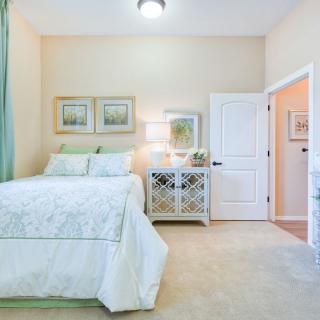
  • Fully furnished Fully furnishedFully furnished senior living communities are important for seniors because they provide convenience, comfort, and a hassle-free moving experience. Seniors can easily settle into their new living space without the stress of having to buy and move furniture. This allows them to focus on enjoying their new home and community.
  • Gaming room Gaming roomGaming rooms are important for seniors as they provide a fun and engaging environment for socializing, cognitive stimulation, and physical activity. Games can improve memory, problem-solving skills, and overall mental well-being while fostering friendships and reducing feelings of isolation.
  • Garden GardenGardens are important for seniors as they provide a peaceful and therapeutic environment for relaxation, physical activity, and socialization. Being in nature has been shown to reduce stress, improve mood, and promote overall well-being. Gardens also offer opportunities for seniors to engage in gardening activities, which can improve mobility, flexibility, and cognitive function. Additionally, gardens create a sense of community and connection with others who share a passion for plants and outdoor spaces.
  • Housekeeping services Housekeeping servicesHousekeeping services are important for seniors because they help maintain a clean and safe living environment, promote independence, and reduce the risk of accidents or illnesses. Additionally, having assistance with household chores can alleviate physical strain and allow seniors to focus on other aspects of their well-being.
  • Kitchenette KitchenetteKitchenettes are important for seniors living in senior living communities because they provide the convenience and independence of being able to prepare simple meals and snacks in the comfort of their own living space. This can help promote a sense of autonomy and well-being for seniors, allowing them to maintain some level of control over their dietary choices and daily routines.
  • Move-in coordination Move-in coordinationMove-in coordination is important for seniors because it helps ease the transition into their new living environment. It ensures that all logistics, such as packing, organizing movers, and setting up utilities are taken care of, allowing seniors to focus on settling in and adjusting to their new home. Having a smooth move-in process can alleviate stress and anxiety, making the transition smoother and more enjoyable for seniors.
  • Outdoor space Outdoor spaceOutdoor spaces are important for seniors as they provide opportunities for physical activity, social interaction, exposure to natural light and fresh air, and a sense of connection to nature. Having access to outdoor spaces can improve overall well-being and quality of life for older adults living in senior communities.
  • Private bathrooms Private bathroomsPrivate bathrooms are important for seniors in senior living communities because they provide independence, dignity, and comfort. Having a private bathroom allows seniors to maintain their personal hygiene routines without the need for assistance, promoting a sense of autonomy and privacy. Additionally, private bathrooms help prevent the spread of infections and provide a safe and clean environment for seniors to navigate safely.
  • Restaurant-style dining Restaurant-style diningRestaurant-style dining is important for seniors because it allows them to enjoy delicious, nutritious meals in a social and upscale setting. This enhances their dining experience, promotes healthy eating habits, and fosters socialization with fellow residents, ultimately contributing to their overall well-being and quality of life.
  • Small library Small librarySmall libraries are important for seniors as they provide access to a variety of reading materials, including books, newspapers, and magazines. This can help stimulate their minds, keep them engaged, and provide a sense of community through book clubs and other social activities. Additionally, reading has been shown to improve cognitive function and overall mental well-being in older adults.
  • Telephone TelephoneTelephones are important for seniors as they provide a lifeline for communication with loved ones, emergency services, and healthcare providers. They offer a sense of security and independence, enabling seniors to stay connected and access assistance when needed.
  • Wellness center Wellness centerWellness centers are important for seniors because they offer a variety of programs and services that promote physical, mental, and emotional well-being. These centers provide opportunities for exercise, socialization, education, and relaxation, helping seniors maintain their overall health and quality of life.
  • Wi-Fi/high-speed internet available Wi-Fi/high-speed internet availableWi-Fi/high-speed internet is important for seniors to stay connected with loved ones, access online resources, and participate in virtual activities to combat feelings of loneliness and isolation. It also allows them to easily manage healthcare needs, access entertainment, and engage in lifelong learning opportunities.

Transportation

  • Lambert-St Louis International (22 miles away) Lambert-St Louis International (22 miles away)
  • Community operated transportation Community operated transportationCommunity operated transportation is crucial for seniors as it provides them with the means to access essential services, social activities, and medical appointments. It allows seniors to maintain their independence and quality of life by ensuring they can participate in activities outside of their homes. Additionally, community-operated transportation services offer a safe and reliable way for seniors to travel without having to rely on family or friends for assistance.
  • Transportation arrangement Transportation arrangementTransportation arrangements are crucial for seniors as they may face challenges with driving, mobility, or access to public transportation. Having reliable transportation services ensures that seniors can easily attend appointments, social activities, and maintain their independence and quality of life.

Care Services

  • 24-hour call system 24-hour call system24-hour call systems are important for seniors because they provide peace of mind and immediate assistance in case of emergencies. This technology ensures that help is always available, promoting safety and security for elderly individuals living alone or in assisted living facilities.
  • 24-hour supervision 24-hour supervision24-hour supervision is important for seniors to ensure their safety, well-being, and access to immediate assistance in case of emergencies or health issues. This constant support provides peace of mind for both seniors and their loved ones, allowing them to age in place with dignity and security.
  • Activities of daily living assistance Activities of daily living assistanceActivities of daily living assistance are important for seniors because they provide essential support with tasks such as eating, bathing, dressing, and mobility. This assistance helps seniors maintain their independence, dignity, and overall quality of life as they age.
  • Assistance with bathing Assistance with bathingAssistance with bathing is crucial for seniors as it helps maintain personal hygiene, prevents infections, and ensures their overall well-being and comfort. It also provides a sense of dignity and independence for seniors who may struggle with this task on their own.
  • Assistance with dressing Assistance with dressingAssistance with dressing is important for seniors because it helps maintain their independence, promotes personal hygiene, prevents accidents and injuries, and improves overall quality of life. This service ensures that seniors can continue to dress comfortably and confidently, despite any physical limitations they may have.
  • Assistance with transfers Assistance with transfersAssistance with transfers is crucial for seniors as it helps prevent falls and injuries, maintains their independence, and ensures they can safely navigate their living environment. It also provides peace of mind for both seniors and their loved ones.
  • Diabetes diet Diabetes dietA diabetes diet is crucial for seniors as it helps manage blood sugar levels, reduce risks of complications, and improve overall health and well-being. By following a balanced and nutritious diet tailored to their specific needs, seniors can better control their diabetes and enhance their quality of life.
  • Meal preparation and service Meal preparation and serviceMeal preparation and service are crucial for seniors as they may have limited mobility or energy to cook nutritious meals. Having access to healthy and convenient food options can ensure they are getting the proper nutrition needed to maintain their overall health and well-being.
  • Medication management Medication managementMedication management is crucial for seniors to ensure they are taking the right medications at the correct dosages and times. This helps prevent adverse drug interactions, reduces the risk of medication errors, and promotes overall health and well-being. Proactive management also allows for adjustments as needed based on changing health conditions or new prescriptions.
  • Special dietary restrictions Special dietary restrictionsSpecial dietary restrictions are important for seniors because age-related changes in metabolism and health conditions can make it difficult for their bodies to process certain foods. By following a diet tailored to their specific needs, seniors can maintain their overall health and well-being, manage chronic conditions, and reduce the risk of complications such as malnutrition or food interactions with medications.

Dining

  • Diabetes diet Diabetes dietA diabetes diet is crucial for seniors as it helps manage blood sugar levels, reduce risks of complications, and improve overall health and well-being. By following a balanced and nutritious diet tailored to their specific needs, seniors can better control their diabetes and enhance their quality of life.
  • Special dietary restrictions Special dietary restrictionsSpecial dietary restrictions are important for seniors because age-related changes in metabolism and health conditions can make it difficult for their bodies to process certain foods. By following a diet tailored to their specific needs, seniors can maintain their overall health and well-being, manage chronic conditions, and reduce the risk of complications such as malnutrition or food interactions with medications.

Activities

  • Community-sponsored activities Community-sponsored activitiesCommunity-sponsored activities are important for seniors as they provide opportunities for social interaction, mental stimulation, and physical activity. These activities can help improve overall well-being, combat loneliness and isolation, and promote a sense of belonging and purpose among older adults.
  • Concierge services Concierge servicesConcierge services are essential for seniors as they provide assistance with daily tasks and errands, enhance their quality of life by offering convenience and personalized care, and promote a sense of safety and security.
  • Fitness programs Fitness programsFitness programs are crucial for seniors as they help improve strength, flexibility, balance, and overall well-being. Staying active can reduce the risk of chronic diseases, improve mental health, and enhance quality of life in older adults.
  • Planned day trips Planned day tripsPlanned day trips are important for seniors because they offer opportunities for socialization, mental stimulation, and physical activity. They provide a change of scenery and help seniors stay engaged and connected to their community, promoting overall well-being and quality of life.
  • Resident-run activities Resident-run activitiesResident-run activities are important for seniors as they encourage social interaction, creativity, and a sense of autonomy. These activities empower seniors to stay engaged and active in their community while fostering meaningful connections with their peers.
  • Scheduled daily activities Scheduled daily activitiesScheduled daily activities are important for seniors because they provide structure, socialization, mental stimulation, and physical activity. Engaging in regular activities can improve overall well-being and quality of life for seniors living in a community setting.

Description

St. Andrews at Francis Place in Eureka, MO is an assisted living community that offers a range of care services to its residents. With a focus on providing quality care and support, this community offers respite care and skilled nursing facility services.

Residents at St. Andrews at Francis Place can enjoy numerous amenities designed to enhance their comfort and well-being. These include a beauty salon, cable or satellite TV, community-operated transportation, a computer center, a dining room, a fitness room, fully furnished accommodations, a gaming room, a garden, housekeeping services for convenience and cleanliness, kitchenettes for personal meal preparation, move-in coordination to make transitioning easier, outdoor spaces for relaxation and fresh air, private bathrooms for privacy and independence, restaurant-style dining for delicious meals prepared by skilled chefs, a small library for leisure reading material selection, telephones for easy communication with loved ones and caregivers alike, wellness centers to promote health and wellness activities within the community setting, as well as Wi-Fi/high-speed internet access for connectivity needs.

The dedicated staff at St. Andrews at Francis Place provides 24-hour supervision to ensure the safety and well-being of residents. Assistance with activities of daily living such as bathing and dressing is readily available. The staff also provides assistance with transfers when needed. Diabetes diets are accommodated and medication management ensures that residents receive their required medications in a timely manner. Special dietary restrictions are taken into consideration when preparing meals.

Residents can participate in various activities to socialize and stay active. Concierge services are available to assist with any additional needs or requests. Fitness programs are offered to help residents maintain physical health. Planned day trips provide opportunities for exploration outside the community walls. Resident-run activities allow individuals to engage with one another in hobbies or interests they share. Scheduled daily activities offer structured entertainment options throughout the week.

St Andrews at Francis Place benefits from its convenient location near cafes, pharmacies, physicians' offices/clinics, restaurants, places of worship, and hospitals. This ensures that residents have easy access to necessary amenities and healthcare services.

Overall, St. Andrews at Francis Place is a vibrant assisted living community that offers exceptional care services and a variety of amenities to enhance the quality of life for its residents.

Nearby Places of Interest

Located in the charming town of Eureka, Missouri, this area offers a variety of amenities to support a comfortable and convenient lifestyle for seniors. With easy access to several physicians' offices, pharmacies, and hospitals within a short distance, residents can rest assured that their healthcare needs will be well taken care of. Additionally, there are plenty of dining options nearby, including casual eateries like White Castle and fine dining establishments like Craft. For those looking to relax and enjoy nature, several parks are just a short drive away, providing opportunities for leisurely strolls or picnics. Transportation options are also readily available with car rental services nearby for added convenience. With its blend of healthcare facilities, dining venues, recreational spaces, and transportation services, this area of Eureka offers everything seniors may need for a fulfilling retirement lifestyle.

Physicians

  • Eureka Pediatrics (0.5 miles)
  • Patients First Health Care (1.2 miles)
  • Town Center Dermatology (4.7 miles)
  • Wildwood Internal Medicine (4.7 miles)
  • Christopher Kling, MD (4.7 miles)
  • St John's Mercy Medical Center (4.9 miles)
  • Timber Ridge Dentistry (6.8 miles)

Restaurants

  • White Castle (0.6 miles)
  • McDonald's (2.4 miles)
  • Wildwood Pub And Grill (4.4 miles)
  • Larry's Tavern (4.5 miles)
  • El Maguey (4.8 miles)
  • Craft (4.8 miles)
  • Vallarta Mexican Restaurant (5 miles)

Cafes

  • Panera Bread (0.8 miles)
  • Starbucks (4.8 miles)
  • Starbucks (9.3 miles)
  • Panera Bread (11 miles)

Pharmacies

  • Walgreens (0.8 miles)
  • Schnucks (0.9 miles)
  • CVS Pharmacy (0.9 miles)
  • Walmart Pharmacy (1.3 miles)
  • Dierbergs (4.7 miles)
  • Dierbergs Pharmacy (4.7 miles)
  • Schnucks (4.8 miles)

Places of Worship

  • Most Sacred Heart Catholic Church (0.9 miles)
  • West County Community Church (5.6 miles)
  • St John Church (6.1 miles)
  • Church of Christ-Lafayette (6.8 miles)

Hospitals

  • RCF at Marymount (1.6 miles)

Parks

  • Byrnes Mill Park (5.6 miles)
  • World Bird Sanctuary (5.7 miles)
  • Ferris Park (5.9 miles)
  • New Ballwin Park (6.2 miles)
  • Vlasis Park (7.7 miles)
  • Chesterfield Central Park (10.1 miles)
  • Fenton Missouri (10.3 miles)

Transportation

  • Enterprise Rent-A-Car (6.7 miles)
  • TAC Air (10.3 miles)
  • Million Air (10.4 miles)

Frequently Asked Questions

Where is St. Andrews at Francis Place?

Nearby Communities

  • Victorian Gardens

    Victorian Gardens

    Eureka, MO

    4.8 from 53 reviews
    $2,200 to $4,100 / month

    pro Dedicated staff in a warm, home-like community with engaging activities.


  • Summerville of St Andrew’s

    Summerville of St Andrew’s

    Eureka, MO

    4.2 from 12 reviews
    $3,750 to $3,900 / month

    pro Competitive pricing for 1-2 bedroom units in St. Louis County.

  • Terraces at Marymount Manor

    Terraces at Marymount Manor

    Eureka, MO

    4.3 from 7 reviews
    $2,415 to $2,540 / month

    pro Affordable option with good amenities and friendly staff.

  • Marymount Manor

    Marymount Manor

    Eureka, MO

    2.7 from 36 reviews
     

    pro Caring, attentive staff; quick to respond; clean facility with good dining and engaging activities.

  • Whispering Oaks Health Care

    Whispering Oaks Health Care

    Ballwin, MO

    3.5 from 57 reviews
     

    pro Diabetic care specialization with inviting indoor common areas and close proximity to dining and health services.

  • Ballwin Ridge Health & Rehabilitation

    Ballwin Ridge Health & Rehabilitation

    Wildwood, MO


    pro Extensive on-site amenities and round-the-clock care.

  • Gambrill Gardens

    Gambrill Gardens

    Ellisville, MO

    4.4 from 143 reviews
    $3,141 to $3,415 / month

    pro Beautiful, well-maintained facility with friendly staff and a vibrant activities program.

  • Westview at Ellisville Assisted Living & Memory Care

    Westview at Ellisville Assisted Living & Memory Care

    Ellisville, MO

    4.1 from 93 reviews
    $2,800 to $6,195 / month

    pro Caring staff, engaging activities, and bright, spacious apartments.

  • The Fountains of West County

    The Fountains of West County

    Ellisville, MO

    4.2 from 44 reviews
    $2,500 to $5,295 / month

    pro Beautiful, well-kept, hotel-like community with abundant amenities and a friendly staff.

Related Resources

  • does medicare pay for assisted livingMedicare Coverage for Assisted Living: An In-Depth Exploration

    Medicare does not cover assisted living costs, as it focuses on acute medical needs and short-term care, with exceptions for certain medically necessary services like physical therapy. Individuals must explore other options such as Medicaid, veterans' benefits, or long-term care insurance to manage these expenses effectively.

  • assisted living vs nursing homeChoosing the Right Senior Care: A Detailed Exploration of Assisted Living and Nursing Homes

    Choosing between assisted living and nursing homes involves evaluating emotional and financial factors, with assisted living offering independence and support for daily activities at a lower cost, while nursing homes provide intensive medical care for individuals with significant health needs. The decision is influenced by personal preferences, health status, cognitive function, and varying Medicaid coverage across states.

  • assisted living costUnderstanding the True Cost of Assisted Living in 2025: A Comprehensive Guide
    Assisted living in 2025 offers a crucial balance of independence and support for seniors, with costs varying from $2,500 to over $7,000 per month based on factors such as location and care level. Understanding pricing complexities, including regional differences and potential hidden fees, is essential for families to plan financially while ensuring quality care for their loved ones.