
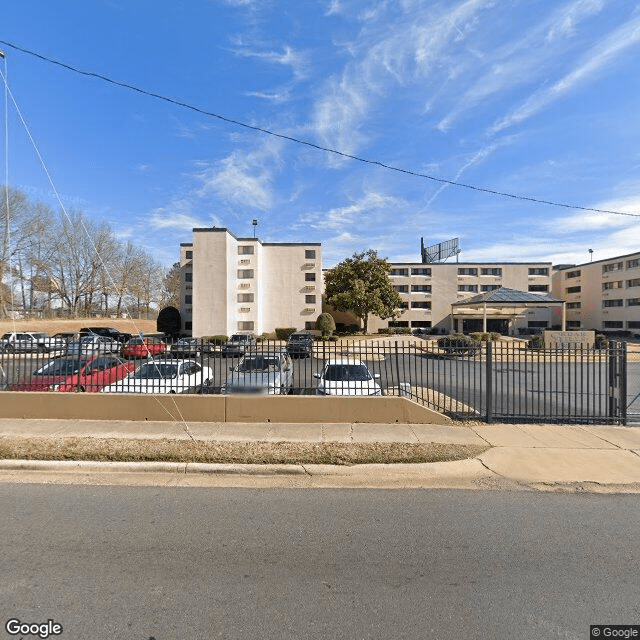
7401 Saint Vincent Ave, Shreveport, LA 71106
To contact a resident: (318) 861-6915
For more information about senior living options: (866) 208-4318
Overall Review of Cedar Hill Inc
Pros
 Residents report that the staff are very friendly and helpful.
- The complex is clean, well maintained, and safe for seniors.
- Maegan is described as kind and hardworking, always helping residents.
- Maintenance is praised for prompt and effective service.
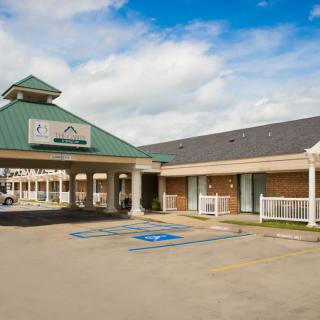
- The property is viewed as a great place to live with a welcoming atmosphere, above typical affordable housing.
- The community is described as a wonderful senior living apartment complex to call home.
- The facility offers senior-friendly features and security, including emergency call buttons, two elevators, gated grounds, and 24-hour security.
- Pet policies are favorably noted, with no monthly pet rent for small pets (under 25 pounds).
Cons
 Residents feel they are treated as an inconvenience by management.
- They note that policy changes create unnecessary hardships for seniors, especially around deliveries and transportation.
- They claim the cable-provider change has dramatically increased monthly costs for fixed-income residents.
- Residents describe management as unresponsive, with association emails going unanswered.
- They allege staff behavior: Samantha has an ugly attitude and disrespects seniors.
- They report that expressing concerns can lead to retaliation rather than being heard.
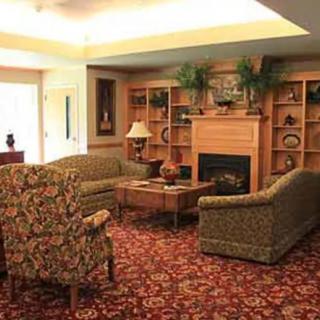
- They criticize the removal of lobby seating, arguing it deprives residents of a place to sit while waiting for transportation.
- They say package deliveries now require trips to the post office, which is hard for those without reliable transportation.
- They complain about constant inspections and remodeling that bother senior citizens.
- They mention unsafe conditions or policies, such as forcing seniors outside far to smoke.
- They describe ongoing noise disturbances (train horns and hallway noise) that disrupt sleep.
- They note a lack of basic amenities (cable, WiFi, or Internet) unless residents pay.
Review
Cedar Hill Inc in Shreveport is best suited for seniors who want an affordable, independent-living environment with solid maintenance support, a quiet residential vibe, and reliable on-site security. The community appeals to residents who value a cleaner, well-kept setting, friendly staff, and practical conveniences like two elevators, a gated property, and 24-hour security. It also suits those who appreciate a built-in social framework: organized resident activity by virtue of a dedicated on-site team, plus a structured, low-disruption daily rhythm. For households prioritizing cost control, predictable utilities, and accessible transportation to occasional shopping, Cedar Hill can be a solid fit.
The strongest, most consistent positives center on service and upkeep. Tenants repeatedly praise maintenance responsiveness and the friendliness of office staff, noting a home-like atmosphere that offers a sense of belonging after years of residency. The property itself is described as clean, safe, and well maintained, with apartment configurations that emphasize senior-friendly features, ample storage, and practical emergency systems. Transportation support, an on-site bus program to designated shops, and the overall quiet, low-stress environment contribute to stability for residents who prefer routine over upheaval. In short, the core structural strengths, careful upkeep, security, and accessible design, form a reliable foundation that offsets many everyday frustrations.
Yet the reviews reveal significant tensions that tend to undercut those strengths. Several residents point to a shift in management and governance (Silver Tree Residential’s involvement) that has triggered communication gaps and a sense that voices are not being heard. The most visible friction arises from policy changes without transparent resident input: a cable-provider transition that effectively doubles monthly costs for some, new delivery policies that burden residents with trips to the post office, and the removal of lobby seating that reduces opportunities for casual social interaction and waiting-time comfort. There are persistent complaints about the frequency and intrusiveness of management’s on-site inspections, and at least one account highlights a staff member perceived as unfriendly, undermining the warm community atmosphere that others highly value. The result is a climate where well-being can feel contingent on how effectively concerns are addressed, not merely on the stated services.
Still, the practical strengths of Cedar Hill do offset many of these drawbacks for the right resident. The combination of clean facilities, dependable maintenance, and a safety-first environment creates a dependable home base for seniors who do not require intensive care but want independence with ready support. Utilities included in rent (with typical exceptions) and the emphasis on accessible layouts help reduce daily stress and budgeting headaches. Access to transportation and a quiet setting further bolster daily quality of life, particularly for residents who prioritize predictability and security over constant programmatic enhancements. When these advantages align with personal tolerance for administrative frictions and occasional service-policy shifts, Cedar Hill remains a viable, even compelling option.
For families and residents who crave more outspoken resident governance, more transparent and consistent policy management, or lower-cost, low-ambiguity solutions, alternatives deserve consideration. If the priority is a community where resident voices are promptly acknowledged, where amenities and policies are stable year over year, or where the cost structure remains tightly aligned with fixed incomes, it may be prudent to explore other properties. Potential movers might also seek environments with less aggressive elevator-to-door policy changes, more predictable cable/internet arrangements, and a less contentious relationship between staff and residents.
In making a decision, prioritize direct conversations: ask current residents about responsiveness to concerns, verify the latest status of amenities (lobby seating, shared spaces, and social programming), confirm the present transportation schedule, and review the exact rent-utility breakdown. Check how maintenance and safety responsibilities are actually discharged on a day-to-day basis and whether the management team has a clear, reliable process for addressing complaints. If these elements align with expectations, Cedar Hill delivers a practical, comfortable home with real value; if not, it is wise to look for a community where resident input is more consistently reflected in policy and daily life.
 Independent Living
 Shreveport Regional (4 miles away)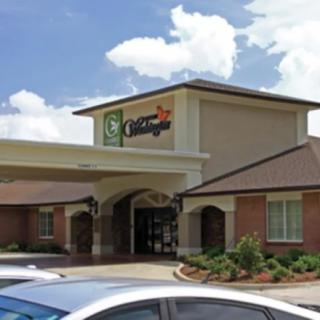



 Understanding the Nuances of Palliative Care and Hospice: A Comprehensive Exploration
 Fecal Incontinence in Older Adults: A Comprehensive Guide
 Recognizing the Journey: Understanding and Navigating Anticipatory Grief