5911 Lute Rd, Portage, IN 46368
To contact a resident: (219) 764-0628
For more information about senior living options: (866) 208-4318
Miller's Senior Living Community - Portage Costs & Pricing
Miller's Senior Living Community in Portage offers competitive pricing for its residents compared to the broader market in Porter County and the state of Indiana. For a studio apartment, the monthly cost stands at $3,025, which is notably lower than the county average of $3,632 and slightly more favorable than the statewide average of $3,258. Similarly, a one-bedroom unit is priced at $3,275, again offering savings against the county's average of $3,587 while remaining close to Indiana's average of $3,300. This pricing strategy positions Miller's as an attractive option for seniors seeking quality living arrangements at reasonable rates within their locality.
| Floor plans | Miller's Senior Living Community - Portage | Porter County | Indiana |
|---|---|---|---|
| Studio | $3,025 | $3,632 | $3,258 |
| 1 Bedroom | $3,275 | $3,587 | $3,300 |
Independent Living communities with a similar price nearby
-
from -$405 / mo
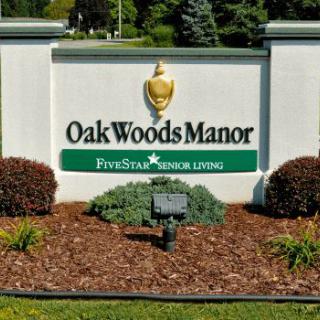
Oak Woods Manor
$2,620 to $3,400 / month23.3 miles away -
from -$175 / mo
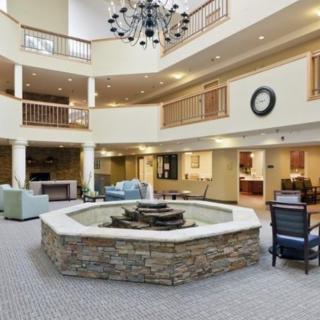
Towne Centre
$2,850 to $3,795 / month10.1 miles away -
About the same
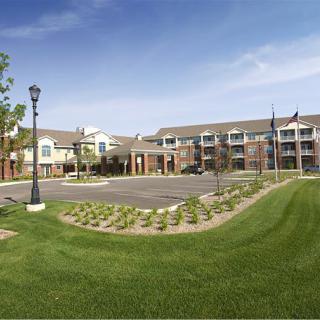
Park Place of St John
$2,950 to $3,745 / month16.2 miles away -
from -$496 / mo
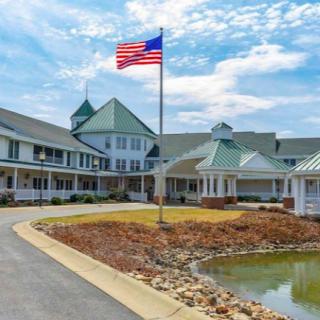
Oak Grove Christian Retirement Village
$2,529 to $2,710 / month24.6 miles away
Overall Review of Miller's Senior Living Community - Portage
Pros
 The staff were nice and could answer questions about the care offered.
- The community is clean.
- The menu of meals and activities offered is appealing.
- The community is recommended for its good value and care for a loved one.
Review
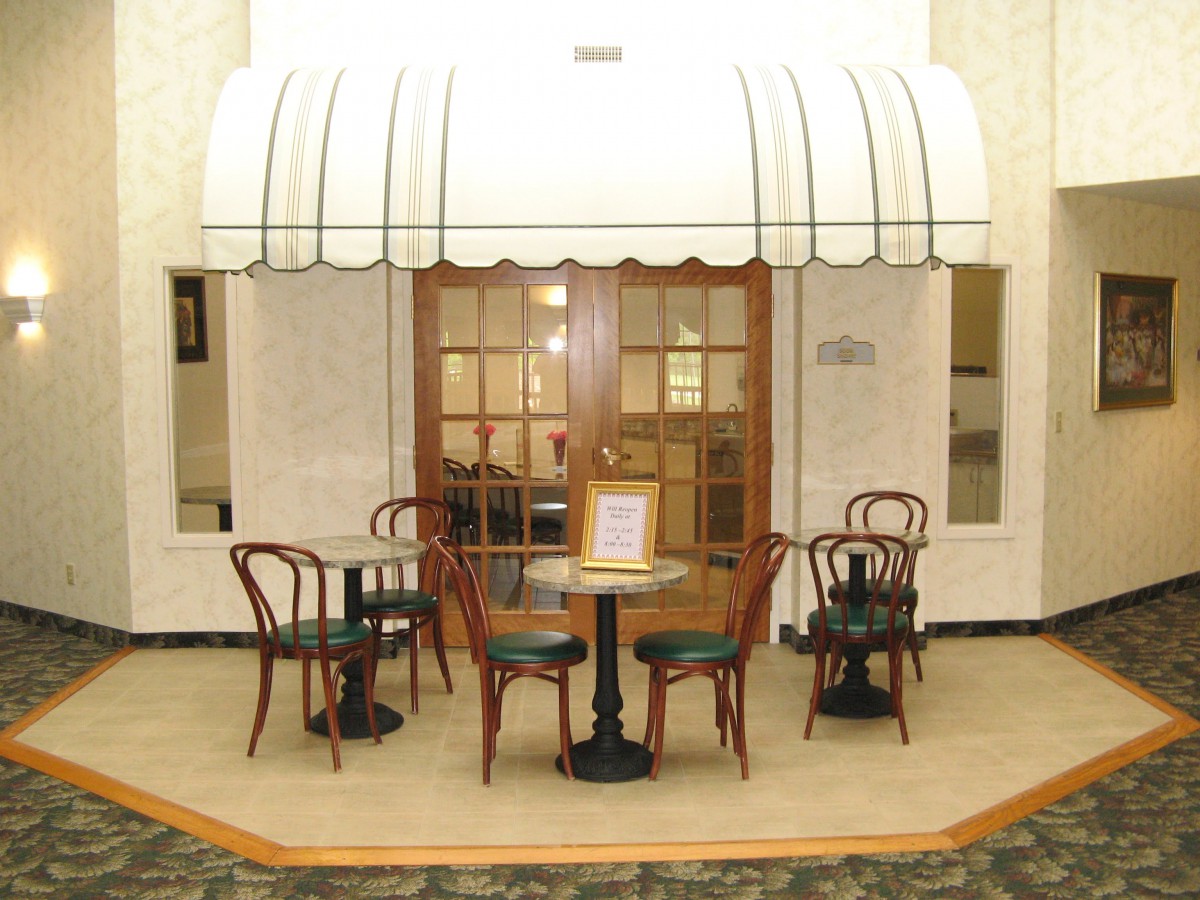
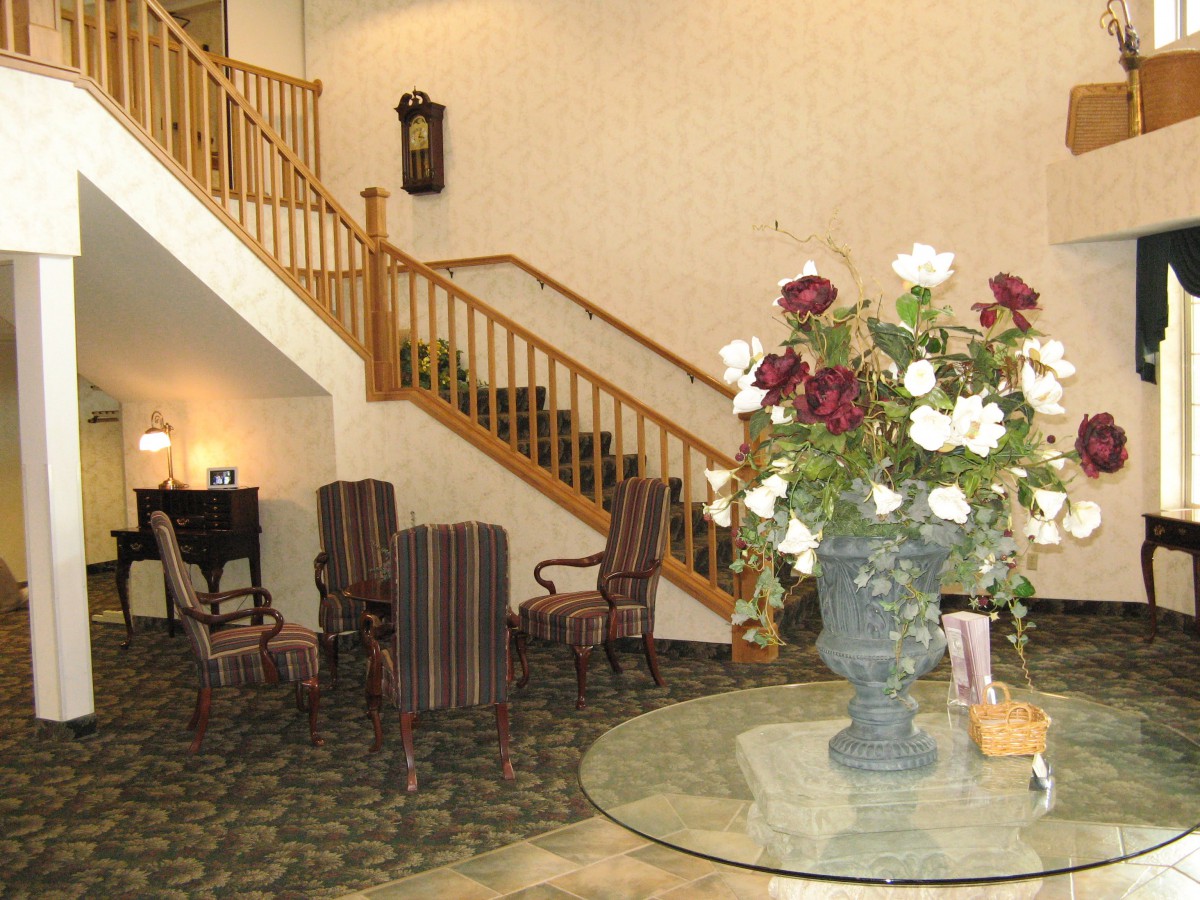
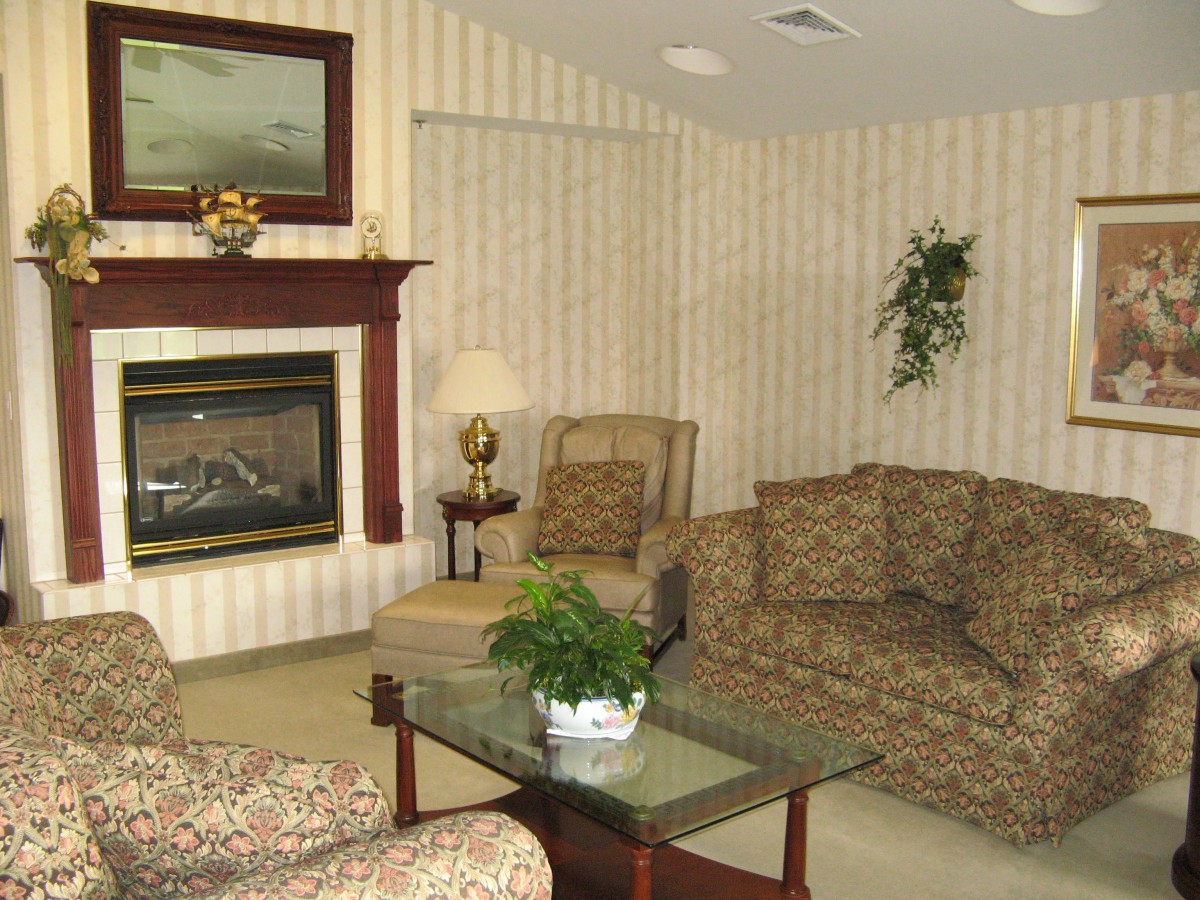
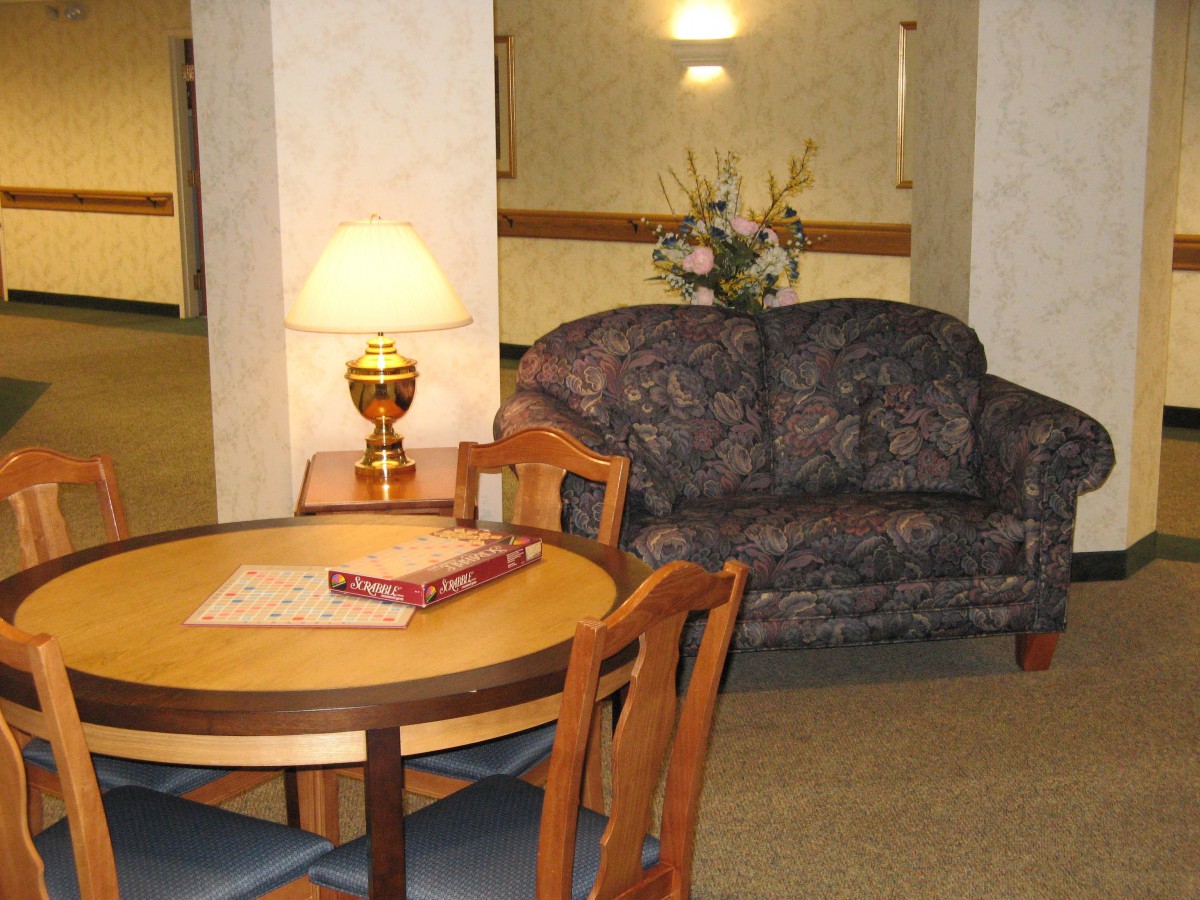
Miller's Senior Living Community in Portage is best suited for families seeking a practical, value-focused option for a loved one who benefits from a clean, welcoming environment, predictable routines, and a menu of meals and activities designed to support daily living and social engagement. The staff come across as approachable and capable of answering questions about the care provided, which matters when transitions are delicate. This setting suits older adults who do not require high-intensity medical oversight but want reliable assistance, friendly interaction, and a sense of normalcy in daily life.
Care needs that exceed routine assistance, such as complex wound care, frequent medication changes, high-risk safety concerns, or robust memory care, may be better served elsewhere. The review centers on warmth, cleanliness, and program variety but offers little detail about medical staffing, nurse availability, or memory-support capabilities. Families should be prepared to drill into these specifics and compare against other communities that advertise stronger clinical teams or specialized memory-care tracks.
The observed strengths, friendly, responsive staff; a clean, well-kept environment; and an appealing slate of meals and social activities, offset the absence of detailed clinical information by delivering a predictable, low-stress daily experience. Cleanliness reduces daily friction and concerns about hygiene and safety, while good meals and activities preserve appetite and engagement, which ultimately support resident well-being and ease family concerns about neglect or boredom. Still, the lack of explicit care metrics or documented medical oversight means families cannot rely on Miller's Portage as a substitute for a facility with stronger clinical resources.
During visits, the interaction with staff and the ambiance convey a culture of accessibility and accountability. The ability to get questions answered on site signals a straightforward care model where staff know residents’ routines and preferences. The combination of a calm, clean setting with structured activities helps minimize anxiety during the transition and fosters a sense of belonging. The potential downside is that, without transparent information on nurse availability, care-planning processes, or response times for medical needs, the community could be challenged as medical acuity rises.
Prospective families should systematically verify: the on-site/off-site medical support structure; nurse availability hours per day; how care plans are developed, reviewed, and updated; staffing ratios on days and evenings; emergency protocols and transportation; medication management and pharmacy partnerships; details of the meal program, dietary accommodations, and flexibility; the scope of activities, including outings and cognitive-stimulation options; any additional fees beyond base rent; and the process for evaluating changes in care needs. This due diligence will illuminate whether the “value and care” impression translates into a durable fit for the evolving health profile of a loved one.
If value, compassion, cleanliness, and engagement are top priorities, Miller's Portage remains a strong candidate to consider further. It is not the best fit for families requiring high-acuity medical care, memory-support specialization, or rapid escalation capabilities. The next step is a structured site visit with a checklist focused on medical support capacity, staffing realism, and a clear, written care plan. When those criteria align, the community delivers a solid everyday living environment; when they don’t, alternatives with stronger clinical resources may prevent future transitions.
 Independent Living
 Activities off-site
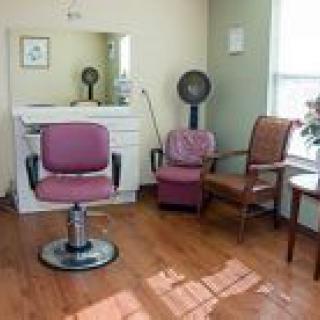
 Beautician on-site
 Devotional services off-site
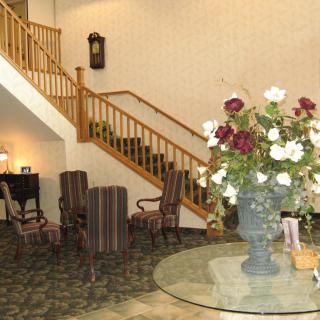
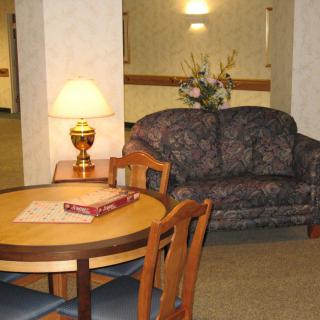
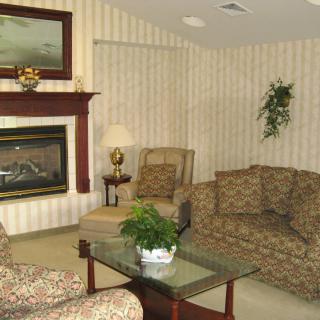
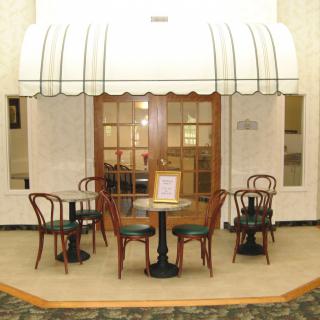
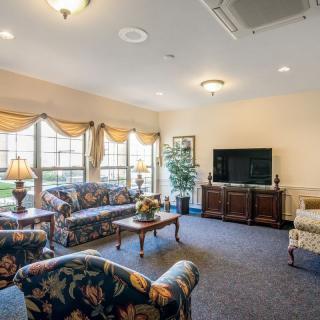
 Indoor common areas
 Outdoor common areas
 Respite or short term stays offered
 Ambulatory care
 Medication management
 Meals provided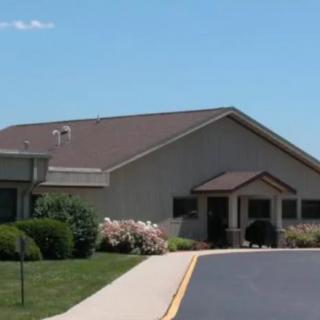

 8 Essential Assistive Devices for Older Adults
 Navigating the Financial Road to Nursing Home Care: In-Depth Guidance and Resources
 Supportive Employee Benefits That Help Caregivers Attain Better Work-Life Harmony