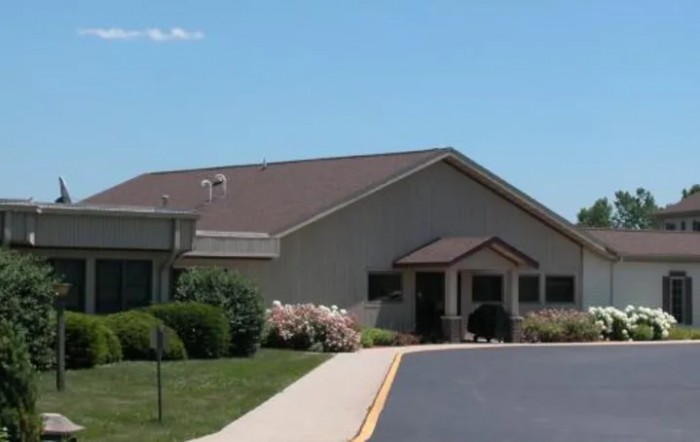
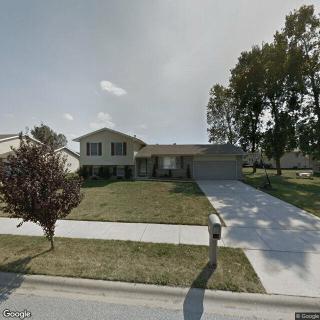
5909 Lute Road, Portage, IN 46368
For more information about senior living options: (866) 208-4318
Overall Review of Miller's Merry Manor X
Pros
 The staff at Miller's Merry Manor is wonderful, with Liz and Candi singled out for their compassion and kindness.
- The staff are sweet to residents and provide wonderful care.
- The staff treats residents as people, not patients, and are described as true angels.
- The activities director is awesome.
- The staff sincerely cares about the residents.
- The staff helped make a resident's transition from living independently to a new living arrangement seamless.
Cons
 The reviewer would never recommend this place.
- The facility was not helpful and staff took 30-45 minutes to assist with bathroom needs.
- Staff misplaced her glasses and failed to return phone calls.
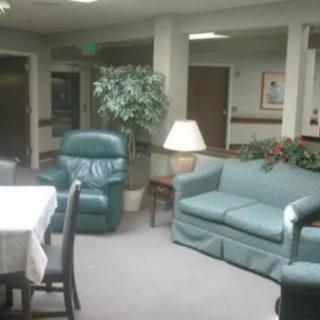
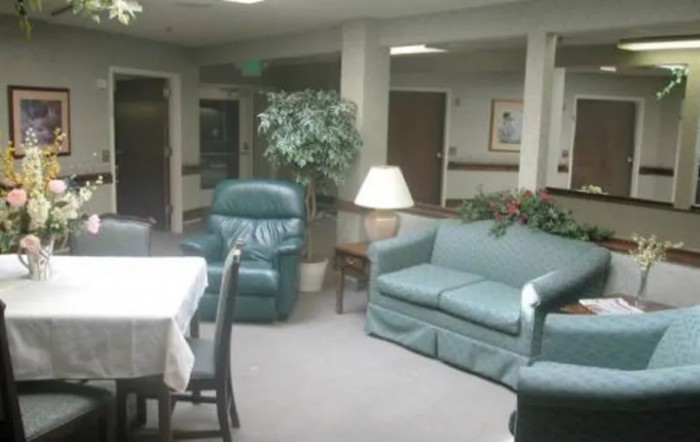
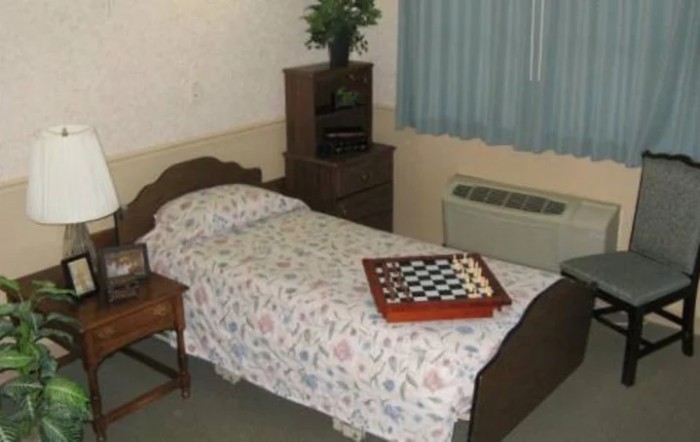
- The facility looked very outdated.
- Staff administered too many medications at once, affecting her mental status.
- Care was inconsistent due to insufficient staff.
- Bathrooms were not accessible for residents with mobility issues.
- They kicked an elderly resident out of the nursing home.
- Wound care was neglected, leading to MRSA and ICU admission.
Review
This community is best suited for families that prize genuine warmth, respect, and person-centered attention, even when staffing and facility conditions are imperfect. Portage-based Miller’s Merry Manor X can be a good fit for seniors who respond well to a small, compassionate caregiving team and who want a recognizable, friendly environment where residents are treated with dignity. It also works for those transitioning from independent living into assisted care or seeking respite care, provided expectations are aligned with what is realistically achievable on a day-to-day basis. Those seeking a consistently seamless level of service, zero gaps in basic care, or a cutting-edge facility should view alternatives as likely to meet those nonnegotiables more reliably.
The strongest positives here are the people. Several residents and families describe staff as genuinely caring, with certain caregivers and the activities director standing out for kindness, engagement, and personal attention. When the care team is attentive, families feel reassured that their loved ones are seen as individuals, not just patients. The facility’s proximity to home and the smooth transition for some residents into studio living underscore practical benefits for families who want regular, in-person involvement. For many, such human connection matters as much as clinical outcomes, and it can make a difficult transition more bearable.
Yet the most consequential drawbacks are hard to overlook. Chronic staffing gaps surface as the dominant risk: delays in basic assistance, especially around bathroom needs, and limited one-on-one attention when movement is restricted. The complaints extend to physical layout and accessibility, bathrooms that are not easily usable for mobility-impaired residents, plus a pattern of communication lapses with families and inconsistent rehab support. Multiple accounts question medication oversight and the perceived attentiveness of care when medical nuances arise. Odors, an aging infrastructure, and uneven supervision amplify the sense that the facility struggles to maintain a consistently safe, comfortable baseline.
These positives do not fully offset the core negatives. Compassionate care from a core group of staff can soften the impact of delays and gaps, but it cannot substitute for reliable, timely assistance or proactive medical oversight. When the wound-care narrative is involved, or when families describe a lack of urgency around changes in a resident’s mental or physical status, trust frays. In short, the warmth and diligence seen in certain shifts or departments are not uniformly replicated across all hours, all teams, or all residents. For families with non-negotiable safety expectations, the gaps are simply too large to overlook.
For those weighing alternatives, consider facilities with stronger 24/7 nursing coverage, more robust rehab staffing, and clearer communication protocols. A modern, well-maintained environment with consistently attentive caregivers will feel more secure for long-term residents or those with escalating care needs. Independent living or short-term rehab in a different community may offer more predictable staffing, better accessibility, and fewer reports of medical oversight lapses. If choosing Miller’s Merry Manor X, enter with a plan: verify staffing levels at for-night shifts, request to meet the wound-care and medical teams, and insist on a transparent view of how med changes are monitored and communicated to families.
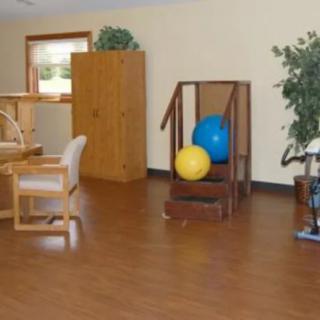
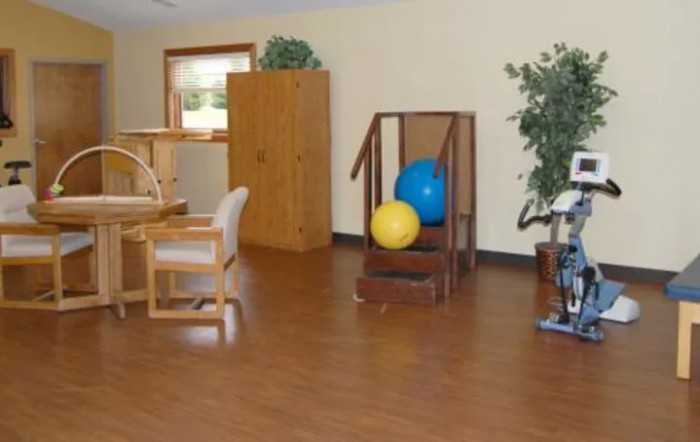
Practical steps for a decisive evaluation: request a live observation during mealtimes and bath assistance to gauge response times and staff patience; ask for recent incident reports and how they’re addressed; tour the rehab gym and wound-care setup and meet the designated clinician; explore the accessibility of bathrooms and unit layouts for mobility limitations; speak with multiple residents and their families about consistency of care across shifts; and compare Medicare/Medicaid ratings with other communities in Portage. A candid, thorough tour will reveal whether the compassionate core of this community can consistently translate into the dependable daily care that aligns with each loved one’s needs.
 66 resident community capacity
 Assisted Living
 Skilled Nursing Facility
 Air-conditioning
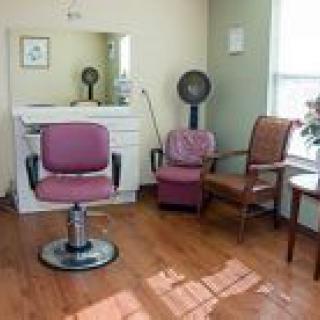
 Beauty salon
 Cable or satellite TV
 Computer center
 Dining room
 Fitness room
 Fully furnished
 Gaming room
 Garden
 Housekeeping services
 Kitchenette
 Move-in coordination
 Outdoor space
 Private bathrooms
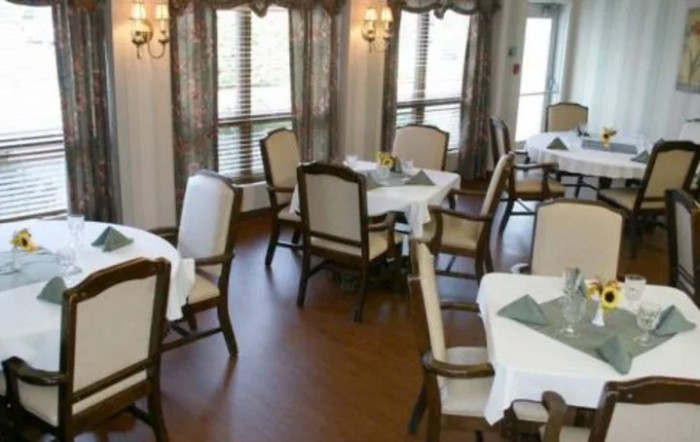
 Restaurant-style dining
 Small library
 Telephone
 Wellness center
 Wi-Fi/high-speed internet available
 Community operated transportation
 24-hour call system
 Activities of daily living assistance
 Assistance with bathing
 Assistance with dressing
 Assistance with transfers
 Diabetes diet
 Medication management
 Special dietary restrictions
 Concierge services
 Planned day trips




 When to Transition from Assisted Living to Memory Care: Key Indicators, Steps, and Finding the Right Community
 Assisted Living and Memory Care: Understanding Their Core Differences
 Beyond the Bingo Hall: 50+ Enriching Activities for Seniors in Assisted Living