Golden Living Center - Fountainview Place in Portage, IN
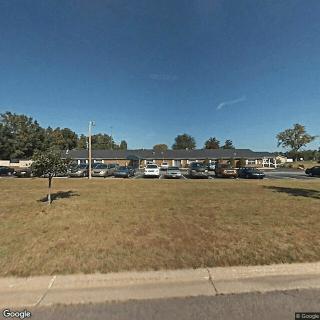
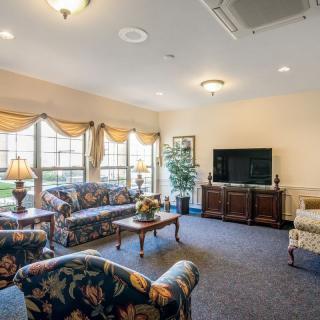
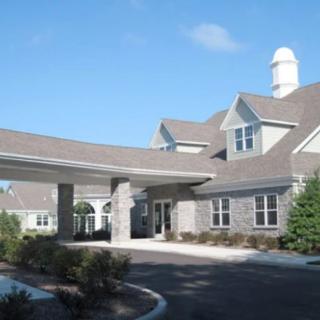
Golden Living Center - Fountainview Place is an assisted living and memory care community in Portage, IN.
Information last verified:
3175 Lancer Street, Portage, IN 46368
For more information about senior living options: (866) 208-4318
2.7 from 40 reviews
5 stars
13
4 stars
4
3 stars
0
2 stars
3
1 stars
20
Golden Living Center - Fountainview Place Costs & Pricing
Golden Living Center - Fountainview Place presents a higher cost structure compared to both Porter County and the broader state of Indiana. For a semi-private room, residents can expect to pay $5,242 monthly, which is significantly above the county average of $3,944 and state average of $3,739. Similarly, for a studio room, the monthly fee at Fountainview Place is $5,455, again surpassing the county's rate of $3,632 and the state's $3,258. These figures indicate that while Golden Living Center may offer specialized services or amenities that justify the premium pricing, potential residents should carefully weigh these costs against their budgetary considerations and available alternatives in the area.
Floor plans
Golden Living Center - Fountainview Place
Porter County
Indiana
Semi-Private
$5,242
$3,944
$3,739
Studio
$5,455
$3,632
$3,258
Skilled Nursing Facilities with a similar price nearby
Overall Review of Golden Living Center - Fountainview Place
common13 reviews mention this
Staff kindness and caregiving
Residents and families consistently describe staff as helpful and caring.
Many reviews say staff are kind, responsive, and supportive, including in both general care and memory care. Several residents describe getting reassurance, help with needs, and therapy support that helped them feel stronger. A few reviews also note nurses being friendly and that the facility’s team makes day-to-day life easier for families.
caveat8 reviews mention this
Staffing response time concerns
Multiple reviewers report delayed help and short-staffing issues.
Some reviews describe slow response when call lights are used, with one account citing an extended wait and another saying it took staff time to respond. There are also complaints about rudeness when help is requested, and about residents’ needs not being met consistently. A couple of reviews describe overall staffing levels as too low, suggesting families may need to monitor frequently.
caveat4 reviews mention this
Food quality is inconsistent
Food reviews range from decent to described as horrible or nasty.
While one reviewer says the food was pretty decent, others use much stronger negative language about meals. A few comments also mention food issues alongside broader concerns, including descriptions of old food. Overall, dining satisfaction is not consistent across reviews.
caveat4 reviews mention this
Cleanliness and maintenance worries
Several reviews raise serious cleanliness and upkeep concerns.
Some reviewers describe rooms as filthy or with strong odors, and report seeing issues like sticky floors and persistent flies. Others mention the facility looking run down or cite serious health-related concerns. Even among mixed experiences, cleanliness and maintenance appear to be a recurring weakness.
differentiator2 reviews mention this
Memory care receives praise
Memory care stands out for being well cared for and clean.
Two reviews specifically describe the memory care unit as clean, orderly, and staffed with people who provide excellent care. One reviewer says their loved one is well cared for by staff and that the unit stays tidy. These comments are more positive than the broader set of reviews about the facility as a whole.
How we summarize
Counts show how many written reviews mention each theme; a review can touch several themes, and only frequently mentioned themes are displayed.
Features
Housing
186 resident community capacity
Types of Care
Assisted Living
Memory Care
Skilled Nursing Facility
Amenities
Air-conditioning
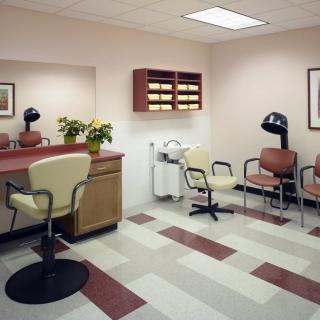
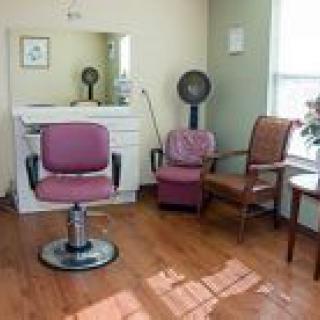
Beauty salon
Cable or satellite TV
Computer center
Dining room
Fitness room
Fully furnished
Gaming room
Garden
Housekeeping services
Kitchenette
Move-in coordination
Outdoor space
Private bathrooms
Restaurant-style dining
Small library
Telephone
Wellness center
Wi-Fi/high-speed internet available
Transportation
Community operated transportation
Transportation arrangement
Care Services
24-hour call system
24-hour supervision
Activities of daily living assistance
Assistance with bathing
Assistance with dressing
Assistance with transfers
Diabetes diet
Meal preparation and service
Medication management
Special dietary restrictions
Dining
Diabetes diet
Special dietary restrictions
Activities
Community-sponsored activities
Concierge services
Fitness programs
Planned day trips
Resident-run activities
Scheduled daily activities
Nearby Places of Interest
Physicians
Christina Huynh DO (0.3 miles)
NorthShore Health Centers Scottsdale (0.9 miles)
Portage Heart Care (0.9 miles)
Portage Health Center (0.9 miles)
Lakeshore Bone & Joint Institute (1.1 miles)
Lake Park Clinic (5.2 miles)
Gn Endocrinology (5.2 miles)
Pharmacies
CVS Pharmacy (0.3 miles)
Meijer Pharmacy (0.5 miles)
Walgreens (0.7 miles)
Walgreens (1.1 miles)
CVS Pharmacy (3.2 miles)
Monosol Rx (3.3 miles)
Walgreens (3.4 miles)
Restaurants
Tate's Place (0.3 miles)
Arby's (0.5 miles)
McDonald's (0.7 miles)
Taco Bell (0.7 miles)
Culver's (0.7 miles)
Applebee's (0.7 miles)
Wendy's (1 miles)
Cafes
Starbucks (0.6 miles)
Panera Bread (0.6 miles)
Starbucks (3.3 miles)
Great Lakes Cafe (8 miles)
Starbucks (8.2 miles)
Starbucks (8.3 miles)
Hospitals
Northwest Health Urgent Care-Portage (1 miles)
Porter Portage Hospital Campus (1 miles)
Portage Outpatient Clinic (2.3 miles)
St Mary Medical Center Fifth Floor Cancer Ward (5.4 miles)
Golden Living Center - Fountainview Place presents a higher cost structure compared to both Porter County and the broader state of Indiana. For a semi-private room, residents can expect to pay $5,242 monthly, which is significantly above the county average of $3,944 and state average of $3,739. Similarly, for a studio room, the monthly fee at Fountainview Place is $5,455, again surpassing the county's rate of $3,632 and the state's $3,258. These figures indicate that while Golden Living Center may offer specialized services or amenities that justify the premium pricing, potential residents should carefully weigh these costs against their budgetary considerations and available alternatives in the area.
The features offered at Golden Living Center - Fountainview Place are specifically designed to enhance the quality of life for residents experiencing dementia or Alzheimer's disease. Assistance with dressing and bathing helps maintain personal hygiene and dignity, while meal preparation and service ensure that residents receive nutritious meals, which is crucial for overall well-being. Medication management addresses the complexities often associated with multiple prescriptions, preventing potential health complications. Support with activities of daily living fosters independence and encourages social engagement among residents. Assistance with transfers promotes mobility and safety, minimizing the risk of falls. Finally, 24-hour supervision provides a secure environment where residents can thrive, as trained staff are always available to respond to their needs and ensure their safety throughout the day and night.
Nearby Communities
Miller's Merry Manor X
Portage, IN
3 from 24 reviews
Compassionate staff and smooth transitions for residents.
Miller's Senior Living Community - Portage
Portage, IN
5 from 1 review
$3,025 to $3,275 / month
Friendly staff, clean facility, and good meals/activities with solid value.
ComForCare Home Care - Portage, IN
Portage, IN
Compassionate, professional care with convenient access to medical services and nearby amenities.
Comfort Keepers
Portage, IN
4.3 from 38 reviews
Nearby amenities (cafes, pharmacies, physicians, restaurants, theater, hospitals) for convenience.
Rittenhouse Village At Portage
Portage, IN
4.6 from 154 reviews
$2,200 to $3,445 / month
Friendly staff, engaging activities, and clean, well-maintained spaces.
Wyndmoor of Portage
Portage, IN
3.9 from 43 reviews
$2,100 to $2,565 / month
Symphony Of Chesterton
Chesterton, IN
4 from 1 review
$3,800 to $4,400 / month
Clean, well-maintained facility with friendly staff and engaging rehab activities.
Addison Pointe Health & Rehabilitation Center
Chesterton, IN
3.6 from 54 reviews
Warm, attentive staff on some floors with engaging activities and good dining.
Valparaiso Care & Rehab Center
Valparaiso, IN
3.8 from 74 reviews
$5,070 to $10,080 / month
Caring, friendly staff; private rehab rooms and engaging on-site activities.
Transitioning from assisted living to memory care is driven by an individual's cognitive decline and specific needs, requiring careful evaluation of indicators like increased confusion and wandering. The process involves consulting medical professionals, researching suitable communities, considering financial and legal aspects, and ensuring effective communication for personalized care plans.
The article differentiates between assisted living and memory care, explaining that assisted living supports seniors with daily activities while promoting independence, whereas memory care provides specialized services for individuals with dementia, focusing on secure environments and cognitive support. It also addresses staff training, safety considerations, costs, family involvement, and transition strategies for families navigating these care options.
The article outlines effective communication strategies for interacting with loved ones with dementia, highlighting the need for empathy, patience, and understanding while emphasizing supportive approaches like using simple language, minimizing distractions, and focusing on feelings over facts to maintain dignity and foster connection. It also suggests seeking professional guidance when needed as communication challenges evolve.
Get PricingAsk A QuestionSchedule A TourContact Senior Advisor
By clicking submit, you agree to our Partner's Terms of Use. You
also consent to receive calls and texts, which may be autodialed, from our Partner. Your consent is not a condition to
using our Partner's service. Please visit our Partner's Privacy Policy for information about their privacy practices.


 186 resident community capacity
 Assisted Living
 Memory Care
 Skilled Nursing Facility
 Air-conditioning
 Beauty salon
 Cable or satellite TV
 Computer center
 Dining room
 Fitness room
 Fully furnished
 Gaming room
 Garden
 Housekeeping services
 Kitchenette
 Move-in coordination
 Outdoor space
 Private bathrooms
 Restaurant-style dining
 Small library
 Telephone
 Wellness center
 Wi-Fi/high-speed internet available
 Community operated transportation
 24-hour call system
 Activities of daily living assistance
 Assistance with bathing
 Assistance with dressing
 Assistance with transfers
 Diabetes diet
 Medication management
 Special dietary restrictions
 Concierge services
 Planned day trips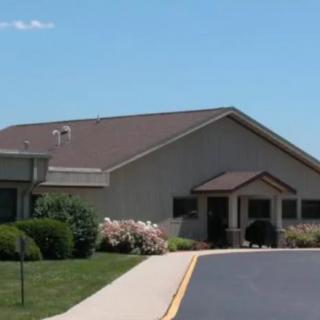
 Compassionate staff and smooth transitions for residents.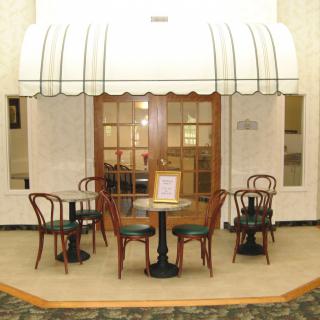

 When to Transition from Assisted Living to Memory Care: Key Indicators, Steps, and Finding the Right Community
 Understanding the Distinctions: Assisted Living and Memory Care Explained
 How to Communicate with a Loved One Living with Dementia: 10 Supportive Strategies