
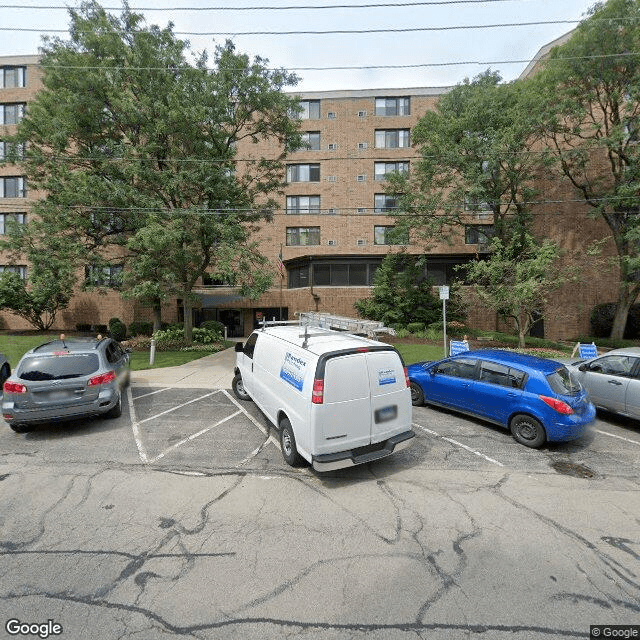
1122 Gilbert Ave., Downers Grove, IL 60515
To contact a resident: (630) 852-1310
For more information about senior living options: (866) 208-4318
Overall Review of Immanuel Residences
Cons
 The management at Immanuel Residences is described as despising senior citizens.
- They only show up to work when they feel like it and are not there when residents need them.
- They work part-time hours and are not present when needed.
- They will not take action, even after police reports are filed.
- They come across as unapproachable and seem to “run like the plague” if someone tries to speak with them.
- They do not care if a resident has been assaulted.
- They have done nothing about the man who spits up blood on the floors.
- They ignore the nightly noise from a unit and refuse to address it.
- The reviews advise others to apply elsewhere due to poor management.
Review
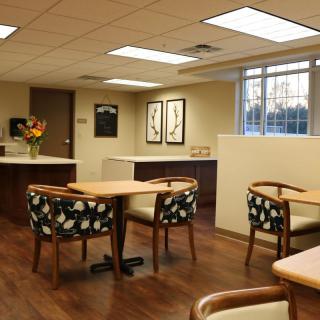
Immanuel Residences in Downers Grove is best suited for seniors on a tight budget who can tolerate uneven staffing and limited proactive management. The remodeled interiors offer a more contemporary look, but price alone does not translate into reliable safety or dependable service. Families facing financial constraints yet needing a reasonable option should consider alternatives with clearer accountability and consistent on-site leadership. For those prioritizing predictable response times, straightforward communication from administrators, and a proven track record of maintaining safe living conditions, this community is unlikely to satisfy. The decision should hinge less on appearance and more on whether consistent care and safety oversight can be guaranteed.
Chronic management shortcomings dominate the experience described by residents and families. Reports portray staff who are frequently unavailable, operating part-time or without reliable hours, and slow to respond when needs arise. Upper management is described as distant or unsympathetic to resident concerns, with multiple accounts pointing to a pattern of neglect or avoidance. Serious health and safety issues are cited, one resident’s respiratory illness and visibility of unsanitary conditions, yet timely action appears elusive. Recurrent alarms and a sense that crises are not systematically addressed create a climate of insecurity that undercuts any potential comfort from the physical space.
On the upside, the building’s interior refresh is a tangible benefit amid broader concerns. The remodeling suggests some level of investment in the property and can improve daily living visuals, even if it does not reflect the quality of care or reliability of service. For residents who prize a cleaner, more modern environment, these improvements may soften the experience somewhat. Yet cosmetic enhancements cannot compensate for inconsistent staffing, unanswered complaints, or a failure to implement essential safety measures. In short, an attractive interior is a partial, not a completing, remedy to the broader gaps in governance and resident well-being.
The principal risks here are governance-driven and safety-related. A documented evacuation plan appears absent, and fire alarms occur with concerning frequency, signaling a possible lack of robust emergency preparedness. Nighttime noise and perceived indifference from on-site leadership compound daily stress for residents seeking quiet routines and predictable schedules. Accounts of assaults within units and ongoing difficulties meeting medical needs underscore a pattern where safety, dignity, and timely care may be compromised. The cumulative effect is a living environment that fails to deliver the essential certainty required for aging in place with confidence.
Those weighing this community should insist on concrete, time-bound improvement commitments before moving in. A candid discussion with the on-site manager and regional leadership is essential, accompanied by written protocols for fire safety, daily operations, and maintenance response times. A tour that captures staff reactions to questions at different times of day can illuminate reliability gaps that aren’t evident in a brochure. Speak with multiple residents about actual response times and the feasibility of ongoing maintenance. Ifred flags persist or the answers remain evasive, it is prudent to explore alternatives rather than lock in a lease under uncertain conditions.
Bottom line: Immanuel Residences is not well-suited for families seeking dependable, proactive care and rigorous safety systems. The most defensible case lies with a very limited-budget scenario where other options are unaffordable and family oversight can mitigate gaps. For the typical family prioritizing safety, stability, and clear accountability in daily operations, the cons, unreliable staffing, unaddressed concerns, absence of an evacuation plan, and persistent safety worries, significantly outweigh cosmetic improvements. The prudent course is to pursue communities with steady leadership, transparent protocols, and proven emergency readiness, and to demand concrete commitments before any commitment is made.
 Independent Living
 Chicago Midway (13 miles away)
 Extensive nearby amenities (cafes, parks, pharmacies, restaurants, theaters, hospitals) for convenience.

 Top Canine Companions for Older Adults
 Comprehensive Guide to Blood Pressure Charts for Older Adults: Understanding Normal and High Readings by Age
 Financing Long-Term Nursing Home Care Through Social Security: A Thorough Exploration