

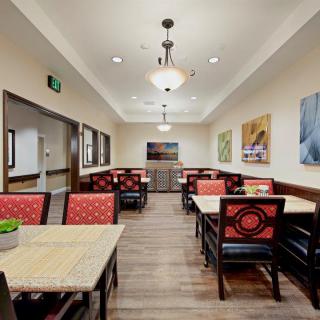

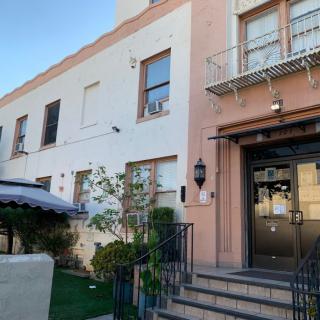
325 S Boyle Ave, Los Angeles, CA 90033
To contact a resident: (323) 263-9651
For more information about senior living options: (866) 208-4318
Overall Review of Japanese Retirement Home
Pros
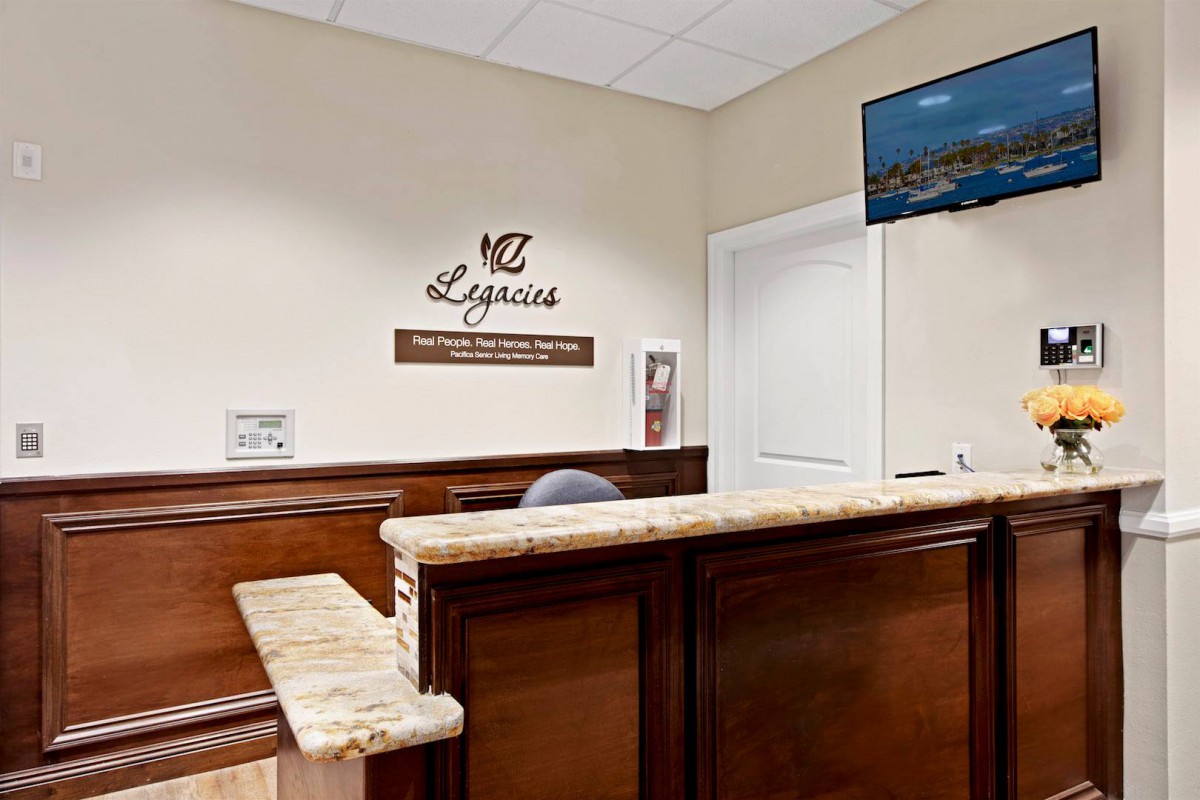
 Shin Ito is cordial, professional, and considerate in greeting visitors.
 - Daniel is beyond impressive.
- The housekeeping and front desk staff are extremely friendly and accommodating.
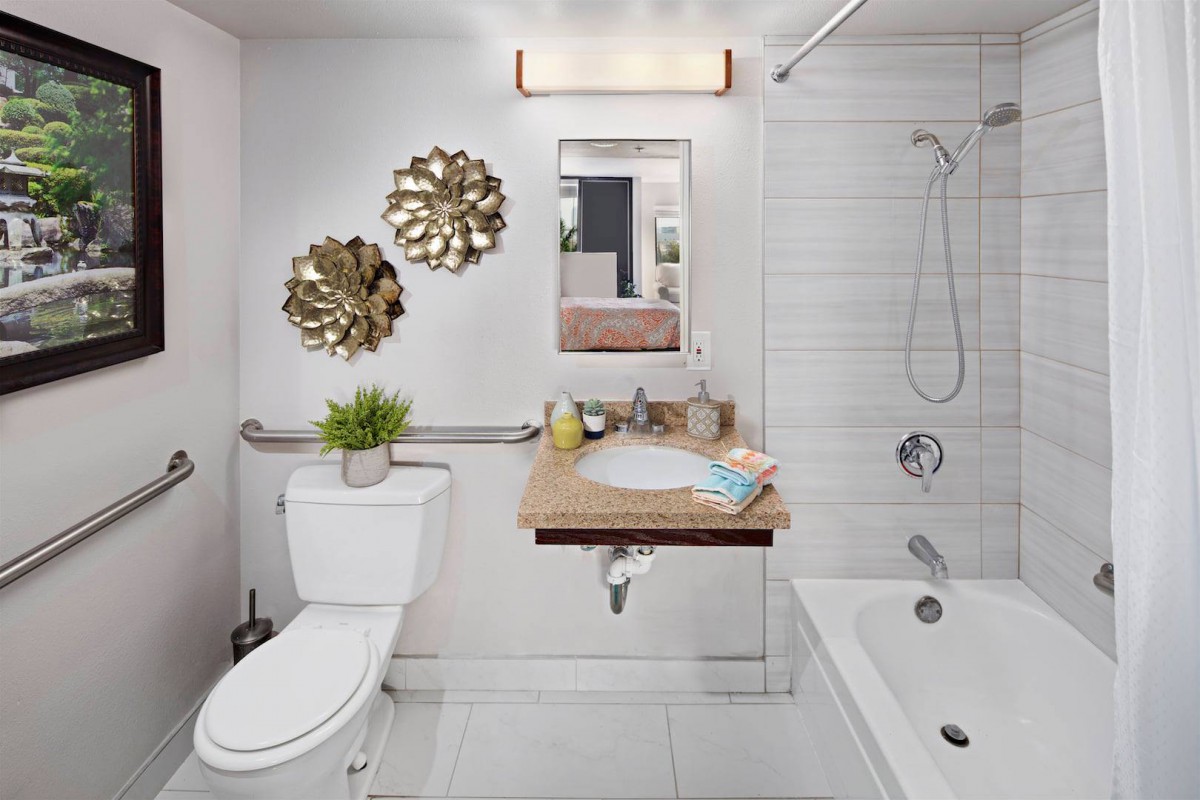
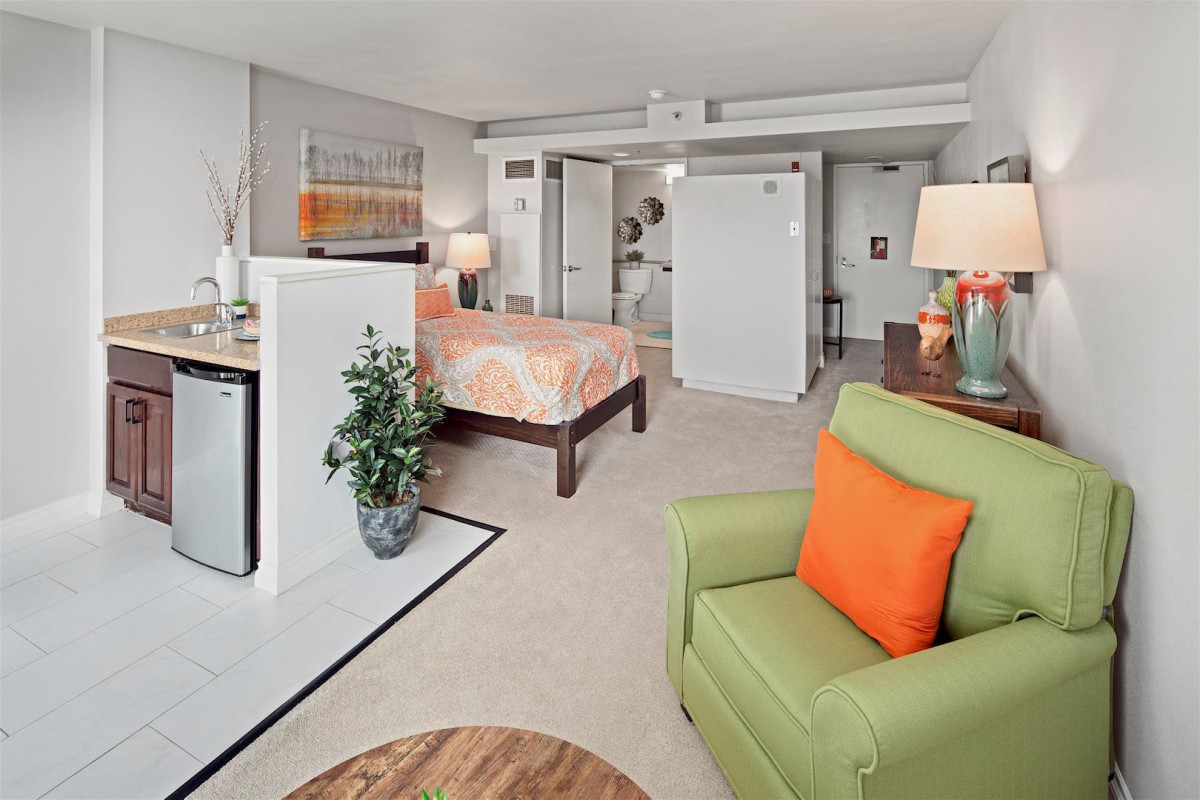
- The furnished apartments are very comfortable.
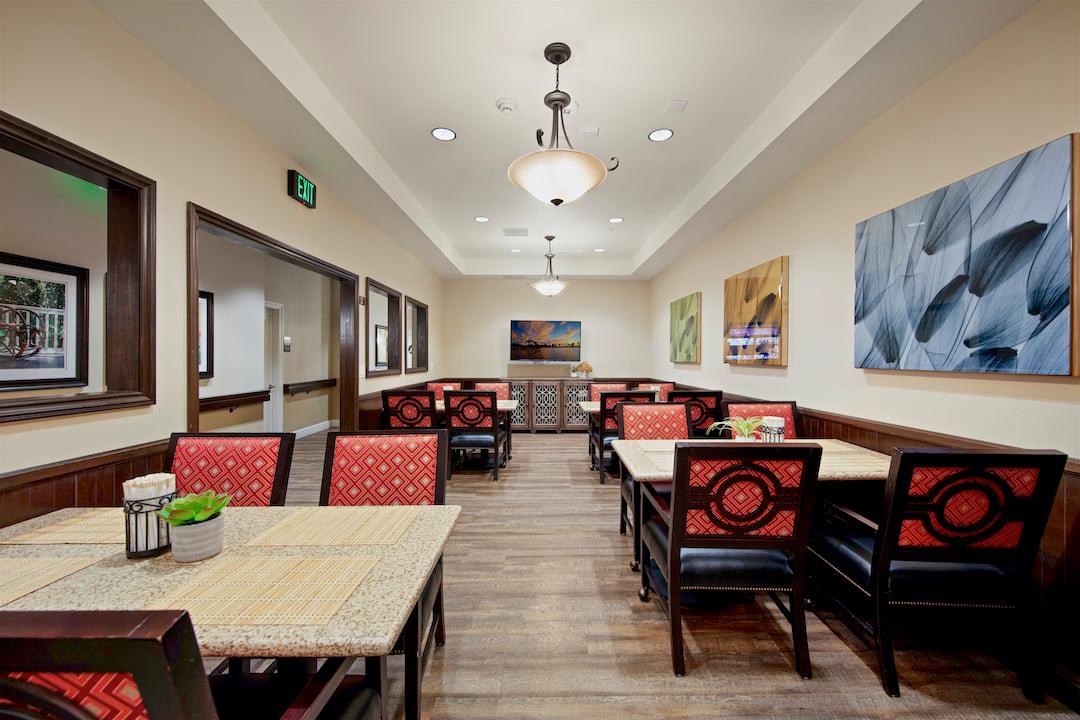
- The meals provided three times daily are excellent and greatly assist in the transition.
- The staff care very much about their residents.
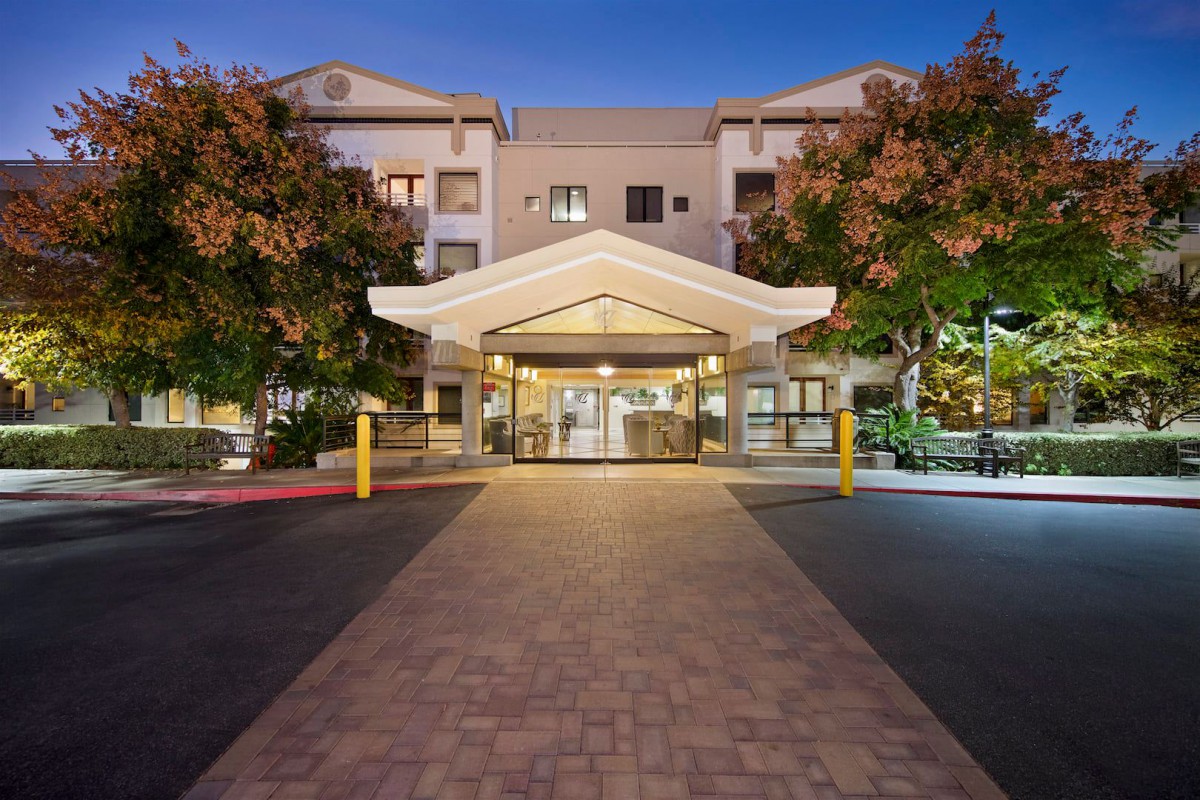
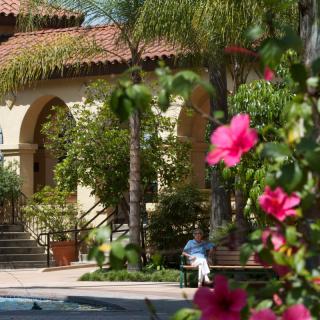
- The facility has plenty of space for residents to walk around safely.
- The location is convenient for visiting.
Review
This community is best suited for Japanese-speaking seniors and their families who want a culturally aligned, highly service-focused living environment in Los Angeles. The strongest argument here is the people and the approach: a warm, professional welcome from Shin Ito, a thorough guided tour, and a luncheon that solidifies confidence in the move. The staff’s attention is palpable, with Daniel and others presenting themselves as genuinely invested in residents’ well-being. The furnished apartments feel comfortable, housekeeping is routinely friendly, and three meals a day are presented as a reliable anchor during a major lifestyle transition. In short, this is a setting where hospitality and clear, attentive communication translate into real ease for both resident and family.
Those considering alternatives should note this community’s cultural specificity. If English language predominance, broader cultural perspectives, or a more diverse resident mix are priorities, a non-Japanese-oriented option may be worth exploring. Families seeking more intensive medical oversight, memory-care specialization, or a facility with a broader menu and staff trained in a wider range of clinical needs might find a different model better suited to those requirements. This is not a generic “one-size-fits-all” facility; it is a tailored experience that works best when cultural fit and language comfort are central to the decision.
The core strengths, the staff’s cordial professionalism, the comprehensive onboarding, and the evident devotion to resident happiness, are the levers that offset potential drawbacks inherent to any culturally specific option. The consistently positive demeanor of front-desk personnel, housekeeping, and care staff reduces friction during daily routines and fosters trust. The dedicated attention during the first visit, including introductions to residents who clearly appear engaged with each other, signals a community where social belonging matters as much as meals and room amenities. For families that value a seamless transition and ongoing personal connection, these pros carry substantial weight.
Resident experiences highlighted in the reviews point to a genuine sense of belonging. A mom who has been there for several months reports meaningful social opportunities, steady friendships, and accessible activities. The environment supports safe movement with ample space for walking, which matters for mobility and independence. The convenient location also makes regular visits practical, a nontrivial factor for families balancing work, travel, and caregiving duties. When the emphasis is on a warm, resident-centric community that reinforces daily structure and social engagement, these anecdotes reflect a consistent, real-world benefit.
Facilities and services reinforce the practical appeal. Furnished apartments are positioned as welcoming and comfortable, with housekeeping and front-desk teams reliably friendly and accommodating. The blend of high-touch hospitality with reliable daily routines, meals, social calendars, and safe, walkable spaces, creates a predictable cadence that reduces stress for seniors and their loved ones. The culturally aligned dining and language environment adds another layer of comfort for Japanese residents and families, enabling smoother communication and more meaningful appetites. For many families, that combination, good housing, good meals, and a warm, engaged staff, constitutes a strong case for choosing Sakura Gardens over less cohesive options.
Ultimately, the recommendation hinges on fit. For households prioritizing culture, language comfort, and a high-touch, community-oriented experience, Sakura Gardens stands out in Los Angeles. Prospective residents should lean into this clear strength while acknowledging that others with different language needs or more clinical expectations may want to explore alternatives. A direct, in-person visit remains the best way to confirm whether the daily rhythms, the menu, and the staff’s approach align with the resident’s preferences and medical realities. If alignment is achieved, the result is a confident, stable choice that supports dignity, connection, and a well-supported daily life.
 Independent Living
 Los Angeles International (13 miles away)



 Powerful Realities of Elder Abuse and the Most Effective Ways to Report It
 Ten Vital Duties of a Senior Caregiver: A Comprehensive Guide
 9 Stimulating Memory Activities for Seniors: Puzzles, Cards, and Much More