Sakura Gardens of Los Angeles offers competitive pricing for its residential options compared to both Los Angeles County and the broader California market. The cost of a studio at Sakura is set at $3,920 per month, which is notably lower than the county average of $4,172 and also comes in under the state average of $4,145. For one-bedroom units, Sakura's monthly rate of $4,290 is more affordable than the county's price of $4,603 while remaining slightly higher than the state average of $4,340. However, its semi-private rooms are priced at $4,535, which exceeds both local and statewide averages of approximately $3,349 and $3,333 respectively. Overall, Sakura Gardens presents a favorable option for prospective residents seeking quality living arrangements within Los Angeles.
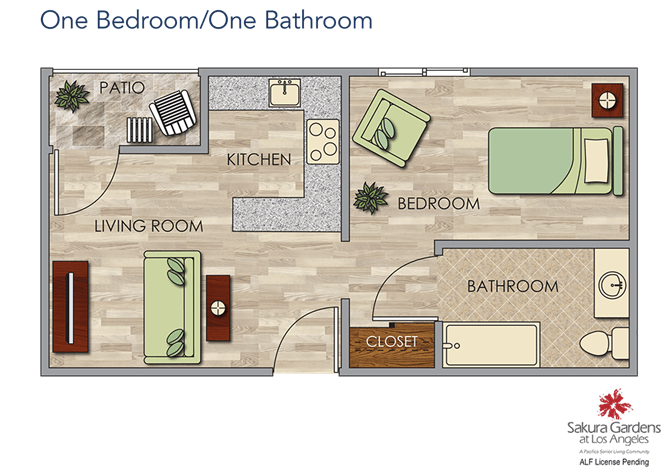
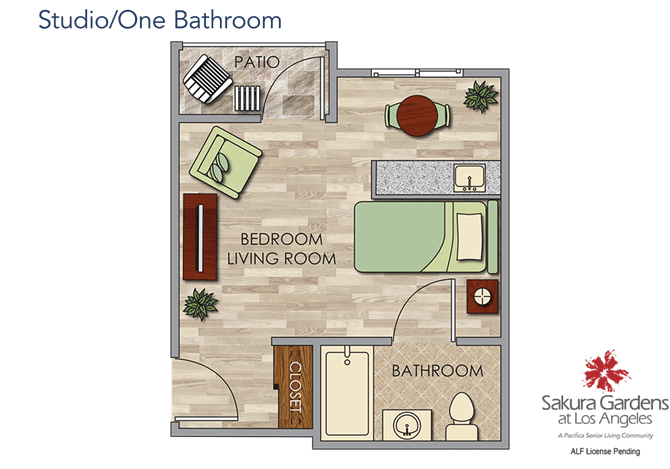
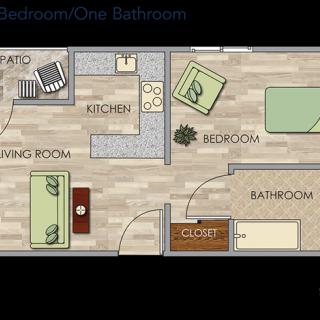
Floor plans
Sakura Gardens of Los Angeles
Los Angeles County
California
Studio
$3,920
$4,172
$4,145
1 Bedroom
$4,290
$4,603
$4,340
Semi-Private
$4,535
$3,349
$3,333
Assisted Living communities with a similar price nearby
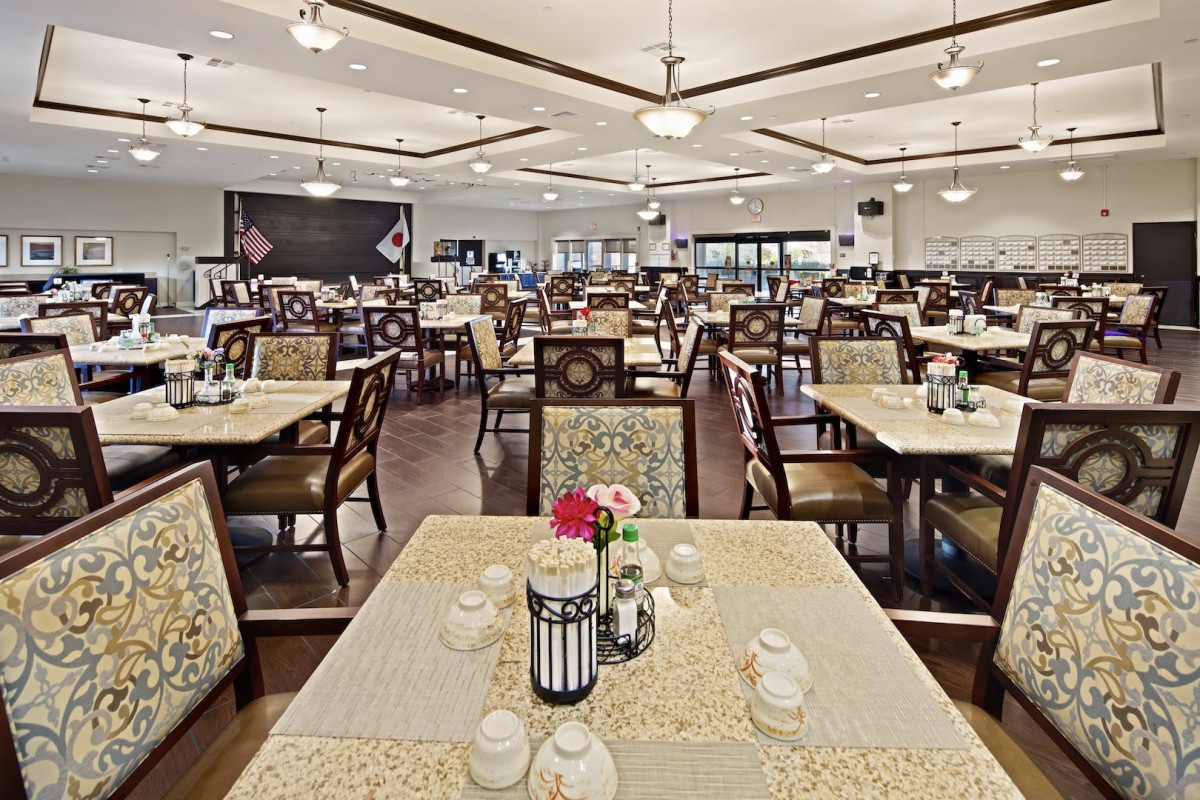
Residents and families highlight Japanese language support and Japanese-focused dining as a major part of the experience.
A recurring theme is how much residents’ comfort improves when they can communicate in Japanese and when meals match their preferences. Multiple reviewers describe Japanese-speaking caregivers and Japanese cuisine, including residents who speak only Japanese and families who chose the community specifically for that familiarity. Several also connect the cultural programming and the social comfort it creates to smoother adjustment and better day-to-day engagement.
differentiator3 reviews mention this
24/7 health support and memory care
Families describe around-the-clock health support and proactive help as reassuring for loved ones.
Residents’ families repeatedly mention that staff are available 24/7 and that support is there when needs come up. Reviewers also describe assistance for higher-support situations like dementia or memory care, emphasizing patience and ongoing monitoring and communication. Together, the feedback points to care staff presence that feels consistently available, not limited to business hours.
common10 reviews mention this
Food quality is consistently praised
Dining quality stands out, with many reviewers calling meals tasty, fresh, and satisfying.
Dining shows up as a frequent point of approval, with reviewers describing hot, fresh meals and a dining room they feel good about. Families also note that residents enjoy both Japanese-leaning options and variety beyond one style of food. When dining is paired with residents’ routines and preferences, several reviewers say it contributes to comfort and happiness at the community.
common8 reviews mention this
Activities keep residents engaged
Many residents and families point to frequent activities that help residents stay socially engaged.
Reviews frequently mention day-to-day engagement through classes and group activities, including exercise, arts, and entertainment like movies and karaoke. In memory care specifically, reviewers describe staff-led activities and efforts to get residents out and involved when possible. Overall, the reviews suggest the community offers structured options for staying active rather than leaving residents with nothing to do.
caveat2 reviews mention this
Pricing feels mixed on fit
Pricing gets mixed reactions, with some calling fees reasonable and others calling them expensive.
Some reviewers focus on value, saying the fees are reasonable for what they receive. Others, including a review tied to memory care, describe the fee as expensive. Price perceptions therefore depend on the care level and the expectations families had during move-in or evaluation.
How we summarize
Counts show how many written reviews mention each theme; a review can touch several themes, and only frequently mentioned themes are displayed.
Features
Housing
177 resident community capacity
1-bedroom apartments
Studio apartments
Types of Care
Assisted Living
Independent Living
Memory Care
Skilled Nursing Facility
Amenities
Activities off-site
Activities on-site
Air-conditioning
Bath tubs
Beautician on-site
Beauty salon
Cable or satellite TV
Cafe
Computer center
Devotional services off-site
Dining room
Fitness room
Full kitchen
Fully furnished
Gaming room
Garden
Ground floor units
Hiking trails
Housekeeping services
Indoor common areas
Kitchenette
Laundry
Move-in coordination
Outdoor common areas
Outdoor space
Private bathrooms
Resident parking
Restaurant-style dining
Security gate
Small library
Telephone
VA Benefits Consultation
Wellness center
Wi-Fi/high-speed internet available
Transportation
Los Angeles International (13 miles away)
Burbank-Glendale-Pasadena (13 miles away)
Long Beach (Daugherty) (16 miles away)
Community operated transportation
Transportation & parking
Transportation arrangement
Transportation arrangement (non-medical)
Transportation to doctors appointments
Care Services
12-16 hour nursing
24-hour call system
24-hour supervision
Activities of daily living assistance
Ambulatory care
Assistance with bathing
Assistance with dressing
Assistance with transfers
Coordination with health care providers
Dementia waiver
Diabetes diet
Diabetic care
Hospice waiver
Meal preparation and service
Medication management
Mental wellness program
Mild cognitive impairment
Special dietary restrictions
Specialized memory care programming
Transportation arrangement (medical)
Transportation to doctors appointments
Dining
Diabetes diet
Guest meals
International cuisine
Meals provided
Professional chef
Restaurant style dining
Room service
Special dietary restrictions
Vegan
Vegetarian
Activities
Activities off-site
Art classes
Arts and crafts
Community-sponsored activities
Concierge services
Day trips and outings
Devotional activities offsite
Educational speakers / life long learning
Fitness programs
Karaoke
Live dance or theater performances
Live musical performances
Live well programs
Other religious services
Planned day trips
Protestant services
Religious services
Resident-run activities
Scheduled daily activities
Visiting chaplain or priest
Languages Spoken
English
Japanese
Nearby Places of Interest
This particular area of Los Angeles, California offers a variety of amenities and services that may be appealing for senior living. With several cafes and restaurants within close proximity, residents can enjoy dining out and socializing with friends. Additionally, there are nearby hospitals and pharmacies for easy access to healthcare services. Transportation options such as Union Station make it convenient for seniors to get around the city. The presence of parks and theaters also provides opportunities for recreation and entertainment. Overall, this neighborhood offers a vibrant and diverse community with plenty of resources to support a comfortable lifestyle for seniors.
Sakura Gardens of Los Angeles offers competitive pricing for its residential options compared to both Los Angeles County and the broader California market. The cost of a studio at Sakura is set at $3,920 per month, which is notably lower than the county average of $4,172 and also comes in under the state average of $4,145. For one-bedroom units, Sakura's monthly rate of $4,290 is more affordable than the county's price of $4,603 while remaining slightly higher than the state average of $4,340. However, its semi-private rooms are priced at $4,535, which exceeds both local and statewide averages of approximately $3,349 and $3,333 respectively. Overall, Sakura Gardens presents a favorable option for prospective residents seeking quality living arrangements within Los Angeles.
Sakura Gardens of Los Angeles offers a comprehensive range of features designed to support residents with dementia and Alzheimer's disease, enhancing their overall quality of life and ensuring their safety. The 24-hour supervision provides constant monitoring, allowing for immediate assistance in case of an emergency or behavioral change. Activities of daily living assistance, including help with bathing, dressing, and transfers, fosters independence while ensuring proper care for each resident's specific needs. Coordination with healthcare providers ensures that medical concerns are promptly addressed, complemented by medication management to prevent the risks associated with missed doses. Meal preparation and service cater to dietary requirements while also providing social interaction during meals. Additionally, the mental wellness program and specialized memory care programming engage residents cognitively and emotionally, promoting mental stimulation tailored to varying stages of cognitive impairment. Transportation arrangements for medical appointments further facilitate access to necessary healthcare services, creating a supportive environment conducive to the well-being of individuals experiencing different levels of cognitive decline.
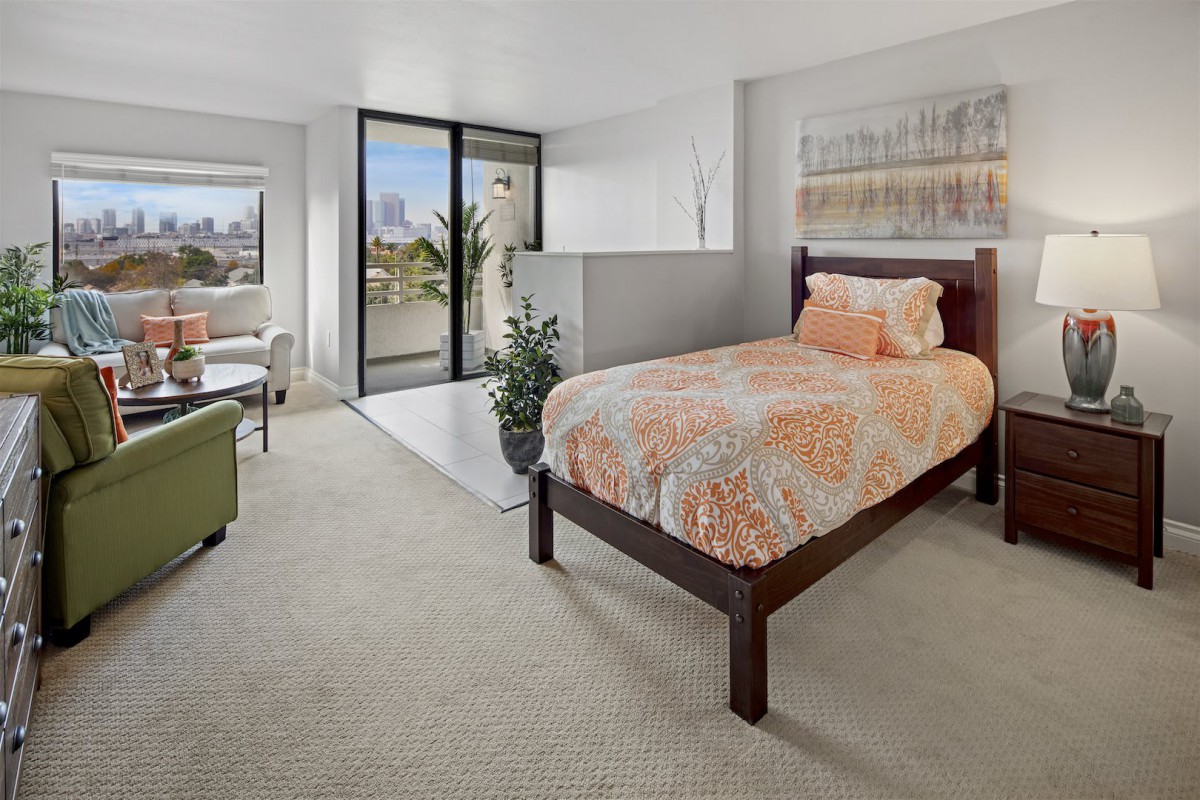
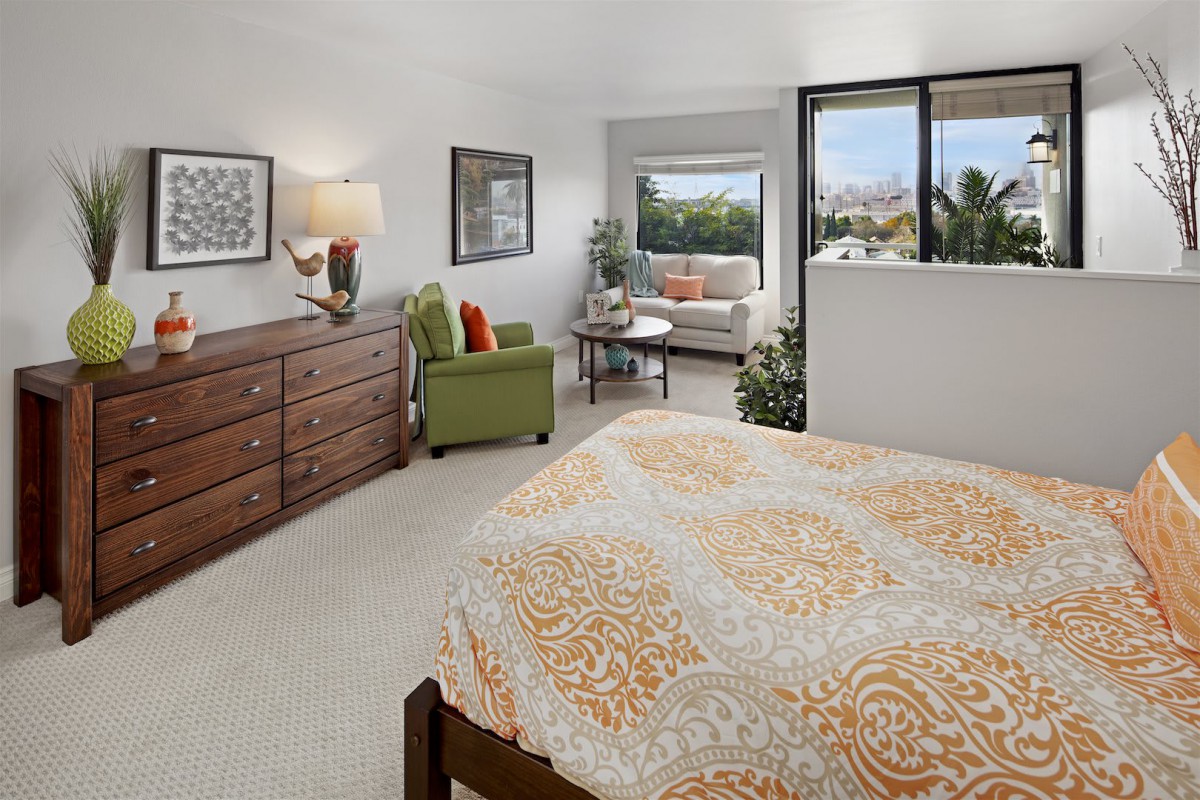
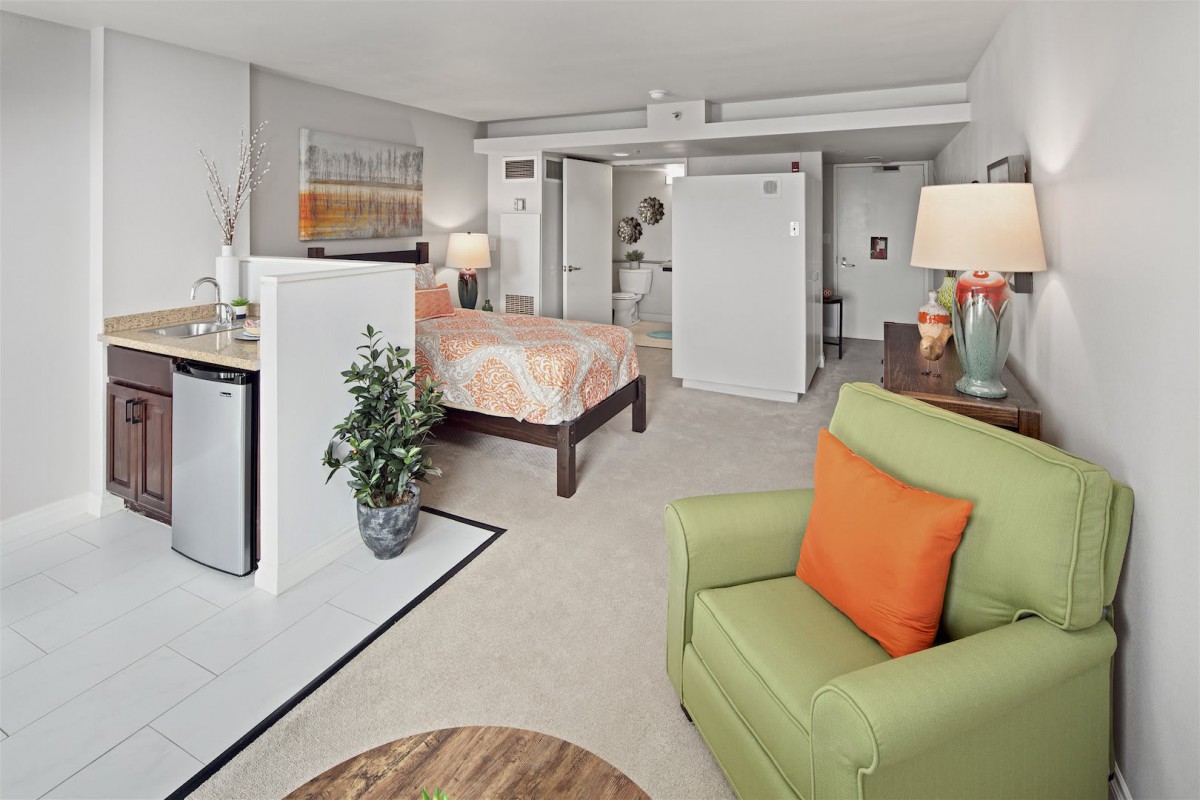
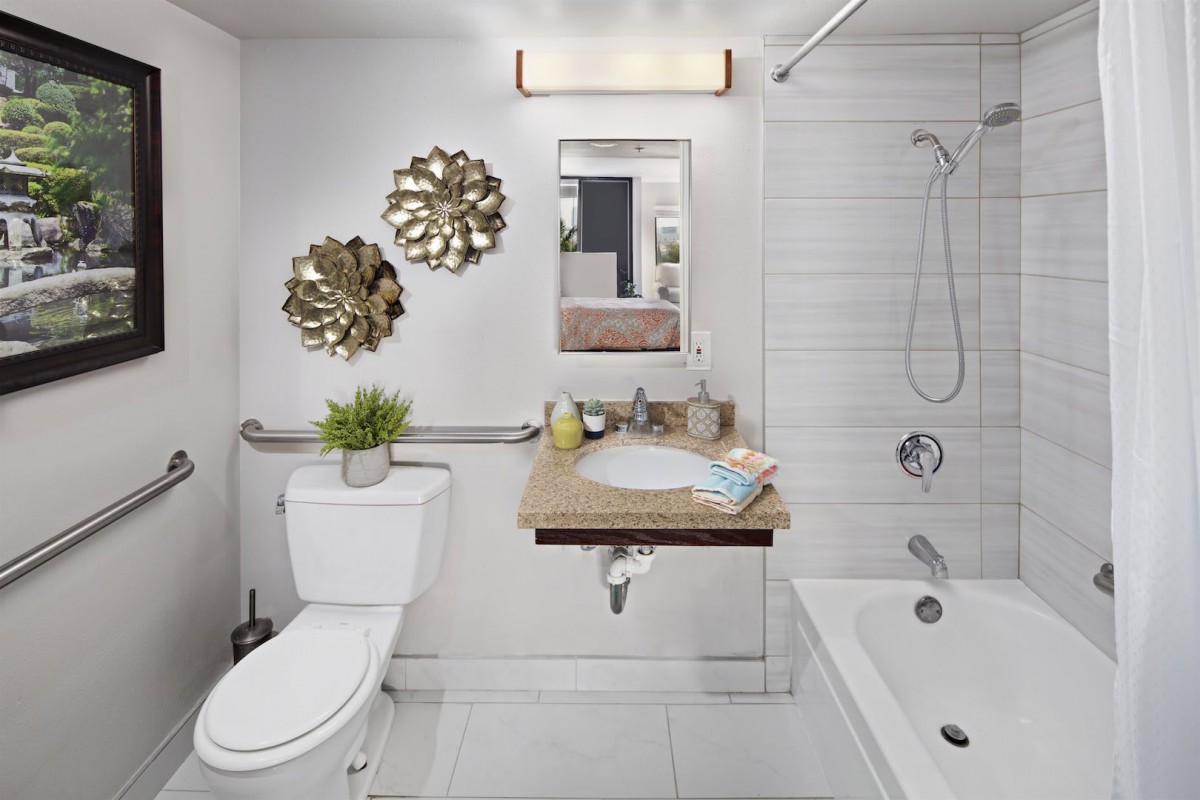
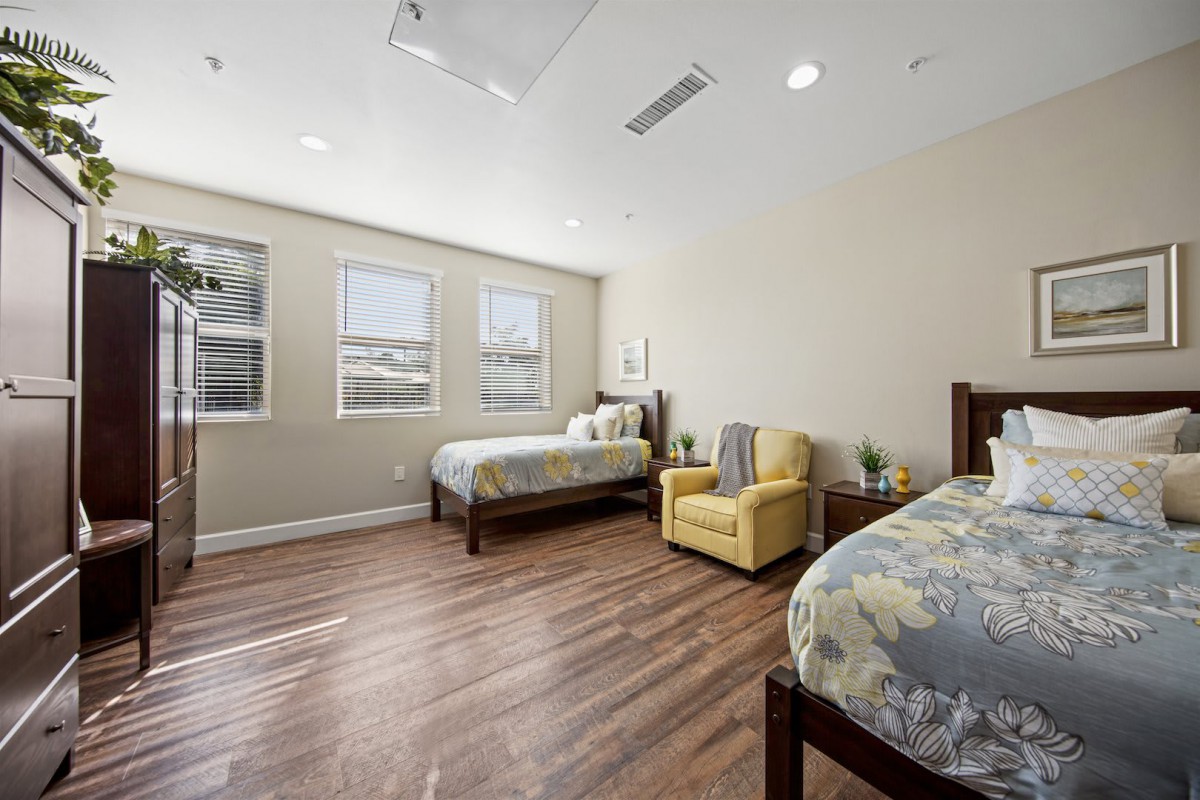
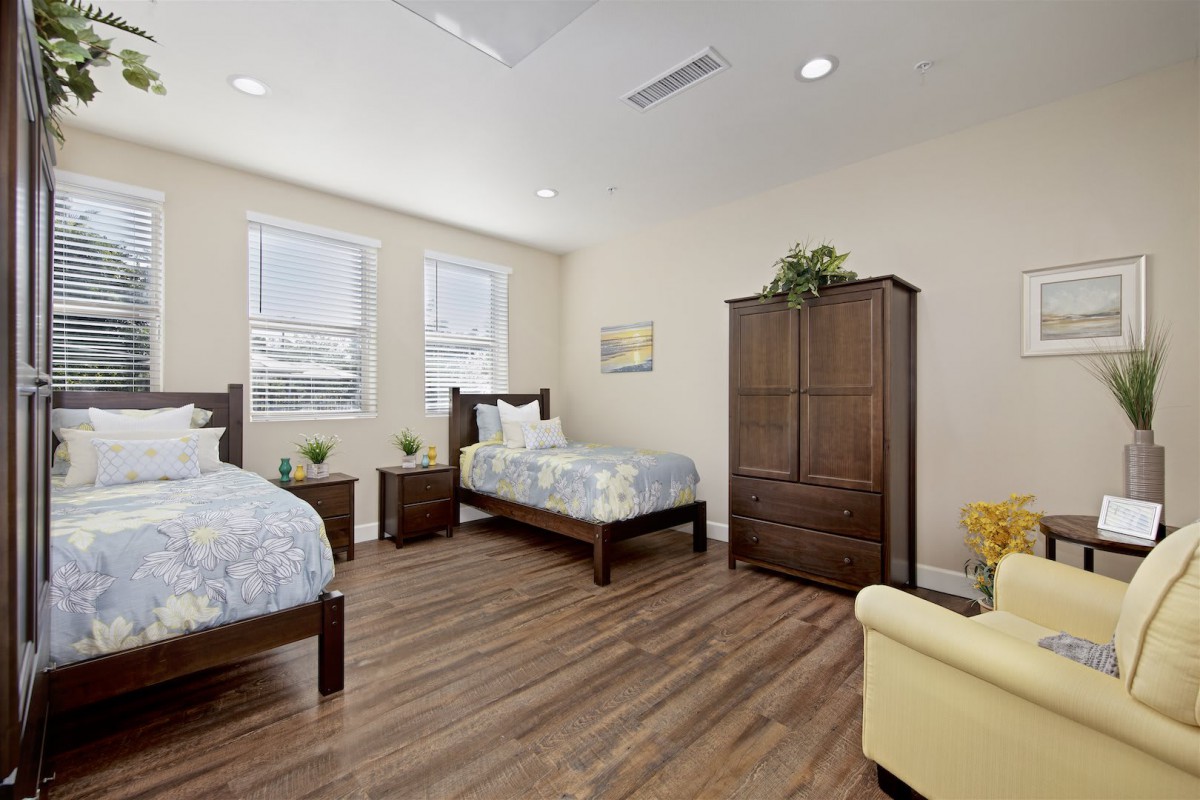
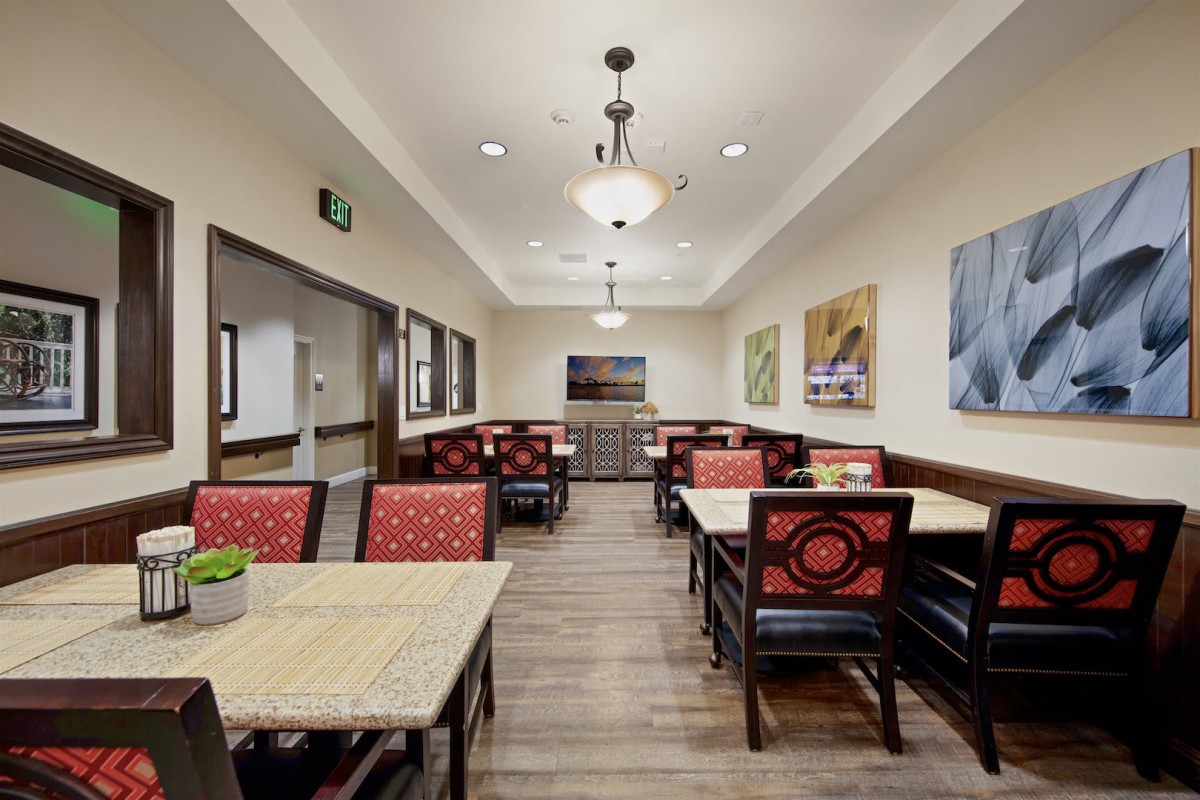
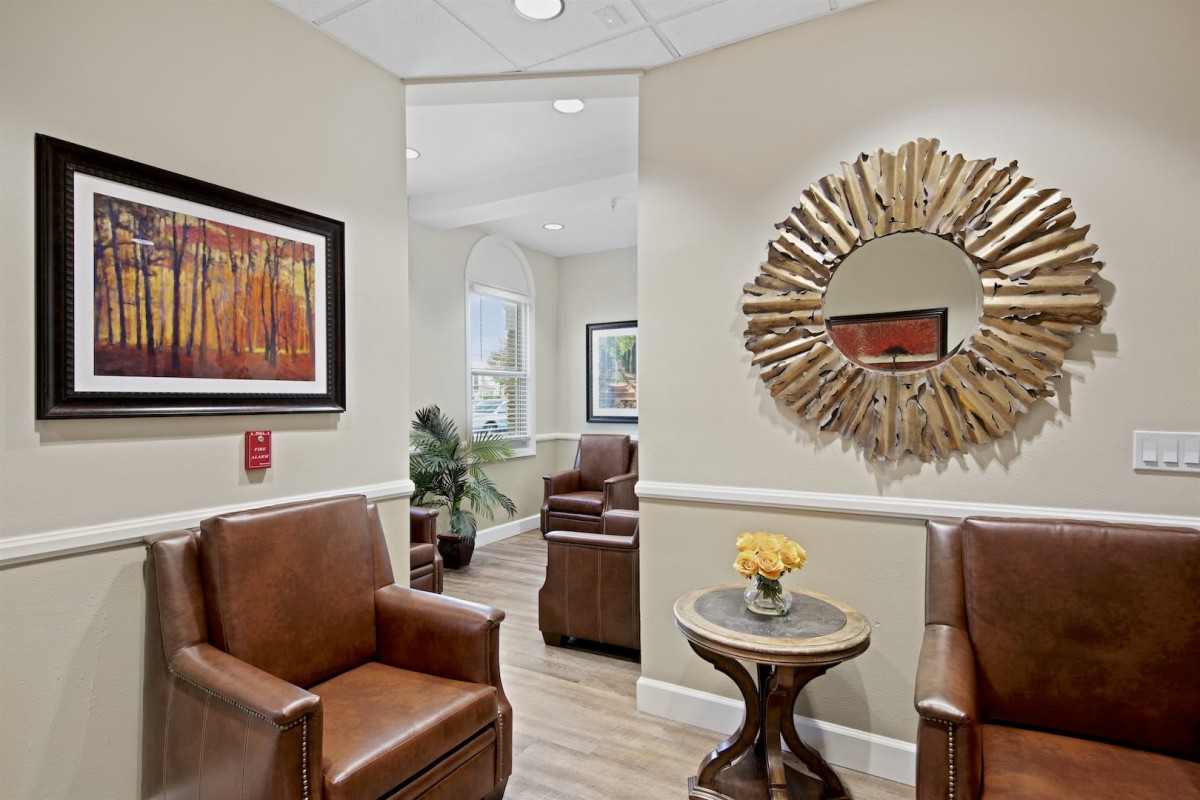
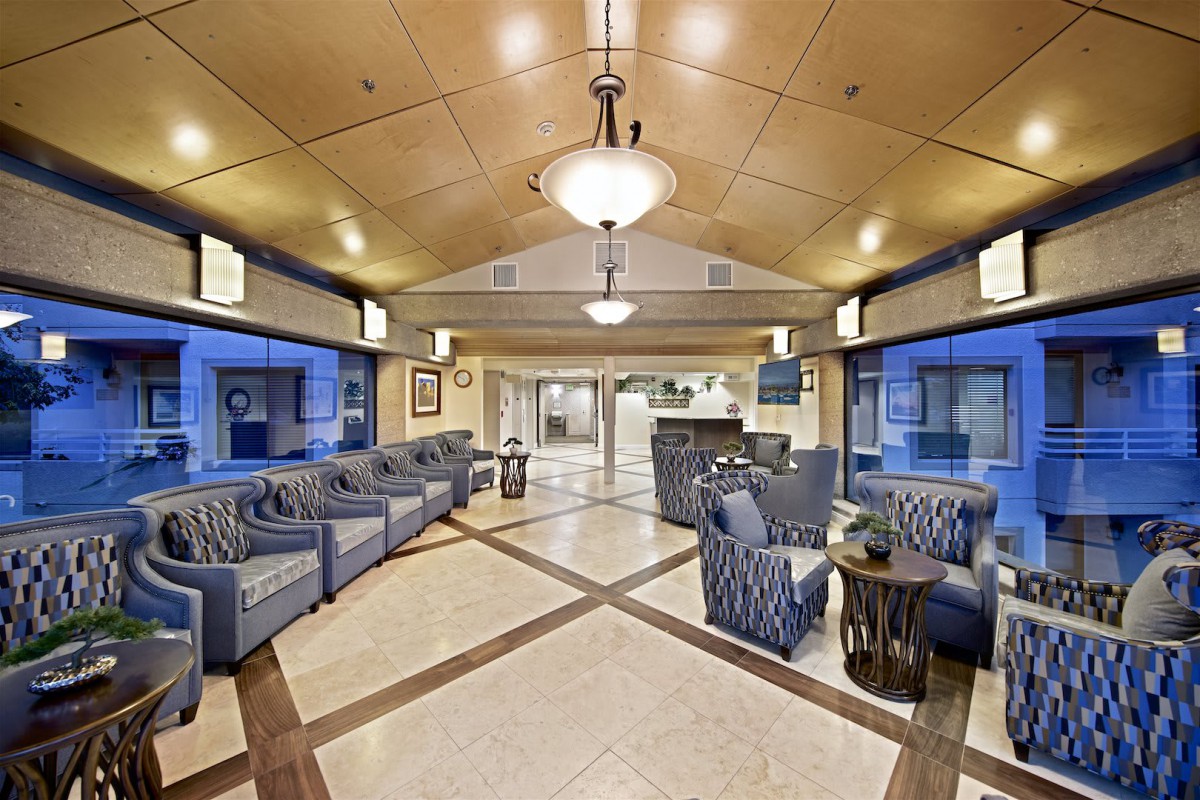
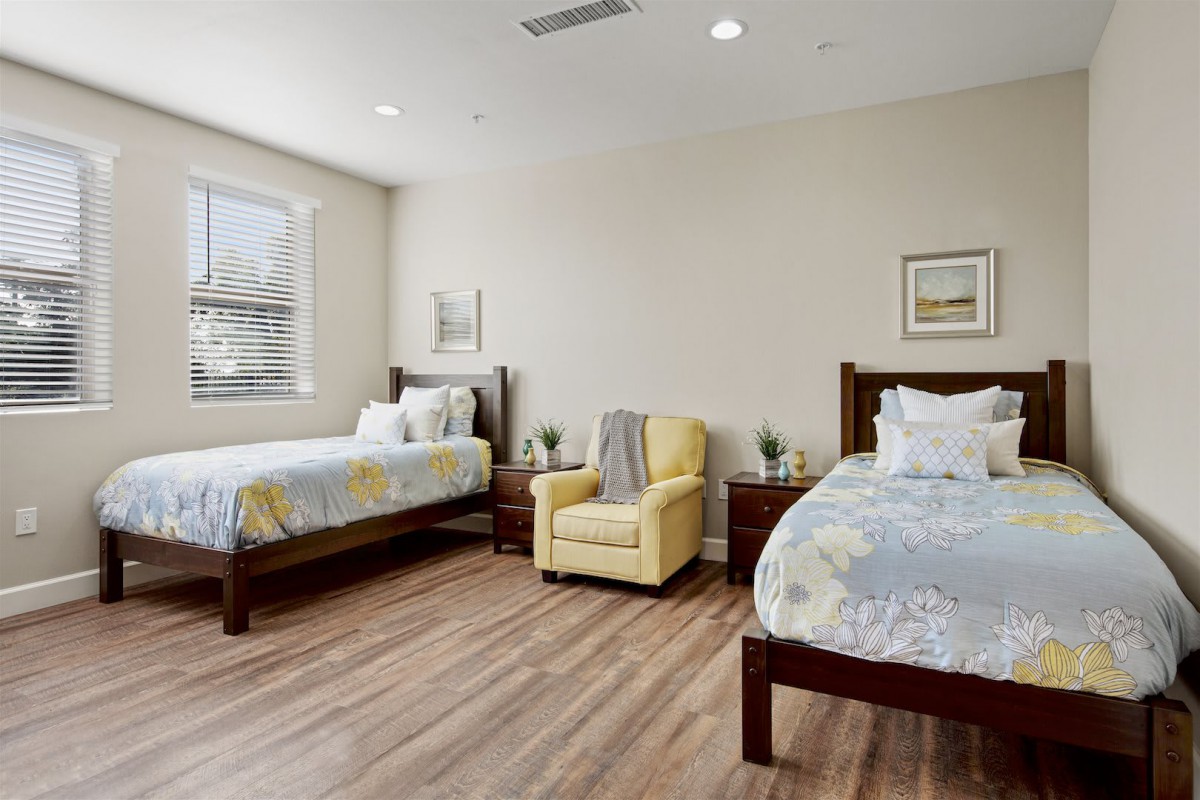
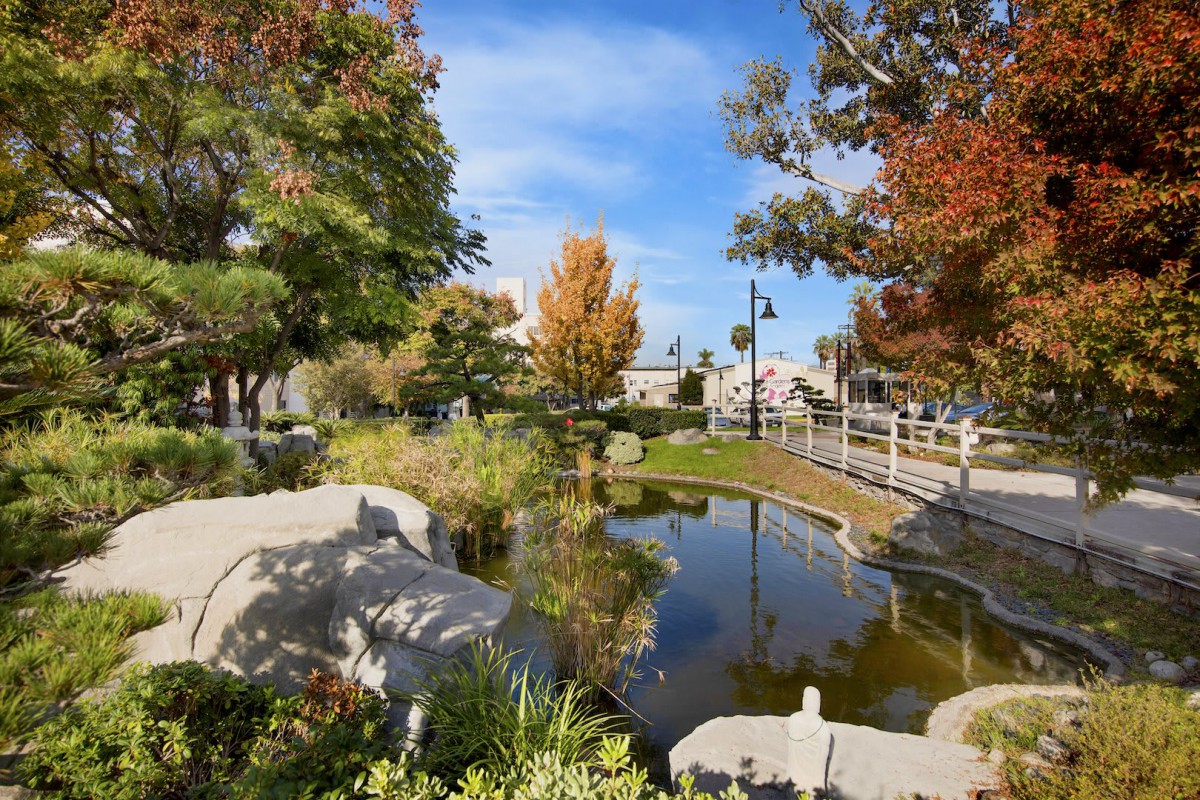
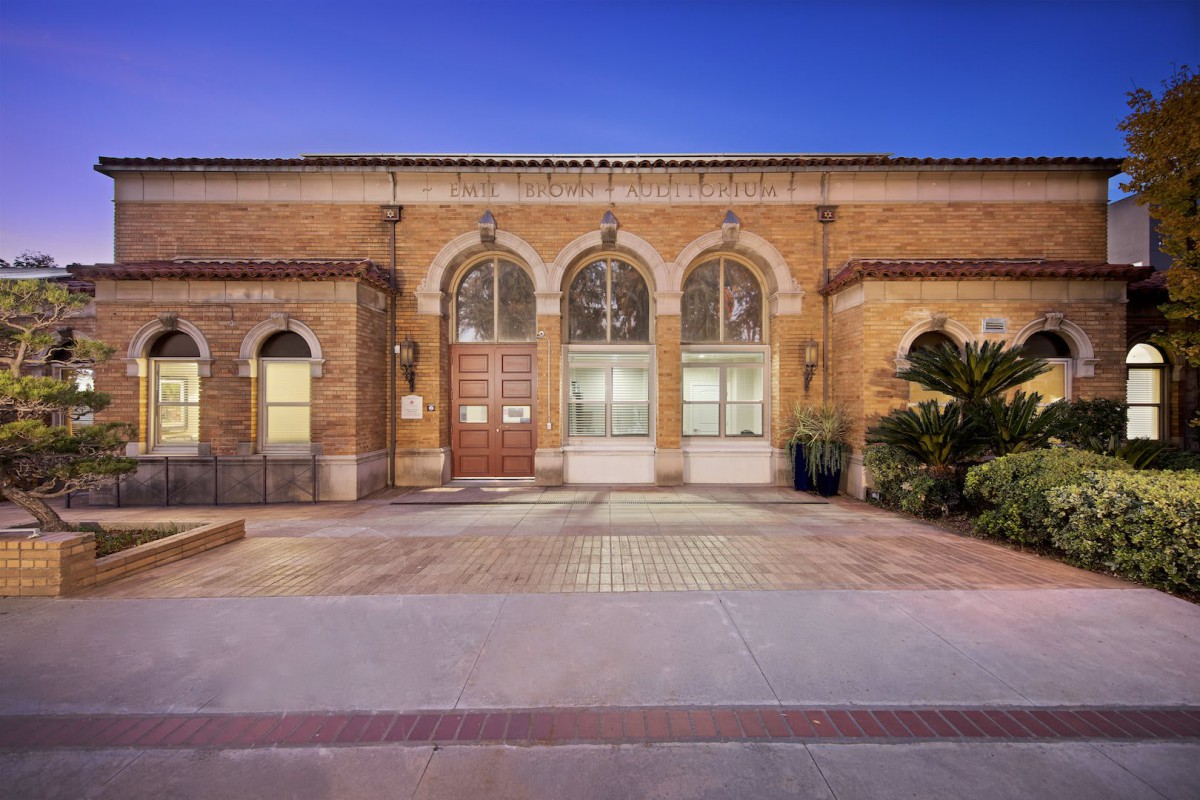
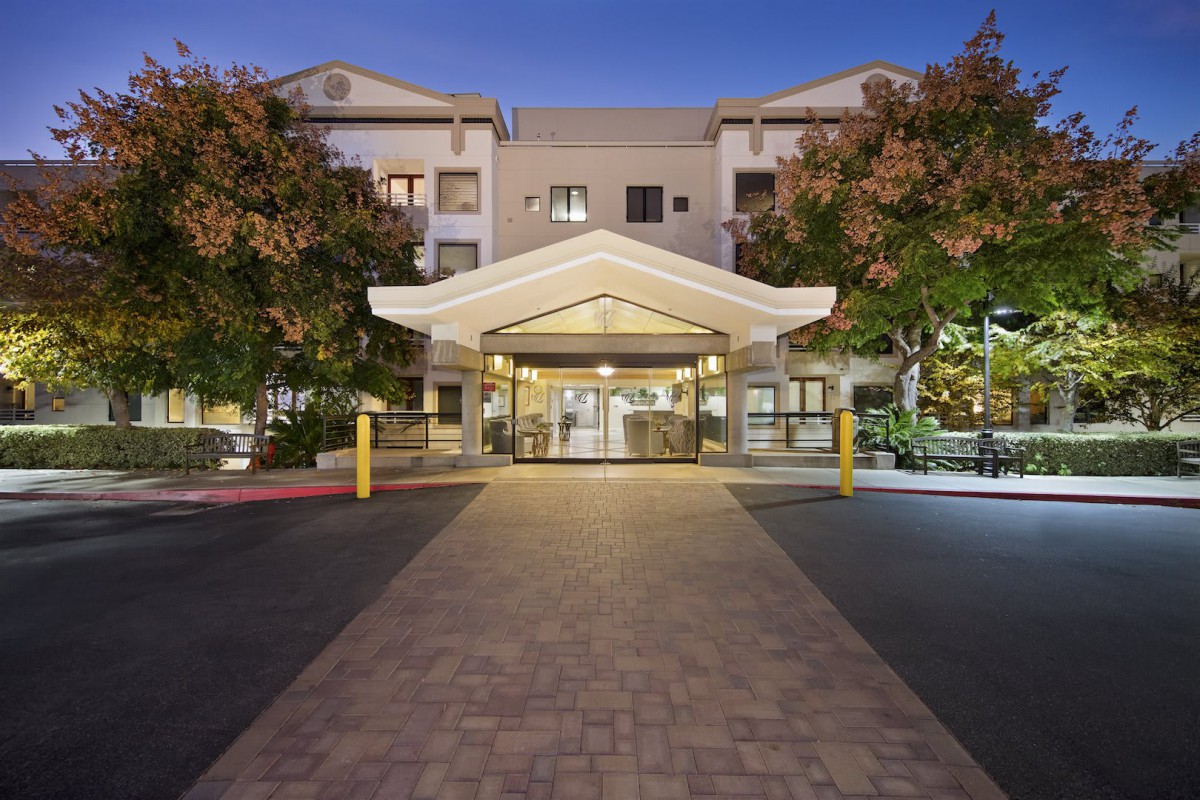
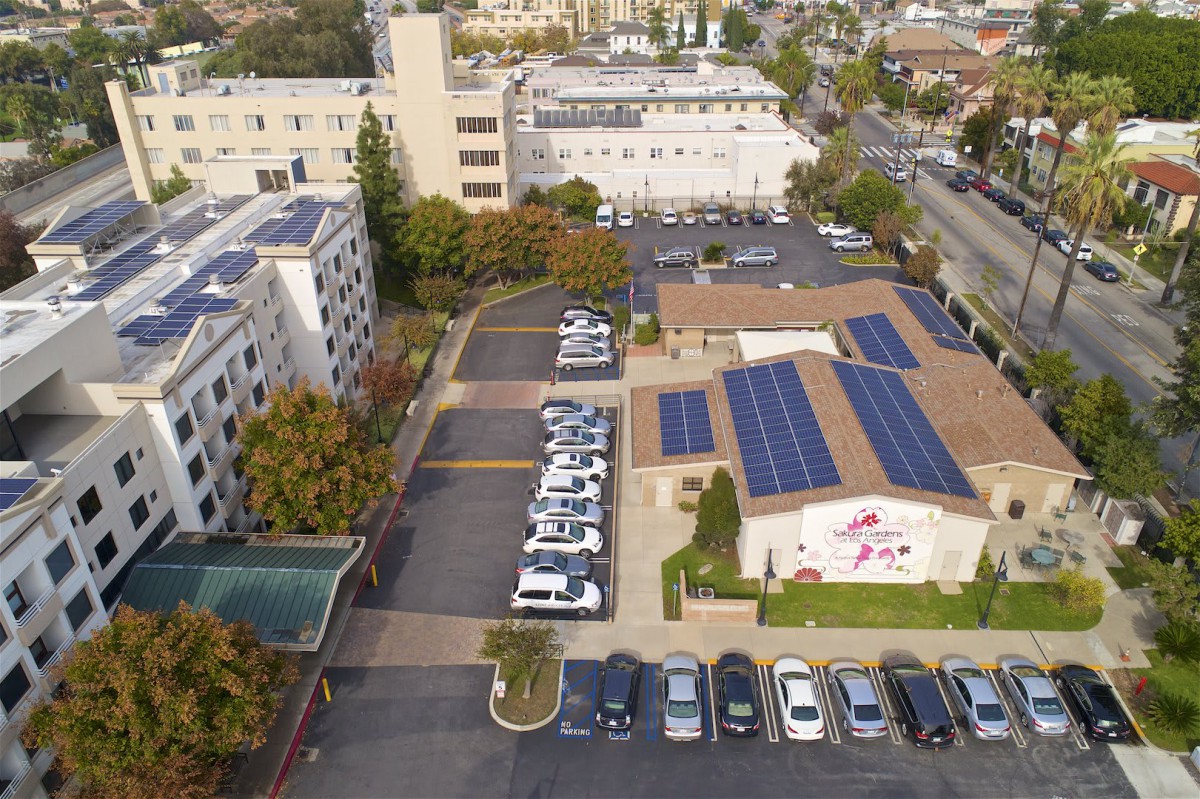
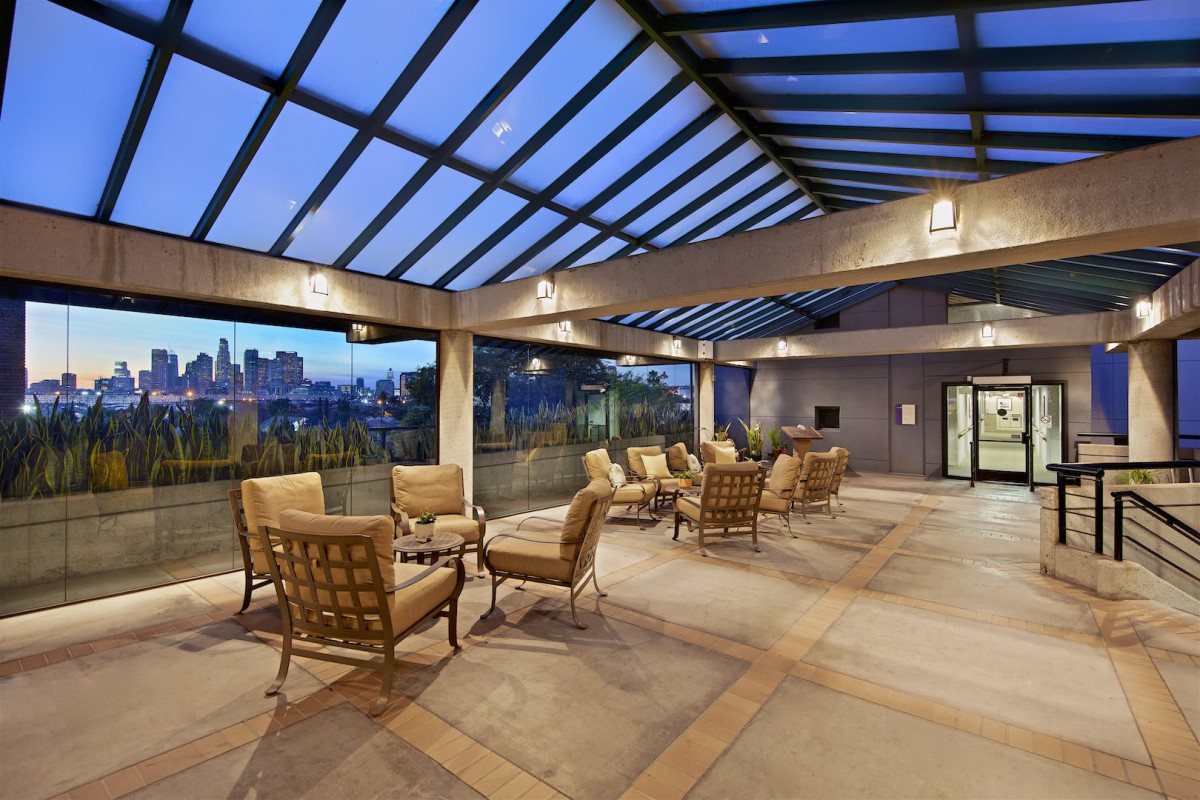
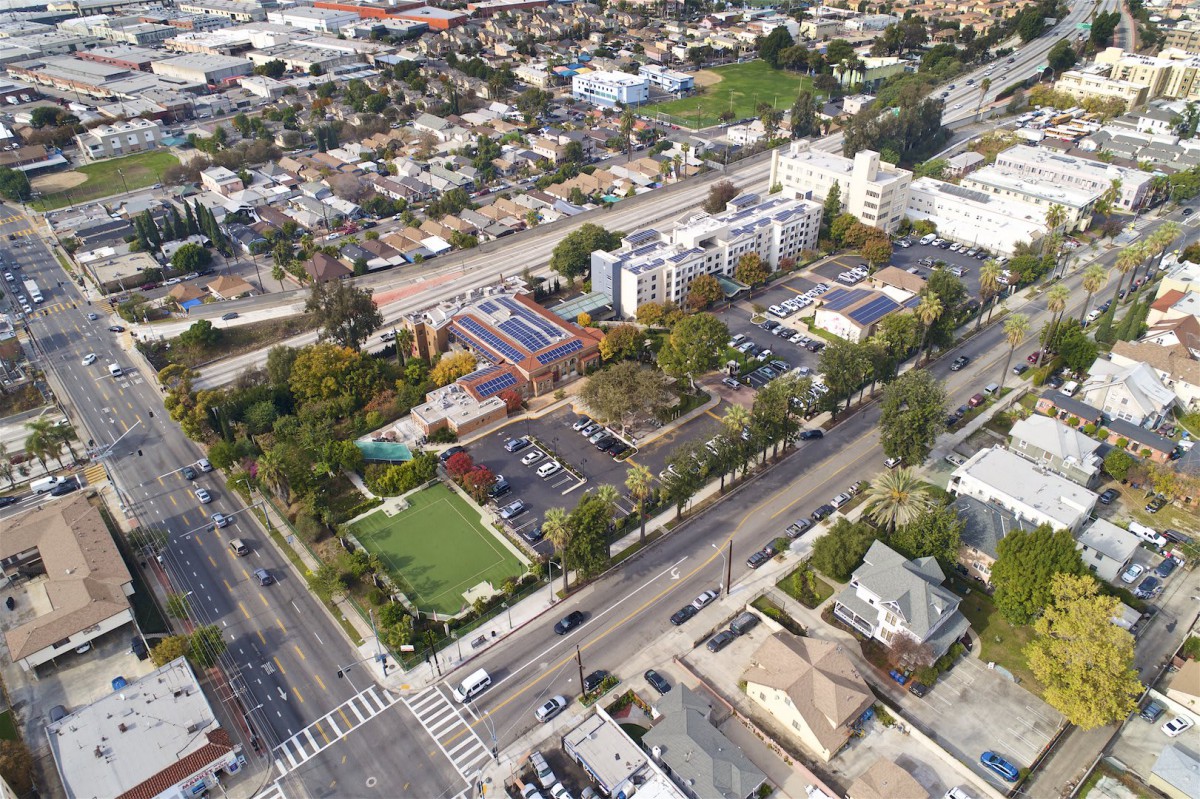
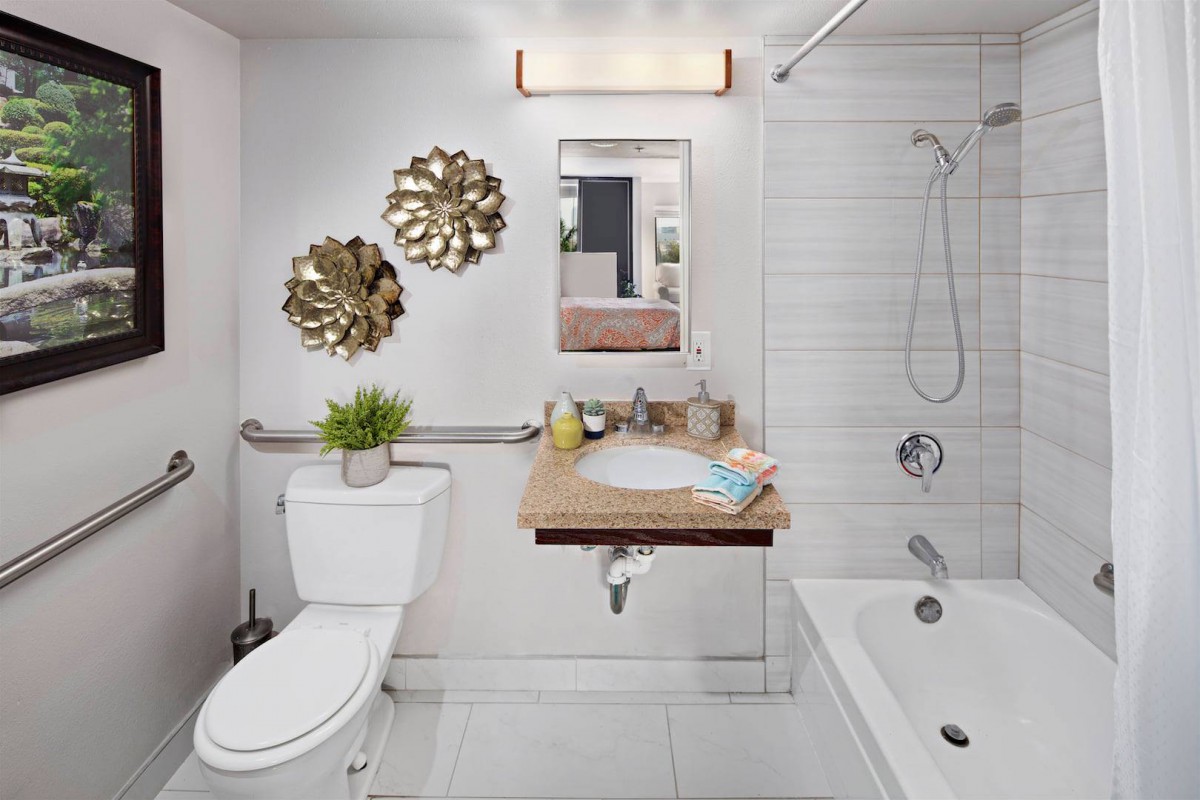
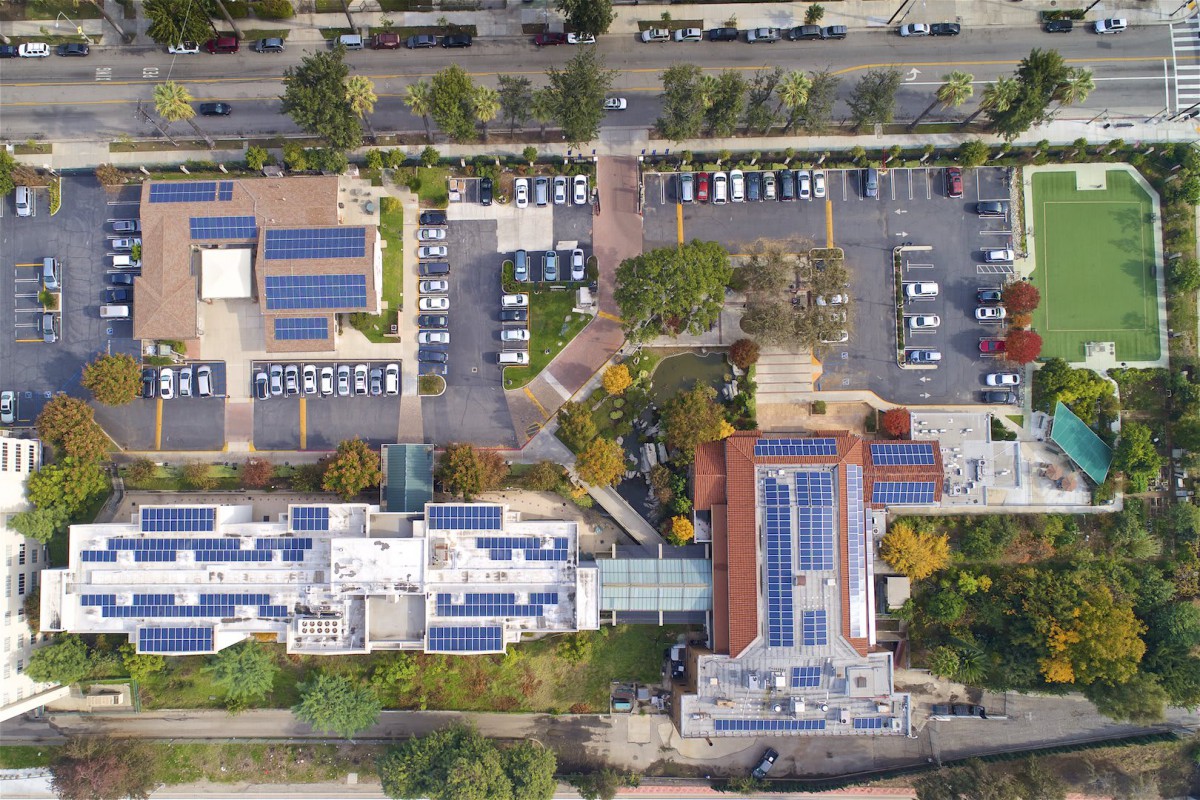
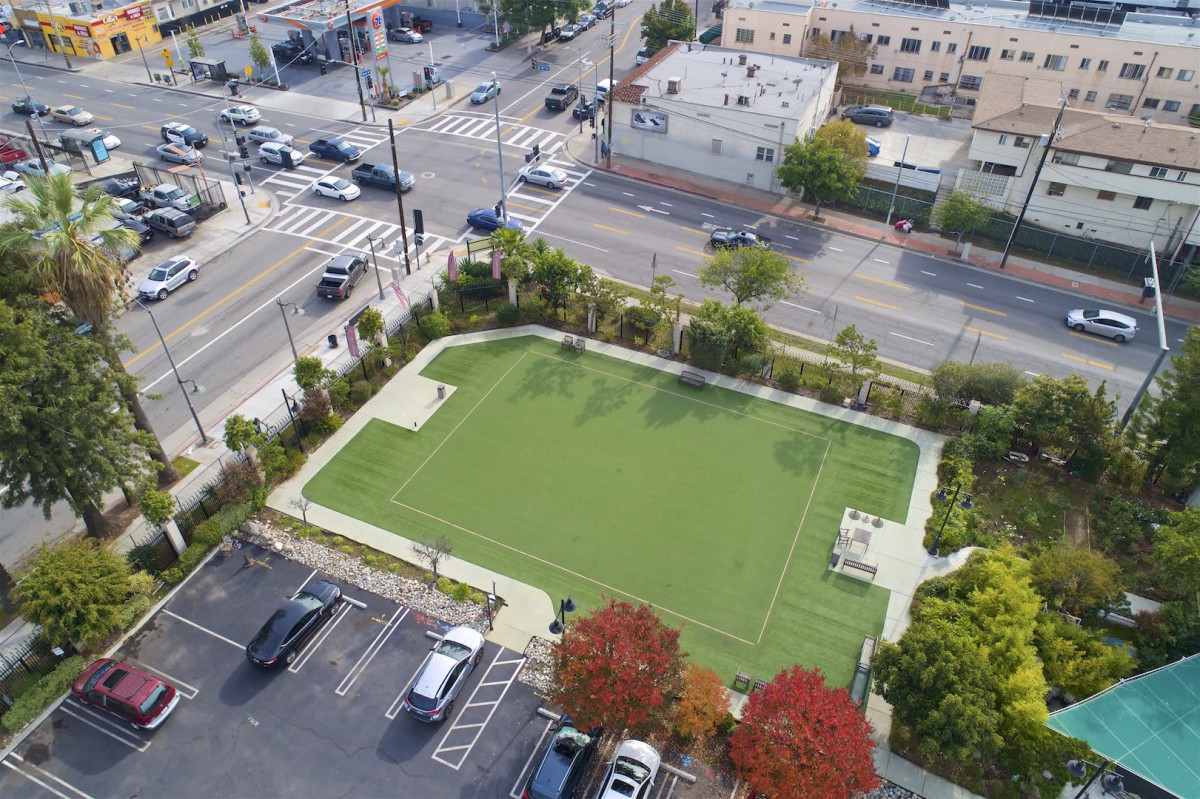
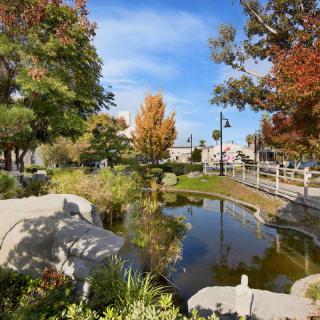
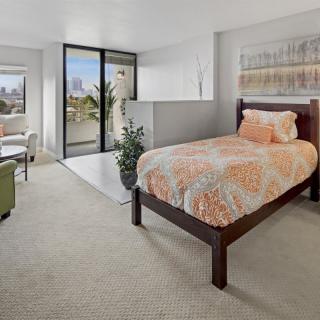
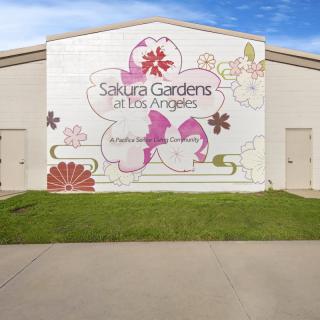
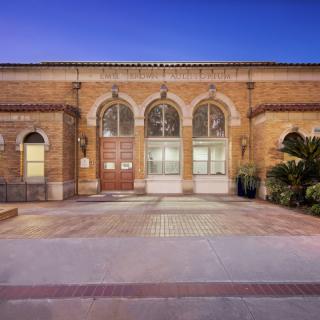
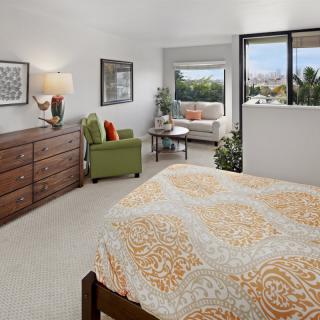
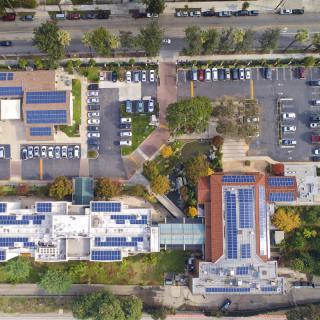
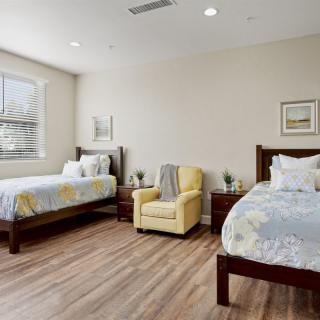
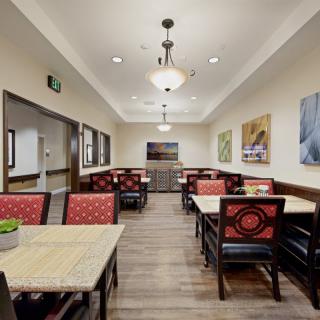
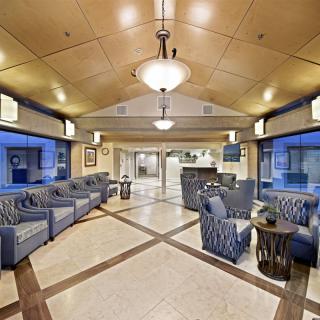
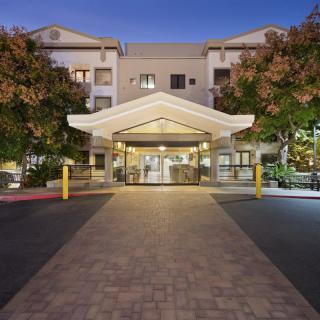
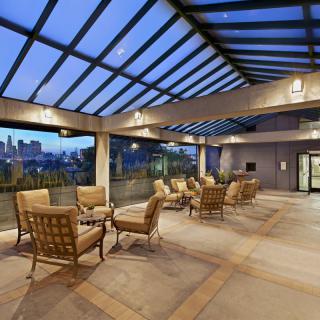
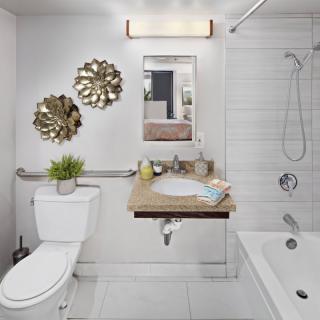
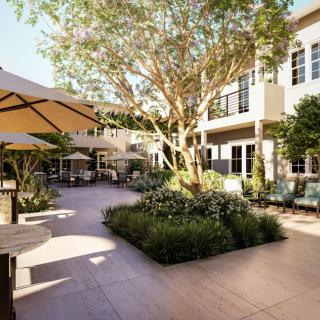
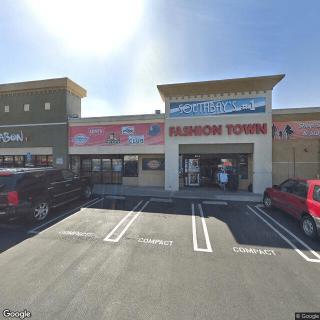
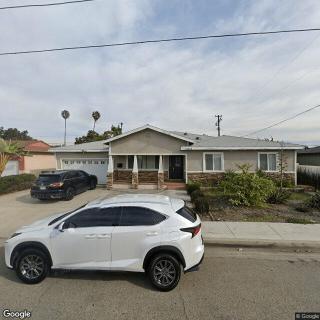
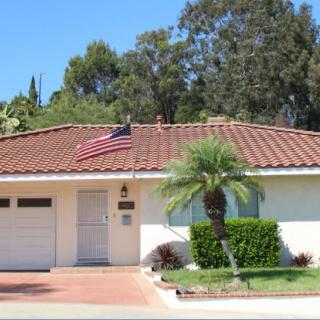
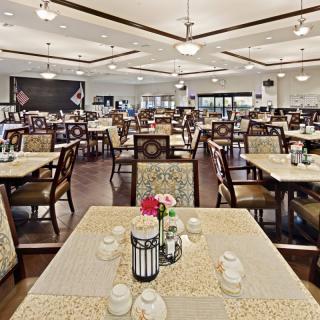
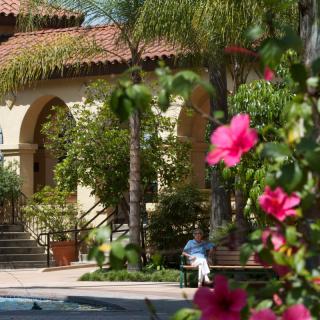
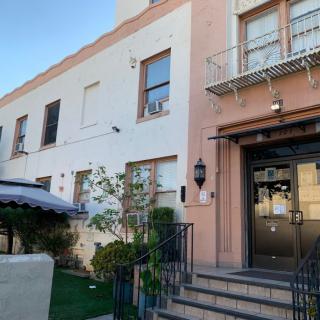
Sakura Gardens of Los Angeles on seniors.fyi includes 25 photos including images showing bedroom, interior, decor, bathroom, windows, aerial view, parking, dining, and more.
Nearby Communities
Japanese Retirement Home
Los Angeles, CA
4.8 from 8 reviews
Caring staff and a welcoming, social community with comfortable apartments and three meals daily.
Hollenbeck Palms
Los Angeles, CA
4.6 from 71 reviews
Beautiful grounds, spacious private rooms, and attentive staff.
Hollenbeck Palms, a CCRC
Los Angeles, CA
4.6 from 90 reviews
$3,000 to $10,717 / month
Friendly, attentive staff with compassionate care and well-maintained grounds, offering diverse living options and engaging activities.
White Memorial Medical Center
Los Angeles, CA
4.5 from 120 reviews
Restaurant-style dining and 24/7 supervision with medication management in fully furnished apartments.
Infinity Care Of East Los Angeles
Los Angeles, CA
2.8 from 36 reviews
Staff demonstrated dedication and potential for attentive care.
Casa De Las Hermanitas
Los Angeles, CA
3.9 from 15 reviews
Near cafes, parks, pharmacies, and hospitals for convenient access.
Little Tokyo Towers
Los Angeles, CA
4.3 from 17 reviews
Pleasant park, varied dining, and strong 24/7 security.
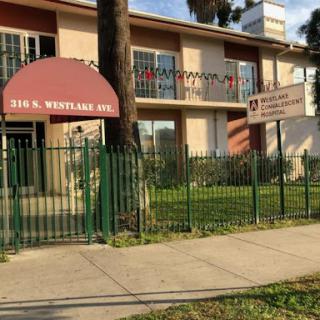
Westlake Convalescent Hospital
Los Angeles, CA
2.8 from 18 reviews
Extensive on-site amenities and 24/7 nursing care
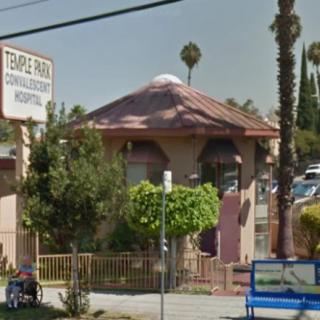
Temple Park Convalescent Hospital
Los Angeles, CA
3.1 from 19 reviews
Wide range of amenities and comprehensive care (24/7 supervision, transportation, diabetes diet, mental wellness).
Delirium is a rapidly onset, reversible cognitive disturbance often caused by acute medical issues, while dementia is a gradual and irreversible decline due to chronic neurodegenerative diseases. Accurate differentiation between the two is essential for appropriate treatment and management in older adults.
Dementia, including Alzheimer’s disease, is often mischaracterized in terms of lethality as it leads to complications that can be fatal rather than being a direct cause of death; it causes a progressive decline in cognitive and physical health, making patients vulnerable to infections and other health crises. Effective management of nutrition, hydration, and communication is crucial in patient care, with palliative care becoming vital in advanced stages to enhance comfort and quality of life while caregivers play a key role amidst the challenges posed by the disease.
Reminiscence therapy helps individuals with dementia recall past memories through structured discussions and meaningful objects, enhancing mood, relationships, and sense of identity while celebrating their lives. It can be practiced in formal settings or at home, requiring sensitivity to personal histories and cultural backgrounds.
Get PricingAsk A QuestionSchedule A TourContact Senior Advisor
By clicking submit, you agree to our Partner's Terms of Use. You
also consent to receive calls and texts, which may be autodialed, from our Partner. Your consent is not a condition to
using our Partner's service. Please visit our Partner's Privacy Policy for information about their privacy practices.


 177 resident community capacity
 1-bedroom apartments
 Assisted Living
 Independent Living
 Memory Care
 Skilled Nursing Facility
 Activities off-site
 Air-conditioning
 Bath tubs
 Beautician on-site
 Cable or satellite TV
 Cafe
Cafe Computer center
 Devotional services off-site
 Dining room
 Fitness room
 Full kitchen
 Fully furnished
 Gaming room
 Garden
 Ground floor units
 Hiking trails
 Housekeeping services
 Indoor common areas
 Laundry
 Move-in coordination
 Outdoor common areas
 Private bathrooms
 Resident parking
 Restaurant-style dining
 Security gate
 Small library
 Telephone
 VA Benefits Consultation
 Wellness center
 Wi-Fi/high-speed internet available
 Los Angeles International (13 miles away)
 Community operated transportation
 12-16 hour nursing
 24-hour call system
 Ambulatory care
 Assistance with bathing
 Assistance with dressing
 Assistance with transfers
 Diabetes diet
 Diabetic care
 Hospice waiver
 Medication management
 Mental wellness program
 Special dietary restrictions
 Transportation arrangement (medical)
 Art classes
 Concierge services
 Day trips and outings
 Educational speakers / life long learning
 Karaoke
 Live dance or theater performances
 Live musical performances
 Protestant services
 English
 Caring staff and a welcoming, social community with comfortable apartments and three meals daily.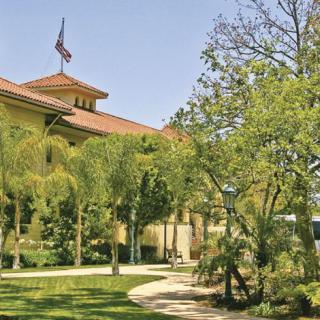

 Delirium and Dementia: Unraveling the Key Differences
 Are Dementia and Alzheimer's Disease Lethal? A Comprehensive Exploration
 Exploring the Power of Reminiscence Therapy for Individuals With Dementia