
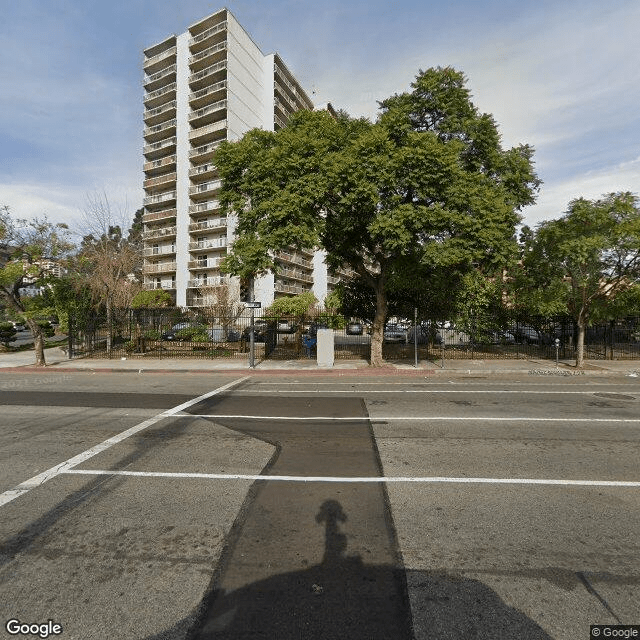
455 E 3rd St, Los Angeles, CA 90013
To contact a resident: (213) 622-3076
For more information about senior living options: (866) 208-4318
Overall Review of Little Tokyo Towers
Pros
 It is comfortable and convenient in the Little Tokyo community.
- The park is nice.
- It is very good.
- They come here when they want to eat.
Cons
 The property is described as private and constantly patrolled by security with 24-hour surveillance.
- It is portrayed as a retirement home for low-income residents, a characterization carrying negative implications.
- The review notes restricted access due to the ongoing security measures.
Review
Little Tokyo Towers is best suited for elderly residents who want an affordable, security-forward option anchored in the Little Tokyo community. The feedback points to a population that is low income and Asian-oriented, with a strong sense of place in Los Angelesā€™ historic Japanese neighborhood. That combination of affordability, cultural familiarity, and convenient access to nearby parks, shops, and cultural amenities makes this community particularly appealing for seniors who value shared heritage, neighborhood immersion, and predictable daily routines. The setting itself, private grounds with visible security measures and 24-hour monitoring, delivers a practical, no-nonsense atmosphere where safety and routine matter most.
Those who may want to consider alternatives are seniors seeking a more diverse resident mix or more robust on-site care. Families looking for strong, multi-ethnic social dynamics or for memory care, high-end amenities, or a broader spectrum of medical services should shop around. Likewise, buyers who prioritize transparent governance, frequent, detailed resident feedback, or a facility that markets itself on a broader, non-ethnic appeal may find other options better aligned with their expectations. The ownership narrative implied by the reviews, hinting at management tied to particular ethnic groups, also warrants careful due diligence for families who want clear, straightforward governance and policy consistency.
The strongest positives here center on safety, affordability, and geographic convenience. A property patrolled by security with continuous surveillance reduces common anxieties for families and supports independent living with a clear boundary between home life and shared public spaces. The Little Tokyo location itself is a practical asset: residents can access a walkable array of dining, cultural venues, and parks without long commutes, which translates into easier family-to-resident engagement and more consistent participation in daily activities. The sense of belonging that comes from a culturally cohesive environment can lessen isolation, particularly for seniors who value language, cuisine, and rituals tied to East Asian heritage.
Where the narrative becomes more nuanced, the confluence of affordability and cultural focus can also imply tradeoffs. The reviews give little detail about the level of medical or daily living assistance beyond the descriptor of it being a retirement home for low-income seniors. That suggests to families considering this option that the facility may be more oriented toward independent or lightly assisted living rather than comprehensive care. The emphasis on a specific ethnic footprint, while comforting to some, may feel restrictive to those who crave broader social exposure or who wish their social network to include a more varied age and cultural mix. Transparency around ownership, governance, and decision-making will help in evaluating long-term stability.
In deciding, the key question becomes whether safety, price, and cultural fit outweigh the desire for broader services and diversity. For households prioritizing a predictable budget, straightforward routines, and a community that mirrors their own cultural background, Little Tokyo Towers offers a practical, well-located baseline. The prosaic but dependable security framework, coupled with a convenient urban setting, can offset concerns about limited amenities or a narrower resident profile. If autonomy and routine are paramount and the target resident profile aligns with East Asian heritage and low-income living, this community warrants serious consideration.
To advance a confident choice, prospective families should conduct a structured visit with a critical checklist. Verify current services and hours of meal programs, transportation, laundry, housekeeping, and daily activity offerings. Inquire about resident-to-staff ratios, staff qualifications, and how care plans are developed and updated. Speak with current residents about daily life, social opportunities, and any language support services. Finally, compare total monthly costs against nearby options that offer similar safety and location plus broader care levels, ensuring the decision balances affordability, safety, cultural resonance, and available medical or assisted living supports.
 Independent Living
 Los Angeles International (12 miles away)






 Nurturing Our Elders: Linda's Journey of Supporting Her Mother
 A Comprehensive Exploration of Common Misunderstandings about Powers of Attorney
 Senior Move Management: Understanding the Role, Value, and Associated Costs