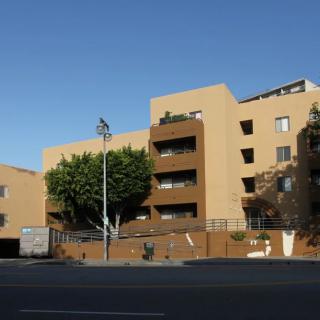
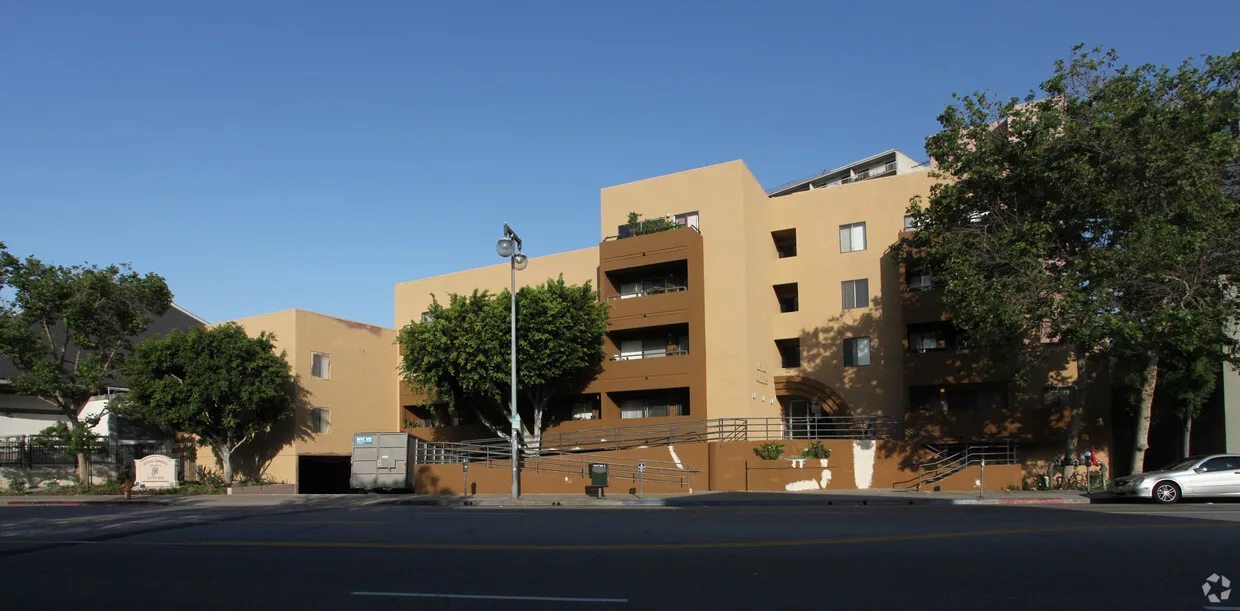
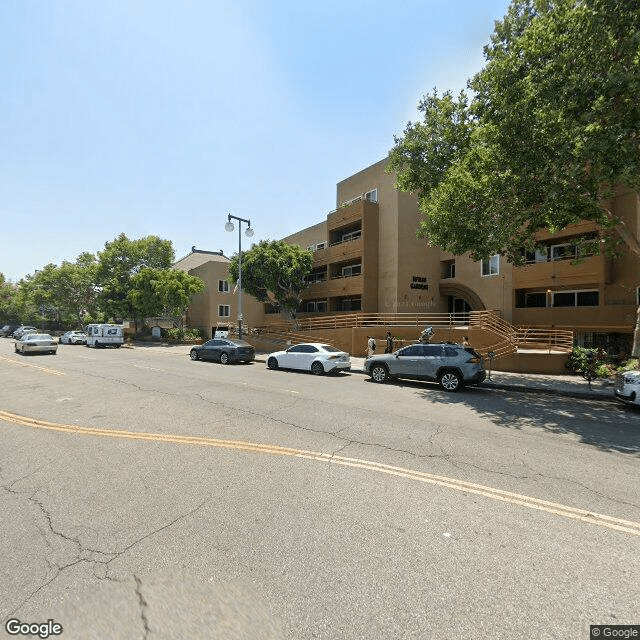
223 S Central Ave, Los Angeles, CA 90012
To contact a resident: (213) 617-8614
For more information about senior living options: (866) 208-4318
Miyako Gardens Apartments Costs & Pricing
Miyako Gardens Apartments present a premium pricing structure compared to the broader Los Angeles County and state averages. For instance, the cost of a studio apartment at Miyako Gardens is $5,230, significantly higher than the county's average of $4,172 and California's average of $4,145. Similarly, the one-bedroom units are priced at $5,970, which exceeds both county and state norms of $4,603 and $4,340 respectively. The two-bedroom apartments further exemplify this trend with a monthly rent of $8,155, well above the county's average of $6,164 and California's average of $5,270. These figures suggest that tenants may be paying a premium for the unique amenities or location offered by Miyako Gardens Apartments.
| Floor plans | Miyako Gardens Apartments | Los Angeles County | California |
|---|---|---|---|
| Studio | $5,230 | $4,172 | $4,145 |
| 1 Bedroom | $5,970 | $4,603 | $4,340 |
| 2 Bedrooms | $8,155 | $6,164 | $5,270 |
Independent Living communities with a similar price nearby
-
from +$970 / mo
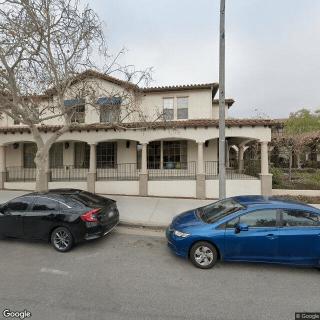
The Kensington at Sierra Madre
$6,200 to $9,270 / month13.1 miles away -
from -$230 / mo

MorningStar Senior Living of Pasadena
$5,000 to $11,645 / month7.6 miles away -
from -$600 / mo
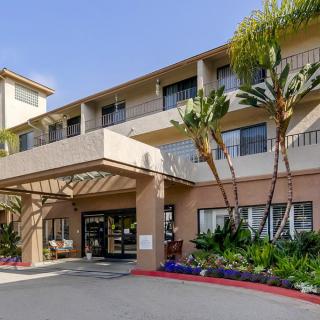
Brookdale South Bay
$4,630 to $9,635 / month16.3 miles away -
from +$315 / mo

Westmont of Cypress
$5,545 to $7,560 / month20.1 miles away -
from -$730 / mo
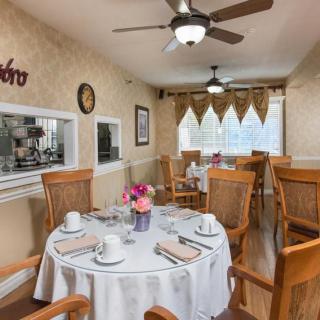
Spring Senior Assisted Living
$4,500 to $5,500 / month15.8 miles away
Overall Review of Miyako Gardens Apartments
Pros
 The maintenance technician and manager provided excellent customer service.
Cons
 The website is broken.
- The communication is terrible.
Review
Miyako Gardens Apartments in Los Angeles is best suited for seniors who prize hands-on, dependable on-site service and are comfortable with a lean online footprint. The community operates with a notably personal touch, where maintenance conversations and day-to-day management feel approachable and responsive. It’s a compact setting that rewards direct human interaction over digital automation, making daily life smoother for residents who prefer real people to navigate repairs, scheduling, and notices. In practical terms, this is a space where trust in the on-site team can substitute for a glossy portal, and that dynamic holds real value for households prioritizing clarity and immediacy over formality.
Those who rely heavily on online systems should seriously assess alternatives. The most consistent warning from the feedback is a broken or unreliable website and murky communication channels. For families that depend on a streamlined rent portal, clear digital notices, and rapid email or portal updates, Miyako Gardens can feel lagging or opaque. A tour should include a live test of the portal and a firm check on whether staff can accommodate non-digital channels without delay. Additionally, residents seeking a wide-ranging social calendar, extensive programming, or larger-scale resources may find the community’s footprint too intimate to meet broader expectations.
The chief upside is the service culture around maintenance and on-site management. The strong praise for the maintenance team and manager signals a well-tuned, customer-first approach: problems are acknowledged quickly, repairs are completed with competence, and interactions tend to be courteous and helpful. That level of accessibility translates into tangible reductions in daily friction, lower stress during maintenance needs, and a sense of security in knowing help is nearby. In smaller properties like this, such reliability often matters more than higher-tech amenities, and it can be a decisive factor for residents who value predictable, personal problem-solving over procedural perfection.
Conversely, the most tangible downside remains operational friction in the administration. The online portal breakdown and the perception of poor communication create a persistent disconnect between what residents expect to receive and what actually arrives. This can manifest as missed notices, confusion over rent or service requests, and delays that ripple into family planning and caregiving schedules. In practice, the in-person strength of the staff cannot fully compensate for an unreliable digital backbone. For families coordinating multiple care tasks, the risk is time lost chasing answers, which can overshadow the positive impact of responsive on-site help.
The trade-off hinges on personal priorities. If a resident or family places a premium on immediate, human-led service and a straightforward, approachable staff, Miyako Gardens can deliver exceptional day-to-day stability, so long as the online tools remain a secondary concern or can be supplemented through direct contact. If, however, predictable administrative workflows, transparent online updates, and seamless digital payments are non-negotiable, the current setup may erode confidence over time. The prudent course is to verify the status of the portal during a visit, request a live demonstration, and insist on clear, alternative communication pathways, phone calls, in-person discussions, or written notices, to ensure information flow feels reliable.
In the end, Miyako Gardens presents a practical choice for seniors who value a warm, responsive on-site team and are comfortable with a modest digital infrastructure. Families that require a robust, polished administrative system with flawless online operations should consider alternatives that emphasize scale and digital reliability. A focused, definitive tour is essential: test the maintenance response window, probe the portal’s reliability, and confirm a concrete plan for how updates and notices will reach residents and families. For the right resident profile, the community can feel like a well-tended, accessible home; for those measured by administrative efficiency, the search should continue elsewhere.
 Independent Living
 Los Angeles International (12 miles away)





 Seniors and Modern Transportation: Exploring Uber, Lyft, and Other Ride-Hailing Options
 Comprehensive Guide to Qualifying for Home Health Care Services
 Powerful Realities of Elder Abuse and the Most Effective Ways to Report It