

210 W 7th St, Los Angeles, CA 90014
To contact a resident: (213) 627-5286
For more information about senior living options: (866) 208-4318
Overall Review of Van Nuys Apartments
Pros
 The Van Nuys Apartments is described as a residential complex serving low-income senior citizens and people with disabilities.
- It operates with funding from HUD and CRA/LA for project-based Section 8 housing.
- The property caters to seniors over 62 and to individuals with disabilities, highlighting a resident-focused mission.
- The community is presented as a housing option specifically designed for older adults and disabled residents.
Cons
 The management company is described as evil, mean, and very badly mannered.
- The complex is said to have taken a hit since the takeover and labeled as slumlords.
- It is described as a disgusting blight on the community.
- The place is rated not even one star.
- The management is accused of entering units without proper notification and treating elderly residents badly.
- Tenants claim they were kicked out by the guards during a conversation.
- The premises are described as dirty, with maintenance issues and a hard-to-use elevator.
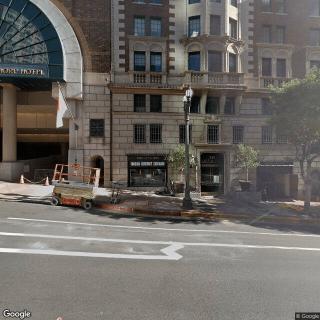
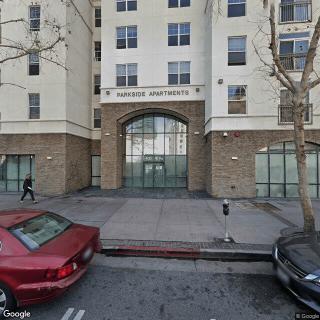
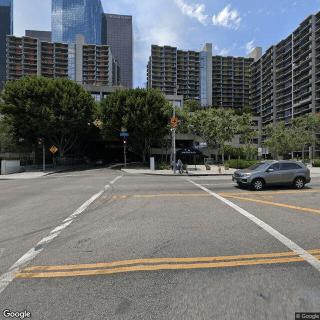
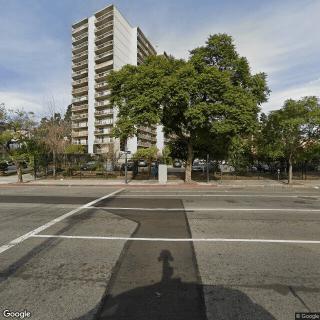
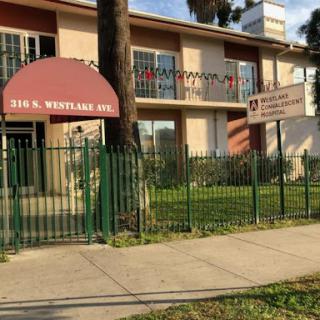
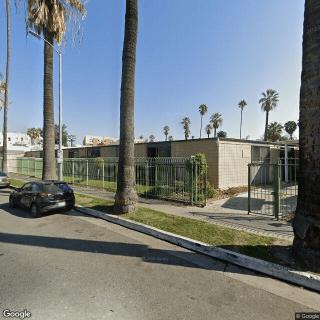
- Exterior photos are said to be misleading; the outside looks dirty.
- Potential residents are advised not to consider living there and to demand management replacement.
Review
This community is best suited for seniors over 62 and people with disabilities who qualify for project-based HUD/CRA housing and prioritize the lowest possible rent over other living conditions. It serves a very particular niche: residents who can tolerate frequent maintenance gaps, uneven enforcement, and a management culture that is not consistently respectful or responsive. The core appeal remains affordability within a subsidized framework, not luxury or reliability, so families should recognize this trade-off from the outset.
Those who should consider alternatives are families seeking dependable management, safe and clean common areas, reliable elevator service, and a respectful, resident-centered environment. If dignity, prompt maintenance, transparent communication, and predictable access to amenities matter, this is not the first option to evaluate. Reports of discriminatory behavior, eviction pressure, and intrusive management practices point to a culture that can undermine security and peace of mind for residents and their families.
The main pro, significant affordability through HUD/Section 8-anchored housing, does not meaningfully offset the dominant cons. Allegations of discriminatory leasing practices, sudden or unexplained enforcement actions, and even eviction-related stress erode trust far more than any potential monetary savings. Structural issues, elevators that fail, inconsistent on-site presence, inadequate security, peeling sidewalks, and limited parking, create daily friction that affordability cannot redeem. In practice, the financial benefit feels hollow when safety, dignity, and predictable routines are in question.
Prospective residents should approach this with a clear checklist: verify current management stability and responsiveness; request a transparent maintenance log for critical systems like the elevator and plumbing; confirm privacy protections and proper notification before unit access; and talk directly with current residents about how concerns are handled. Inspecting the property at various times of day, assessing cleanliness, lighting, and the condition of sidewalks and entryways, is essential. The lease terms, grievance procedures, and any history of code violations or enforcement actions should be reviewed before committing.
As an alternative framework, families should compare other senior housing options that balance cost with quality of life. Look for communities with stronger oversight, accessible maintenance, and respectful, proactive management, whether within HUD programs or private-pay offerings. Consider private-market senior apartments or assisted living settings that deliver reliable housekeeping, clear safety protocols, and robust resident services. In all cases, weigh transportation access, social programming, and family involvement options, since those elements dramatically affect daily well-being beyond the sticker price.
The practical conclusion is decisive: if affordability and HUD eligibility are non-negotiable and there is tolerance for governance gaps and maintenance fluctuations, this community can be workable with careful due diligence and active family engagement. If, however, steadiness, respectful treatment, and consistent maintenance are non-negotiable, it is prudent to explore alternatives first. Families should arm themselves with current lease terms, maintenance histories, resident testimonials, and enforcement records, and then compare with options that deliver stronger daily living conditions, clearer accountability, and a safer, cleaner environment for aging loved ones.
 Independent Living
 Los Angeles International (11 miles away)


 California's Form 602A: An In-Depth Examination of Senior Care Assessment
 Comprehensive Look at Senior Blood Pressure Charts: Normal and Elevated Levels by Age
 Top Canine Companions for Older Adults