When considering the costs associated with Shared Living for the Elderly in Maricopa County, Arizona, it's essential to highlight the financial landscape that distinguishes this arrangement from traditional housing options. The price for a shared living setup varies with room type: for instance, a one-bedroom unit averages at $625 per month, significantly lower than private and studio accommodations which can reach up to $6,587. In comparison to other living arrangements within the region, semi-private rooms offer a more budget-friendly solution at approximately $5,067. Meanwhile, monthly costs for private units hover around $6,080. Overall, while shared living presents an economical alternative relative to standalone apartments or studios in both the county and state levels - where prices can soar above $3,000 - the appeal lies not just in affordability but also in fostering companionship among residents. This option delivers community support alongside financial relief, making it an attractive choice for elderly individuals seeking a balance of care and independence.
Floor plans
Shared Living for the Elderly
Maricopa County
Arizona
1 Bedroom
$625
$3,473
$3,532
Semi-Private
$5,067
$2,801
$2,820
Private
$6,080
$3,318
$3,345
Studio
$6,587
$3,960
$3,829
Independent Living communities with a similar price nearby
Residents and caregivers describe on-campus therapy and clinical support options.
Several reviews describe therapy and related health services that go beyond basic senior living. One reviewer specifically mentions outpatient physical therapy on campus, along with dental care and vision help, plus weekly medical vitals screening. Another notes a rehabilitation facility across the lot for emergency wellbeing, and a separate review highlights the therapy department and how patients respond to therapy sessions.
common3 reviews mention this
On-site amenities and activities
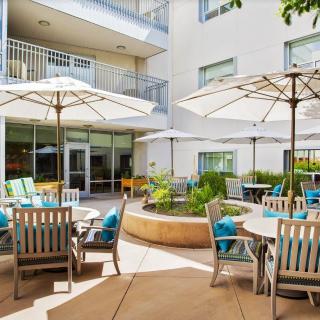
The community offers practical on-site amenities and ongoing activities.
Multiple reviews point to an amenity lineup that helps fill the day without leaving the community. Residents and visitors mention an on-site fitness area, hair or beauty services, and laundry facilities. Others also describe daily activities and outdoor/common areas, including a computer with internet for residents’ use.
caveat2 reviews mention this
Communication and personal care gaps
Some families report delays in communication and lapses in personal care.
A couple of reviews describe concerns about follow-through that affected everyday personal care. One reviewer cites difficulty getting a callback and reports that their mother went more than a week without bathing. Another describes a similar experience while visiting a loved one, including notes about hygiene and cleanliness, followed by a different outcome later.
caveat2 reviews mention this
Safety and responsiveness concerns
Some reviews raise safety and call-response concerns.
Two reviews mention issues that affected residents’ sense of safety and staff responsiveness. One person says call buttons were ignored and help was not provided when needed. Another reports theft and also mentions bed bugs and that the building is not secure, framing it as an ongoing problem.
How we summarize
Counts show how many written reviews mention each theme; a review can touch several themes, and only frequently mentioned themes are displayed.
Features
Types of Care
Day Program
Independent Living
Transportation
Phoenix Sky Harbor International (7 miles away)
Nearby Places of Interest
This area of Tempe, Arizona offers a variety of amenities and services that may be appealing to seniors looking for a convenient and vibrant community. With several pharmacies, restaurants, cafes, and healthcare facilities within a few miles radius, residents can easily access essential resources. Additionally, there are local parks for outdoor recreation and relaxation. The nearby theaters provide opportunities for entertainment and cultural experiences. Transportation options are available for ease of mobility. Places of worship cater to diverse spiritual needs. Overall, this part of Tempe provides a well-rounded environment suitable for senior living.
When considering the costs associated with Shared Living for the Elderly in Maricopa County, Arizona, it's essential to highlight the financial landscape that distinguishes this arrangement from traditional housing options. The price for a shared living setup varies with room type: for instance, a one-bedroom unit averages at $625 per month, significantly lower than private and studio accommodations which can reach up to $6,587. In comparison to other living arrangements within the region, semi-private rooms offer a more budget-friendly solution at approximately $5,067. Meanwhile, monthly costs for private units hover around $6,080. Overall, while shared living presents an economical alternative relative to standalone apartments or studios in both the county and state levels - where prices can soar above $3,000 - the appeal lies not just in affordability but also in fostering companionship among residents. This option delivers community support alongside financial relief, making it an attractive choice for elderly individuals seeking a balance of care and independence.
Elder abuse affects many older adults worldwide and includes physical, emotional, neglectful, and financial harm, with about one in six individuals over 60 experiencing abuse annually. Prevention and intervention strategies focus on awareness, support for caregivers, and mandatory reporting, while recovery necessitates comprehensive support for both physical and emotional needs.
The guide details ten essential responsibilities of senior caregivers, including personal care, mobility assistance, medication management, and emotional support, while emphasizing the importance of safety, nutrition, and maintaining a safe living environment to enhance seniors' quality of life and independence.
The article highlights nine memory-boosting activities for seniors that enhance cognitive health and social interaction, including puzzles, trivia quizzes, and storytelling, while emphasizing the importance of adapting these activities to individual preferences to maximize enjoyment and engagement. Consistent mental engagement is linked to improved cognitive function and emotional well-being in older adults.
Get PricingAsk A QuestionSchedule A TourContact Senior Advisor
By clicking submit, you agree to our Partner's Terms of Use. You
also consent to receive calls and texts, which may be autodialed, from our Partner. Your consent is not a condition to
using our Partner's service. Please visit our Partner's Privacy Policy for information about their privacy practices.



 Day Program
 Independent Living
 Phoenix Sky Harbor International (7 miles away)
 Reliable, compassionate caregivers with responsive office staff.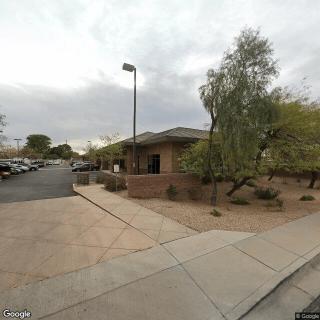

 Powerful Realities of Elder Abuse and the Most Effective Ways to Report It
 Ten Vital Duties of a Senior Caregiver: A Comprehensive Guide
 9 Stimulating Memory Activities for Seniors: Puzzles, Cards, and Much More