
2604 South Siesta Drive, Tempe, AZ 85282
For more information about senior living options: (866) 208-4318
Overall Review of Eldercare At Siesta
Pros
 His wife was very pleased with the care.
- She loved Rosemary and how she could just walk in the front door to see her husband.
- Rosemary and her staff worked with him and he was happy there.
- It is a well-run, clean house.
- My neighbor said she would recommend Elegant Care to anyone needing care for their loved one.
- They washed and organized all of my grandmother's clothing and arranged all of her personal items upon arrival and made sure she was comfortable 100% of the time.
- The ladies here are genuinely beyond amazing.
- Elegant Care has been a blessing to our family.
- Sharon and Rosemary care for her in a professional and loving way.
Cons
 No negative statements were found in the provided reviews.
Review
Eldercare At Siesta in Tempe is best suited for families seeking a small, home-like environment where memory care and assisted living are delivered with intimate, hands-on attention. The reviews consistently highlight a setting in which Rosemary and Sharon, along with a dedicated caregiving team, treat residents like family, offering daily oversight and a sense of secure continuity. This is a place where 24-hour staffing translates into near-immediate help, where meals are balanced and comforting, and where care plans are woven into daily routines with a personal touch. For seniors with dementia or those emerging from more intensive memory care, plus stroke survivors who require steady daily support while maintaining dignity, the model is particularly well aligned with needs that prize warmth, familiarity, and reliability over clinical formality.
Those who should consider alternatives are families seeking a more expansive campus, broader programming, or on-site medical services with a larger clinical staff. While the reviews confirm 24/7 presence, the setting remains intimate, and that can feel insufficient for individuals demanding a higher level of on-site medical complexity or a robust slate of structured activities and therapies. For seniors requiring frequent, hospital-level nursing interventions, or for families who prioritize a long menu of campus-wide enrichment options, a larger facility with a fuller medical program may cultivate fewer compromises. In short, this community excels in personalized care and dignity-preserving routines, but it may not be the match for programs that demand breadth of clinical resources.
The strongest pros flow from the caregiving ethos and the home-like atmosphere. Residents enjoy the sense of being known and valued, with staff who monitor medications daily and ensure meals are nutritious and thoughtfully prepared. The attention to personal detail, arranging clothing and personal items upon arrival, ensuring comfortable furnishings, and even coordinating jewelry or outfits, speaks to a respect for individuality that directly reduces distress and preserves a sense of self. The shared meals and a family-style setting reinforce social inclusion, while the steady, positive mood noted by families counteracts loneliness and helps residents maintain a sense of normalcy. In effect, the care model converts routine needs into meaningful daily rituals that feel safe and predictable.
Another clear strength is the combination of safety, cleanliness, and genuine companionship. Descriptions of staff treating residents “as their own family” translate into reliable supervision, careful monitoring of daily needs, and visible attention to comfort and emotional well-being. The facility’s environment is described as well-run and clean, with a focus on ensuring clothing, bedding, and personal items remain in order. For families balancing caregiving responsibilities with quality-of-life goals for their loved ones, this translates into reduced caregiver burden and greater confidence that daily life is manageable, dignified, and focused on small but impactful moments of joy.
That said, the few limitations implied by the reviews are not front-and-center but worth weighing. The intimate, home-based model naturally carries a smaller footprint than larger campuses, which can mean fewer on-site amenities, a narrower activity calendar, and less emphasis on high-intensity medical programming. For residents whose needs extend beyond what a small team can safely manage day-to-day, or whose families want a consistent, large-scale calendar of events and therapies, alternatives with broader clinical resources may be more appropriate. However, the reviews repeatedly emphasize that medical needs are monitored and that caregivers act with clinical seriousness within their capacity, which mitigates some concern for families prioritizing ongoing oversight.
Ultimately, this community shines for families who want to preserve dignity, nurture familiarity, and ensure steady daily care in a warm, family-like setting. It is a particularly strong choice for memory care journeys, end-of-life transitions, and stroke recovery paths where the emphasis is on consistent, compassionate presence rather than institutional size. Pros offset the modest footprint by delivering exceptional personal attention, meticulous daily routines, and a proven ability to make residents feel valued and safe. When choosing alternatives, prospective residents should directly compare staff ratios, the depth of medical on-site resources, and the breadth of programming to determine if a larger campus might better align with higher clinical needs or more expansive activity options. For the right family, the warmth, reliability, and dignity-centered care here can offer a rare kind of peace of mind.
 5 resident community capacity
 Assisted Living
 Board and Care Home
 Respite Care
 Cable or satellite TV
 Dining room
 Fully furnished
 Garden
 Housekeeping services
 Move-in coordination
 Outdoor space
 Telephone
 Wi-Fi/high-speed internet available
 Phoenix Sky Harbor International (7 miles away)
 24-hour supervision
 Activities of daily living assistance
 Assistance with bathing
 Assistance with dressing
 Assistance with transfers
 Diabetes diet
 Meal preparation and service
 Medication management
 Special dietary restrictions
 Transportation arrangement (medical)
 Transportation to doctors appointments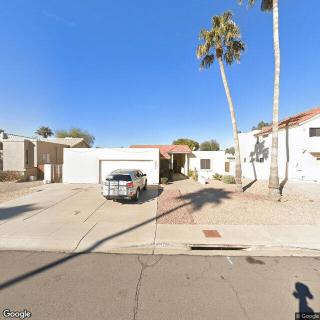





 Comprehensive Insights into Activities of Daily Living (ADLs) and Their Assessment
 Medicare Coverage for Assisted Living: An In-Depth Exploration
 Choosing the Right Senior Care: A Detailed Exploration of Assisted Living and Nursing Homes