1915 North 34 Th Street, Superior, WI 54880
For more information about senior living options: (866) 208-4318
Overall Review of New Perspective Superior
Pros
 The staff here are terrific.
- New Perspectives has been the perfect place for her.
- The staff takes incredible care of her.
- Everyone who works at the facility is warm and welcoming.
- New Perspectives has gone above and beyond to take the best care of her.
- The transition to independent living was smooth, reassuring, and truly uplifting.
- The environment is warm, welcoming, and thoughtfully designed to support both independence and community.
- The leadership here is compassionate and committed.
- The caregivers are amazing.
- A special shoutout to Alex, who is an absolute gem.
- The residents genuinely seem happy and engaged.
- The entire facility is clean, bright, and filled with positive energy.
Cons
 The facility does not have enough caregivers.
- They were lied to about the staff-to-resident ratios prior to admission.
- The food is not appropriate for memory care patients.
- Its billing practices are horrible, including charging more for base rent than for care.
- The facility attempted to bill a family for another month while grieving.
- Staffing levels are consistently insufficient and staff are often short-handed.
- The activities do not promote a healthy body and mind, and the activities person yells at residents.
Review
New Perspectives Superior in Superior, WI is best suited for families that prize a warm, relationship-driven care setting with solid memory-care support and a community atmosphere. The staff and leadership are repeatedly described as genuinely kind, patient, and attentive, turning daily care into a personal, reassuring experience. The environment is noted for being clean, bright, and thoughtfully designed to balance independence with meaningful social connection. For families transitioning a loved one from rehab or moving into independent living, this campus offers visible warmth, clear communication, and a culture that feels less transactional and more like a trusted community.
Those weighing alternatives should consider options that promise tighter pricing transparency and steadier staffing patterns. Several reviewers flag concerns about staffing levels and response times, suggesting that caregiver-to-resident ratios may not be consistently reliable. Billing practices have sparked anxiety for families, including disputes over charges and questions about base rent versus care services. If predictable costs, rigorous financial clarity, and guaranteed, prompt assistance are top priorities, a closer comparison with facilities that publish explicit staffing schedules and billing terms may be warranted. In short, families needing unwavering fiscal clarity and rock-solid day-to-day responsiveness may want to look at competing communities.
The core strength lies in the caregiving culture. The pros, amazing caregivers who genuinely love their residents, a memory-care milieu that feels nurturing, and leadership described as compassionate and devoted, often translate into residents who appear engaged, safe, and valued. The facility’s design supports both independence and social activity, with comfortable dining spaces and common areas that reinforce a sense of community. These advantages can offset some operational frictions by maintaining high-quality interactions, consistent warmth, and a dignified daily routine. Yet the main cons create real friction: reports of insufficient staffing, longer-than-desired wait times for assistance, and pockets of administration that fail to translate intent into reliable execution. For families, the question becomes whether the emotional and relational strengths can sustain confidence when operational hiccups arise.
Memory care stands out in several reviews: a sister in the Memory Care Unit reportedly received attentive, patient care, with staff who respond quickly and treat residents with respect. The narrative around Alex and other team members reinforces the view that there is a dedicated group willing to go the extra mile. The atmosphere, labels of care, frequent positive interactions, and careful supervision, appeals to families seeking a compassionate setting for memory-impacted loved ones. However, some critiques touch on food quality and consistency in specialized meals, which matters when memory-impaired residents require predictable nutrition and comfort. The gap between highly praised individual caregivers and the perception of broader program limitations means memory-care success here hinges on receiving individualized attention from a committed team and ongoing, proactive communication from leadership.
Leadership and staff engagement emerge as a mix of strength and risk. The most consistent praise centers on the approachable, caring leaders and the cohort of standout staff who create trust through personal connections. Yet several reviews point to management that could be more proactive, more consistently engaged, and more transparent in operations. There are explicit calls for higher staffing discipline, clearer performance expectations, and stronger frontline oversight. In practice, this means a prospective resident should verify who will be on duty during peak hours, request a tour of activity calendars, and ask for concrete examples of how staff coordination translates into timely care. The facility could be excellent, but attaining that standard requires close scrutiny of how leadership translates ideals into measurable daily practice.
For decision-making purposes, New Perspectives Superior represents a strong option for families prioritizing warmth, engagement, and a positively oriented living environment, with clear benefits for memory-care support and independent-living transitions. It is not a universal fit, however. If consistent staffing, predictable billing, and uniformly proactive management are non-negotiable, alternatives may be a better match. Prospective residents should conduct a thorough tour with a specific checklist: demand to see current staff schedules and response times, request sample menus and a dietary plan for memory care, review the exact billing terms and any post-transition charges, and meet with the administrator to discuss how care is allocated during busy shifts. When these elements align with family expectations, New Perspectives Superior can deliver the reliable, heart-centered living experience that many families are seeking.
 44 resident community capacity
 Assisted Living
 Memory Care
 Beauty salon
 Cable or satellite TV
 Dining room
 Fully furnished
 Garden
 Housekeeping services
 Kitchenette
 Move-in coordination
 Outdoor space
 Restaurant-style dining
 Small library
 Telephone
 Wi-Fi/high-speed internet available
 Duluth International (11 miles away)
 24-hour call system
 Activities of daily living assistance
 Assistance with bathing
 Assistance with dressing
 Assistance with transfers
 Diabetes diet
 Medication management
 Mental wellness program
 Special dietary restrictions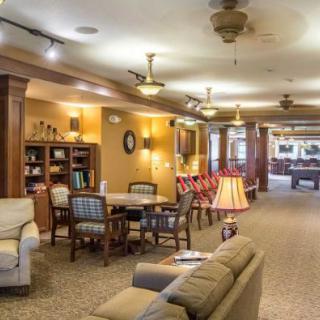


 When to Transition from Assisted Living to Memory Care: Key Indicators, Steps, and Finding the Right Community
 Understanding the Distinctions: Assisted Living and Memory Care Explained
 How to Communicate with a Loved One Living with Dementia: 10 Supportive Strategies