Residents and caregivers describe responsive supervision and professional check-ins.
Many reviews mention supervision that is quick to respond and supportive when questions come up, including managers and field supervisors who communicate clearly. Several also describe site visits, coaching, or coordinators who help keep things moving. A few reviewers add praise for office staff/customer service and knowledgeable care through specific caregivers.
caveat3 reviews mention this
Communication gaps show up in hiring
Some reviewers report missed follow-up after orientation or applications.
A small set of reviews describe frustration after completing orientation or paperwork, saying they did not receive promised next steps or return calls. One reviewer also describes being moved to a different location than expected and feeling they were left without clients despite orientation. Another review calls out unprofessional handling when they tried to get information by phone.
common12 reviews mention this
Detailed coordination of services
Care plans are described as organized and carefully explained.
Several reviews highlight thorough explanations and organized starter materials, including meetings focused on communication and next steps. Others specifically praise coordinators and supervisors for helping with what to expect and keeping procedures clear. Even when a reviewer was unhappy with onboarding timing, they still describe the process details being set up before support arrived.
How we summarize
Counts show how many written reviews mention each theme; a review can touch several themes, and only frequently mentioned themes are displayed.
Features
Housing
4 resident community capacity
Types of Care
Assisted Living
Board and Care Home
Memory Care
Amenities
Cable or satellite TV
Dining room
Fully furnished
Garden
Housekeeping services
Move-in coordination
Outdoor space
Telephone
Wi-Fi/high-speed internet available
Care Services
24-hour supervision
Activities of daily living assistance
Assistance with bathing
Assistance with dressing
Assistance with transfers
Coordination with health care providers
Dementia waiver
Diabetes diet
Hospice waiver
Meal preparation and service
Medication management
Mental wellness program
Mild cognitive impairment
Special dietary restrictions
Specialized memory care programming
Transportation arrangement (medical)
Transportation to doctors appointments
Dining
Diabetes diet
Special dietary restrictions
Activities
Community-sponsored activities
Scheduled daily activities
Nearby Places of Interest
Pharmacies
Hospira Worldwide (2.7 miles)
Jewel-Osco Pharmacy (3.4 miles)
Walgreens (3.5 miles)
Good Value Pharmacy (3.8 miles)
Good Value Pharmacy (3.9 miles)
Walgreens (3.9 miles)
CVS Pharmacy (4 miles)
Restaurants
The Tropics (2.8 miles)
Starlite Club (3 miles)
Burger King (4 miles)
Culver's (4.1 miles)
McDonald's (4.1 miles)
Taco Bell (4.2 miles)
Popeyes Louisiana Kitchen (4.4 miles)
Hospitals
Ocenco (2.9 miles)
Cancer Treatment Centers of America - Gastroenterology (3.9 miles)
Serenity Home Healthcare II offers a comprehensive range of features designed to support residents with dementia or Alzheimer's disease, ensuring their safety and overall well-being. Assistance with dressing and bathing helps maintain personal hygiene and dignity, while meal preparation ensures that residents receive nutritious meals tailored to their dietary needs. Medication management addresses the complexities of medication regimens, reducing the risk of missed doses or adverse interactions, further enhancing health outcomes. Transportation arrangements for medical appointments facilitate timely access to necessary healthcare services, and coordination with healthcare providers fosters an integrated approach to care. Activities of daily living assistance aids in preserving independence, while 24-hour supervision provides constant monitoring to ensure safety. The dementia waiver allows personalized care approaches tailored to individual needs, complemented by a mental wellness program that promotes psychological health. Specialized memory care programming addresses the unique cognitive challenges faced by residents at various stages of dementia and mild cognitive impairment, offering engaging activities that stimulate both mental function and social interaction. Together, these features create a nurturing environment focused on improving quality of life for those coping with memory-related conditions.
The transition from assisted living to skilled nursing care is often prompted by complex medical needs that assisted living cannot meet, with key indicators including frequent health declines, increased falls, severe memory issues, and caregiver burnout. Families should recognize these signs early to discuss options with healthcare providers and prepare for the emotional and logistical aspects of moving to a facility that offers comprehensive medical support.
Dementia is characterized by cognitive decline, with nutrition playing a vital role in brain health; while no specific diet can prevent or reverse it, a nutrient-dense diet rich in antioxidants and healthy fats may support cognitive function. The MIND diet, which emphasizes beneficial foods and limits processed items, along with proper hydration and individualized meal strategies, can enhance the well-being of dementia patients.
Dementia affects memory and cognitive function in older adults, presenting challenges for caregivers due to behavioral changes such as confusion and mood swings. Compassionate, person-centered care that considers individual history and preferences, along with effective communication and environmental modifications, is essential for supporting both patients and their caregivers.
Get PricingAsk A QuestionSchedule A TourContact Senior Advisor
By clicking submit, you agree to our Partner's Terms of Use. You
also consent to receive calls and texts, which may be autodialed, from our Partner. Your consent is not a condition to
using our Partner's service. Please visit our Partner's Privacy Policy for information about their privacy practices.


 4 resident community capacity
 Assisted Living
 Board and Care Home
 Memory Care
 Cable or satellite TV
 Dining room
 Fully furnished
 Garden
 Housekeeping services
 Move-in coordination
 Outdoor space
 Telephone
 Wi-Fi/high-speed internet available
 24-hour supervision
 Activities of daily living assistance
 Assistance with bathing
 Assistance with dressing
 Assistance with transfers
 Diabetes diet
 Hospice waiver
 Meal preparation and service
 Medication management
 Mental wellness program
 Special dietary restrictions
 Transportation arrangement (medical)
 Transportation to doctors appointments
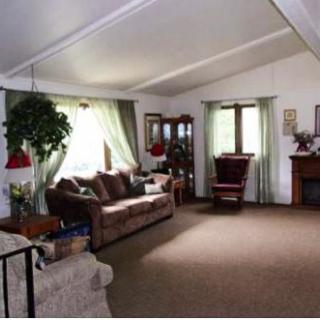
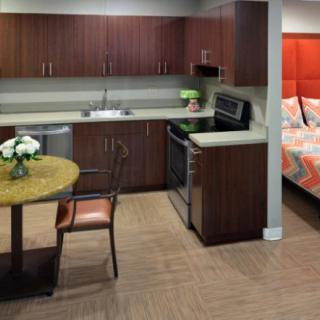
 Comprehensive 24/7 supervision, ADL support, healthcare coordination, and fully furnished apartments.


 8 Key Indicators That Suggest It May Be Time to Transition from Assisted Living to Skilled Nursing Care
 Nourishing the Mind: Essential Dietary Approaches for Dementia
 Understanding Dementia Behaviors: Practical Insights and Strategies for Caregivers