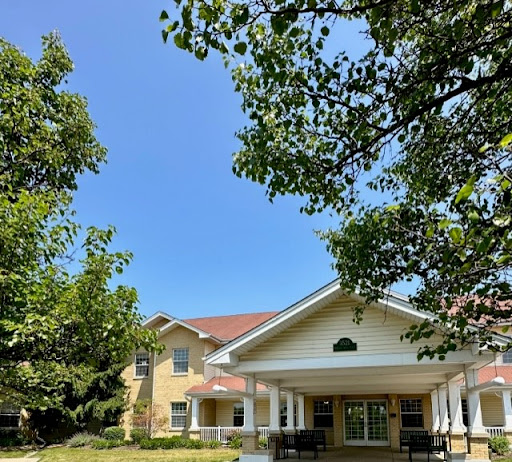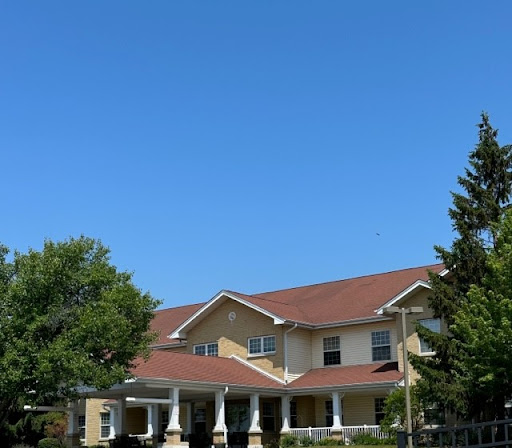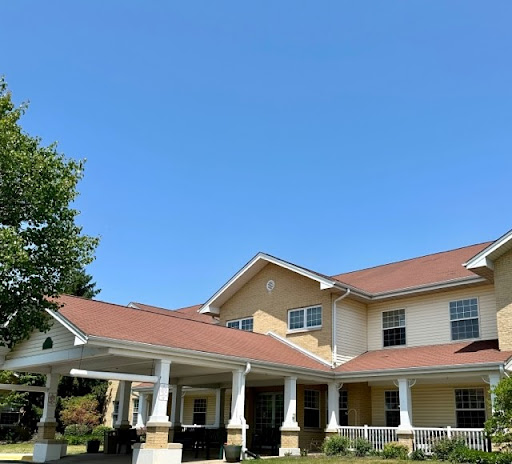
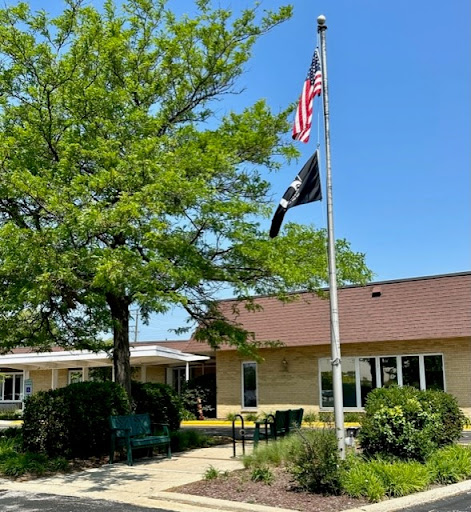
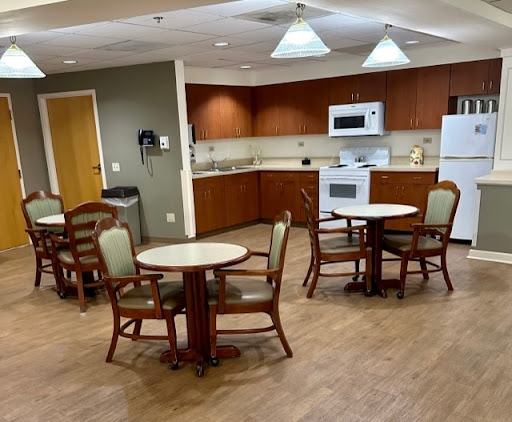
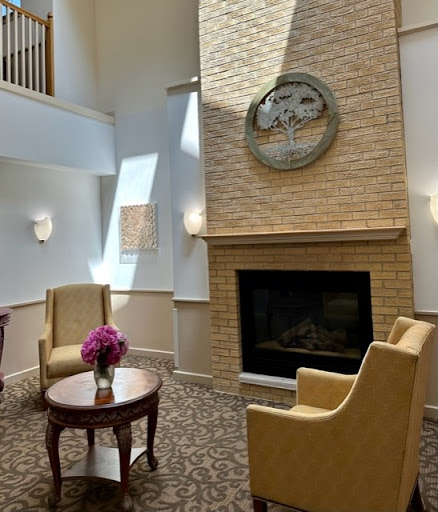




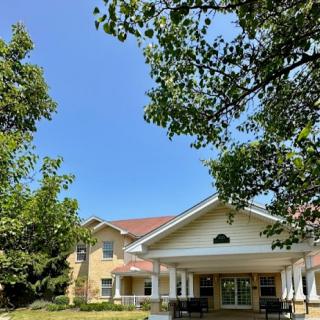
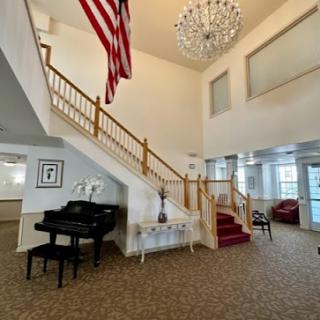
3615 16Th Street, Zion, IL 60099
For more information about senior living options: (866) 208-4318
Overall Review of Rolling Hills Manor
Pros
 The staff-to-resident ratio looked adequate.
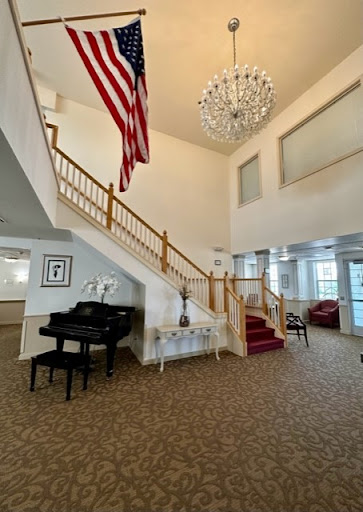
- The facility smelled good and looked clean.
- The staff were excellent.
- There were group activities during visits.
- The facility is conveniently located for families.
- They call family members with concerns.
Cons
 There was no rehabilitation provided for the patient.
- The staff spoke to family as if they were inconveniences.
- Many staff have difficulty communicating in English.
- He contracted pneumonia and developed bed sores from lying in the same position for days.
- The facility lost his dentures and could not find them.
- Rolling Hills Manor is short-staffed and has an odor.
- Items and possessions frequently disappear; relatives must constantly monitor.
- Dementia patients are housed with non-dementia patients, causing problems.
- The care deteriorated on the second rehab stay, with long waits and poorly trained staff.
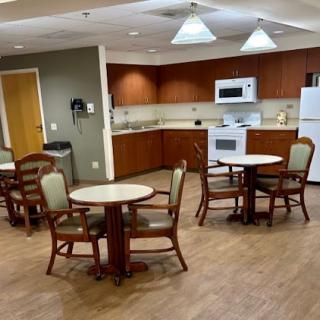
- Beds were not changed for nine days; the dining room had patients asleep in their food and the food was terrible.
Review
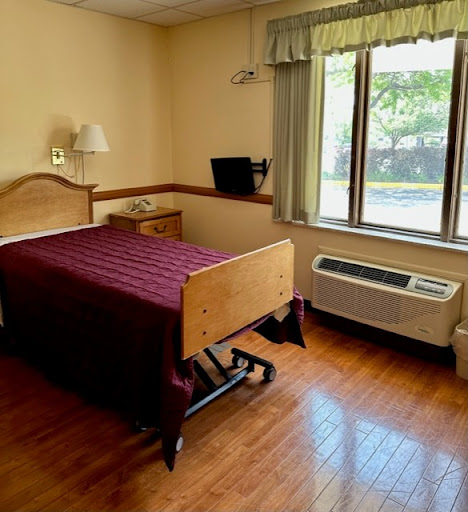
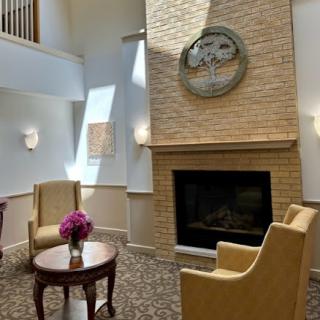
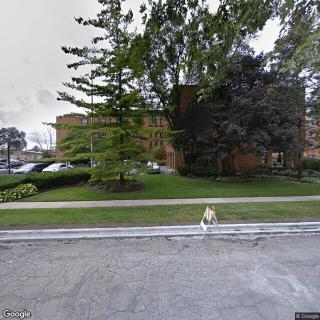
Rolling Hills Manor in Zion, IL is best suited for families that want a single campus with a continuum of care within reach and can tolerate a wide variance in day-to-day service. The facility can feel clean and appear well-maintained on at least some visits, and there are staff members who demonstrate genuine care. It suits households that place priority on proximity to Rolling Hills Place and appreciate a setting where independent living, memory care, and skilled nursing share the same address. The caveat is that staffing reliability and responsiveness swing markedly; this is not a place to trust for steady, always-on attentiveness for a loved one who needs constant supervision or highly consistent rehab support.
Those who should consider alternatives are clear: families counting on stable rehabilitation, predictable daily care, and rigorous safety practices should look elsewhere. The reviews describe an underperforming rehab track record, “no rehab” when expected, and in one case a patient returning to the hospital with pneumonia tied to mobility and positioning issues. Dentures were misplaced and never recovered, underscoring a troubling pattern of basic mismanagement. Short-staffing, language barriers among some workers, odor in the facility, and possessions going missing compound the risk, making this a less reliable choice for anyone with moderate to high care needs or tight safety requirements.
The strongest pros, occasional caring staff, a patient-to-staff ratio that can look adequate at times, and a multi-service campus, do not fully offset the stubborn drawbacks. On some visits, staff demonstrated warmth and attentiveness, and the building’s appearance and cleanliness contributed to a favorable first impression. Yet those positives crumble under repeated reminders of delayed assistance, rough transitions for new residents, inconsistent training between day and night shifts, and a dining environment where residents sometimes appear unattended or underfed. The anxiety of mixing dementia patients with non-dementia residents on the same floor, along with the risk of alarms and interruptions from unrelated behaviors, further undermines the overall reliability of care.
Families evaluating care should push for concrete assurances before moving a loved one here. Prospective residents ought to verify that a robust rehab program is truly available on-site with scheduled therapy, timely bed mobility support, and clear targets for progress. In parallel, demand a candid discussion about staff training standards, language accessibility, and the facility’s current turnover rate on different shifts. Tour during active hours and observe response times at meals and in the room, note whether aides assist promptly with basic needs or require repeated prompting. Inspect bathrooms for privacy and cleanliness, and inquire about how possessions and personal items are tracked to minimize losses.
The environment itself warrants careful scrutiny. Persistent odor, occasional misplacement of belongings, and the challenge of housing mixed medical profiles on one floor all signal ongoing operational strain. Four residents sharing a single bathroom is another red flag for safety and dignity, particularly for residents with mobility or incontinence needs. Dining quality and engagement also matter: a facility that allows residents to drift into meals unattended or to eat in distressing conditions points to a broader pattern of understaffing and inconsistent supervision. These factors tend to magnify risk for infection, skin integrity, and overall well-being.
Ultimately, the decision hinges on risk tolerance and the ability to supervise care closely. For families who can maintain close oversight, live near the campus, and value the convenience of a single-site continuum, Rolling Hills Manor may still be workable, provided it is paired with strict, proactive monitoring and clear service commitments. For those prioritizing reliable rehabilitation, rigorous infection control, predictable daily care, and a safe, distraction-free environment for memory and behavioral management, alternatives are strongly advised. The best course is a thorough, shift-accurate tour paired with written assurances on rehab availability, staff training conformance, and a concrete plan for keeping dentures, possessions, and patient dignity intact.
 115 resident community capacity
 Skilled Nursing Facility
 Air-conditioning
 Beauty salon
 Cable or satellite TV
 Computer center
 Dining room
 Fitness room
 Fully furnished
 Gaming room
 Garden
 Housekeeping services
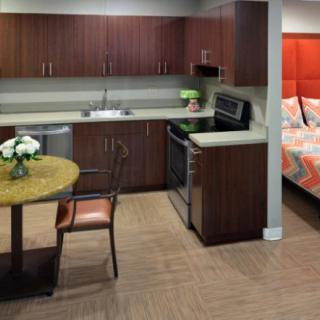
 Kitchenette
 Move-in coordination
 Outdoor space
 Private bathrooms
 Restaurant-style dining
 Small library
 Telephone
 Wellness center
 Wi-Fi/high-speed internet available
 Community operated transportation
 12-16 hour nursing
 24-hour call system
 Activities of daily living assistance
 Assistance with bathing
 Assistance with dressing
 Assistance with transfers
 Diabetes diet
 Medication management
 Mental wellness program
 Special dietary restrictions
 Concierge services
 Planned day trips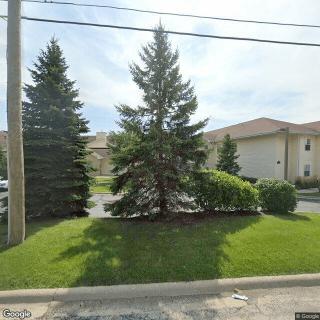



 Fecal Incontinence in Older Adults: A Comprehensive Guide
 Recognizing the Journey: Understanding and Navigating Anticipatory Grief
 Encouraging Participation in Adult Day Care: A Guide to Supporting a Hesitant Parent