
4297 123 Road Street, Pleasant Prairie, WI 53158
For more information about senior living options: (866) 208-4318
Overall Review of An Innovative Care
Pros
 The staff are always helpful and go above and beyond.
- Families are pleased with the care provided at the CBRF location.
- They would definitely recommend this home to anyone seeking a safe and peaceful place for a loved one.
- They allow employees to bring kids to work and support staff in caring for residents.
- The mother is well taken care of.
- The manager is highly regarded for ensuring residents' care and needs are met.
- All caregivers give 100% and ensure residents are well taken care of with timely daily duties.
- Samantha, the manager, is an amazing person and worker.
Cons
 They wouldn't put their dog there.
- One of the facility's managers was arrested, and the facility was closed and lost all residents.
- The reviewer and many neighbors are fed up with the facility.
- Three different police forces were present at the facility multiple times in one day.
- Employees were constantly speeding down the road.
- There was no on-street parking in front of the facility.
- They would not recommend the facility to anyone.
- It seems to be just as bad on the inside.
Review
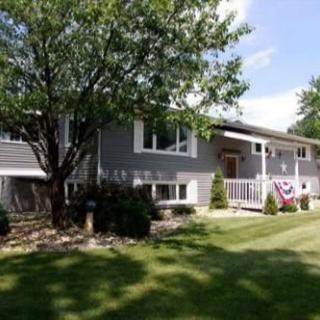
An Innovative Care in Pleasant Prairie, WI is best suited for families seeking a warm, home-like CBRF where care feels personal and staffing is visibly engaged. The community leans toward seniors who thrive with intimate, neighborly contact and a peaceful daily rhythm, reinforced by a backyard that many residents and families praise as a standout feature. The care team is described as consistently responsive, with the manager Samantha singled out as exceptionally caring and hands-on. Yet this favorable picture sits beside a history of police presence on the property and questions about management stability, which adds a layer of risk that can color every visit and choice.
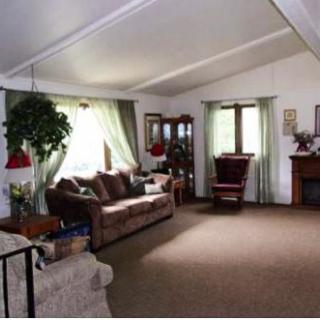
On the strength side, care quality stands out. Residents benefit from caregivers who perform daily tasks promptly and with genuine attention, and families frequently note that staff go above and beyond to honor individual needs. Cleanliness and a calm, serene atmosphere contribute to a sense of safety and belonging that matters deeply for elders. This combination of a small-home feel and high staff engagement often translates to reliable routines, fewer missed steps, and a comfort level that is hard to achieve in larger, more impersonal facilities. In practical terms, the top-tier care ethic can compensate for fewer amenities or institutional polish.
However, several serious caveats arise from past and persistent concerns. Multiple reviews reference police activity on site, and one account describes an arrest involving a former manager, with mention of a period of closure and resident loss. Neighbors report traffic, parking changes, and tensions with the facility that suggest ongoing friction with the surrounding community. The impression left by these incidents matters, especially for families weighing risk against reward: stability and calm inside the home may coexist with public-staging concerns and leadership volatility outside it.
Those strengths can offset detriments to a meaningful degree when the day-to-day experience remains consistently strong. A devoted staff that remembers each residentā€™s routine and preferences translates into dependable care and a sense of safety that is hard to replicate in facilities without strong relational ties. A stable, compassionate manager can anchor the operation and provide transparent updates about changes in leadership or staffing. The serene environment and the focus on individualized attention offer real, measurable benefits for mood, agitation, and engagement, factors that often drive satisfaction more than shiny common areas. Yet the degree of offset depends on ongoing transparency about leadership, staffing stability, and how past incidents have been addressed.
For families with strict safety or governance preferences, alternatives deserve serious consideration. Facilities with steadier ownership, fewer public incidents, and clearer, documented incident-resolution processes may align more closely with expectations for predictable governance. Those caring for residents with higher medical complexity or who require robust oversight and backup during staff turnover may also lean toward options where external oversight and licensing history are easier to verify and communicate, and where neighborhood relations are more consistently managed.
The path forward hinges on disciplined due diligence. Prospective families should schedule daytime tours to observe interactions and talk directly with frontline caregivers. It is essential to obtain a candid update on current ownership, staffing stability, and any past incidents, alongside the steps taken to address them. Verify licensing status with the state and compare pricing and care plans against nearby options with similar levels of care. If the visit highlights genuine warmth, clear communication, and a concrete plan to maintain staffing levels, An Innovative Care becomes a compelling fit. If not, pursuing alternatives now will save both confusion and risk later on.
 4 resident community capacity
 Assisted Living
 Board and Care Home
 Memory Care
 Cable or satellite TV
 Dining room
 Fully furnished
 Garden
 Housekeeping services
 Move-in coordination
 Outdoor space
 Telephone
 Wi-Fi/high-speed internet available
 24-hour supervision
 Activities of daily living assistance
 Assistance with bathing
 Assistance with dressing
 Assistance with transfers
 Diabetes diet
 Hospice waiver
 Meal preparation and service
 Medication management
 Mental wellness program
 Special dietary restrictions
 Transportation arrangement (medical)
 Transportation to doctors appointments



 Assisted Living and Memory Care: Understanding Their Core Differences
 Choosing the Right Senior Care: A Detailed Exploration of Assisted Living and Nursing Homes
 Safeguarding Your Memory Through the Golden Years: Eight Ways to Preserve Cognitive Health