
10628 22nd Avenue, Pleasant Prairie, WI 53158
For more information about senior living options: (866) 208-4318
Overall Review of CBRF House
Pros
 The staff are consistently helpful and go above and beyond.
- The care provided pleases families and is recommended as safe and peaceful.
- The facility supports staff involvement by allowing employees to bring their kids to work.
- Residents are well cared for and the staff are dedicated to their needs.
- The manager is regarded as the best and ensures residents' needs are met with kindness.
- The home is described as beautiful, peaceful, and five-star with no complaints.
Cons
 They wouldn’t put their dog there.
- The facility was closed and lost all residents after a manager was arrested.
- The neighbors are fed up with the facility.
- There were multiple police visits to the facility by different forces.
- The employees were constantly speeding down the road.
- There is no on-street parking in front of the facility.
Review
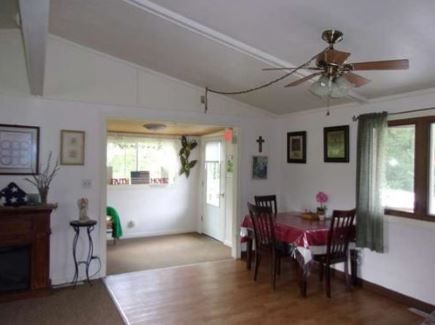
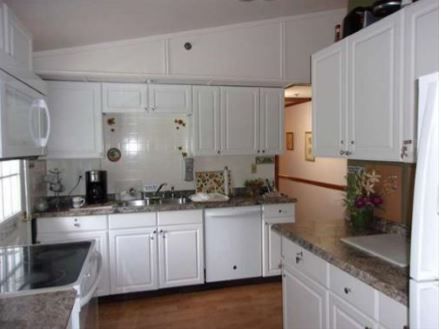
CBRF House in Pleasant Prairie is best suited for families seeking a small, home-like setting where daily caregiving happens with warmth and personal attention. This community reads as a residential, calm environment, not a clinical facility, and the standout appeal is a serene, nature-forward backdrop, a sizable backyard and a quiet interior that supports regular routines and familiar faces. For residents who prize consistent, individualized care delivered by a close-knit staff, the setting can feel like a comfortable extension of home, with caregivers who appear to know personalities, preferences, and daily needs well.
That said, certain families will want to explore alternatives. The most important caveat is the history signaled in several reviews: issues surrounding leadership stability and neighborhood disruption have surfaced in past years. One review recalls police activity tied to the property, another notes a manager’s arrest and a period when the facility reportedly closed and residents left, and neighbors describe ongoing traffic and parking tensions. These signals are not minor footnotes to consider; they suggest potential operational volatility and reputational risk that can matter greatly when choosing a place for a vulnerable loved one. For families that cannot tolerate questions about safety, governance, or the facility’s ability to consistently manage day-to-day operations, looking at other options with steadier leadership and fewer public concerns is wise.
The most compelling positives are practical and deeply human: the staff are described as helpful and attentive, with caregivers who consistently go above and beyond to meet residents’ care needs. The manager, Samantha, is repeatedly highlighted as a core strength, an approachable, caring presence who keeps resident care front and center. Multiple accounts emphasize that residents are well cared for, with care delivered promptly and with an eye to individual routines. Where a small staff-to-resident ratio translates into a more personal feel, this is exactly the kind of environment that can compensate for a facility’s rougher past in the eyes of families who prioritize daily quality of life over pristine reputational signals.
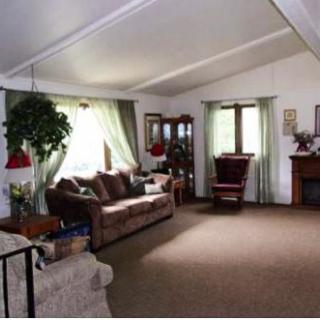
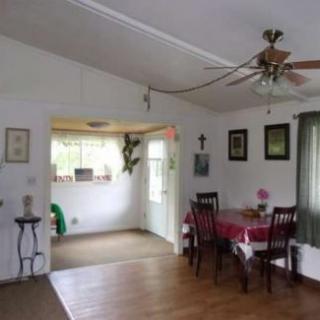
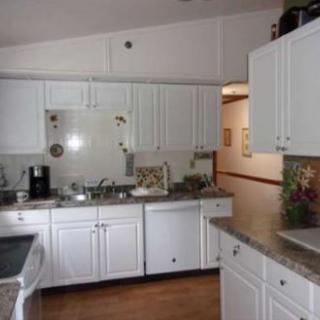
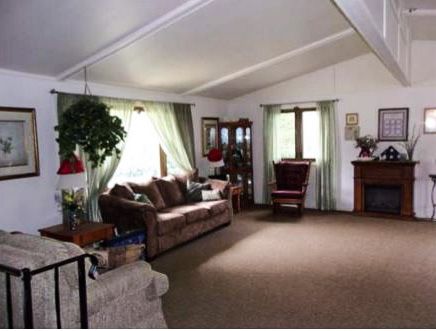
In addition to the staff dynamic, the environment itself plays a meaningful role in daily well-being. Reviewers consistently praise the home’s cleanliness and the sense of community among residents, with several noting a peaceful, friendly atmosphere. The home’s aesthetic and outdoor space, described as beautiful and tranquil, contributes to a lower-stress daily experience for residents who value a gentle pace and opportunities to enjoy nature. In practical terms, these elements meaningfully offset some concerns about past instability by delivering a routine and atmosphere that supports comfort, dignity, and a sense of belonging.
From a decision-making standpoint, the combination of strong interpersonal care and an appealing physical setting must be weighed against the historically unsettled governance signals. Families should conduct thorough due diligence before committing: confirm current ownership and management stability, request recent inspection and licensing records, and speak directly with front-line staff and several residents to gauge whether the current culture aligns with what the home promises today. Evaluate parking proximity, traffic patterns, and overall accessibility for the specific loved one, since neighborhood logistics were a recurring friction point in some reviews. The right choice will balance appreciation for the compassionate caregiving and home-like feel with confidence that leadership and daily operations are reliably aligned with long-term safety and consistency.
Bottom line: this community is a strong fit for families prioritizing a warm, personable caregiving environment and a serene, homey atmosphere, where staff demonstrated genuine care and managers like Samantha are perceived as deeply involved in daily resident well-being. It is less suitable for families who require an unassailable, uninterrupted operational record and a track record free of public concerns about leadership or neighborhood disruption. For those who can tolerate, or actively monitor, the historical red flags while valuing near-term daily quality of life, CBRF House offers a credible, compassionate option. If steadier governance and a spotless track record are non-negotiables, however, exploring other facilities with clearer recent performance may yield greater long-term reassurance.
 22 resident community capacity
 Assisted Living
 Board and Care Home
 Memory Care
 Respite Care
 Beauty salon
 Cable or satellite TV
 Dining room
 Fully furnished
 Garden
 Housekeeping services
 Kitchenette
 Move-in coordination
 Outdoor space
 Telephone
 Wi-Fi/high-speed internet available
 24-hour call system
 Activities of daily living assistance
 Assistance with bathing
 Assistance with dressing
 Assistance with transfers
 Diabetes diet
 Hospice waiver
 Meal preparation and service
 Medication management
 Mental wellness program
 Special dietary restrictions
 Transportation arrangement (medical)
 Transportation to doctors appointments




 Medications Associated with Dementia Risk: A Comprehensive Overview
 Guiding Your Journey: Understanding Power of Attorney for Elderly Parents
 22 Remarkable Caregiver Support Groups Available Online and In-Person