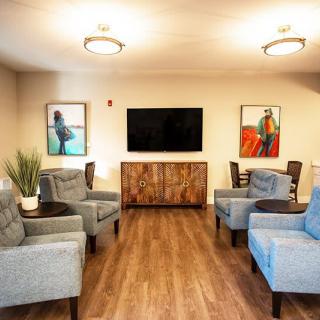
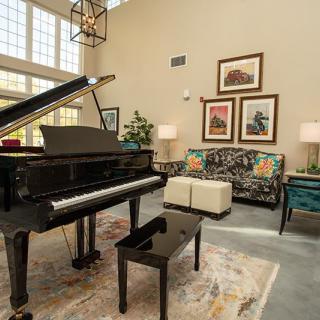
13050 West Cleveland Avenue, New Berlin, WI 53151
For more information about senior living options: (866) 208-4318
The Grand Hills Castle Costs & Pricing
The Grand Hills Castle positions itself as a premium living option, with monthly costs that reflect its luxurious amenities and high-quality service. For instance, studio apartments at The Grand Hills Castle are priced at $4,500, which is notably higher than the averages for both Waukesha County ($4,225) and the broader state of Wisconsin ($3,999). Similarly, semi-private accommodations at $4,550 also exceed local and state benchmarks. In terms of one- and two-bedroom options, The Grand Hills Castle's prices reach $5,850 and $6,650 respectively - significantly above Waukesha County's average of $2,752 for one-bedroom units and $2,524 for two-bedroom units. While these rates may be steeper compared to regional counterparts, they likely reflect the unique offerings and exceptional experience that residents can expect at this distinguished establishment.
| Floor plans | The Grand Hills Castle | Waukesha County | Wisconsin |
|---|---|---|---|
| Studio | $4,500 | $4,225 | $3,999 |
| Semi-Private | $4,550 | $4,369 | $3,977 |
| 1 Bedroom | $5,850 | $2,752 | $3,412 |
| 2 Bedrooms | $6,650 | $2,524 | $3,111 |
Memory care communities with a similar price nearby
-
from -$450 / mo
Waterford Senior Living
$4,050 to $5,450 / month17.5 miles away -
from -$500 / mo
Ellens Home Germantown
$4,000 / month15.8 miles away -
from -$500 / mo
Complete Home Health Care
$4,000 / month9.9 miles away -
from +$313 / mo
Oak Park Place Of Wauwatosa
$4,813 to $5,649 / month4.0 miles away -
from +$790 / mo
Azura Assisted Living and Memory Care of Brookfield
$5,290 to $7,470 / month6.8 miles away
Overall Review of The Grand Hills Castle
Pros
 The process is smooth.
- They would recommend the facility to others.
- Residents can walk around the facility and are not locked in.
- A bracelet safety system helps keep residents safe when outside supervision is needed.
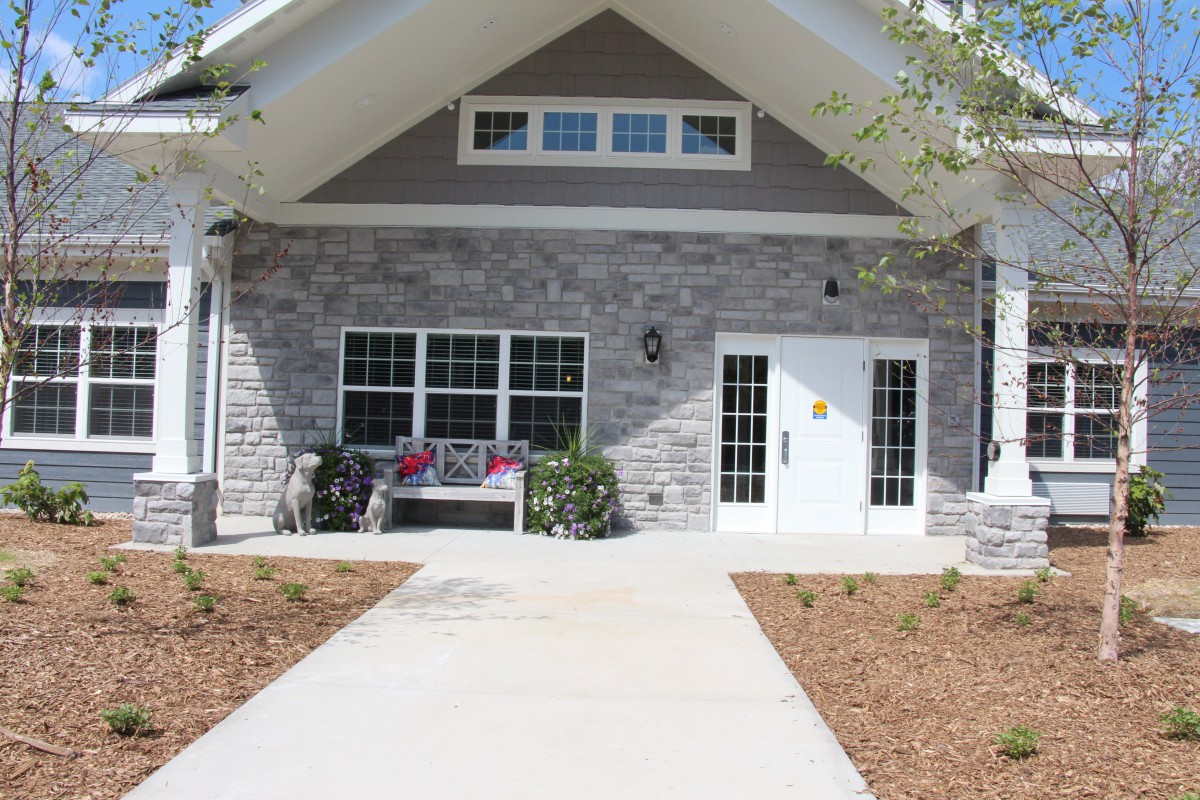
- There is a nice enclosed courtyard.
- The staff are friendly, caring, and provide good care.
- There are engaging activities like exercise classes and cream socials.
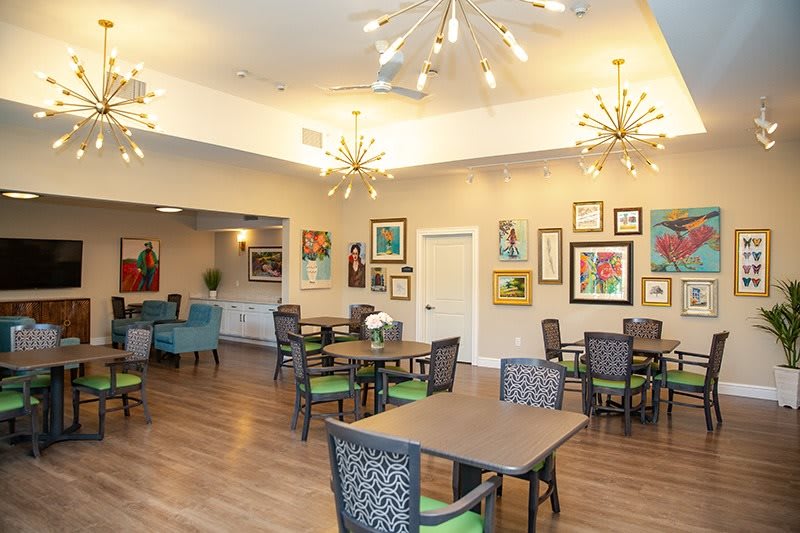
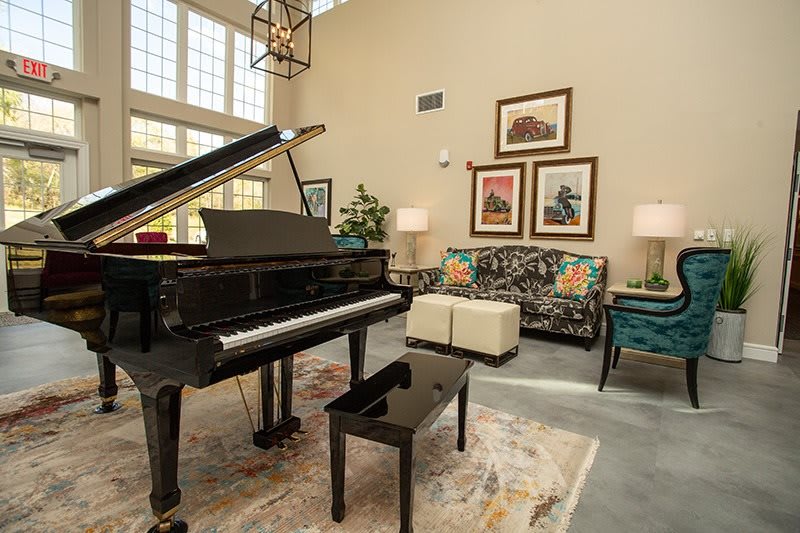
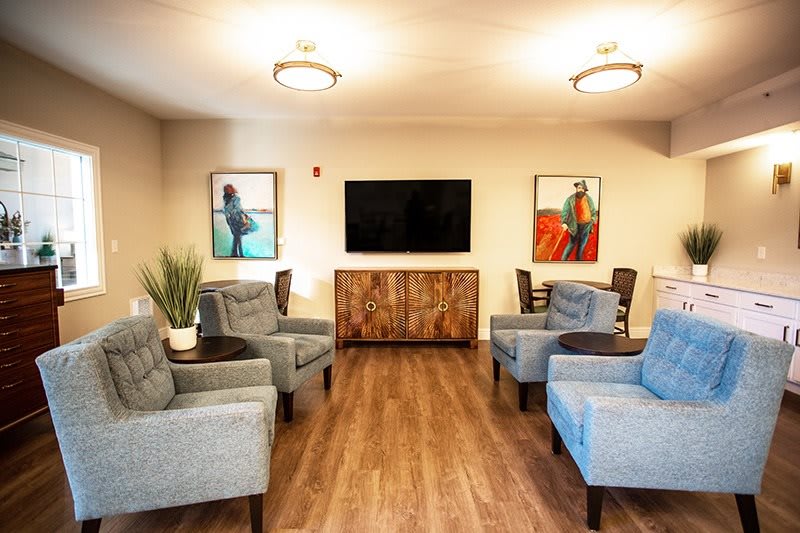
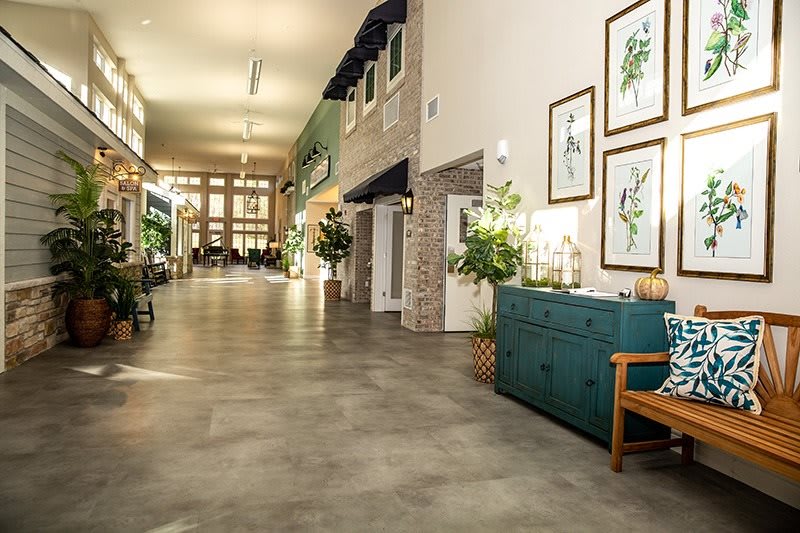
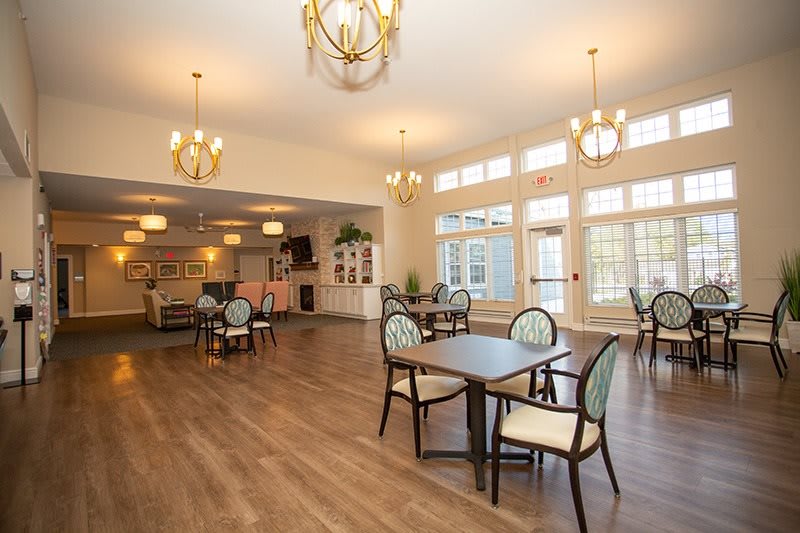
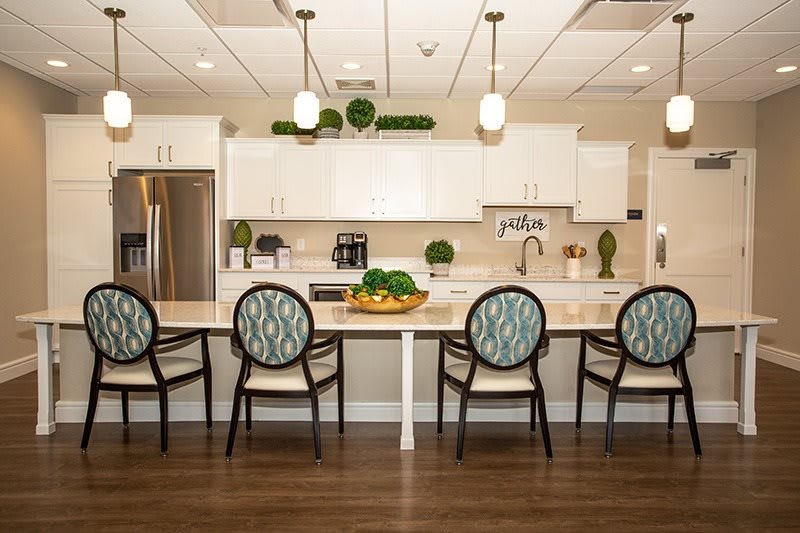
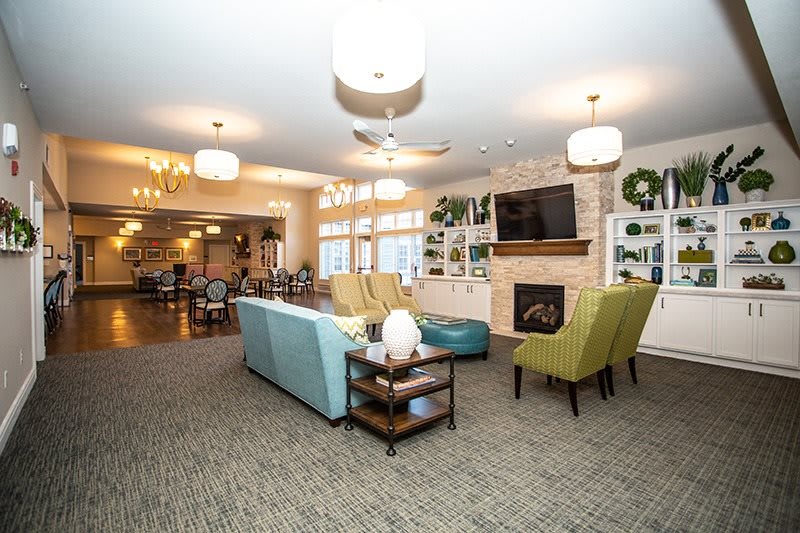
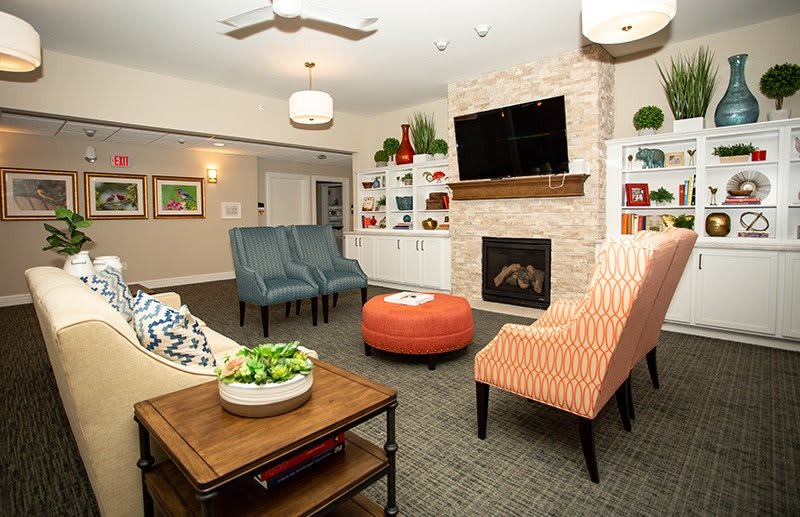
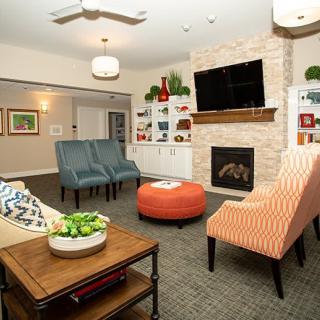
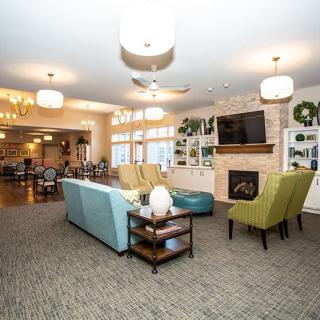
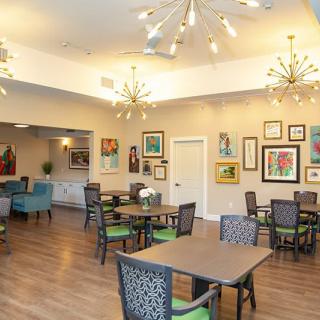
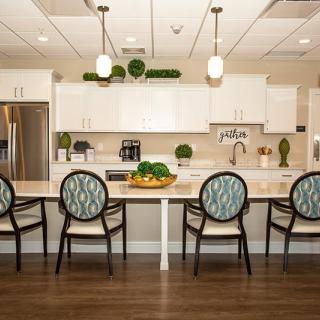
- The facility is bright, brand new, and full of light and welcoming spaces.
Cons
 The food was only okay and nothing special.
- The management did not know what they were doing with the residents' security deposits.
- The facility was more expensive and charged for incontinent supplies and bed alarms.
- The memory care staff could use more training to better engage the residents.
- The outdoor space could be larger and include a wider walking path.
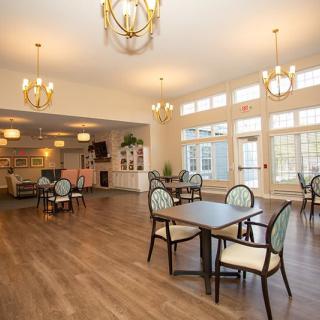
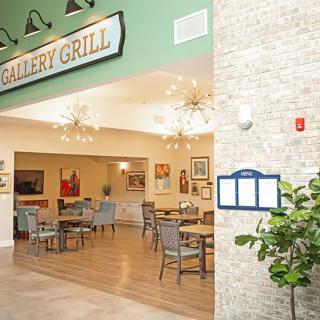
- The layout was not conducive to a nice living environment, with everything in one room and a Main Street theme that felt open and cold.
- The rooms were smaller and lacked kitchenettes.
- There was nowhere to retreat from other residents.
Review
Best suited for active seniors who want to stay connected to a lively, modern environment and for families that value approachable, engaged staff and a predictable routine. The Grand Hills Castle offers a campus where residents can move about indoors without feeling confined, while a bracelet alarm provides a safety net for those who may wander. An enclosed courtyard and common spaces encourage casual interaction, and staff are described as pleasant and responsive on a day-to-day basis. Religious services, exercise classes, and social events fit comfortably into the weekly calendar, helping residents maintain a sense of familiarity. This community works best for those who prioritize meaningful engagement and a contemporary setting over a traditional, quieter footprint.
Pros consistently highlighted by families center on a smooth transition in and a welcoming caregiving team, paired with a tangible sense of safety. Residents are not locked in, and the bracelet alarm plus memory-care safeguards reduce wandering concerns. Staff members who take time to listen and learn about each resident’s life contribute to a genuine feeling of person-centered care. Activities such as exercise classes and cream socials provide reliable social touchpoints, while the facility’s modern, clean spaces support convenient daily living. For many families, these strengths outweigh higher costs and point to solid quality of life within the community.
Yet several concrete drawbacks deserve candid consideration. A financial friction around the security deposit signals unclear management policies, which can be destabilizing for families during a difficult transition. The layout and design receive mixed reviews: a Main Street motif and open-plan feel can come across as cold or impersonal, and some rooms are perceived as compact with no kitchenettes. Memory-care staffing is praised for kindness but often called out for needing additional training to sustain meaningful engagement with residents who have cognitive challenges. Outdoor space, while present, is not described as expansive or long for easy, extended walks. Ongoing costs, such as incontinent supplies and bed alarms, can add up, impacting overall affordability.
Despite these concerns, the core strengths frequently offset the downsides for many prospective residents. The security features, attentive staff, and a bright, active calendar translate into real peace of mind for families worried about wandering or memory-care needs. A well-implemented safety system combined with staff who know residents well reduces emotional strain when aging or memory issues progress. Consistent programming and access to religious services provide comfort and routine that many families value highly. Clean, modern facilities contribute to a positive mood, reinforcing daily life’s sense of normalcy. In short, the favorable elements align well with practical goals for senior living, mitigating several notable drawbacks.
Prospective residents should approach with a clear checklist. Confirm the specifics of the deposit policy in writing and demand transparent accounting if any funds are withheld or returned late. Seek a comprehensive tour that includes memory-care segments and inquire about staff training, turnover, and daily caregiver-to-resident ratios. Review floor plans to assess room size, privacy, and whether kitchenettes are available or truly unnecessary for the intended level of care. Evaluate outdoor options and climate controls to ensure common areas remain welcoming year-round. Finally, obtain a detailed budget that itemizes potential extras, such as incontinent supplies and bed alarms, so the total monthly cost aligns with the value received. Speaking with current families can reveal how consistently the care plan is executed day to day.
Taken together, The Grand Hills Castle presents a compelling option for families prioritizing an engaged, safety-forward living environment with a consistently caring staff. It may be less suitable for those who want larger, more private apartments, kitchenettes, or a lower total cost. For such needs, it makes sense to compare with other communities offering more expansive layouts or simpler pricing structures. For residents who place a premium on an active social calendar, respectful care, and clear safeguards, this community delivers a practical balance of comfort and reassurance.
 43 resident community capacity
 Assisted Living
 Memory Care
 Activities off-site
 Air-conditioning
 Beautician on-site
 Cable or satellite TV
 Devotional services on-site
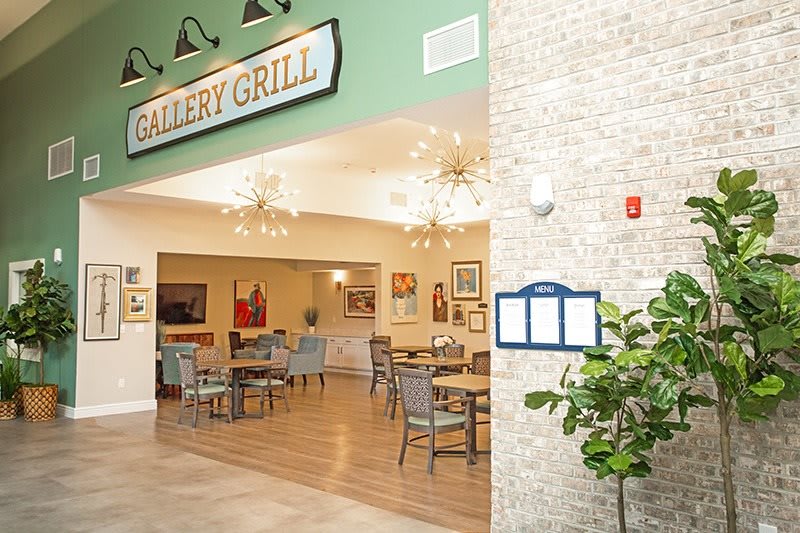
 Dining room
 Full kitchen
 Fully furnished
 Garden
 Handicap accessible
 Housekeeping services
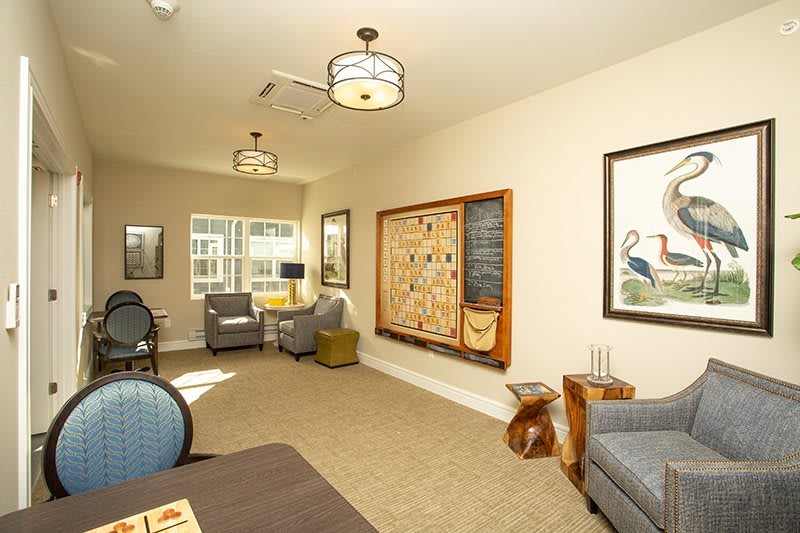
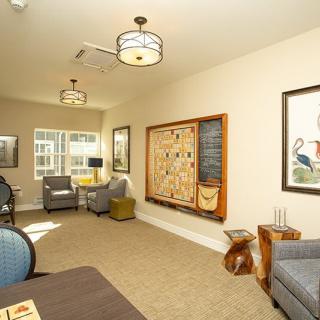
 Indoor common areas
 Move-in coordination
 Outdoor common areas
 Telephone
 Wheelchair accessible showers
 Wi-Fi/high-speed internet available
 General Mitchell International (10 miles away)
 24-hour call system
 Assistance with bathing
 Assistance with dressing
 Assistance with transfers
 Diabetes diet
 Diabetic care
 Hospice waiver
 Incontinence care
 Meal preparation and service
 Medication management
 Mental wellness program
 Special dietary restrictions
 Transportation arrangement (medical)
 Transportation to doctors appointments
 Art classes
 Brain fitness
 Catholic services
 Cooking classes
 Day trips and outings
 Educational speakers / life long learning
 Live dance or theater performances
 Live musical performances
 Trivia games

 Dementia Behaviors: In-Depth Understanding and Effective Coping Strategies
 5 Early Indicators of Dementia and What You Can Do
 8 Important Indicators That Memory Care May Be Necessary