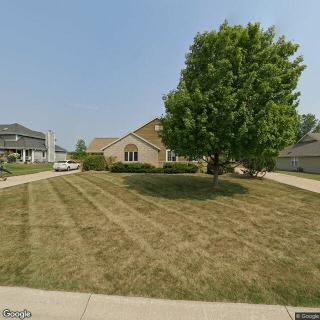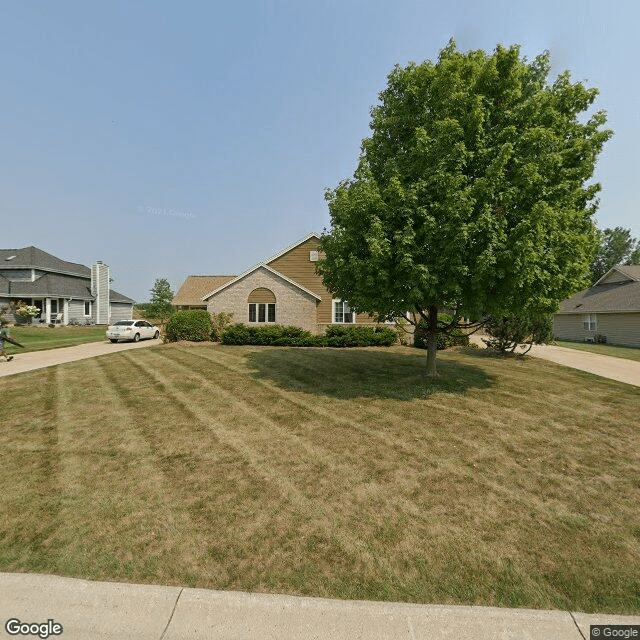
12850/12860 Euclid Drive 12850, New Berlin, WI 53151
To contact a resident: (262) 785-0180
For more information about senior living options: (866) 208-4318
Autumn Living North Costs & Pricing
Autumn Living North offers a competitive pricing structure for its private rooms at $3,600 per month, which positions it as a more affordable option compared to the average costs in Waukesha County and the state of Wisconsin. In Waukesha County, the monthly fee for similar accommodations averages around $4,205, while the statewide average is even higher at approximately $4,339. This pricing strategy not only reflects Autumn Living North's commitment to providing quality care but also enhances its appeal to residents seeking value without compromising on comfort and services.
| Floor plans | Autumn Living North | Waukesha County | Wisconsin |
|---|---|---|---|
| Private | $3,600 | $4,205 | $4,339 |
Senior living communities with a similar price nearby
-
About the same
Dolphin Manor
$3,500 / month16.8 miles away -
from +$540 / mo
Wilkinson Woods
$4,140 to $4,865 / month22.2 miles away -
from -$450 / mo
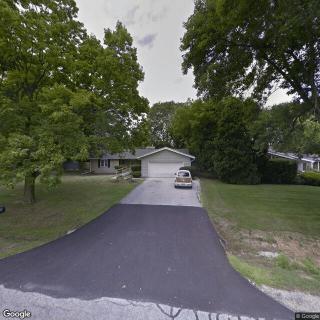
Home Share North Shore House
$3,150 / month13.7 miles away -
About the same

Open Arms 20 III
$3,500 to $4,000 / month22.4 miles away -
from -$531 / mo
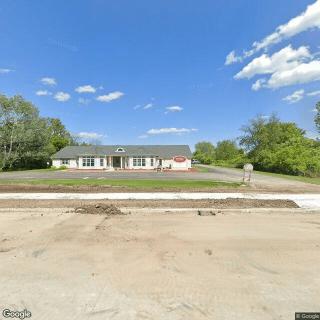
Matthews of Oak Creek
$3,069 / month9.0 miles away
Overall Review of Autumn Living North
Cons
 They find the upfront cost too high.
- They consider the overall price point much too expensive.
- They don’t want or need all the fancy amenities; they just want care.
- They can’t spend any amount beyond their monthly income.
- They think it was too expensive then and remains too expensive now.
- They wish their income would rise like the prices do.
- They don’t want to be called, as it would be a waste of time.
Review
Autumn Living North is best suited for residents who prioritize upscale amenities and a high level of service and who have the means to cover substantial upfront and ongoing costs. The lone review indicates a positioning toward premium features, with a focus on comforts beyond basic care. In practical terms, this community appears designed for those who view assisted living as a holistic lifestyle upgrade rather than a strict necessity, where the monthly price tag aligns with a broader package of amenities and conveniences. Families evaluating options should recognize that the value proposition hinges on willingness to invest well above what many seniors on fixed incomes can safely allocate.
On the other hand, for budget-conscious seniors and families operating within fixed incomes, alternatives deserve intense consideration. The reviewer explicitly notes “much too expensive” and references a start-up cost that dwarfs monthly budgets. That stance signals a sharp misalignment between price and expected value for residents who simply need reliable care without a premium overlay. In addition, households that prefer minimal outreach or feel overwhelmed by aggressive marketing calls may find Autumn Living North’s outreach approach incongruent with their needs, given the reviewer’s wish to avoid being contacted. In short, affordability and a low-pressure engagement style are critical filters that likely steer many potential residents away.
The key pros suggested by the situation are difficult to reconcile with the main cons. The review hints at a care-centric purpose behind the community’s offerings, an implied baseline of services that would satisfy essential needs. However, those benefits appear eclipsed by the cost barrier, such that any potential value from amenities or enhanced services is not evident as justifying the price in the eyes of this reader. Without concrete, favorable evidence about care quality or outcomes, the affordability hurdle dominates the decision. In practice, this means the perceived premium environment cannot compensate for the stress of stretching monthly income or compromising financial stability.
For families making a decision, several due-diligence steps are essential. Demand a transparent, itemized fee structure that clarifies what the start-up cost covers, what is included in ongoing monthly charges, and where optional add-ons may be avoided or included. Probe whether there are any income-based discounts, alternative floor plans, or less costly care models within the same campus. Compare with other communities that emphasize essential care at lower price points, and explore community-based or in-home options as benchmarks. Most importantly, insist on an in-person tour and candid conversations with residents and staff to gauge whether the actual experience aligns with the advertised focus on amenities.
The data at hand is limited: a single, lukewarm review and a rating of 2 out of 5. That sparse footprint cautions against drawing broad conclusions, yet it strongly signals a risk profile for price-sensitive families. Given the absence of positive corroboration, it is prudent to triangulate with additional sources, state inspection records, independent rankings, and firsthand visits, before making a commitment. This is not a facility to elevate for those seeking affordability or incremental outreach; it is a candid reminder that value in senior living is deeply personal and budget-bound.
In conclusion, Autumn Living North seems to function best as a premium option for households able to absorb substantial costs while prioritizing an amenity-rich environment. For seniors and families where cost is the governing constraint, or where straightforward, cost-effective care is the priority, strong alternatives exist that deliver essential services without the premium overlay. Prospects should approach with a clear budget, hard questions about inclusions, and a plan to verify care quality through firsthand experiences. When affordability cannot be reconciled with desired level of service, the clear course is to explore other communities that align more closely with financial realities while still meeting basic care needs.
 Board and Care Home
 Cats allowed
 Bath tubs
 Private
 Wheelchair accessible showers
 General Mitchell International (9 miles away)
 Diabetic care
 Incontinence care
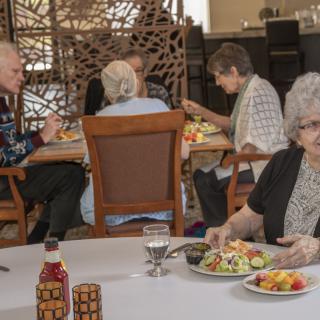
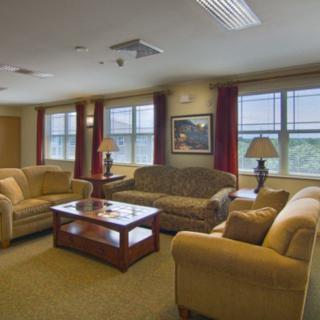
 Small, home-like community (8 residents) with personalized care, memory-care programming, and competitive private-room pricing.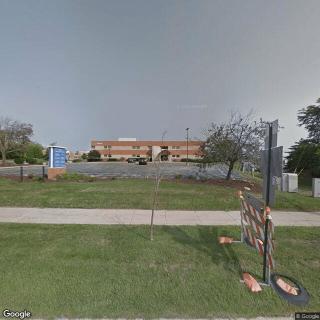


 Recognizing the Journey: Understanding and Navigating Anticipatory Grief
 Encouraging Participation in Adult Day Care: A Guide to Supporting a Hesitant Parent
 Comprehensive Exploration of Living Wills and Other Advance Directives