
13705 West Fieldpointe Drive, New Berlin, WI 53151
For more information about senior living options: (866) 208-4318
Overall Review of Lindencourt New Berlin
Pros
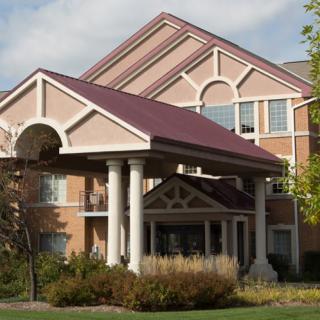
 The building is beautiful.
- The corporate staff are pleasant and easy to work with.
- There are a handful of caregivers that are outstanding.
Cons
 The staff are lazy, unprofessional, and unreliable for taking care of senior citizens.
- They refuse to feed or move the aunt and fail to perform hourly checks.
- They basically leave senior citizens to die, with no activities or interaction, effectively leaving them to rot away and die.
- This facility should not be used until the staff improve.
- Most caregivers are not outstanding; only a handful are.
- The staff did not listen to requested changes.
- The facility promised a low-sodium diet but repeatedly served foods not appropriate for it, causing water retention, swelling, and a leg wound.
- The director of nursing insisted on hospitalizing the resident and planned to bar her return, even removing her from the computer; management later allowed weekend access—revolting treatment.
- Linden Court offers limited activities, leaving residents bored and disgusted; there are no exercises, caregivers sit in front of the TV, and the price is high. There’s a call for a full-time activities person and weekend staff.
Review
Lindencourt New Berlin is best suited for relatively independent seniors whose families can stay closely involved to oversee care and advocate for services. The building’s beauty and the corporate staff’s polite, professional veneer offer a pleasant first impression, but the real test is daily care. For residents who require reliable, hands-on help with feeding, mobility, and medical monitoring, this community does not consistently deliver. Families should approach this option with the understanding that the level of oversight required to ensure safe, respectful care will be substantial; otherwise, the risk of substandard care rises significantly. In short, this is a fit only for self-reliant seniors or for families who are prepared to act as day-to-day guardians.
The most troubling pattern shows up in care delivery: persistent complaints about lazy, unprofessional, and unreliable staff. Multiple reviews describe routine neglect, resistance to moving or feeding residents, and a disturbing sense that residents are left untreated. The impression is not occasional lapses but a systemic shortfall that undermines safety and dignity. Activity programs are described as minimal or non-existent, leaving residents bored and disengaged. At night, caregivers reportedly remain glued to televisions rather than attending to needs, and the overall program lacks meaningful structure. Dietary management appears unreliable, with grave consequences for residents whose health relies on consistent nutrition and hydration.
On the surface, the facility’s aesthetics and certain positive staff interactions offer a glimmer of what the community could be. A few caregivers stand out as capable and compassionate, and the corporate side is described as cooperative. These moments matter because they show that quality care is possible under the right conditions. However, they are not reliably extended across all shifts, all days, or all residents. The disparity between the best-case care and the typical experience is glaring, eroding trust and making it difficult for families to rely on consistent outcomes. The facility’s potential rests on converting those few bright spots into standard practice, something the evidence in these reviews does not demonstrate.
Do the advantages ever offset the major concerns? Not meaningfully. A well-appointed lobby or a courteous administrator cannot compensate for recurring, preventable failures in daily care and medical adherence. Diet mismanagement leading to swelling and health setbacks, coupled with hospital detours and questionable staff directives, undermines any perceived value of the setting. Limited activity programming and sparse weekend coverage compound the risk, especially for residents lacking strong family networks around the clock. The cumulative effect is a quiet erosion of health and happiness, with families forced to decide whether to intervene aggressively or watch a loved one decline when proactive oversight is absent.
From a practical decision-making standpoint, clear expectations and a structured plan must be non-negotiable. Prospective residents should demand documented care protocols, strict dietary controls with routine monitoring, and explicit escalation channels for any medical concerns. It is crucial to observe care across different hours to gauge consistency and to inquire about staff retention and turnover, given the repeated notes about instability. For families with limited ability to supervise on-site, Lindencourt New Berlin becomes a high-risk proposition. Strong alternatives should be pursued, facilities with proven staffing stability, vibrant activity calendars, and demonstrated commitment to resident engagement and safety.
Bottom line: Lindencourt New Berlin is not a strong fit for seniors who require reliable, proactive care and consistent engagement. It may temporarily suit those who can stay largely independent and rely on family oversight, but the risk of health and quality-of-life decline is real and takes hold quickly if monitoring slackens. Alternatives that prioritize steady staffing, transparent communication, and robust activity programs deserve earnest consideration for anyone who places safety and daily purpose at the forefront. If remaining at Lindencourt, insist on an enforceable care plan, continuous oversight, and a rapid escalation process for unmet needs. The decision hinges on whether the level of risk aligns with the facility’s demonstrated capacity to deliver consistent, resident-centered care.
 24 resident community capacity
 Assisted Living
 Beauty salon
 Cable or satellite TV
 Dining room
 Fully furnished
 Garden
 Housekeeping services
 Kitchenette
 Move-in coordination
 Outdoor space
 Telephone
 Wi-Fi/high-speed internet available
 General Mitchell International (10 miles away)
 24-hour call system
 Activities of daily living assistance
 Assistance with bathing
 Assistance with dressing
 Assistance with transfers
 Diabetes diet
 Meal preparation and service
 Medication management
 Mental wellness program
 Special dietary restrictions
 Transportation arrangement (medical)
 Transportation to doctors appointments




 When to Transition from Assisted Living to Memory Care: Key Indicators, Steps, and Finding the Right Community
 Assisted Living and Memory Care: Understanding Their Core Differences
 Beyond the Bingo Hall: 50+ Enriching Activities for Seniors in Assisted Living