
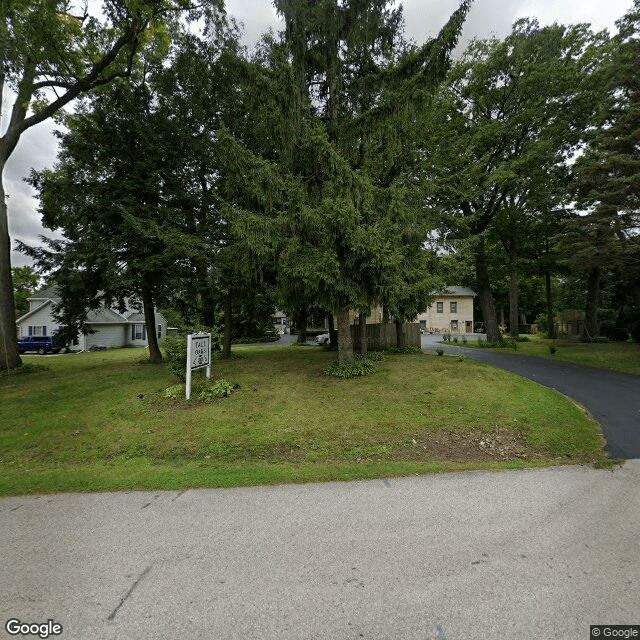
2825 S. Waukesha Rd., West Allis, WI 53227
To contact a resident: (414) 321-7101
For more information about senior living options: (866) 208-4318
Tall Oaks Costs & Pricing
At Tall Oaks, the monthly cost for a studio apartment is $2,950, which positions it significantly more affordably compared to the surrounding Waukesha County average of $4,225 and the broader Wisconsin state average of $3,999. This competitive pricing not only makes Tall Oaks an attractive option for individuals seeking quality living arrangements but also highlights its commitment to providing accessible housing solutions within the local market. The value offered at Tall Oaks reflects both the quality of life within the community and a prudent financial choice for residents looking to balance budgetary considerations with their living standards.
| Floor plans | Tall Oaks | Waukesha County | Wisconsin |
|---|---|---|---|
| Studio | $2,950 | $4,225 | $3,999 |
Memory care communities with a similar price nearby
-
from +$550 / mo

Dolphin Manor
$3,500 / month17.3 miles away -
from +$200 / mo
Home Share North Shore House
$3,150 / month13.0 miles away -
About the same

Eastcastle Place, a CCRC
$3,008 to $6,810 / month10.6 miles away -
from +$345 / mo

Harbour Village
$3,295 to $7,012 / month5.1 miles away -
from +$215 / mo
StoryPoint Mequon
$3,165 to $4,950 / month16.2 miles away
Overall Review of Tall Oaks
Pros
 Tall Oaks is a wonderful assisted living facility.
- It is a rare gem.
- It has wonderful, loving staff.
- The house itself is amazing.
- There are deer in the backyard.
Cons
 The place smells of urine and is dirty.
- Previous staff reported a bed bug infestation.
- The supervisor is described as a thief who stole a worker's keys from a bag and burglarized the employee's house.
- Management did nothing about the incident and is very messy.
- They stir up conflicts between workers, leaving staff with no option but to quit so hours can be split.
- One should not work there or send a loved one there.
Review
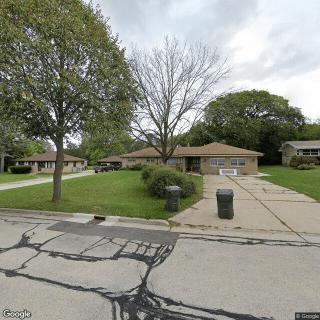
Tall Oaks in West Allis, WI, is best suited for seniors who prize a calm, home-like setting and a small, hands-on care team that can feel deeply supportive when operating at full strength. The property offers charm, scenic views, and a manageable footprint that can translate into meaningful daily interactions for residents who do not require intensive, highly regimented programming. In practice, the community works best when staff continuity is solid and families are prepared to stay engaged and assertive in oversight. This is not a facility built for high-traffic prestige; it serves as a comfortable, intimate option for those who value relationships and a peaceful environment.
However, this is not a fit for anyone prioritizing spotless cleanliness and ironclad safety. Families should consider alternatives if there is a strong expectation of consistent, pest-free surroundings and transparent, reliable management. The combination of odors and reports of bed bugs, plus concerns about theft and staff turnover, are significant red flags for higher-acuity residents or those with greater care needs. Prospective residents with mobility or cognitive challenges may want to see other communities that demonstrate steadier oversight, stronger housekeeping, and robust incident response.
When the front-line team is present and engaged, Tall Oaks radiates warmth: caregivers who remember preferences, a setting that feels safe and homey, and moments of quiet enjoyment thanks to the grounds and deer sightings. Such attributes can momentarily offset rough edges, offering residents social connection, dignity, and a sense of belonging. The scenic backdrop and the house itself contribute to a comfortable daily rhythm that many families seek. Yet this relief depends on reliable staffing and a clean environment, which the negative reports threaten to undermine. The contrast between friendly, personalized care and murky operational issues creates an uneven experience.
On the downside, several serious concerns circulate about cleanliness and pests, including a lingering odor and references to bed bug issues. There are also governance questions, with claims of a supervisor taking items from a bag, alleged theft, and overall management that appears disorganized and prone to internal conflict. Such factors erode trust and create unstable routines for residents and staff alike. The combination of a less-than-spotless environment with questionable leadership makes it harder to feel confident about long-term reliability, even when individual shifts bring sincere care moments. This tension is not easily ignored by families weighing a long-term move.
The advantages, personalized attention, a tranquil setting, and plenty of small comforts, have real value, but they are insufficient to fully offset the gaps in cleanliness, pest control, and managerial accountability. The good days can be outstanding, yet the bad days risk recurring disruptions and resident distress. Families must weigh whether the warm, homelike experiences are likely to outpace ongoing concerns, or whether the facility’s critical flaws will repeatedly surface, requiring intervention. In practice, this means demanding transparent remediation plans and verifiable improvements before committing long term.
For families evaluating Tall Oaks, the prudent course is to foreground a tough tour and candid questions: request current pest-control logs, observe housekeeping on multiple shifts, meet with administrators about complaint handling, and speak with several residents and families about consistency. If a clean, well-kept environment and steady governance can be demonstrated and maintained, Tall Oaks can become a trusted option for those who crave a quiet, personable setting. If not, alternatives in the West Allis area with demonstrable cleanliness, safety protocols, and stable staffing should be pursued with equal vigor. The decision should hinge on the facility’s ability to prove ongoing reliability, not just momentary warmth.
 Assisted Living
 Memory Care
 Activities on-site
 Devotional services off-site
 Indoor common areas
 Respite or short term stays offered
 General Mitchell International (9 miles away)
 Ambulatory care
 Diabetic care
 Meals provided




 Assisted Living and Memory Care: Understanding Their Core Differences
 Choosing the Right Senior Care: A Detailed Exploration of Assisted Living and Nursing Homes
 Safeguarding Your Memory Through the Golden Years: Eight Ways to Preserve Cognitive Health