
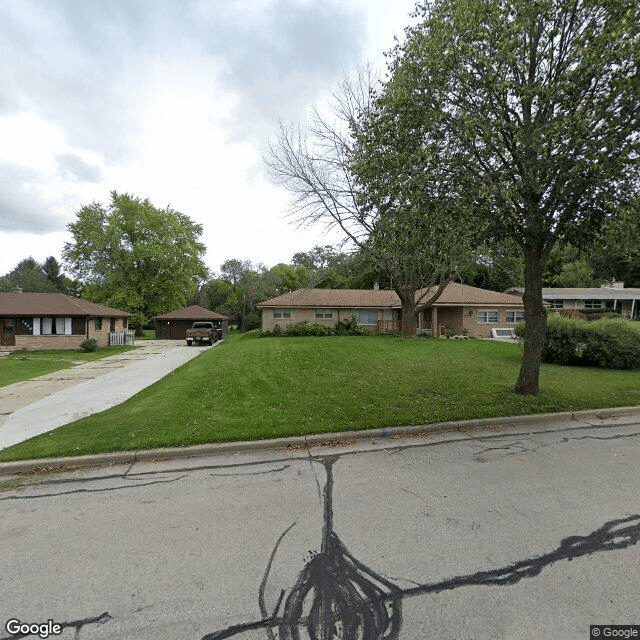
2904 South 114th Street,, West Allis, WI 53227
To contact a resident: (414) 258-9955
For more information about senior living options: (866) 208-4318
Autumn Villa Costs & Pricing
At Autumn Villa, the monthly cost for a private room is competitively priced at $3,200. This rate not only showcases an appealing value compared to the Waukesha County average of $4,205 but also presents significant savings when juxtaposed with the statewide average of $4,339. By offering a more affordable option without compromising on quality, Autumn Villa positions itself as an attractive choice for those seeking comfortable living arrangements in a supportive environment.
| Floor plans | Autumn Villa | Waukesha County | Wisconsin |
|---|---|---|---|
| Private | $3,200 | $4,205 | $4,339 |
Senior living communities with a similar price nearby
-
from +$300 / mo
Dolphin Manor
$3,500 / month17.2 miles away -
from -$400 / mo
Deerwood Crossing Senior Residence
$2,800 to $3,200 / month12.7 miles away -
About the same
Home Share North Shore House
$3,150 / month12.7 miles away -
from +$300 / mo

Open Arms 20 III
$3,500 to $4,000 / month22.3 miles away -
from -$400 / mo
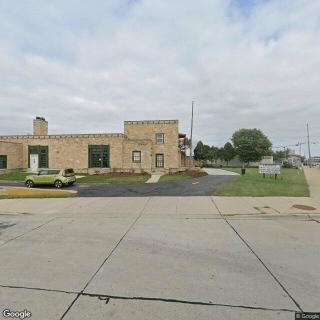
Heavenly Home Inc
$2,800 to $3,000 / month6.3 miles away
Overall Review of Autumn Villa
Cons
 The facility is not equipped to handle people with dementia.
- The staff talks very disrespectfully to the residents.
- The staff are uncaring and unkind.
- They spend most of their time on their cell phones.
- The house manager talks down to the residents and their families.
- The staff here needs training on how to treat people.
- The food is carb-heavy and unhealthy, consisting of hot dogs, sausages, frozen pizza, etc.
- If a loved one is there, visitors are advised to stop in unannounced many times.
Review
Autumn Villa in West Allis is best suited for independent seniors who do not require dementia care and who have reliable family oversight or the ability to advocate effectively on their own behalf. The reviews depict a setting that struggles with residents who have cognitive challenges, and the staff culture does not project the calm competence expected in memory-care or higher-need environments. For someone needing structured dementia support, consistent responsiveness, and a care-forward atmosphere, this community is not a fit. In practice, it serves a narrow niche of residents who can navigate care encounters with vigilance and who do not require ongoing, specialized supervision.
Explicitly, those who should actively consider alternatives include individuals with memory impairment or cognitive decline, as well as families prioritizing respectful interaction, attentive caregiving, and professional boundaries between staff and residents. The critiques describe staff that speak down to residents and families, routine distraction by personal devices, and a house manager who communicates in a controlling or demeaning manner. Meals are described as carb-heavy and unhealthy, which compounds concerns for residents who need stable, balanced nutrition. Any family seeking a warm, resident-centered culture should broaden the search to communities with demonstrable training in dementia care, respectful daily interactions, and consistently engaged staff.
There are effectively no positive notes in these reviews that could offset the significant drawbacks. The most consequential issues, perceived disrespect, uncaring attitudes, and staff disengagement, directly threaten safety, dignity, and well-being. The absence of evidenced strengths such as meaningful activities, proactive monitoring, or clear dementia-readiness means there is no practical offset to the core care failures described. Price or location cannot compensate for a care environment that lacks the basics of respectful treatment and consistent supervision, so any potential upside remains unproven and unconvincing.
For families evaluating options, approach with a rigorous checklist. Plan unannounced visits to observe real-time staff interactions and resident responses; request conversations with the administrator about staff training, resident rights, and complaint handling; review sample menus for nutritional balance and variety; inspect how meals are served for appeal and pacing; and directly talk with current residents or their families about daily responsiveness. Pay particular attention to how staff address concerns, how quickly issues are acknowledged, and whether residents appear engaged or neglected. If possible, observe the cadence of care during different shifts to gauge consistency.
Safety, dignity, and nutrition emerge as the decisive fault lines here. The combination of disrespectful communication, apparent understaffing for higher needs, and meals that lean heavily on processed carbs creates a high-risk environment for vulnerable elders. Social engagement and purposeful activity appear to be lacking, which accelerates isolation and decline for residents who need stimulation. Given these dynamics, the burden on families to supervise and compensate for gaps is substantial, and the ongoing risk of negative experiences is real. In practical terms, care decisions should not hinge on affordability or convenience when powerful quality indicators point to a poor fit.
Bottom line: Autumn Villa is not recommended for most families, especially those with members needing dementia care or requiring a consistently respectful, responsive care team. Alternatives should be prioritized, facilities with documented dementia-capable staffing, attentive culture, healthier dining options, and demonstrable resident engagement. If budget constraints are a reality, pursue communities known for staff development, resident rights protections, and reliable oversight, and insist on trials or comprehensive tours that allow firsthand assessment of how residents are treated on a daily basis.
 Board and Care Home
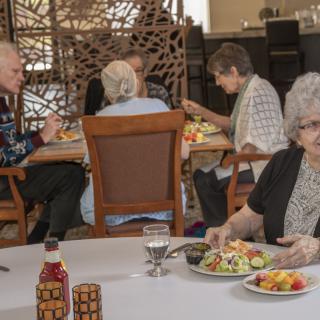
 Activities on-site
 Devotional services off-site
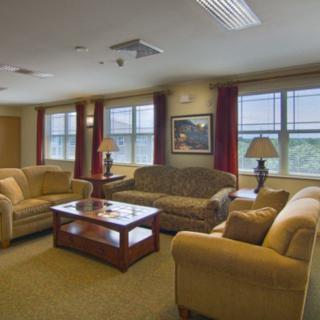
 Indoor common areas
 Private
 General Mitchell International (9 miles away)
 Ambulatory care
 Diabetic care
 Meals provided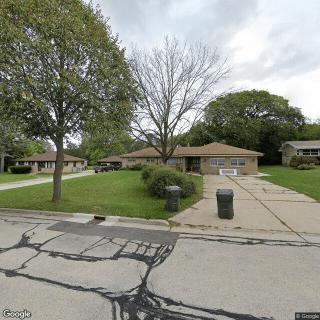
 Competitive pricing for semi-private/private rooms with comprehensive care and on-site activities.
 Essential Knowledge on Pneumonia in Older Adults
 Exploring Palliative Care in the Home: A Comprehensive Overview
 Comprehensive Insights into Palliative Home Care: What It Is and What to Expect