
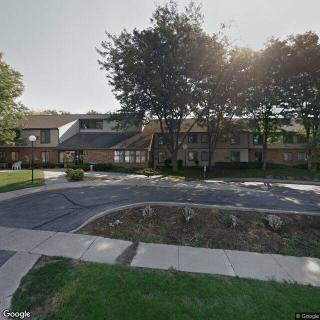
512 Alan Drive, Mount Horeb, WI 53572
For more information about senior living options: (866) 208-4318
Inglehaven Costs & Pricing
Inglehaven presents a unique cost structure for its room types, reflecting its premium offerings within the regional context of Iowa County and Wisconsin. For those considering semi-private accommodations, Inglehaven charges $5,200 per month, which is notably higher than the $4,855 average in Iowa County and significantly more than the $3,977 found in Wisconsin. Similarly, private rooms at Inglehaven are priced at $6,240, again surpassing both local benchmarks - $5,745 in Iowa County and $4,339 in Wisconsin. The studio option further emphasizes this trend; at $6,760, it far exceeds the county rate of $4,378 and Wisconsin's average of $3,999. Overall, while Inglehaven commands higher prices for its residential options compared to neighboring regions, this likely reflects a commitment to quality services and amenities that enhance resident satisfaction.
| Floor plans | Inglehaven | Iowa County | Wisconsin |
|---|---|---|---|
| Semi-Private | $5,200 | $4,855 | $3,977 |
| Private | $6,240 | $5,745 | $4,339 |
| Studio | $6,760 | $4,378 | $3,999 |
Memory care communities with a similar price nearby
-
from +$600 / mo

Beehive Homes of Mount Horeb
$5,800 / month2.5 miles away -
from -$300 / mo
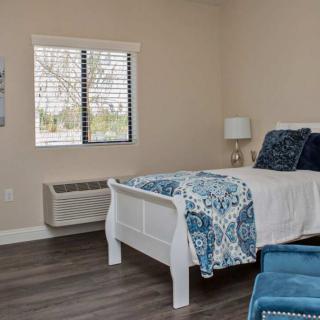
BeeHive Homes of Oregon 2
$4,900 / month18.0 miles away -
from -$490 / mo

All Saints Assisted Living
$4,710 / month10.6 miles away -
from +$960 / mo
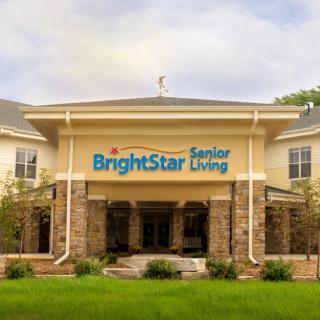
Brightstar Senior Living Of Waunakee
$6,160 to $8,008 / month18.7 miles away -
from -$525 / mo
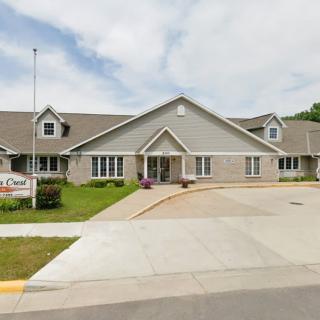
Sienna Crest Waunakee
$4,675 to $5,000 / month18.4 miles away
Overall Review of Inglehaven
Cons
 The staff do not answer the phone.
 - The rooms cannot be reached with any kind of call system.
- The staff need to be monitored to ensure they follow doctors' instructions and other issues.
- The rent increased by $900 per month with no increase in staff or assistance.
- There has been a lot of staff turnover.
Review
Inglehaven in Mount Horeb is best suited for highly independent seniors who can tolerate limited staff responsiveness and whose families are prepared to supervise care regularly. The reviews describe a setting where communication is unreliable, phone lines are hard to reach and there is no dependable call system to summon help to rooms, so residents cannot rely on immediate assistance. That reality places a premium on self-management: residents should be able to handle daily routines with minimal hands-on help and accept occasional delays in service. Family involvement should be routine, with weekly visits and proactive checks of care plans, because true safety and quality here hinge on external oversight. For the right profile, the facility can offer a basic, stable living environment, but only when care gaps are actively monitored and addressed from the outside.
Those who should consider alternatives are residents who depend on dependable, responsive caregiving and clear, predictable communication. If daily medication administration, mobility support, or rapid emergency response is essential, this community is not the right fit. The reported $900 monthly rent increase, with no corresponding rise in staffing or services, further undermines value and should trigger a red flag for cost-conscious families. Anyone unable to commit to frequent on-site oversight will likely encounter ongoing gaps in care. In short, higher care needs or households without the bandwidth for proactive monitoring should pursue other options rather than compromising safety and consistency.
From the available feedback, the negatives dominate. The lack of a reliable call system and difficulty reaching rooms undermine safety and peace of mind, particularly for residents who may suddenly need help. Ongoing staff turnover compounds these problems, eroding continuity of care and making it harder to implement doctors’ orders. The rent spike without tangible staffing gains further erodes perceived value and increases financial risk. The lone five-star rating hints at isolated moments of satisfaction but does not offset systemic weaknesses. Taken together, the balance tilts decisively toward risk for most potential residents, unless a family can supply ongoing hands-on supervision and demand accountability at every level.
A disciplined visit plan should press for concrete demonstrations of care reliability. On tours, test the phone and room-call capabilities and request a live example of an emergency alert. Ask for the current care plan, medication management procedures, and a recent incident log to understand how orders are tracked and carried out. Interview multiple staff members and, if possible, current residents, about response times and daily routines. Look for visible signs of staffing stability, turnover patterns, and recent training. Demand transparent pricing that separates base rent from any increases or extra fees. Finally, seek specifics on how concerns from families are handled and how staff coordinate with physicians to implement new orders.
To minimize risk, compare alternatives with stronger care infrastructure. Seek neighboring communities with lower turnover, reliable call systems, and clear avenues for family communication. Consider whether high-quality in-home care could pair with assisted living to deliver personalized support without sacrificing independence. Ask about staff-to-resident ratios, on-site nursing coverage, and escalation protocols. If staying closer to home, require facilities to publish monthly care metrics, maintain direct lines to supervisors, and keep a predictable on-call physician roster. The objective is a living environment where responsiveness and continuity of care are built into daily routines rather than improvised.
Bottom line: Inglehaven is a poor fit for residents needing dependable, proactive care and for families unable to supervise care frequently. It may appeal to those who prize independence and quiet surroundings, and who can tolerate gaps in responsiveness while living on a leaner budget. For most families, with medical needs, mobility challenges, or schedules that prevent weekly visits, look elsewhere. If pursuing this community, insist on a rigorous trial period, a clear service agreement, and access to objective staff metrics. Verify licensing history and request references from current residents’ families. The decision should hinge on whether reliable, timely care and a predictable cost structure can be achieved, not on occasional satisfaction amid ongoing gaps in communication and accountability.
 16 resident community capacity
 Assisted Living
 Board and Care Home
 Memory Care
 Cable or satellite TV
 Dining room
 Fully furnished
 Garden
 Housekeeping services
 Move-in coordination
 Outdoor space
 Telephone
 Wi-Fi/high-speed internet available
 Dane County Regional (21 miles away)
 24-hour supervision
 Activities of daily living assistance
 Assistance with bathing
 Assistance with dressing
 Assistance with transfers
 Diabetes diet
 Hospice waiver
 Meal preparation and service
 Medication management
 Mental wellness program
 Special dietary restrictions
 Transportation arrangement (medical)
 Transportation to doctors appointments
 Specialized memory care with attentive staff; competitive local pricing.



 A Holistic Dementia Care Guide: Effective Strategies for Memory Support
 Memory Care Pathways: A Holistic Guide to Dementia Support
 Comprehending Evening Confusion in Dementia: Causes, Manifestations, and Support