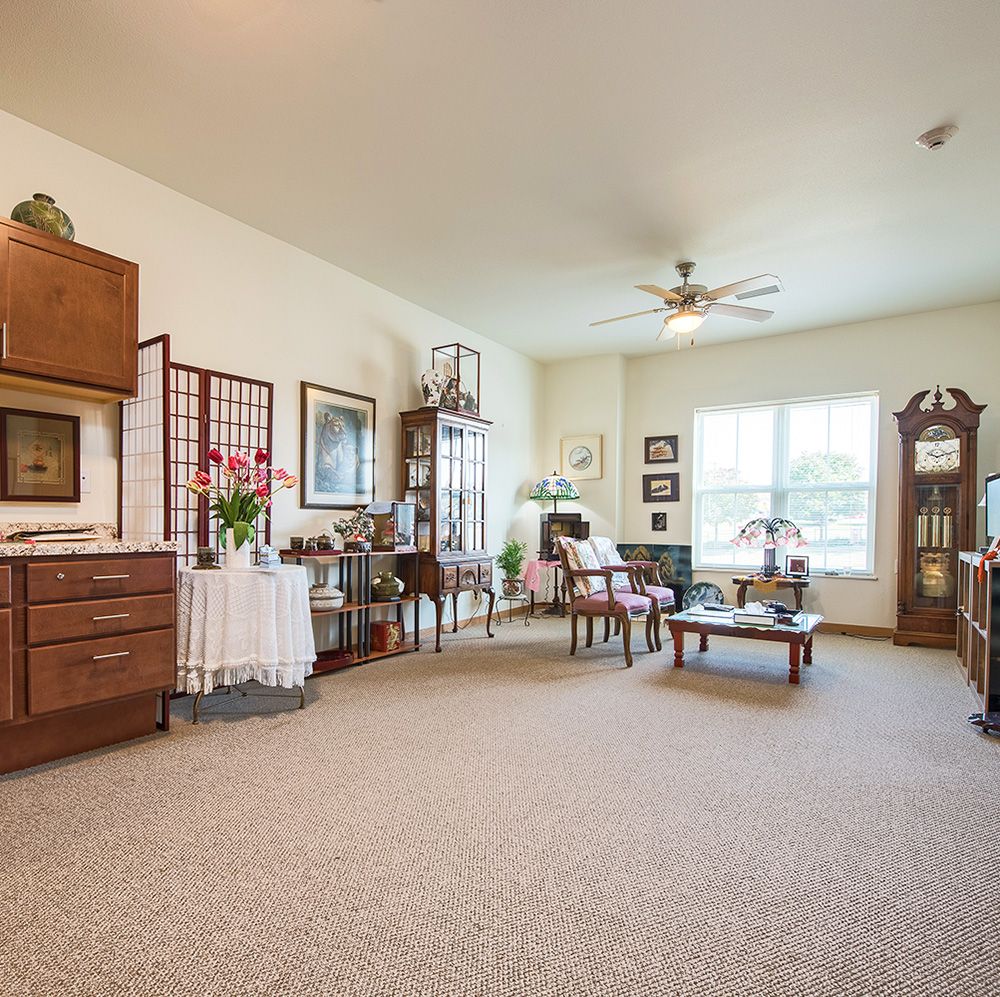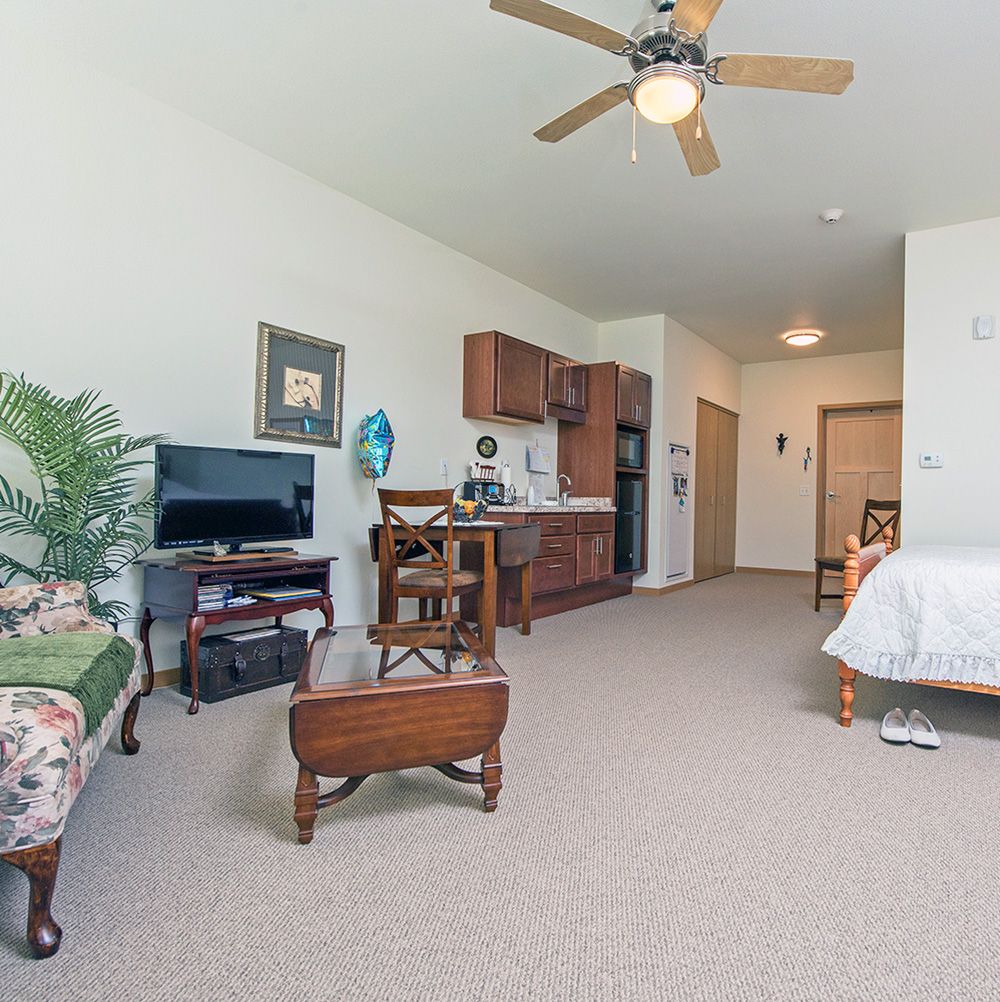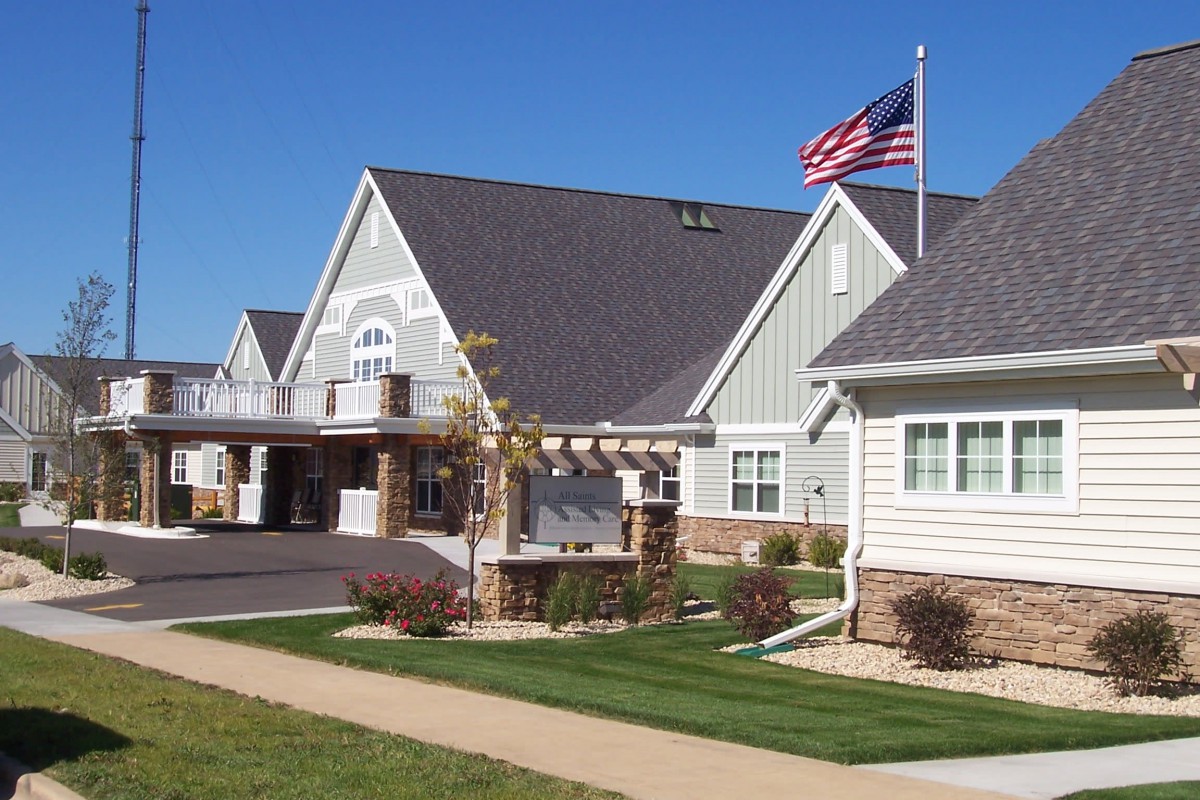


519 Commerce Drive, Madison, WI 53719
For more information about senior living options: (866) 208-4318
All Saints Assisted Living Costs & Pricing
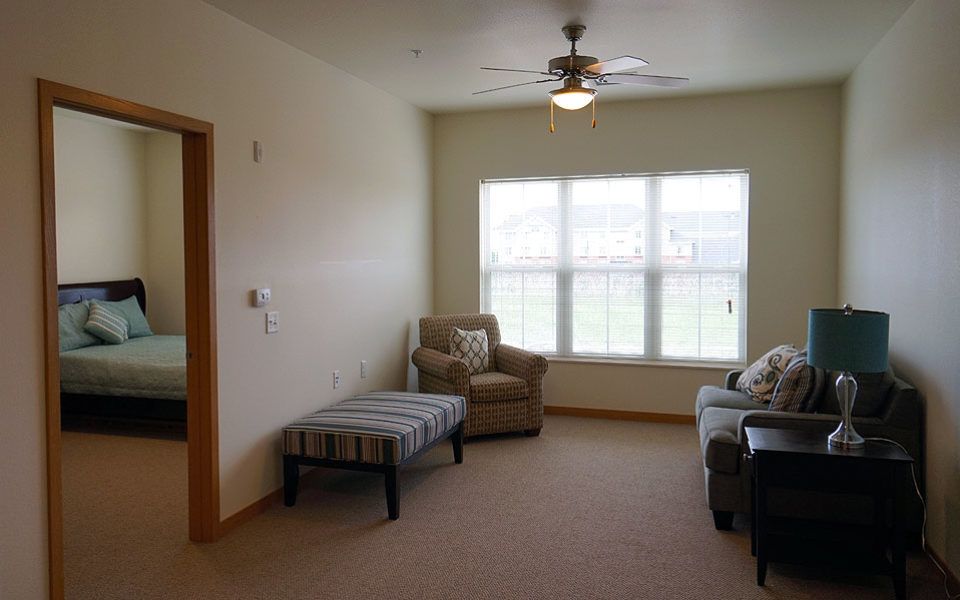
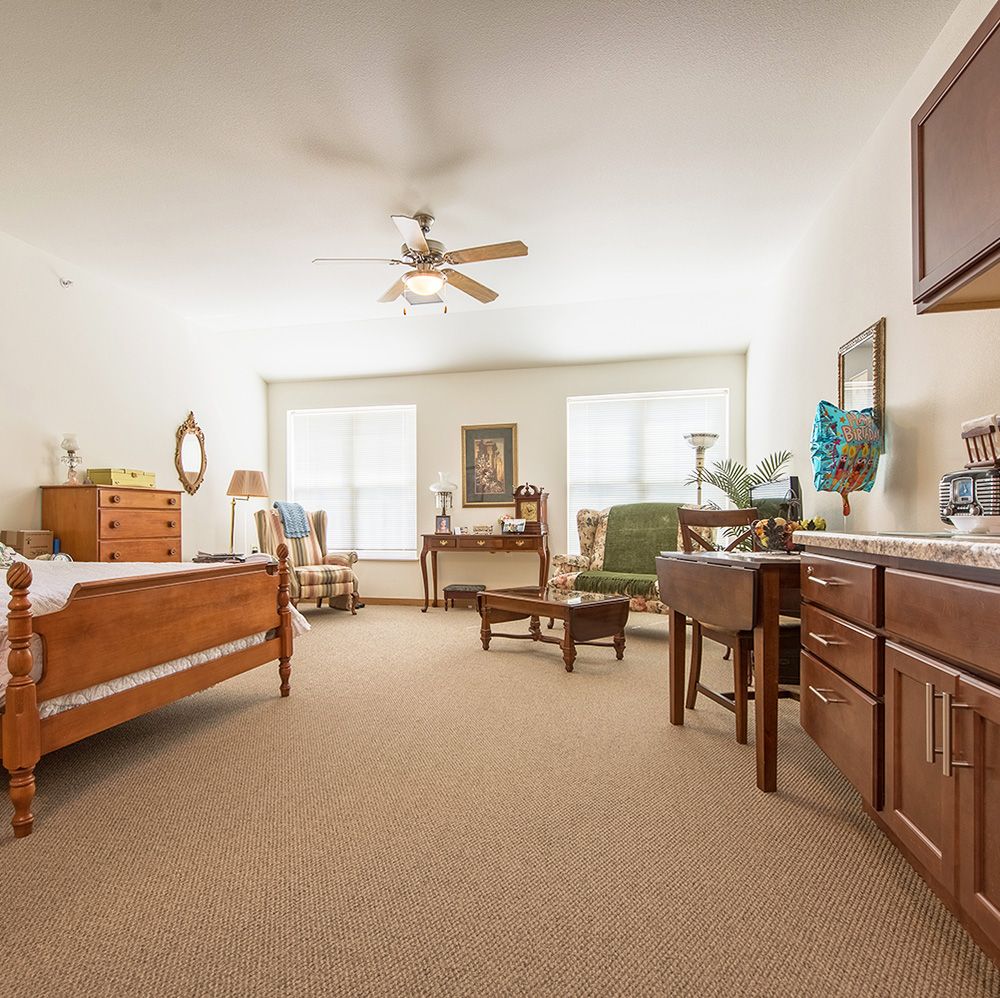
All Saints Assisted Living presents competitive pricing for its studio accommodations, with a monthly cost of $4,710. This rate is slightly higher than the average for Dane County, which stands at $4,418, but remains significantly above the state average of $3,999 for similar facilities across Wisconsin. While the costs might reflect a premium service or enhanced amenities offered by All Saints, prospective residents and their families should consider the overall value and quality of care provided when comparing these figures to other options in the region.
| Floor plans | All Saints Assisted Living | Dane County | Wisconsin |
|---|---|---|---|
| Studio | $4,710 | $4,418 | $3,999 |
Memory care communities with a similar price nearby
-
from -$710 / mo
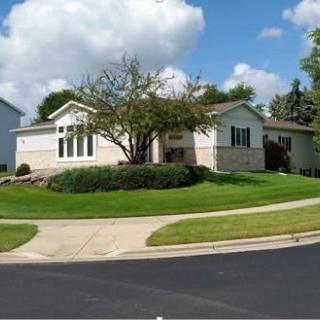
Timberwood Lodge Assisted Living and Memory Care
$4,000 to $4,500 / month3.5 miles away -
from -$810 / mo

Kettle Park Senior Living
$3,900 to $4,820 / month17.7 miles away -
from -$910 / mo
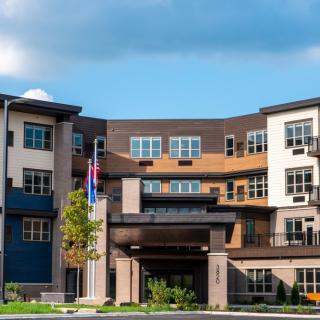
Cardinal View Senior Living
$3,800 to $5,000 / month4.2 miles away -
from +$190 / mo
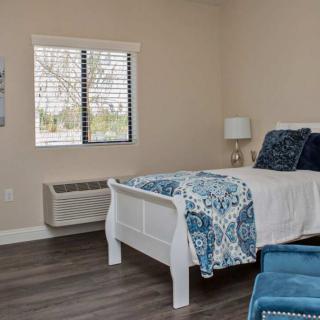
BeeHive Homes of Oregon 2
$4,900 / month10.8 miles away -
About the same
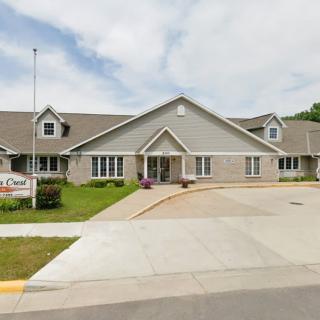
Sienna Crest Waunakee
$4,675 to $5,000 / month10.2 miles away
Overall Review of All Saints Assisted Living
Pros
 All Saints Memory Care is described as a truly amazing place with an incredible staff who treat residents with kindness and dignity every day.
- The staff are patient, warm, respectful, and attentive to the residents’ needs.
- The administration and entire team are extraordinary, capable of thoughtful, creative, and compassionate actions in handling dementia.
- The memory care program is well-established and robust, with a professional staff delivering excellent care.
- They never say no to a feasible request, demonstrating a strong commitment to residents’ quality of life.
- Families report proactive communication and regular updates about their loved ones’ days.
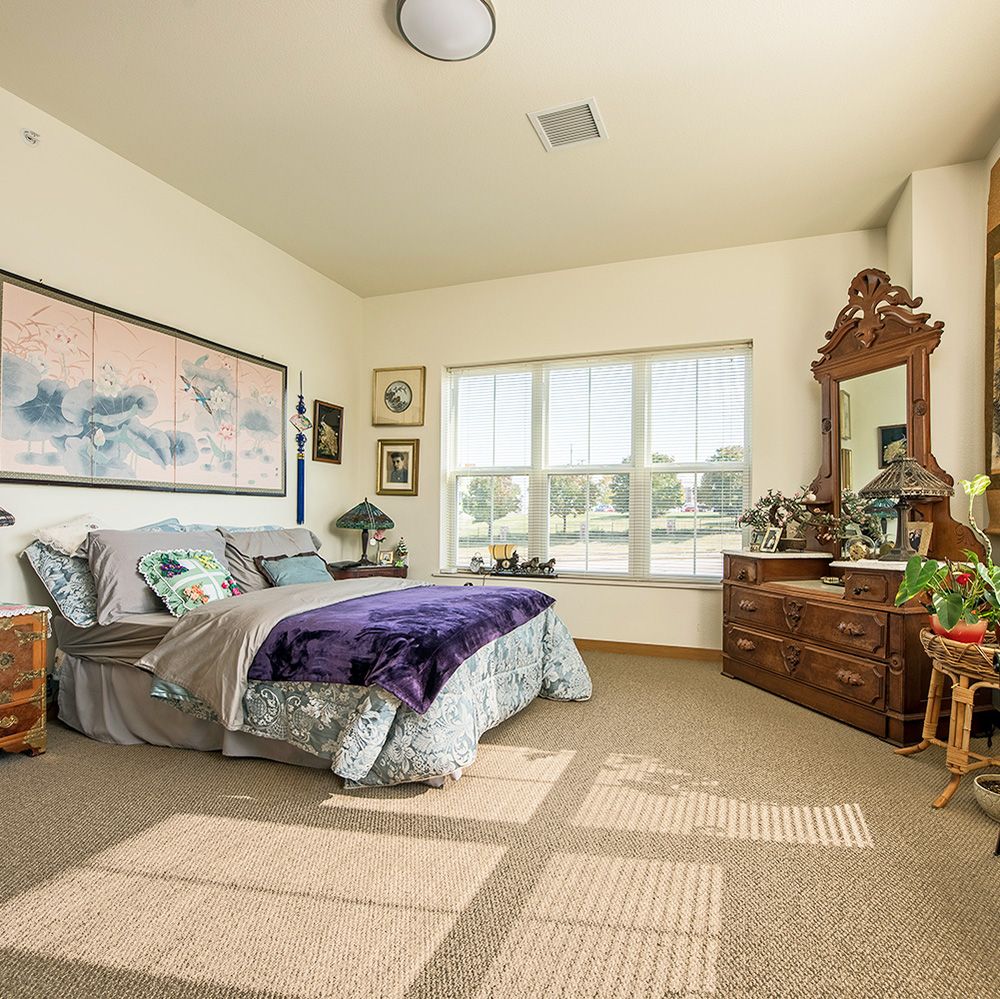
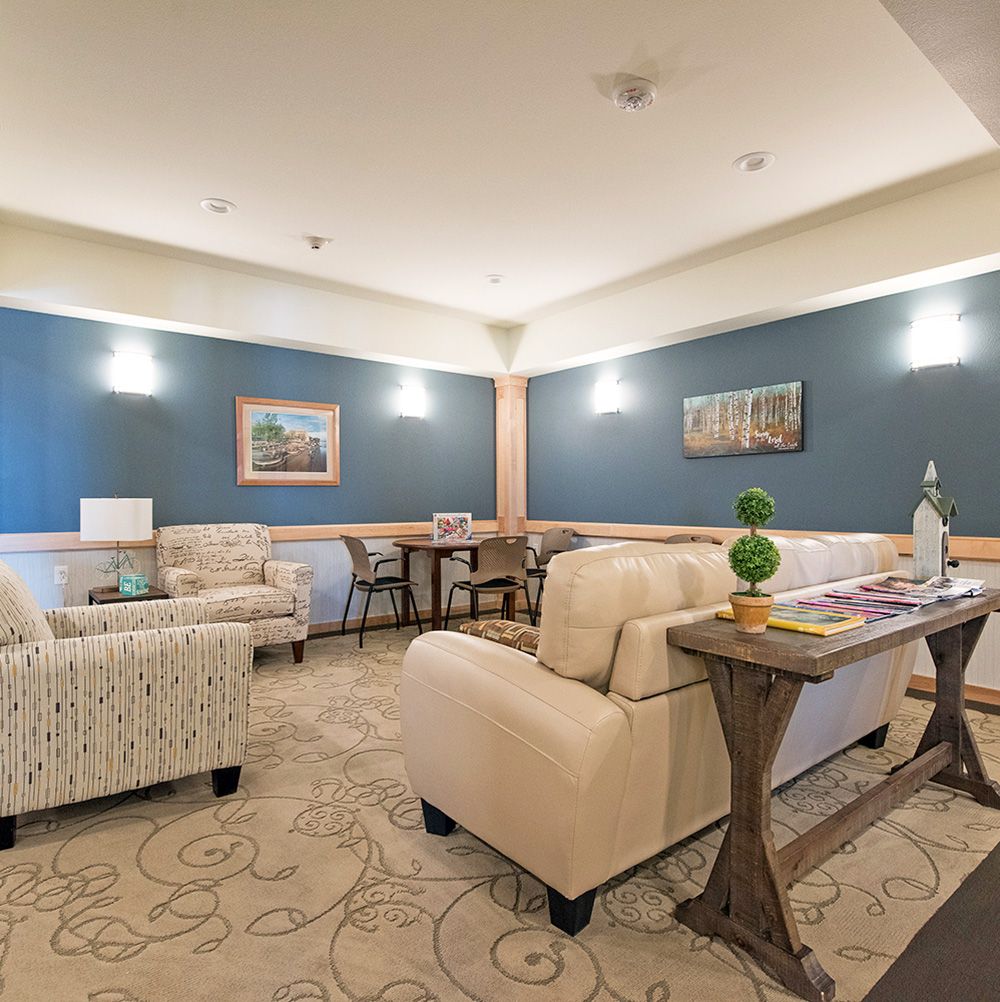
- The facility is clean, well-maintained, with engaging activities, an exercise program, and supportive staff.
- Families feel blessed to have found All Saints and highly recommend it.
Cons
 The staff are not really supported by management.
- The costs of these retirement communities are very expensive.
- There was a gripe about why adult pull-ups were being used after they had not been used previously.
- A bleach spill stained the area because it wasn't repaired promptly.
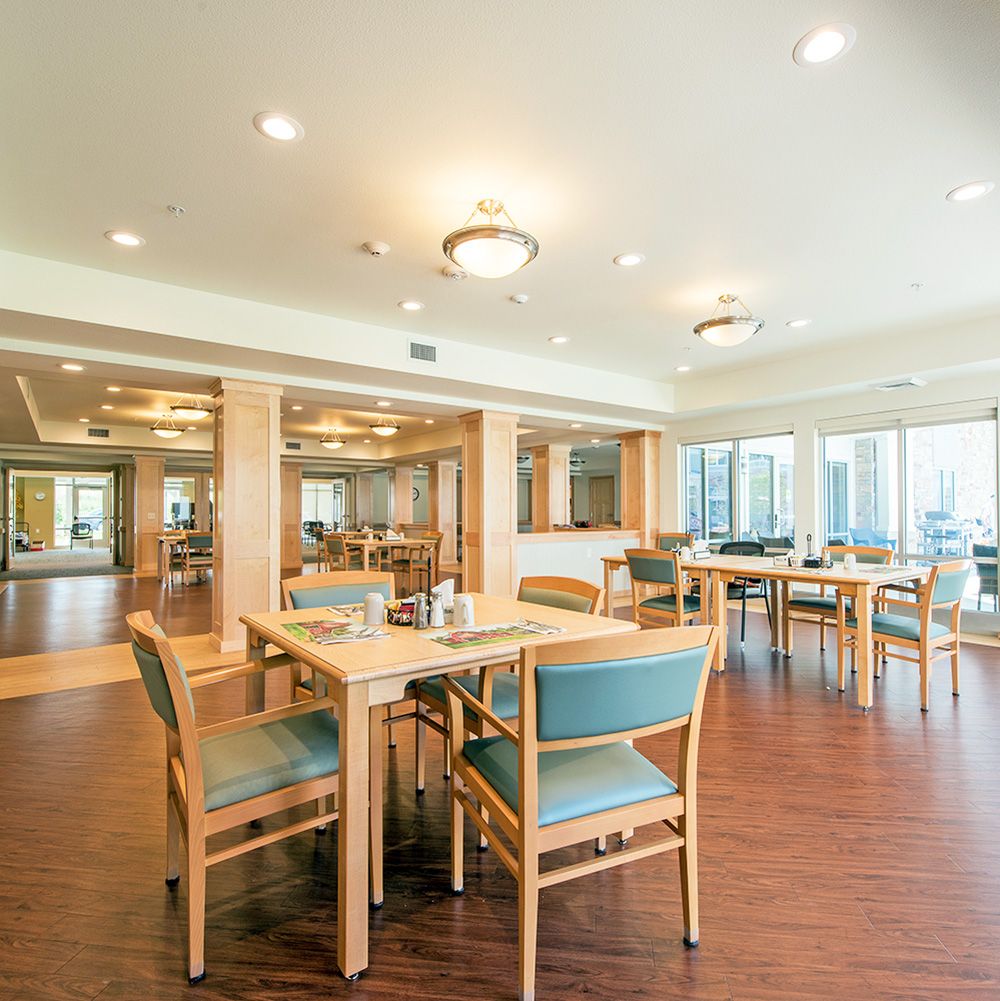
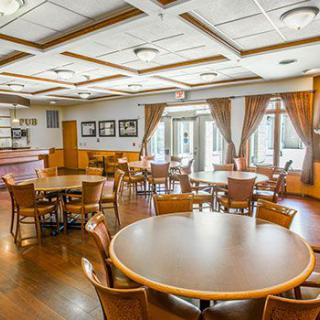
- The dining room had hard surfaces and noticeable noise, making it difficult to hear and not very restful.
- During the visit, staff did not interact with residents aside from the tour guide.
- There were only one or two male staff on the floor.
- There was no on-site care, with RNs available only during business hours and 24/7 on-call.
Review
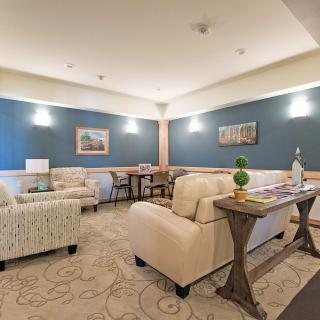
All Saints Assisted Living in Madison, with its Memory Care program, is best suited for families seeking top-tier dementia-focused care where residents are treated as unique individuals and daily life centers on dignity, safety, and meaningful engagement. The community demonstrates a thorough, resident-centered approach: a robust memory care program, meticulous cleanliness, and a staff culture steeped in patience, kindness, and professional competence. For families confronting memory loss, this setting offers a structured, predictable routine, proactive communication, and a team that collaborates across RNs, care aides, activity staff, and administration to maintain a high quality of life.
That strength, however, comes with caveats that certain families should weigh carefully. The price tag on memory care can be steep, and wary families may want to compare with less costly options. Some reviews raise concerns about management support feeling uneven, suggesting that frontline staff can bear the load when oversight isn’t as visible as it should be. For residents who require 24/7 on-site medical coverage or rapid, hands-on clinical response, it’s essential to verify exactly how on-site care is structured and staffed across memory care and assisted living wings, since perceptions of availability can vary by shift.
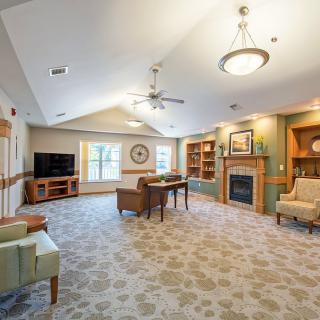
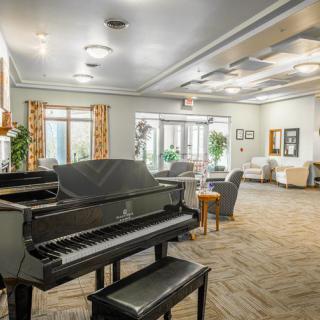
The enduring positives clearly offset these concerns. The memory program is described as well-established and deeply attentive, with staff who consistently treat residents with warmth, respect, and individualized consideration. Families report proactive day-to-day reporting, meaningful engagement through stimulating activities, and a teamwork-driven ethos that adapts to each resident’s evolving needs. Cleanliness and thoughtful amenities reinforce a sense of safety and dignity, while routine, well-organized schedules reduce uncertainty for both residents and their families. In short, the environment supports not just care delivery but a measurable quality of daily life.
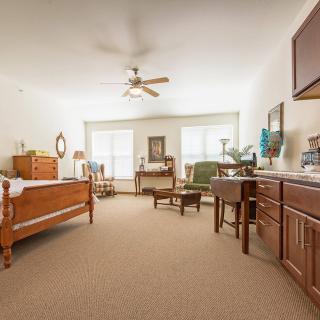
On the occasional downside, operational glitches do surface. A bleach spill that wasn’t repaired promptly can leave a lasting stain, and acoustics in the dining room, hard surfaces and background noise, can hinder conversations for those with hearing difficulties. Some reviews note gaps in on-site care staffing or in evening access to a nurse, which can matter to families seeking constant clinical reassurance. These issues are not universal, but they signal real-world friction points where standards and responsiveness must be consistently demonstrated. Balanced against the overall strength of the program, they become manageable if expectations are aligned with service realities.
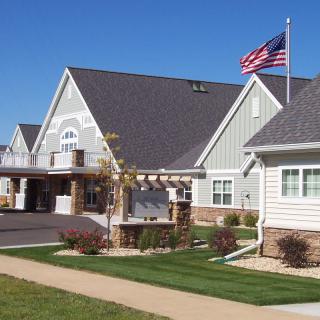
The strongest delta in favor of All Saints lies in the memory program’s depth and the consistent, compassionate care that residents receive. The staff’s ability to maintain dignity in daily care, the openness of communication with families, and the evident teamwork across departments create a reassuring pattern for decision-makers weighing this option. The facility’s newer, clean, and well-laid-out environment also contributes to a sense of well-being and ease of navigation for residents and visitors alike. For families who prize structure, routine, and social stimulation as a protective factor against decline, these advantages provide compelling justification to choose All Saints.
For families evaluating next steps, the practical course is clear: arrange direct access to the memory care team, request sample care plans and weekly reporting templates, and drill into the specifics of on-site nursing coverage, especially after hours. Compare the full cost of care with what is included, and probe how the community handles acoustics, noise control, and potential environmental improvements. If the goal is a high-caliber dementia program delivered with daily warmth and transparent communication, All Saints is a formidable option. If, instead, budget constraints or the need for constant on-site medical intervention take precedence, it may be prudent to survey alternatives that better fit those constraints while still prioritizing safety and quality.
 63 resident community capacity
 Assisted Living
 Independent Living
 Memory Care
 Activities off-site
 Air-conditioning
 Bath tubs
 Beautician on-site
 Cable or satellite TV
 Computer center
 Devotional services off-site
 Dining room
 Fitness room
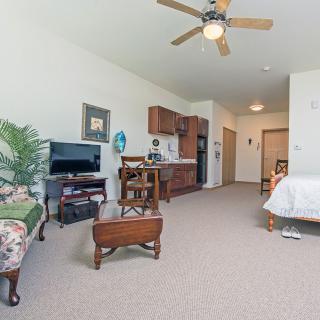
 Fully furnished
 Gaming room
 Garden
 Housekeeping services
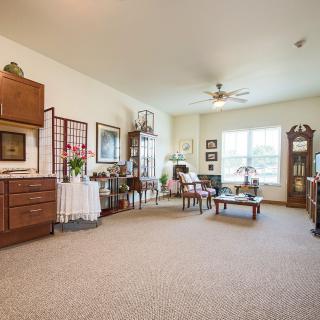
 Indoor common areas
 Kitchenette
 Move-in coordination
 Outdoor common areas
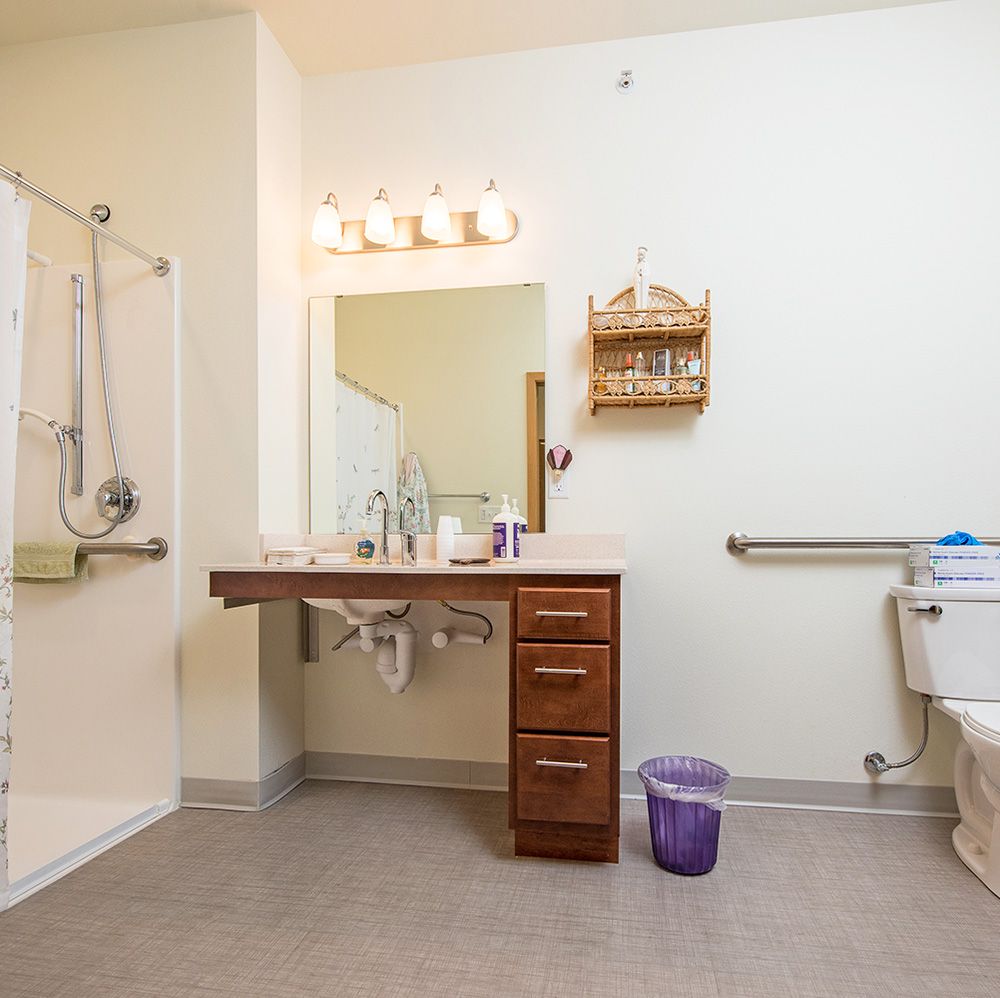
 Private bathrooms
 Restaurant-style dining
 Small library
 Telephone
 Wellness center
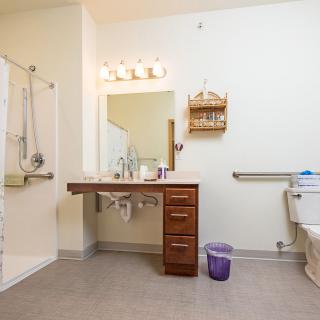
 Wheelchair accessible showers
 Wi-Fi/high-speed internet available
 Dane County Regional (11 miles away)
 Community operated transportation
 12-16 hour nursing
 24-hour call system
 Ambulatory care
 Assistance with bathing
 Assistance with dressing
 Assistance with transfers
 Diabetes diet
 Diabetic care
 Incontinence care
 Medication management
 Mental wellness program
 Special dietary restrictions
 Transportation arrangement (medical)
 Concierge services
 Planned day trips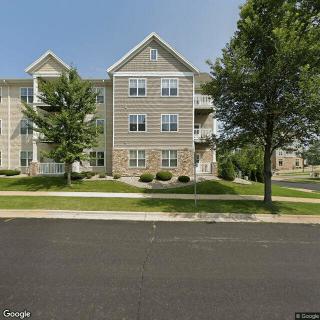



 Understanding Dementia Through Its Seven Stages: A Comprehensive Look at Progression and Expectations
 A Holistic Dementia Care Guide: Effective Strategies for Memory Support
 Comprehensive Insights into Activities of Daily Living (ADLs) and Their Assessment